
Chapter 1 An Overview of Organizational Behavior 2010
Chapter 1 An Overview of Organizational Behavior © 2010 South-Western, a part of Cengage Learning All rights reserved. Prepared by Charlie Cook The University of West Alabama
Chapter Learning Objectives After studying this chapter you should be able to: • Define organizational behavior. • Identify the functions that comprise the management process and relate them to organizational behavior. • Relate organizational behavior to basic managerial roles and skills. • Describe contemporary organizational behavior. • Discuss contextual perspectives on organizational behavior. © 2009 South-Western, a part of Cengage Learning 2
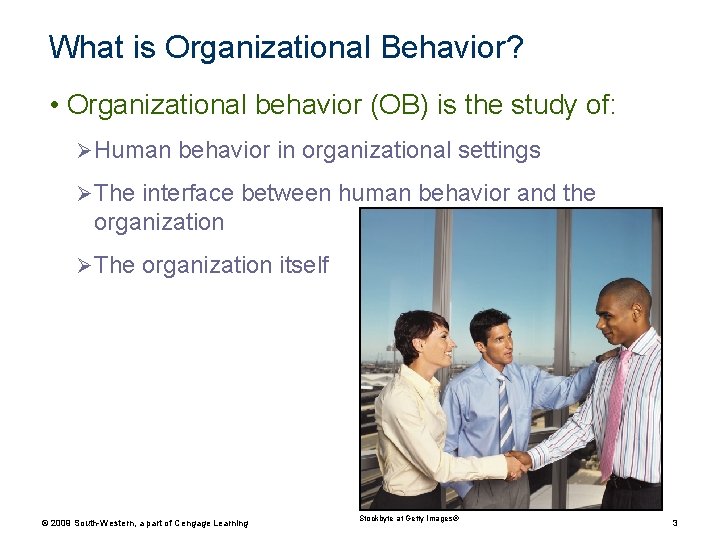
What is Organizational Behavior? • Organizational behavior (OB) is the study of: Ø Human behavior in organizational settings Ø The interface between human behavior and the organization Ø The organization itself © 2009 South-Western, a part of Cengage Learning Stockbyte at Getty Images® 3
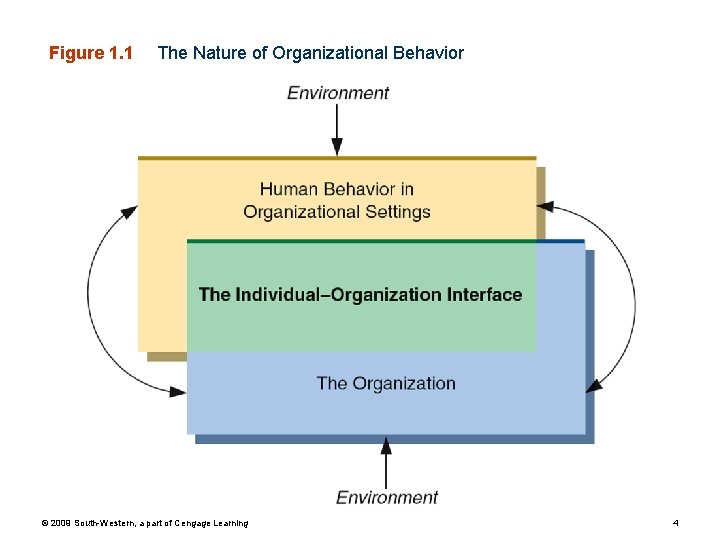
Figure 1. 1 The Nature of Organizational Behavior © 2009 South-Western, a part of Cengage Learning 4
The Importance of Organizational Behavior • Organizations can have a powerful influence on our lives: Ø Most people are born and educated in organizations Ø Most people acquire most of their material possessions from organizations Ø Most people die as members of organizations Ø Many of our activities are regulated by governmental organizations Ø Most people spend most of their lives in organizations © 2009 South-Western, a part of Cengage Learning 5
Why Study OB? • Studying organizational behavior can clarify factors that affect how managers manage by: Ø Describing the complex human context of organizations Ø Defining the associated opportunities, problems, challenges, and issues Ø Isolating important aspects of the manager’s job Ø Offering specific perspectives on the human side of management © 2009 South-Western, a part of Cengage Learning 6
Why Study OB? (cont’d) • Studying OB helps managers understand: Ø The behaviors of others in the organization • Personal needs, motives, behaviors, feelings and career dynamics • Attitudinal processes, individual differences, group dynamics, inter group dynamics, organization culture, power, and political behavior Ø Interactions with people outside of the organization and other organizations Ø The environment, technology, and global issues © 2009 South-Western, a part of Cengage Learning 7
Organizational Behavior and the Management Process • Management Functions • Resources Used by Managers Ø Planning Ø Human Ø Organizing Ø Financial Ø Leading Ø Physical Ø Controlling Ø Information © 2009 South-Western, a part of Cengage Learning 8
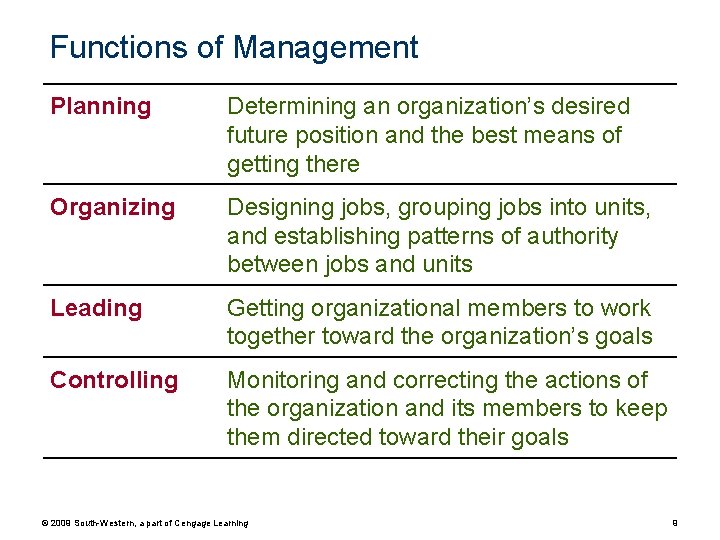
Functions of Management Planning Determining an organization’s desired future position and the best means of getting there Organizing Designing jobs, grouping jobs into units, and establishing patterns of authority between jobs and units Leading Getting organizational members to work together toward the organization’s goals Controlling Monitoring and correcting the actions of the organization and its members to keep them directed toward their goals © 2009 South-Western, a part of Cengage Learning 9
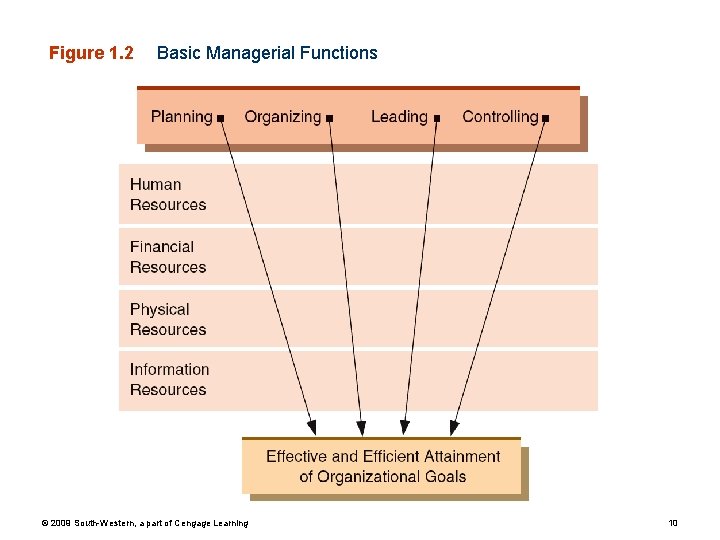
Figure 1. 2 Basic Managerial Functions © 2009 South-Western, a part of Cengage Learning 10
Organizational Behavior and the Manager’s Job • Basic Managerial Roles Ø Interpersonal Ø Informational Ø Decision-Making Stockbyte at Getty Images® © 2009 South-Western, a part of Cengage Learning 11
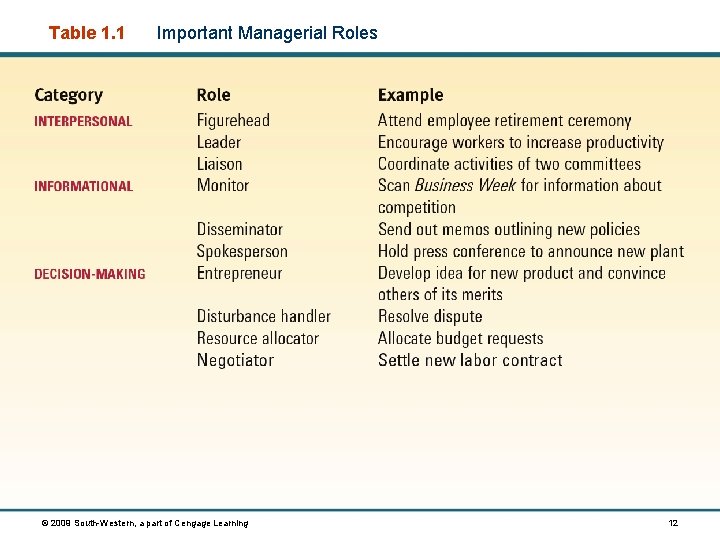
Table 1. 1 Important Managerial Roles © 2009 South-Western, a part of Cengage Learning 12
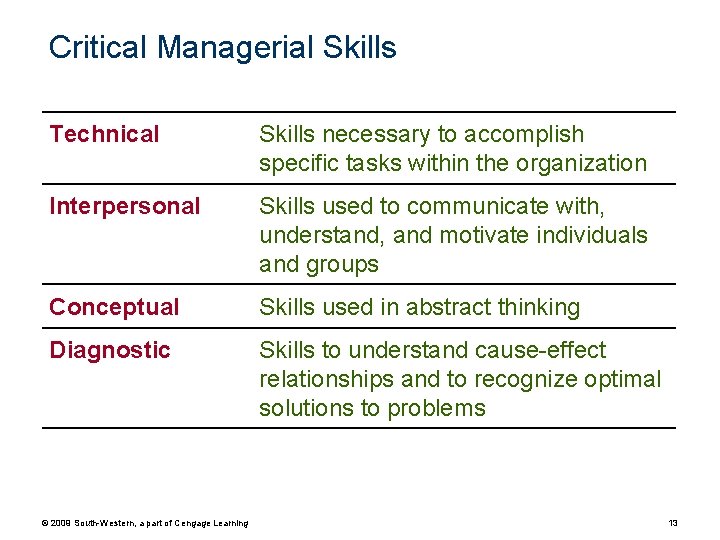
Critical Managerial Skills Technical Skills necessary to accomplish specific tasks within the organization Interpersonal Skills used to communicate with, understand, and motivate individuals and groups Conceptual Skills used in abstract thinking Diagnostic Skills to understand cause-effect relationships and to recognize optimal solutions to problems © 2009 South-Western, a part of Cengage Learning 13
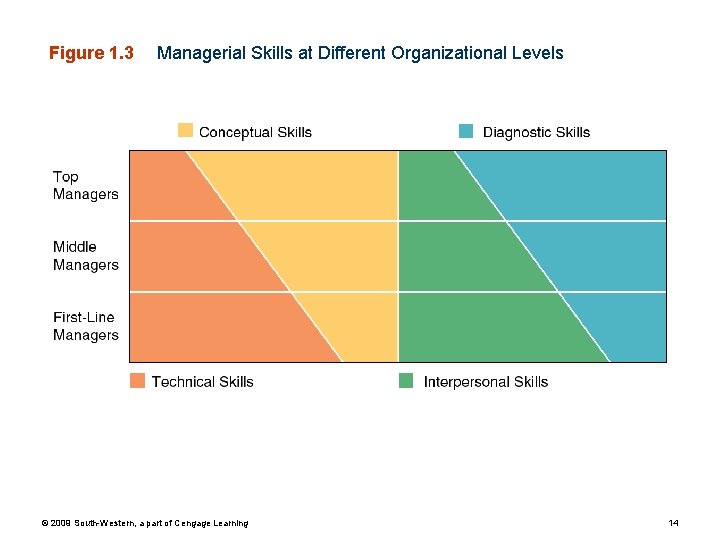
Figure 1. 3 Managerial Skills at Different Organizational Levels © 2009 South-Western, a part of Cengage Learning 14
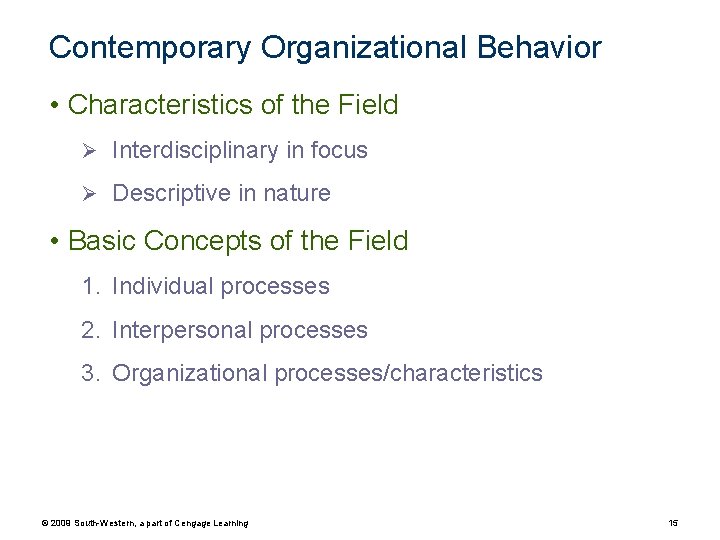
Contemporary Organizational Behavior • Characteristics of the Field Ø Interdisciplinary in focus Ø Descriptive in nature • Basic Concepts of the Field 1. Individual processes 2. Interpersonal processes 3. Organizational processes/characteristics © 2009 South-Western, a part of Cengage Learning 15
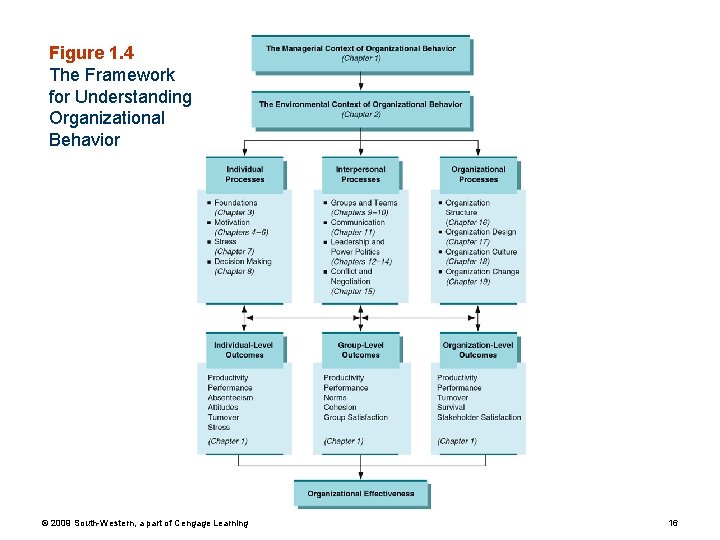
Figure 1. 4 The Framework for Understanding Organizational Behavior © 2009 South-Western, a part of Cengage Learning 16
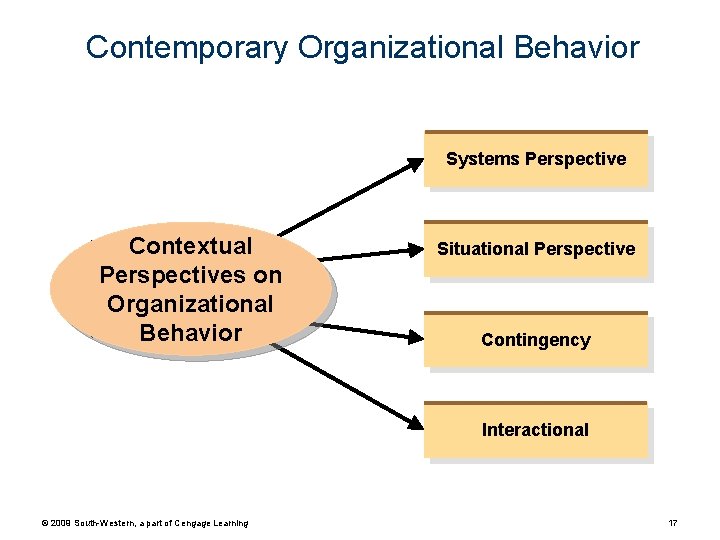
Contemporary Organizational Behavior Systems Perspective Contextual Perspectives on Organizational Behavior Situational Perspective Contingency Interactional © 2009 South-Western, a part of Cengage Learning 17
The Systems Perspective • System Ø An interrelated set of elements that function as a whole—inputs are combined/transformed by managers into outputs from the system. • Value of the Systems Perspective Ø Underscores the importance of an organization’s environment Ø Conceptualizes the flow and interaction of various elements of the organization. © 2009 South-Western, a part of Cengage Learning 18
The Situational Perspective • The Situational Perspective Ø Recognizes that most organizational situations and outcomes are influenced by other variables • The Universal Model Ø Presumes a direct cause-and-effect linkage between variables Ø Complexities of human behavior and organizational settings make universal conclusions virtually impossible © 2009 South-Western, a part of Cengage Learning 19
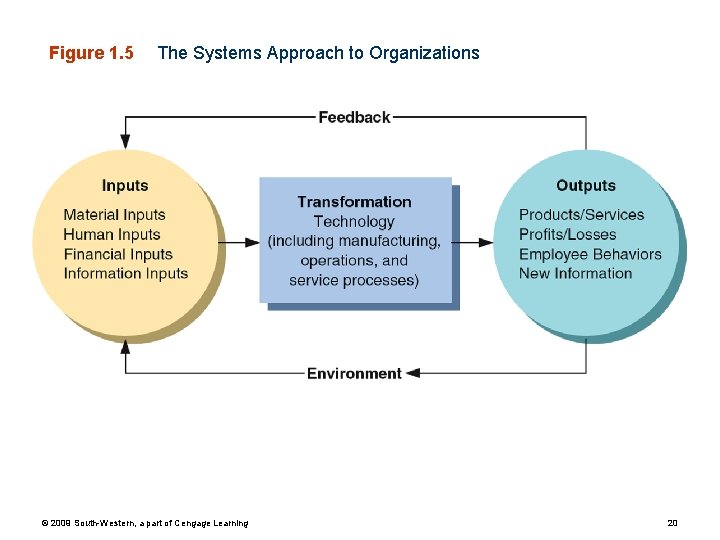
Figure 1. 5 The Systems Approach to Organizations © 2009 South-Western, a part of Cengage Learning 20
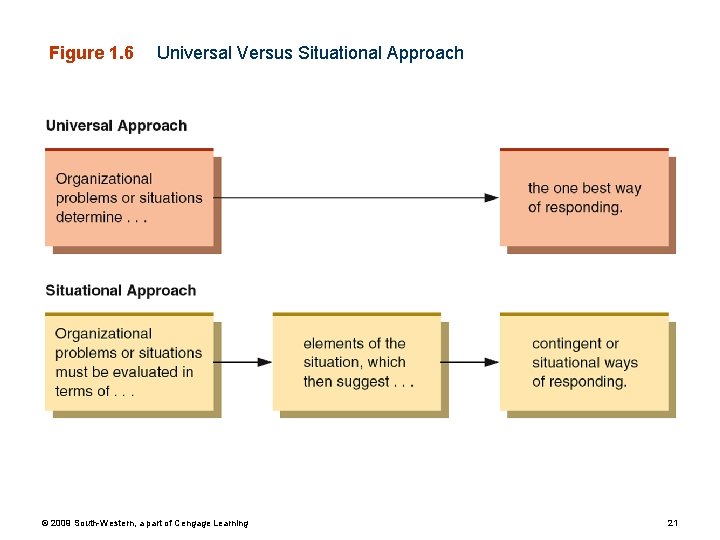
Figure 1. 6 Universal Versus Situational Approach © 2009 South-Western, a part of Cengage Learning 21
Interactionalism: People and Situations • Interactionalist Perspective Ø Focuses on how individuals and situations interact continuously to determine individuals’ behavior Ø Attempts to explain how people select, interpret, and change various situations. © 2009 South-Western, a part of Cengage Learning 22
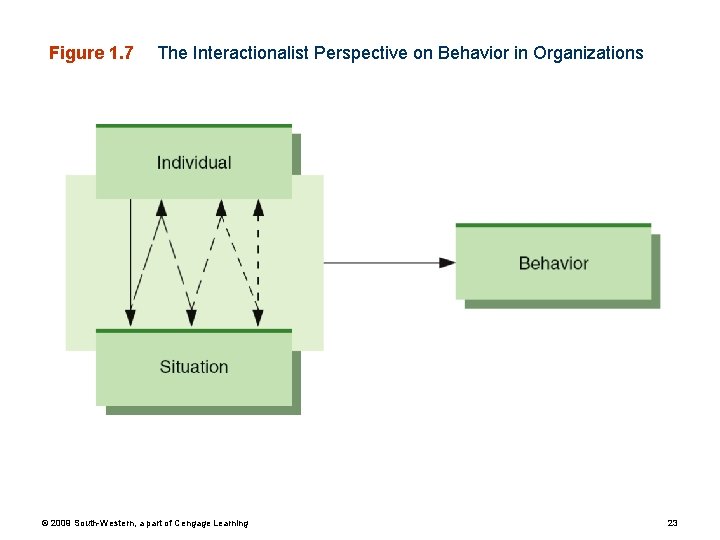
Figure 1. 7 The Interactionalist Perspective on Behavior in Organizations © 2009 South-Western, a part of Cengage Learning 23
Managing for Effectiveness • Managers work toward accomplishing the various goals (outcomes) that exist at specific levels in an organization: Ø Individual-level outcomes Ø Group-level outcomes Ø Organizational-level outcomes © 2009 South-Western, a part of Cengage Learning 24
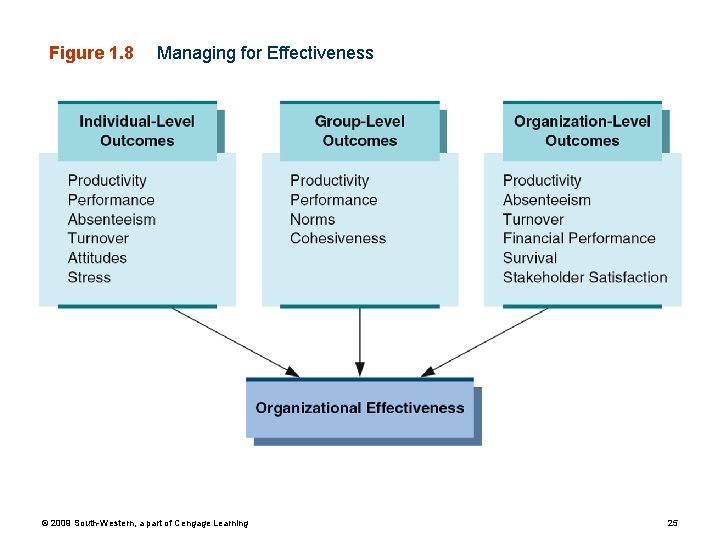
Figure 1. 8 Managing for Effectiveness © 2009 South-Western, a part of Cengage Learning 25
Organizational Behavior in Action • Based on your reading of the chapter opening case: Ø Why is employee morale at Microsoft so low despite excellent pay, benefits, and working conditions? Ø Which basic managerial roles and skills does Microsoft’s Lisa Brummel need to use to convince her fellow Microserfs that the organization really cares about them? Ø At which level in the Microsoft organization are the most critical problems occurring? © 2009 South-Western, a part of Cengage Learning 26
- Slides: 26