
Chapter 1 An Introduction to Retailing RETAIL MANAGEMENT
- Slides: 27
Chapter 1 An Introduction to Retailing RETAIL MANAGEMENT: A STRATEGIC APPROACH, 10 th Edition BERMAN EVANS
Chapter Objectives þ To define retailing, consider it from different perspectives, demonstrate its impact, and note its special characteristics þ To introduce the concept of strategic planning and apply it þ To show why the retailing concept is the foundation of a successful business, with an emphasis on the total retail experience, customer service, and relationship retailing þ To indicate the focus and format of the text
Retailing encompasses the business activities involved in selling goods and services to consumers for their personal, family, or household use. It includes every sale to the final consumer.
Issues in Retailing How can we best serve our customers while earning a fair profit? How can we stand out in a highly competitive environment where consumers have so many choices? How can we grow our business, while retaining a core of loyal customers?
The Philosophy Retailers can best address these questions by fully understanding and applying the basic principles of retailing, as well as the elements in a well-structured, systematic, and focused retail strategy.
An Ideal Candidate for a Retailing Career Be a people person Be flexible Be decisive Have analytical skills Have stamina
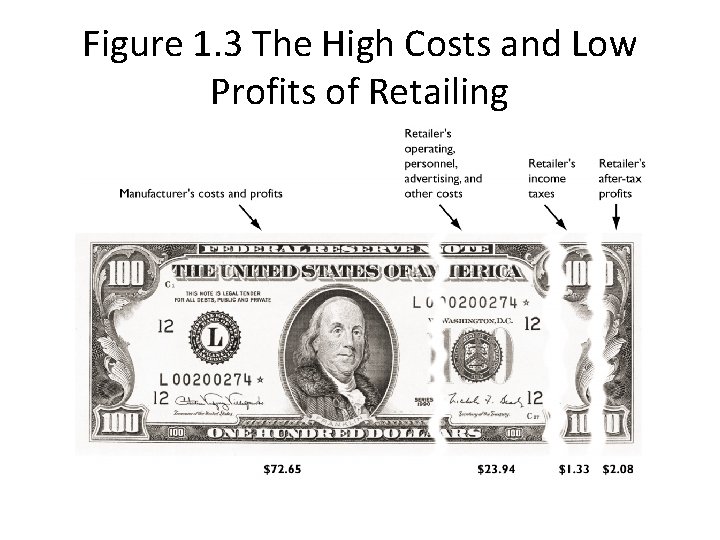
Figure 1. 3 The High Costs and Low Profits of Retailing
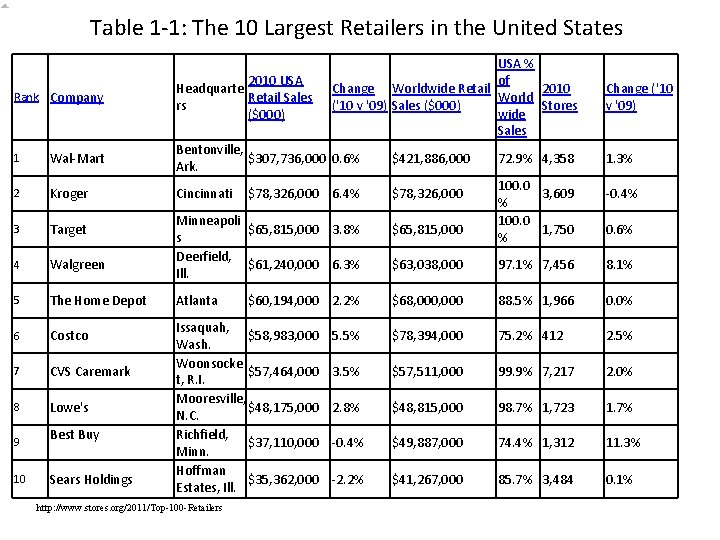
Table 1 -1: The 10 Largest Retailers in the United States Rank Company 2010 USA Headquarte Retail Sales rs ($000) USA % of Change Worldwide Retail 2010 World ('10 v '09) Sales ($000) Stores wide Sales 1 Wal-Mart Bentonville, $307, 736, 000 0. 6% Ark. $421, 886, 000 2 Kroger Cincinnati $78, 326, 000 3 Target 4 Walgreen 5 The Home Depot 6 Costco 7 CVS Caremark 8 Lowe's 9 10 Best Buy Sears Holdings $78, 326, 000 6. 4% Minneapoli $65, 815, 000 3. 8% s Deerfield, $61, 240, 000 6. 3% Ill. Atlanta http: //www. stores. org/2011/Top-100 -Retailers 100. 0 3, 609 % 100. 0 1, 750 % 1. 3% -0. 4% 0. 6% $63, 038, 000 97. 1% 7, 456 8. 1% $68, 000 88. 5% 1, 966 0. 0% 5. 5% $78, 394, 000 75. 2% 412 2. 5% 3. 5% $57, 511, 000 99. 9% 7, 217 2. 0% 2. 8% $48, 815, 000 98. 7% 1, 723 1. 7% -0. 4% $49, 887, 000 74. 4% 1, 312 11. 3% -2. 2% $41, 267, 000 85. 7% 3, 484 0. 1% $60, 194, 000 2. 2% Issaquah, $58, 983, 000 Wash. Woonsocke $57, 464, 000 t, R. I. Mooresville, $48, 175, 000 N. C. Richfield, $37, 110, 000 Minn. Hoffman $35, 362, 000 Estates, Ill. $65, 815, 000 72. 9% 4, 358 Change ('10 v '09)
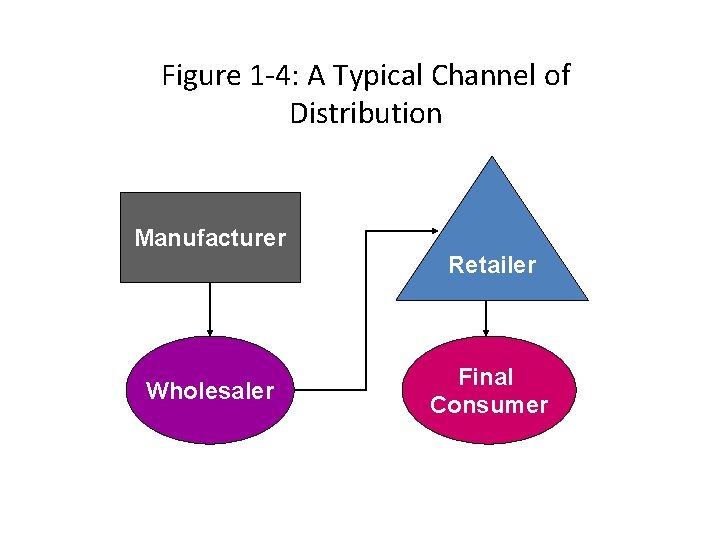
Figure 1 -4: A Typical Channel of Distribution Manufacturer Retailer Wholesaler Final Consumer
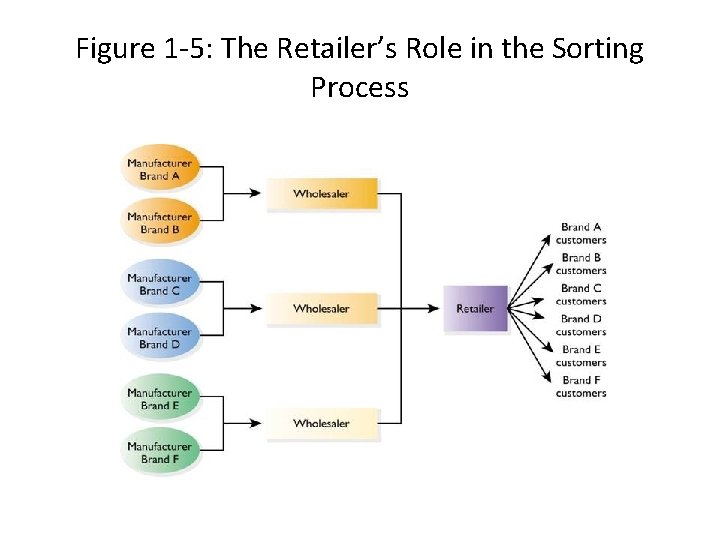
Figure 1 -5: The Retailer’s Role in the Sorting Process
Multi-Channel Retailing A retailer sells to consumers through multiple retail formats Web sites Physical stores
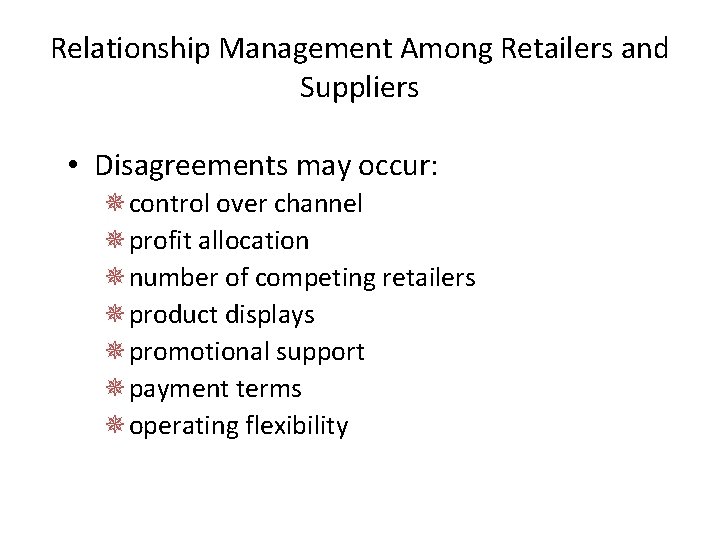
Relationship Management Among Retailers and Suppliers • Disagreements may occur: ¯control over channel ¯profit allocation ¯number of competing retailers ¯product displays ¯promotional support ¯payment terms ¯operating flexibility
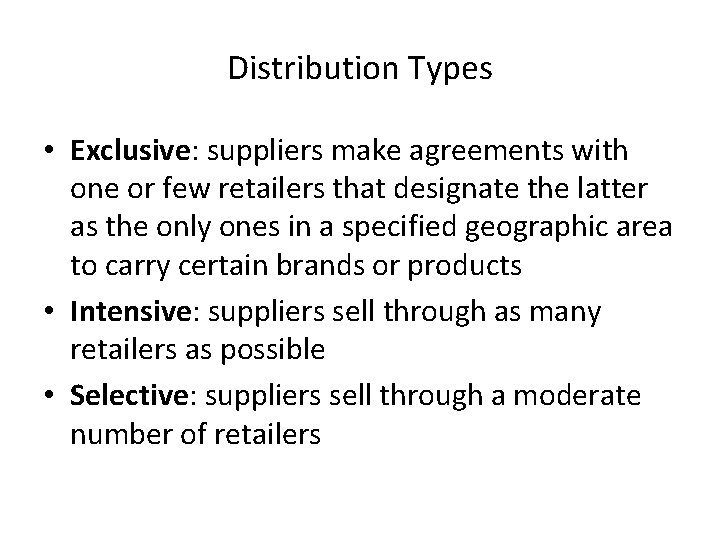
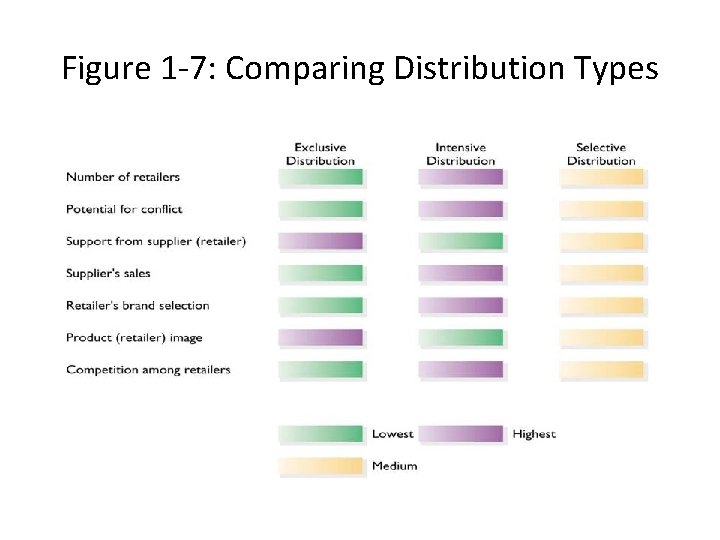
Distribution Types • Exclusive: suppliers make agreements with one or few retailers that designate the latter as the only ones in a specified geographic area to carry certain brands or products • Intensive: suppliers sell through as many retailers as possible • Selective: suppliers sell through a moderate number of retailers
Figure 1 -7: Comparing Distribution Types
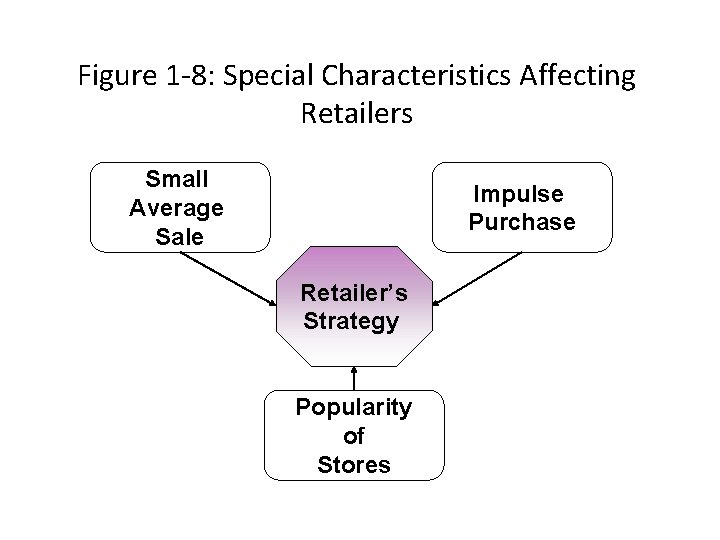
Figure 1 -8: Special Characteristics Affecting Retailers Small Average Sale Impulse Purchase Retailer’s Strategy Popularity of Stores
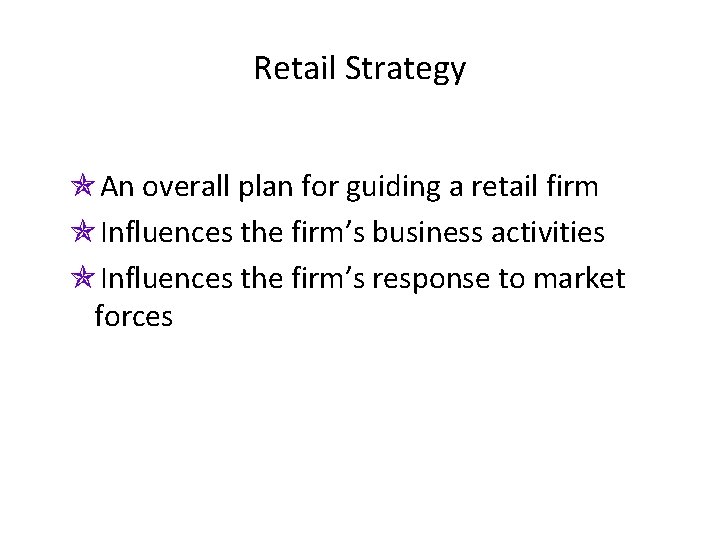
Retail Strategy An overall plan for guiding a retail firm Influences the firm’s business activities Influences the firm’s response to market forces
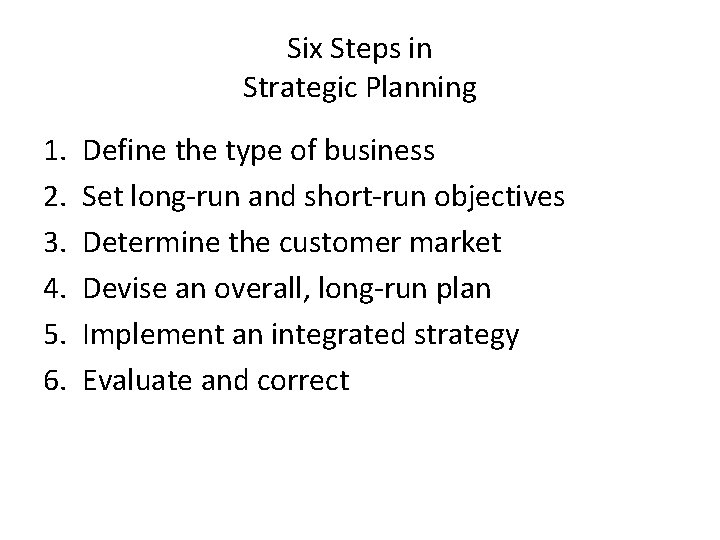
Six Steps in Strategic Planning 1. 2. 3. 4. 5. 6. Define the type of business Set long-run and short-run objectives Determine the customer market Devise an overall, long-run plan Implement an integrated strategy Evaluate and correct
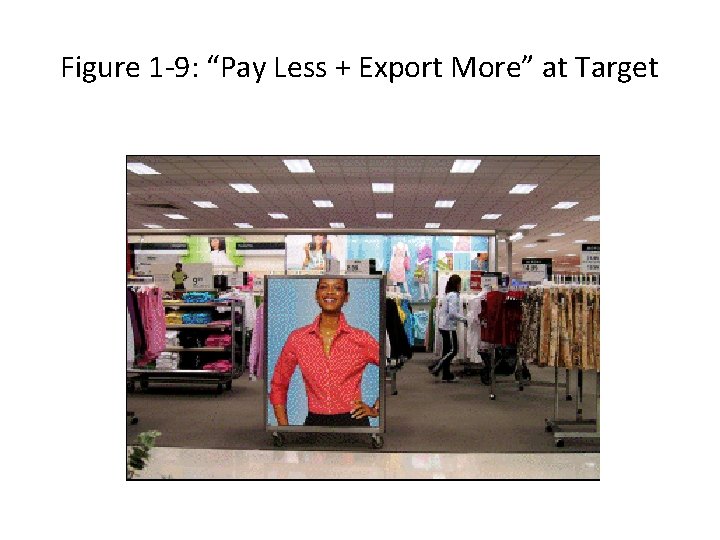
Figure 1 -9: “Pay Less + Export More” at Target
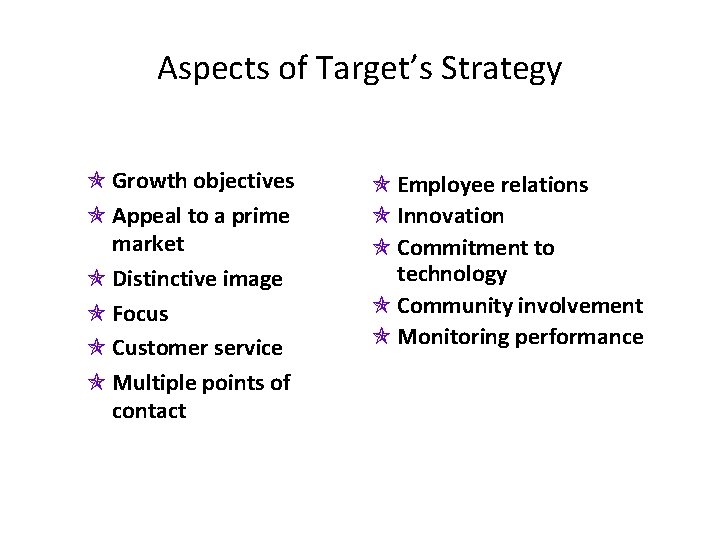
Aspects of Target’s Strategy Growth objectives Appeal to a prime market Distinctive image Focus Customer service Multiple points of contact Employee relations Innovation Commitment to technology Community involvement Monitoring performance
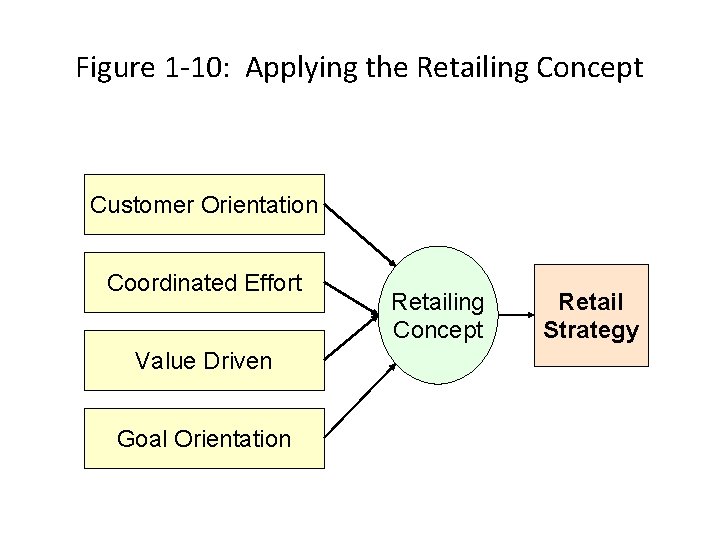
Figure 1 -10: Applying the Retailing Concept Customer Orientation Coordinated Effort Value Driven Goal Orientation Retailing Concept Retail Strategy
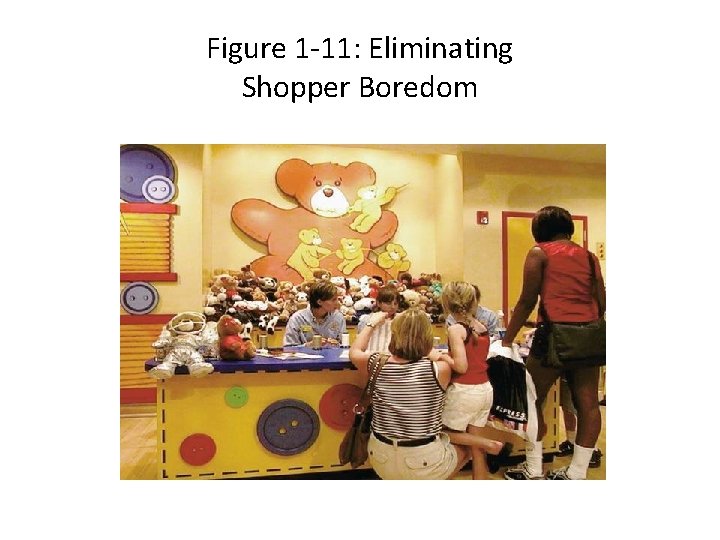
Figure 1 -11: Eliminating Shopper Boredom
Customer Service • Activities undertaken by a retailer in conjunction with the basic goods and services it sells ¯Store hours ¯Parking ¯Shopper-friendliness ¯Credit acceptance ¯Salespeople
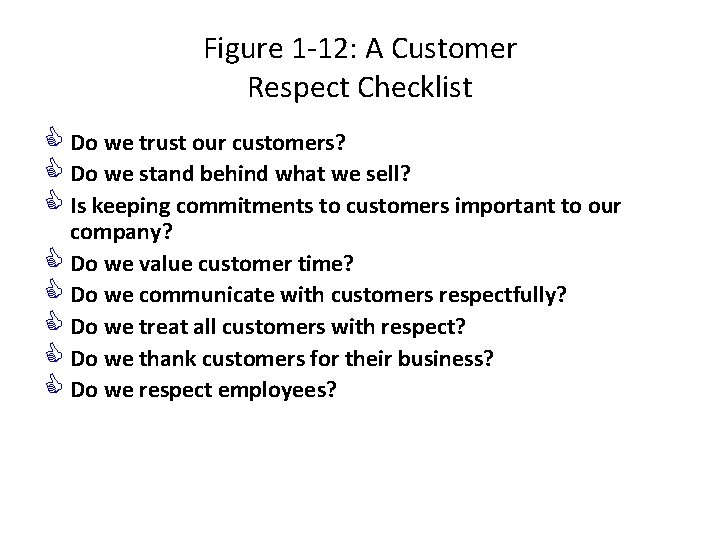
Figure 1 -12: A Customer Respect Checklist C Do we trust our customers? C Do we stand behind what we sell? C Is keeping commitments to customers important to our company? C Do we value customer time? C Do we communicate with customers respectfully? C Do we treat all customers with respect? C Do we thank customers for their business? C Do we respect employees?
Relationship Retailing • Seek to establish and maintain long-term bonds with customers, rather than act as if each sales transaction is a completely new encounter – Concentrate on the total retail experience – Monitor satisfaction – Stay in touch with customers
Effective Relationship Retailing • Use a win-win approach – It is harder to get new customers than to keep existing ones happy • Develop a customer database – Ongoing customer contact is improved with information on people’s attributes and shopping behavior
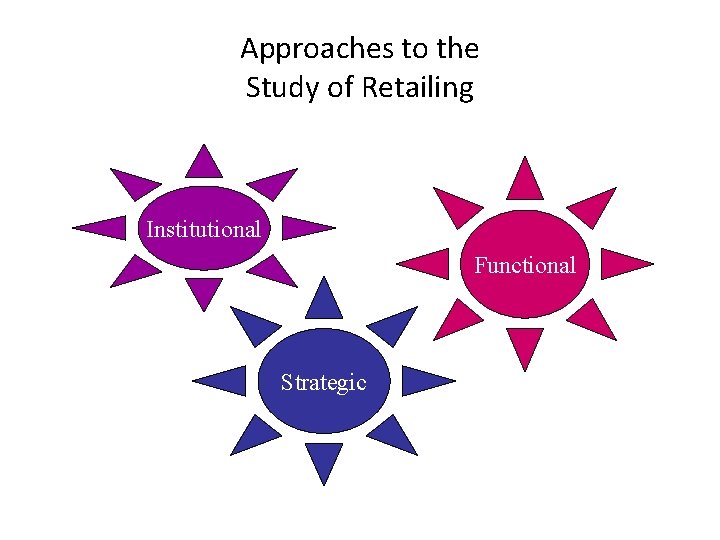
Approaches to the Study of Retailing Institutional Functional Strategic
Parts of Retail Management: A Strategic Approach Building relationships and strategic planning Retailing institutions Consumer behavior and information gathering Elements of retailing strategy Integrating, analyzing, and improving retail strategy