
Chapter 1 A Human Perspective 1 Outline Who


- Slides: 26
Chapter 1 A Human Perspective 1
Outline • • • Who Are We? and Biological Definition of Life? – Highly Organized – Need energy – Respond to sensory input – Reproduce and Grow – Evolution – Biosphere and Ecosystems The Process of Science – Scientific Method Science and Social Responsibility – Technology 2
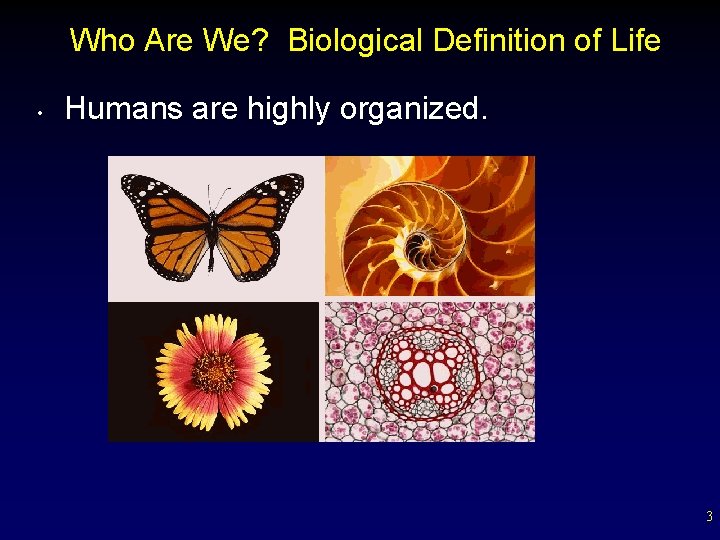
Who Are We? Biological Definition of Life • Humans are highly organized. 3
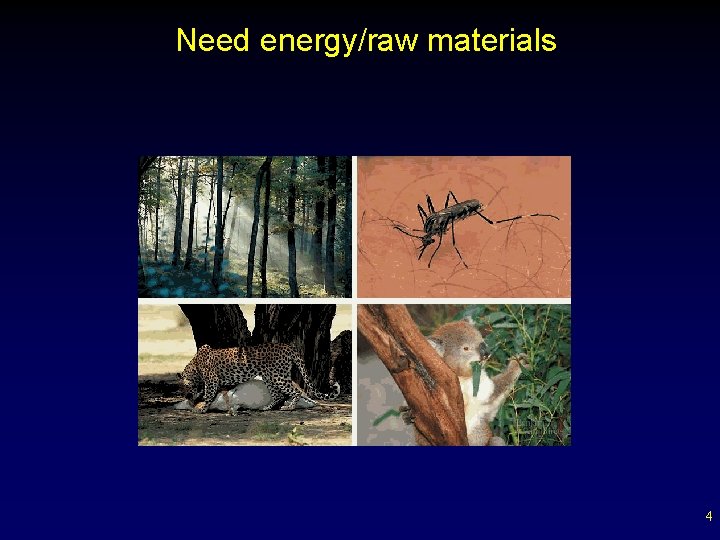
Need energy/raw materials 4
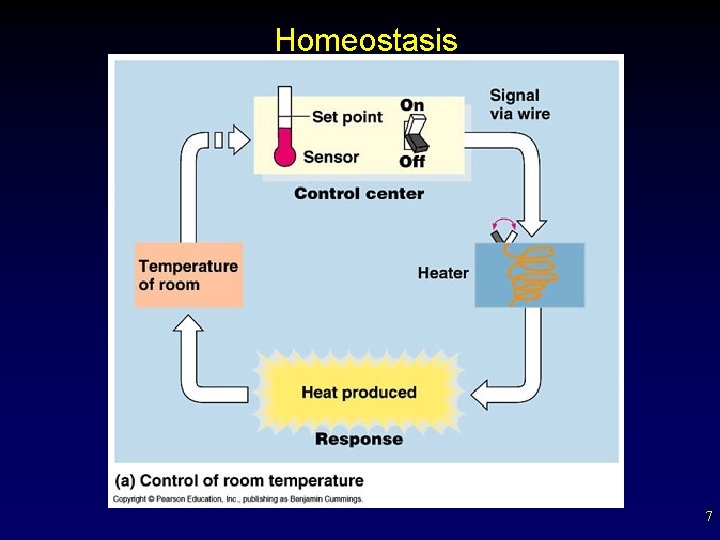
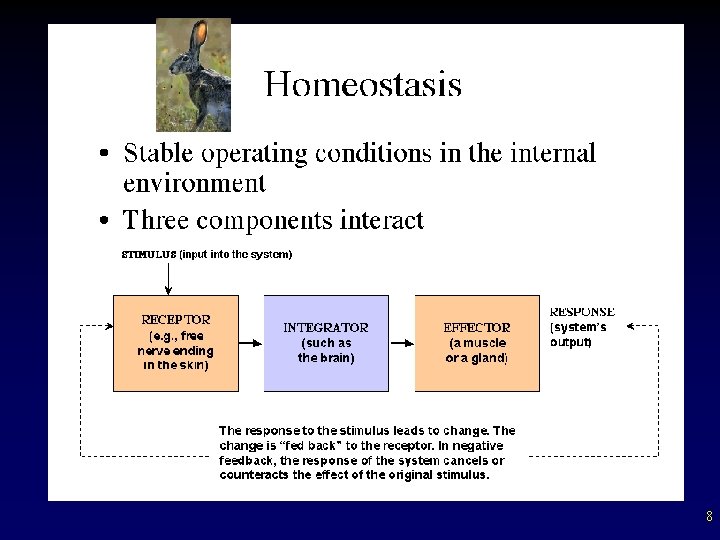
Biological Definition of Life – – “Hierarchy of Life”- Organisms are composed of Organ systems which are composed of organs, composed of tissues, composed of cells. Cell- the functional unit of life!!! And is highly organized v Humans Maintain homeostasis (Internal Balance) and so do cells. 5
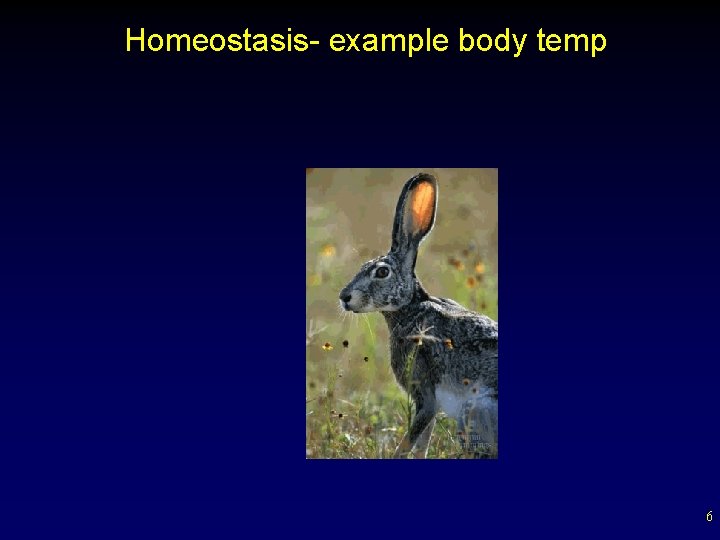
Homeostasis- example body temp 6
Homeostasis 7
8
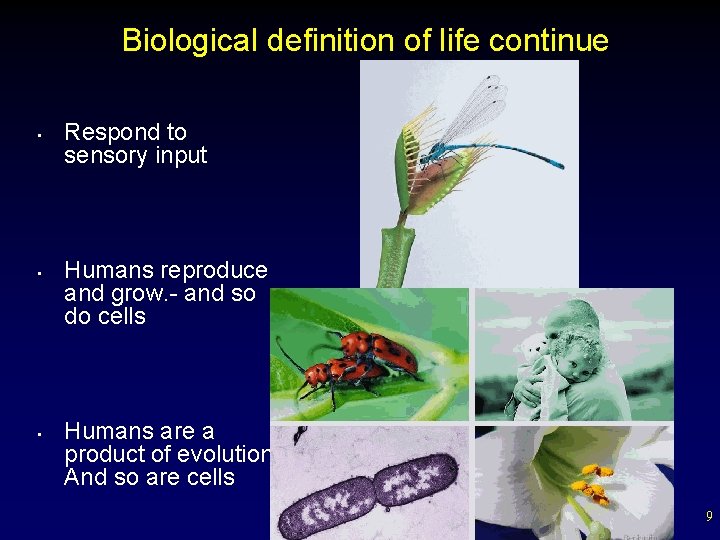
Biological definition of life continue • • • Respond to sensory input Humans reproduce and grow. - and so do cells Humans are a product of evolution. And so are cells 9
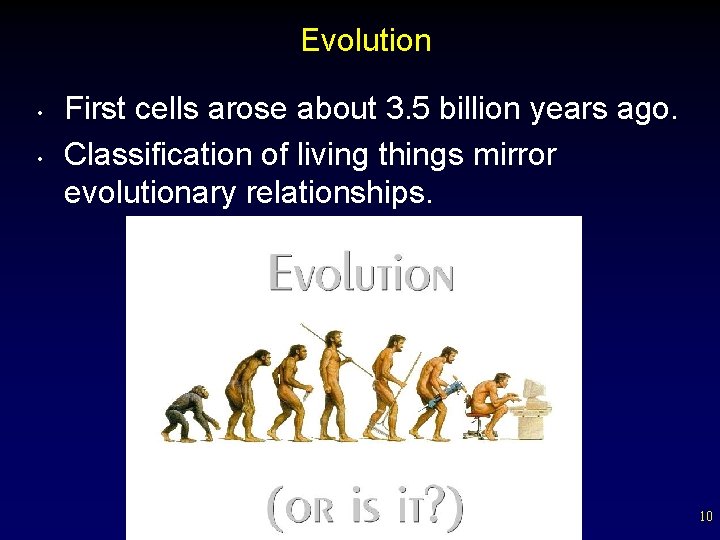
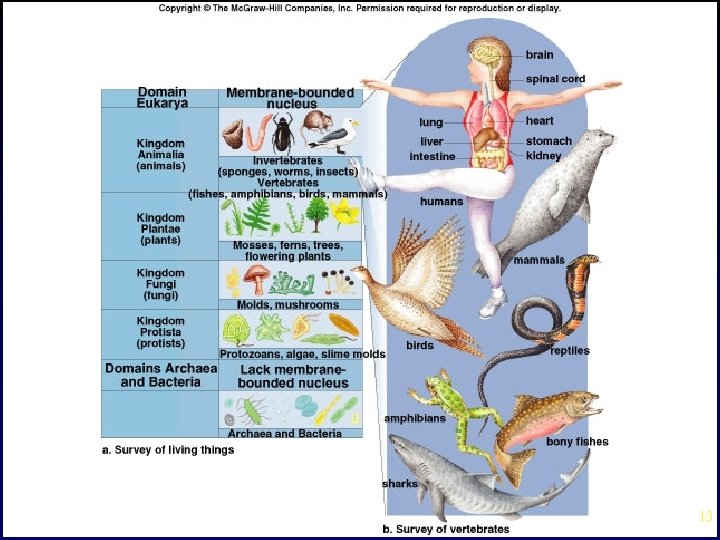
Evolution • • First cells arose about 3. 5 billion years ago. Classification of living things mirror evolutionary relationships. 10
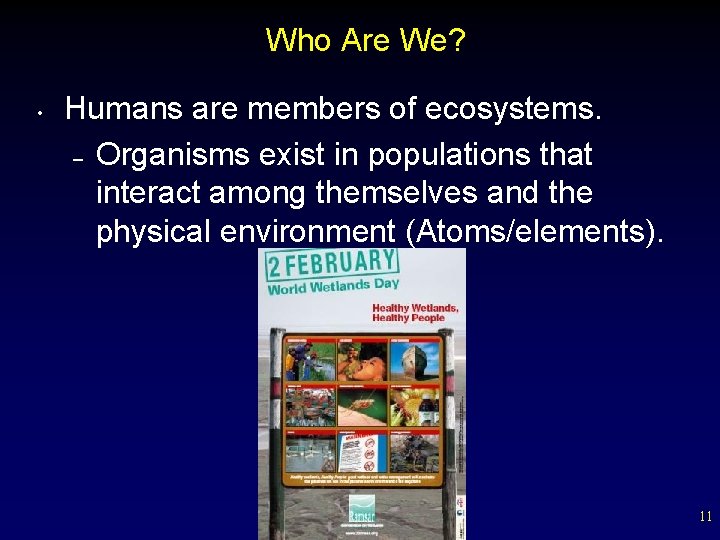
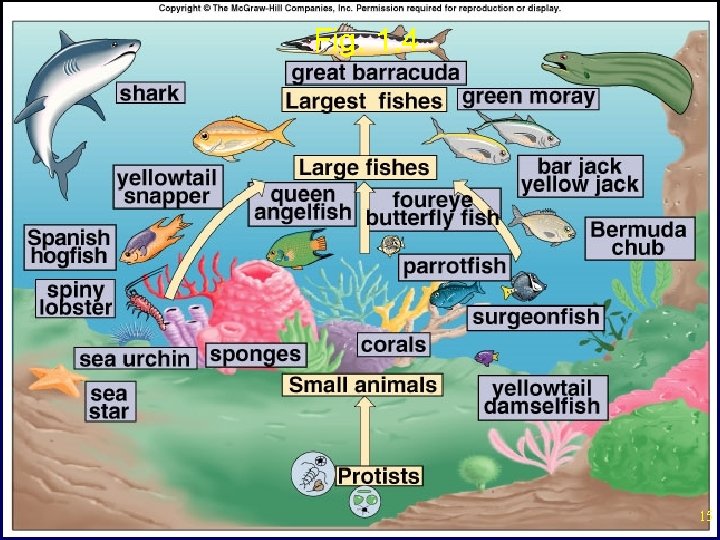
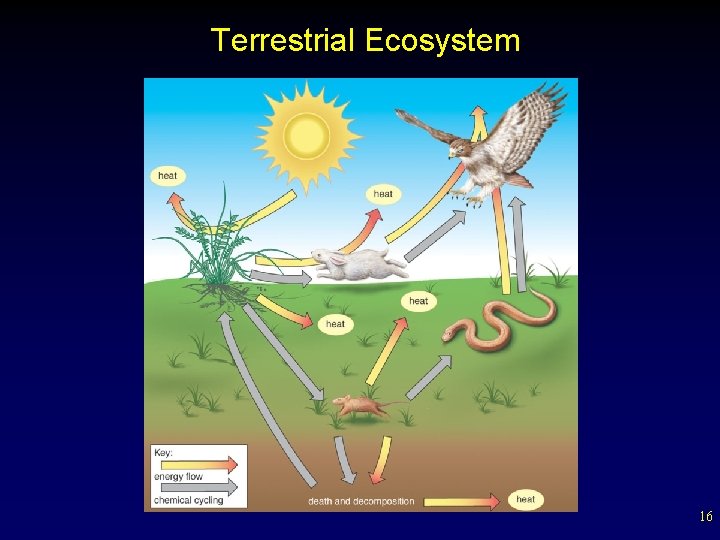
Who Are We? • Humans are members of ecosystems. – Organisms exist in populations that interact among themselves and the physical environment (Atoms/elements). 11
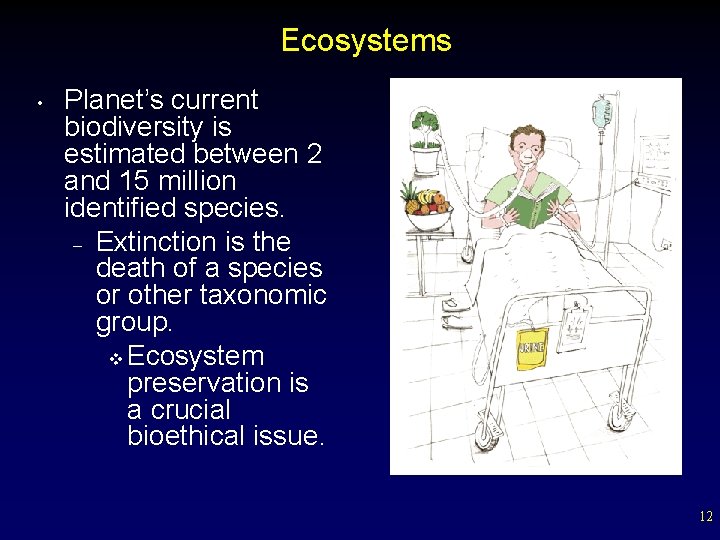
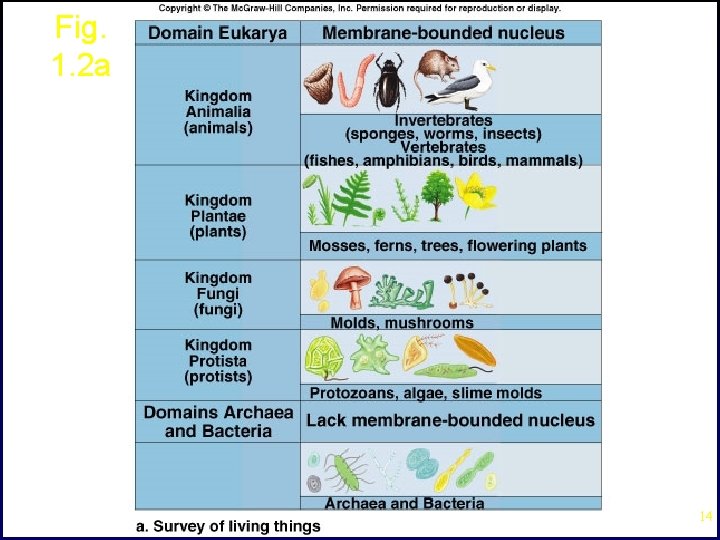
Ecosystems • Planet’s current biodiversity is estimated between 2 and 15 million identified species. – Extinction is the death of a species or other taxonomic group. v Ecosystem preservation is a crucial bioethical issue. 12
13
Fig. 1. 2 a 14
Fig. 1. 4 15
Terrestrial Ecosystem 16
The Process of Science • The ultimate goal of science is understanding the natural world in terms of scientific theories. – Evolution is the unifying concept of biology. v Some biologists elevate evolution to the status of a scientific principle. 17
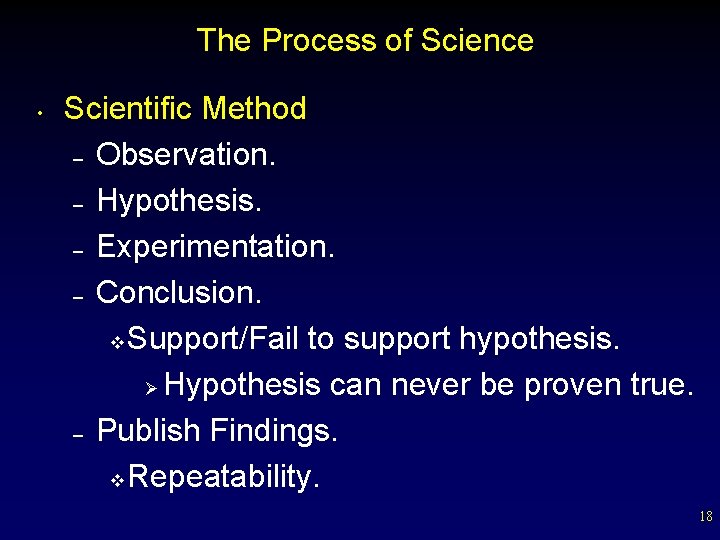
The Process of Science • Scientific Method – Observation. – Hypothesis. – Experimentation. – Conclusion. v Support/Fail to support hypothesis. Ø Hypothesis can never be proven true. – Publish Findings. v Repeatability. 18
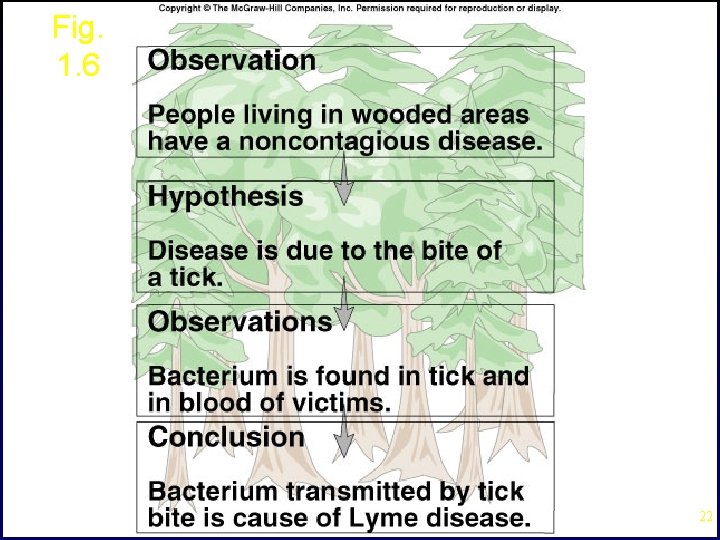
Scientific Method 19
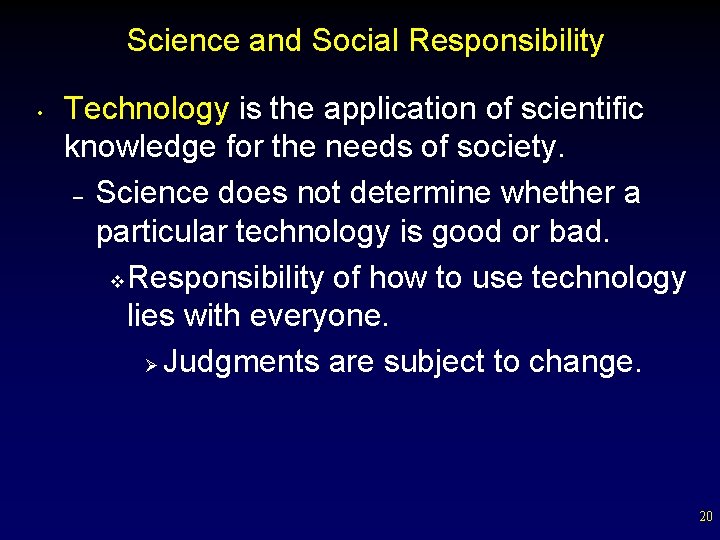
Science and Social Responsibility • Technology is the application of scientific knowledge for the needs of society. – Science does not determine whether a particular technology is good or bad. v Responsibility of how to use technology lies with everyone. Ø Judgments are subject to change. 20
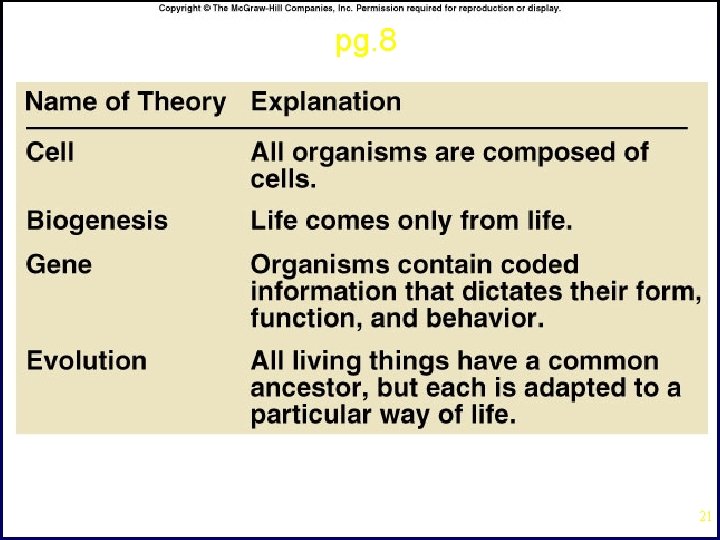
pg. 8 21
Fig. 1. 6 22
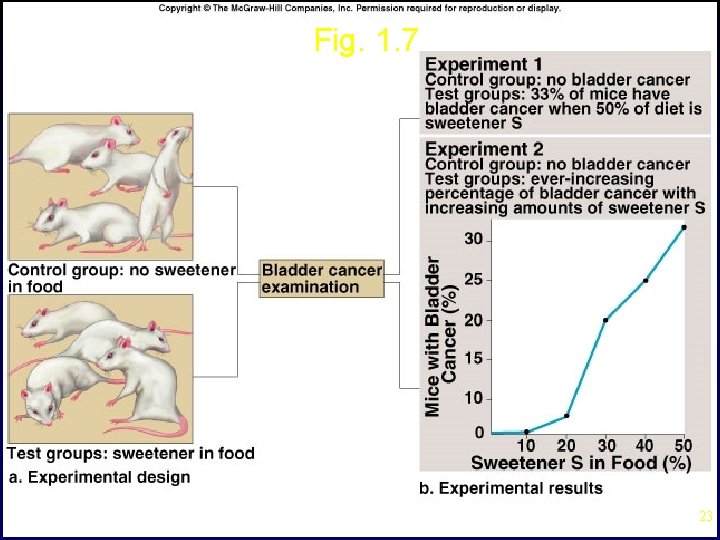
Fig. 1. 7 23
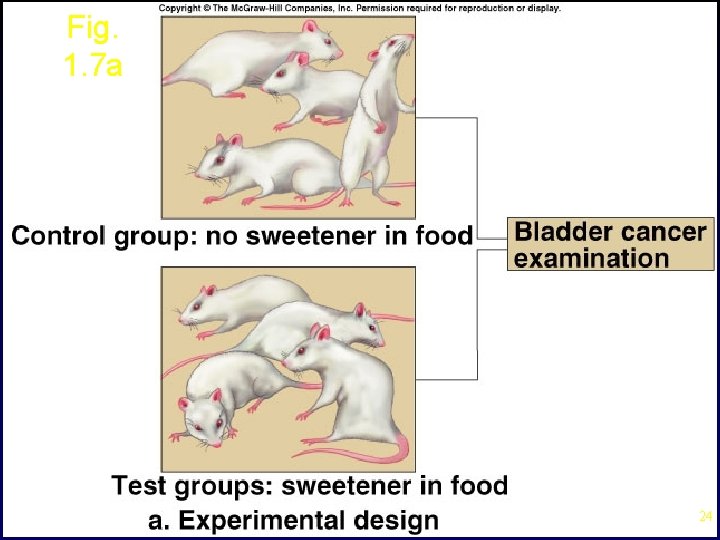
Fig. 1. 7 a 24
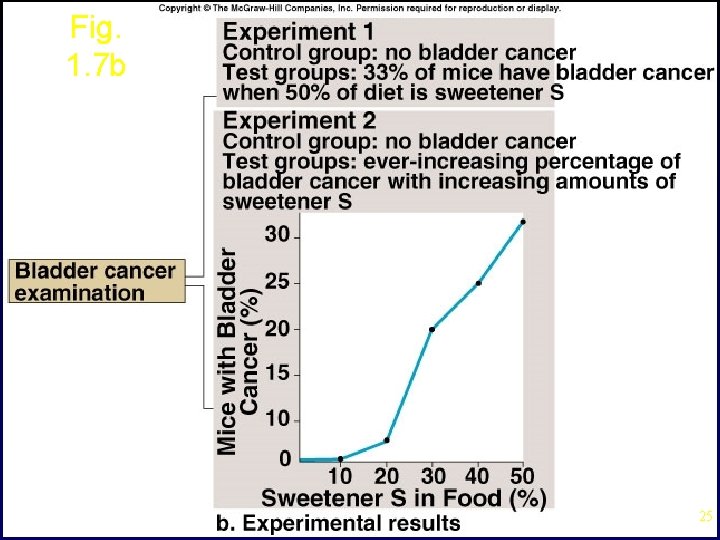
Fig. 1. 7 b 25
Lecture review • • • Describe the “hierarchy of life” List the four types of atoms, tissues, and describe the eleven systems of the body. What is homeostasis and how can it be maintained? Describe the scientific process known as the scientific method and give an example as we described in class. List four scientific theories. What is a control group? And why is it used? 26