
Chap 24 The Origin of Species Microevolution changes

- Slides: 31
Chap 24 The Origin of Species
Microevolution – changes confined to a single gene pool; adaptions that evolve within a population. Macroevolution – evolutionary changes above the species level; the cumulative change surrounding thousands of small speciation episodes * Both micro and macroevolution accumulate changes through natural selection, genetic drift, and gene flow.
• Species is defined as morphologically distinct groups with many differences in addition to morphology. • A species is a group whose members have the potential to interbreed in nature. • Reproductive isolation is the key concept behind speciation • There are many barriers beside geography that isolate a species gene pool.
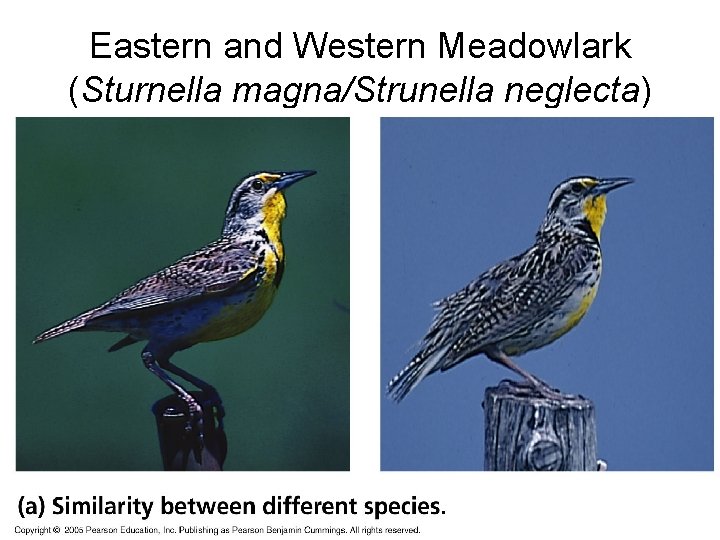
Eastern and Western Meadowlark (Sturnella magna/Strunella neglecta)
“Barriers” • Prezygotic : These barriers impede mating between species or hinder the fertilization of ova if members of a different species attempt to mate. Ø Habitat isolation Ø Temporal isolation Ø Behavioral isolation Ø Mechanical isolation Ø Gametic isolation
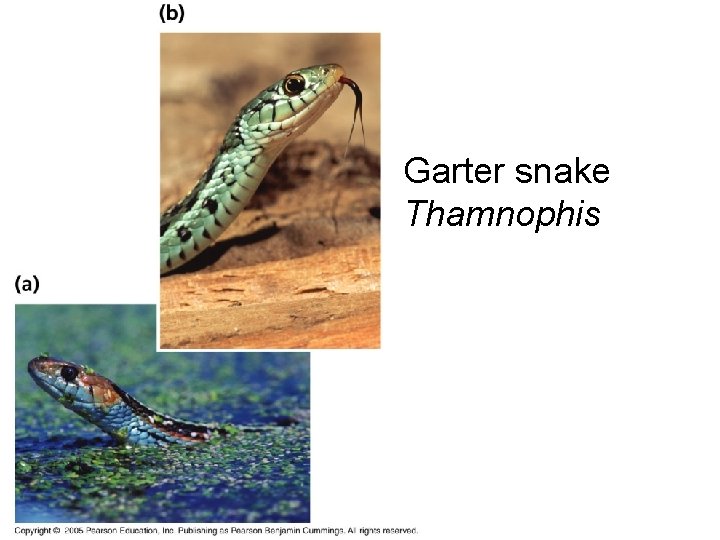
Garter snake Thamnophis
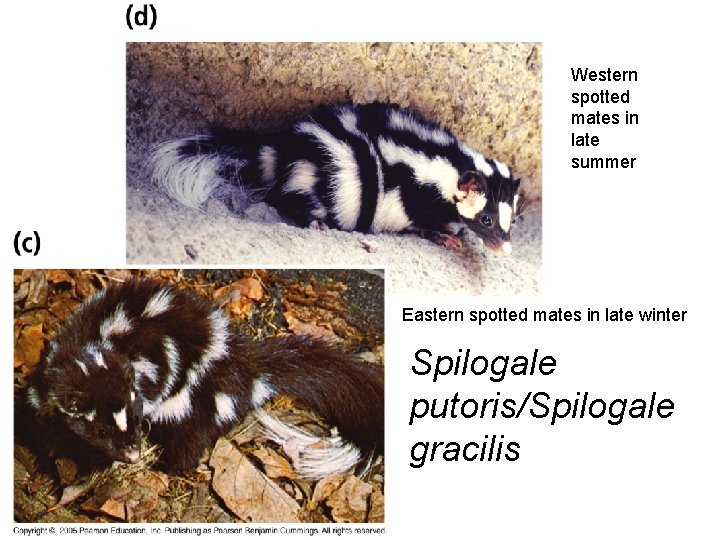
Western spotted mates in late summer Eastern spotted mates in late winter Spilogale putoris/Spilogale gracilis
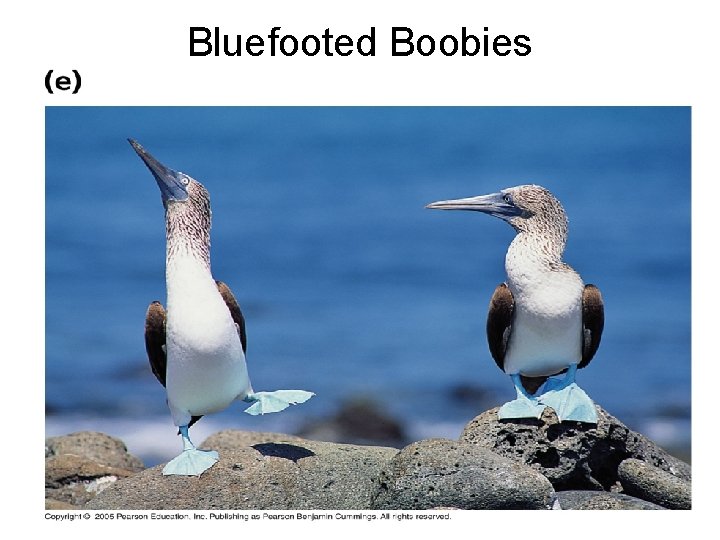
Bluefooted Boobies
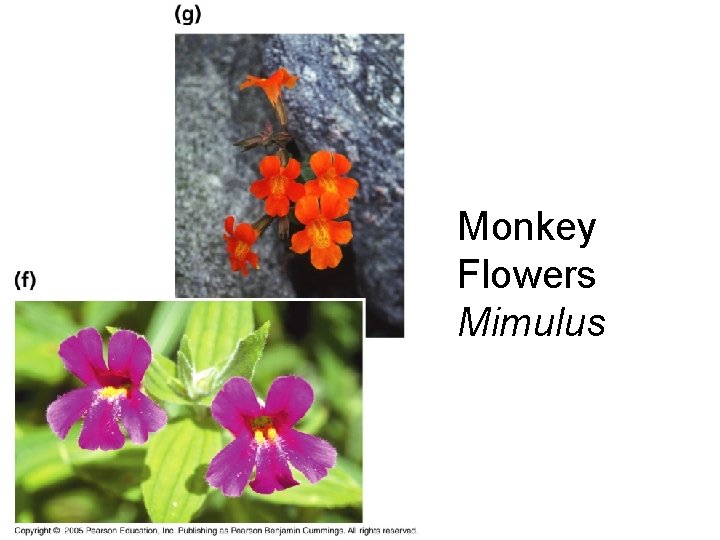
Monkey Flowers Mimulus
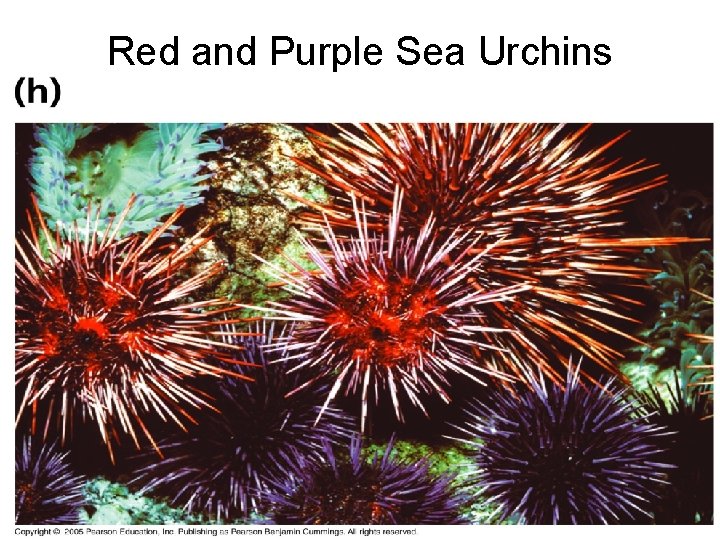
Red and Purple Sea Urchins
• Postzygotic : Prevent the zygote from developing into a viable, fertile adult. Ø Reduced hybrid viability Ø Reduced hybrid fertility Ø Hybrid breakdown
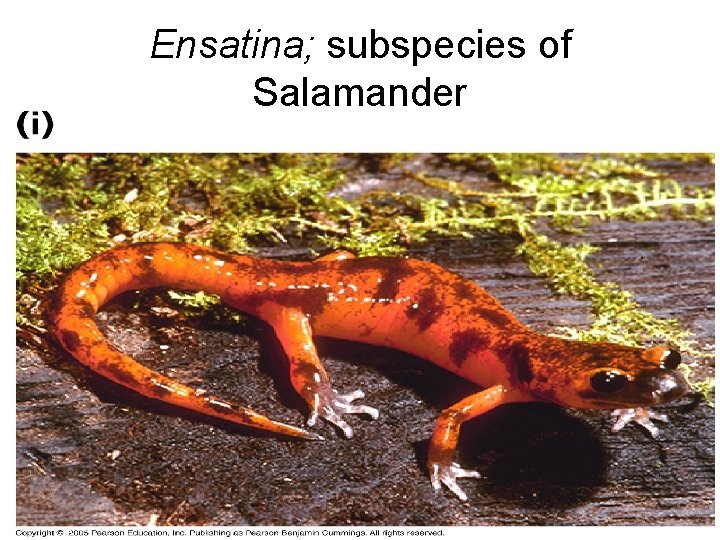
Ensatina; subspecies of Salamander
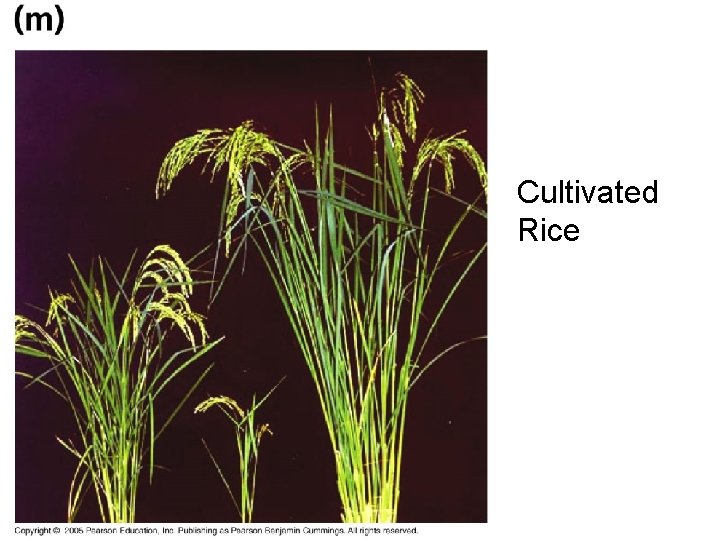
Cultivated Rice
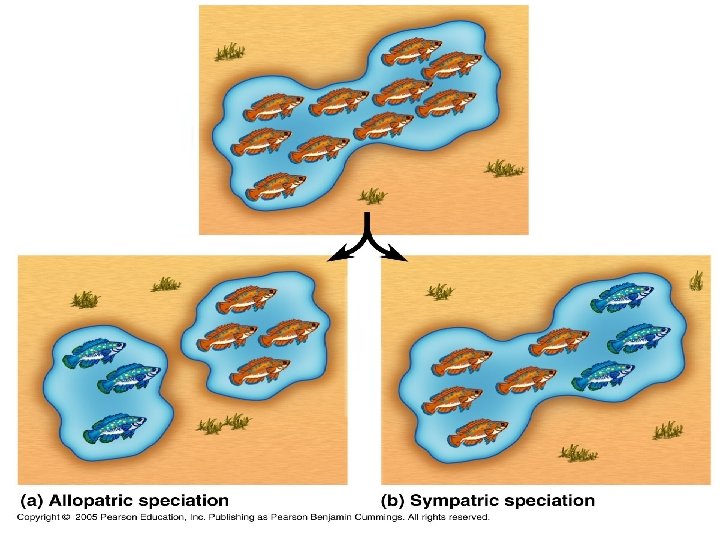
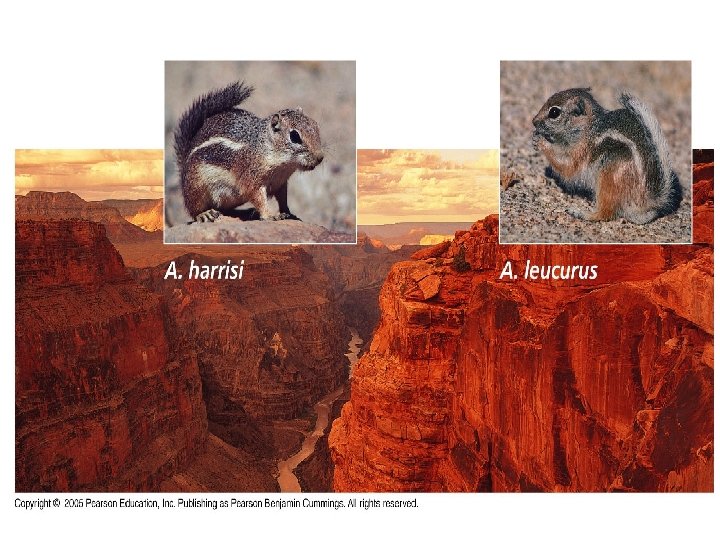
Speciation and Geographic Isolation Speciation can occur in 2 ways depending on how the gene flow was interrupted 1. Allopatric speciation: when gene flow is divided into geographically isolated subpopulations. 2. Sympatric speciation: speciation takes place in geographically overlapping populations. This includes chromosomal changes and nonrandom mating.
Sympatric Speciation • Sympatric speciation refers to the formation of two or more descendant species from a single ancestral species all occupying the same geographic location.
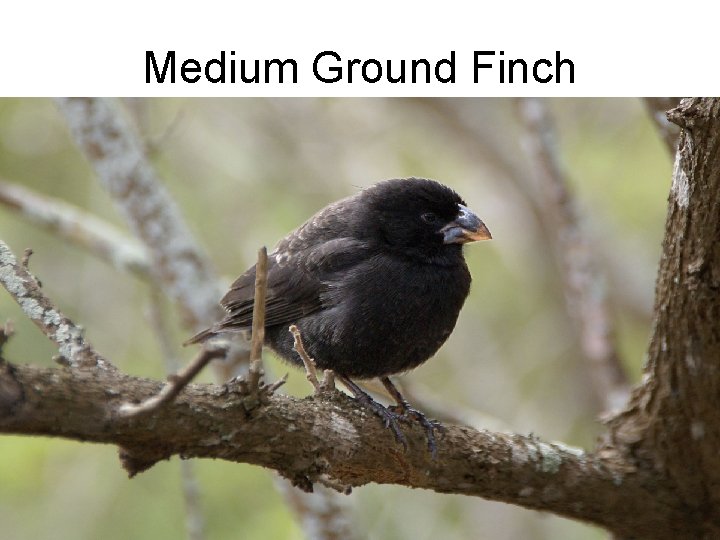
Medium Ground Finch
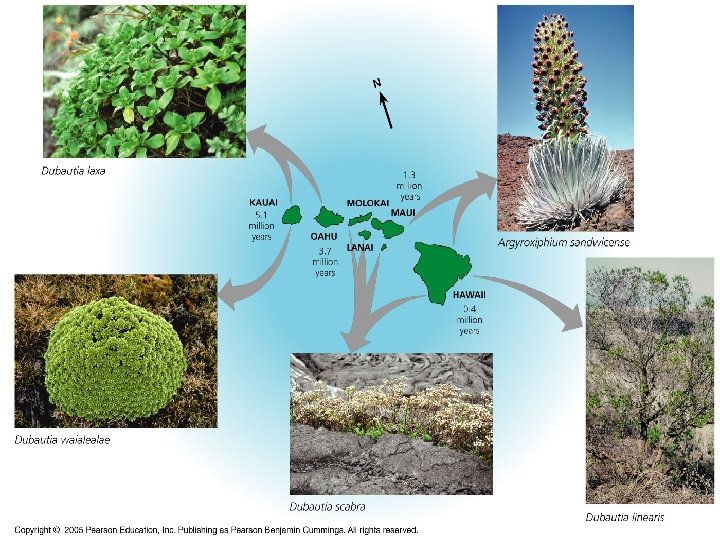
Adaptive Radiation • The evolution of many diversely adapted species from a common ancestor upon introduction to various new environmental opportunities and challenges. • This can occur when environmental changes cause extinction, opening up ecological niches for survivors.
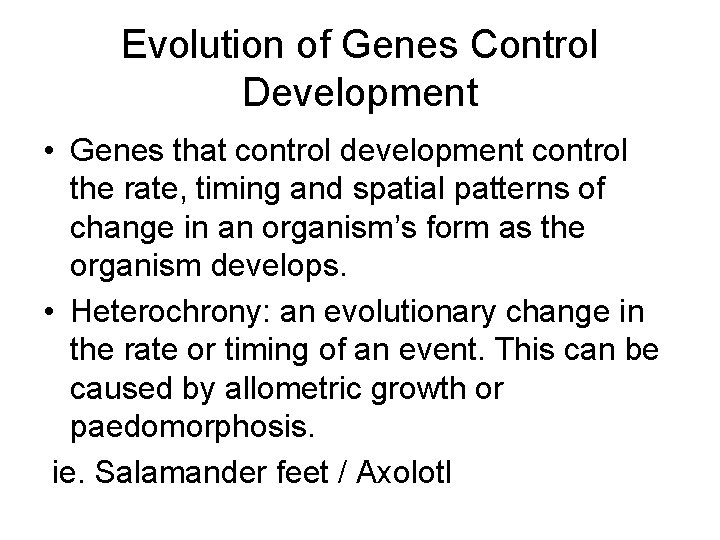
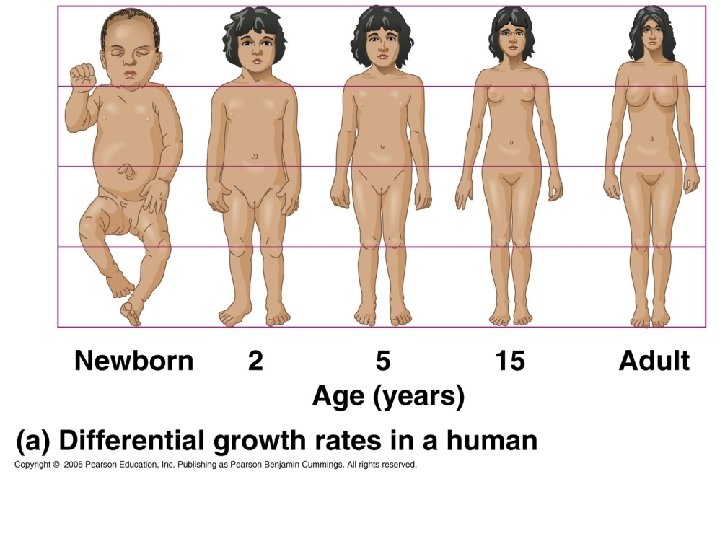
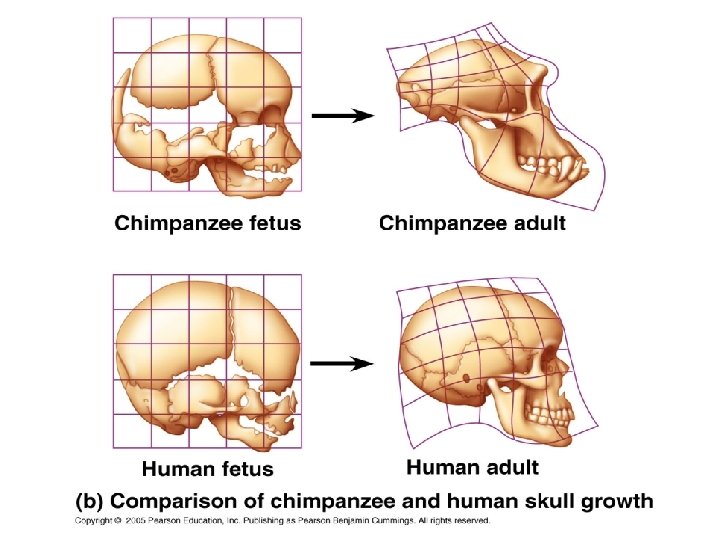
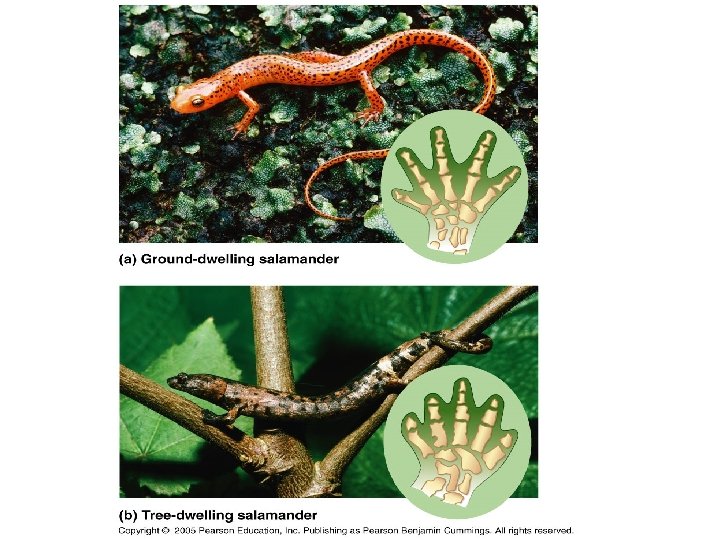
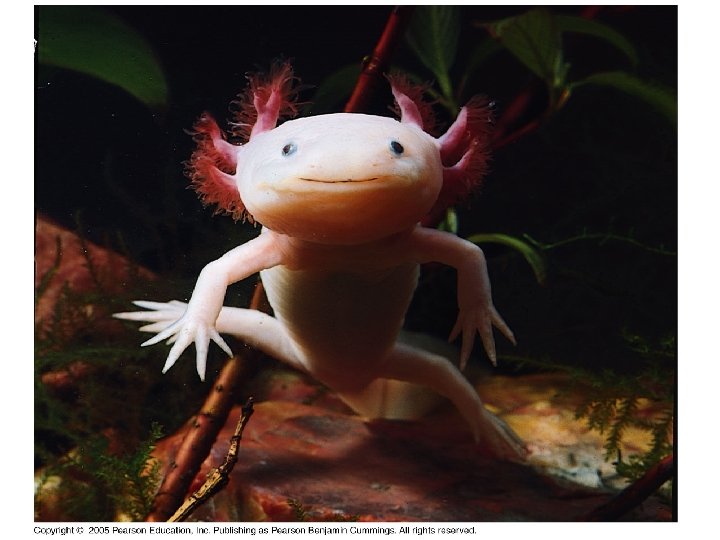
Evolution of Genes Control Development • Genes that control development control the rate, timing and spatial patterns of change in an organism’s form as the organism develops. • Heterochrony: an evolutionary change in the rate or timing of an event. This can be caused by allometric growth or paedomorphosis. ie. Salamander feet / Axolotl
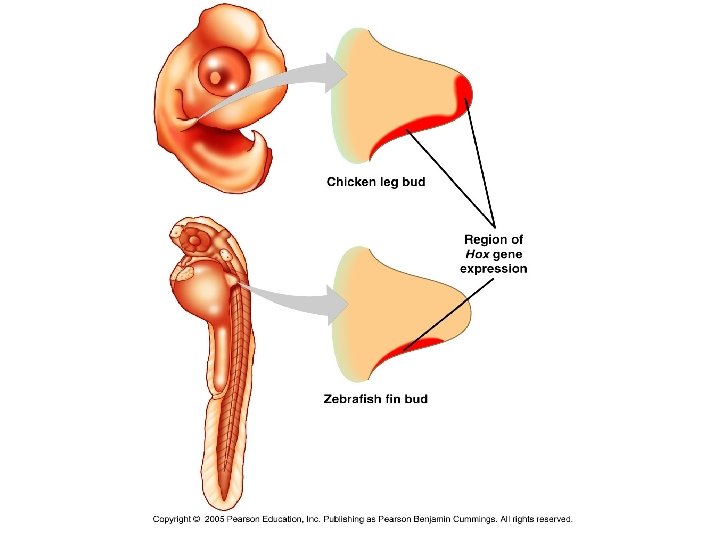
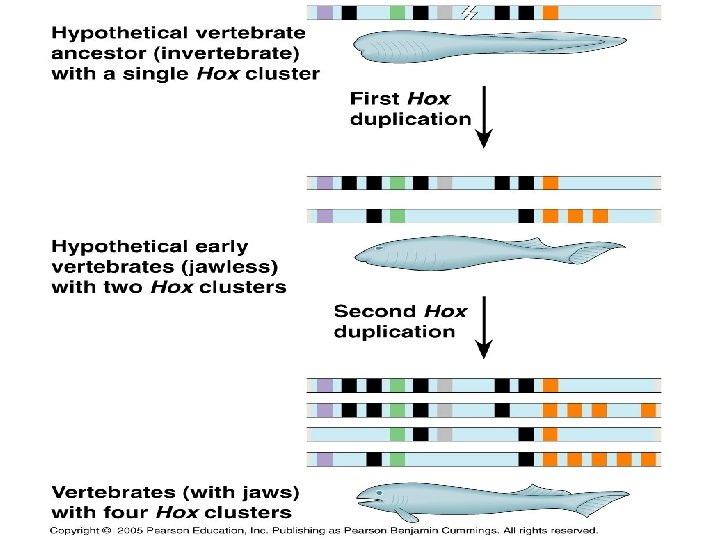
Homeotic Genes • Genes that control the overall body plan if animals and plants by controlling the developmental fate of groups of cells. ie. Hox genes provide positional information in an animal embryo. • Evolutionary changes can result from alterations in genes that control the spatial placement and organization of body parts.
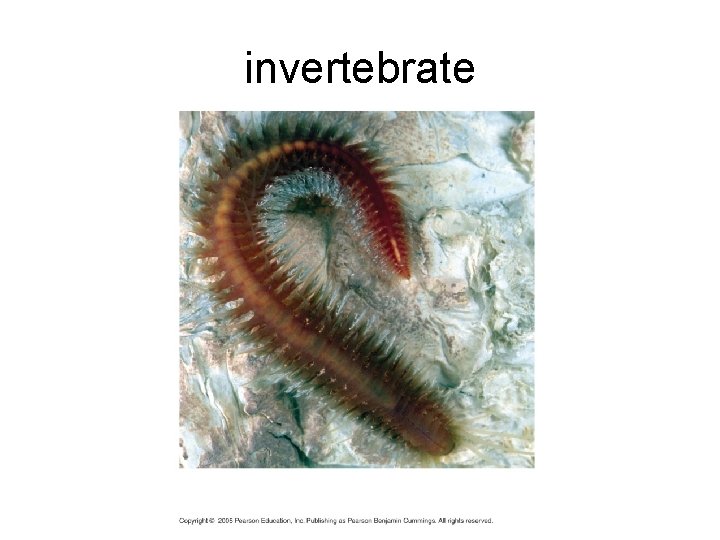
invertebrate
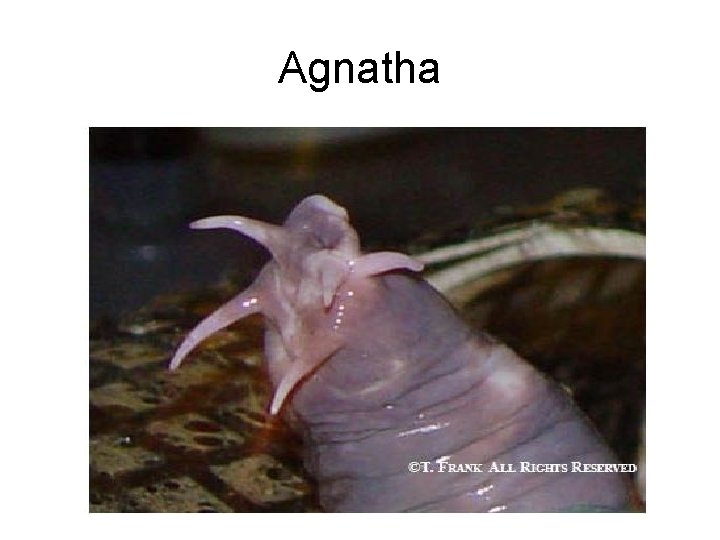
Agnatha