
Chap 24 Life in the Emerging Urban Society
Chap 24 Life in the Emerging Urban Society
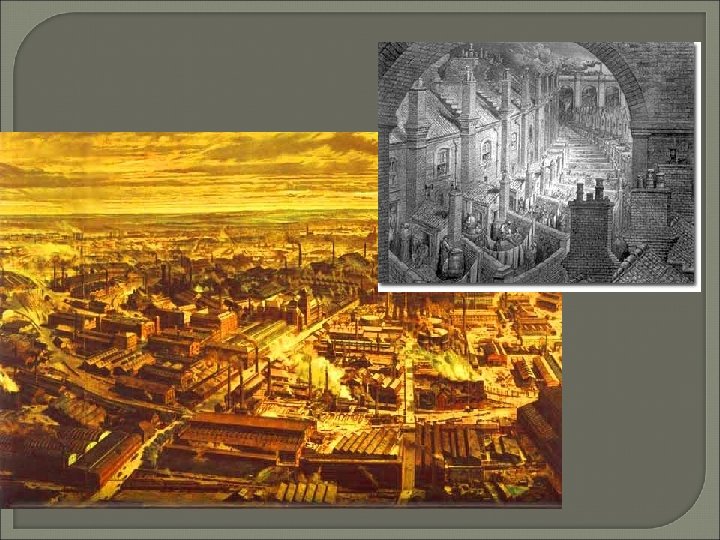
19 th century Industrial City Walkable for all but upper classes • Row houses 6 -10 people in a room • Tightly packed city centers No parks or open spaces • Disease spread quickly Primitive sewer systems Sewage seeped into cellars, ran down streets 200+ people to an outhouse • By 1891 – 56% of Europeans lived in urban areas
Changes to City Living Government at both local and federal levels were not taking an active role in public health until… Social reformers like Edwin Chadwick – relief to the paupers through revised poor laws Philosopher Jeremy Bentham – “greatest good for the greatest number” – utilitarianism that would deal with real problems on a scientific basis • 1846 – cholera outbreak • 1848 – National Health Board created and began improving sewage system, access to clean, running water • Belief that it was necessary to clean up the “bad odors” that spread disease
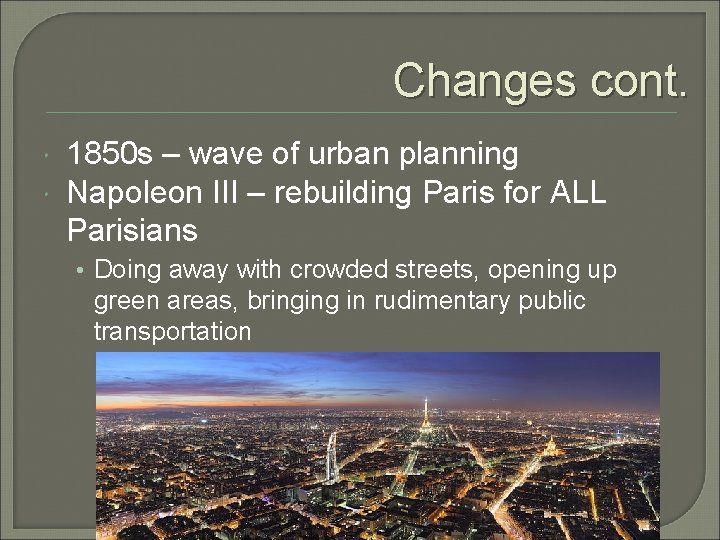
Changes cont. 1850 s – wave of urban planning Napoleon III – rebuilding Paris for ALL Parisians • Doing away with crowded streets, opening up green areas, bringing in rudimentary public transportation

Germ Theory French scientist Louis Pasteur originally studying fermentation realized that microorganisms were responsible for the fermentation process and could be suppressed by heating the liquid up • Hello Pasteurized milk…(not pasture-ized) “I’ll take my milk raw. ”
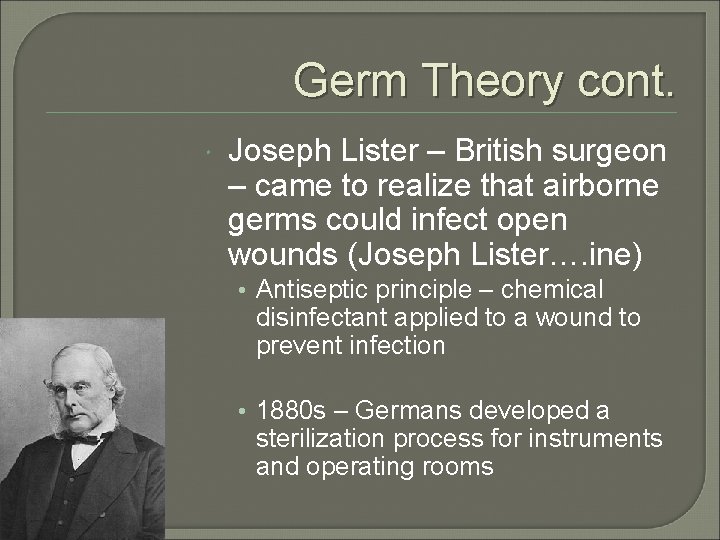
Germ Theory cont. Joseph Lister – British surgeon – came to realize that airborne germs could infect open wounds (Joseph Lister…. ine) • Antiseptic principle – chemical disinfectant applied to a wound to prevent infection • 1880 s – Germans developed a sterilization process for instruments and operating rooms

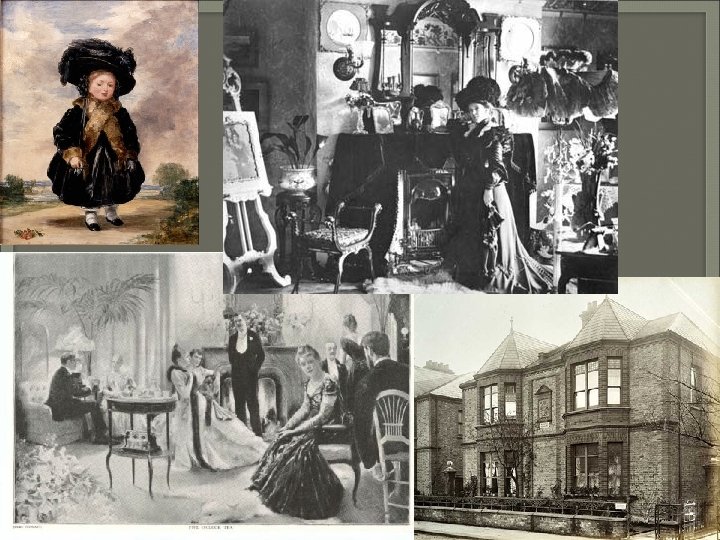
English Middle Class Status In 1900, the richest 5% of households received 33% of the nation’s income ~20% considered middle class • “white collar”/upper middle class – architects, engineers, chemists • Middle class – managers, salesmen, accountants • 25% income went to food, drink and parties • Proto-Victorian attitudes – anti-gambling, prudish, hard work and self-reliance
Working Class 1900 – 4 out of 5 were part of the working class • In Great Britain less than 8% still worked on farms Highly skilled – 15% - masons, printers • Labor aristocracy –”straightlaced” Semi-skilled – factory workers Unskilled – dockworkers, construction workers • Unorganized and divided, basically kept them down
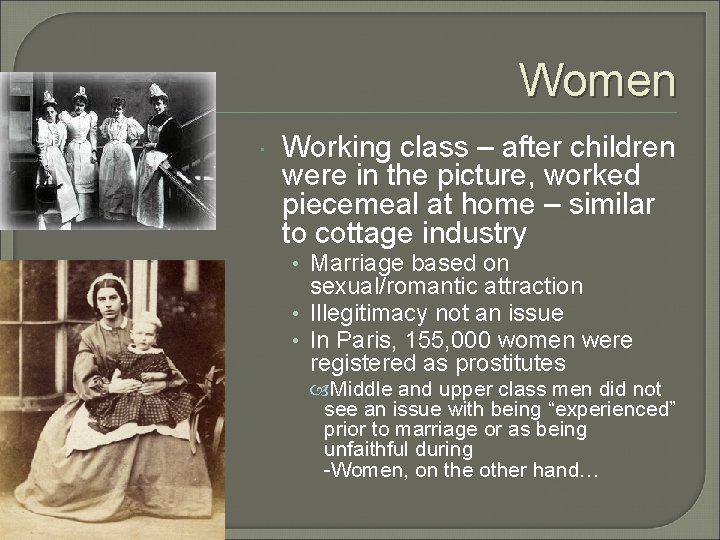
Women Working class – after children were in the picture, worked piecemeal at home – similar to cottage industry • Marriage based on sexual/romantic attraction • Illegitimacy not an issue • In Paris, 155, 000 women were registered as prostitutes Middle and upper class men did not see an issue with being “experienced” prior to marriage or as being unfaithful during -Women, on the other hand…
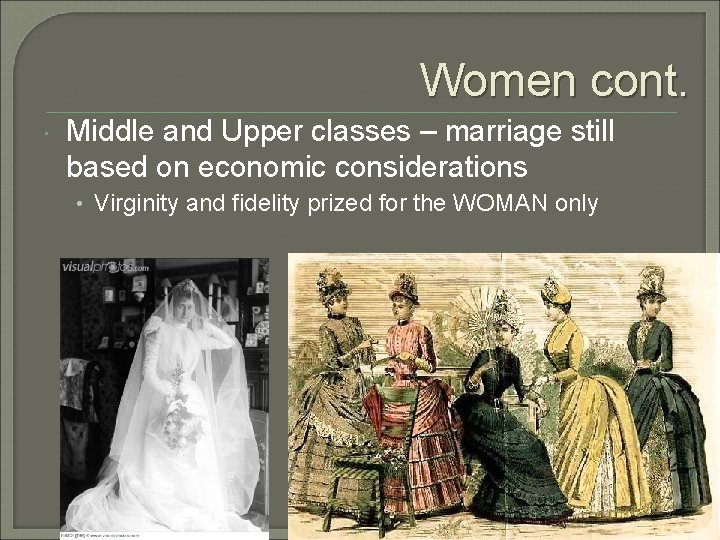
Women cont. Middle and Upper classes – marriage still based on economic considerations • Virginity and fidelity prized for the WOMAN only
Divorce Even though Henry VIII supposedly started the Anglican church to legalize divorce, new research shows that he actually never did get a divorce (still an annulment, just a legal one under the new church’s rules) Women were not allowed to bring divorce charges up on their husband unless they could show both infidelity AND another injustice Women were also considered property of their husbands and therefore had to “succumb” to their husbands’ urges (currently still an issue – is it rape if you’re married? )
Changing attitudes Feminism on the rise • Idea of “separate spheres” kept women down – no legal rights • Feminists inspired by Marx and other socialists • “In law, husband wife are one person, and the husband is that person. ” – ouch. • 1882 – law granting women property rights in England passes Church attendance in decline, especially with working classes • Church not speaking to them anymore • Ethnic churches kept largest crowds (common identity)
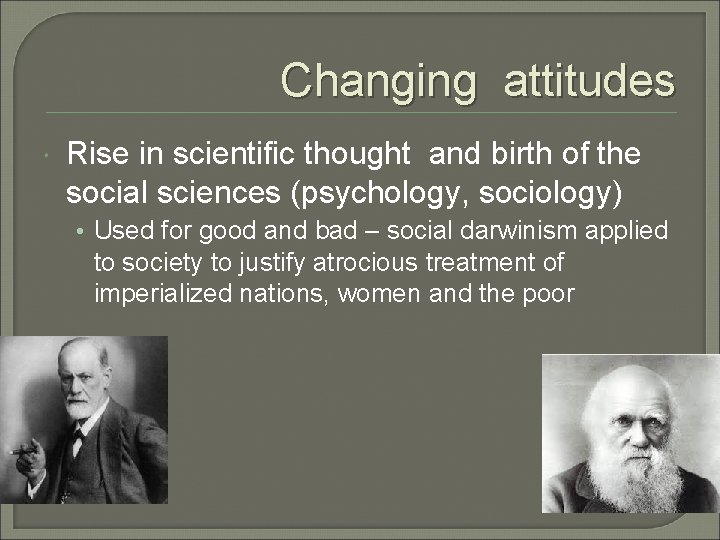
Changing attitudes Rise in scientific thought and birth of the social sciences (psychology, sociology) • Used for good and bad – social darwinism applied to society to justify atrocious treatment of imperialized nations, women and the poor
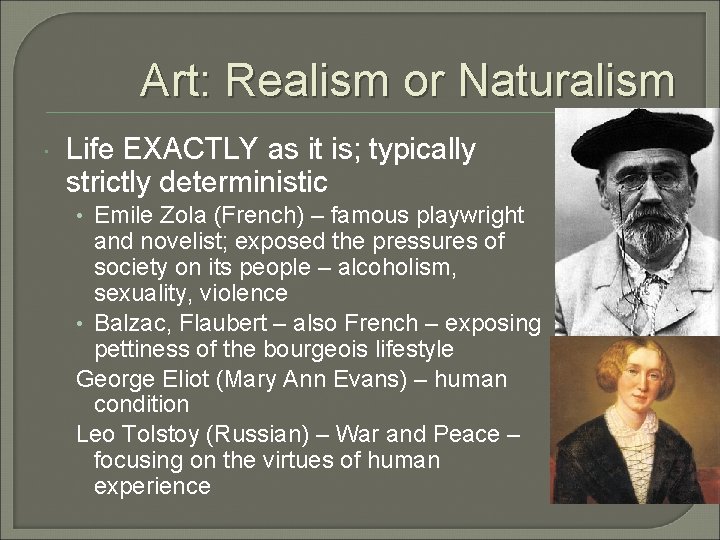
Art: Realism or Naturalism Life EXACTLY as it is; typically strictly deterministic • Emile Zola (French) – famous playwright and novelist; exposed the pressures of society on its people – alcoholism, sexuality, violence • Balzac, Flaubert – also French – exposing pettiness of the bourgeois lifestyle George Eliot (Mary Ann Evans) – human condition Leo Tolstoy (Russian) – War and Peace – focusing on the virtues of human experience
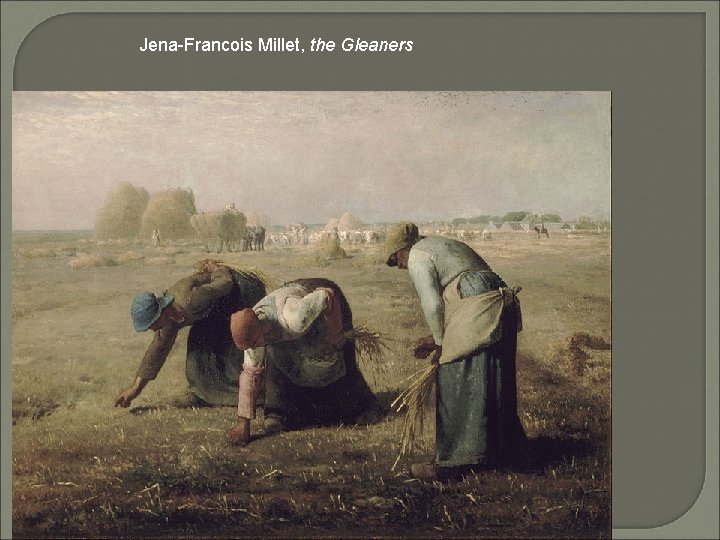
Jena-Francois Millet, the Gleaners
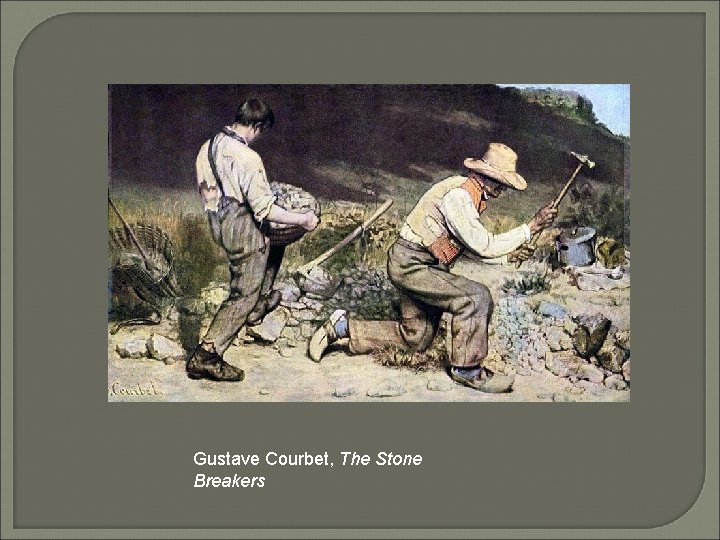
Gustave Courbet, The Stone Breakers
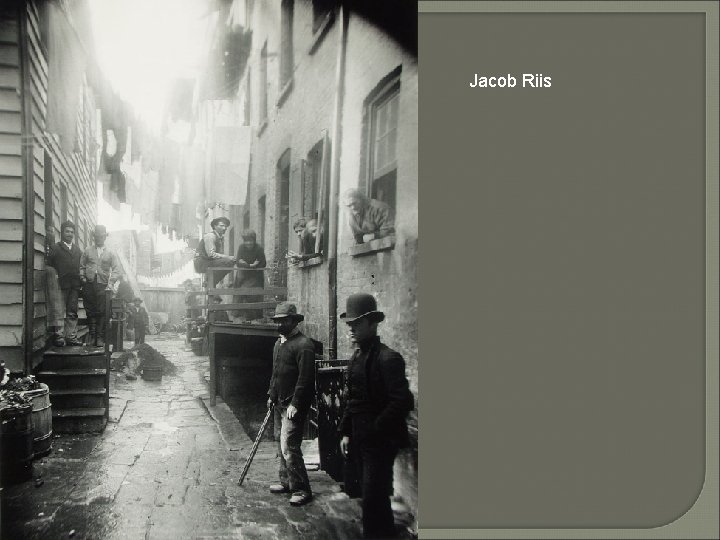
Jacob Riis
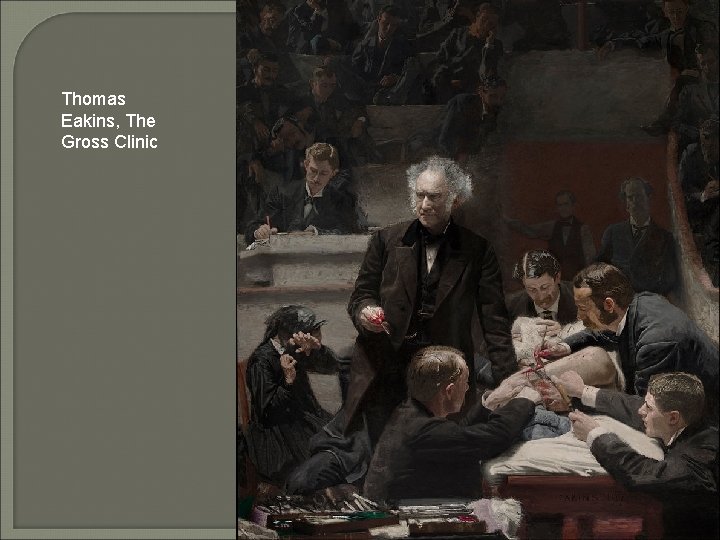
Thomas Eakins, The Gross Clinic
- Slides: 20