
Channel Management Decisions The 4 step model Selecting


- Slides: 56
Channel Management Decisions
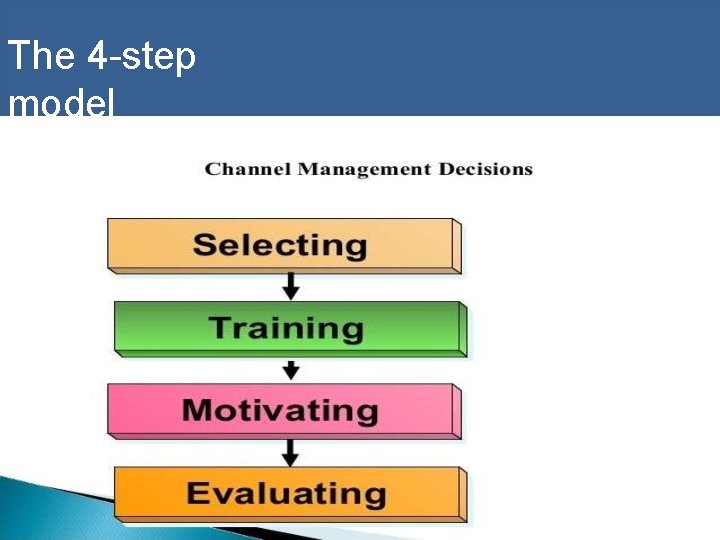
The 4 -step model
Selecting channel members • Service reputation • Number of years in business • Other lines carried • Growth and profit record
Training and Motivating Capability-building programs Taking care of intermediaries’ needs Constant communication Profitability
Evaluating channel members • Evaluate performance • Treatment of lost and damaged goods • Sales quota attainment • Counsel, motivate, or terminate the underperformers
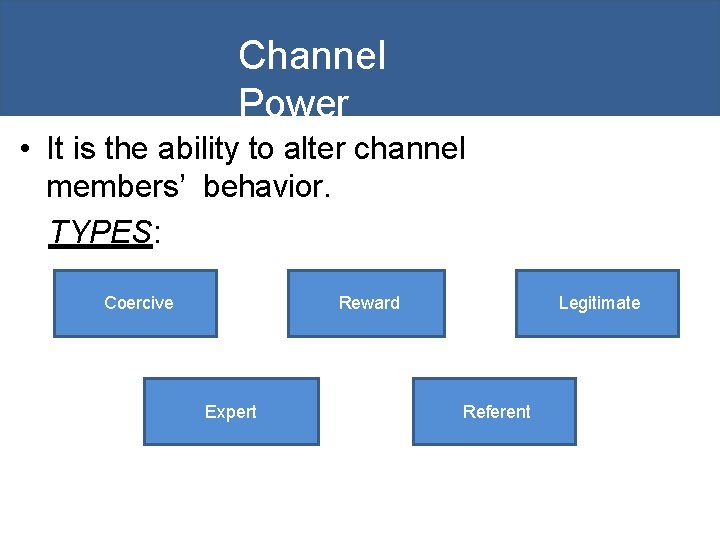
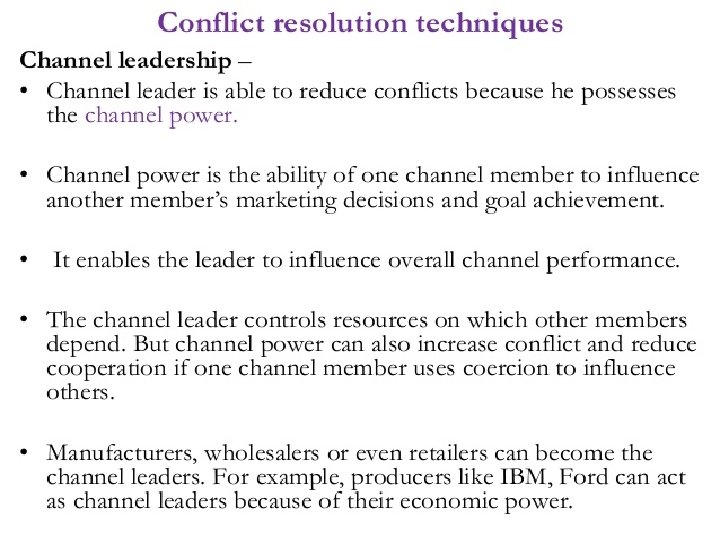
Channel Power • It is the ability to alter channel members’ behavior. TYPES: Coercive Reward Expert Legitimate Referent
With a change in product life cycle, and the changing nature of competitive markets, CHANNELS EVOLVE
Channel Modification Decisions • Review channel design and arrangements • Notice change in buying patterns • New competition • Stage of product in the life cycle
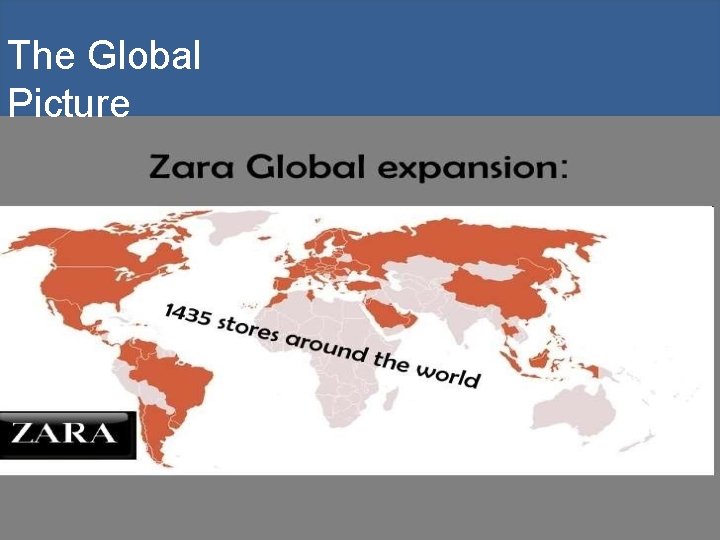
The Global Picture
While expanding into the global market: • Get close to the customers • Acquaint with local laws and customs • Choose channels wisely
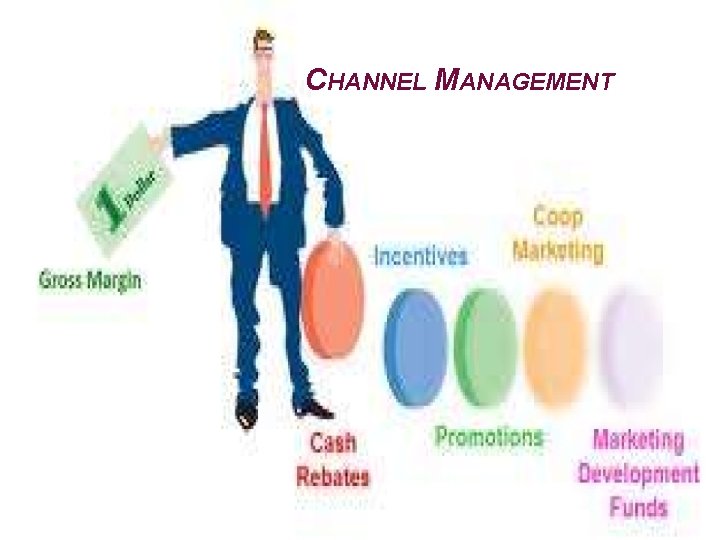
CHANNEL MANAGEMENT
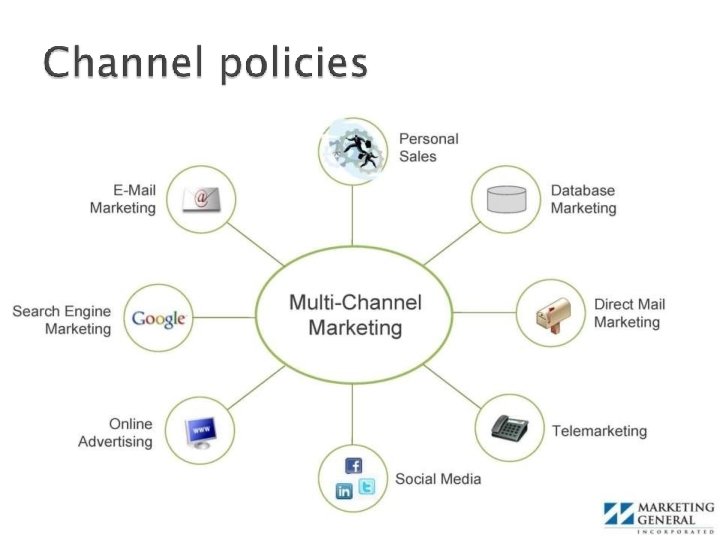
CHANNEL MANAGEMENT Channel Management involves the strategy, development and alignment of channels, or customer interfaces, across your marketing, sales and service processes. Channels typically include the Internet, call centers, retail stores, phones and text messaging.
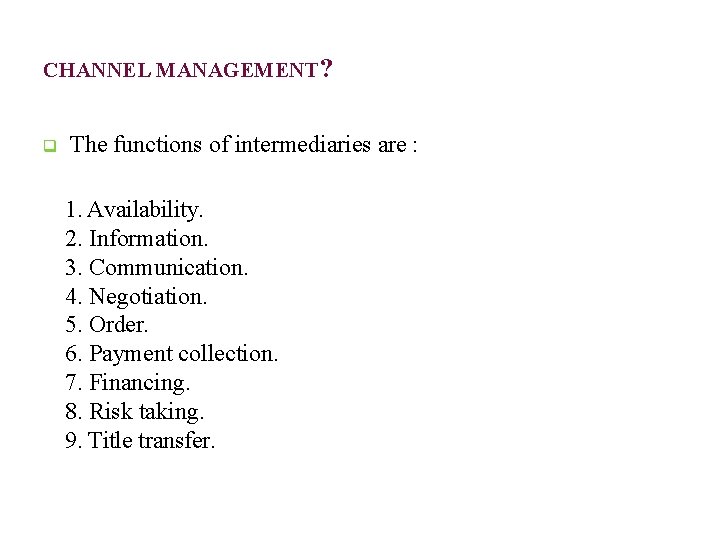
FUNCTIONS OF INTERMEDIARIES IN CHANNEL MANAGEMENT? The functions of intermediaries are : 1. Availability. 2. Information. 3. Communication. 4. Negotiation. 5. Order. 6. Payment collection. 7. Financing. 8. Risk taking. 9. Title transfer. DISTRIBUTION
SUCCESS CHANNEL MANAGEMENT Outline
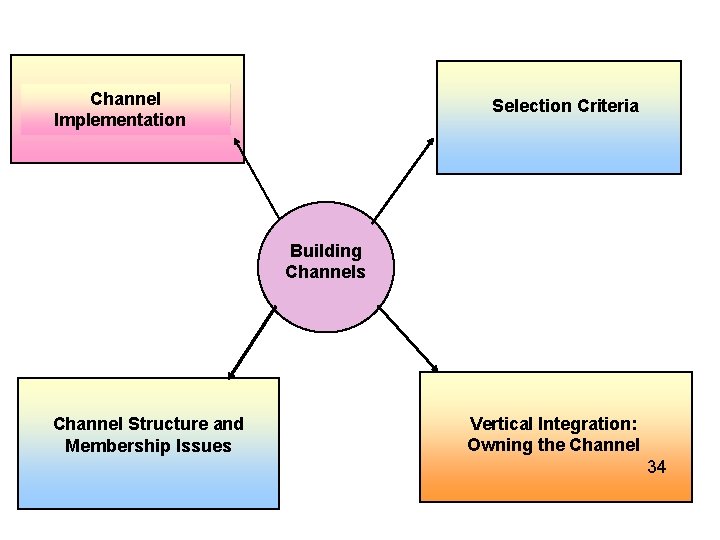
Channel Implementation Selection Criteria Building Channels Channel Structure and Membership Issues Vertical Integration: Owning the Channel 34
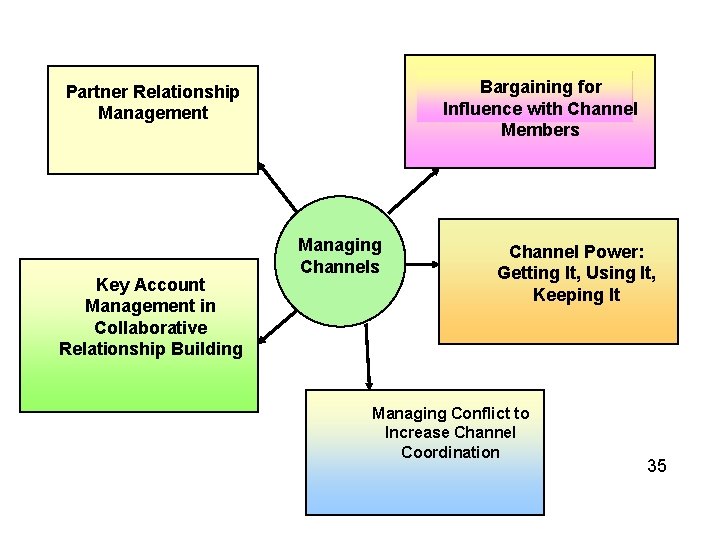
Bargaining for Influence with Channel Members Partner Relationship Management Key Account Management in Collaborative Relationship Building Managing Channels Channel Power: Getting It, Using It, Keeping It Managing Conflict to Increase Channel Coordination 35
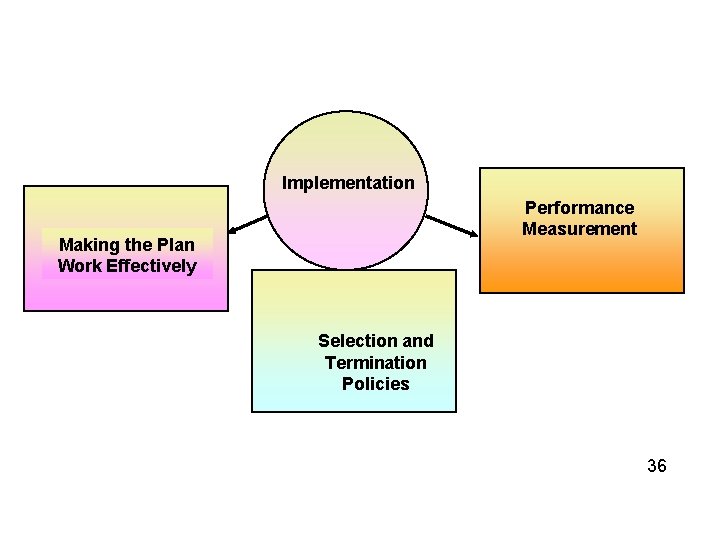
Implementation Performance Measurement Making the Plan Work Effectively Selection and Termination Policies 36
MANAGEMENT TECHNIQUES 37
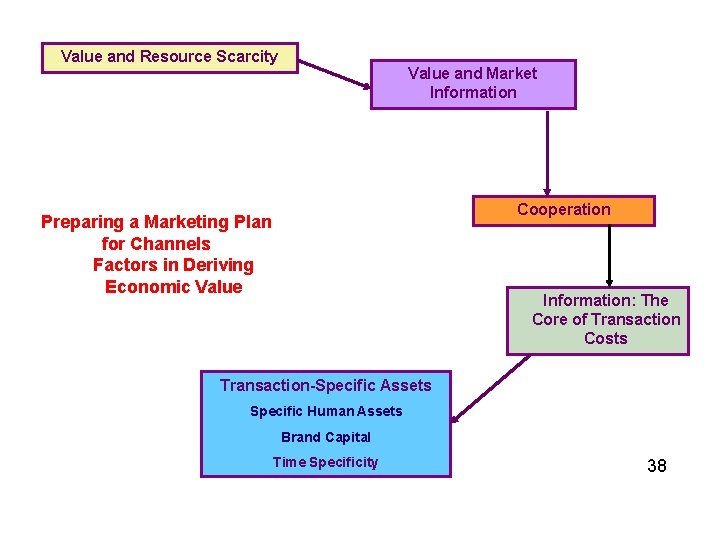
Value and Resource Scarcity Value and Market Information Cooperation Preparing a Marketing Plan for Channels Factors in Deriving Economic Value Information: The Core of Transaction Costs Transaction-Specific Assets Specific Human Assets Brand Capital Time Specificity 38
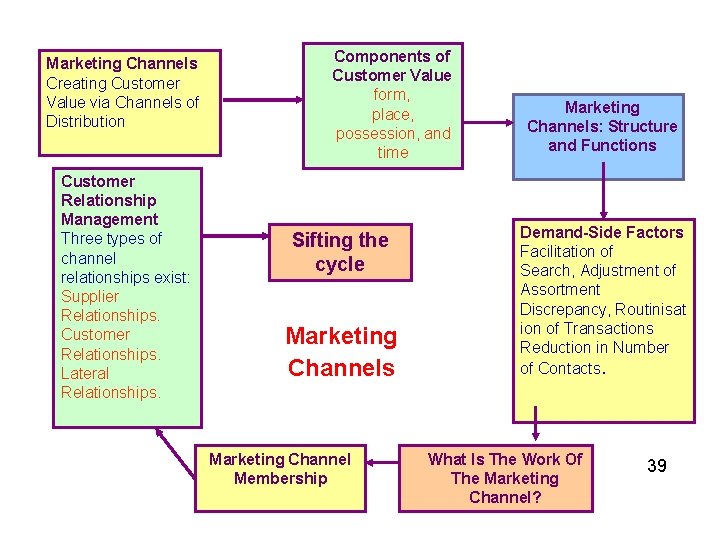
Marketing Channels Creating Customer Value via Channels of Distribution Customer Relationship Management Three types of channel relationships exist: Supplier Relationships. Customer Relationships. Lateral Relationships. Components of Customer Value form, place, possession, and time Sifting the cycle Marketing Channels Marketing Channel Membership Marketing Channels: Structure and Functions Demand-Side Factors Facilitation of Search, Adjustment of Assortment Discrepancy, Routinisat ion of Transactions Reduction in Number of Contacts. What Is The Work Of The Marketing Channel? 39
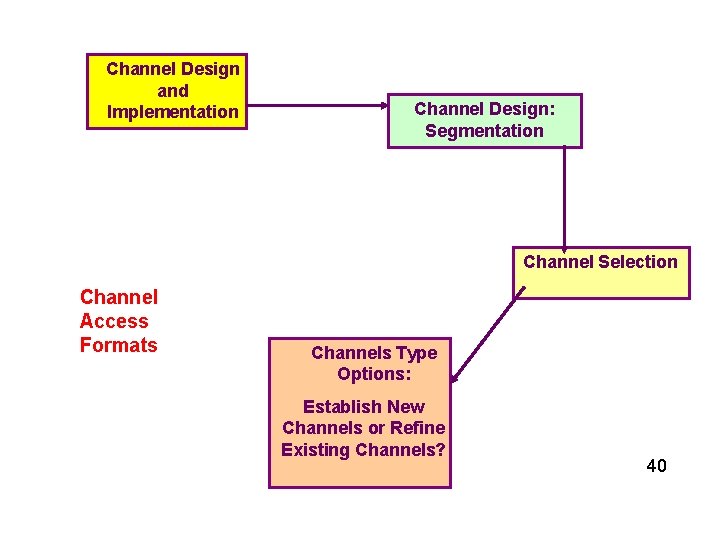
Channel Design and Implementation Channel Design: Segmentation Channel Selection Channel Access Formats Channels Type Options: Establish New Channels or Refine Existing Channels? 40
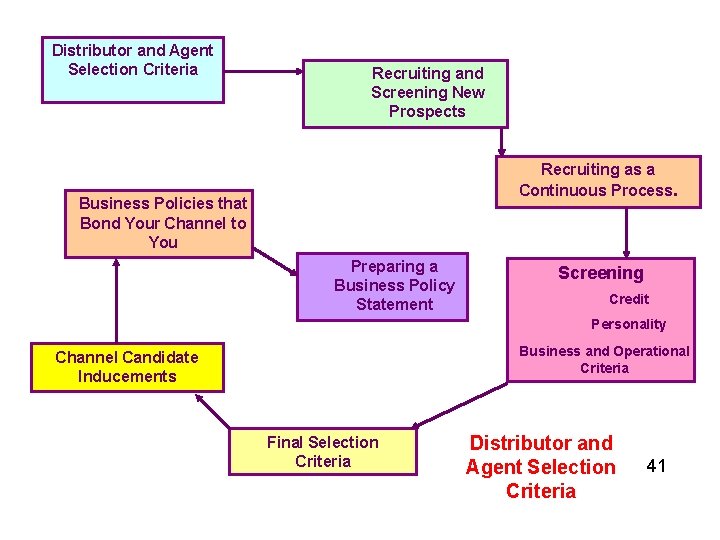
Distributor and Agent Selection Criteria Recruiting and Screening New Prospects Recruiting as a Continuous Process. Business Policies that Bond Your Channel to You Preparing a Business Policy Statement Screening Credit Personality Business and Operational Criteria Channel Candidate Inducements Final Selection Criteria Distributor and Agent Selection Criteria 41
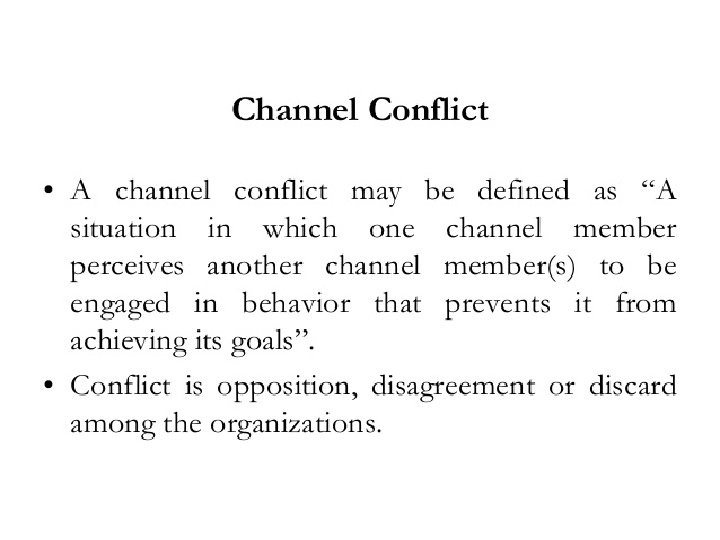
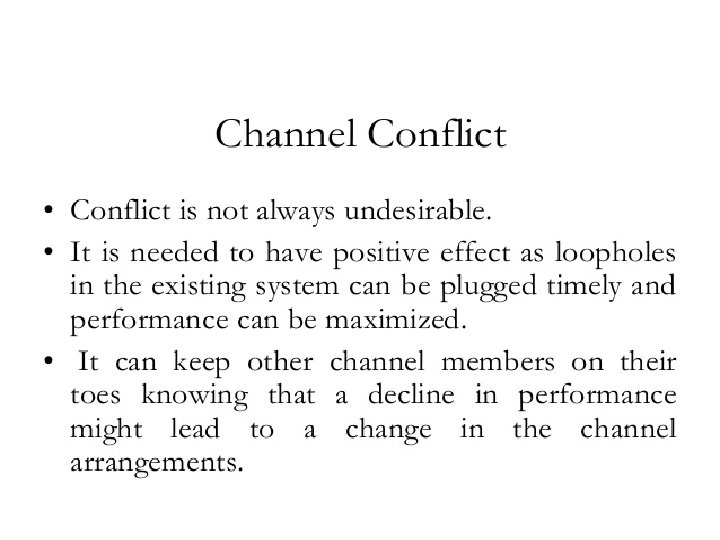
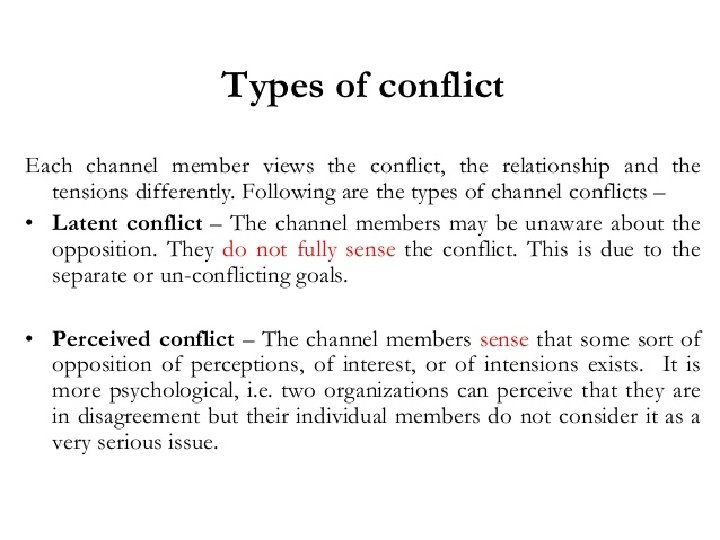
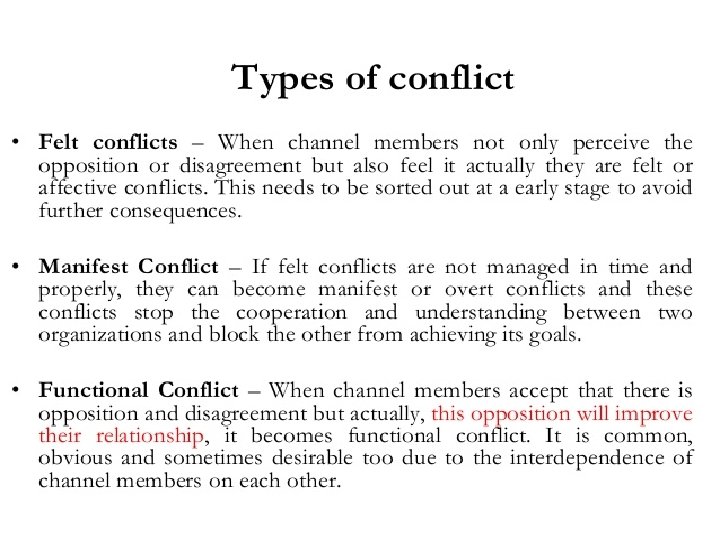
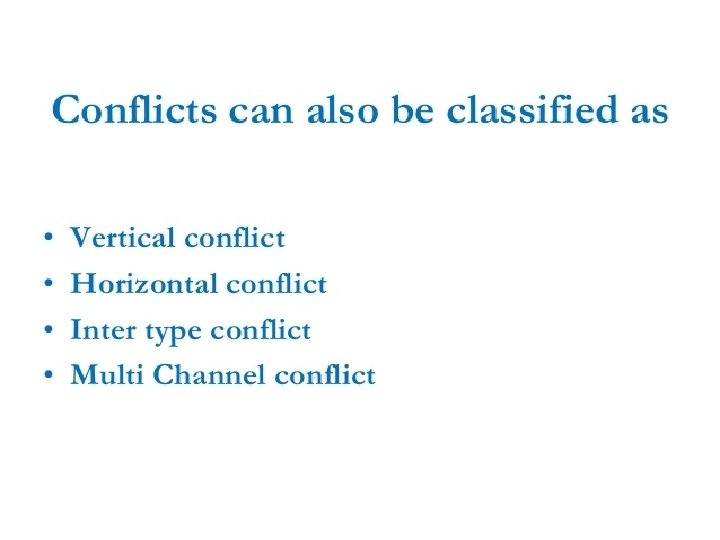
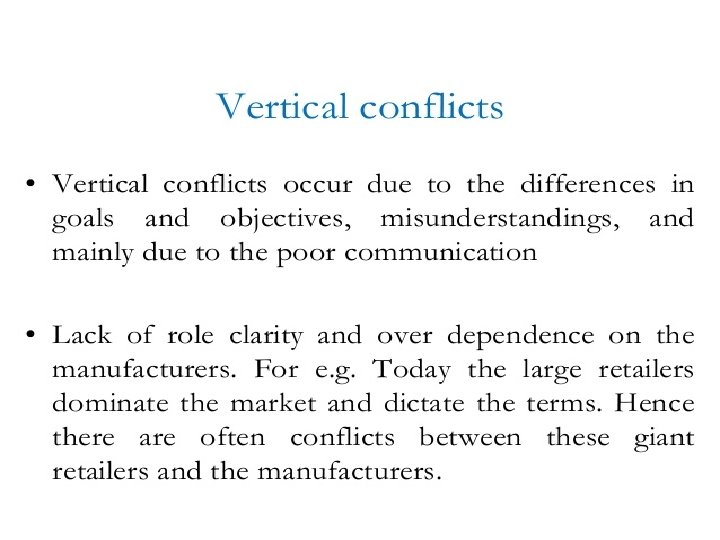
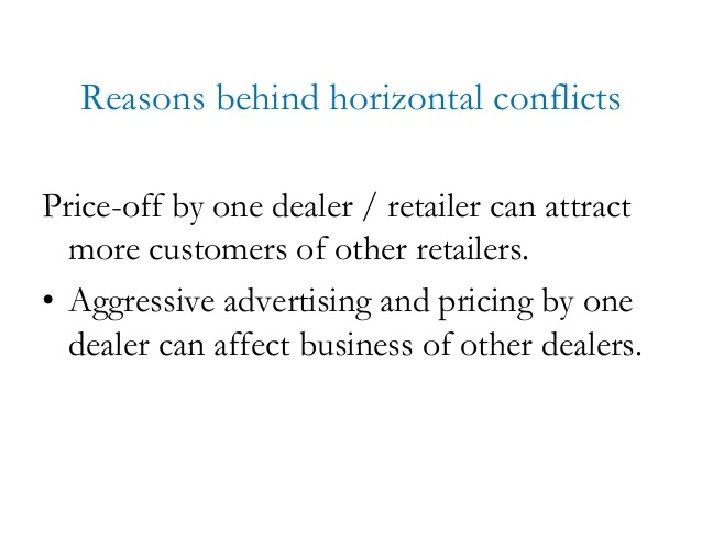
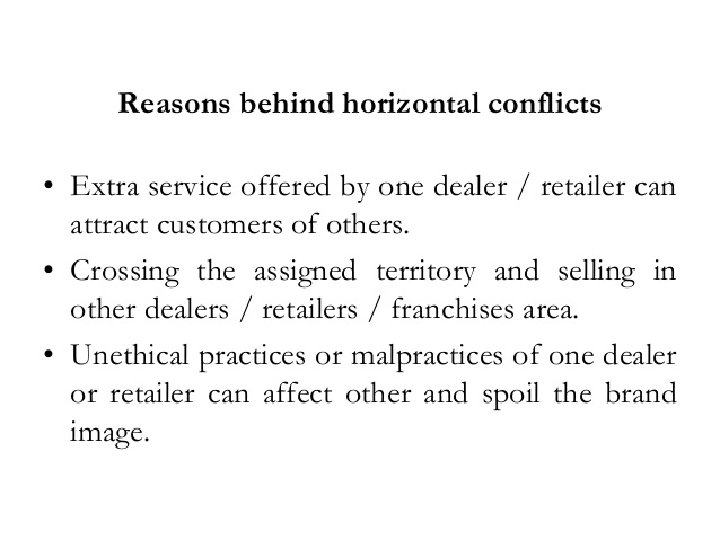
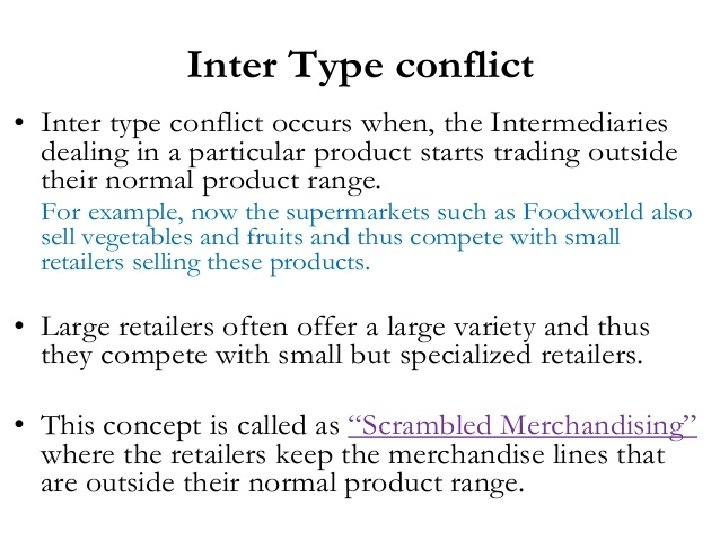
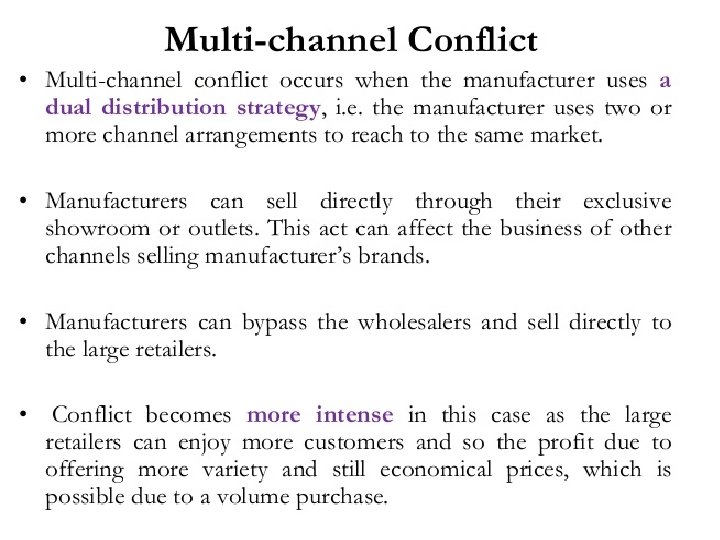
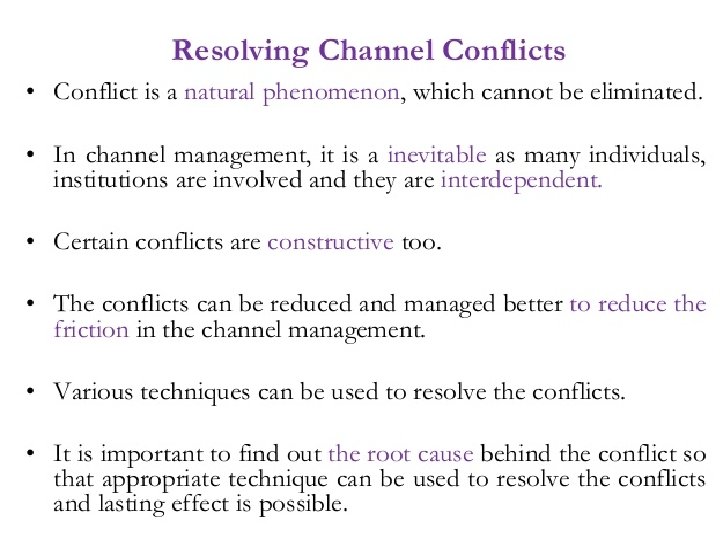
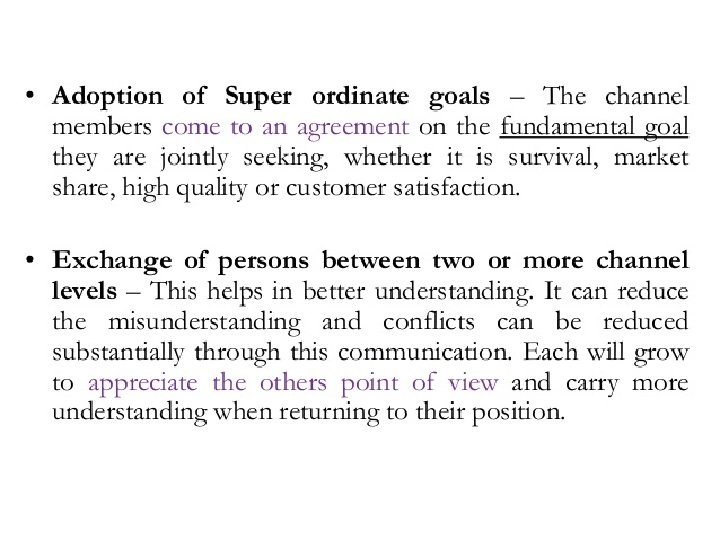
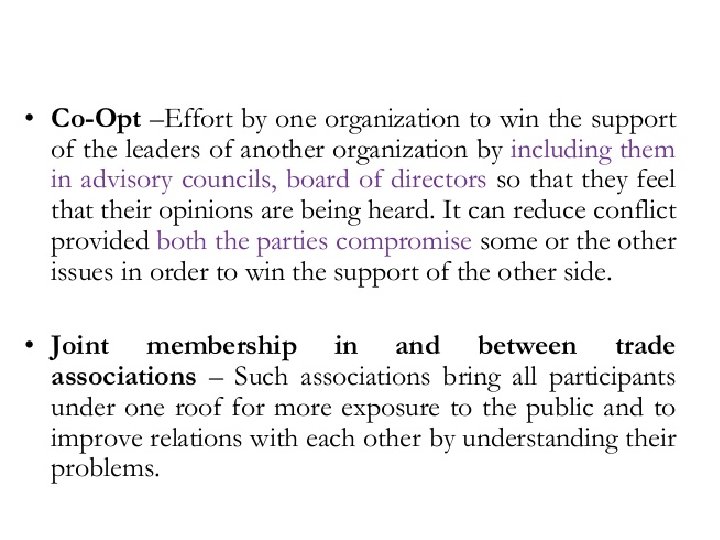
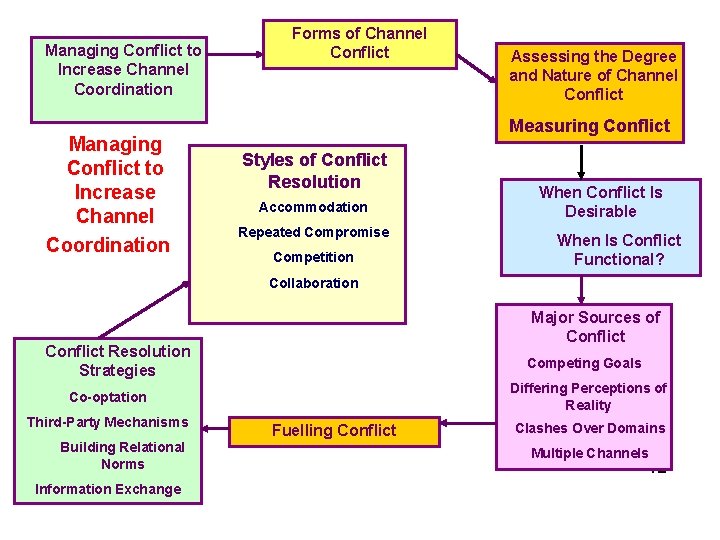
Managing Conflict to Increase Channel Coordination Forms of Channel Conflict Assessing the Degree and Nature of Channel Conflict Measuring Conflict Styles of Conflict Resolution Accommodation Repeated Compromise Competition When Conflict Is Desirable When Is Conflict Functional? Collaboration Major Sources of Conflict Resolution Strategies Competing Goals Differing Perceptions of Reality Co-optation Third-Party Mechanisms Building Relational Norms Information Exchange Fuelling Conflict Clashes Over Domains Multiple Channels 42
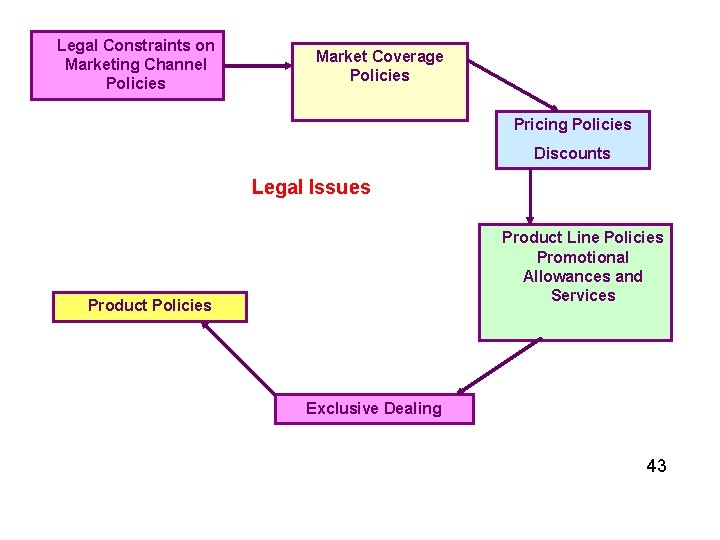
Legal Constraints on Marketing Channel Policies Market Coverage Policies Pricing Policies Discounts Legal Issues Product Line Policies Promotional Allowances and Services Product Policies Exclusive Dealing 43
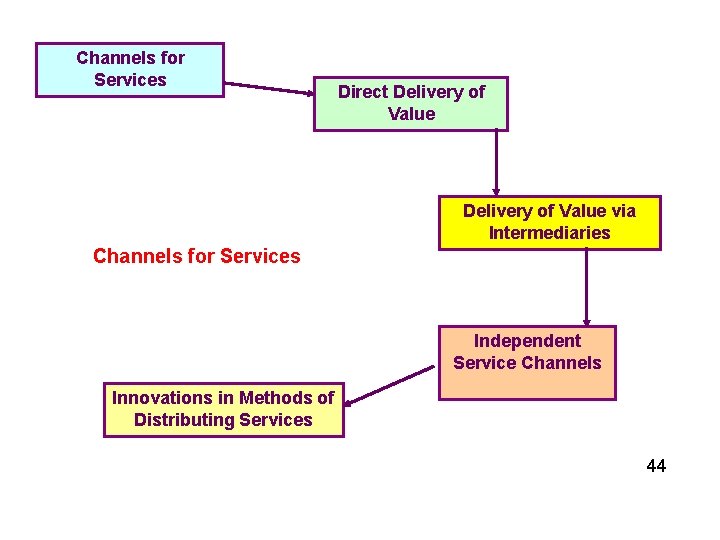
Channels for Services Direct Delivery of Value via Intermediaries Channels for Services Independent Service Channels Innovations in Methods of Distributing Services 44
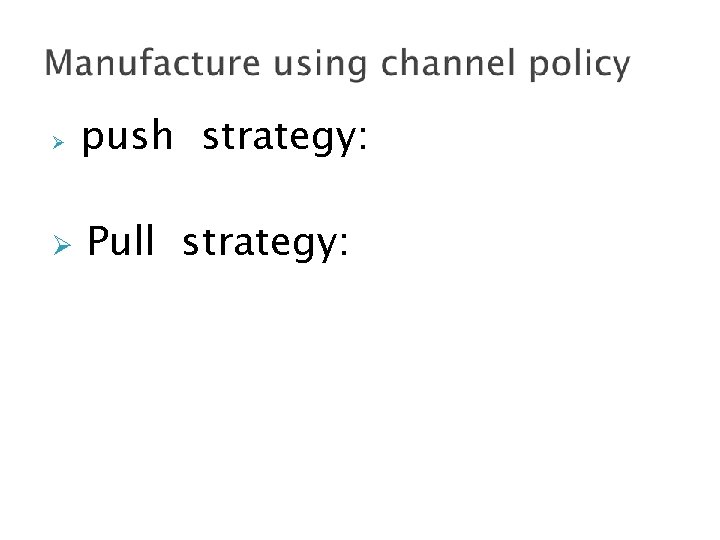
push strategy: Pull strategy:
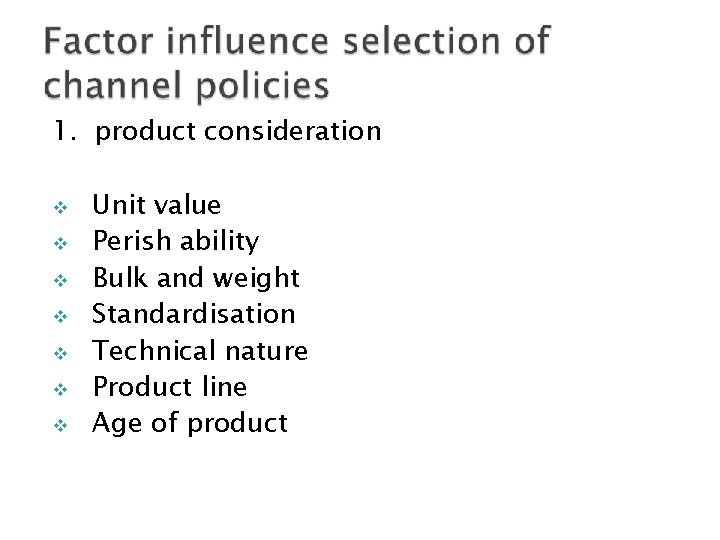
1. product consideration Unit value Perish ability Bulk and weight Standardisation Technical nature Product line Age of product
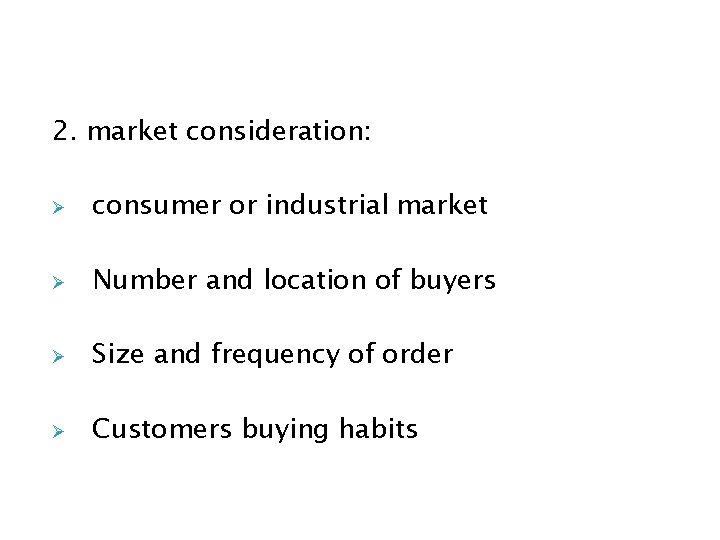
2. market consideration: consumer or industrial market Number and location of buyers Size and frequency of order Customers buying habits
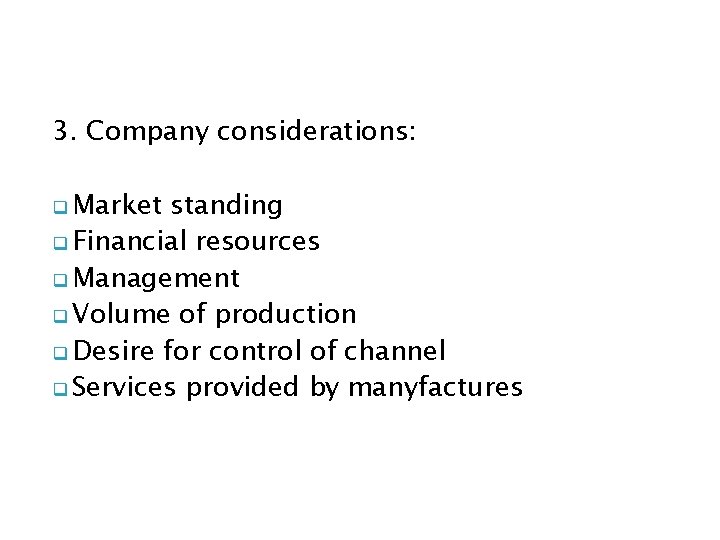
3. Company considerations: Market standing Financial resources Management Volume of production Desire for control of channel Services provided by manyfactures
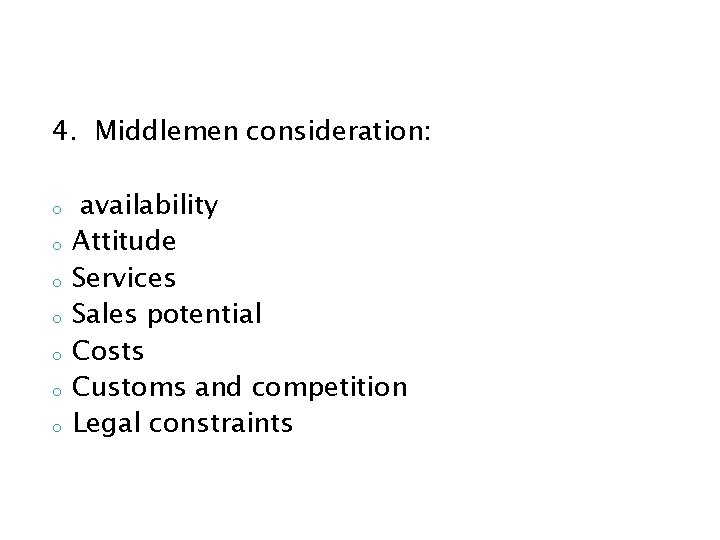
4. Middlemen consideration: o o o o availability Attitude Services Sales potential Costs Customs and competition Legal constraints