
Changing the Clinical Research Paradigm Learning Health Systems
- Slides: 29
Changing the Clinical Research Paradigm: Learning Health Systems and Pragmatic, Technology-Enabled Trials Matthew T. Roe, MD, MHS Senior Investigator Duke Clinical Research Institute
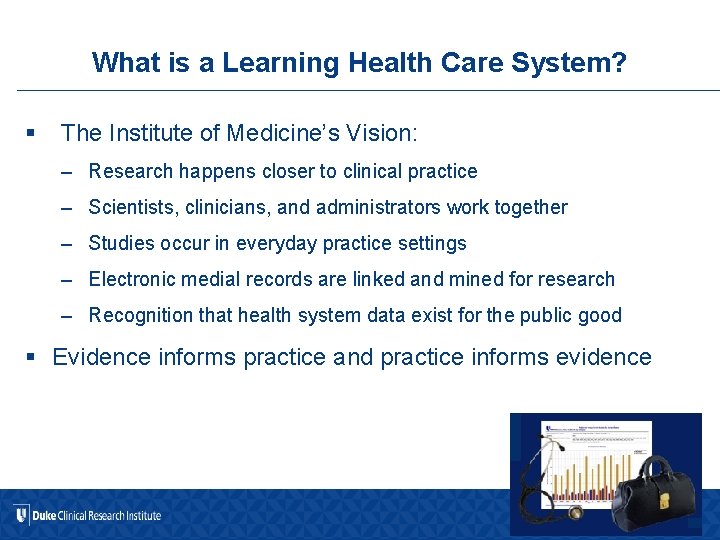
What is a Learning Health Care System? § The Institute of Medicine’s Vision: – Research happens closer to clinical practice – Scientists, clinicians, and administrators work together – Studies occur in everyday practice settings – Electronic medial records are linked and mined for research – Recognition that health system data exist for the public good § Evidence informs practice and practice informs evidence
Principles for Conducting Pragmatic Clinical Trials in Learning Health Care Systems 10/2016 § Leverage available medical data from electronic health records (EHRs) to identify potentially eligible patients § Recruit large samples of patients within healthcare systems to limit selection biases and provide more generalizable results that are relevant to routine practice § Simplify baseline and follow-up data collection through systematic direct patient contact and surveillance of multiple, electronic data sources § Ascertain endpoints as part of routine healthcare delivery and administrative claims retrieval
Framework for the Evolution of Pragmatic, Technology-Enabled Clinical Trials
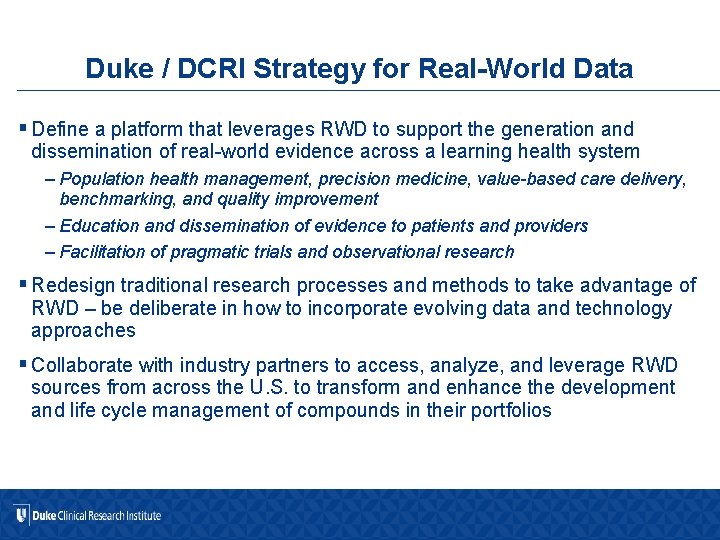
Duke / DCRI Strategy for Real-World Data § Define a platform that leverages RWD to support the generation and dissemination of real-world evidence across a learning health system – Population health management, precision medicine, value-based care delivery, benchmarking, and quality improvement – Education and dissemination of evidence to patients and providers – Facilitation of pragmatic trials and observational research § Redesign traditional research processes and methods to take advantage of RWD – be deliberate in how to incorporate evolving data and technology approaches § Collaborate with industry partners to access, analyze, and leverage RWD sources from across the U. S. to transform and enhance the development and life cycle management of compounds in their portfolios
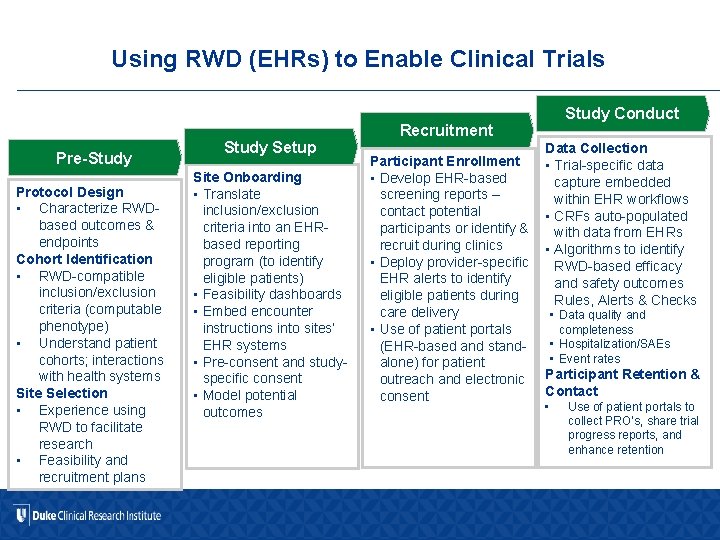
Using RWD (EHRs) to Enable Clinical Trials Pre-Study Protocol Design • Characterize RWDbased outcomes & endpoints Cohort Identification • RWD-compatible inclusion/exclusion criteria (computable phenotype) • Understand patient cohorts; interactions with health systems Site Selection • Experience using RWD to facilitate research • Feasibility and recruitment plans Study Setup Site Onboarding • Translate inclusion/exclusion criteria into an EHRbased reporting program (to identify eligible patients) • Feasibility dashboards • Embed encounter instructions into sites’ EHR systems • Pre-consent and studyspecific consent • Model potential outcomes Study Conduct Recruitment Participant Enrollment • Develop EHR-based screening reports – contact potential participants or identify & recruit during clinics • Deploy provider-specific EHR alerts to identify eligible patients during care delivery • Use of patient portals (EHR-based and standalone) for patient outreach and electronic consent Data Collection • Trial-specific data capture embedded within EHR workflows • CRFs auto-populated with data from EHRs • Algorithms to identify RWD-based efficacy and safety outcomes Rules, Alerts & Checks • Data quality and completeness • Hospitalization/SAEs • Event rates Participant Retention & Contact • Use of patient portals to collect PRO’s, share trial progress reports, and enhance retention
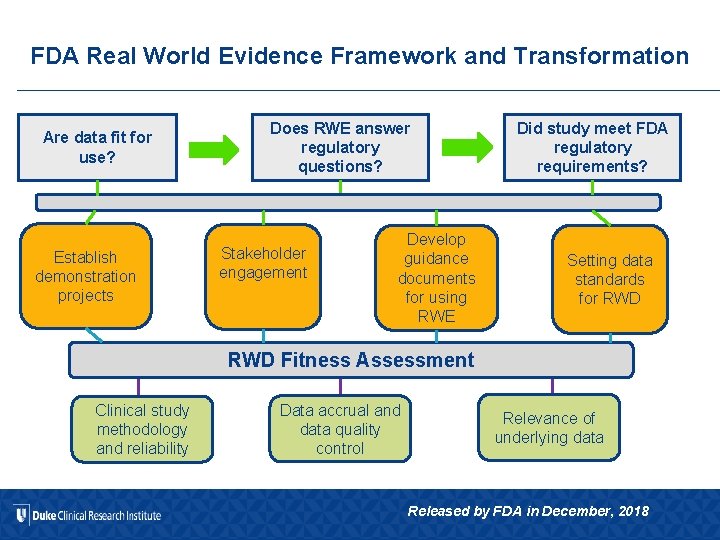
FDA Real World Evidence Framework and Transformation Are data fit for use? Establish demonstration projects Does RWE answer regulatory questions? Stakeholder engagement Develop guidance documents for using RWE Did study meet FDA regulatory requirements? Setting data standards for RWD Fitness Assessment Clinical study methodology and reliability Data accrual and data quality control Relevance of underlying data Released by FDA in December, 2018
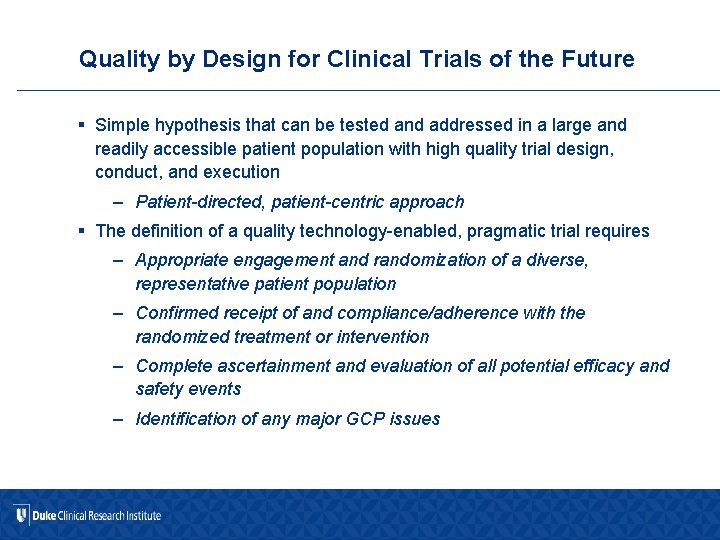
Quality by Design for Clinical Trials of the Future § Simple hypothesis that can be tested and addressed in a large and readily accessible patient population with high quality trial design, conduct, and execution – Patient-directed, patient-centric approach § The definition of a quality technology-enabled, pragmatic trial requires – Appropriate engagement and randomization of a diverse, representative patient population – Confirmed receipt of and compliance/adherence with the randomized treatment or intervention – Complete ascertainment and evaluation of all potential efficacy and safety events – Identification of any major GCP issues
ADAPTABLE – A Case Study for Network-Based Pragmatic Trials
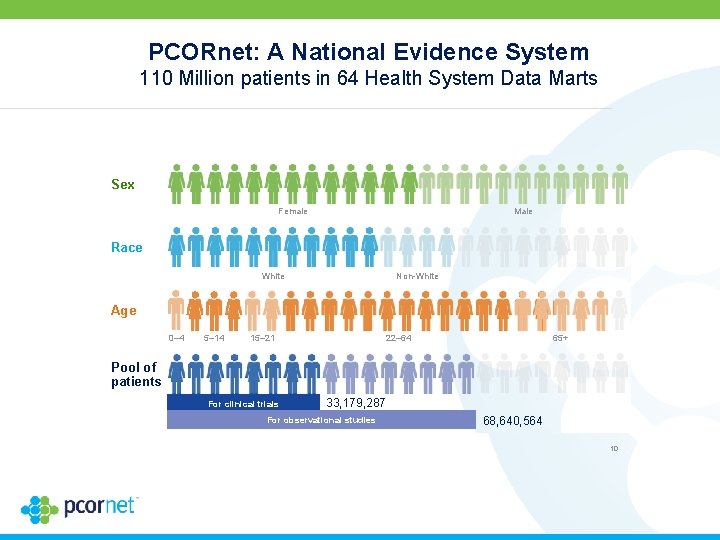
PCORnet: A National Evidence System 110 Million patients in 64 Health System Data Marts Sex Female Male Race White Non-White Age 0– 4 5– 14 22– 64 15– 21 65+ Pool of patients For clinical trials 33, 179, 287 For observational studies 68, 640, 564 10
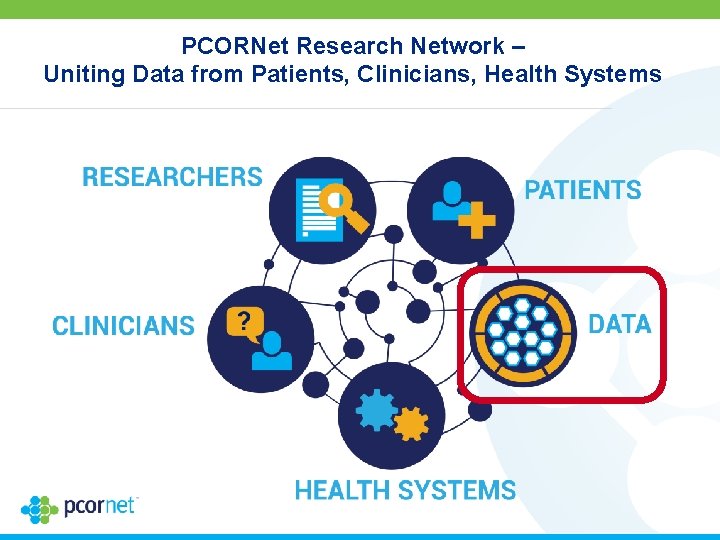
PCORNet Research Network – Uniting Data from Patients, Clinicians, Health Systems
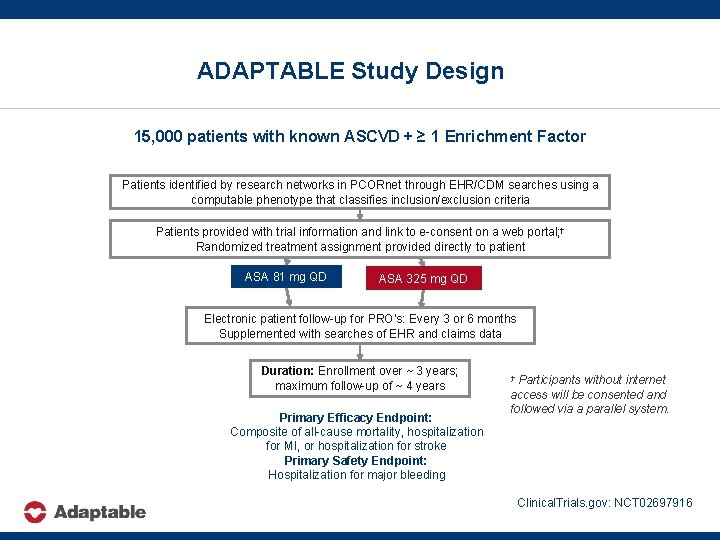
ADAPTABLE Study Design 15, 000 patients with known ASCVD + ≥ 1 Enrichment Factor Patients identified by research networks in PCORnet through EHR/CDM searches using a computable phenotype that classifies inclusion/exclusion criteria Patients provided with trial information and link to e-consent on a web portal; † Randomized treatment assignment provided directly to patient ASA 81 mg QD ASA 325 mg QD Electronic patient follow-up for PRO’s: Every 3 or 6 months Supplemented with searches of EHR and claims data Duration: Enrollment over ~ 3 years; maximum follow-up of ~ 4 years Primary Efficacy Endpoint: Composite of all-cause mortality, hospitalization for MI, or hospitalization for stroke Primary Safety Endpoint: Hospitalization for major bleeding Participants without internet access will be consented and followed via a parallel system. † Clinical. Trials. gov: NCT 02697916
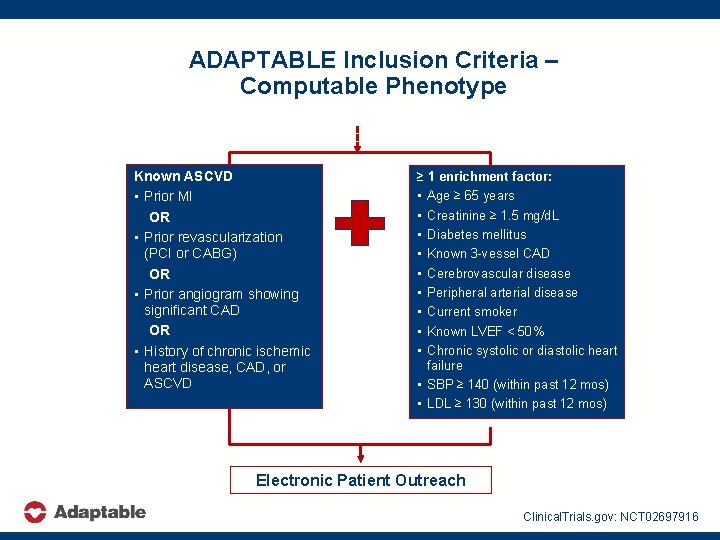
ADAPTABLE Inclusion Criteria – Computable Phenotype Known ASCVD • Prior MI OR • Prior revascularization (PCI or CABG) OR • Prior angiogram showing significant CAD OR • History of chronic ischemic heart disease, CAD, or ASCVD ≥ 1 enrichment factor: • Age ≥ 65 years • Creatinine ≥ 1. 5 mg/d. L • Diabetes mellitus • Known 3 -vessel CAD • Cerebrovascular disease • Peripheral arterial disease • Current smoker • Known LVEF < 50% • Chronic systolic or diastolic heart failure • SBP ≥ 140 (within past 12 mos) • LDL ≥ 130 (within past 12 mos) Electronic Patient Outreach Clinical. Trials. gov: NCT 02697916
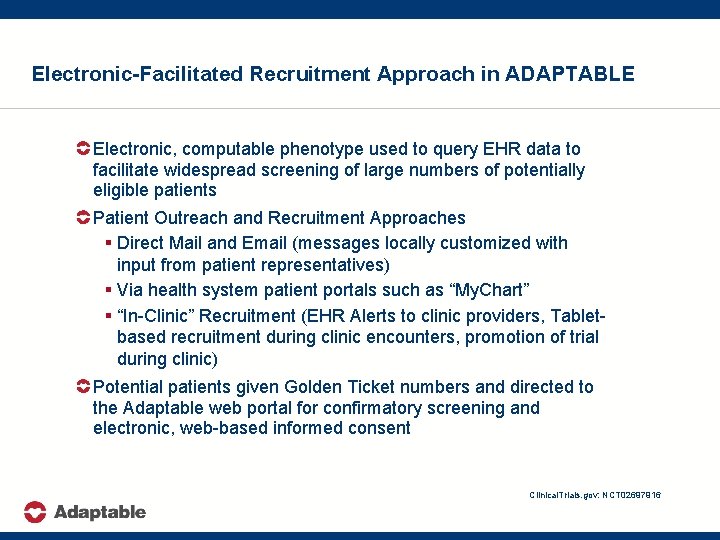
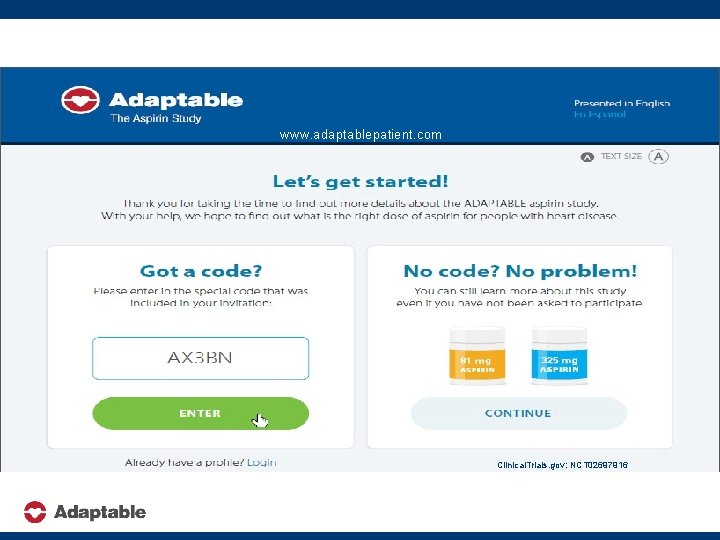
Electronic-Facilitated Recruitment Approach in ADAPTABLE Electronic, computable phenotype used to query EHR data to facilitate widespread screening of large numbers of potentially eligible patients Patient Outreach and Recruitment Approaches § Direct Mail and Email (messages locally customized with input from patient representatives) § Via health system patient portals such as “My. Chart” § “In-Clinic” Recruitment (EHR Alerts to clinic providers, Tabletbased recruitment during clinic encounters, promotion of trial during clinic) Potential patients given Golden Ticket numbers and directed to the Adaptable web portal for confirmatory screening and electronic, web-based informed consent Clinical. Trials. gov: NCT 02697916
www. adaptablepatient. com Clinical. Trials. gov: NCT 02697916
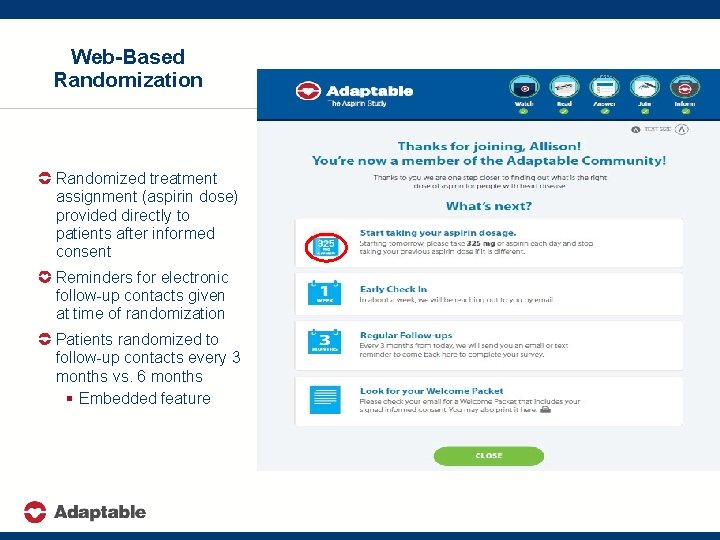
Web-Based Randomization Randomized treatment assignment (aspirin dose) provided directly to patients after informed consent Reminders for electronic follow-up contacts given at time of randomization Patients randomized to follow-up contacts every 3 months vs. 6 months § Embedded feature 10/2016
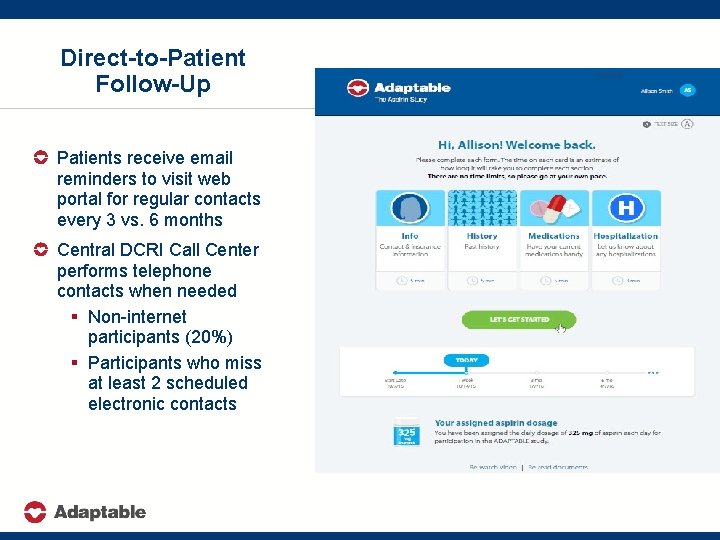
Direct-to-Patient Follow-Up Patients receive email reminders to visit web portal for regular contacts every 3 vs. 6 months Central DCRI Call Center performs telephone contacts when needed § Non-internet participants (20%) § Participants who miss at least 2 scheduled electronic contacts 410/2016
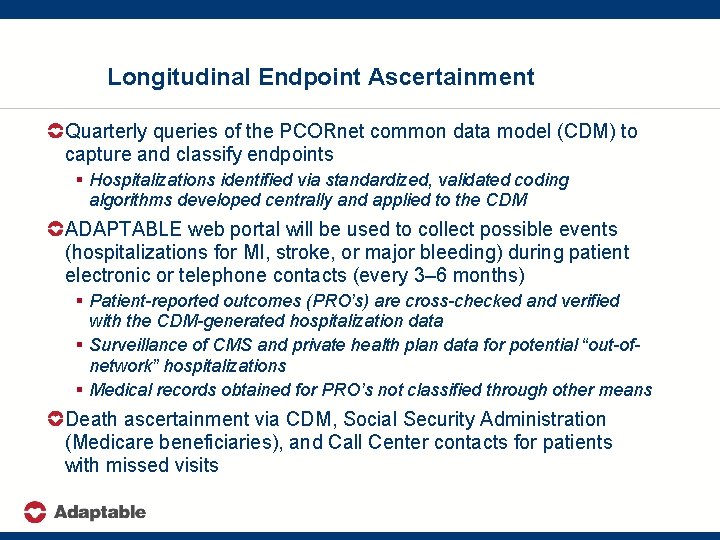
Longitudinal Endpoint Ascertainment Quarterly queries of the PCORnet common data model (CDM) to capture and classify endpoints § Hospitalizations identified via standardized, validated coding algorithms developed centrally and applied to the CDM ADAPTABLE web portal will be used to collect possible events (hospitalizations for MI, stroke, or major bleeding) during patient electronic or telephone contacts (every 3– 6 months) § Patient-reported outcomes (PRO’s) are cross-checked and verified with the CDM-generated hospitalization data § Surveillance of CMS and private health plan data for potential “out-ofnetwork” hospitalizations § Medical records obtained for PRO’s not classified through other means Death ascertainment via CDM, Social Security Administration (Medicare beneficiaries), and Call Center contacts for patients with missed visits
Challenges with EHR-Enabled Trials § Accuracy, timeliness, and completeness of EHR data sources § Lack of interoperability of EHR systems requiring multiple different technical approaches to aggregate data from diverse sources § Lack of widespread implementation and updating of data standards § Data provenance and security concerns within and across countries § Highly variable site/health system expertise with leveraging local EHR data for purposeful pragmatic clinical research activities
Building Site and Data Networks for Pragmatic Trials in the U. S.
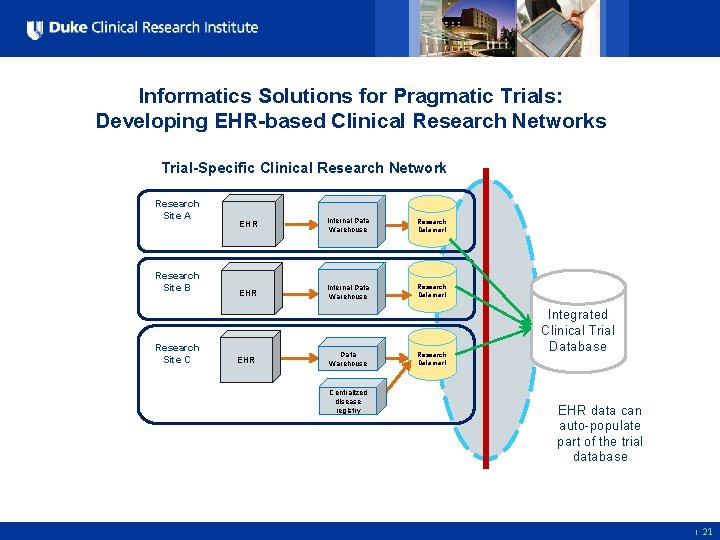
Informatics Solutions for Pragmatic Trials: Developing EHR-based Clinical Research Networks Trial-Specific Clinical Research Network Research Site A Research Site B Research Site C EHR Internal Data Warehouse Research Datamart EHR Data Warehouse Centralized disease registry 4 All Rights Reserved, Duke Medicine 2007 Research Datamart Integrated Clinical Trial Database EHR data can auto-populate part of the trial database 4 sb/Strategy & Innovation Group | 21
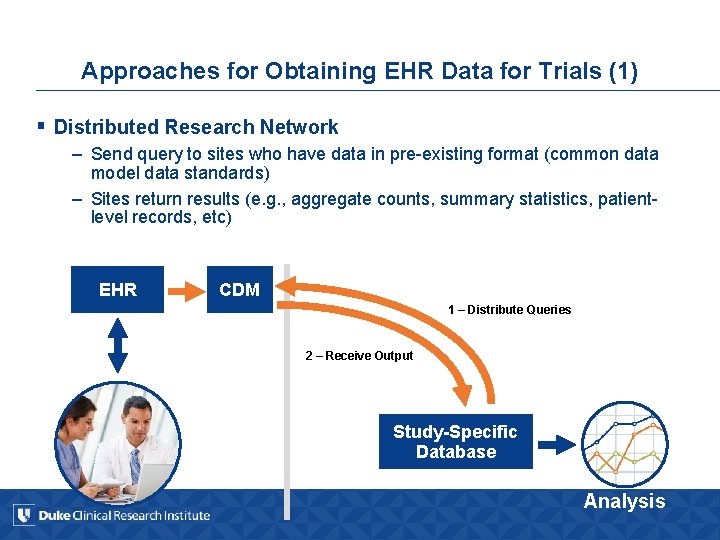
Approaches for Obtaining EHR Data for Trials (1) § Distributed Research Network – Send query to sites who have data in pre-existing format (common data model data standards) – Sites return results (e. g. , aggregate counts, summary statistics, patientlevel records, etc) EHR CDM 1 – Distribute Queries 2 – Receive Output Study-Specific Database Analysis
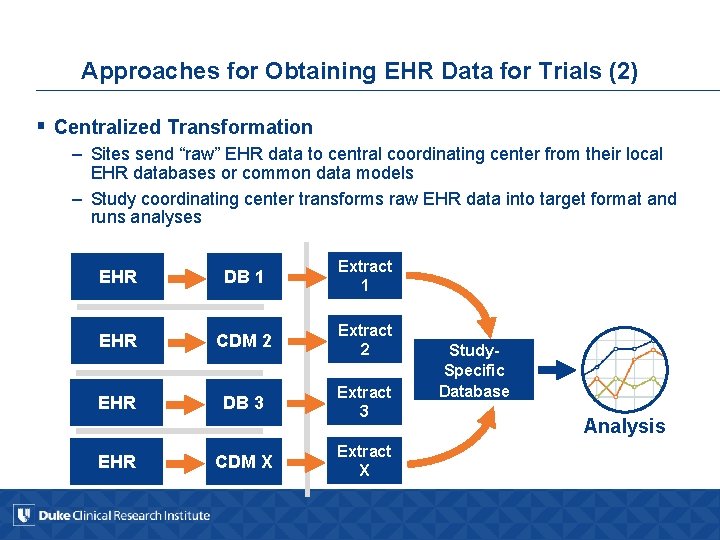
Approaches for Obtaining EHR Data for Trials (2) § Centralized Transformation – Sites send “raw” EHR data to central coordinating center from their local EHR databases or common data models – Study coordinating center transforms raw EHR data into target format and runs analyses EHR DB 1 Extract 1 EHR CDM 2 Extract 2 EHR DB 3 Extract 3 EHR CDM X Extract X Study. Specific Database Analysis
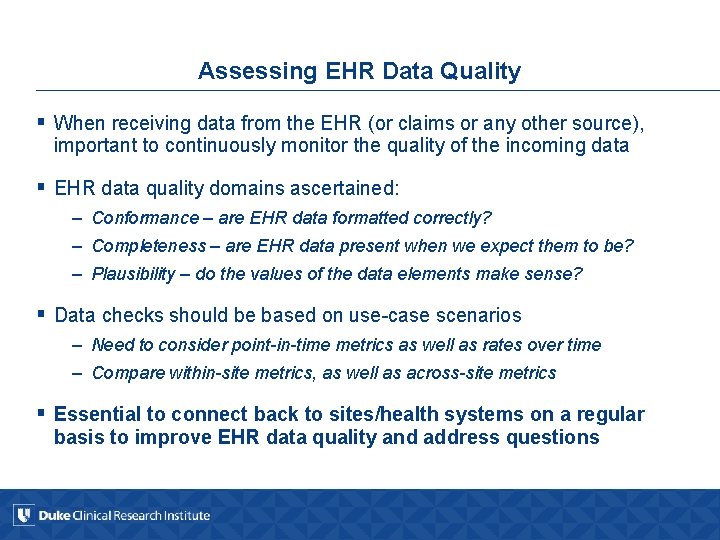
Assessing EHR Data Quality § When receiving data from the EHR (or claims or any other source), important to continuously monitor the quality of the incoming data § EHR data quality domains ascertained: – Conformance – are EHR data formatted correctly? – Completeness – are EHR data present when we expect them to be? – Plausibility – do the values of the data elements make sense? § Data checks should be based on use-case scenarios – Need to consider point-in-time metrics as well as rates over time – Compare within-site metrics, as well as across-site metrics § Essential to connect back to sites/health systems on a regular basis to improve EHR data quality and address questions
Envisioning the Future
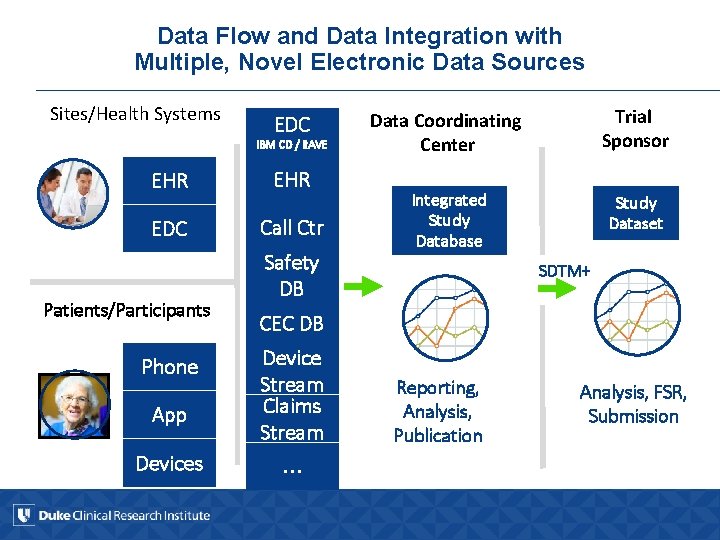
Data Flow and Data Integration with Multiple, Novel Electronic Data Sources Sites/Health Systems EDC IBM CD / RAVE EHR EDC Call Ctr Patients/Participants Phone App Devices Safety DB Data Coordinating Center Trial Sponsor Integrated Study Database Study Dataset SDTM+ CEC DB Device Stream Claims Stream … Reporting, Analysis, Publication Analysis, FSR, Submission
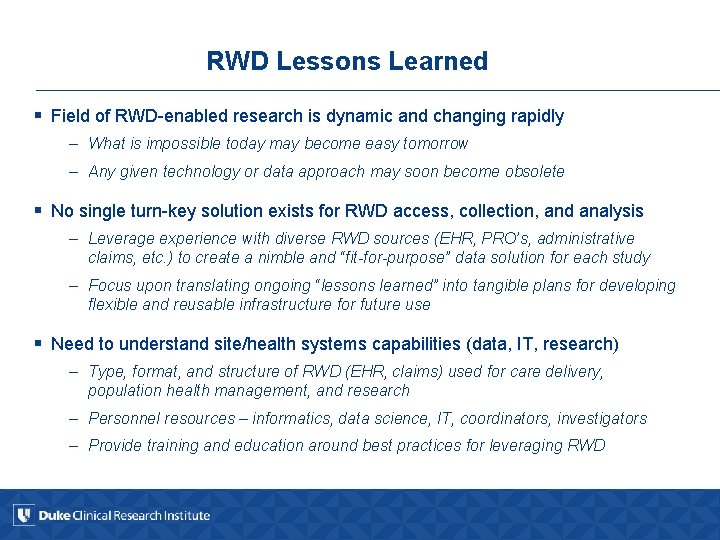
RWD Lessons Learned § Field of RWD-enabled research is dynamic and changing rapidly – What is impossible today may become easy tomorrow – Any given technology or data approach may soon become obsolete § No single turn-key solution exists for RWD access, collection, and analysis – Leverage experience with diverse RWD sources (EHR, PRO’s, administrative claims, etc. ) to create a nimble and “fit-for-purpose” data solution for each study – Focus upon translating ongoing “lessons learned” into tangible plans for developing flexible and reusable infrastructure for future use § Need to understand site/health systems capabilities (data, IT, research) – Type, format, and structure of RWD (EHR, claims) used for care delivery, population health management, and research – Personnel resources – informatics, data science, IT, coordinators, investigators – Provide training and education around best practices for leveraging RWD
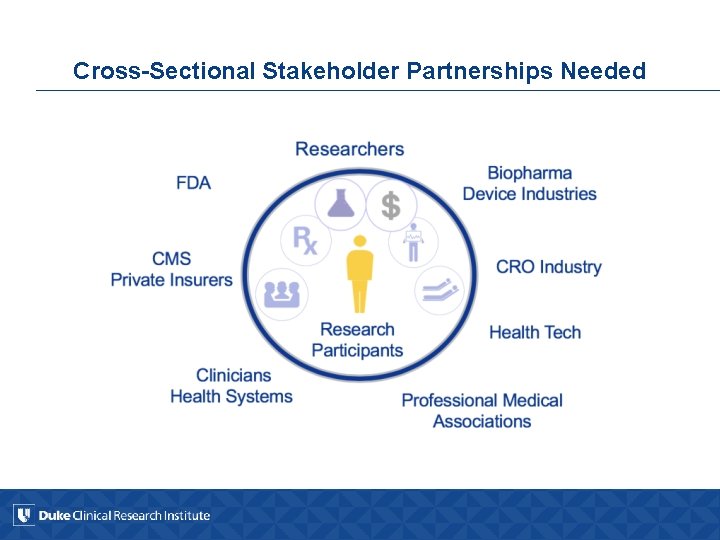
Cross-Sectional Stakeholder Partnerships Needed
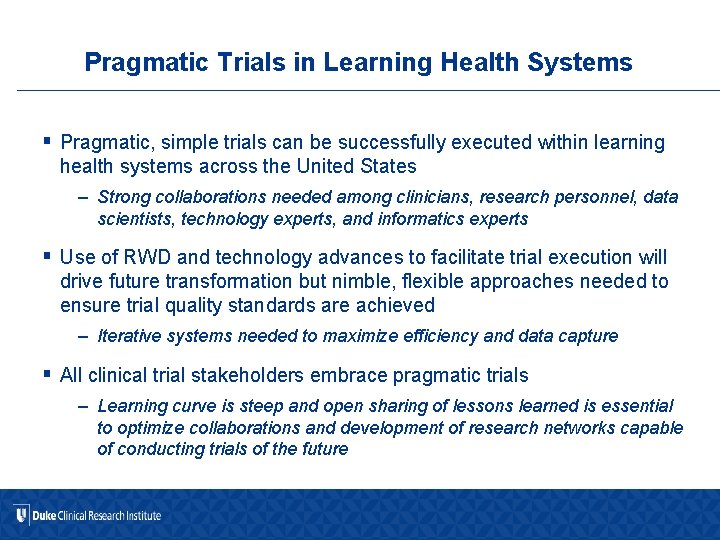
Pragmatic Trials in Learning Health Systems § Pragmatic, simple trials can be successfully executed within learning health systems across the United States – Strong collaborations needed among clinicians, research personnel, data scientists, technology experts, and informatics experts § Use of RWD and technology advances to facilitate trial execution will drive future transformation but nimble, flexible approaches needed to ensure trial quality standards are achieved – Iterative systems needed to maximize efficiency and data capture § All clinical trial stakeholders embrace pragmatic trials – Learning curve is steep and open sharing of lessons learned is essential to optimize collaborations and development of research networks capable of conducting trials of the future