
Changing Rainfall and Water Availability in East Africa
Changing Rainfall and Water Availability in East Africa: Supplementary Material to Lesson 3 of the “East Africa Climate Change Curriculum Unit” Available at http: //www. eaclipse. msu. edu/teaching_materials. html Lesson 3 by Dwight Sieggreen & Barbara Naess. Power. Point based on materials by Jennifer M. Olson. The Eaclipse Project is supported by National Science Foundation Award No. BCS/CNH 0709671. http: //eaclipse. msu. edu © 2010 Michigan State University Board of Trustees
Lesson 3: Changing Rainfall and Water Availability in East Africa Supplementary Material 2
In this lesson you will • Learn the main factors that affect rainfall patterns in Africa • Compare the water cycle in two different ecosystems • Use the water cycle to understand where water is lost from each ecosystem 3
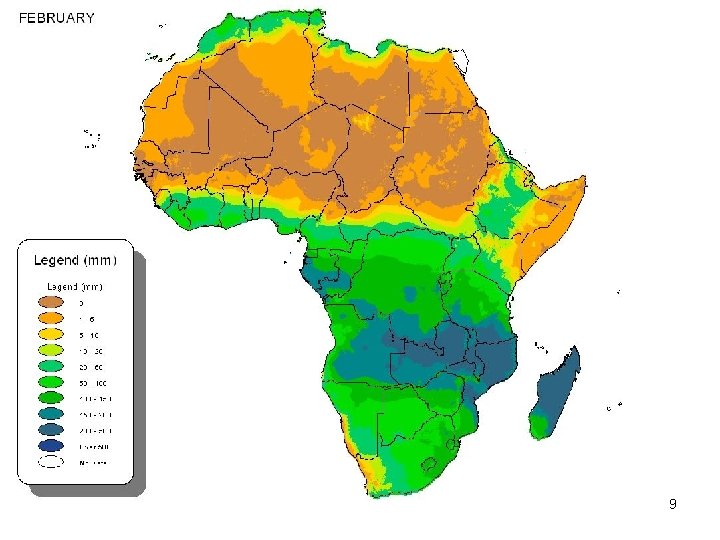
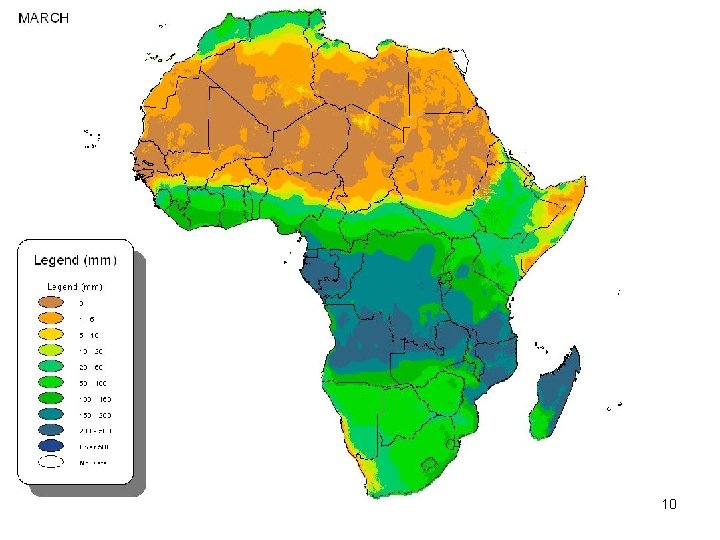
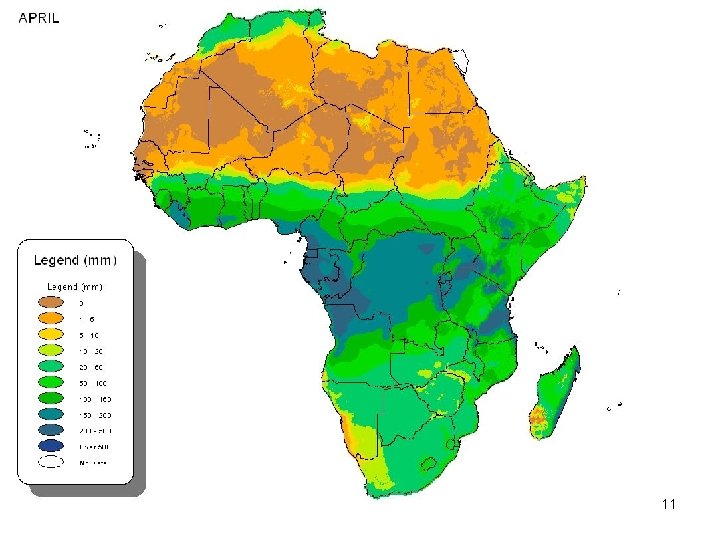
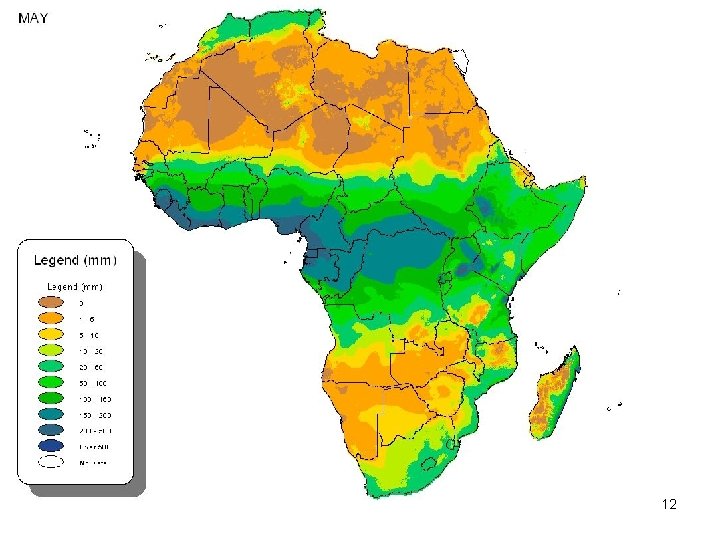
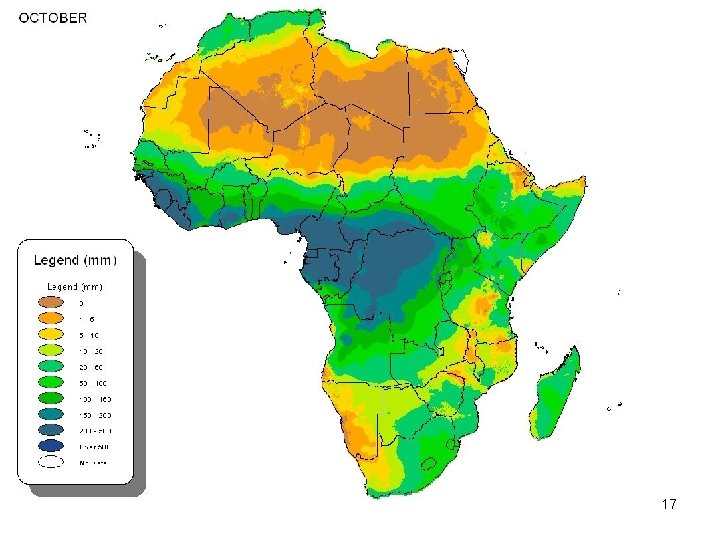
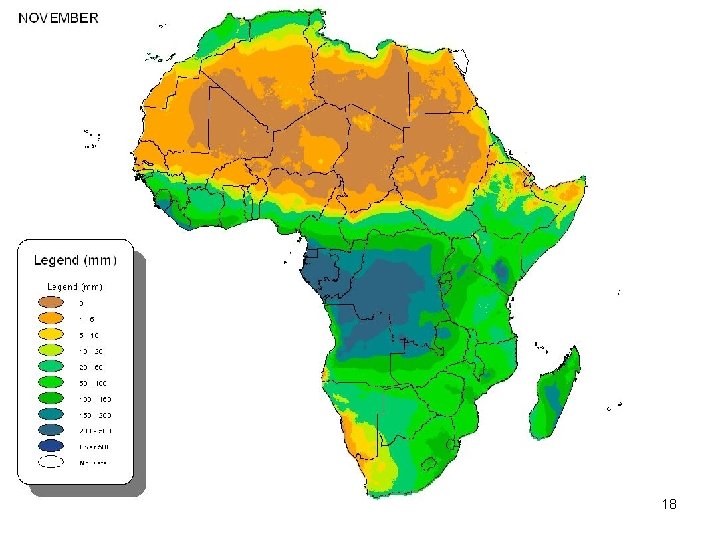
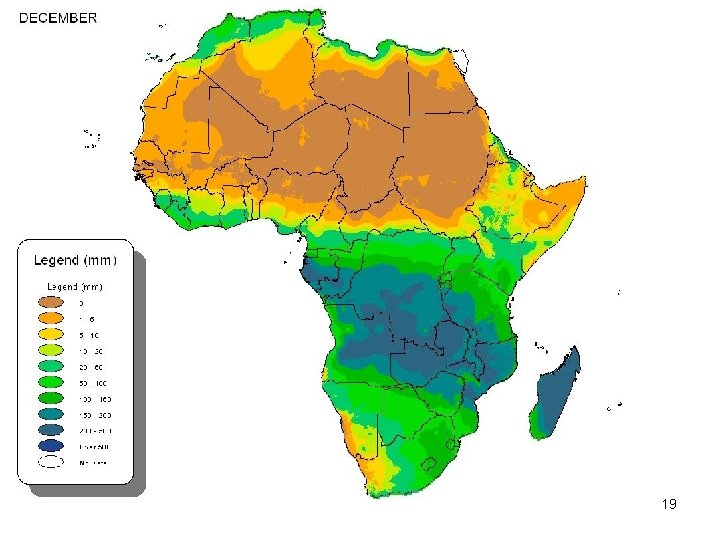
Major influences on Africa’s climate zones 1. Intertropical Convergence Zone (ITCZ): As the ITCZ moves north and south, it determines the rainy seasons 2. Elevation: The mountains and highlands are cooler and wetter, and the windward side of a mountain gets a lot of rain (orographic effect) 3. Nearness to the coast: there is more rain on the coast 4
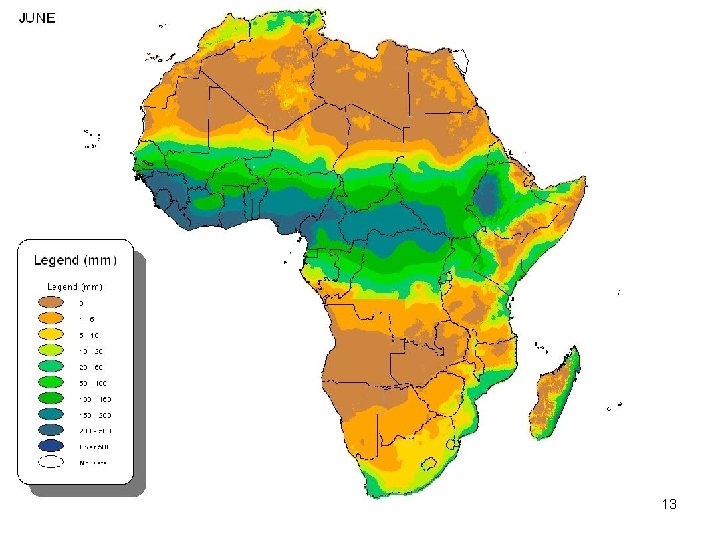
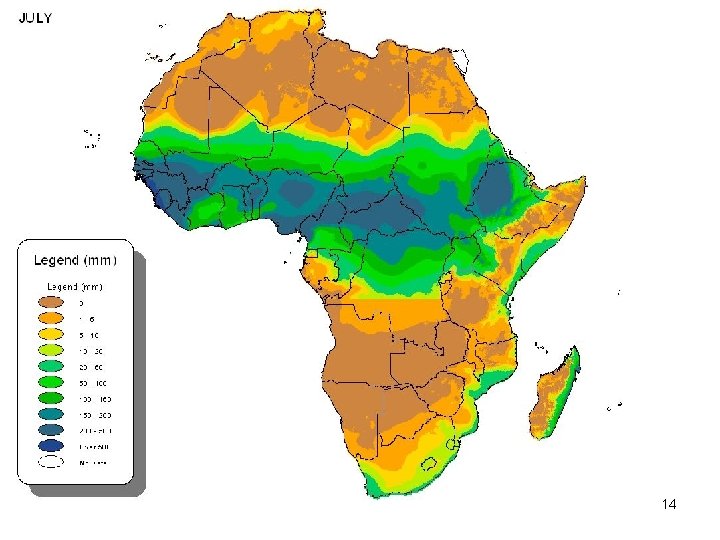
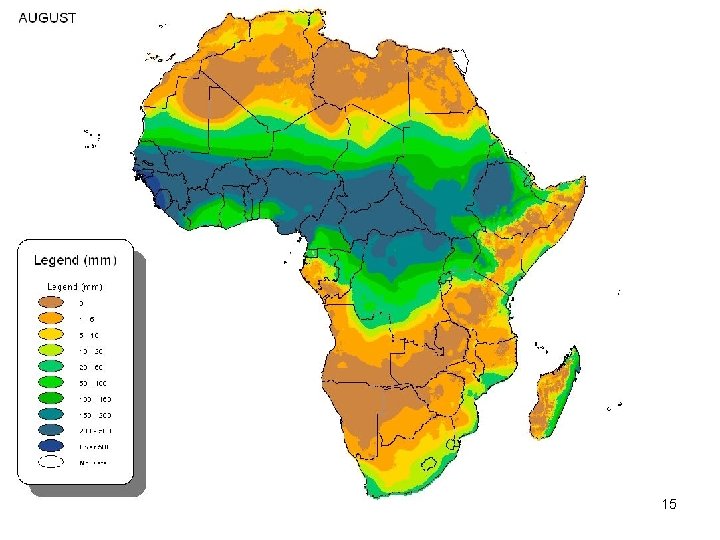
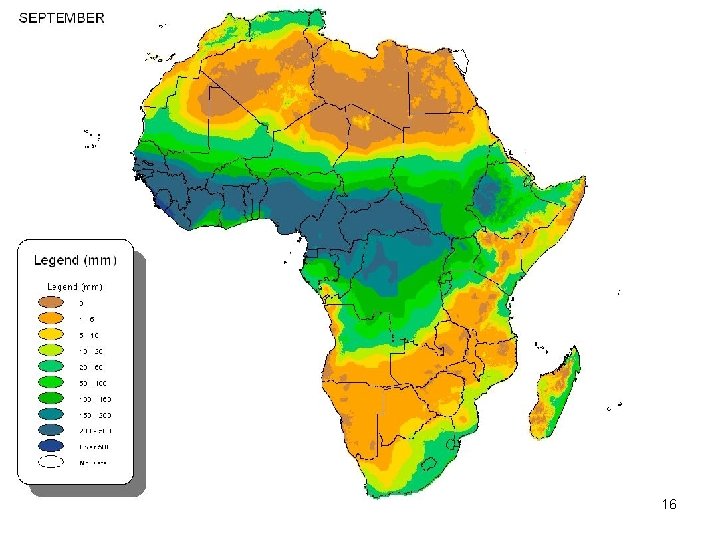
The Intertropical Convergence Zone (ITCZ) • The ITCZ is a belt of rainfall that governs the rainy seasons around the equator (between Tropics of Cancer and Capricorn) • It is an area of low pressure: the sun heats the earth’s surface, the surface air warms and expands, and it rises up like a fountain • As the hot air rises, it precipitates out water rainfall 5
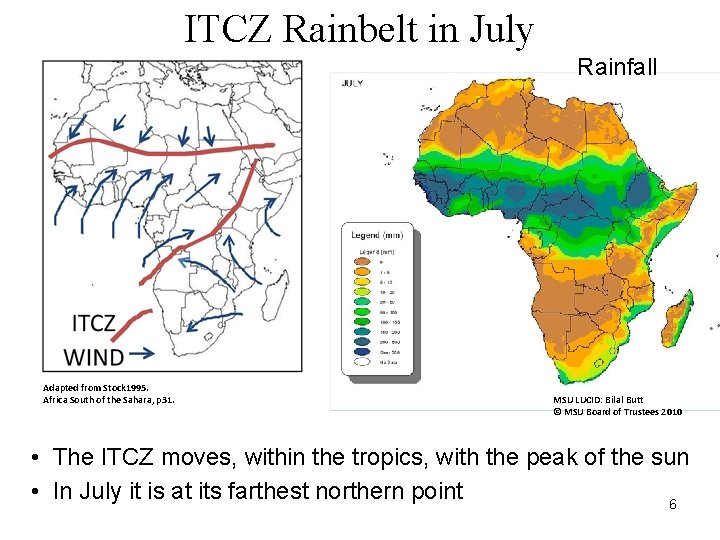
ITCZ Rainbelt in July Rainfall Adapted from Stock 1995. Africa South of the Sahara, p 31. MSU LUCID: Bilal Butt © MSU Board of Trustees 2010 • The ITCZ moves, within the tropics, with the peak of the sun • In July it is at its farthest northern point 6
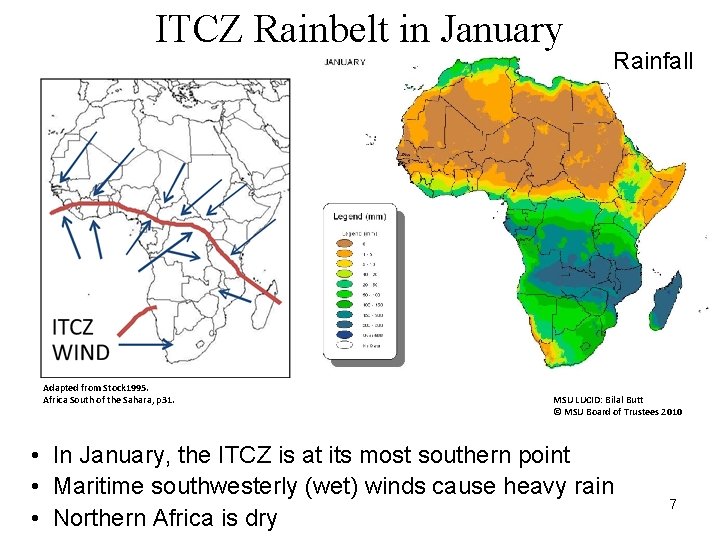
ITCZ Rainbelt in January Adapted from Stock 1995. Africa South of the Sahara, p 31. Rainfall MSU LUCID: Bilal Butt © MSU Board of Trustees 2010 • In January, the ITCZ is at its most southern point • Maritime southwesterly (wet) winds cause heavy rain • Northern Africa is dry 7
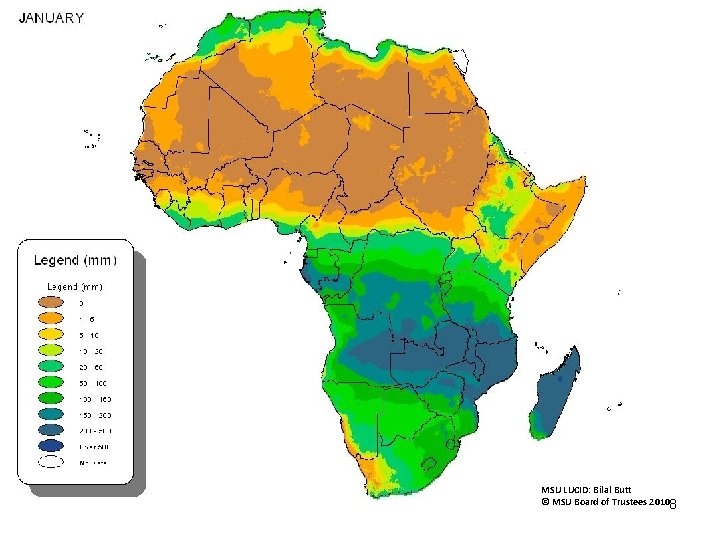
MSU LUCID: Bilal Butt © MSU Board of Trustees 20108
9
10
11
12
13
14
15
16
17
18
19
Orographic Rainfall • Elevation affects rainfall. As winds hit a mountainside on the windward side, air is forced upwards and cools. The cool air cannot hold moisture and rain precipitates out. • The wind, now dry, flows over the mountain peak and descends on the leeward side. It doesn’t rain and leaves that side of the mountain dry. 20
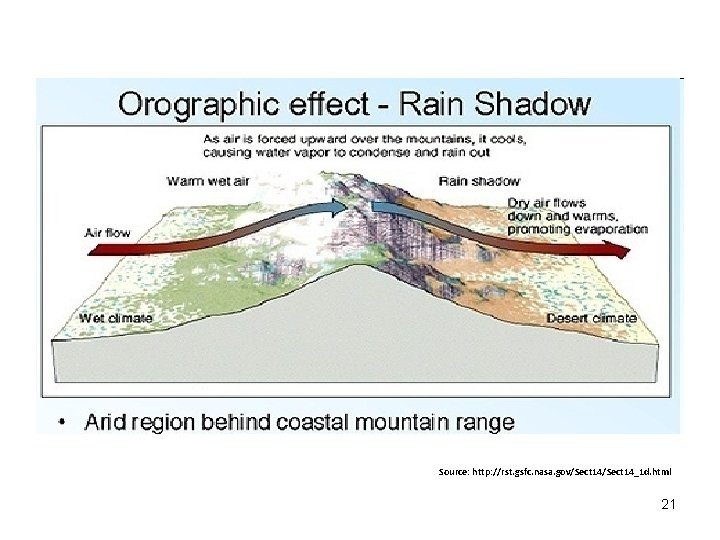
Source: http: //rst. gsfc. nasa. gov/Sect 14_1 d. html 21
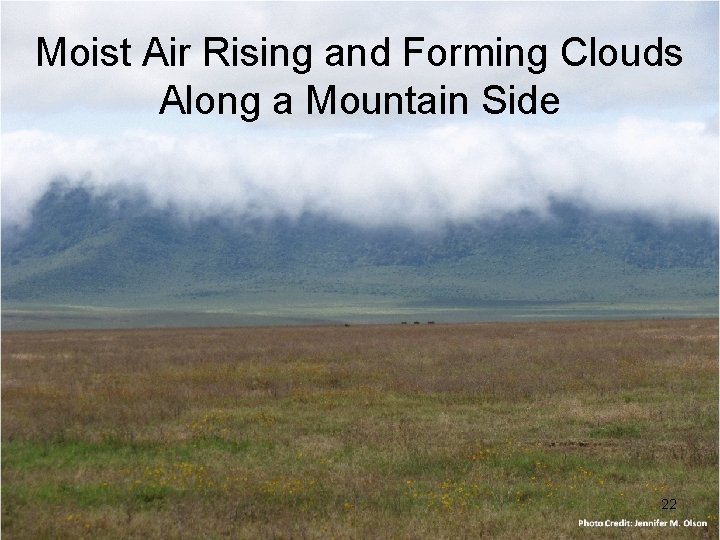
Moist Air Rising and Forming Clouds Along a Mountain Side 22
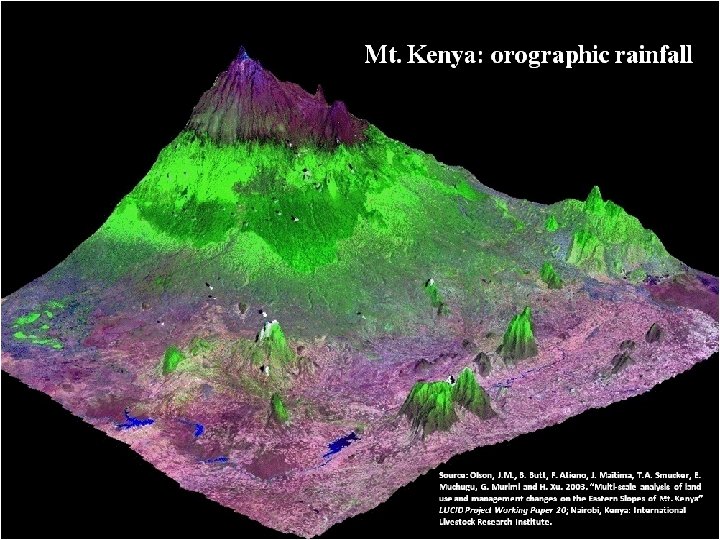
23
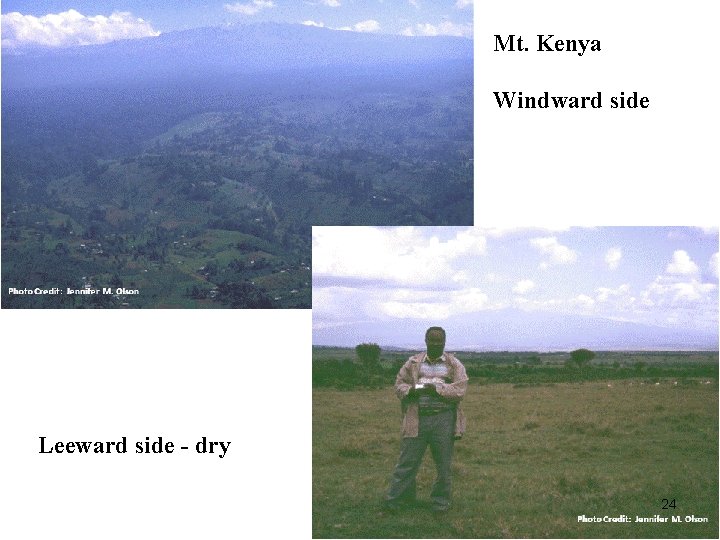
Mt. Kenya Windward side Leeward side - dry 24
Proximity to the Coast • Coastal East Africa receives torrential rains from moist air masses moving inland from the Indian Ocean • This means that coastal areas have significantly more rainfall than inland areas 25
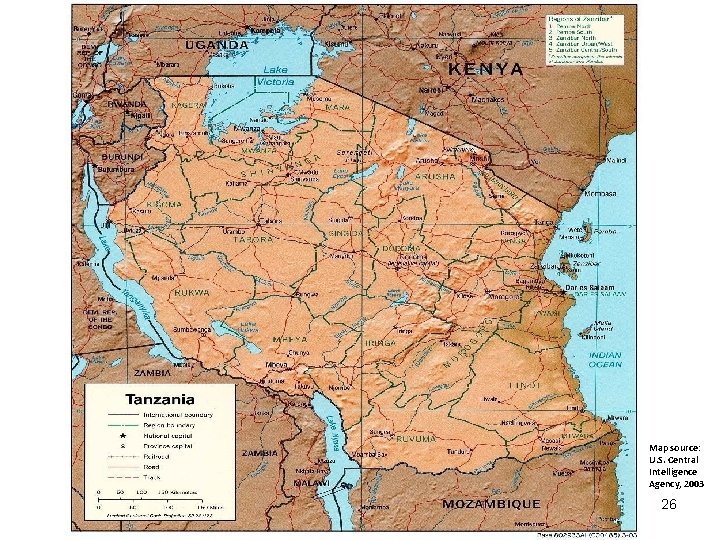
Map source: U. S. Central Intelligence Agency, 2003 26
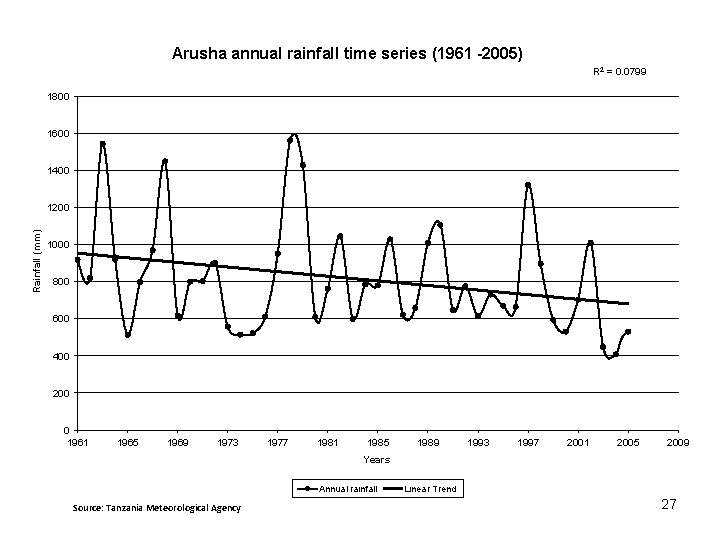
Arusha annual rainfall time series (1961 -2005) R 2 = 0. 0799 1800 1600 1400 Rainfall (mm) 1200 1000 800 600 400 200 0 1961 1965 1969 1973 1977 1981 1985 1989 1993 1997 2001 2005 2009 Years Annual rainfall Source: Tanzania Meteorological Agency Linear Trend 27
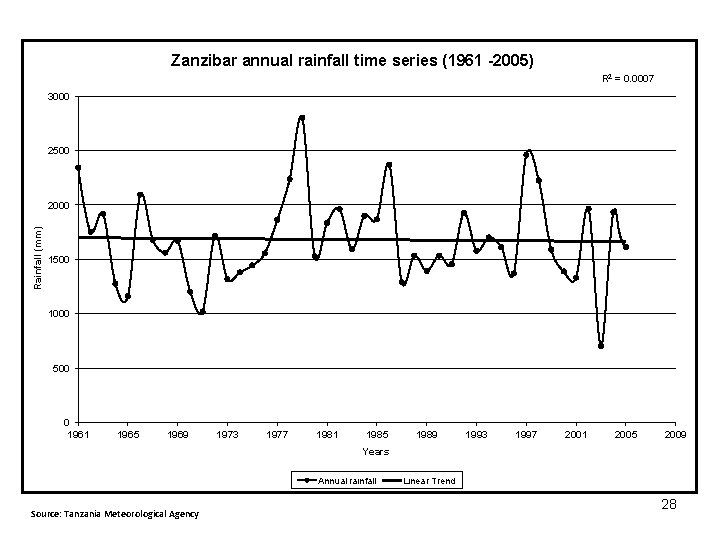
Zanzibar annual rainfall time series (1961 -2005) R 2 = 0. 0007 3000 2500 Rainfall (mm) 2000 1500 1000 500 0 1961 1965 1969 1973 1977 1981 1985 1989 1993 1997 2001 2005 2009 Years Annual rainfall Source: Tanzania Meteorological Agency Linear Trend 28
Summary of factors affecting rainfall • Tropical areas receive highly seasonal rainfall due to ITCZ – Some equatorial regions receive almost constant rainfall – North & south of equator, there are mirrored belts of decreasing rainfall • Rainfall varies according to elevation – orographic effect • Rainfall is higher on the coast 29
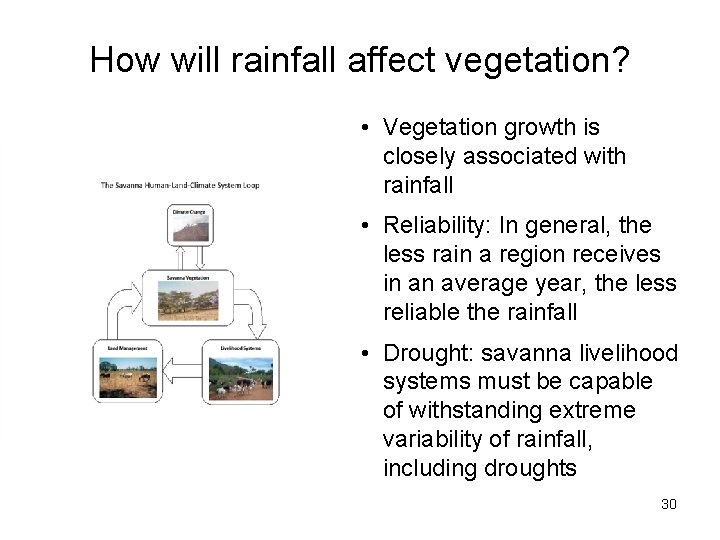
How will rainfall affect vegetation? • Vegetation growth is closely associated with rainfall • Reliability: In general, the less rain a region receives in an average year, the less reliable the rainfall • Drought: savanna livelihood systems must be capable of withstanding extreme variability of rainfall, including droughts 30
Review Questions • What is the Intertropical Convergence Zone (ITCZ) and how does it affect rainfall in East Africa? • What is orographic rainfall and how does it affect rainfall on mountainsides? • How does the ocean affect rainfall in locations on the coast? • What differences did you see in the change in average rainfall in Arusha (highland savanna) and Zanzibar (coast)? 31
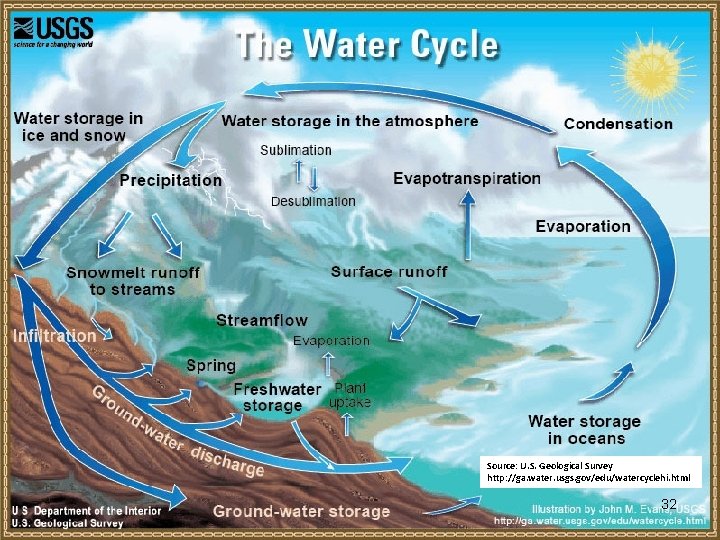
Source: U. S. Geological Survey http: //ga. water. usgs. gov/edu/watercyclehi. html 32
- Slides: 32