
CHANGES IN EUROPE 1200 1450 Political Changes Prior
- Slides: 51
CHANGES IN EUROPE 1200 -1450
Political Changes • Prior Condition: Most of Europe Feudalistic, with few exceptions: – Holy Roman Empire – England – Papal States – Ruled by pope in Italy – Spain and Portugal ruled by Moors (Umayyad Caliphate)
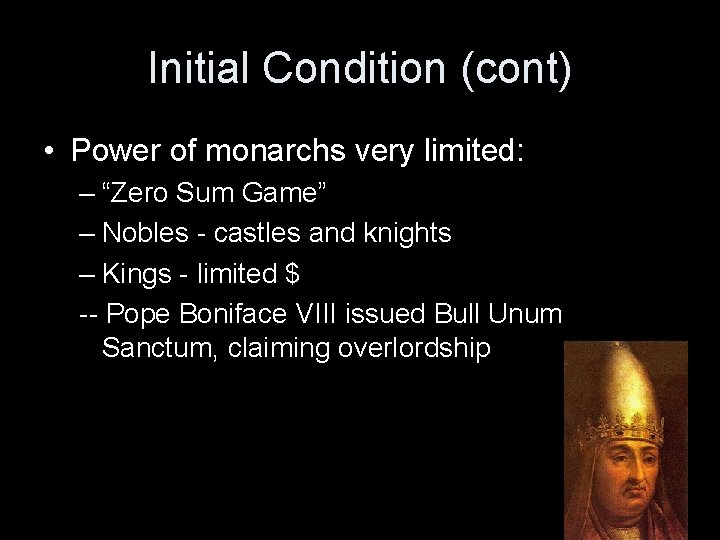
Initial Condition (cont) • Power of monarchs very limited: – “Zero Sum Game” – Nobles - castles and knights – Kings - limited $ -- Pope Boniface VIII issued Bull Unum Sanctum, claiming overlordship
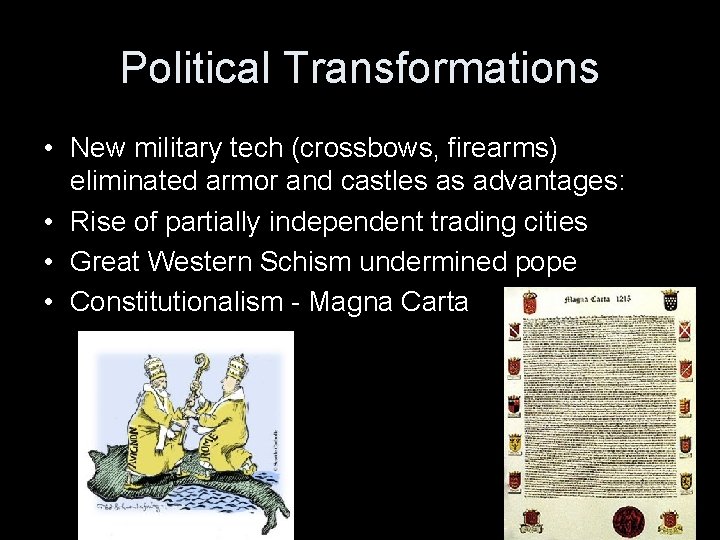
Political Transformations • New military tech (crossbows, firearms) eliminated armor and castles as advantages: • Rise of partially independent trading cities • Great Western Schism undermined pope • Constitutionalism - Magna Carta
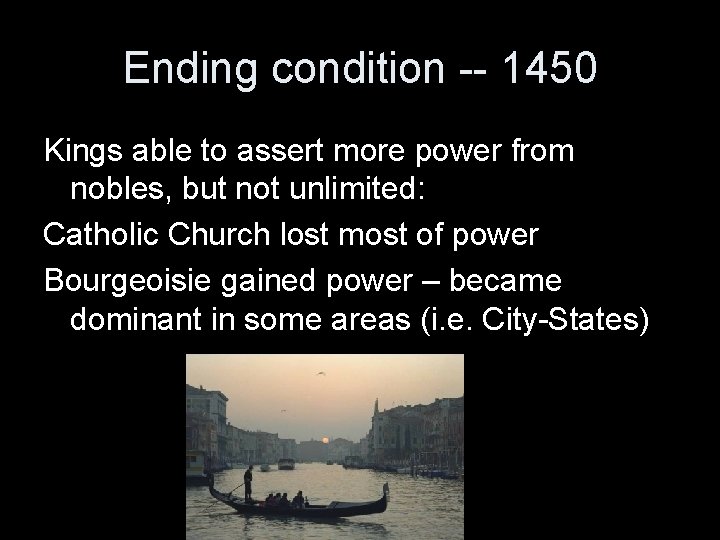
Ending condition -- 1450 Kings able to assert more power from nobles, but not unlimited: Catholic Church lost most of power Bourgeoisie gained power – became dominant in some areas (i. e. City-States)
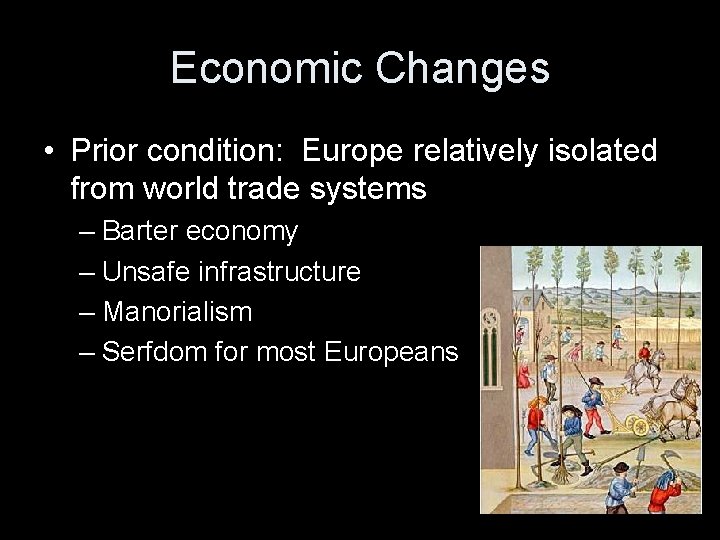
Economic Changes • Prior condition: Europe relatively isolated from world trade systems – Barter economy – Unsafe infrastructure – Manorialism – Serfdom for most Europeans
Economic Transformation • Crusades & Pax Mongolica • Re-connection of Europe to World Trade • Sack of Constantinople - 4 th crusade • Increase in regional trade organizations • Black Death brought decline of Serfdom New technologies meant more efficient manufacturing: -- Wool from Flanders
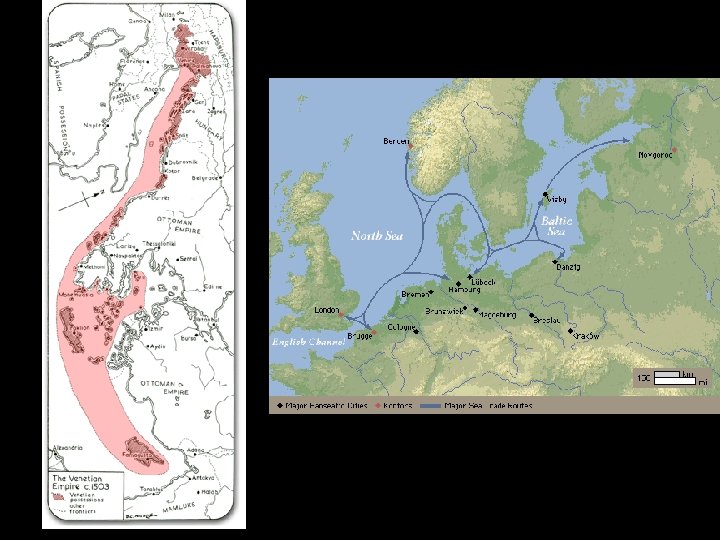
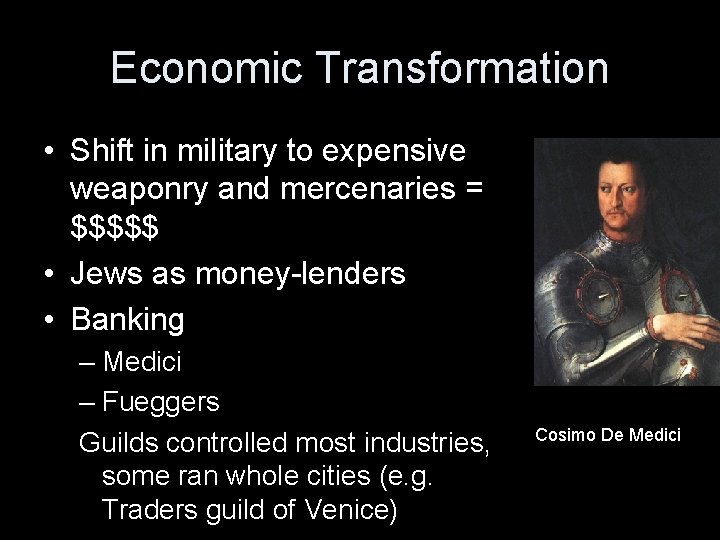
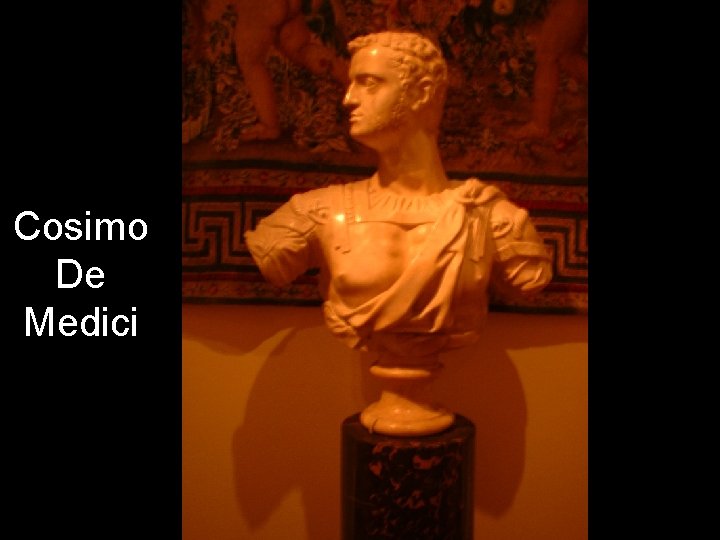
Economic Transformation • Shift in military to expensive weaponry and mercenaries = $$$$$ • Jews as money-lenders • Banking – Medici – Fueggers Guilds controlled most industries, some ran whole cities (e. g. Traders guild of Venice) Cosimo De Medici
Ending Condition • Fall of Mongols = Venetians shifted suppliers • New land sea routes • Discovery of gold trade by Spanish & Portuguese exploration of W. African Coast • Empowered city-states could flexibly deal in new economy
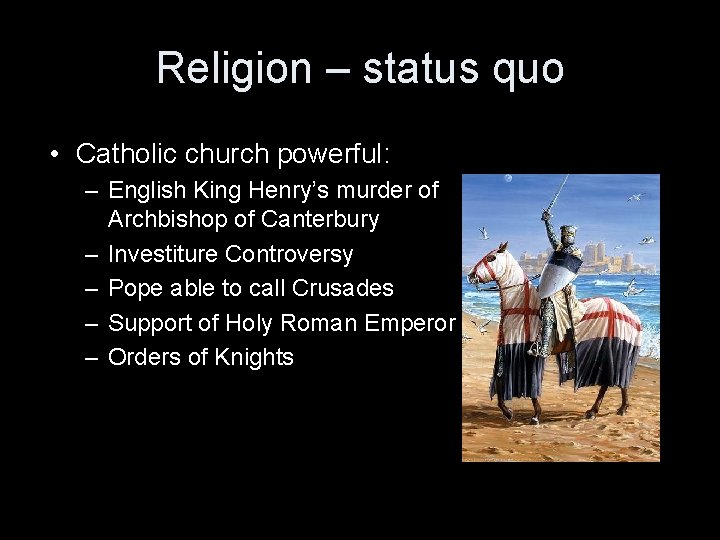
Religion – status quo • Catholic church powerful: – English King Henry’s murder of Archbishop of Canterbury – Investiture Controversy – Pope able to call Crusades – Support of Holy Roman Emperor – Orders of Knights
Changes in Religion • Pope challenged by French King Phillip II – Kidnapped & died – Replaced by new pope in Avignon – New pope elected in Rome (actually, two!) – “Great Western Schism” – Split between Pope and Holy Roman Emperor – Catholic church never recovered its power.
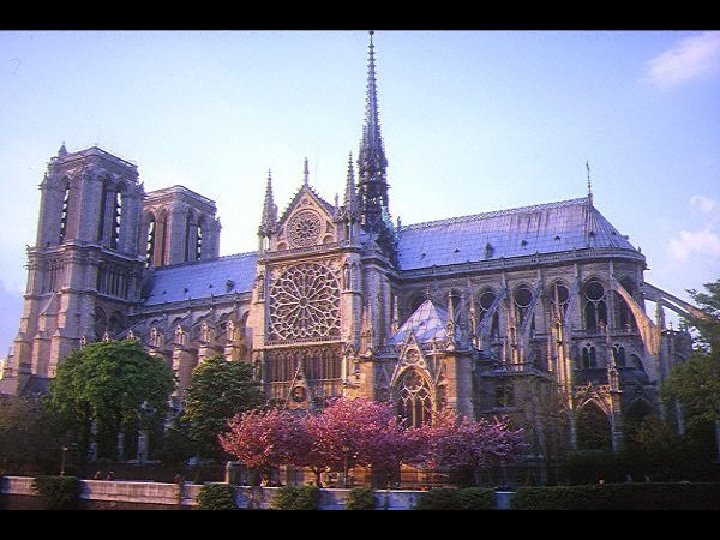
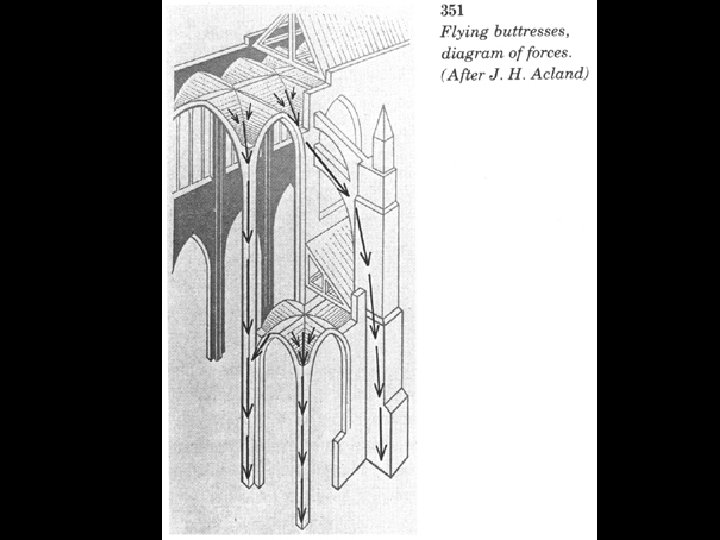
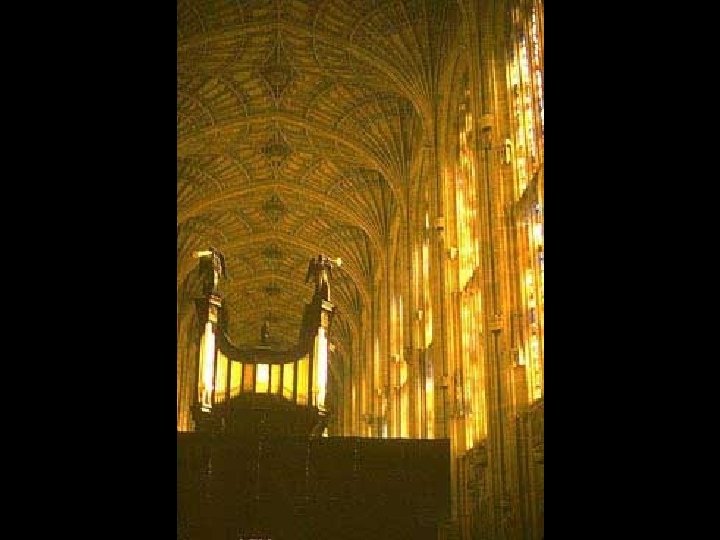
Ending Condition: Religion • Focus on architecture to display power and majesty of church • Rise of Gothic Architecture • Cathedrals played part in urban revival: drew pilgrims who purchased goods and services • New translations of classical and biblical texts prompted Vatican Library
Military – Existing condition • Nobles - independent power based on armored knights & stone castles • Knights and peasants served as part of feudalistic agreement • Kings not strong enough to subdue nobles
Military Changes • 100 Years War (1337 – 1453) between England France meant development and adoption of new technologies: – Crossbow – English Longbow – Swiss Pike – Firearms SPANISH RECONQUISTA: CRUSADE AGAINST MOORS
Ending Condition: Military • Knights and Castles no longer as important • Castles easily destroyed, nobles lost independent military power • Peasants armed with crossbows, longbows, firearms the new backbone of military – but EXPENSIVE • Military hired for money (mercenary) • Spain and Portugal controlled by Christians
Social Changes • Existing condition: Feudalism – No real middle class – Most peasants rural, lived hard lifestyle – Jews persecuted but also used as source of money – Heavy reliance on Church for meaning and help
Social Changes • Black Death meant labor shortage, end of serfdom • Loss of faith in church and renaissance humanism brought more secular culture • Urbanization brought increasing sophistication of middle class • Jews still blamed for problems, persecuted: 100, 000 Jews driven out of Spain & Portugal as part of reconquista
Ending Condition -- Social • New Middle Class, urban culture in cities (esp. City-States) • Rise of secularism • End of Serfdom
Intellectual Changes • Prior Condition: – Slow buildup of scholarship – Scholasticism attempted to reconcile Greek Rationalism (esp. Aristotle) with Christianity – Most scholarship happening in monasteries – Limited knowledge of scientific advances of rest of world
Transformations • Crusades and Pax Mongolica brought new knowledge • Black Death and Great Western Schism broke hold of church • Rise of bourgeoisie brought new intellectual currents • Renaissance Humanism
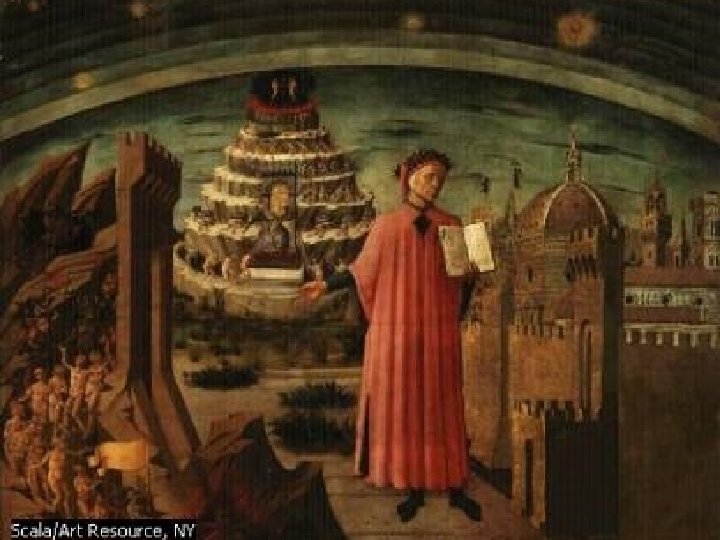
Ending Condition: Intellectual • Renaissance Humanism and Classical Education • Re-interpretation of texts, revival of Greek and Latin • Literature in Vernacular Languages, e. g. Dante and Chaucer • Rise of Universities as centers of learning • Printing press meant explosion of information
Francesco Petrarch
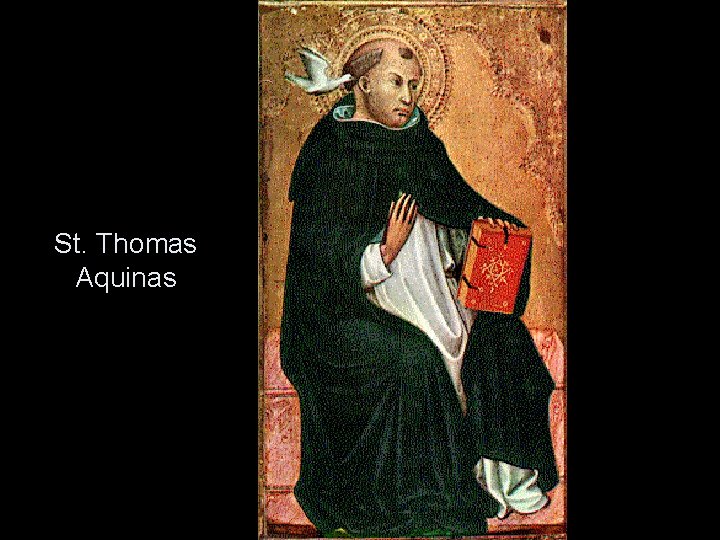
St. Thomas Aquinas
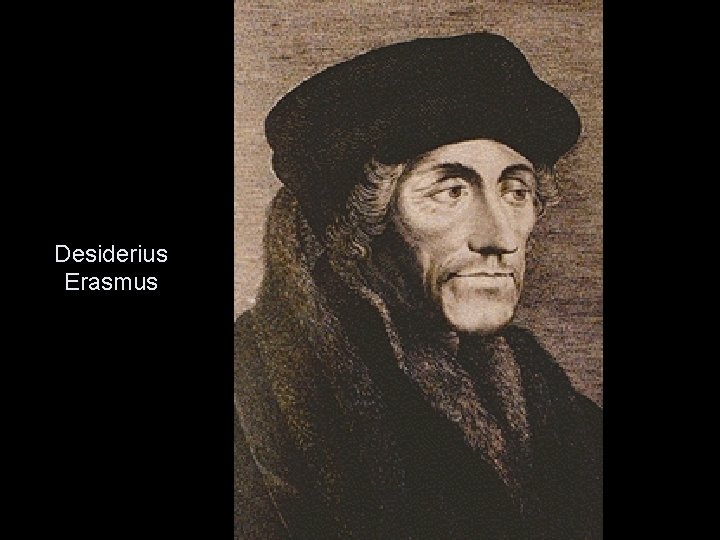
Desiderius Erasmus
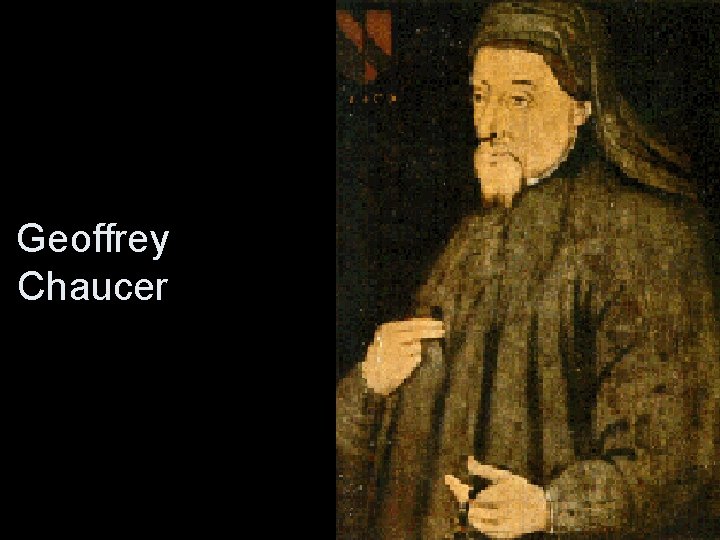
Geoffrey Chaucer
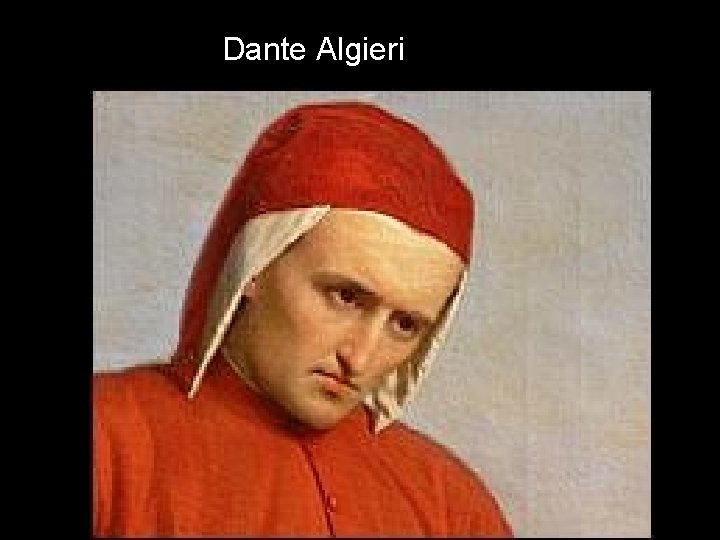
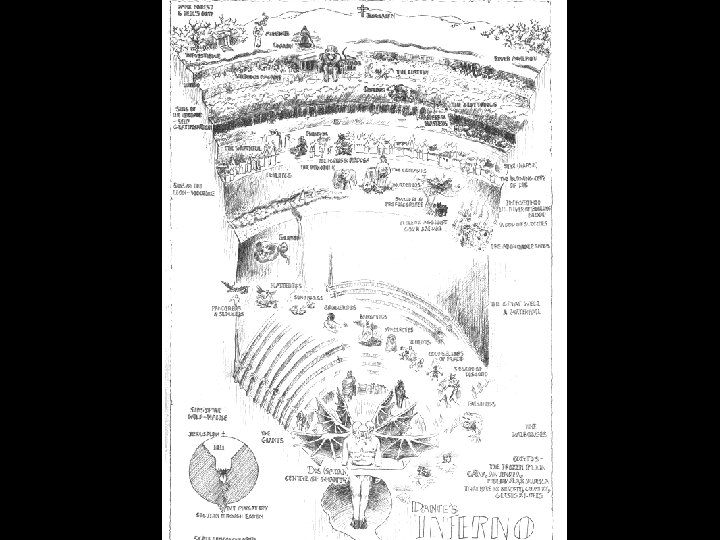
Dante Algieri
Artistic Changes • Medieval Art focused on religious themes and symbolism – Lack of perspective – Limited color palate – Limited themes – few secular or classical – Patronage mostly by Church or kings – All art anonymous
Cosimo De Medici
Transformation • Italian Renaissance – Perspective – New colors – New medium, e. g. Oil painting – Contraposto and Chiaroscuro – Secular and classical themes – New patronage by bourgeoisie – Credit given to individual artists
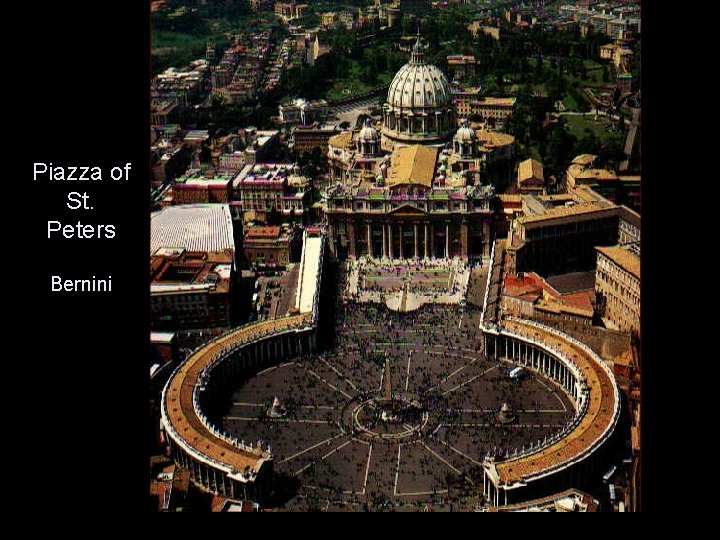
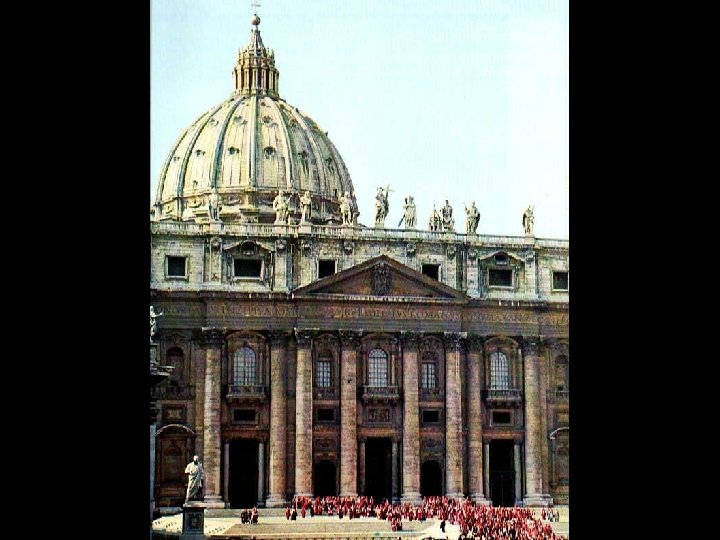
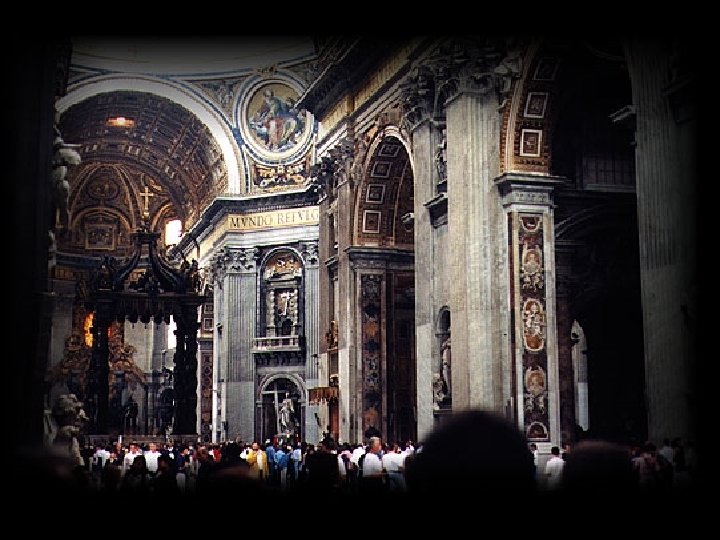
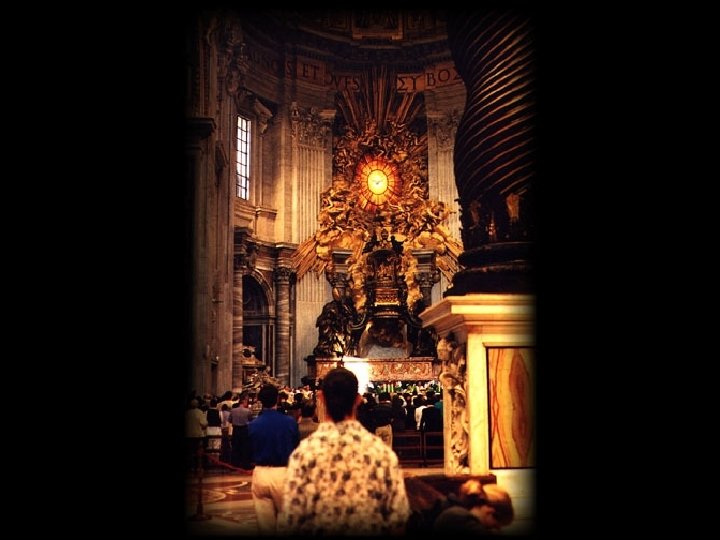
Art- Ending condition • Revival or Greco-Roman styles and standards of beauty • Famous artists and schools productive • Sponsorship by Church used new art to glorify, e. g. St. Peters Cathedral • Art both sacred and secular • New mediums developed into established fields, e. g. Oil Painting
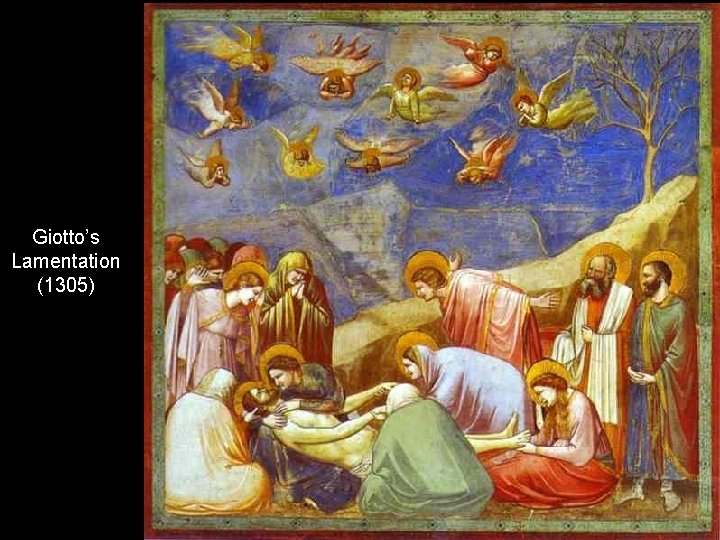
Giotto’s Lamentation (1305)
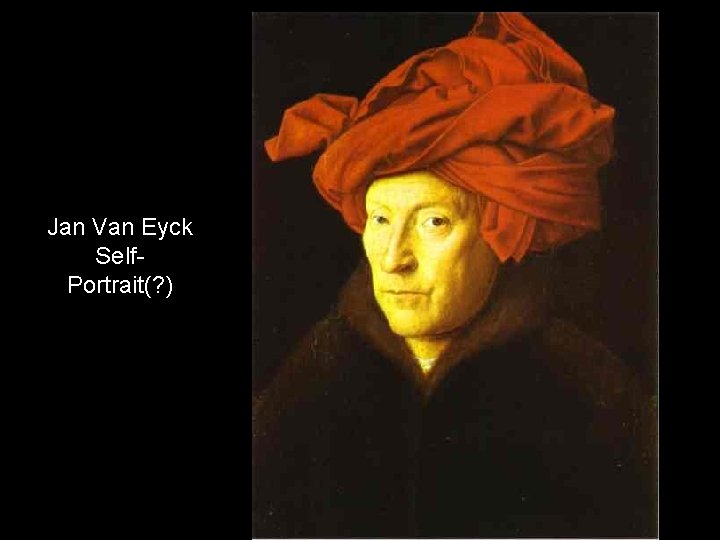
Jan Van Eyck Self. Portrait(? )
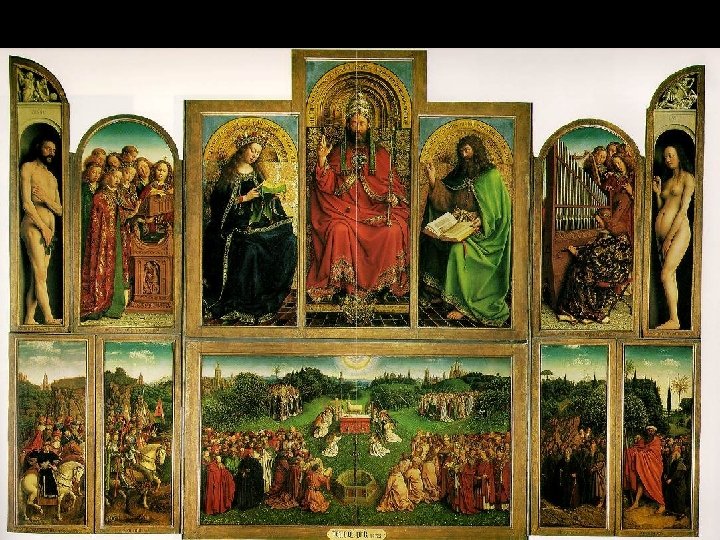
Altarpiece at Ghent
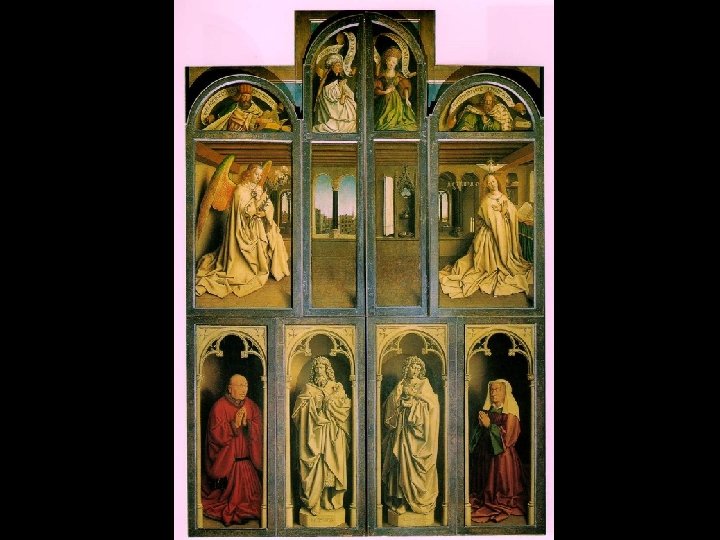
Altarpiece at Ghent -- Closed
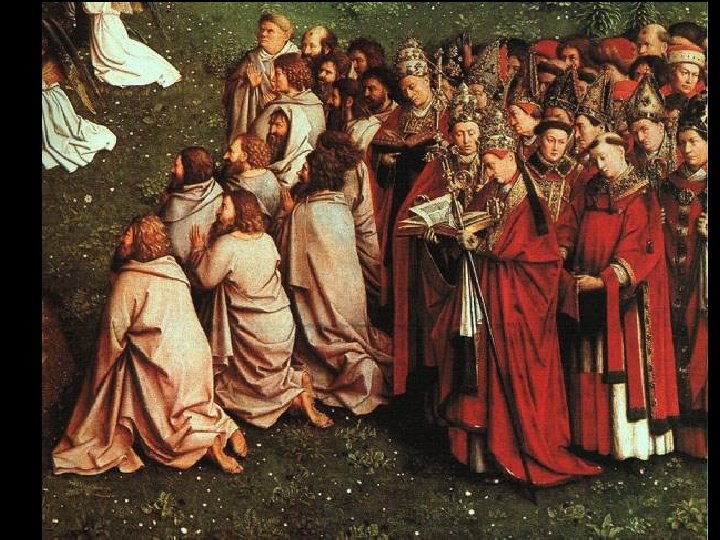
Ghent Altarpiece detail
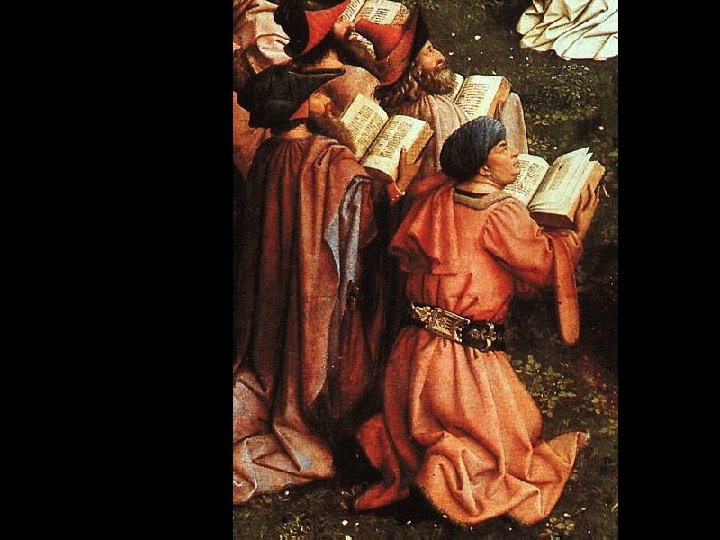
Ghent altarpiece - detail
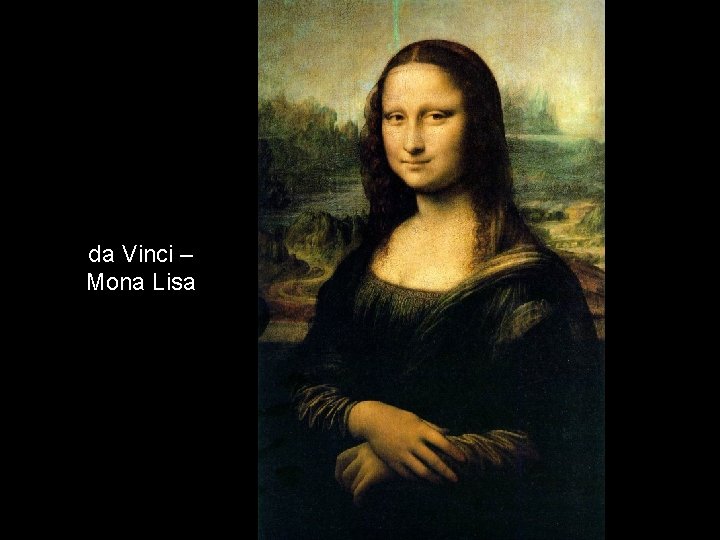
da Vinci – Mona Lisa
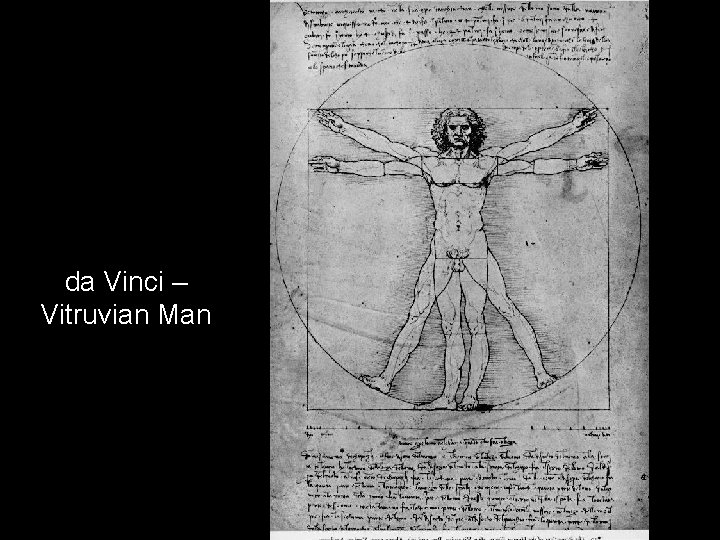
da Vinci – Vitruvian Man
Piazza of St. Peters Bernini
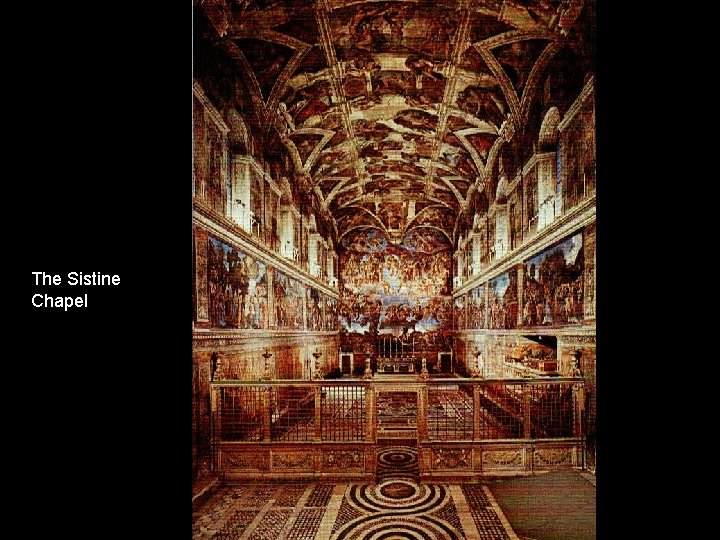
Sistine The Sistine Chapel
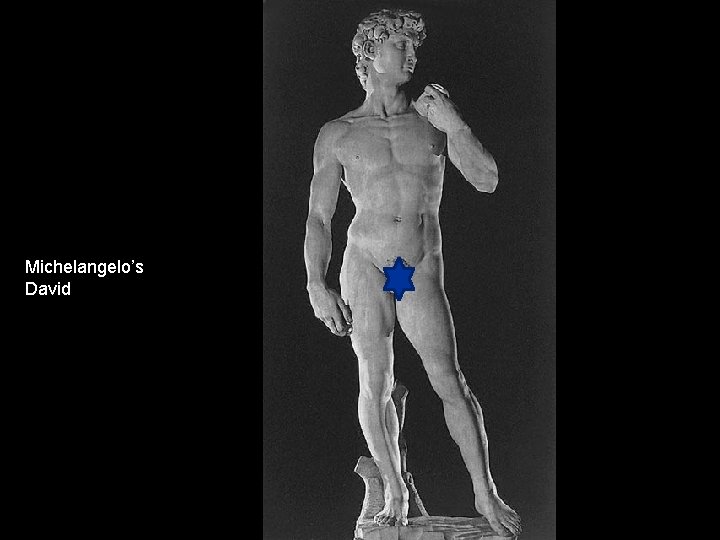
Michelangelo’s David Michelangelo - David