
Chancellors School Year 9 Information Evening Wednesday 4
- Slides: 68
Chancellor’s School Year 9 Information Evening Wednesday 4 th July 2018 Achieve. Enjoy. Excel.
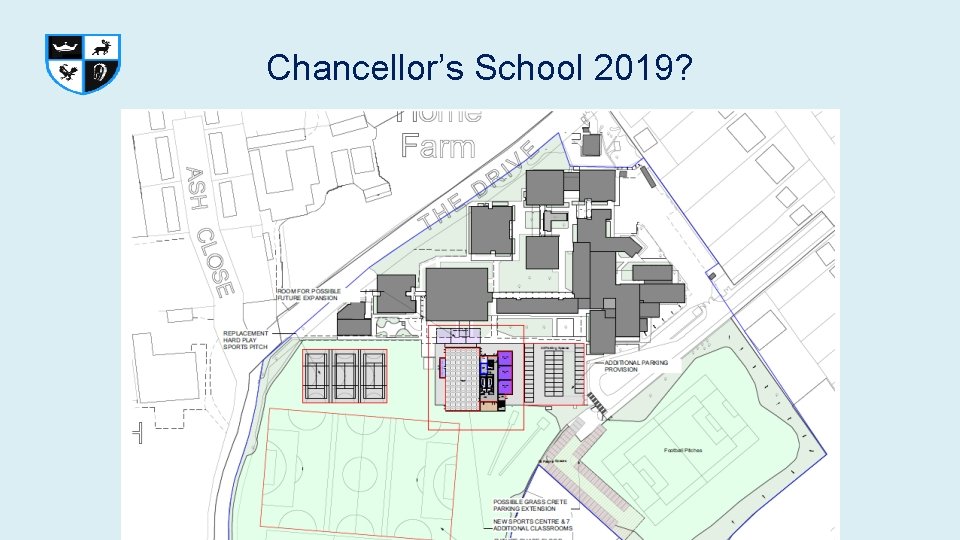
Chancellor’s School 2019?
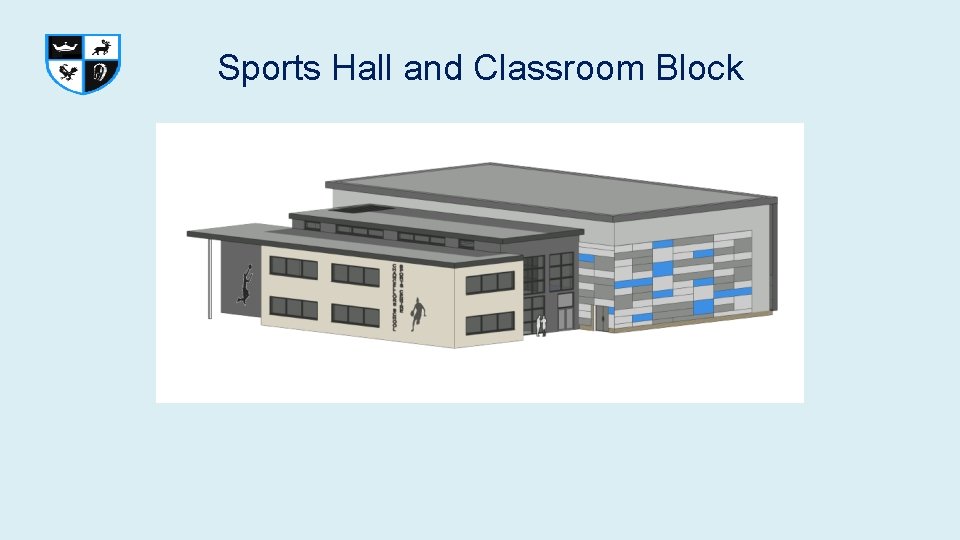
Sports Hall and Classroom Block
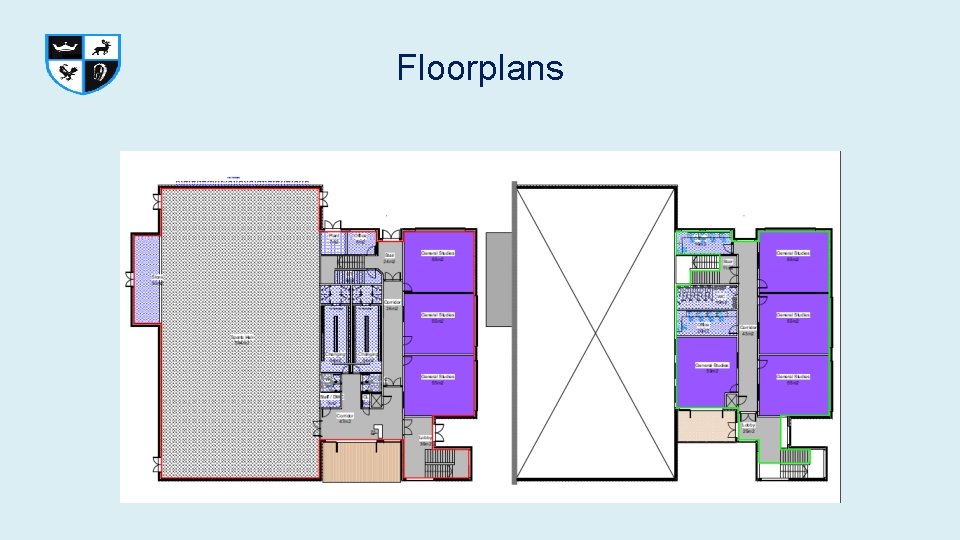
Floorplans
Teaching and Learning Priorities 2018 -19 Teachers inspire a love of learning by: • Planning to meet the needs of all students, promoting independence and work ethic at all times • Challenging work and good questioning • High quality bookwork with useful feedback Partnership with parents to: • Support hard work • Encourage purposeful activity in and out of school • Establish rules regarding RST
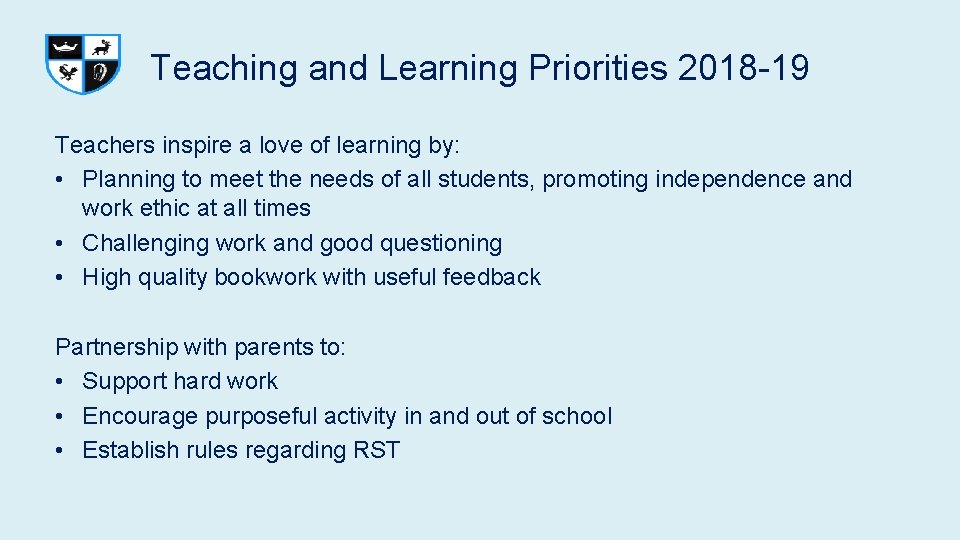
The Impossible Dream
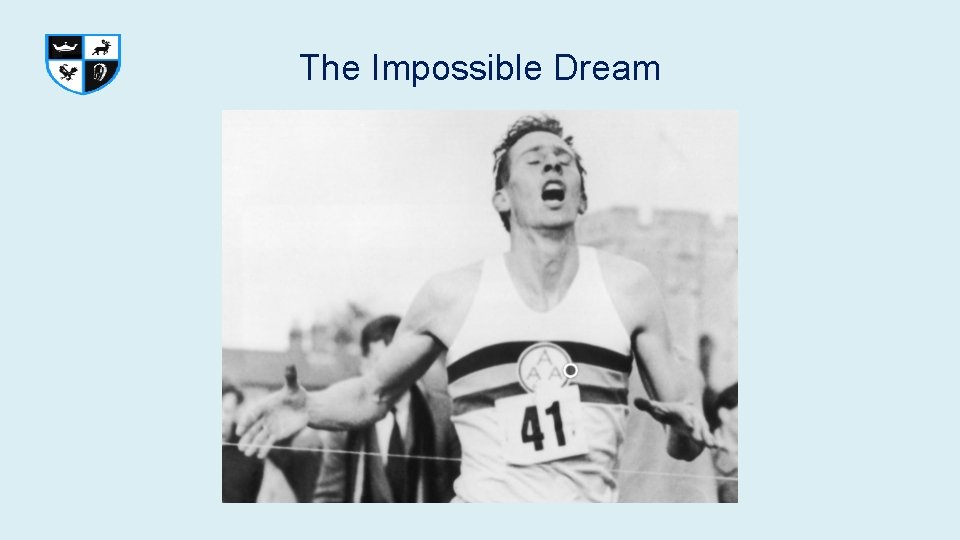
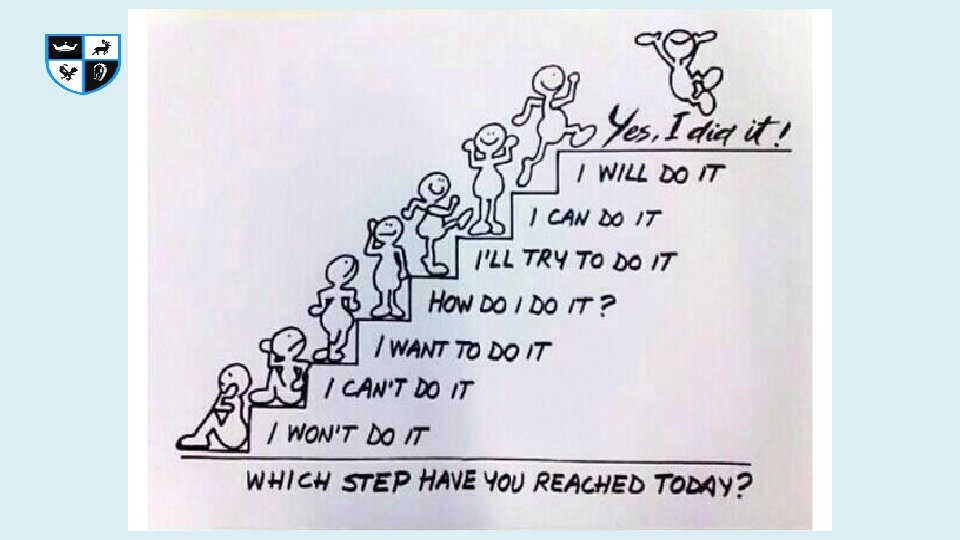
Mindset and Belief
What happened next…
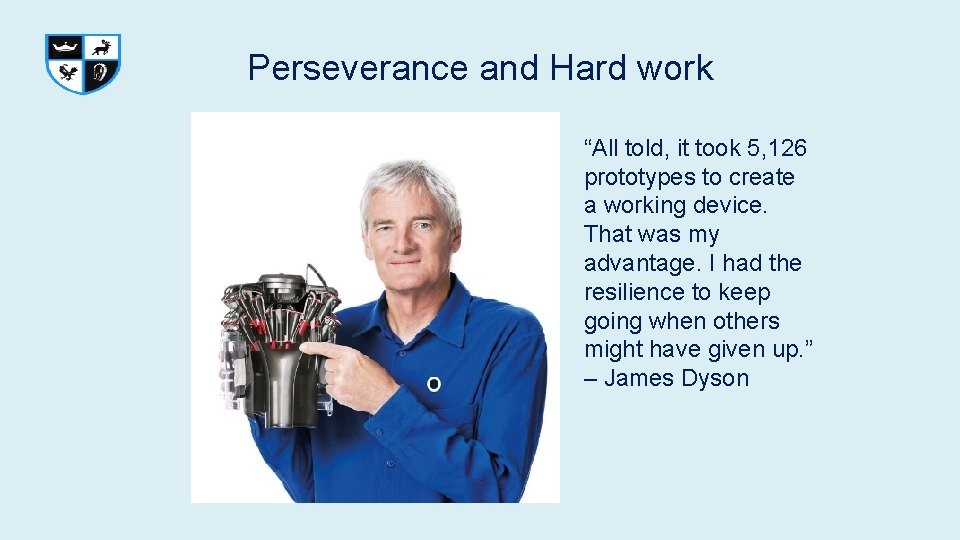
Perseverance and Hard work “All told, it took 5, 126 prototypes to create a working device. That was my advantage. I had the resilience to keep going when others might have given up. ” – James Dyson
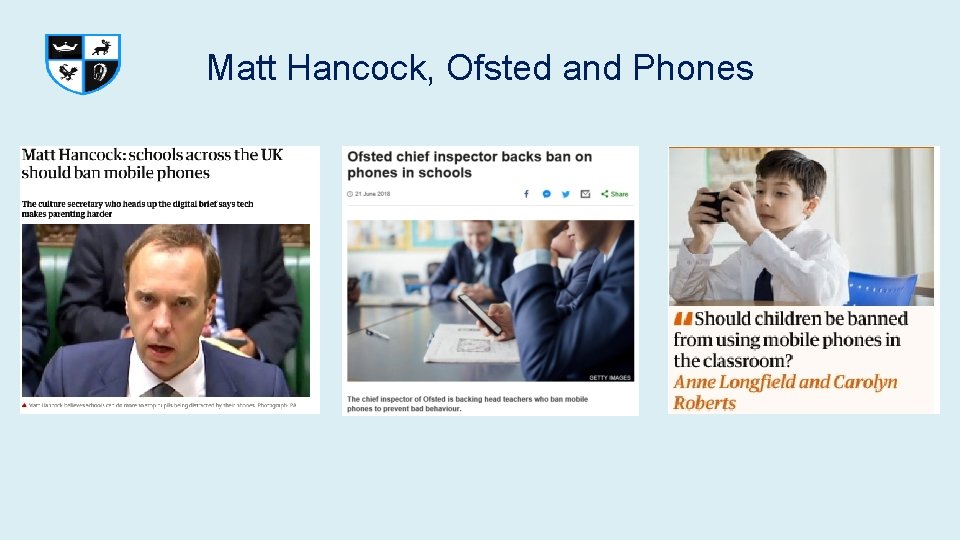
Matt Hancock, Ofsted and Phones
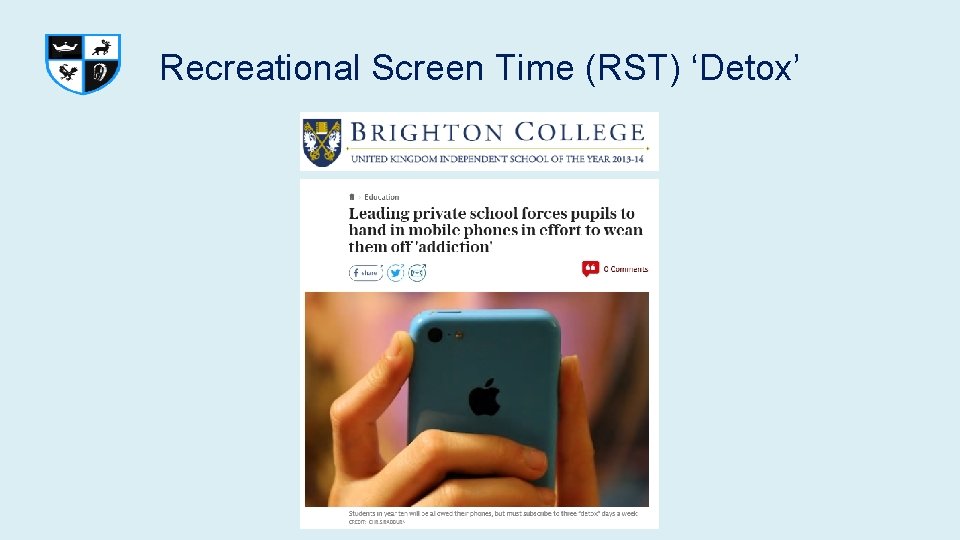
Recreational Screen Time (RST) ‘Detox’
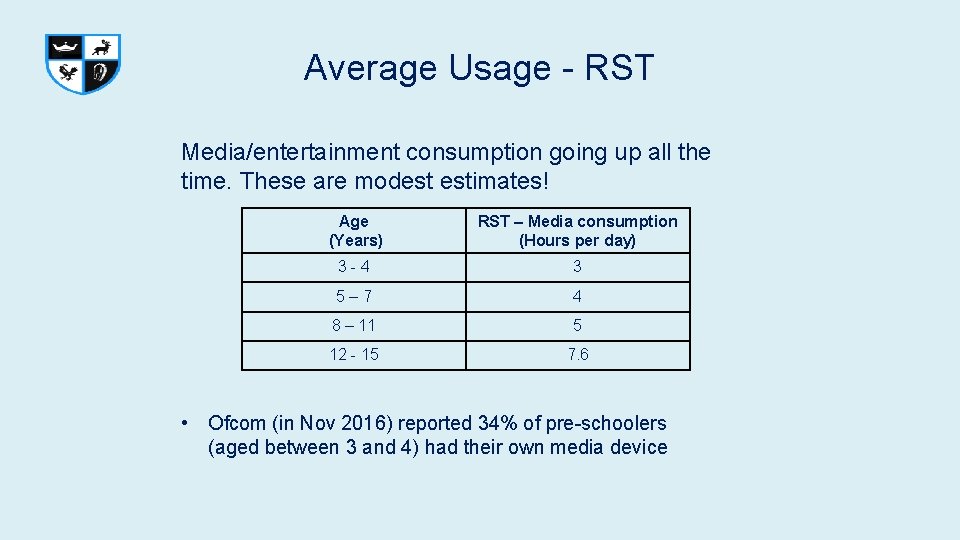
Average Usage - RST Media/entertainment consumption going up all the time. These are modest estimates! Age (Years) RST – Media consumption (Hours per day) 3 - 4 3 5 – 7 4 8 – 11 5 12 - 15 7. 6 • Ofcom (in Nov 2016) reported 34% of pre-schoolers (aged between 3 and 4) had their own media device
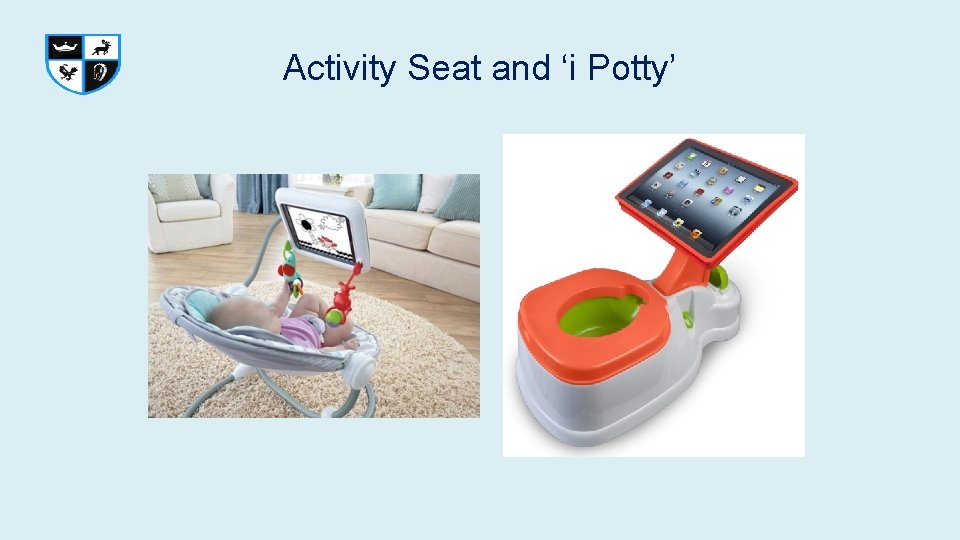
Activity Seat and ‘i Potty’
RST - Extensive medical advice and research – In 2013, Public Health England urged parents to rationalise children’s screen-time. – In 2014, Public Health England described the impact of digital culture on socio-emotional well-being as negative and linked it to depression – In 2015, LSE produced a paper on phones in schools. Technology distracts and impacts on student performance. Experts found the test results of 16 -year-olds improved by 6. 4 per cent when phone use was restricted. Low-achieving students were most likely to benefit. – In 2015, NHS urged parents to limit use before bedtime – In 2017, US Department of Health (2017) recommended limits for recreational screen time – no more than 2 hours a day – In 2017, BMJ stated that ST is associated with obesity and diabetes – World Cancer Research Fund has also stated that people should cut the number of hours watching TV to reduce risk of cancer. The chemicals produced when interacting with video games, TV, etc. can be the same as those produced naturally in life or death situations
RST - Extensive medical advice and research – In 2013, Public Health England urged parents to rationalise children’s screen-time. – In 2014, Public Health England described the impact of digital culture on socio-emotional well-being as negative and linked it to depression – In 2015, LSE produced a paper on phones in schools. Technology distracts and impacts on student performance. Experts found the test results of 16 -year-olds improved by 6. 4 per cent when phone use was restricted. Low-achieving students were most likely to benefit. – In 2015, NHS urged parents to limit use of screens before bedtime – In 2017, US Department of Health (2017) recommended limits for recreational screen time – no more than 2 hours a day – In 2017, BMJ stated that ST is associated with obesity and diabetes – World Cancer Research Fund has also stated that people should cut the number of hours watching TV to reduce risk of cancer. The chemicals produced when interacting with video games, TV, etc. can be the same as those produced naturally in life or death situations
Extensive medical advice and research • Why is it ignored? • Everyone’s addicted! Everyone’s dependent! • Vast amount of money associated with technology and recreational screen time usage… Trillions of dollars - money talks!
Impact https: //www. youtube. com/watch? v=i 9 uyd. DEez 3 c
Recommendations • • Establish rules/limits. The role of your parents is to limit recreational screen time (computer games, TV, mobile phone use, data and social media) – NO MORE THAN 2 HOURS A DAY Where possible, no screens in a (child’s) bedroom ‘Screen free’ dinners No mobile phones in bedrooms at night-time - buy an alarm clock! Wifi off at night time and parental controls applied No recreational devices or other windows open when studying Alternatives to RST: – Physical activity – ‘Genuine’ social activity – Hobbies – Increased work ethic, etc. Adults/parents need to be aware that they are role models!
ACHIEVE. ENJOY. EXCEL.
Chancellor’s School Year 9 Information Evening Mr S. Martin – Head of Year 9 Achieve. Enjoy. Excel.
Form Tutors There to offer support and guidance. They should be your first point of contact. • 9 A – Miss S Lynch - lynchs@chancellors. herts. sch. uk • 9 B – Miss J Croft - croftj@chancellors. herts. sch. uk • 9 H – Mrs R Rose-Green - rosegreenr@chancellors. herts. sch. uk & Miss S Farrell – farrells@chancellors. herts. sch. uk • 9 M – Miss M Balfour - balfourm@chancellors. herts. sch. uk • 9 S – Mr J Whipp - whippj@chancellors. herts. sch. uk • 9 W – Miss L Saunders - saundersl@chancellors. herts. sch. uk • Head of Year 9: Mr S Martin – martins@chancellors. herts. sch. uk • Assistant Head of Year 9: Miss H Forbes - forbesh@chancellors. herts. sch. uk • Assistant Headteacher: Mrs S Reilly – reillys@chancellors. herts. sch. uk
Form Tutors There to offer support and guidance. They should be your first point of contact. • 10 A – Miss A Douglas - douglasa@chancellors. herts. sch. uk • 10 B – Miss S Farrell - farrells@chancellors. herts. sch. uk • 10 H – Mrs R Rose-Green - rosegreenr@chancellors. herts. sch. uk • 10 M – Mrs N Yunis - yunisn@chancellors. herts. sch. uk - Miss E Caves - cavese@chancellors. herts. sch. uk • 10 S – Mr J Whipp - whippj@chancellors. herts. sch. uk • 10 W – Miss E Thomas - thomase@chancellors. herts. sch. uk • Head of Year 9: TBC • KS 4 Pastoral Assistant – Mrs J Makin - makinj@chancellors. herts. sch. uk • Assistant Headteacher: Mrs S Reilly – reillys@chancellors. herts. sch. uk
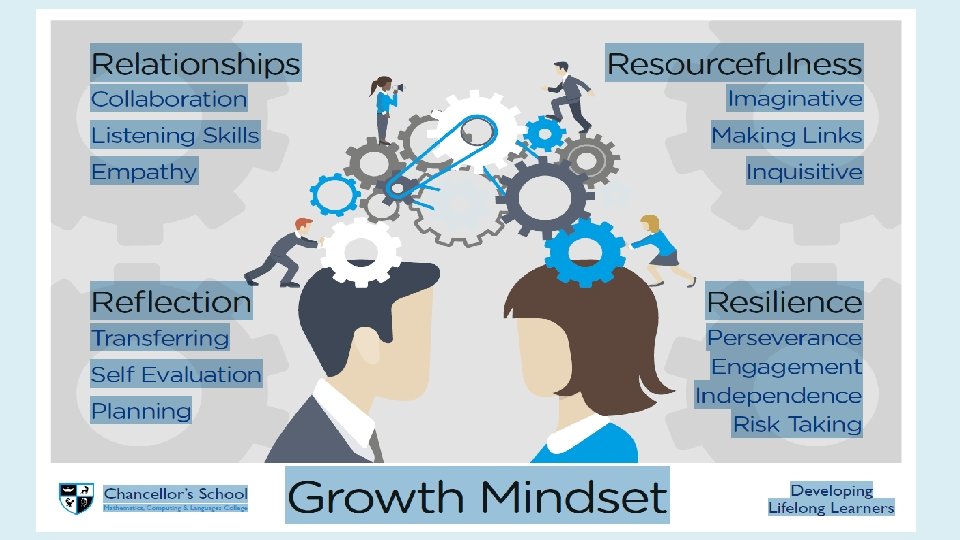
Parents can support independent learning through. . . • Supporting your child – Offer your child support and encouragement – Allow them to work through the challenges; don’t be tempted to do the work for them. – You will know when they really need your help! • Help your child to develop a growth mindset – Praise progress and effort – Avoid only praising good results. Praise your children for the effort they put in, the work it took to get their grade or the improvement you see in their results because of their work ethic and persistence. • Provide a learning space and the necessary equipment • Encourage your son/daughter to develop their revision techniques – discourage merely copying and highlighting (as these alone are not effective) and encourage them to experiment with new techniques they are taught in school.
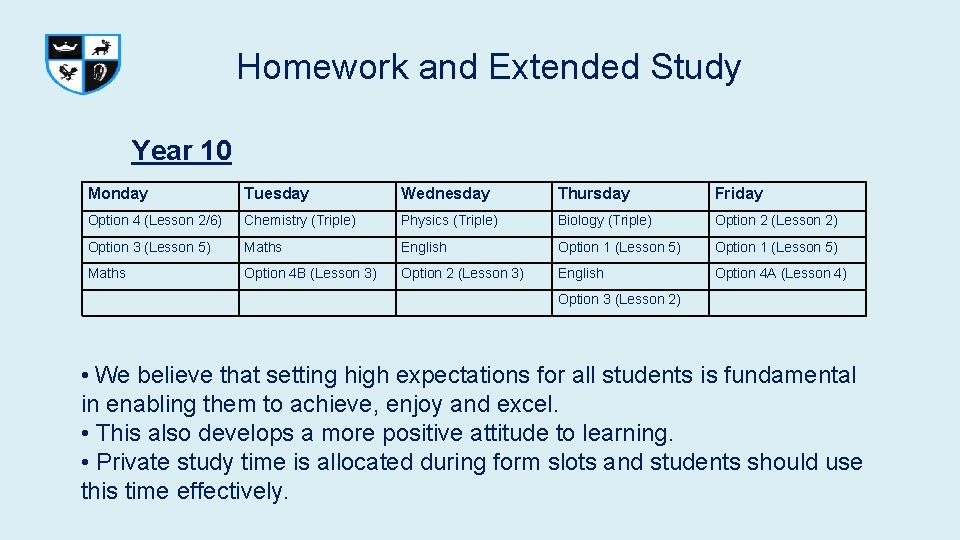
Homework and Extended Study Year 10 Monday Tuesday Wednesday Thursday Friday Option 4 (Lesson 2/6) Chemistry (Triple) Physics (Triple) Biology (Triple) Option 2 (Lesson 2) Option 3 (Lesson 5) Maths English Option 1 (Lesson 5) Maths Option 4 B (Lesson 3) Option 2 (Lesson 3) English Option 4 A (Lesson 4) Option 3 (Lesson 2) • We believe that setting high expectations for all students is fundamental in enabling them to achieve, enjoy and excel. • This also develops a more positive attitude to learning. • Private study time is allocated during form slots and students should use this time effectively.
Supporting Good Study Patterns • We expect every student to be completing 2 hours of homework every night Monday - Thursday and 4 hours over the weekend. • It is expected that parents and carers monitor their son/daughter’s homework through SMHW and Pars. • Homework may take various forms. Revision will be a very important component of homework, especially in the lead-up to exams. • Please monitor your son/daughter at home to ensure that they are spending sufficient time studying. It would be useful to devise a revision plan with them to structure their time effectively. If you have any concerns please contact his/her form tutor.
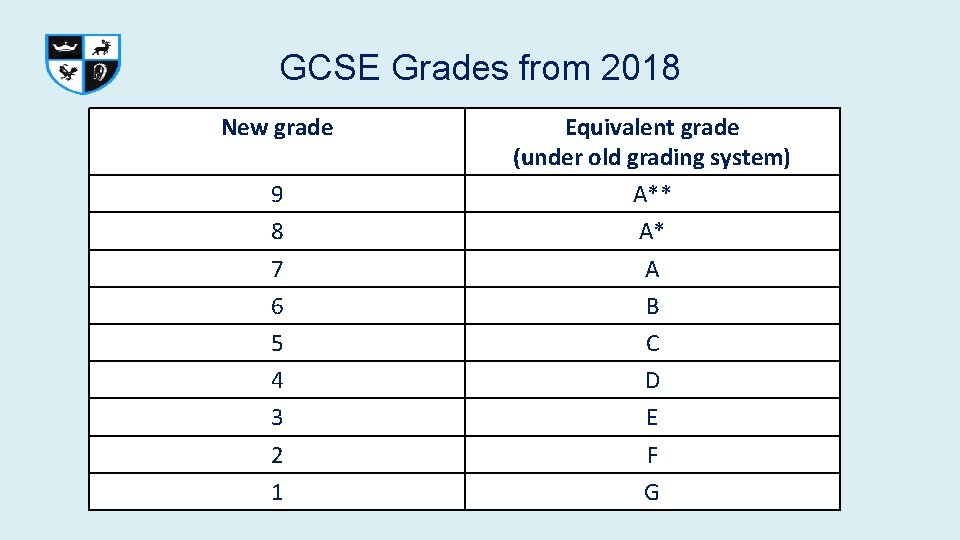
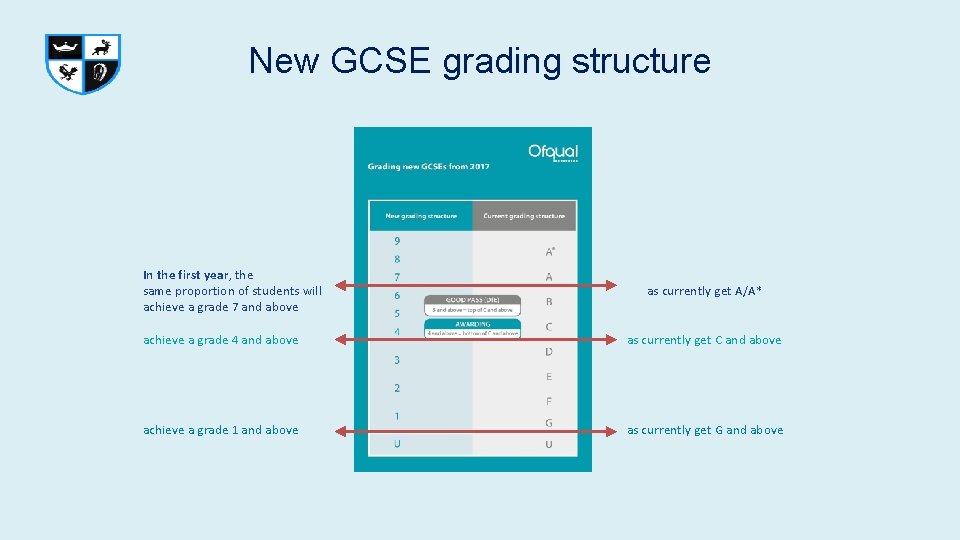
GCSE Grades from 2018 New grade 9 8 7 6 5 4 3 2 1 Equivalent grade (under old grading system) A** A* A B C D E F G
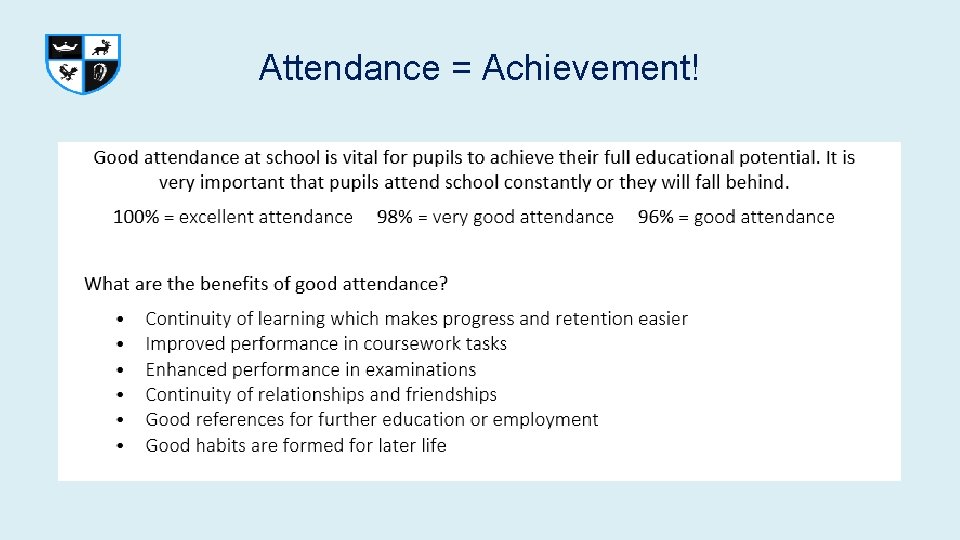
Attendance = Achievement!
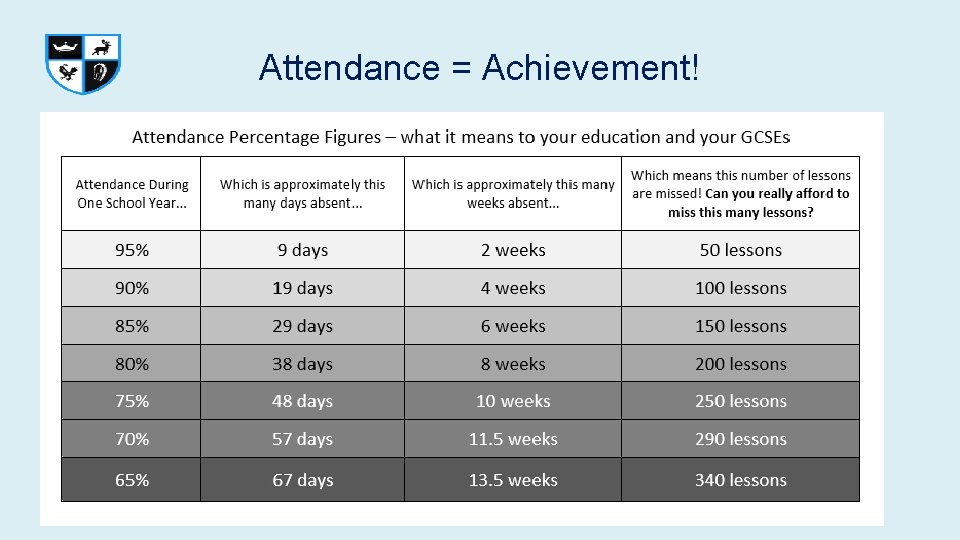
Attendance = Achievement!
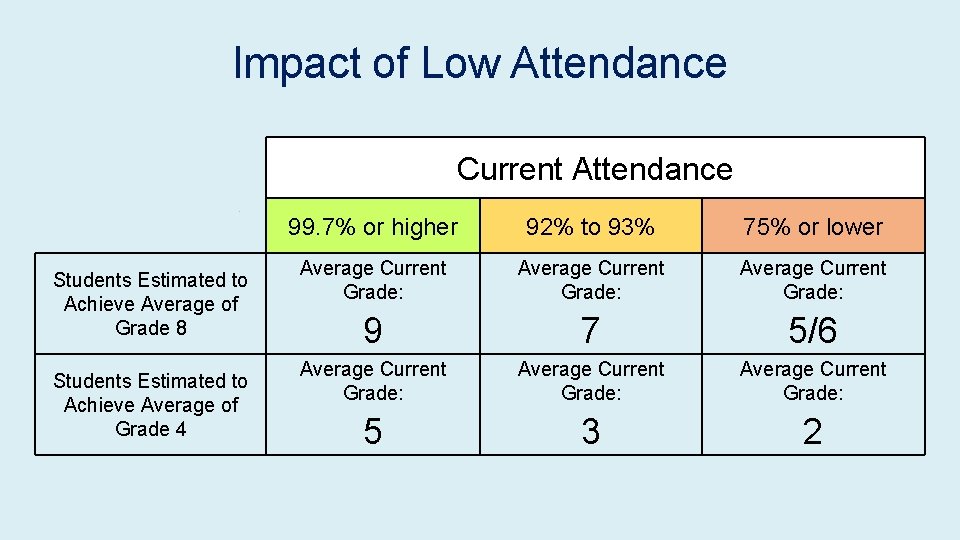
Impact of Low Attendance Current Attendance Students Estimated to Achieve Average of Grade 8 Students Estimated to Achieve Average of Grade 4 99. 7% or higher 92% to 93% 75% or lower Average Current Grade: 9 7 5/6 Average Current Grade: 5 3 2
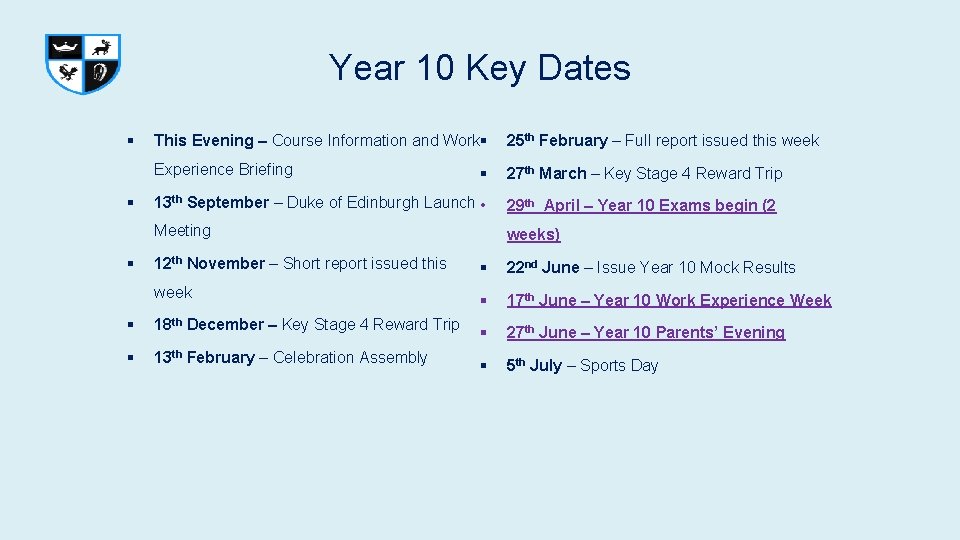
Year 10 Key Dates § § § This Evening – Course Information and Work § 25 th February – Full report issued this week Experience Briefing 27 th March – Key Stage 4 Reward Trip § 13 th September – Duke of Edinburgh Launch • 29 th April – Year 10 Exams begin (2 Meeting weeks) 12 th November – Short report issued this § 22 nd June – Issue Year 10 Mock Results week § 17 th June – Year 10 Work Experience Week § 18 th December – Key Stage 4 Reward Trip § 27 th June – Year 10 Parents’ Evening § 13 th February – Celebration Assembly § 5 th July – Sports Day
Parent Mail We send vital information and letters via PARENT MAIL. Please ensure that you check this regularly to keep updated with information regarding your son or daughter.
English, Maths and Science Year 9 GCSE Information Evening
GCSE English Language and English Literature
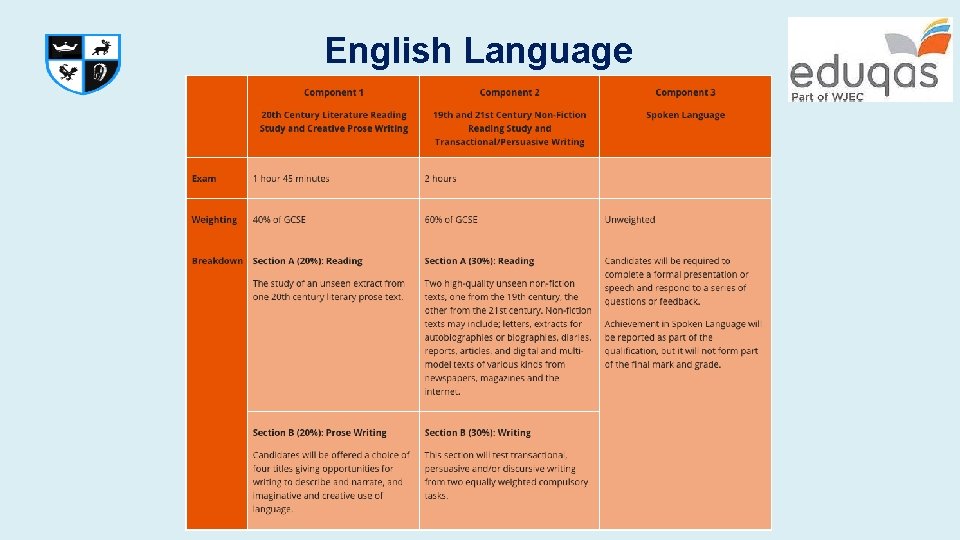
English Language
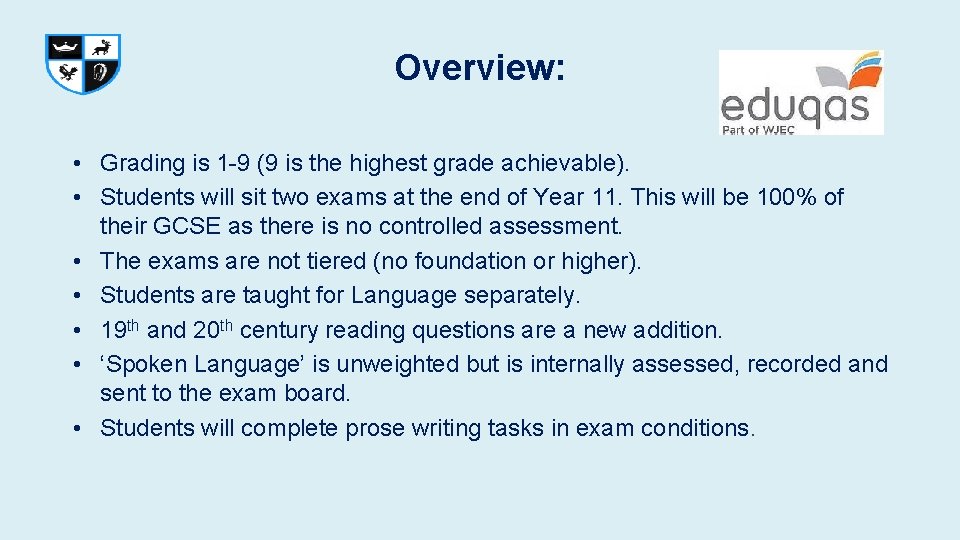
Overview: • Grading is 1 -9 (9 is the highest grade achievable). • Students will sit two exams at the end of Year 11. This will be 100% of their GCSE as there is no controlled assessment. • The exams are not tiered (no foundation or higher). • Students are taught for Language separately. • 19 th and 20 th century reading questions are a new addition. • ‘Spoken Language’ is unweighted but is internally assessed, recorded and sent to the exam board. • Students will complete prose writing tasks in exam conditions.
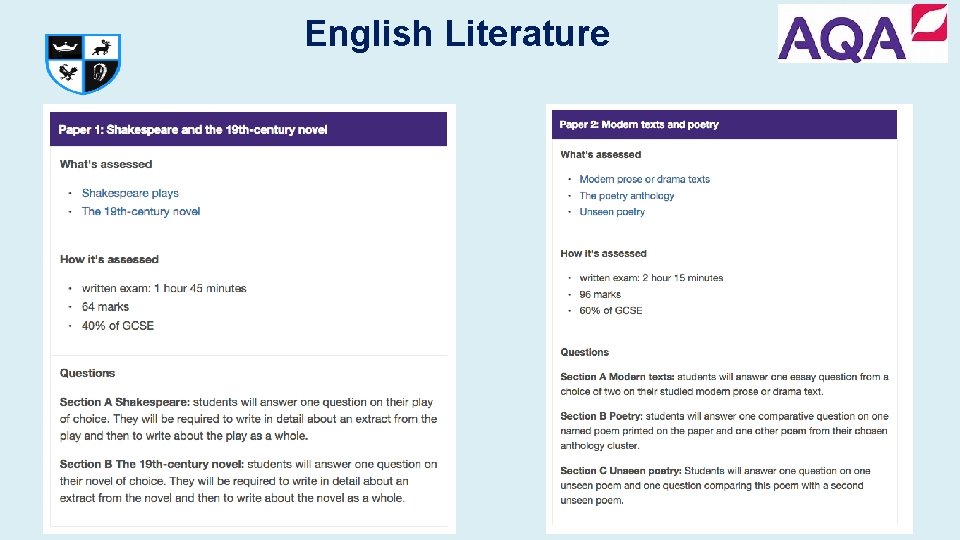
English Literature
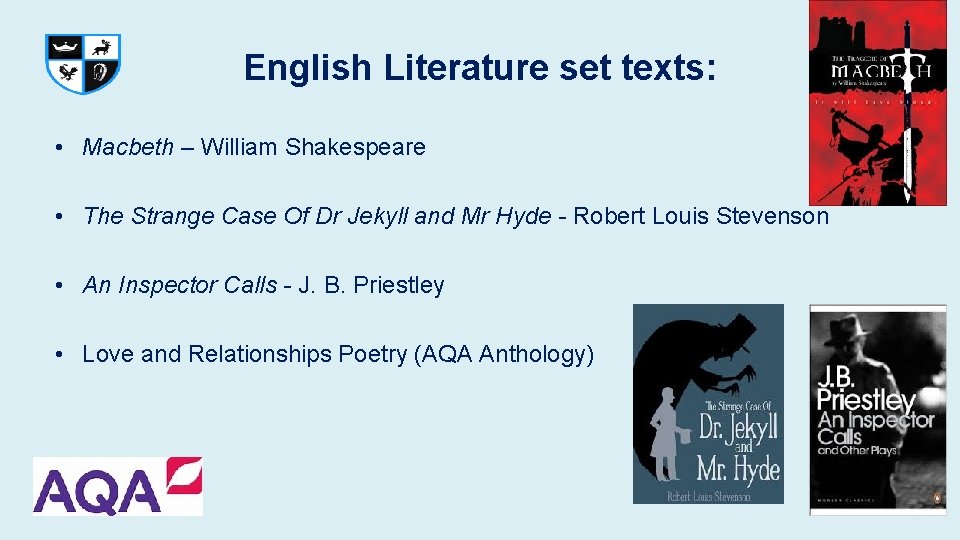
English Literature set texts: • Macbeth – William Shakespeare • The Strange Case Of Dr Jekyll and Mr Hyde - Robert Louis Stevenson • An Inspector Calls - J. B. Priestley • Love and Relationships Poetry (AQA Anthology)
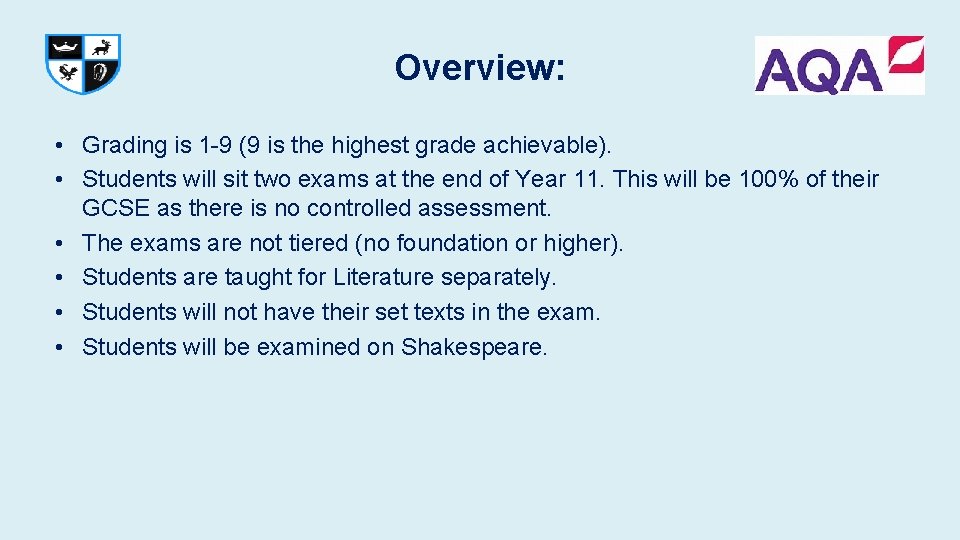
Overview: • Grading is 1 -9 (9 is the highest grade achievable). • Students will sit two exams at the end of Year 11. This will be 100% of their GCSE as there is no controlled assessment. • The exams are not tiered (no foundation or higher). • Students are taught for Literature separately. • Students will not have their set texts in the exam. • Students will be examined on Shakespeare.
How you can help: • • • Encourage your child to read anything and everything! Encourage your child to keep up to date with the news. Check through your child’s work and encourage them to proof read. Work on spellings or areas of grammar they find difficult. Take an interest in the literature your child is studying and ask them questions about themes and characters. • Eduqas study guides are available for the Language GCSE. • AQA study guides are available for the set texts and the poetry for the Literature GCSE. • Ensure they are completing homework tasks set for reading and writing. Any questions please feel free to email me: smithg@chancellors. herts. sch. uk. Or you can email your child’s class teacher directly.
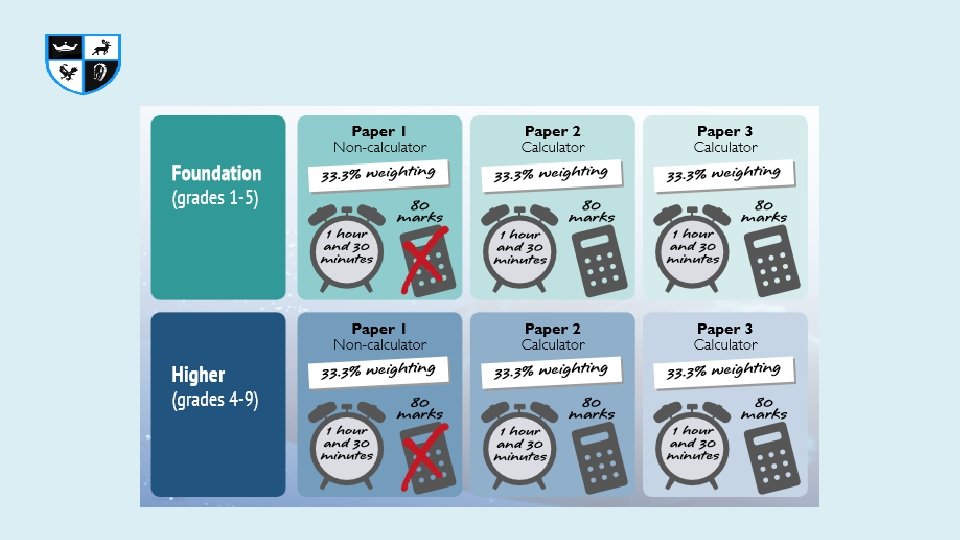
Key Changes to the Maths GCSE • • • Volume of subject content has increased Increased difficulty of content at both tiers More exams New grading structure Students will have to memorise more formulae More problem solving and reasoning
Subject Content There are new topics included in both the Foundation and Higher Tiers. Because of this we now start the GCSE at the end of Year 9 and allocate extra teaching time for Maths in Year 10 and Year 11.
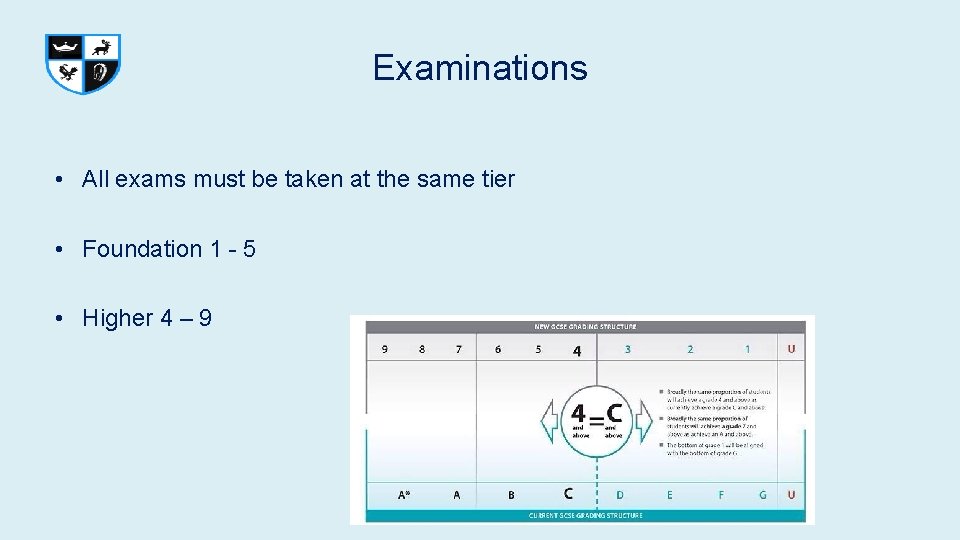
Examinations • All exams must be taken at the same tier • Foundation 1 - 5 • Higher 4 – 9
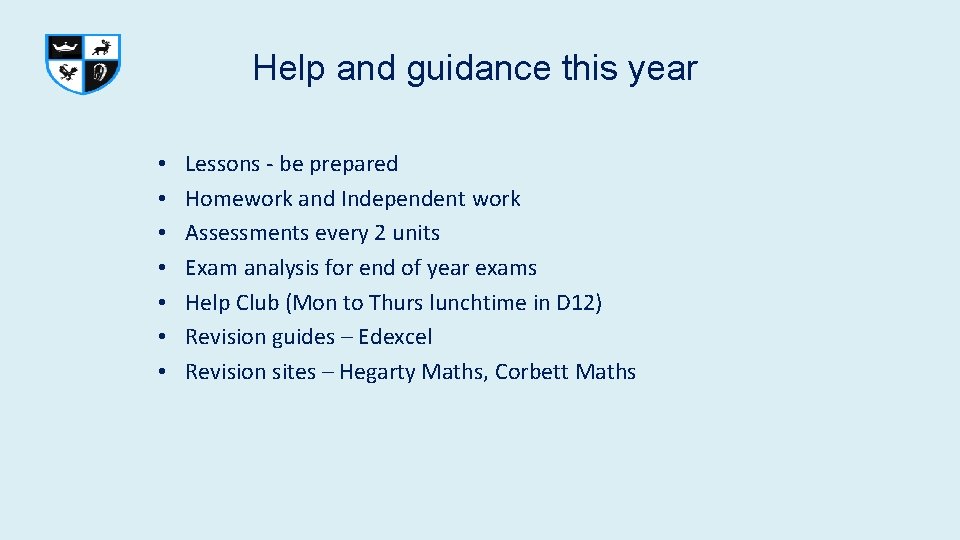
Help and guidance this year • • Lessons - be prepared Homework and Independent work Assessments every 2 units Exam analysis for end of year exams Help Club (Mon to Thurs lunchtime in D 12) Revision guides – Edexcel Revision sites – Hegarty Maths, Corbett Maths
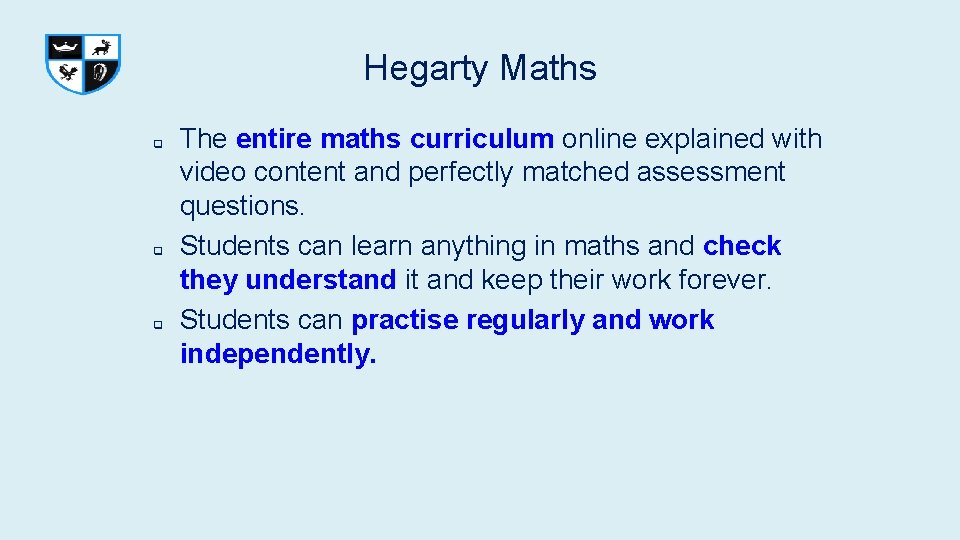
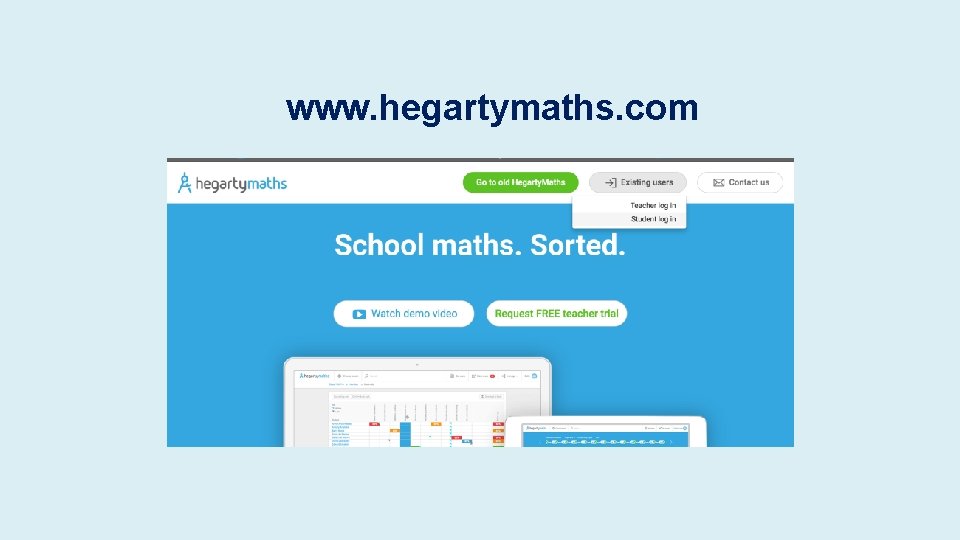
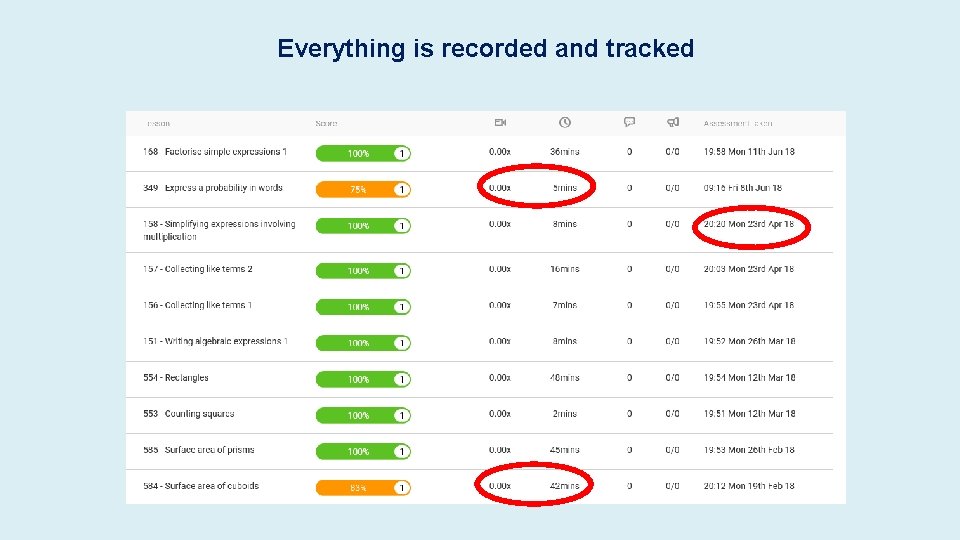
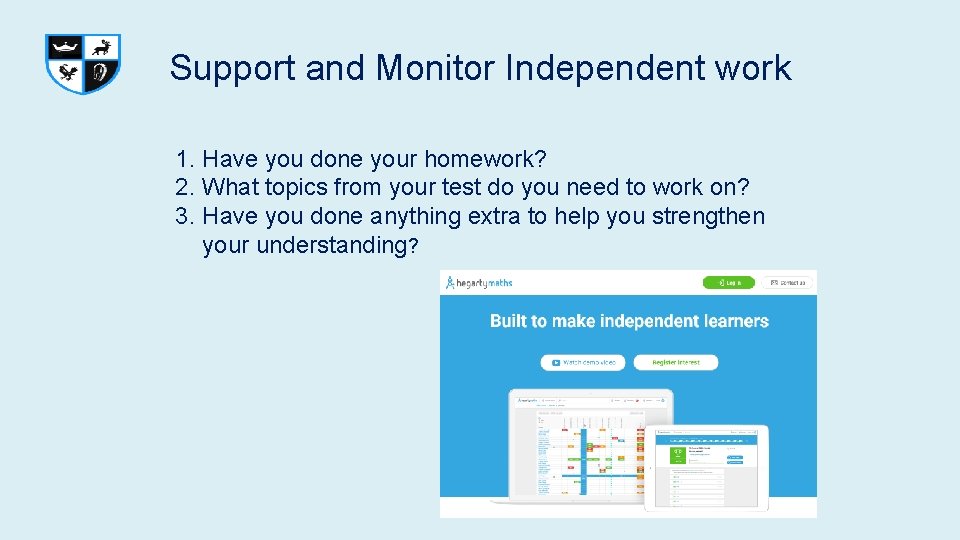
Hegarty Maths q q q The entire maths curriculum online explained with video content and perfectly matched assessment questions. Students can learn anything in maths and check they understand it and keep their work forever. Students can practise regularly and work independently.
www. hegartymaths. com
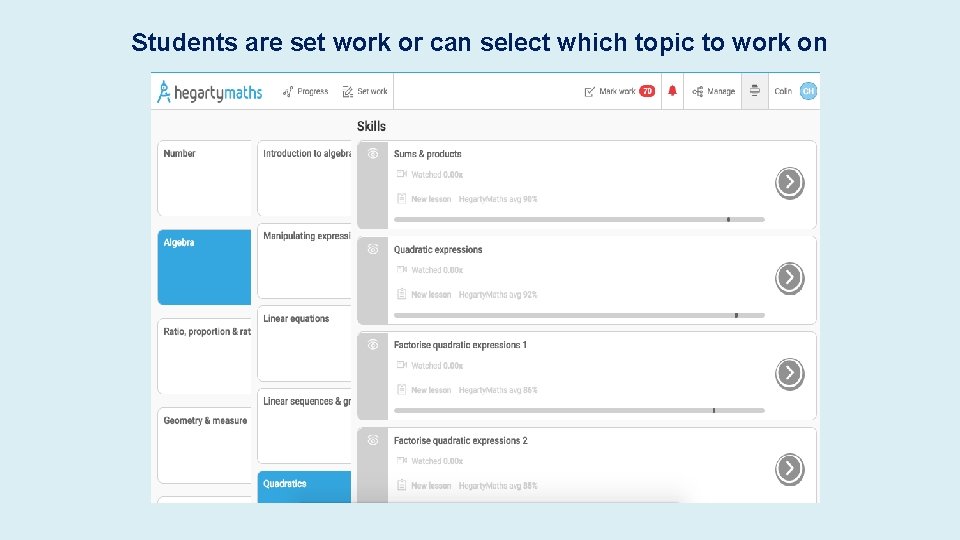
Students are set work or can select which topic to work on
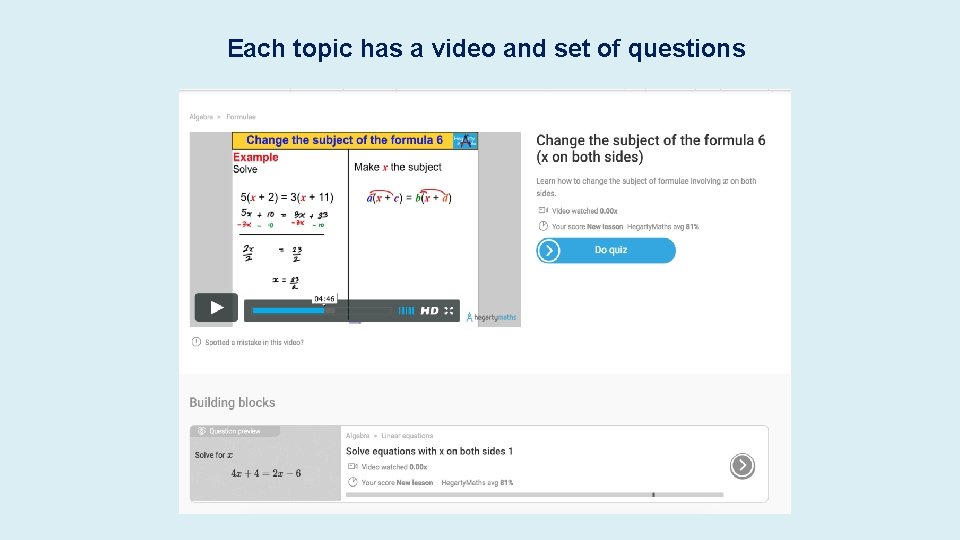
Each topic has a video and set of questions
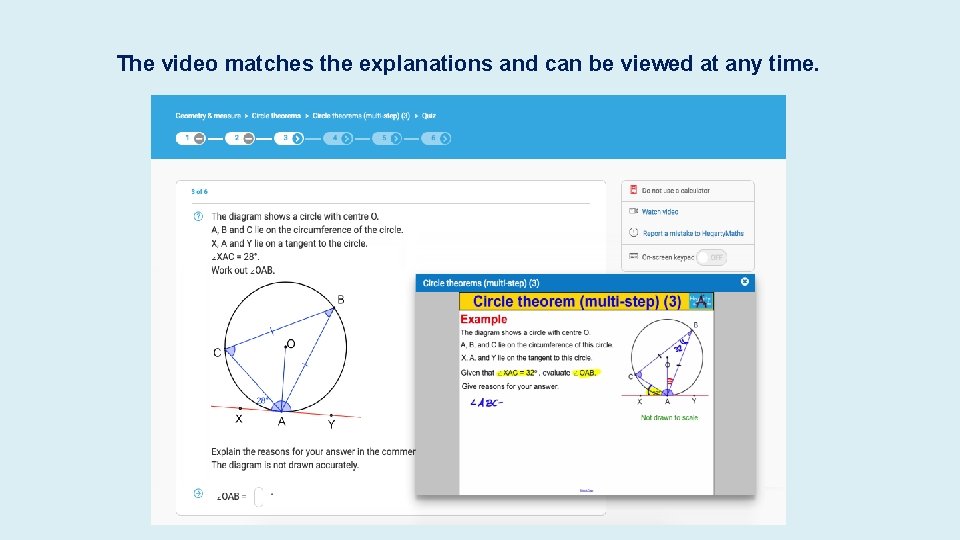
The video matches the explanations and can be viewed at any time.
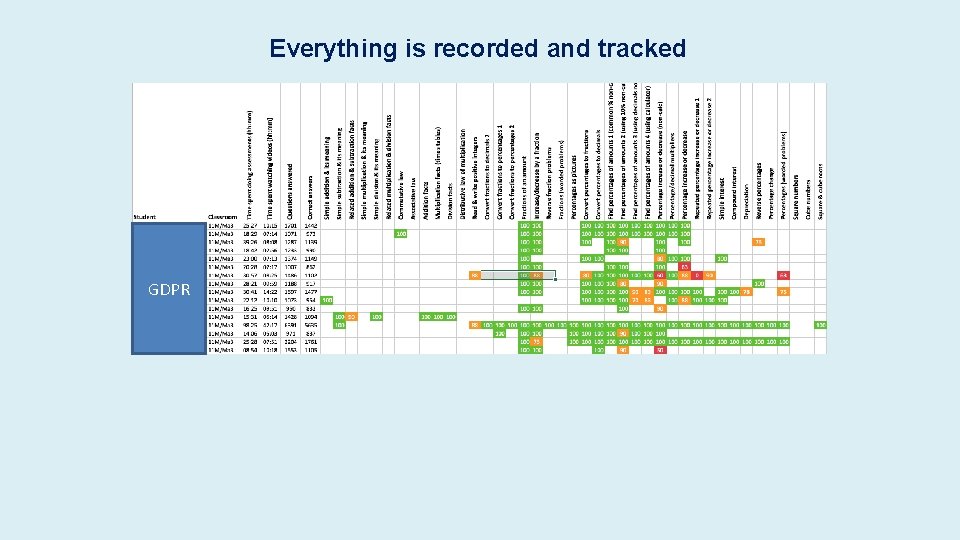
Everything is recorded and tracked
Everything is recorded and tracked GDPR
COMBAT MATHS PHOBIA
COMBAT MATHS PHOBIA
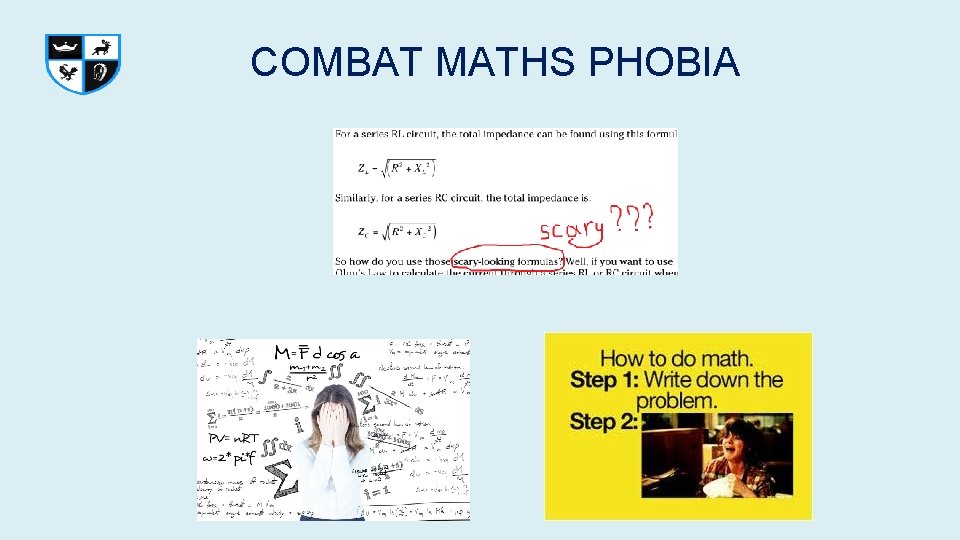
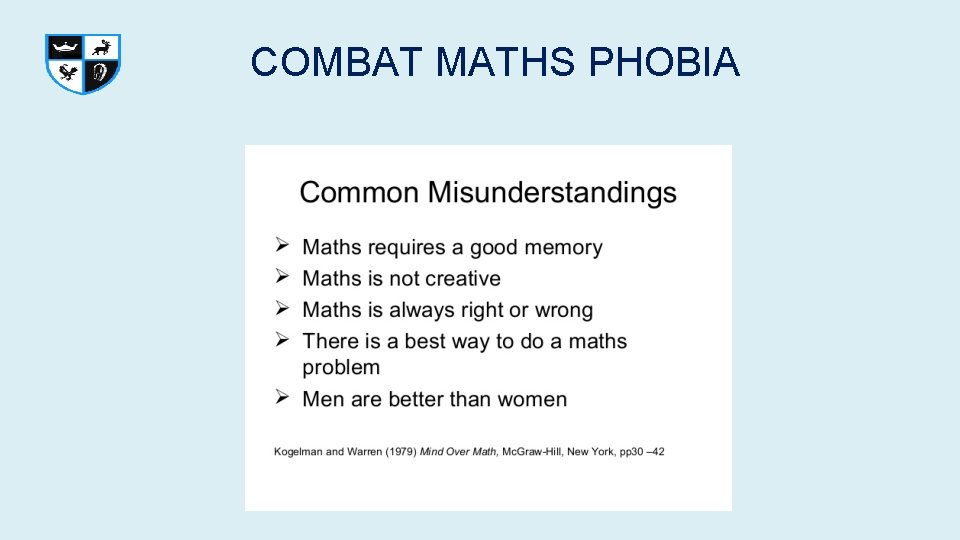
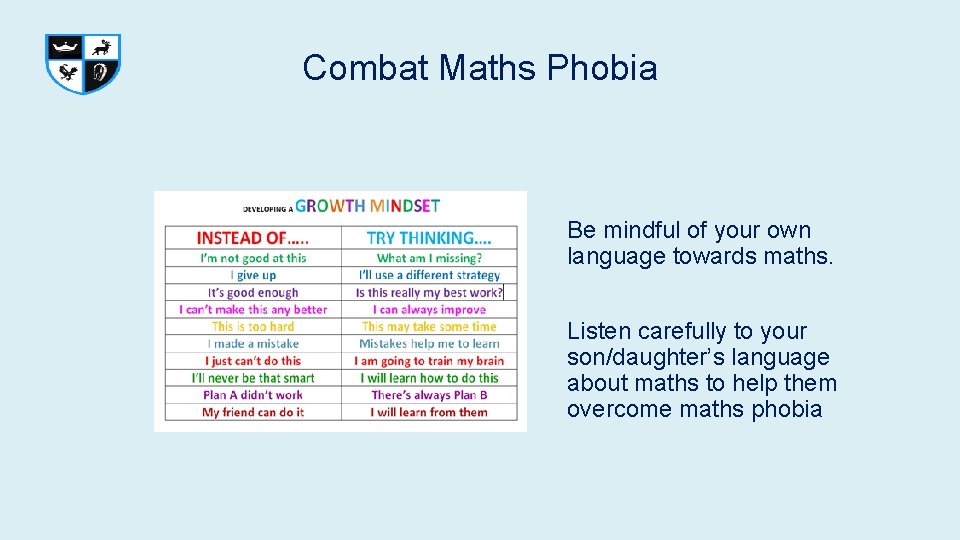
Combat Maths Phobia Be mindful of your own language towards maths. Listen carefully to your son/daughter’s language about maths to help them overcome maths phobia
Support and Monitor Independent work 1. Have you done your homework? 2. What topics from your test do you need to work on? 3. Have you done anything extra to help you strengthen your understanding?
More information Mr B Legarda – Head of Maths legardab@chancellors. herts. sch. uk
GCSE Science crewer@chancellors. herts. sch. uk
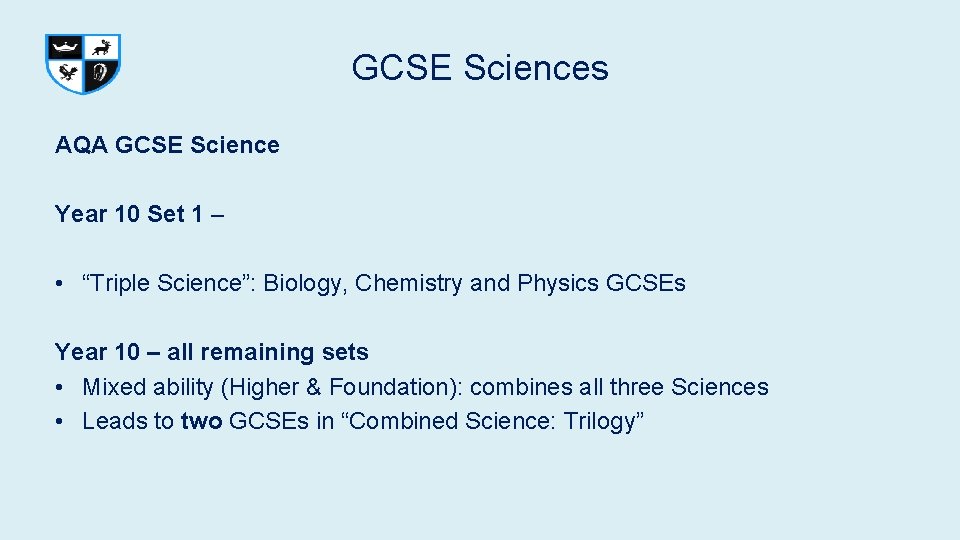
GCSE Sciences AQA GCSE Science Year 10 Set 1 – • “Triple Science”: Biology, Chemistry and Physics GCSEs Year 10 – all remaining sets • Mixed ability (Higher & Foundation): combines all three Sciences • Leads to two GCSEs in “Combined Science: Trilogy”
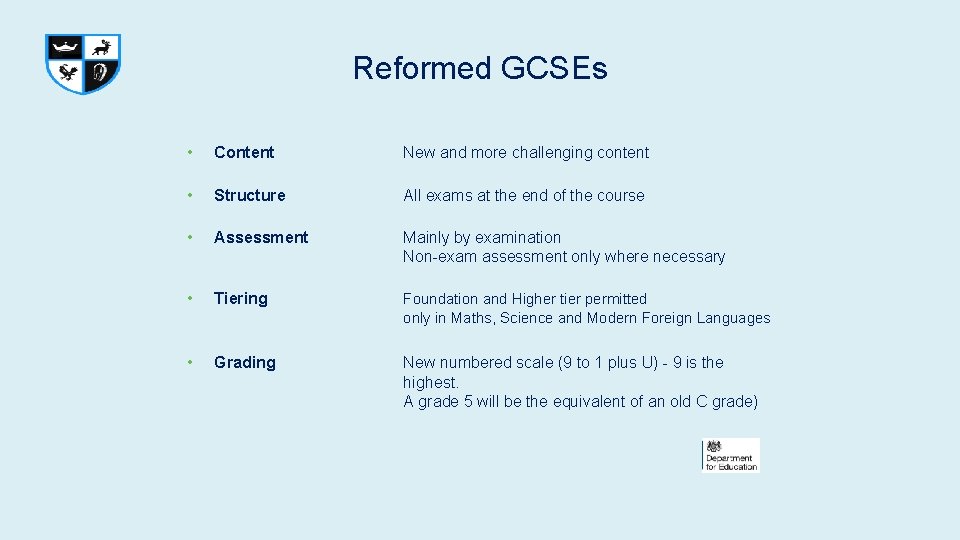
Reformed GCSEs • Content New and more challenging content • • Structure All exams at the end of the course Assessment Mainly by examination Non-exam assessment only where necessary • Tiering Foundation and Higher tier permitted only in Maths, Science and Modern Foreign Languages • Grading New numbered scale (9 to 1 plus U) - 9 is the highest. A grade 5 will be the equivalent of an old C grade)
New GCSE grading structure In the first year, the same proportion of students will achieve a grade 7 and above as currently get A/A* achieve a grade 4 and above as currently get C and above achieve a grade 1 and above as currently get G and above
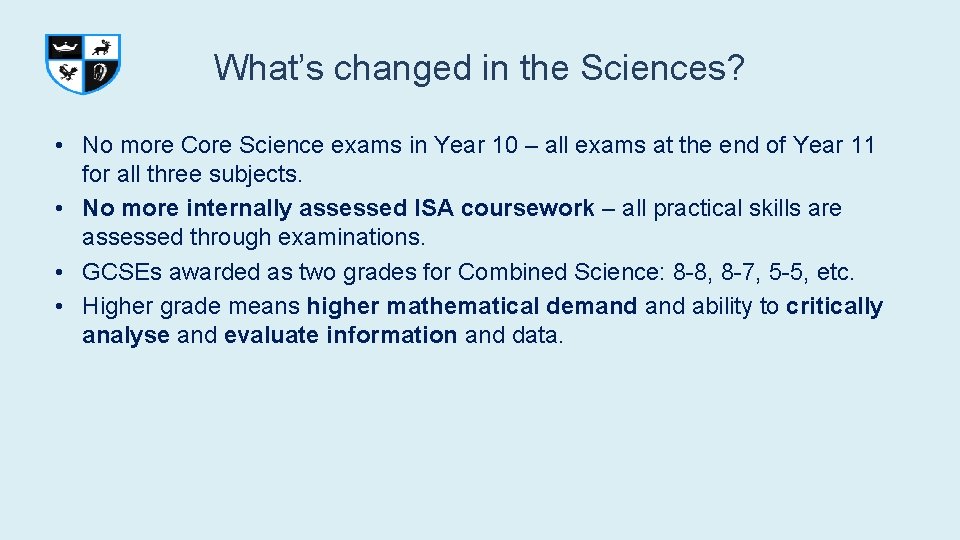
What’s changed in the Sciences? • No more Core Science exams in Year 10 – all exams at the end of Year 11 for all three subjects. • No more internally assessed ISA coursework – all practical skills are assessed through examinations. • GCSEs awarded as two grades for Combined Science: 8 -8, 8 -7, 5 -5, etc. • Higher grade means higher mathematical demand ability to critically analyse and evaluate information and data.
Practical Assessment • 21 required practical activities across all three Science subjects. • Exam questions can be based on recall or application of the practical technique, as well as analysing relevant information. • Students who are absent for practical activities will need to catch up on the relevant theory.
Exams Combined Science: Two 1 ½ hour papers for all three subjects (6 exams in total), each covering multiple choice/short answer and longer response questions. Each paper is worth 16. 7% of the Combined Science double grade. Exams in June of Year 11 Triple Science: Each GCSE has two papers, similar to the combined but each will cover more breadth and depth of content and more practical activities. Each paper is longer, 1 ¾ hours, and has a higher level of mathematical demand.
Support Help Clubs: • Every lunchtime from 1. 20 – 1. 45 pm upstairs in C block, Science teachers will be available to help with any issues with classwork or homework. • Additional after school sessions will be arranged as needed throughout the year.
Resources • All students have access to a set of free online textbooks covering all three subjects – the “Kerboodle” website. Speak to one of your Science teachers if you cannot login. • CGP revision and question practice guides are available to order through the school in September. • Additional websites and links to online resources can be found on the Science section of the school intranet.