
Chain of infection The presence of a pathogen



- Slides: 19
Chain of infection: The presence of a pathogen does not mean that an infection will begin. In order for infectious disease to spread, several necessary steps must occur. These steps are known as “chain of infection”. An infection will develop only if chain remains intact. These 22
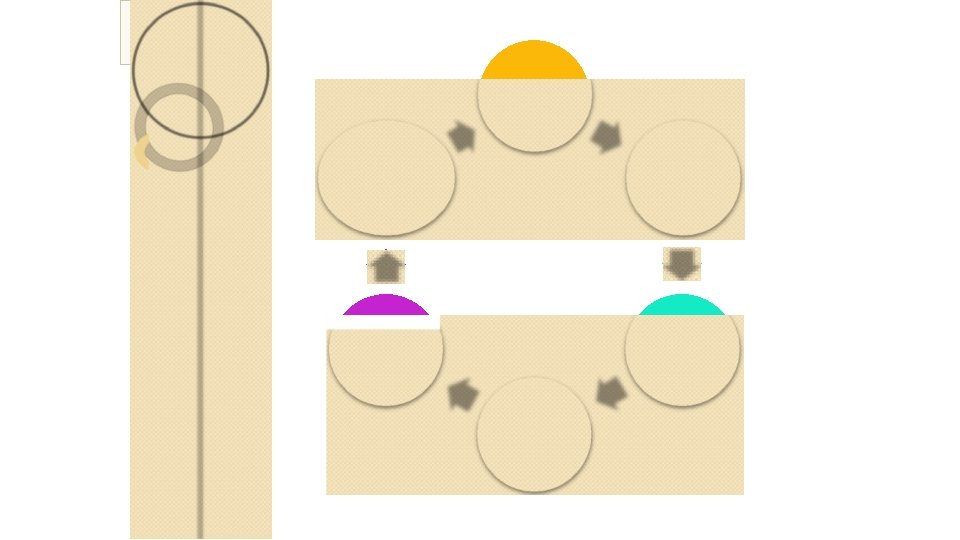
links are; 23
Causative Agent Susceptible Host Reservoir . Portal of Entry Portal of Exit Mode of Transmis 24
sion 25
Causative Agent - the microorganism (for example bacteria, virus or fungi). 26
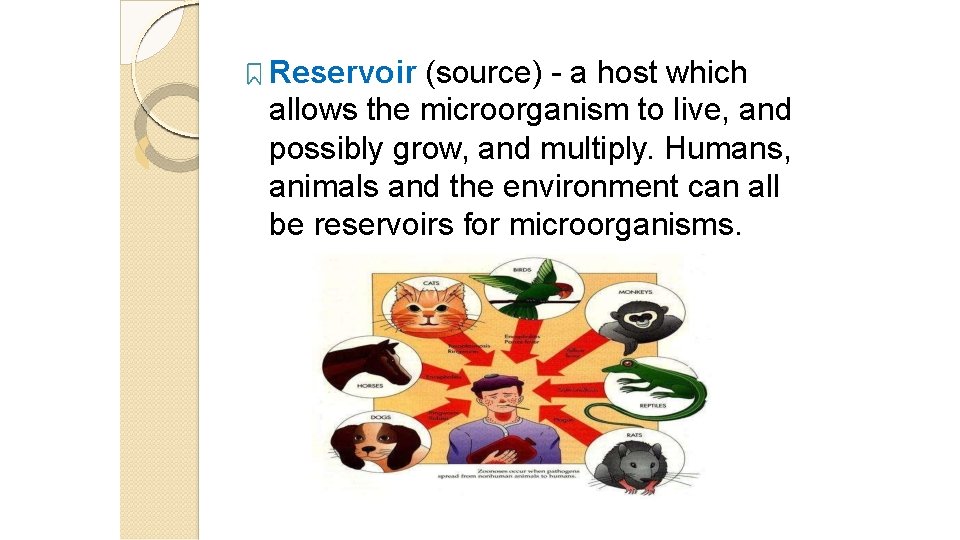
Reservoir (source) - a host which allows the microorganism to live, and possibly grow, and multiply. Humans, animals and the environment can all be reservoirs for microorganisms. 27
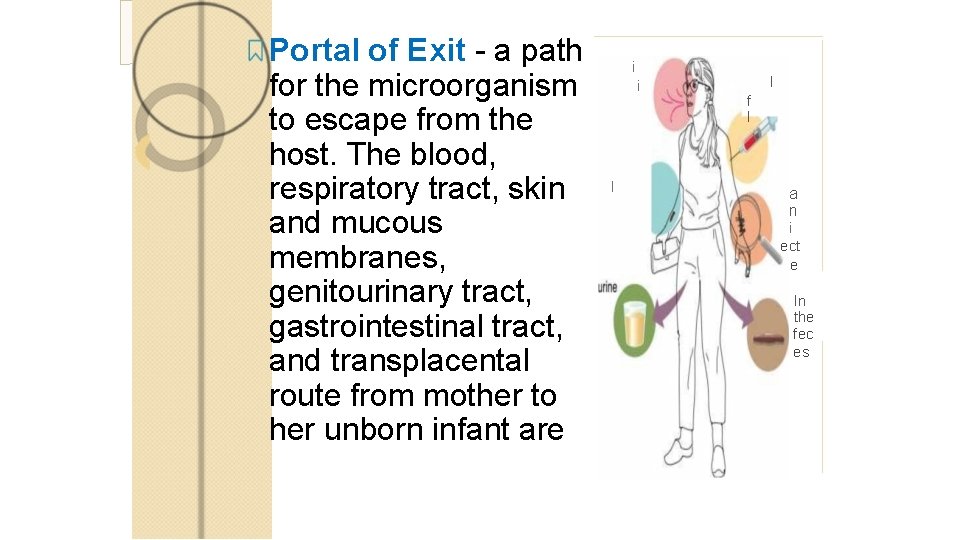
Portal of Exit - a path for the microorganism to escape from the host. The blood, respiratory tract, skin and mucous membranes, genitourinary tract, gastrointestinal tract, and transplacental route from mother to her unborn infant are By cough ng i Through i and sneez ng remova l f l o b ood l. Thro ugh an ope n esion a n i ect e By. In nsthe bitfec es In the 28
some examples. 29
Mode of Transmission - since microorganisms cannot travel on their own; they require a vehicle to carry them to other people and places. Infectious diseases and even certain contagious diseases spread through the following agencies. Their ways of spreading is also given along with these agencies. 30
Air-borne transmission Contact transmission-direct and indirect Vehicle transmission (Water, milk, food etc. ) Vector-transmission Tran placental transmission 31
Portal of Entry - a path for the microorganism to get into a new host, similar to the portal of exit. Susceptible Host - a person susceptible to the microorganism 32
Who is at risk of infection? Staff: service provide are at significant risk for infection because they are exposed to potentially infectious blood and other body fluids on daily basis. 33
Clients: they are at risk of post procedural infection when, e. g. service providers do not wash hands between client and procedure, when they do not adequately prepare client for procedure and when used instruments and other items are not cleaned and processed correctly. Community: it is also at risk of infection, particularly from inappropriate disposal of medical waste. 34
Breaking chain of infection: As health professional, we cannot provide health care services without some exposure to potentially infectious materials, but we can prevent transmission in many cases. The only way to prevent infection is to break the chain of infection. The nurse must follow certain principle and 35
procedures to prevent infection and control its spread. 36
Breaking the chain 1 of infection: 1. Rapid and accurate identification of organism: Routinely send blood cultures, urine culture, skin swabs, throat swabs, tracheal aspirate culture. Send endotracheal tube tip, urinary catheter tip and central line tip for 37
culture after removal. 38
2. Control or elimination of infectious agents including: Proper cleaning by the water and mechanical action with or without detergents. 39
Disinfection. Sterilization of contaminated objects. High level of disinfectants: Activated glutaraldehyde (cidex 2%) Sodium hypochloride 1% Carbolic solution 5% Bleaching powder 1% Low level of disinfectant: Methylated spirit 70% Betadine solution 10% Savlone 1% 40