
Chain of Infection Objectives n n Describe two
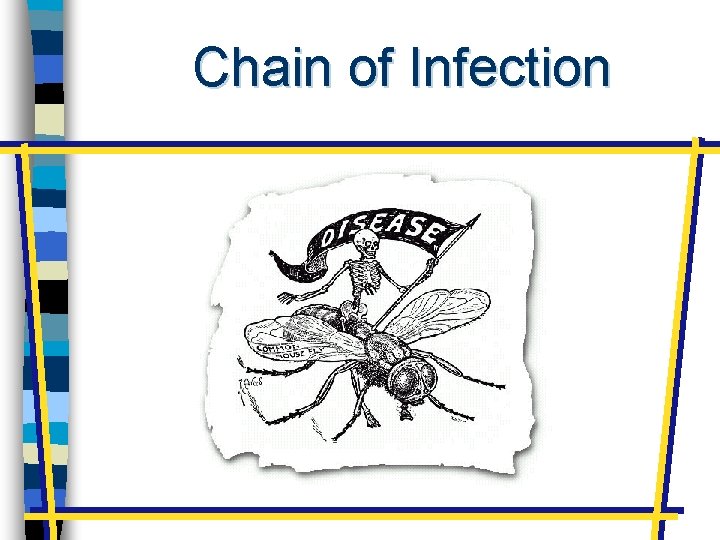
Chain of Infection
Objectives n n Describe two ways infectious agents can be transmitted Describe at least three ways to decrease risk of infections in public settings
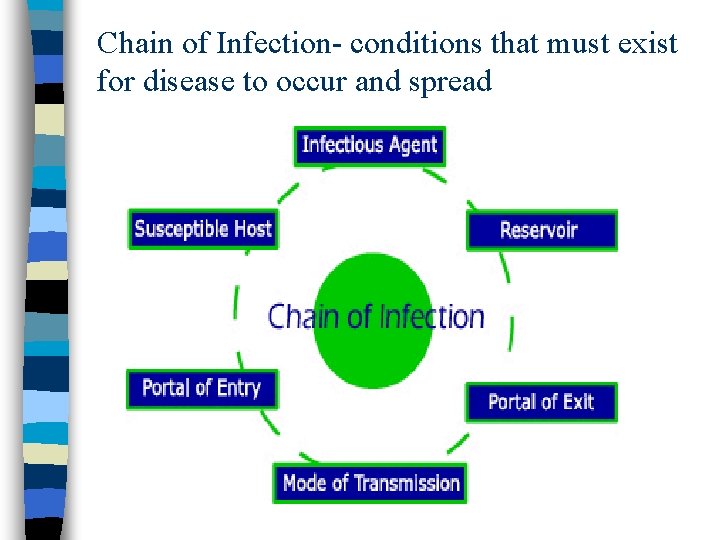
Chain of Infection- conditions that must exist for disease to occur and spread
As healthcare professionals, it is important to understand two things about infection: infection
1. the various ways infection can be transmitted 2. the ways the infection chain can be broken
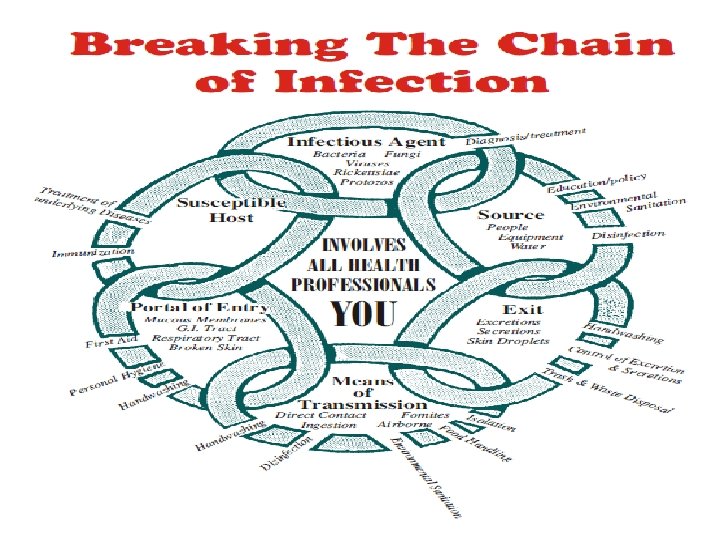
There are six links in the chain of infection :
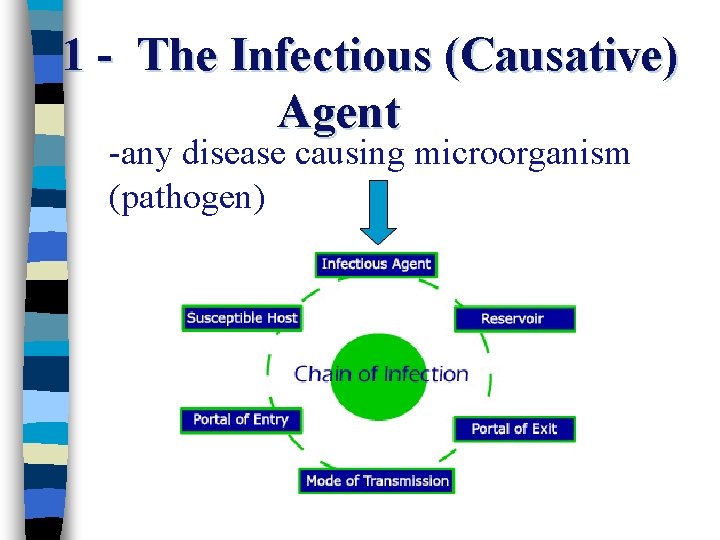
1 - The Infectious (Causative) Agent -any disease causing microorganism (pathogen)
Infectious agents are: Bacteria n Viruses n Fungi n Parasites n
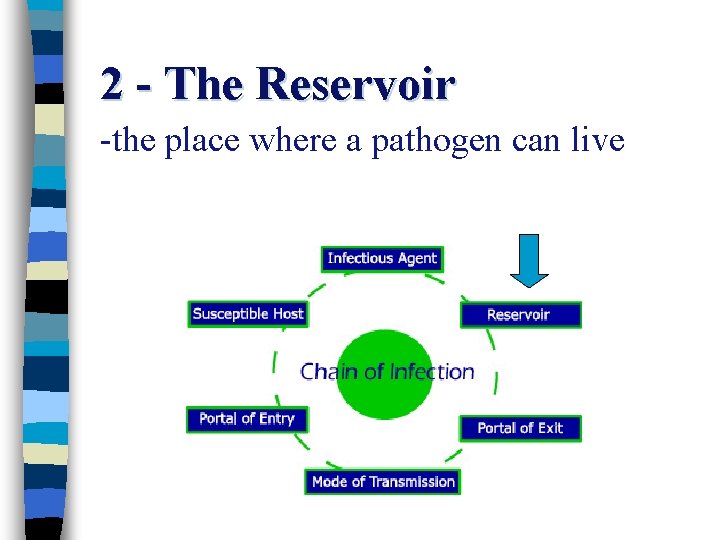
2 - The Reservoir -the place where a pathogen can live
Examples of reservoirs: n n n Human body Animals Environment Food Fomites
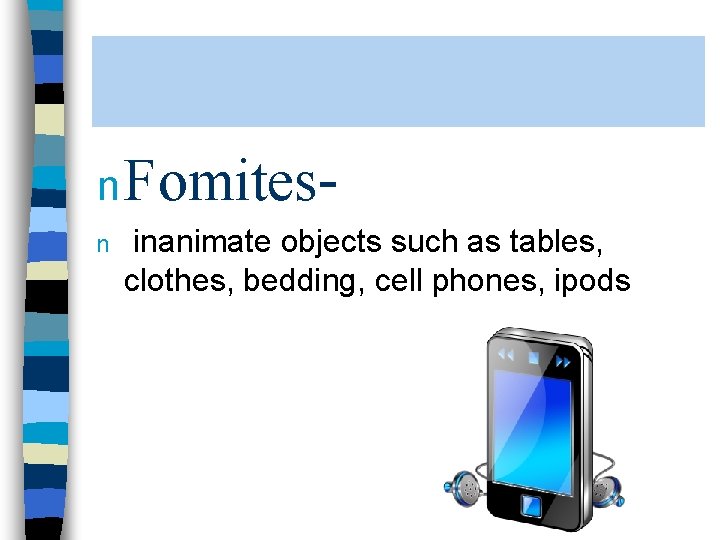
n Fomitesn inanimate objects such as tables, clothes, bedding, cell phones, ipods
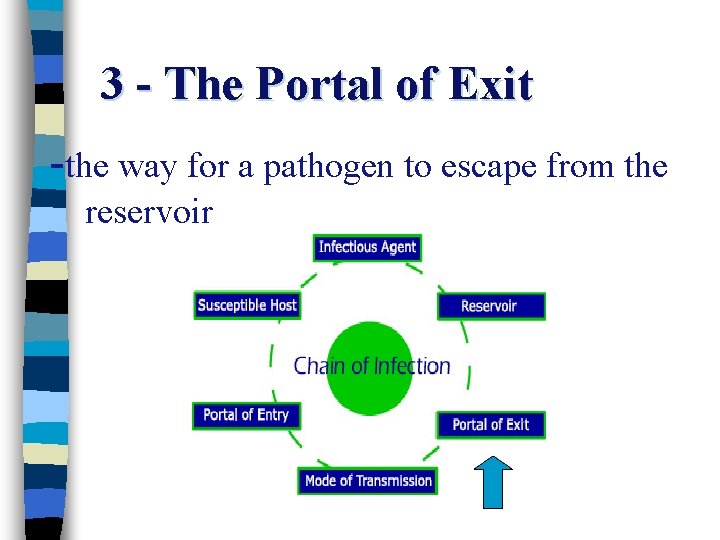
3 - The Portal of Exit -the way for a pathogen to escape from the reservoir
Pathogens can leave the body through… n n n n Urine Feces Saliva Blood Tears Mucous discharge Sexual secretions Wounds
Examples of portals of exit: n n Flu or cold - mucous secretions West Nile Virus - when the mosquito bites and feeds on the bird’s blood Hepatitis A - feces Ebola virus- droplet, contact
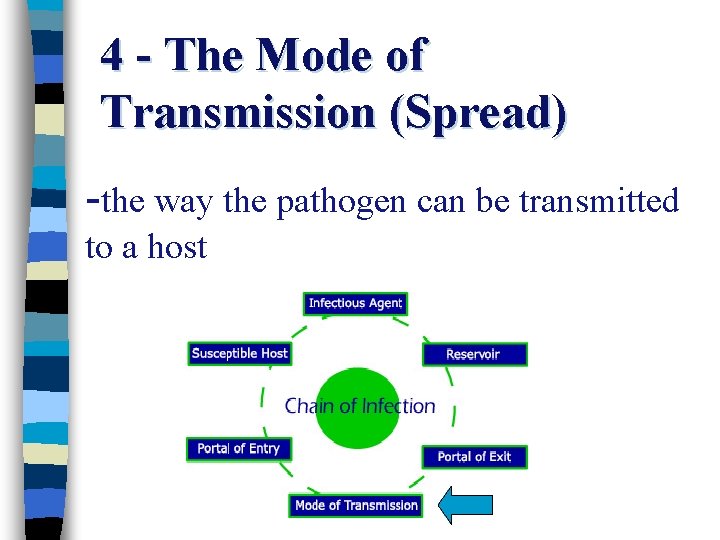
4 - The Mode of Transmission (Spread) -the way the pathogen can be transmitted to a host

Direct Contact

Indirect Contact
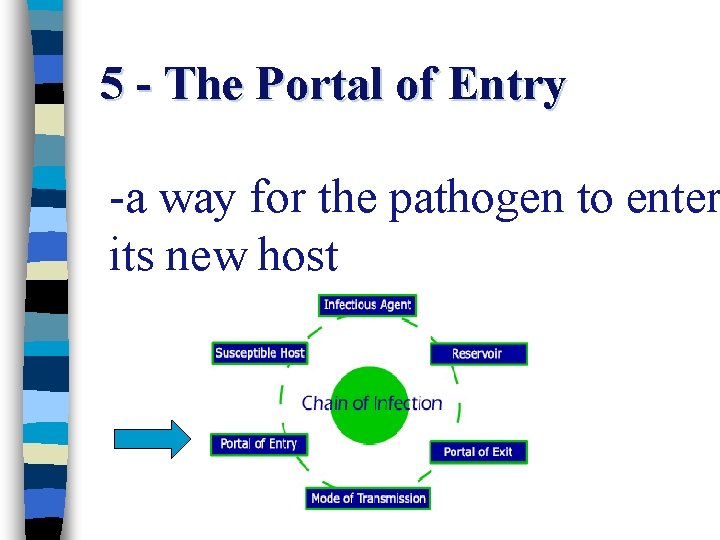
5 - The Portal of Entry -a way for the pathogen to enter its new host
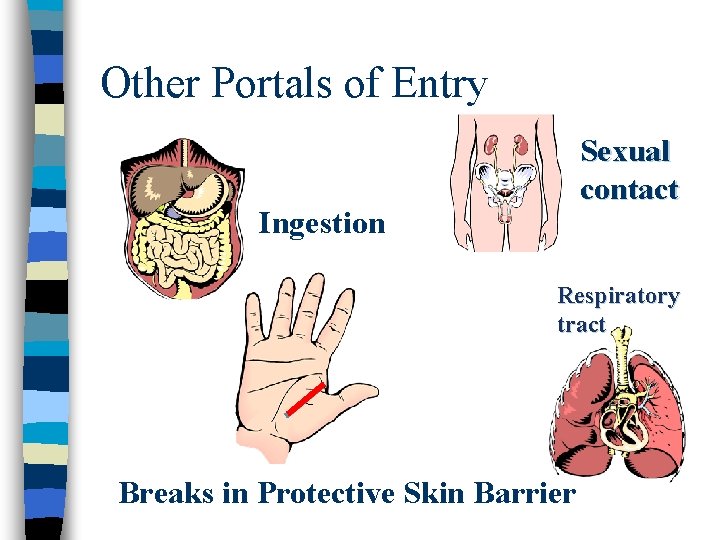
Other Portals of Entry Sexual contact Ingestion Respiratory tract Breaks in Protective Skin Barrier
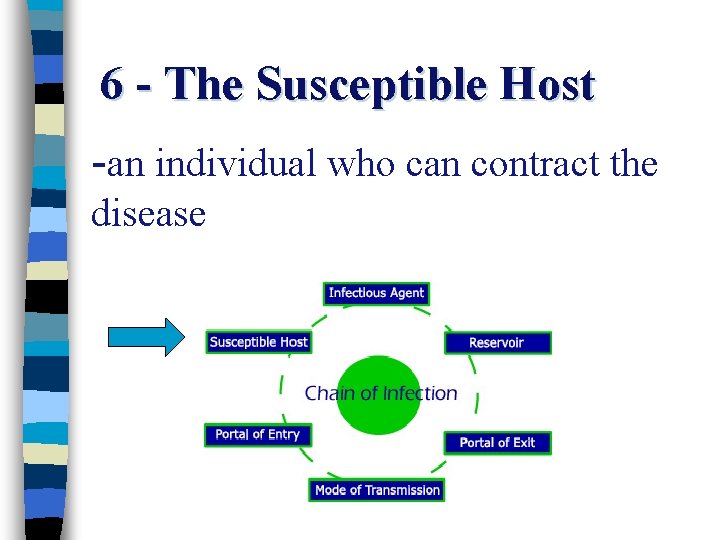
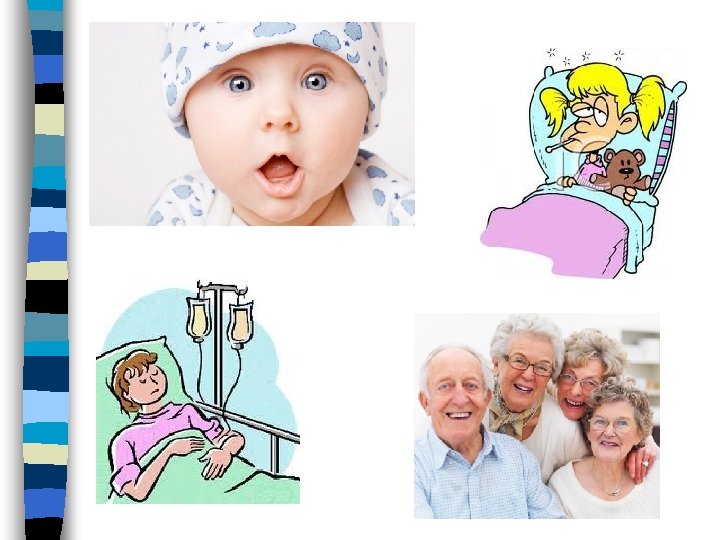
6 - The Susceptible Host -an individual who can contract the disease
Do all 6 links need to be connected in order for a disease to be transmitted? YES
…if even ONE link is broken, an infection will not occur!
How to Break the Chain of Infection
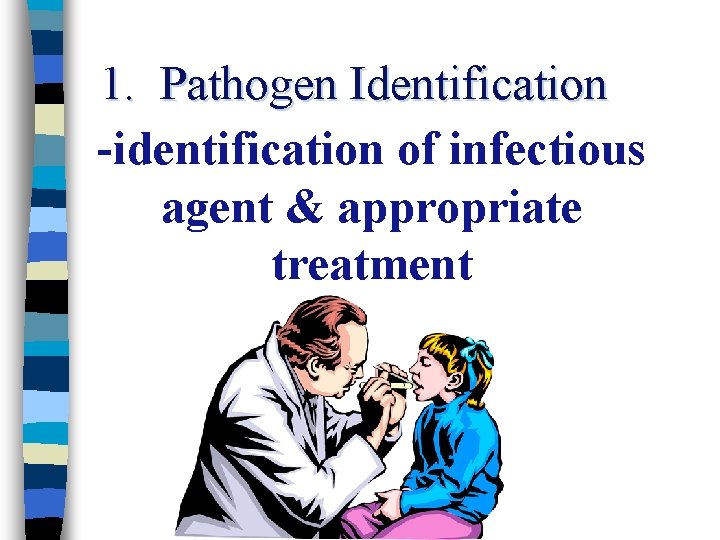
1. Pathogen Identification -identification of infectious agent & appropriate treatment
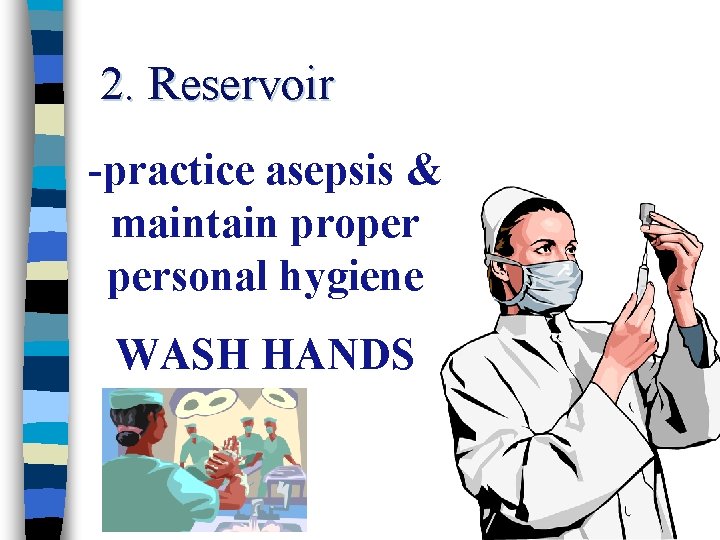
2. Reservoir -practice asepsis & maintain proper personal hygiene WASH HANDS
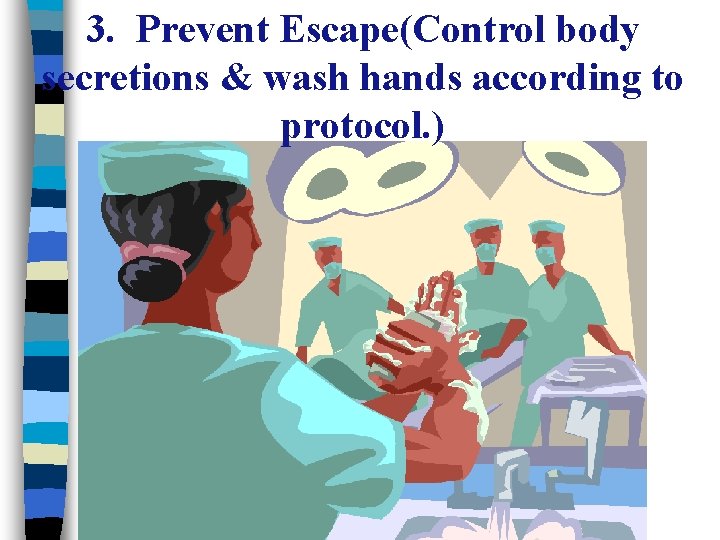
3. Prevent Escape(Control body secretions & wash hands according to protocol. )
4. Prevent a Route of Transmission -prevent direct or indirect contact by: 1. Proper handwashing 2. Disinfection & sterilization techniques 3. Isolation of infected patients 4. Not working when contagious
5. Protect Portal of Entry -Health professionals must make sure that ports of entry are not subjected to pathogens. (nose, mouth, eyes, open wounds)
6. Recognition of Susceptible Host By making smart choices about your health and developing a strong immune system, your body can fight off pathogens without you ever feeling sick Exercise Eat well-balanced diet Get immunizations -health professionals must recognize & protect high-risk patients
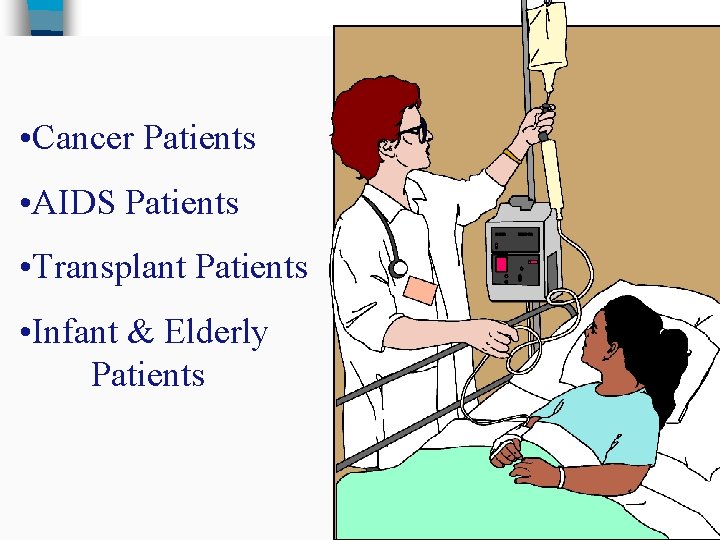
• Cancer Patients • AIDS Patients • Transplant Patients • Infant & Elderly Patients
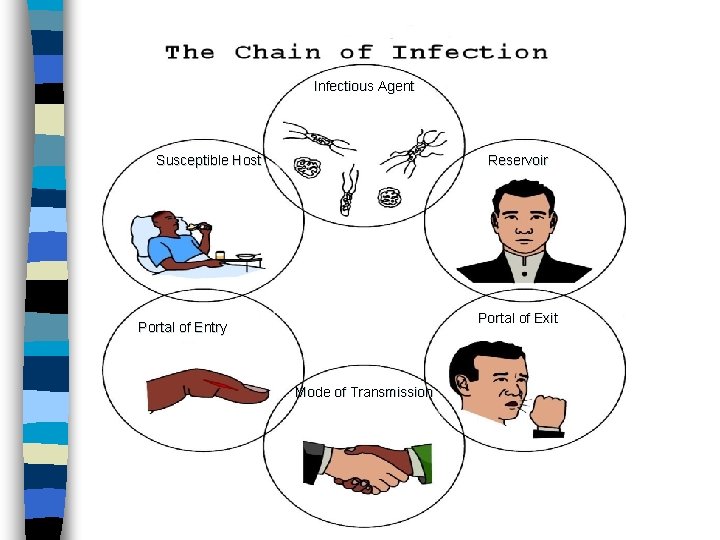
Infectious Agent Susceptible Host Reservoir Portal of Exit Portal of Entry Mode of Transmission
Remember--breaking the chain of infection is the responsibility of each health professional.
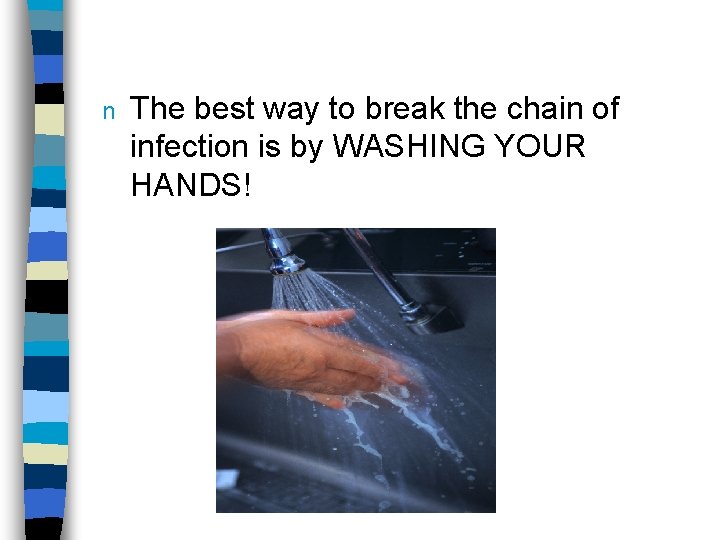
n The best way to break the chain of infection is by WASHING YOUR HANDS!
What Can You Do to Reduce Your Chances of Getting Sick? n n n n Avoid close contact with people who are sick Stay home when sick Encourage friends/family to wash their hands (or use alcohol hand rub) Wash your own hands frequently Wipe down counters, pens, phones, computer keyboards, etc. with disinfectant cleaner as needed Cough etiquette Avoid touching nose, mouth, eyes

n http: //ktube. kellerisd. net/educationcenter/features/m. Sug 0 SWg. Ntb. Zco. Q 6 E bks
Assignment- Chain of Infection n n n Choose a colored piece of paper, get scissors and your adhesive - WILL NEED TO SHARE Cut out each of the links Place them in correct order, glue to paper Identify (label) the links of infection, give brief definition of each link Color pictures At each link-Identify (label) one way to break that link (give an actual example) When completed, place your name on the paper and turn in to your class tray.
QUESTIONS? ? ?
- Slides: 39