
Ch 9 Prosperity Depression and World War II
- Slides: 19
Ch. 9 – Prosperity, Depression, and World War II, 1920 -1945 History 37 Summer, 2014
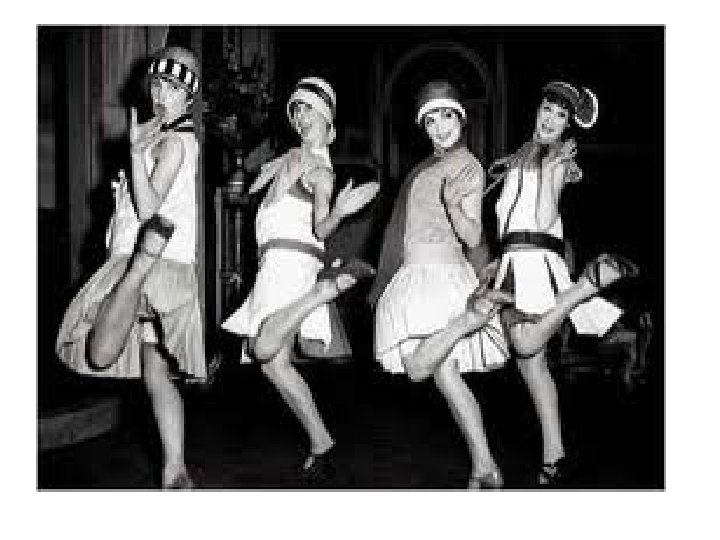
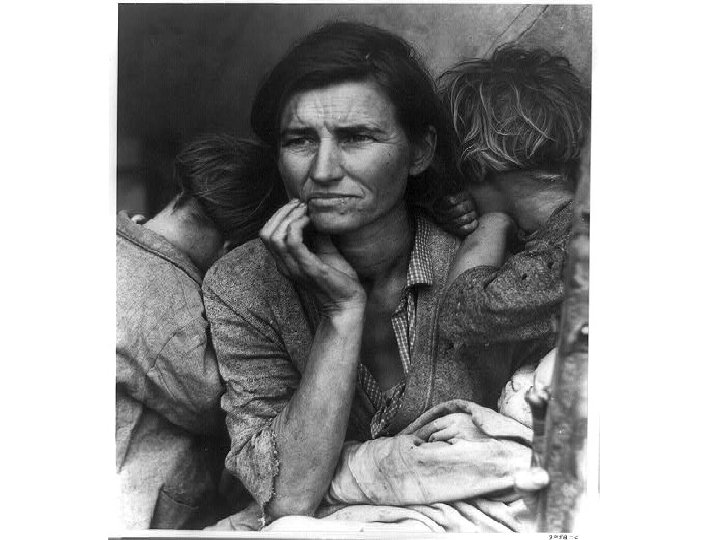
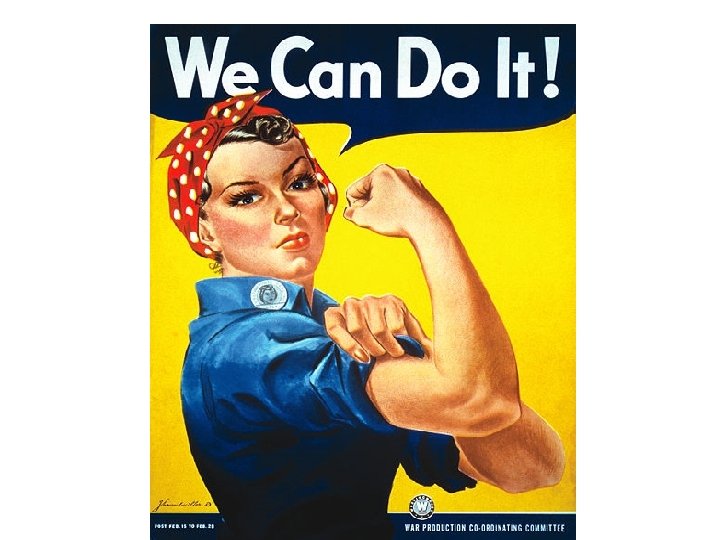
Questions to Consider: 1). Were American women really “liberated” in the 1920 s? Why or why not? 2). How did the Great Depression impact women of varying race and class? 3). Does the status of women improve during WWII?
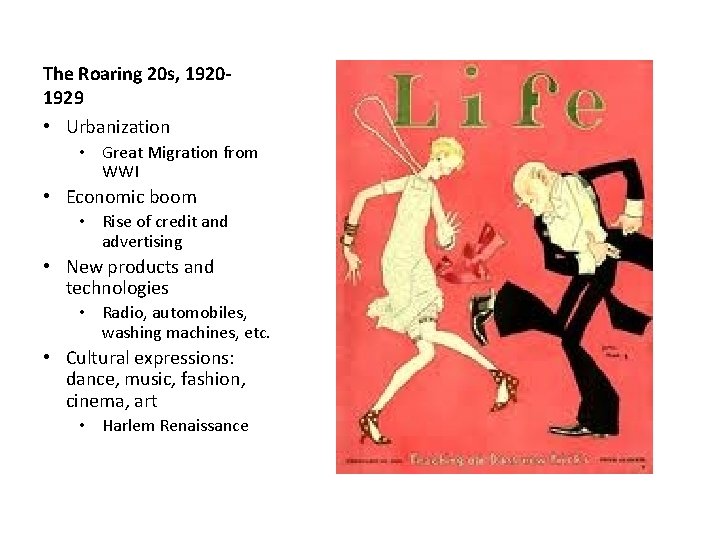
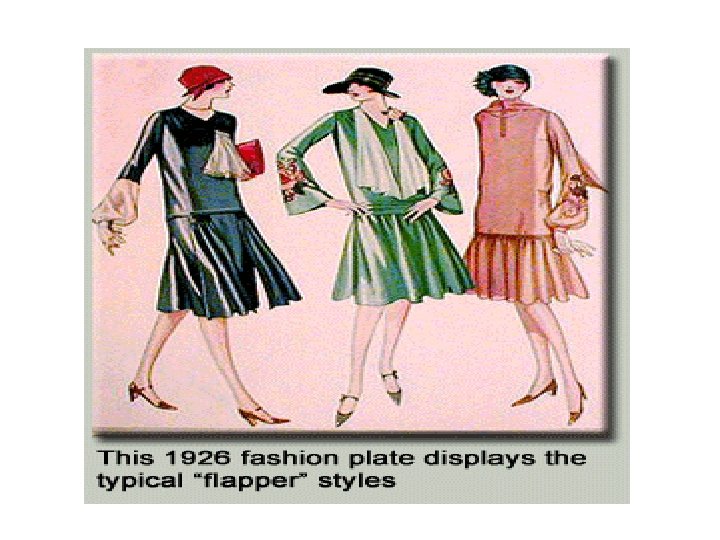
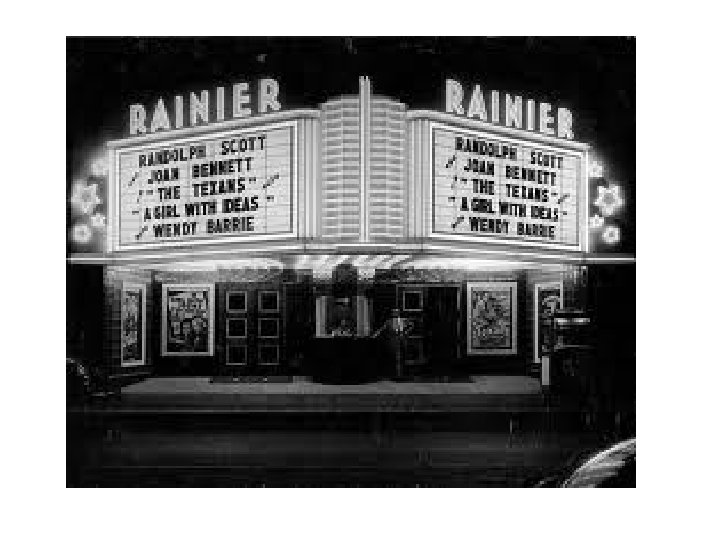
The Roaring 20 s, 19201929 • Urbanization • Great Migration from WWI • Economic boom • Rise of credit and advertising • New products and technologies • Radio, automobiles, washing machines, etc. • Cultural expressions: dance, music, fashion, cinema, art • Harlem Renaissance
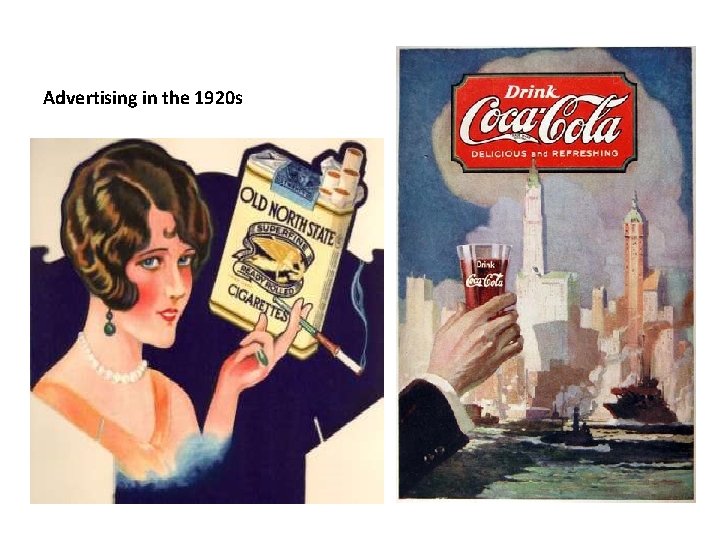
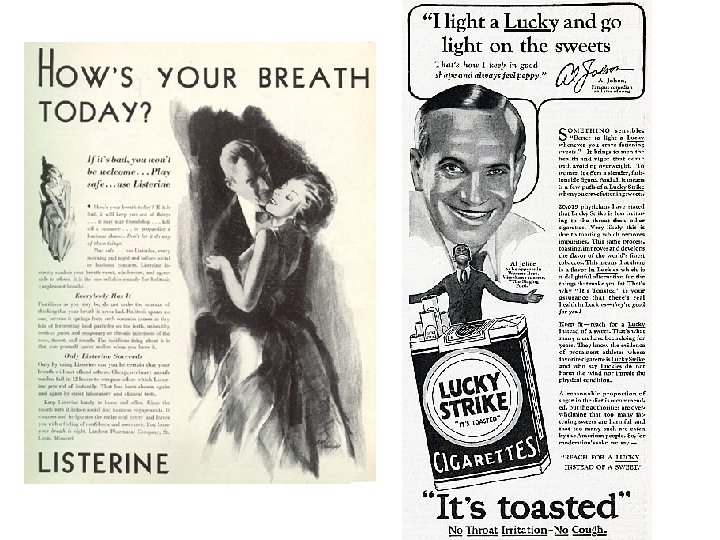
Advertising in the 1920 s
Women and the New Deal, 1933 -1939 • The Wagner Act aka (The National Labor Relations Act) - reaffirmed the right of workers to bargain collectively. • The WPA (Works Progress Administration) created in 1935 – cultural component to New Deal. • Social Security Act of 1935 – created a system of “old age” insurance, unemployment benefits, money for the disabled, widowed women with dependent children.
The Fair Employment Practices Commission (F. E. P. C. ), 1941 • Passed by Executive Order 8802, the FEPC bans racial and gender discrimination in wartime industries. • Considered a second “Emancipation Proclamation” in the African American community. • In practice: without federal oversight, discrimination still exists, but many women and minorities are successful in obtaining and maintaining employment during WWII.
• https: //www. youtube. com/watch? v=3 cf. HOr. FKKc. M (sexist us dept. of education film on women workers)