
Ch 6 American Revolutions 1775 1783 Patriots need
- Slides: 32
Ch. 6: American Revolutions, 1775– 1783 § Patriots need to transform earlier resistance into coalition for independence § Need: § To generate enough popular support to endure long conflict § Foreign allies, esp. France § A military strategy to defeat British
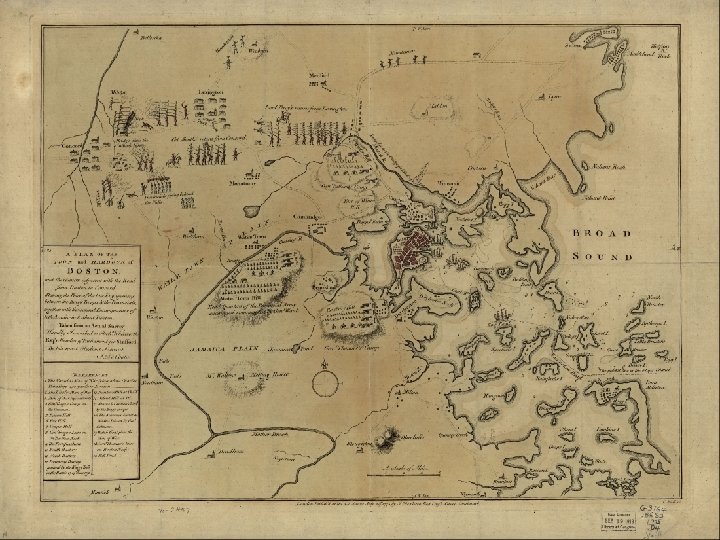
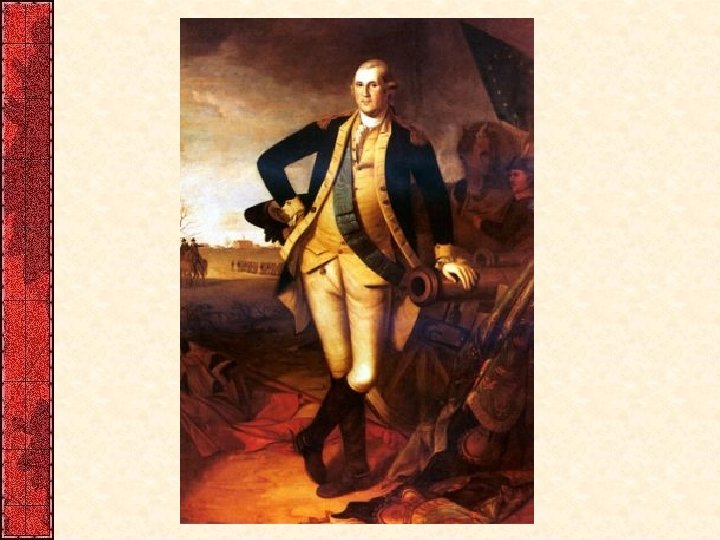
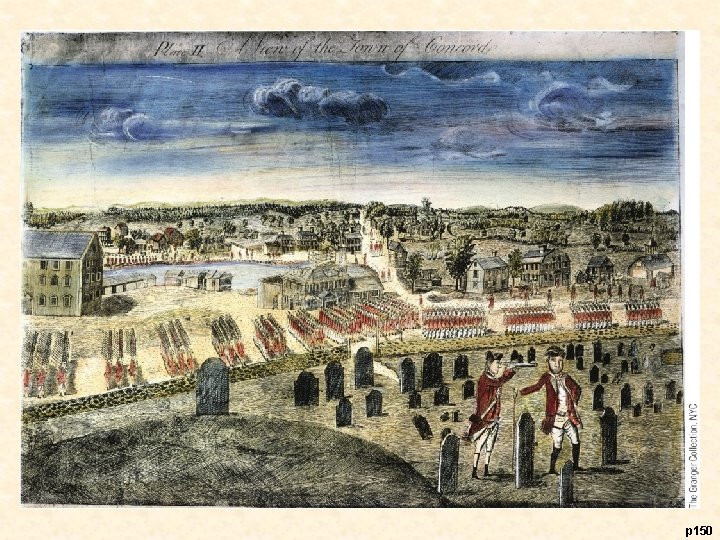
I. Toward War Battles of Lexington and Concord §Assuming patriots would be easily defeated, British try to seize military supplies in Concord, MA (April 1775) / Arrest J. Hancock & S. Adams §After dispersing Lexington’s militia, British face significant armed opposition in Concord §Forced to retreat to Boston The Siege of Boston §Open warfare starts §Patriots encircle Boston
I. Toward War (cont'd. ) First Year of War § British strategy: § 1) create large professional army to defeat patriots quickly § 2) capture major cities and win key battles § 3) once defeated, colonies would be loyal § British not realize this a different war § First modern war of national liberation
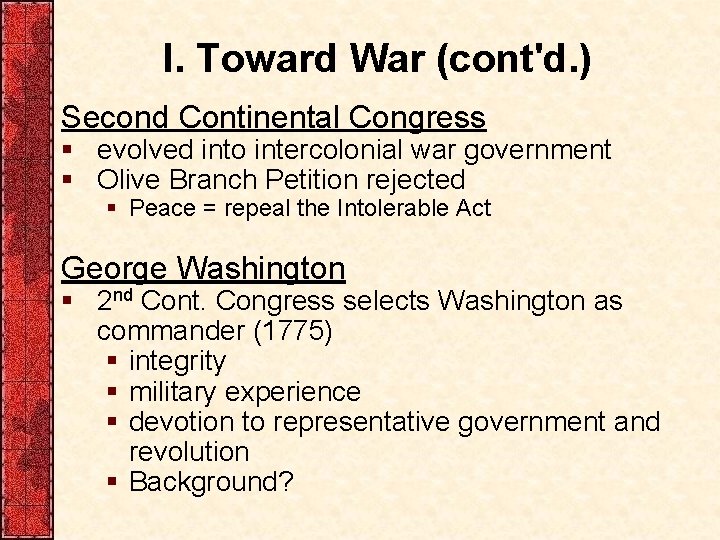
I. Toward War (cont'd. ) Second Continental Congress § evolved into intercolonial war government § Olive Branch Petition rejected § Peace = repeal the Intolerable Act George Washington § 2 nd Cont. Congress selects Washington as commander (1775) § integrity § military experience § devotion to representative government and revolution § Background?
p 150
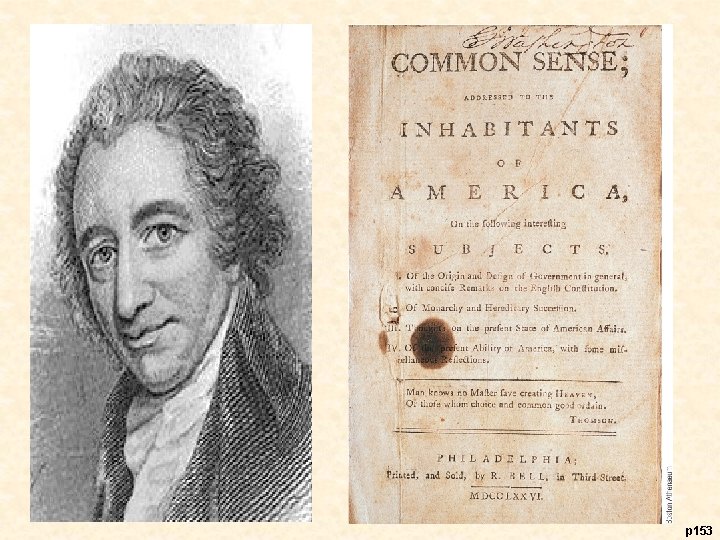
II. Forging an Independent Republic Common Sense Paine’s Common Sense (1776) generate support for overt independence § advocate republic without king or nobility § stress English exploitation § widely distributed/discussed because reflect oral culture of majority (everyday language, Bible)
p 153
II. Forging an Independent Republic (cont’d. ) Jefferson & the Declaration of Independence § Jefferson = main author of Declaration § See George III as tyrant out to destroy representative government § Establish basic political ideals: § all men created equal with key rights § government by consent § right of revolution Colonies to States Congress encourage states to draft constitutions = move to formal separation
II. Forging an Independent Republic (cont’d. ) Colonies to States (cont’d. ) §Develop documents: specifying structure, use special conventions, electorate ratification Limiting State Governments §Fear of tyranny shape new state structures §Restrict governors; strengthen legislatures §Lower property qualification for voting §Enumerate rights with independent judiciary
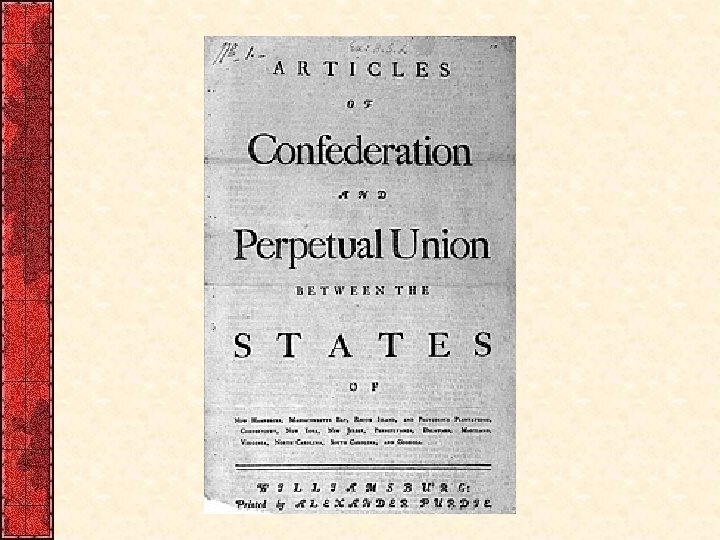
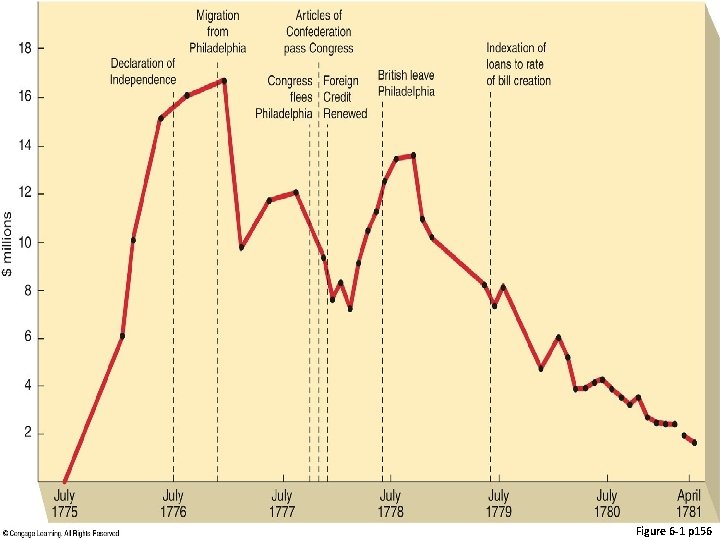
II. Forging an Independent Republic (cont’d. ) Articles of Confederation §A unicameral legislature §Each state has 1 vote regardless of population § 9/13 majority required to pass legislation § 13/13 to amend Funding a Revolution §Congress borrows at home and abroad §Decline of the “Continental”
Figure 6 -1 p 156
III. Choosing Sides Patriots § 2/5 of Euro-Americans active revolutionaries: Farmers, dominant Protestant sects, Chesapeak gentry and merchants Loyalists §Loyalists = 20% of European Americans §Dislike British policy since mid-1760 s, but reject separation §Fear violence, prefer constitutional reform
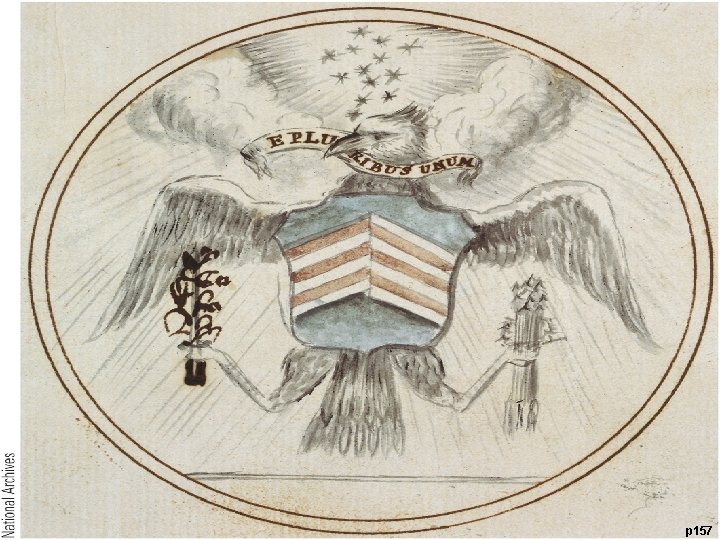
p 157
III. Choosing Sides (cont'd. ) Neutrals § 40% neutral; either opportunistic or want to be left alone, esp. on frontier §Revolutionaries punish loyalists and neutrals Native Americans §Ignoring 1763 Proclamation, frontier settlers very anti-Native American §Most remain neutral, some become hesitant British allies; a few tribes support patriots
III. Choosing Sides (cont'd. ) African Americans §For slaves, key issue = freedom; most decide British offer best chance of release §More than 10, 000 runaways join British
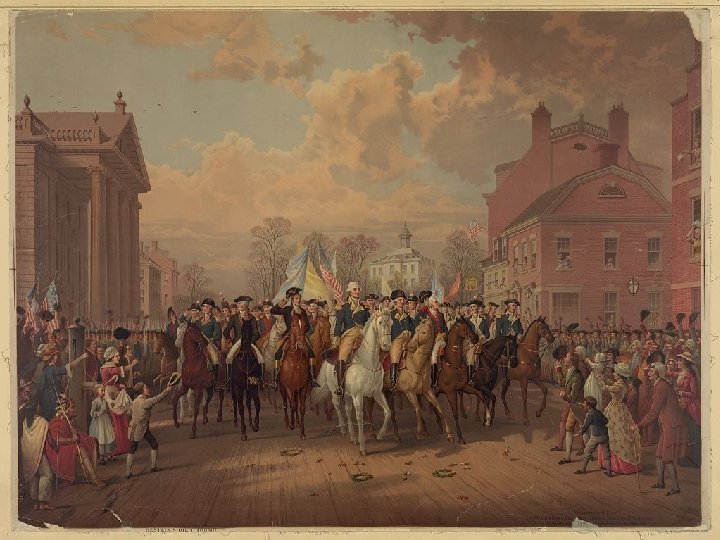
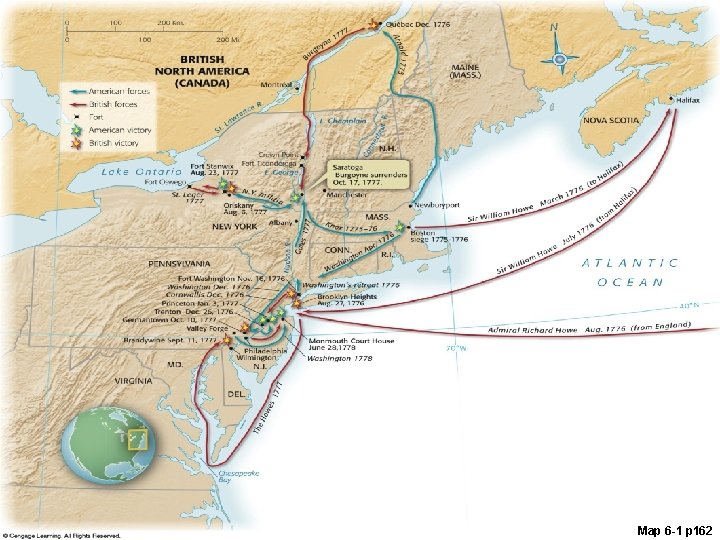
IV. The Struggle in the North § British abandon Boston (1776) New York and New Jersey § § defeat Washington in Manhattan Washington retreat through NJ British brutalities alienate many Washington’s attacks at Trenton and Princeton rally patriot support Campaign of 1777 § British generals (Howe, Burgoyne) not coordinate 1777 campaigns § Move slowly = give rebels time to prepare
Map 6 -1 p 162
IV. The Struggle in the North (cont'd. ) Campaign of 1777 (cont’d. ) §Howe focus on Philadelphia, but victory there not big help to British Iroquios Confederacy Splinters §Iroquois divide (1777); some ally with British §Result = defeat and displacement
IV. The Struggle in the North (cont'd. ) Burgoyne’s Surrender §Burgoyne defeated at Saratoga (NY) §After Saratoga, France shift from covert to open support for revolution Franco-American Alliance of 1778 §In 2 treaties (1778), France recognize and ally with new nation §Now a global war: § British face expanded conflict § French supplies and military support crucial
V. Battlefield and Home Front Militia Units § Early shift from militia to Continental Army § § § Most enlistees = young, single, landless Sign up for bonuses and land Middle states recruit many immigrants 5, 000 blacks (slave and free) join Women provide key support
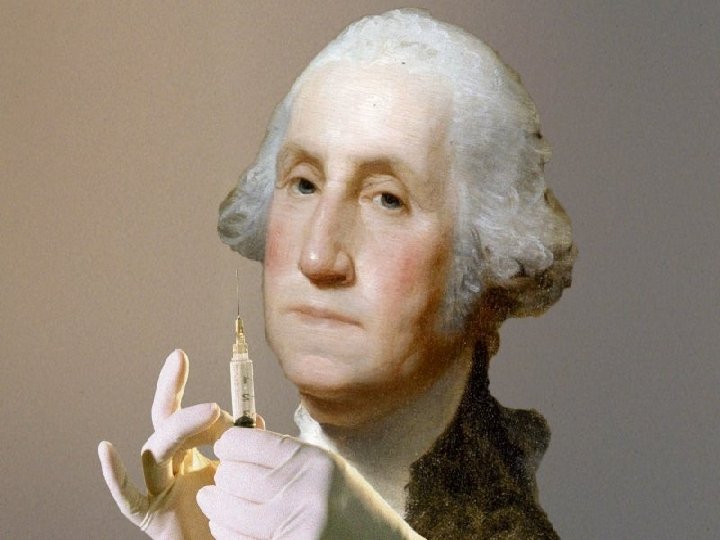
V. Battlefield and Home Front(cont'd. ) Hardship and Disease § Army life difficult: § low wages § poor clothing/food § disease (smallpox) § Desertion a problem § Inoculations and foreign-born recruits help § Those captured by British suffer terribly
VI. The War Moves South Carolina and the Caribbean § § § § Success in Caribbean and GA (1778 -79) Take Charleston (1780) On surface British dominate SC But not control interior French threaten naval supply links, Caribbean Tens of 1, 000 s slaves escape Disrupt southern economy
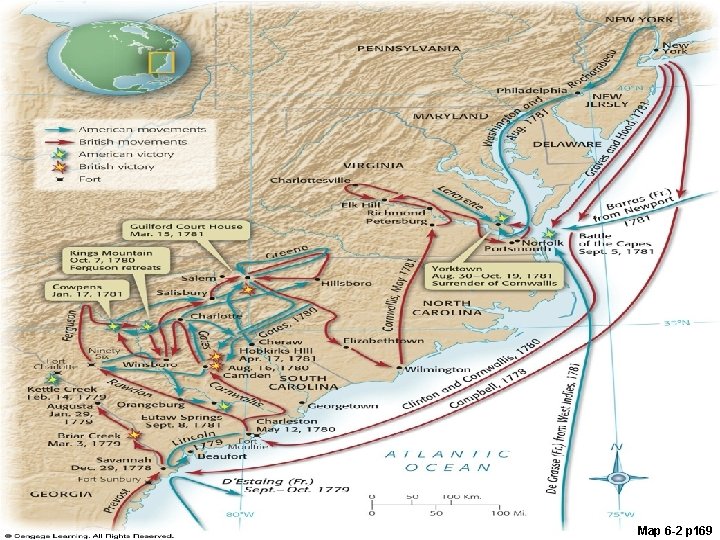
VI. The War Moves South (cont'd. ) General Green and the Southern Campaign § conciliate loyalists and neutrals § reestablish civilian authority § keep most Indians neutral (key for backcountry militias) § Tide turns post-1780 as British lose south Surrender at Yorktown § Washington trapped Cornwallis at Yorktown with help of French fleet (1781); § resign = precedent of civilian control of military
Map 6 -2 p 169
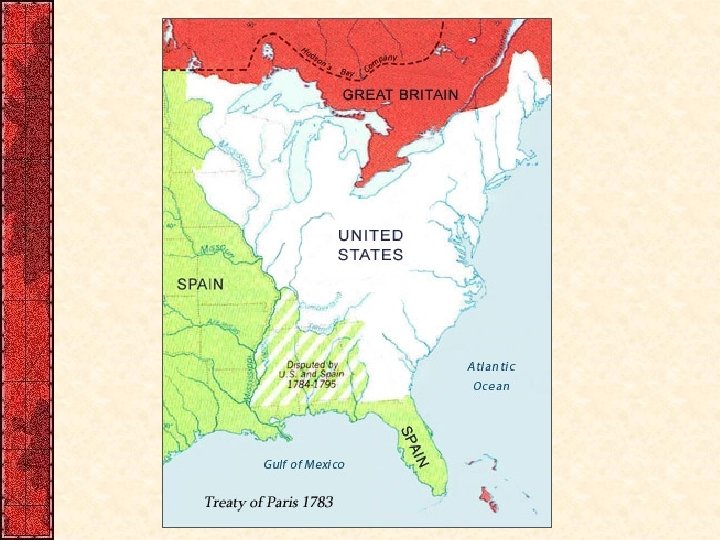
VII. Uncertain Victories Treaty of Paris §American diplomats deftly negotiate Paris Treaty §Generous boundaries for new USA §Persistence key to victory §Colonists (esp. in military) form new U. S. identity §Independence costly in lives and material: -25, 000 dead -economy shattered / lots of debt