
Ch 5 Viral Structure and Life Cycles SLOs






- Slides: 31
Ch 5 Viral Structure and Life Cycles
SLOs • • • • Explain what it means when viruses are described as filterable. Identify better terms for viruses than alive or dead. Discuss the size of viruses relative to other microorganisms. Describe the function and structure(s) of viral capsids. Distinguish between enveloped and naked viruses. Explain the importance of viral surface proteins, or spikes. Diagram the possible configurations that nucleic acid viruses may possess. Diagram the different steps in the cycle of animal viruses. Discuss both persistent and transforming infections. Provide thorough descriptions of both lysogenic and lytic bacteriophage infections. List three principal purposes of cultivating viruses. Describe three ways in which viruses are cultivated. Name and summarize two noncellular infectious agents besides viruses.
Viruses as part of the Biological Spectrum • Infect every cell type (phages vs. animal viruses) • Pasteur: “living things” smaller than bacteria are causing diseases “Filterable units” • Virus = Latin for poison • Obligatory intracellular parasites using host cell machinery • Dead or alive? • Better terms: __________ • Kill or live in harmony within the host cell. Outside of cell: Viruses are inert.
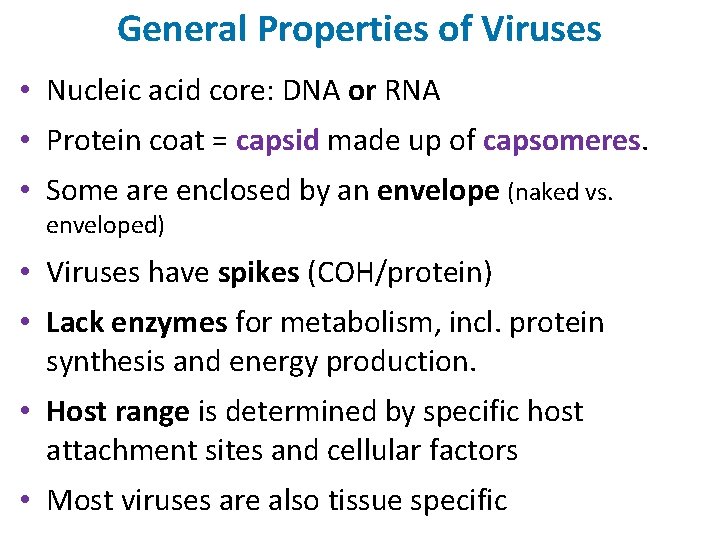
General Properties of Viruses • Nucleic acid core: DNA or RNA • Protein coat = capsid made up of capsomeres. • Some are enclosed by an envelope (naked vs. enveloped) • Viruses have spikes (COH/protein) • Lack enzymes for metabolism, incl. protein synthesis and energy production. • Host range is determined by specific host attachment sites and cellular factors • Most viruses are also tissue specific
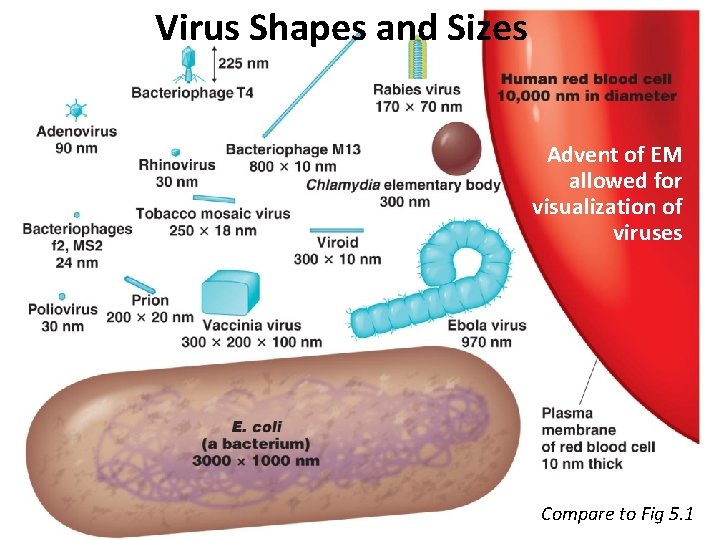
Virus Shapes and Sizes Advent of EM allowed for visualization of viruses Compare to Fig 5. 1
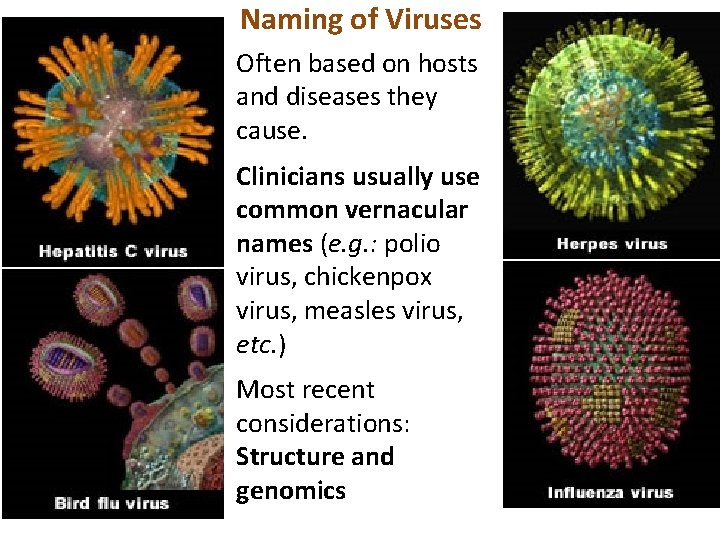
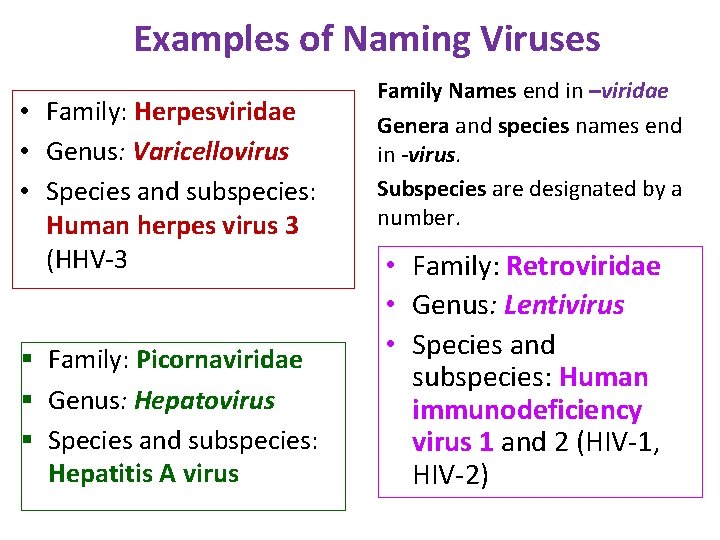
Naming of Viruses Often based on hosts and diseases they cause. Clinicians usually use common vernacular names (e. g. : polio virus, chickenpox virus, measles virus, etc. ) Most recent considerations: Structure and genomics
Examples of Naming Viruses • Family: Herpesviridae • Genus: Varicellovirus • Species and subspecies: Human herpes virus 3 (HHV-3 § Family: Picornaviridae § Genus: Hepatovirus § Species and subspecies: Hepatitis A virus Family Names end in –viridae Genera and species names end in -virus. Subspecies are designated by a number. • Family: Retroviridae • Genus: Lentivirus • Species and subspecies: Human immunodeficiency virus 1 and 2 (HIV-1, HIV-2)
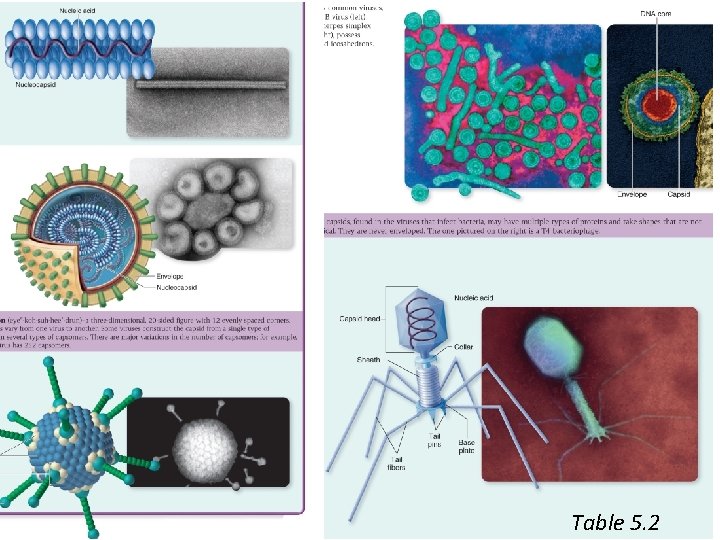
Virion Structure • Capsid – Capsomeres – Helical, icosahedral, or complex • Nucleic acid – DNA or RNA • Envelope • Spikes (on envolpes)
Fig 5. 3
Table 5. 2
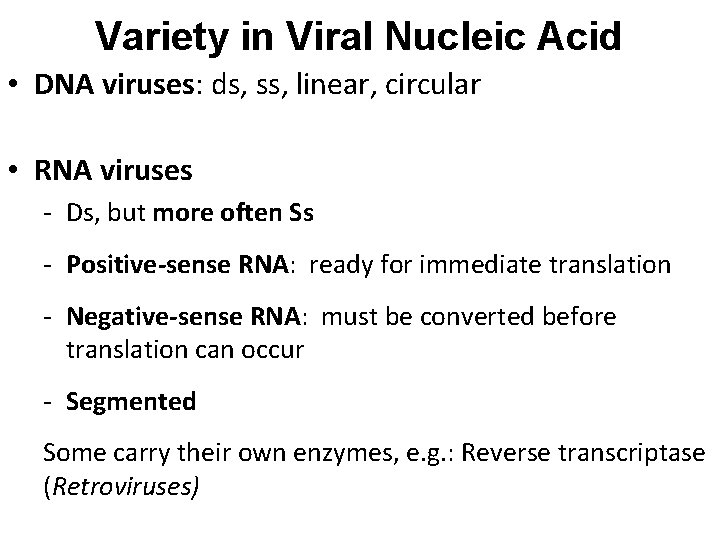
Variety in Viral Nucleic Acid • DNA viruses: ds, ss, linear, circular • RNA viruses - Ds, but more often Ss - Positive-sense RNA: ready for immediate translation - Negative-sense RNA: must be converted before translation can occur - Segmented Some carry their own enzymes, e. g. : Reverse transcriptase (Retroviruses)
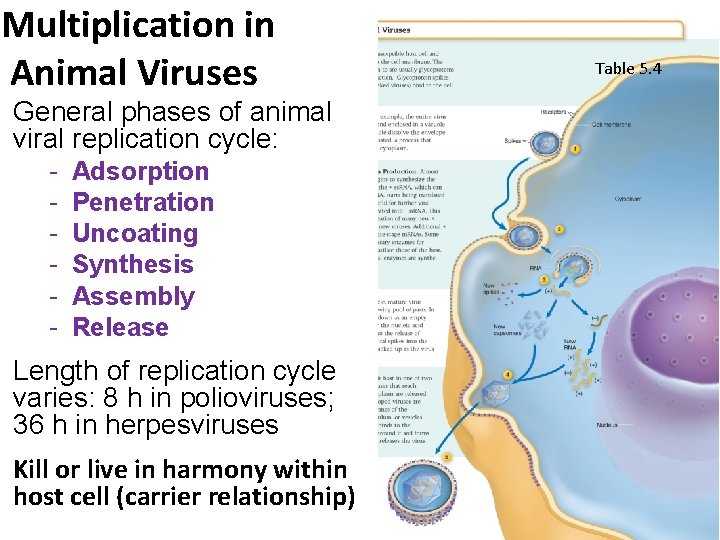
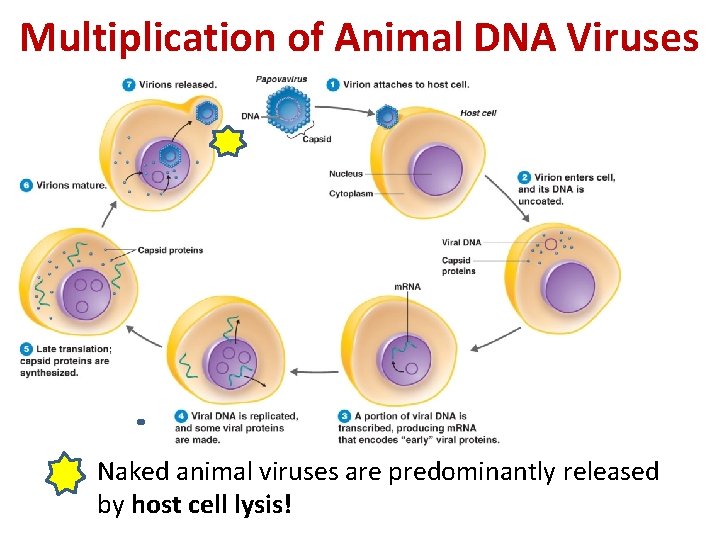
Multiplication in Animal Viruses General phases of animal viral replication cycle: - Adsorption Penetration Uncoating Synthesis Assembly Release Length of replication cycle varies: 8 h in polioviruses; 36 h in herpesviruses Kill or live in harmony within host cell (carrier relationship) Table 5. 4
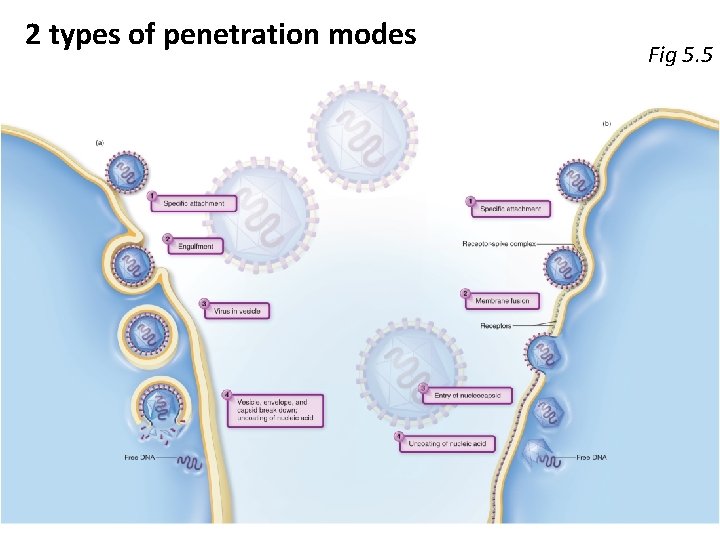
2 types of penetration modes Fig 5. 5
Multiplication of Animal DNA Viruses Naked animal viruses are predominantly released by host cell lysis!
Multiplication of a Retrovirus
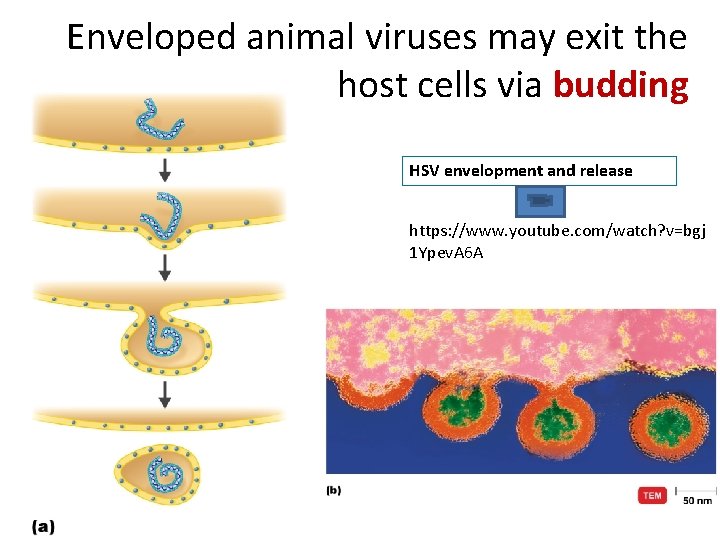
Enveloped animal viruses may exit the host cells via budding HSV envelopment and release https: //www. youtube. com/watch? v=bgj 1 Ypev. A 6 A
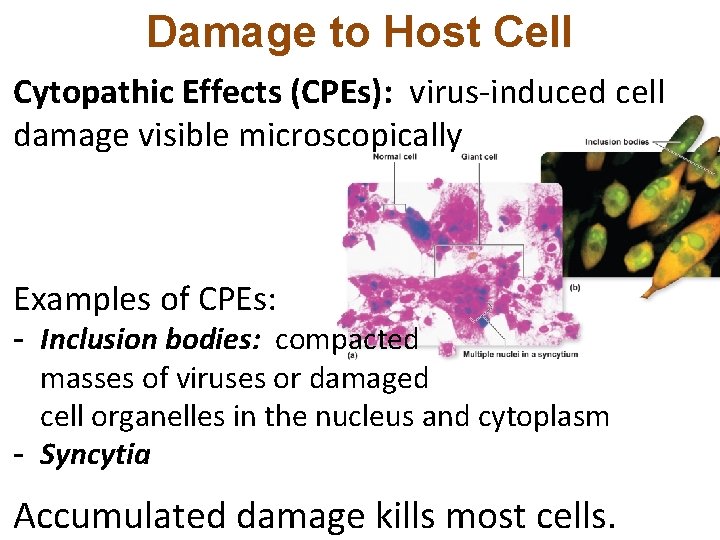
Damage to Host Cell Cytopathic Effects (CPEs): virus-induced cell damage visible microscopically Examples of CPEs: - Inclusion bodies: compacted masses of viruses or damaged cell organelles in the nucleus and cytoplasm - Syncytia Accumulated damage kills most cells.
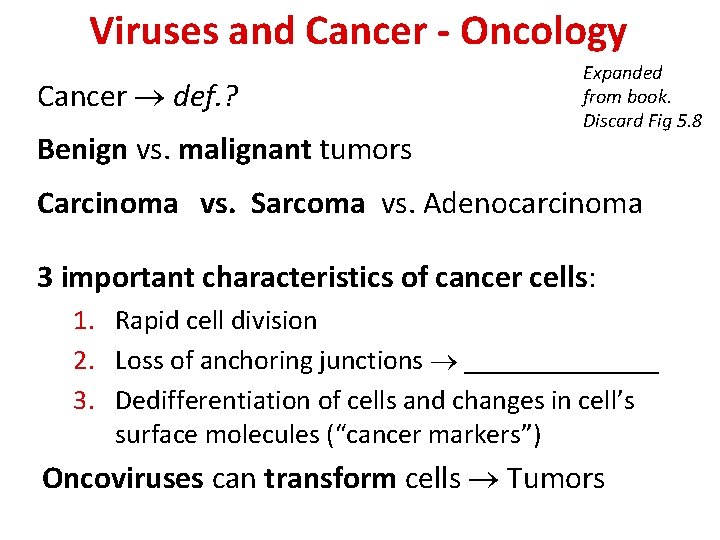
Viruses and Cancer - Oncology Cancer def. ? Benign vs. malignant tumors Expanded from book. Discard Fig 5. 8 Carcinoma vs. Sarcoma vs. Adenocarcinoma 3 important characteristics of cancer cells: 1. Rapid cell division 2. Loss of anchoring junctions _______ 3. Dedifferentiation of cells and changes in cell’s surface molecules (“cancer markers”) Oncoviruses can transform cells Tumors
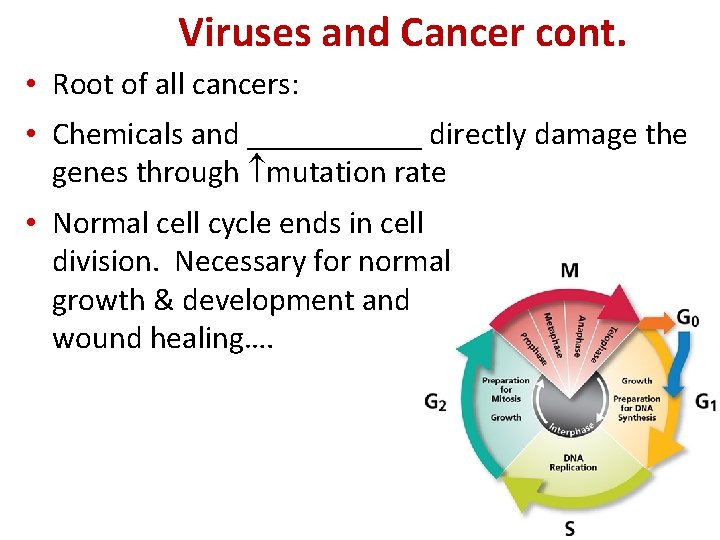
Viruses and Cancer cont. • Root of all cancers: • Chemicals and ______ directly damage the genes through mutation rate • Normal cell cycle ends in cell division. Necessary for normal growth & development and wound healing….
Viruses and Cancer cont. Normal cell cycle regulator genes: 1. Proto-oncogenes 2. Tumor suppressor genes Genetic material of oncogenic viruses becomes integrated into the host cell’s DNA _____ virus. Oncogenic Viruses are responsible for 20% of human cancers
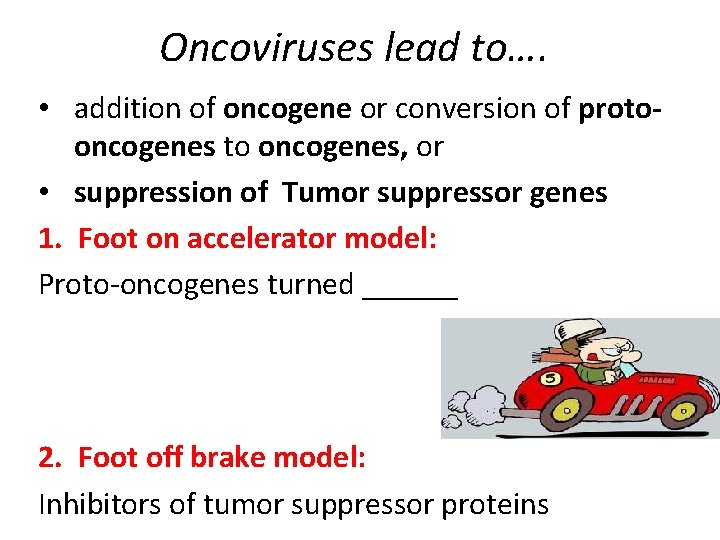
Oncoviruses lead to…. • addition of oncogene or conversion of protooncogenes to oncogenes, or • suppression of Tumor suppressor genes 1. Foot on accelerator model: Proto-oncogenes turned ______ 2. Foot off brake model: Inhibitors of tumor suppressor proteins
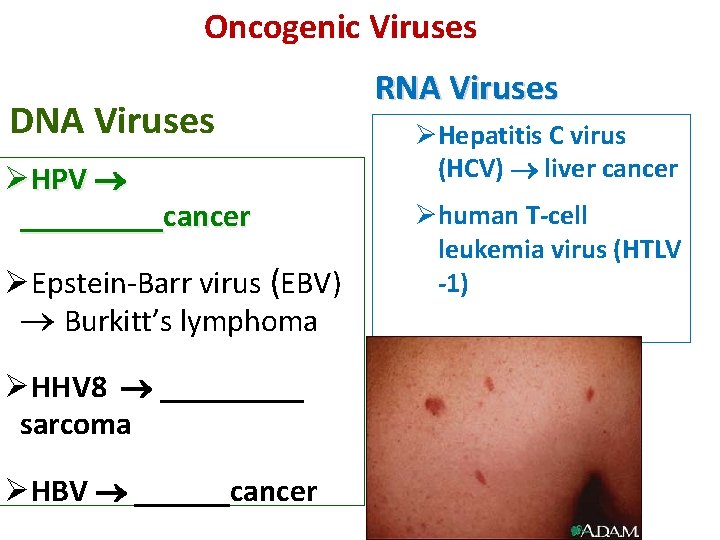
Oncogenic Viruses DNA Viruses ØHPV _____cancer ØEpstein-Barr virus (EBV) Burkitt’s lymphoma ØHHV 8 _____ sarcoma ØHBV ______cancer RNA Viruses ØHepatitis C virus (HCV) liver cancer Øhuman T-cell leukemia virus (HTLV -1)
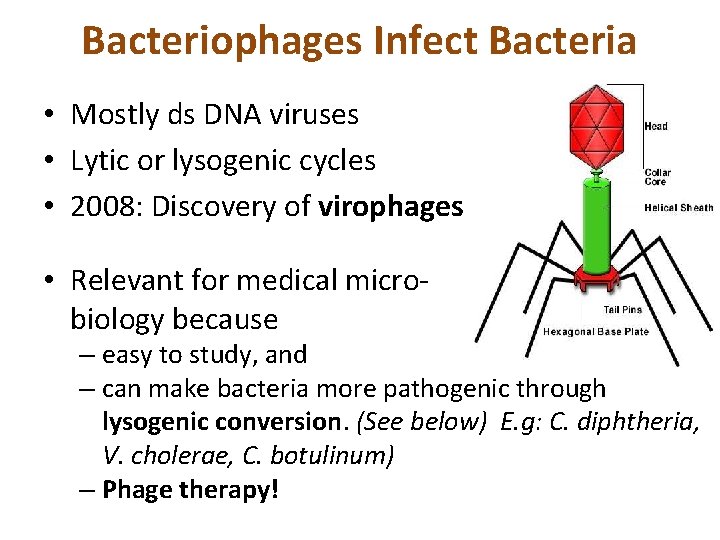
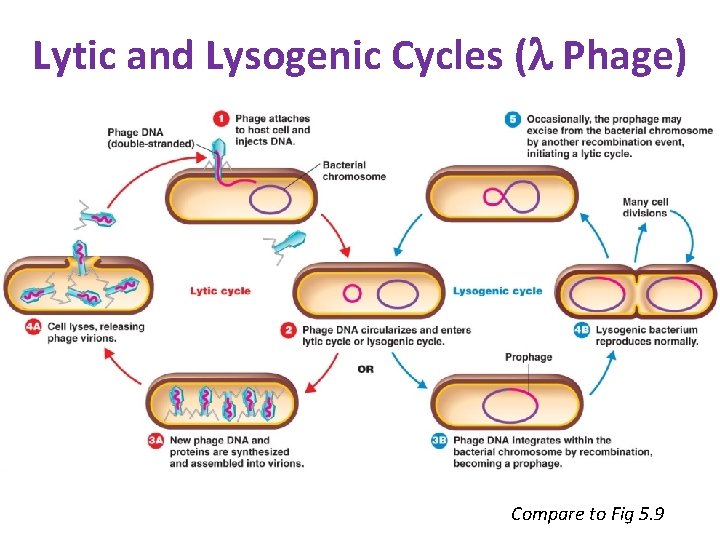
Bacteriophages Infect Bacteria • Mostly ds DNA viruses • Lytic or lysogenic cycles • 2008: Discovery of virophages • Relevant for medical microbiology because – easy to study, and – can make bacteria more pathogenic through lysogenic conversion. (See below) E. g: C. diphtheria, V. cholerae, C. botulinum) – Phage therapy!
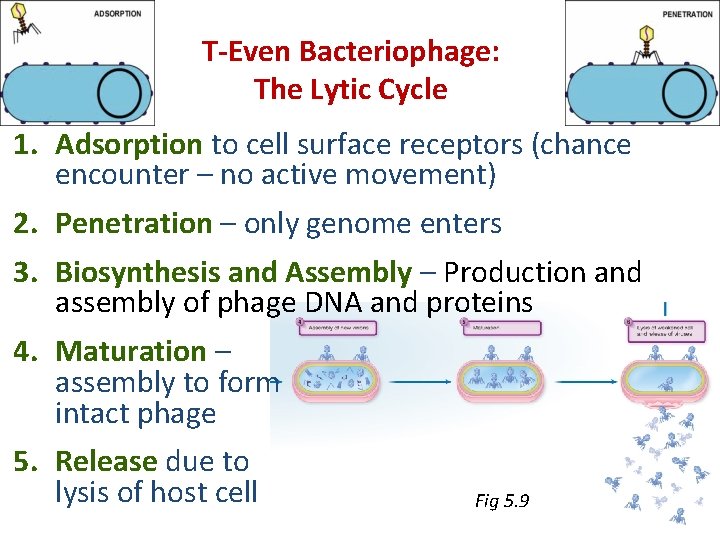
T-Even Bacteriophage: The Lytic Cycle 1. Adsorption to cell surface receptors (chance encounter – no active movement) 2. Penetration – only genome enters 3. Biosynthesis and Assembly – Production and assembly of phage DNA and proteins 4. Maturation – assembly to form intact phage 5. Release due to lysis of host cell Fig 5. 9
2 Mechanisms of Bacteriophage Multiplication • Lytic cycle (by lytic or virulent phages) Phage multiplies, eventually causing lysis and death of host cell • Lysogenic cycle or Lysogeny (by lysogenic or temperate phages) Phage DNA incorporated in host DNA Prophage. No host cell lysis, cell lives. Allows virus to spread without killing host. Induction: Activation of lysogenic prophage to go into lytic cycle
Lytic and Lysogenic Cycles ( Phage) Compare to Fig 5. 9
Cultivation and Identification of Animal Viruses • Viruses are obligate ……………. • Culture methods: - In vivo: lab animals and embryonic bird tissues - In vitro: cell or tissue culture methods • Primary purposes of viral cultivation: - Isolate and identify viruses in clinical specimens. - Prepare viruses for vaccines. - Research
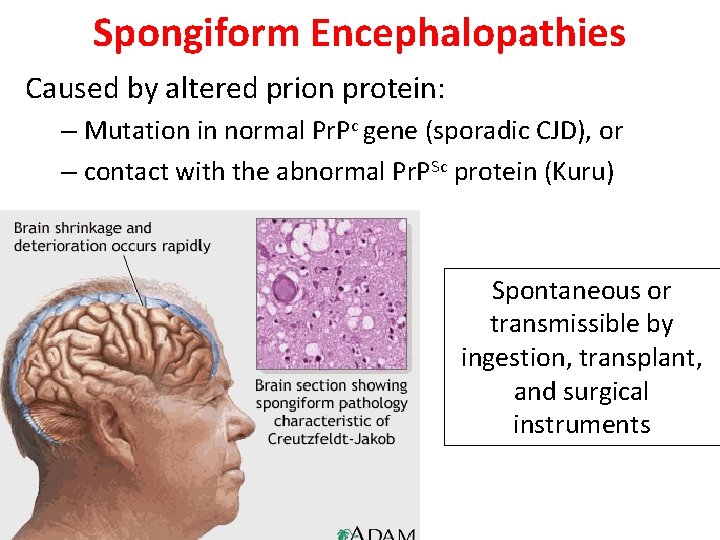
Other Noncellular Infectious Agents • Prions: Infectious Proteins • Cause chronic persistent spongiform encephalopathies • Long latency, progressive and universally fatal • Human and 9 animal diseases, such as: – CJD – Kuru – Scrapie – Mad cow disease = _________ • Pr. PC: Normal cellular prion protein, on cell surface. Involved in cell death regulation. • Pr. PSc: Scrapie protein; accumulates in brain cells, forming plaques.
Spongiform Encephalopathies Caused by altered prion protein: – Mutation in normal Pr. Pc gene (sporadic CJD), or – contact with the abnormal Pr. PSc protein (Kuru) Spontaneous or transmissible by ingestion, transplant, and surgical instruments
Satellite Viruses • Dependent on other viruses for replication • Adeno-associated virus (AAV): - Originally thought to only replicate in cells infected with adenovirus • Delta agent: - Naked circle of RNA - Expressed only in presence HBV - Worsens severity of liver damage
Case File: The Domino Effect Inside the Clinic: Shingles Who will present? The End