
Ch 40 Introduction to Animal Structure and Function
- Slides: 51
Ch. 40: Introduction to Animal Structure and Function Overview • Functional anatomy – Types of tissues • • Epithelial Connective Nervous Muscle • Introduction to Homeostasis – Positive and negative feedback loops • Introduction to Bioenergetics & Thermoregulation
Functional anatomy • Anatomy: study of the structure of an organism • Physiology: study of the functions of an organism • Function relates to form (structure) – Natural selection best form available to fit function – Tissues: groups of cells with common structure & function • Present in all animals except sponges
Tissues 1) Epithelial – Tightly packed – Covers outside of body, lines organs – Roles: • barrier to injury, microbes, heat loss • Some secrete, absorb – May be ciliated
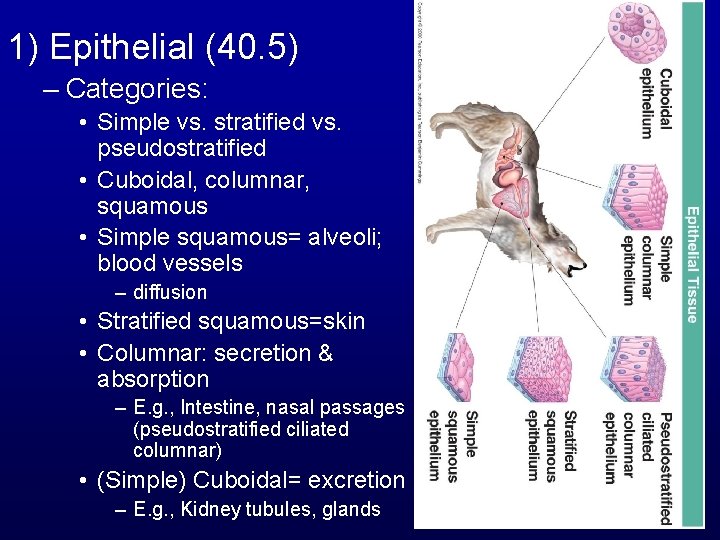
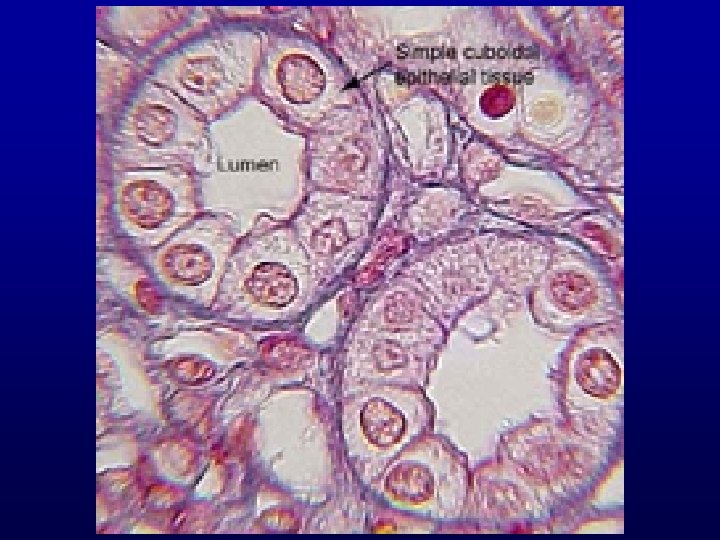
1) Epithelial (40. 5) – Categories: • Simple vs. stratified vs. pseudostratified • Cuboidal, columnar, squamous • Simple squamous= alveoli; blood vessels – diffusion • Stratified squamous=skin • Columnar: secretion & absorption – E. g. , Intestine, nasal passages (pseudostratified ciliated columnar) • (Simple) Cuboidal= excretion – E. g. , Kidney tubules, glands
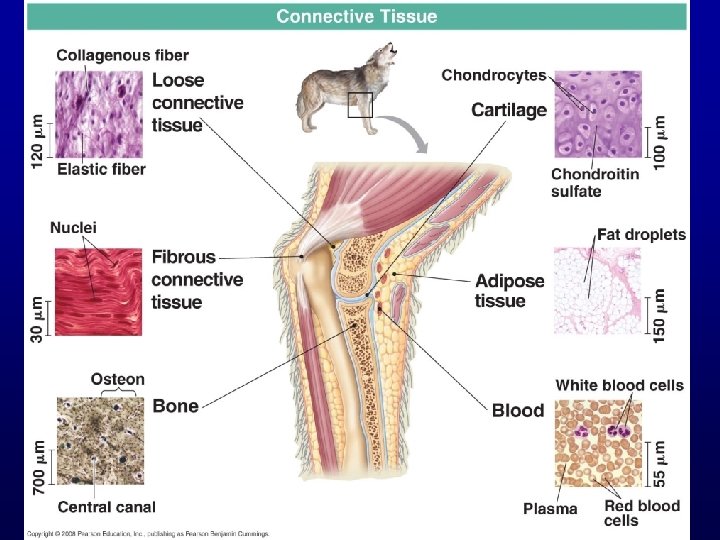
Tissues 2) Connective (40. 2) – E. g. , bone, blood, cartilage, adipose • Role: Bind and support other tissues • Cells distributed in extracellular matrix – Connective (matrix) fiber types: • Collagenous fibers= bundles of collagen molecules – Great tensile strength – Resists stretching • Reticular fibers= thin threads of collagen – Attach connective tissues to adjacent tissues • Elastic fibers= threads of elastin – Tissue quickly returns to original shape
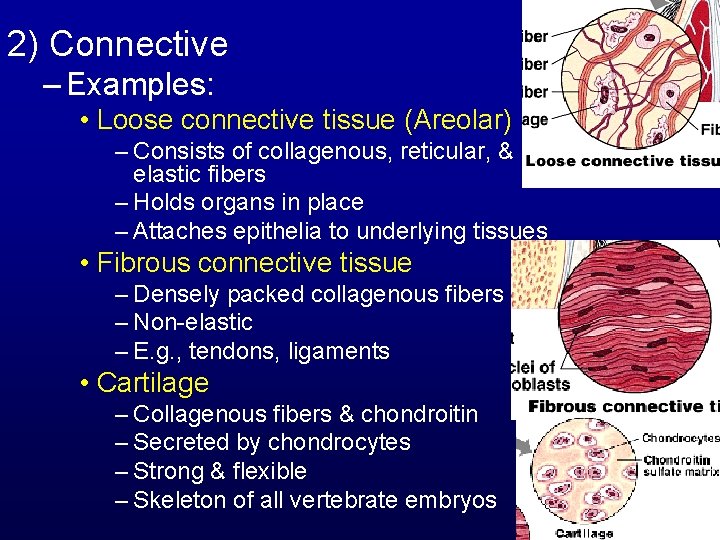
2) Connective – Examples: • Loose connective tissue (Areolar) – Consists of collagenous, reticular, & elastic fibers – Holds organs in place – Attaches epithelia to underlying tissues • Fibrous connective tissue – Densely packed collagenous fibers – Non-elastic – E. g. , tendons, ligaments • Cartilage – Collagenous fibers & chondroitin – Secreted by chondrocytes – Strong & flexible – Skeleton of all vertebrate embryos
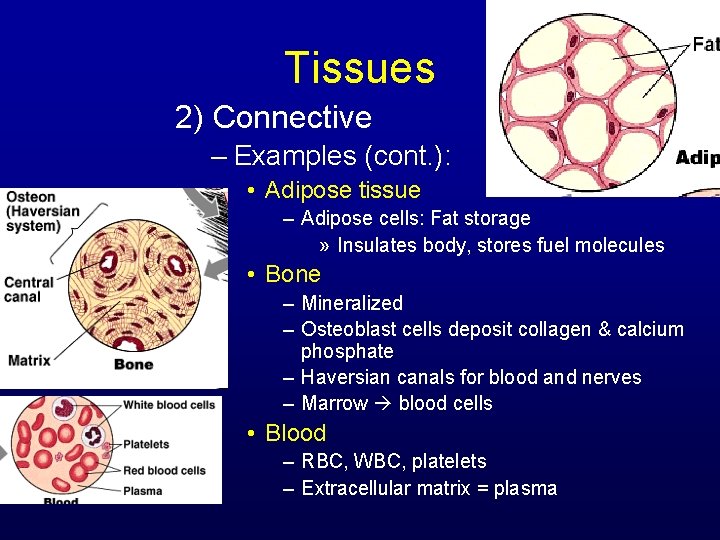
Tissues 2) Connective – Examples (cont. ): • Adipose tissue – Adipose cells: Fat storage » Insulates body, stores fuel molecules • Bone – Mineralized – Osteoblast cells deposit collagen & calcium phosphate – Haversian canals for blood and nerves – Marrow blood cells • Blood – RBC, WBC, platelets – Extracellular matrix = plasma
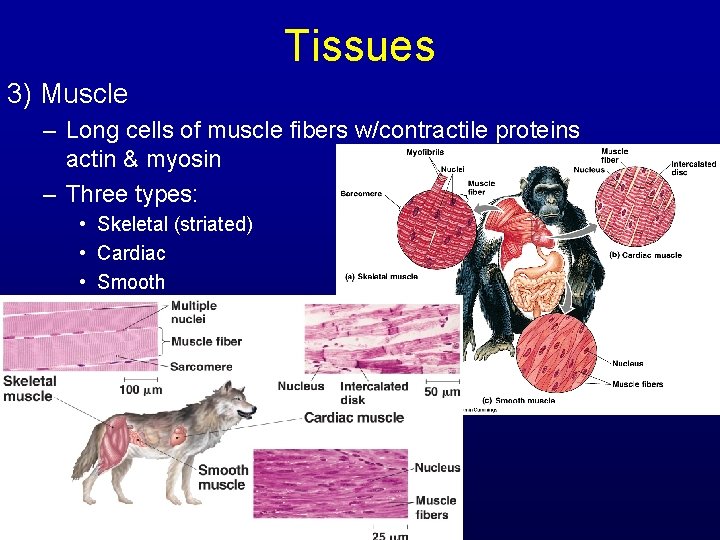
Tissues 3) Muscle – Long cells of muscle fibers w/contractile proteins actin & myosin – Three types: • Skeletal (striated) • Cardiac • Smooth
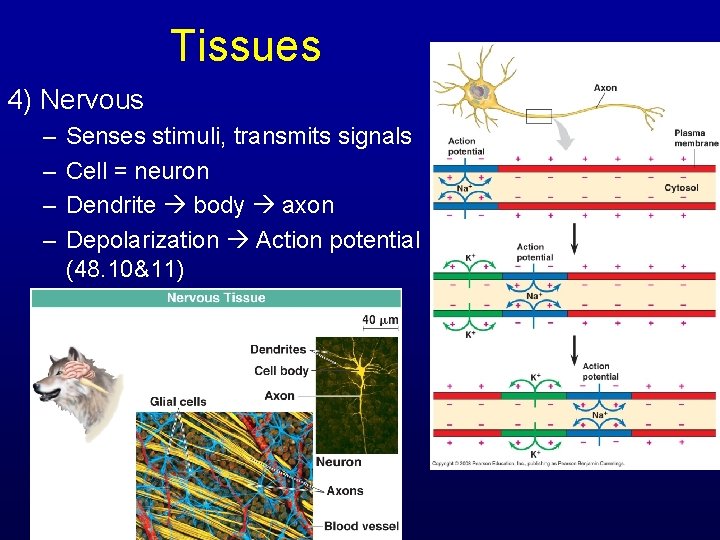
Tissues 4) Nervous – – Senses stimuli, transmits signals Cell = neuron Dendrite body axon Depolarization Action potential (48. 10&11)
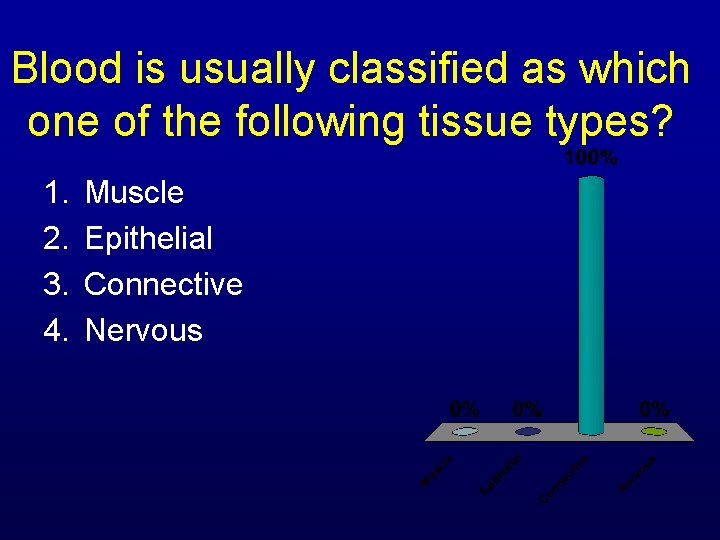
Blood is usually classified as which one of the following tissue types? 1. 2. 3. 4. Muscle Epithelial Connective Nervous
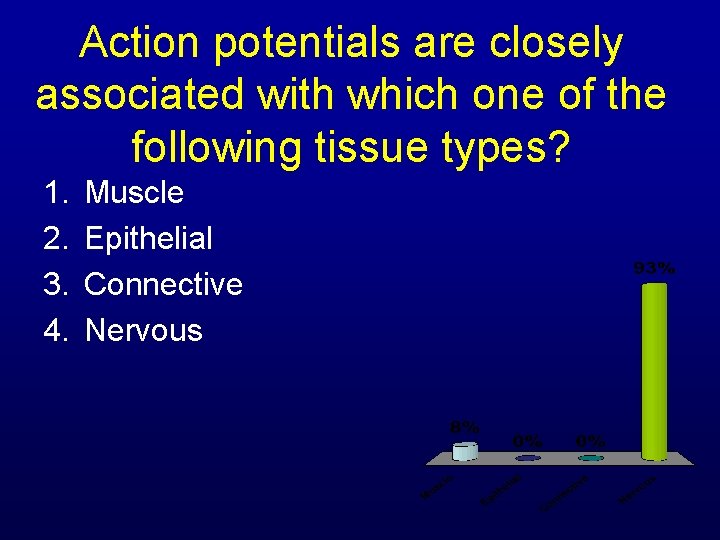
Action potentials are closely associated with which one of the following tissue types? 1. 2. 3. 4. Muscle Epithelial Connective Nervous
Ch. 40: Introduction to Animal Structure and Function Overview • Functional anatomy – Types of tissues • Introduction to Homeostasis – Positive and negative feedback loops • Introduction to Bioenergetics & Thermoregulation • (Ch. 41 Digestive System) – Feedback loops (in Ch. 40 notes) • Blood sugar • Appetite • (Ch. 42 Circulatory & Respiratory Systems)
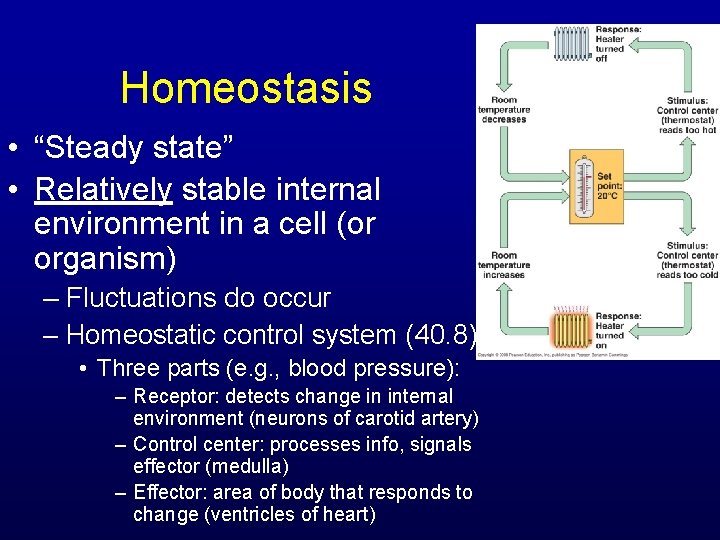
Homeostasis • “Steady state” • Relatively stable internal environment in a cell (or organism) – Fluctuations do occur – Homeostatic control system (40. 8): • Three parts (e. g. , blood pressure): – Receptor: detects change in internal environment (neurons of carotid artery) – Control center: processes info, signals effector (medulla) – Effector: area of body that responds to change (ventricles of heart)
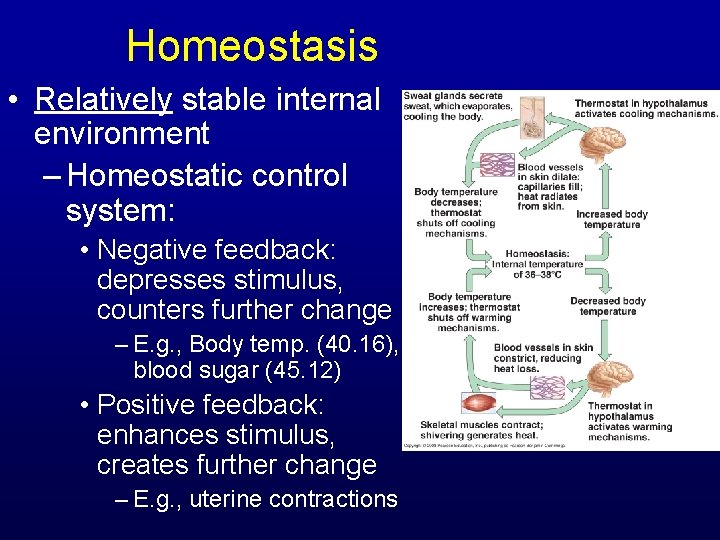
Homeostasis • Relatively stable internal environment – Homeostatic control system: • Negative feedback: depresses stimulus, counters further change – E. g. , Body temp. (40. 16), blood sugar (45. 12) • Positive feedback: enhances stimulus, creates further change – E. g. , uterine contractions
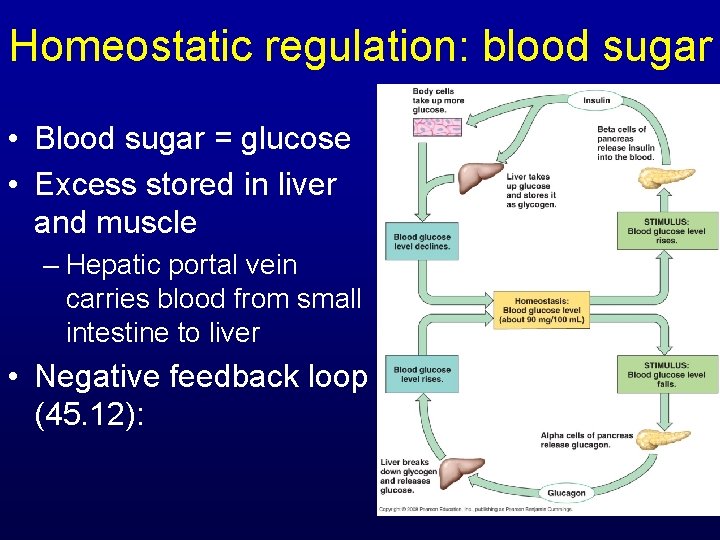
Homeostatic regulation: blood sugar • Blood sugar = glucose • Excess stored in liver and muscle – Hepatic portal vein carries blood from small intestine to liver • Negative feedback loop (45. 12):
Homeostatic regulation: blood sugar • Negative feedback loop: – Blood glucose too high: pancreas secretes insulin (beta cells) • (Hormone: Commun. /coord. between different parts of body) • Insulin liver & muscles store glycogen – cells increase uptake of sugar – glucose level drops – Blood sugar too low: pancreas secretes glucagon (alpha cells) • Glucagon------> glycogen glucose – glucose level rises – High fructose corn syrup: Body does not regulate blood fructose levels
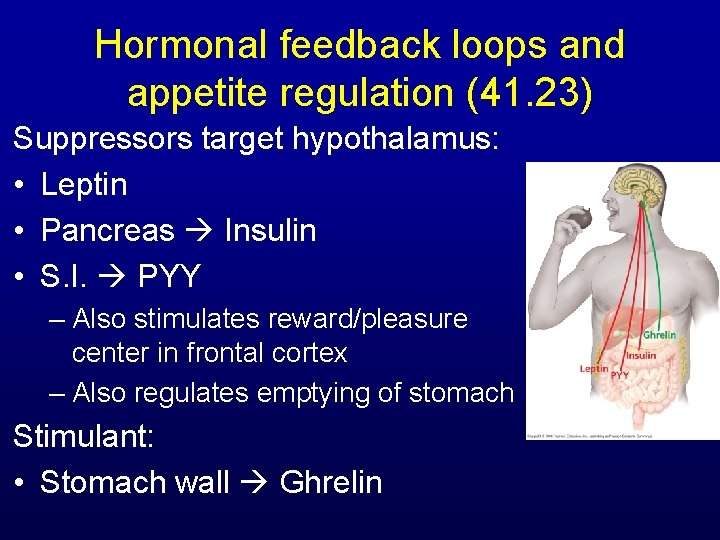
Hormonal feedback loops and appetite regulation (41. 23) Suppressors target hypothalamus: • Leptin • Pancreas Insulin • S. I. PYY – Also stimulates reward/pleasure center in frontal cortex – Also regulates emptying of stomach Stimulant: • Stomach wall Ghrelin
Hormonal feedback loops and appetite regulation (41. 23) Suppressors target hypothalamus: • Leptin • Pancreas Insulin • S. I. PYY – Also stimulates reward/pleasure center in frontal cortex – Also regulates emptying of stomach Stimulant: • Stomach wall Ghrelin
Homeostatic regulation: caloric intake Feedback loop stabilizing body weight: – Adipose cells produce leptin suppresses appetite » HFCS inhibits leptin production! – Increase in adipose increase in leptin levels suppresses appetite & increases burning of fat – Loss of adipose decrease in leptin hunger – Weight ~stabilizes
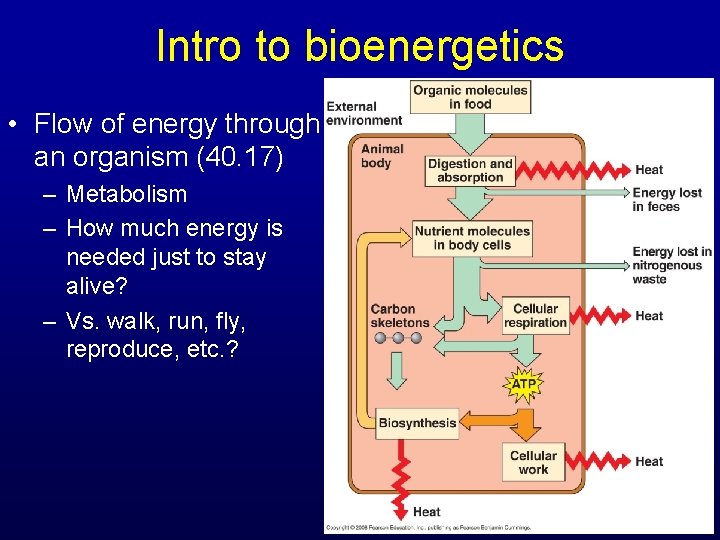
Intro to bioenergetics • Flow of energy through an organism (40. 17) – Metabolism – How much energy is needed just to stay alive? – Vs. walk, run, fly, reproduce, etc. ?
Bioenergetics • Metabolic rate = Amount of energy used per unit time – Rate relates to thermoregulation – Endotherms > ectotherms – Endothermy: • Metabolism produces body heat – Energetically costly – Benefit: intense, long-duration activity over wide range of temps
Bioenergetics • Metabolic rate relates to body size – A mouse consumes same/more/fewer calories per gram than an elephant? – Inverse relationship • E. g. , Mouse consumes 20 x more calories/g than elephant – Smaller =: • • More calories per gram body weight Higher respiration rate Higher blood volume (relative to size) Higher heart rate (up to 1000+ beats/minute)
Bioenergetics • Basal metabolic rate (BMR) – Endotherm’s rate at rest w/no digestion, no stress • Humans: female = 1300 to 1500 kcal/day; male = 1600 to 1800 – = ___ 75 W light bulbs? – 1 – vs. Standard metabolic rate (SMR)=Ectotherm at rest • Daily energy consumption – Most animals: 2 to 4 x (BMR or SMR) – Humans: 1. 5 -2 x BMR
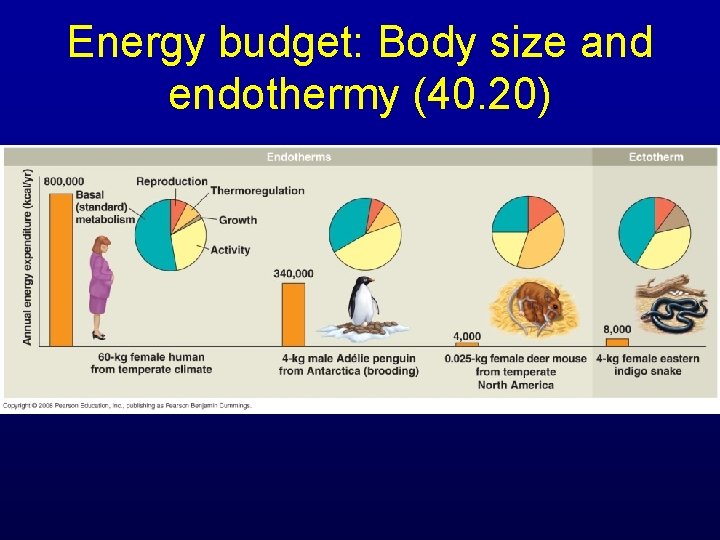
Energy budget: Body size and endothermy (40. 20)
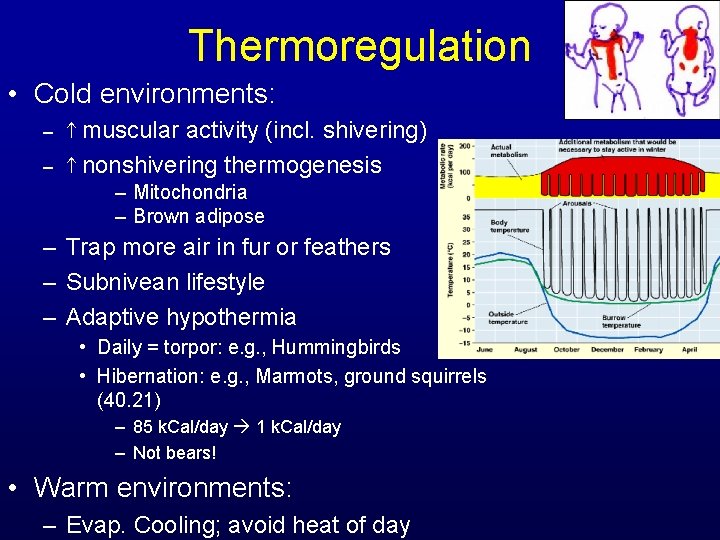
Thermoregulation • Cold environments: – muscular – activity (incl. shivering) nonshivering thermogenesis – Mitochondria – Brown adipose – Trap more air in fur or feathers – Subnivean lifestyle – Adaptive hypothermia • Daily = torpor: e. g. , Hummingbirds • Hibernation: e. g. , Marmots, ground squirrels (40. 21) – 85 k. Cal/day 1 k. Cal/day – Not bears! • Warm environments: – Evap. Cooling; avoid heat of day
Ch. 40: Introduction to Animal Structure and Function Overview • Functional anatomy • Introduction to Homeostasis – Positive and negative feedback loops • Introduction to Bioenergetics & Thermoregulation Ch. 41 Nutrition & Digestion • Feedback loops (in Ch. 40 notes) – Blood sugar – Appetite • Food processing
Food Processing • Ingestion digestion (mechanical & chemical) absorption elimination – Chemical summary: Fig. 41. 13 • Digestive tract + accessory glands: – Salivary glands – Pancreas – Liver – Gall bladder
Digestion • Mouth: Physical and chemical digestion – Teeth: • make food easier to swallow • surface area of food – Saliva: • • lubricates food prevents tooth decay (neutralizes acids) antibacterial salivary amylase: starch & glycogen smaller polysacchs. & maltose
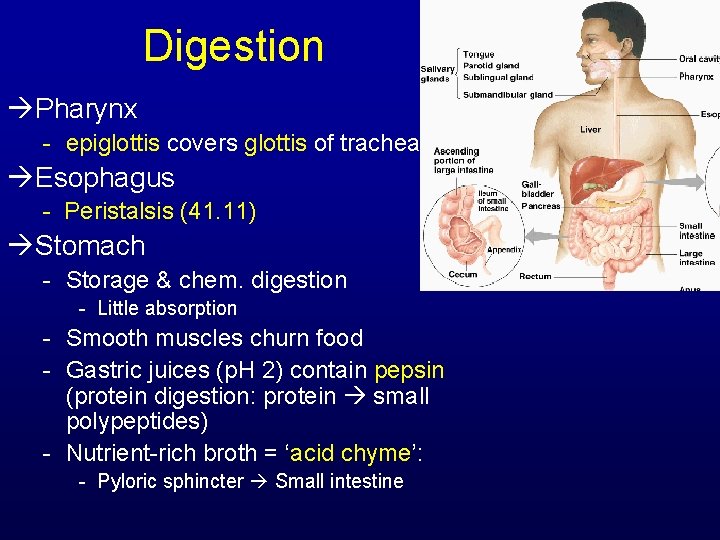
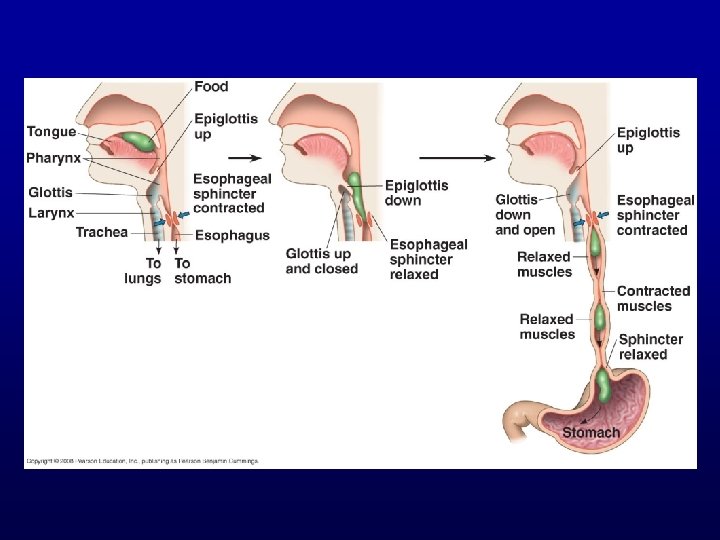
Digestion Pharynx - epiglottis covers glottis of trachea Esophagus - Peristalsis (41. 11) Stomach - Storage & chem. digestion - Little absorption - Smooth muscles churn food - Gastric juices (p. H 2) contain pepsin (protein digestion: protein small polypeptides) - Nutrient-rich broth = ‘acid chyme’: - Pyloric sphincter Small intestine
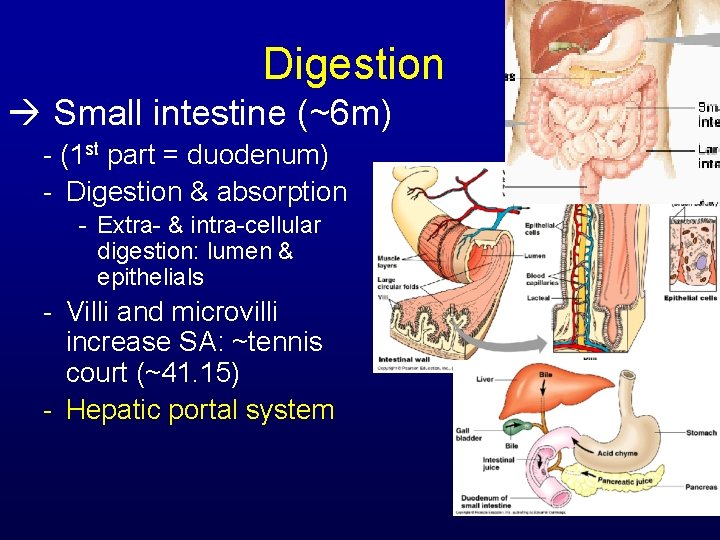
Digestion Small intestine (~6 m) - (1 st part = duodenum) - Digestion & absorption - Extra- & intra-cellular digestion: lumen & epithelials - Villi and microvilli increase SA: ~tennis court (~41. 15) - Hepatic portal system
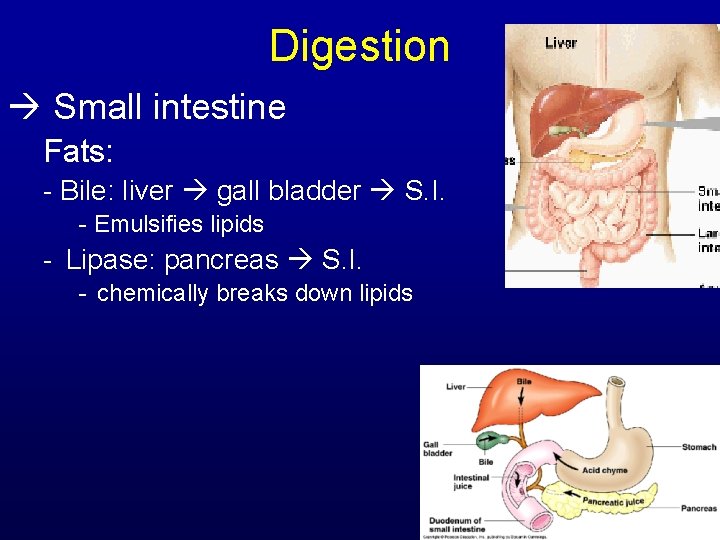
Digestion Small intestine Fats: - Bile: liver gall bladder S. I. - Emulsifies lipids - Lipase: pancreas S. I. - chemically breaks down lipids
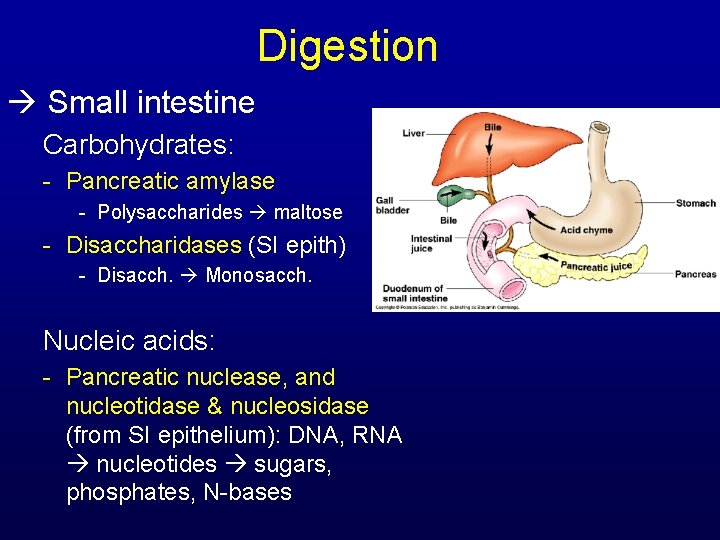
Digestion Small intestine Carbohydrates: - Pancreatic amylase - Polysaccharides maltose - Disaccharidases (SI epith) - Disacch. Monosacch. Nucleic acids: - Pancreatic nuclease, and nucleotidase & nucleosidase (from SI epithelium): DNA, RNA nucleotides sugars, phosphates, N-bases
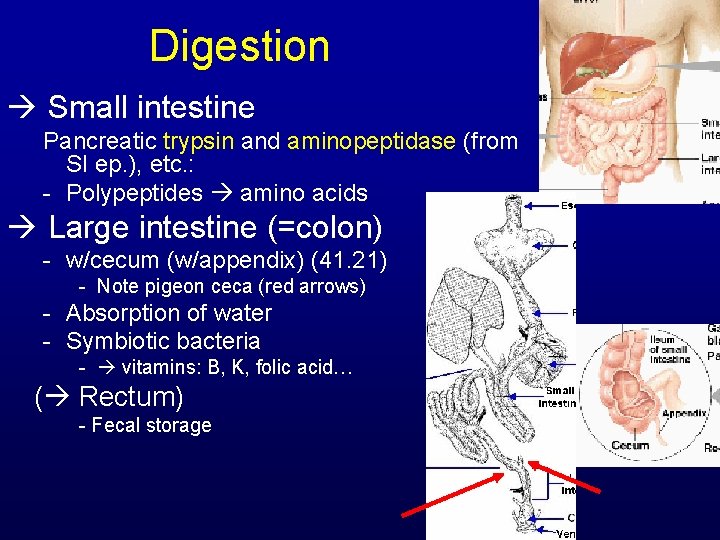
Digestion Small intestine Pancreatic trypsin and aminopeptidase (from SI ep. ), etc. : - Polypeptides amino acids Large intestine (=colon) - w/cecum (w/appendix) (41. 21) - Note pigeon ceca (red arrows) - Absorption of water - Symbiotic bacteria - vitamins: B, K, folic acid… ( Rectum) - Fecal storage
Ch. 42: Circulation and Gas Exchange: Overview • Functions of Circulatory system • Blood – Components – Clotting • Vertebrate circulatory systems – Single vs. double – Fish, amphibians, reptiles, birds, mammals – Blood vessels and blood pressure • Respiratory system
Circulatory System • Functions (in vertebrates): – Transport gases – Transport nutrients – Immune – Conserve or dissipate heat – Endocrine
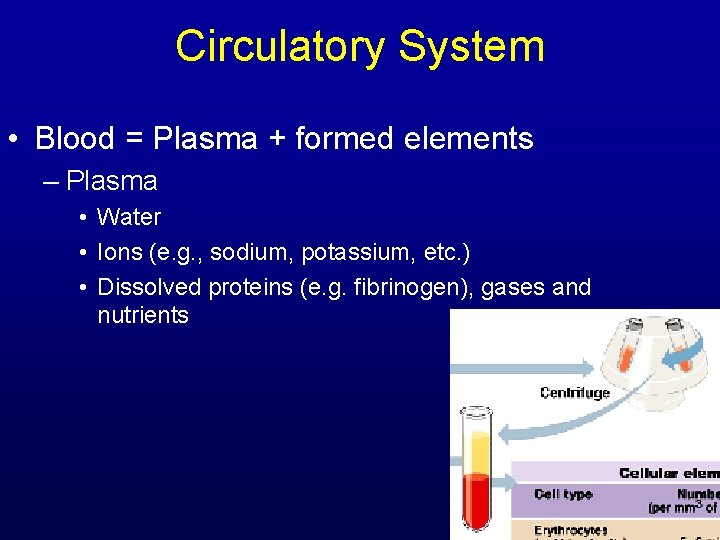
Circulatory System • Blood = Plasma + formed elements – Plasma • Water • Ions (e. g. , sodium, potassium, etc. ) • Dissolved proteins (e. g. fibrinogen), gases and nutrients
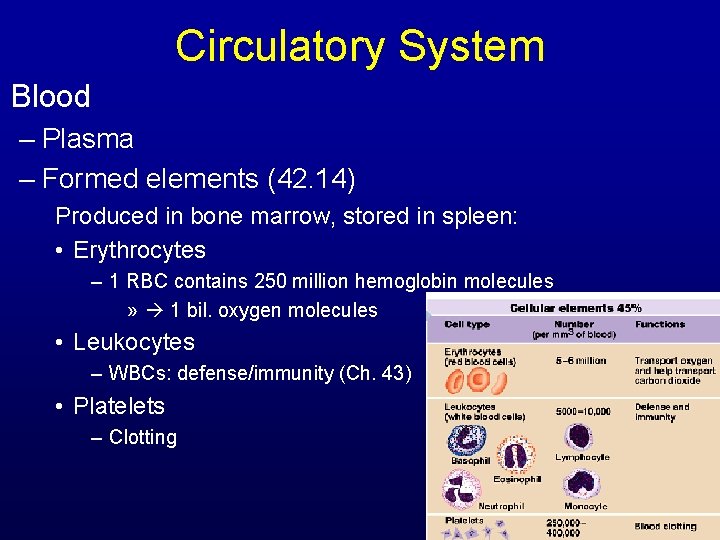
Circulatory System Blood – Plasma – Formed elements (42. 14) Produced in bone marrow, stored in spleen: • Erythrocytes – 1 RBC contains 250 million hemoglobin molecules » 1 bil. oxygen molecules • Leukocytes – WBCs: defense/immunity (Ch. 43) • Platelets – Clotting
Leukocyte summary • Eosinophils: Non-specific defense against large invaders • Neutrophils: Non-specific, phagocytic • Monocytes: Non-specific, phagocytic – Form macrophages • Basophils: Non-specific, inflammation – Secrete histamine & prostaglandins • Lymphocytes: Immunity – B cells – T cells
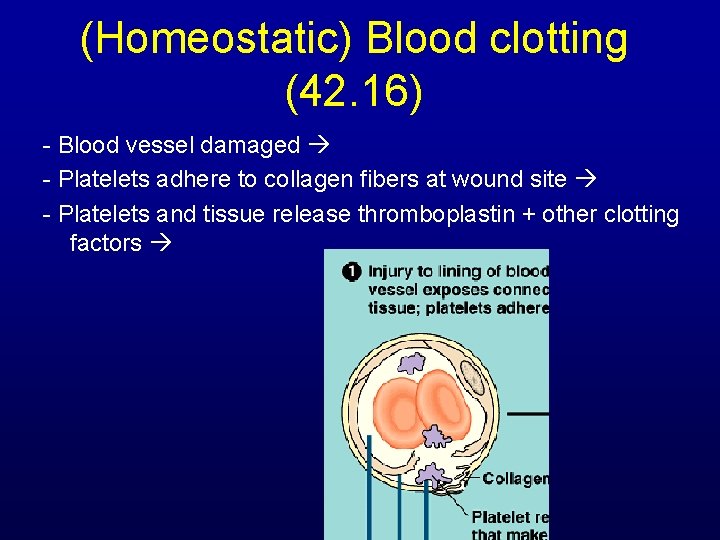
(Homeostatic) Blood clotting (42. 16) - Blood vessel damaged - Platelets adhere to collagen fibers at wound site - Platelets and tissue release thromboplastin + other clotting factors
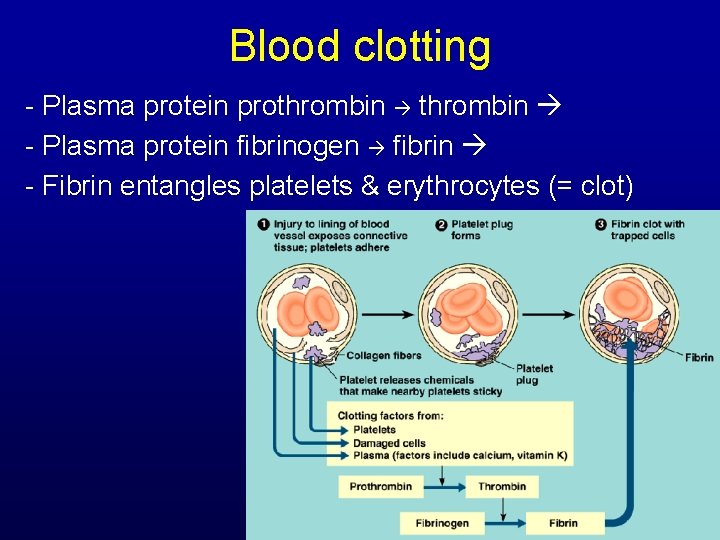
Blood clotting - Plasma protein prothrombin - Plasma protein fibrinogen fibrin - Fibrin entangles platelets & erythrocytes (= clot)
Blood clotting - Blood enzyme prothrombin - Blood protein fibrinogen fibrin - Fibrin entangles platelets & erythrocytes (= clot) - Hemophiliacs lack platelet clotting factor - Irreducible complexity? Darwin’s Black Box
Ch. 42: Circulation and Gas Exchange: Overview • Functions of Circulatory system • Blood – Components – Clotting • Vertebrate circulatory systems (review: read) – Single vs. double – Fish, amphibians, reptiles, birds, mammals – Blood vessels and blood pressure (lab) • Respiratory system • Ch. 43
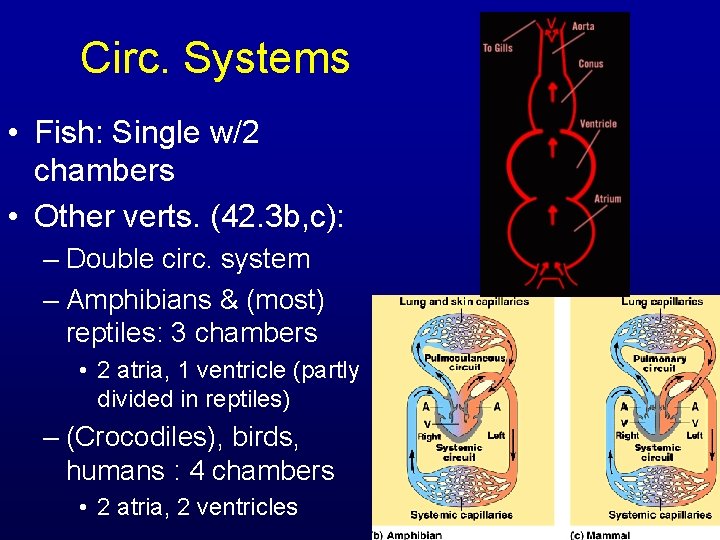
Circ. Systems • Fish: Single w/2 chambers • Other verts. (42. 3 b, c): – Double circ. system – Amphibians & (most) reptiles: 3 chambers • 2 atria, 1 ventricle (partly divided in reptiles) – (Crocodiles), birds, humans : 4 chambers • 2 atria, 2 ventricles
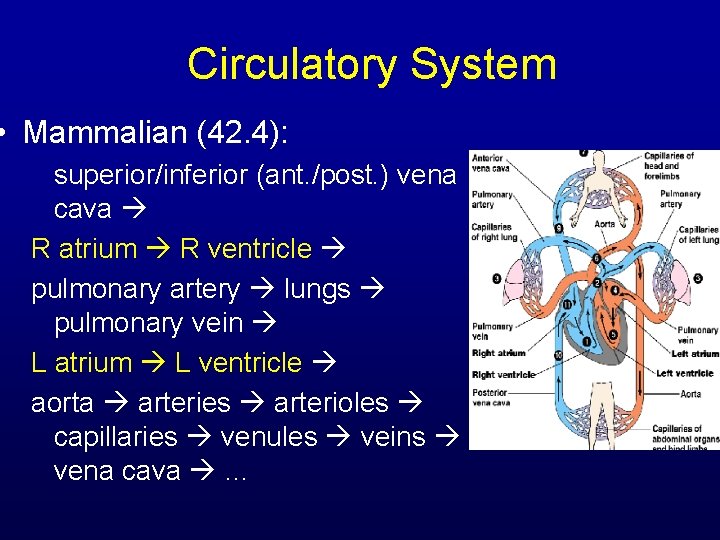
Circulatory System • Mammalian (42. 4): superior/inferior (ant. /post. ) vena cava R atrium R ventricle pulmonary artery lungs pulmonary vein L atrium L ventricle aorta arteries arterioles capillaries venules veins vena cava …
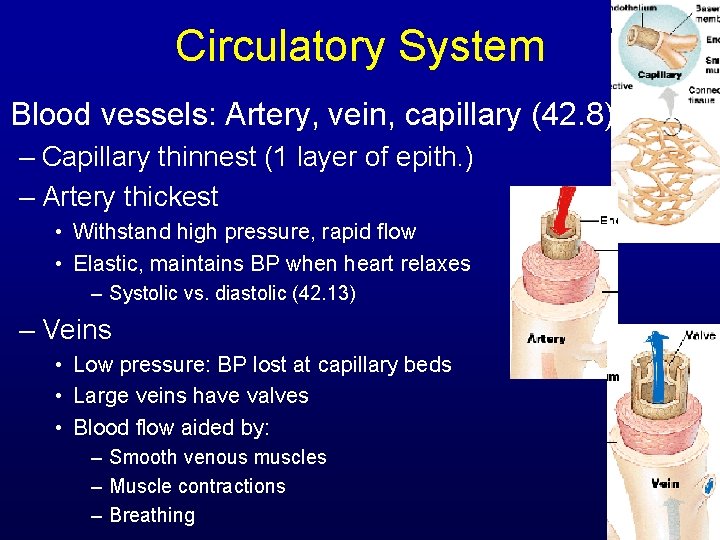
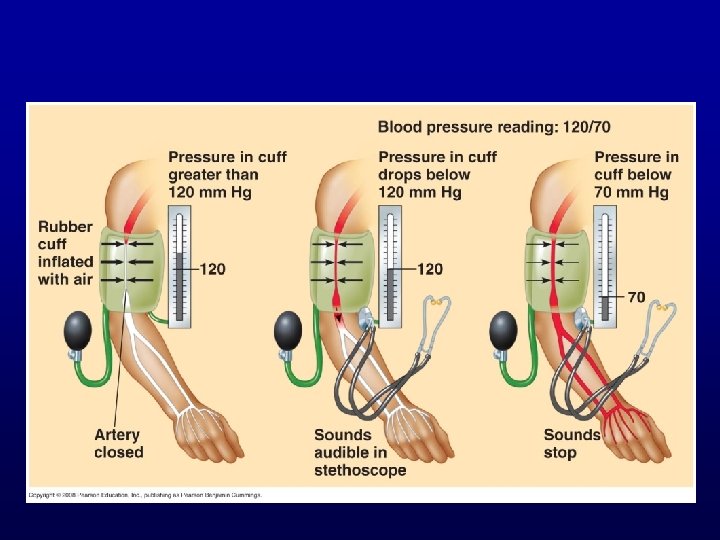
Circulatory System Blood vessels: Artery, vein, capillary (42. 8) – Capillary thinnest (1 layer of epith. ) – Artery thickest • Withstand high pressure, rapid flow • Elastic, maintains BP when heart relaxes – Systolic vs. diastolic (42. 13) – Veins • Low pressure: BP lost at capillary beds • Large veins have valves • Blood flow aided by: – Smooth venous muscles – Muscle contractions – Breathing
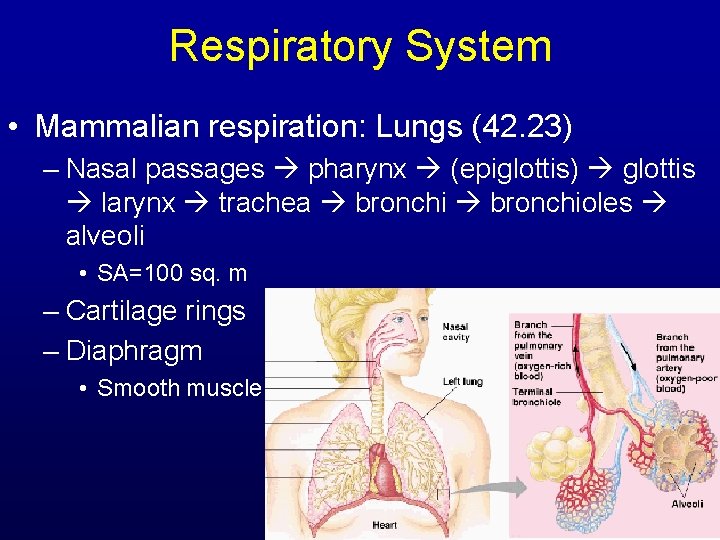
Respiratory System • Mammalian respiration: Lungs (42. 23) – Nasal passages pharynx (epiglottis) glottis larynx trachea bronchioles alveoli • SA=100 sq. m – Cartilage rings – Diaphragm • Smooth muscle
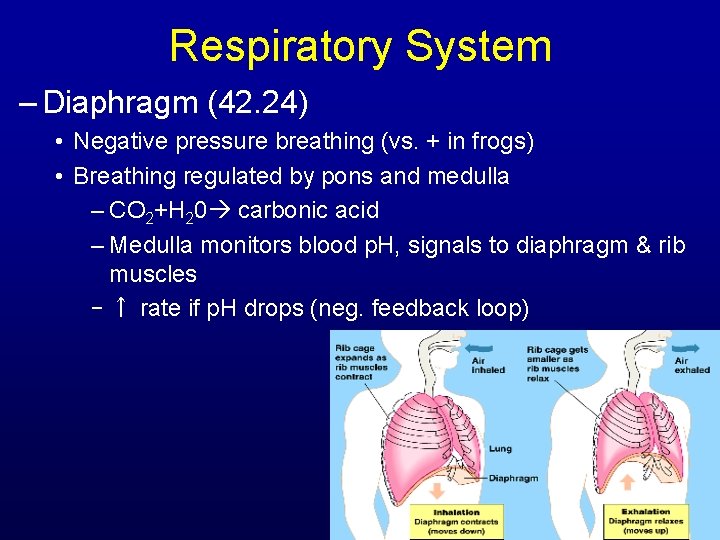
Respiratory System – Diaphragm (42. 24) • Negative pressure breathing (vs. + in frogs) • Breathing regulated by pons and medulla – CO 2+H 20 carbonic acid – Medulla monitors blood p. H, signals to diaphragm & rib muscles – ↑ rate if p. H drops (neg. feedback loop)