
Ch 27 Environmental Microbiology What do Microbes do

Ch 27 Environmental Microbiology What do Microbes do? How can we use this to our advantage?
Microbes have small genomes but can • Not do a lot, but what do, do well • Extremophiles – Microbes live in extreme conditions of • • Temperature Acidity Alkalinity Salinity • Eubacteria vs Archaebacteria
Biological definition of Organismal interactions • Symbiosis: a relationship between two different species – Parasitism: one org gets nutrients from another – Mutualism: both partners benefit – Commensalisms: one benefits more
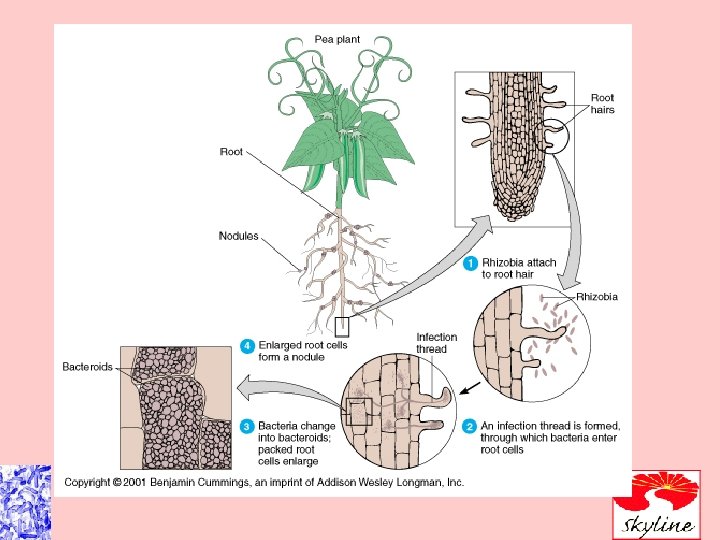

• Other examples?
Biogeochemical cycles • Matter can neither be created or destroyed • A constant amount of matter in the environment must be recycled • Microbes are essential in the conversion of nutrients into organic and usable formats • Microbes are essential in the conversion of nutrients into the inorganic form
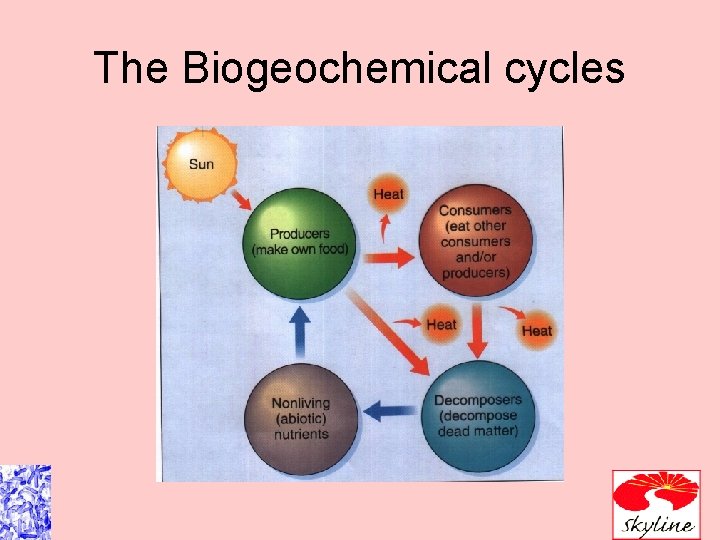
The Biogeochemical cycles
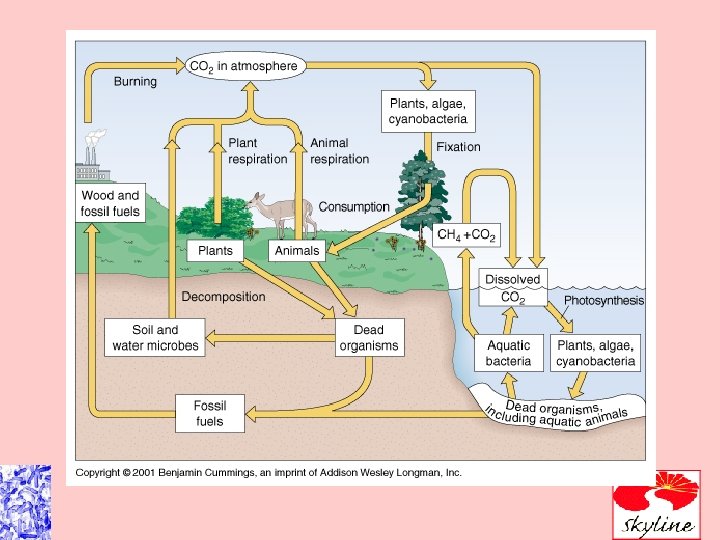
The carbon cycle • Photoautotrophs • Chemoautorophs • Both convert inorganic forms of carbon into organic forms using external sources of energy
Chemoheterotrophs release • Inorganic form of carbon (CO 2) to complete the cycle. • Non living sinks include • Ca. CO 3 and fossil fuels
The nitrogen cycle • Local shortages because of Nitrogen stuff • Microbes decompose proteins form dead cells and release amino acids • Ammonia is liberated by microbial ammonificaiton of amino acids • Ammonia is oxidized to produce nitrates for energy by nitrifying bacteria
More nitrogen stuff • Denitrifying bacteria reduce nitrogen in nitrates to molecular nitrogen • N 2 is converted into ammonia by nitrogen fixing bacteria • Ammonium and nitrate are used by bacteria and plants to synthesize amino acids
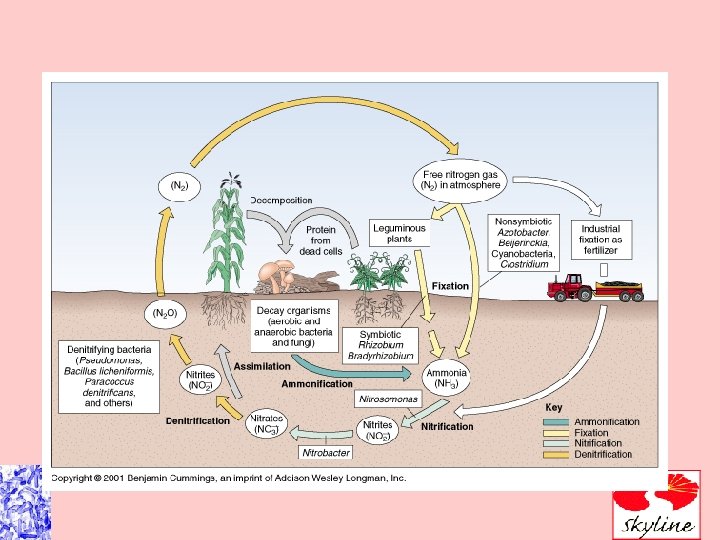

• Fertilization and microbes • Cyanobacteria for a symbiosis with small floating fern Azolla in rice paddy waters.
Sulfur cycle • Plants and certain microbes can use SO 42 - to make amino acids • H 2 S is oxidized to form SO 42 -
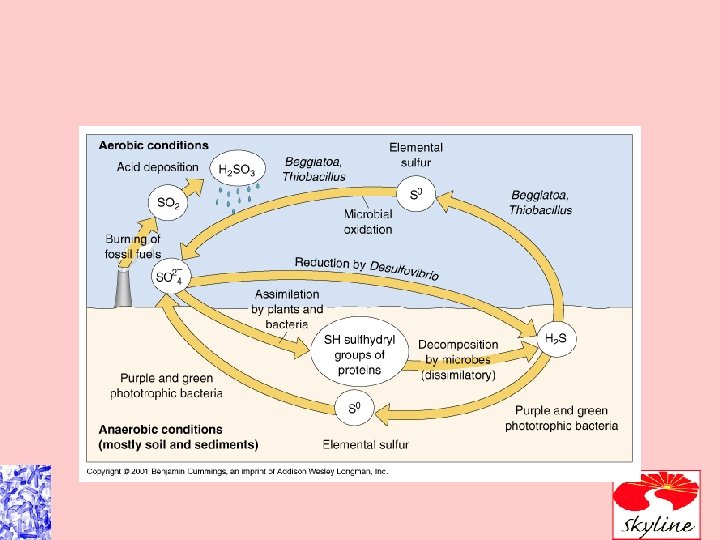
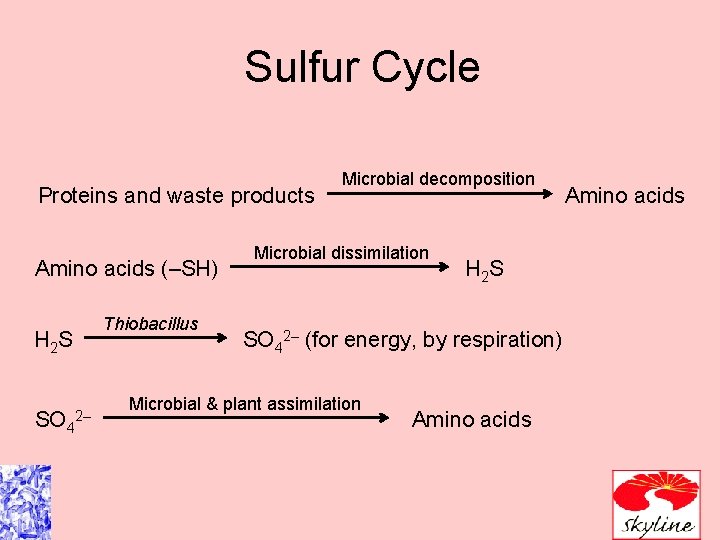
Sulfur Cycle Proteins and waste products Amino acids (–SH) Thiobacillus H 2 S SO 4 2– Microbial decomposition Microbial dissimilation H 2 S SO 42– (for energy, by respiration) Microbial & plant assimilation Amino acids
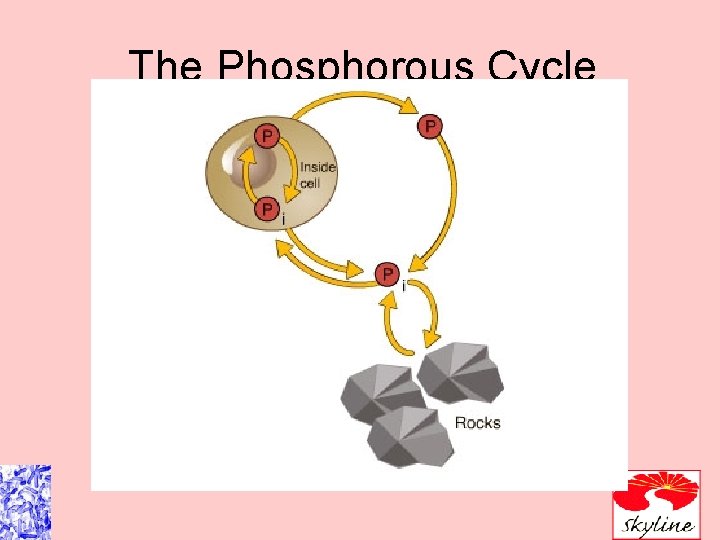
The Phosphorous Cycle
The Phosphorus Cycle • Inorganic phosphorus is solubilized by microbial acids • Made available to plants and other microbes • Is soluble in water • Combines with calcium in calcium phosphate deposits of ancient seas.
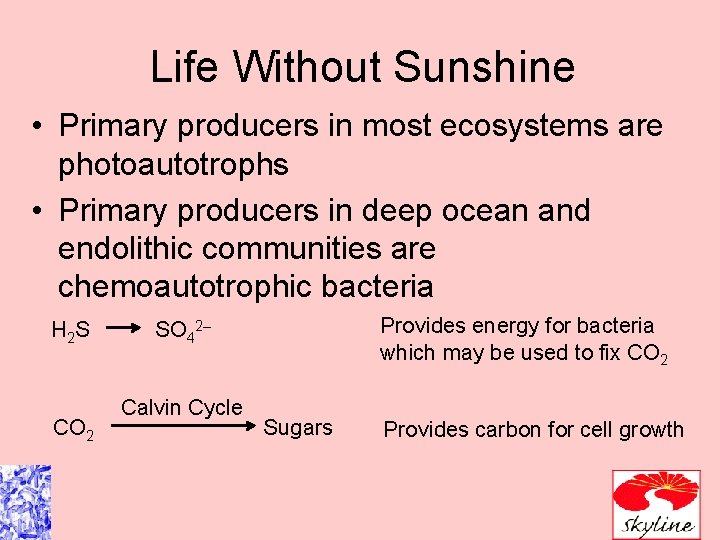
Life Without Sunshine • Primary producers in most ecosystems are photoautotrophs • Primary producers in deep ocean and endolithic communities are chemoautotrophic bacteria H 2 S CO 2 Provides energy for bacteria which may be used to fix CO 2 SO 42– Calvin Cycle Sugars Provides carbon for cell growth
Use of chemicals in soil and water • Many man made chemicals do not biodegrade because they are not made by living organisms • Why?
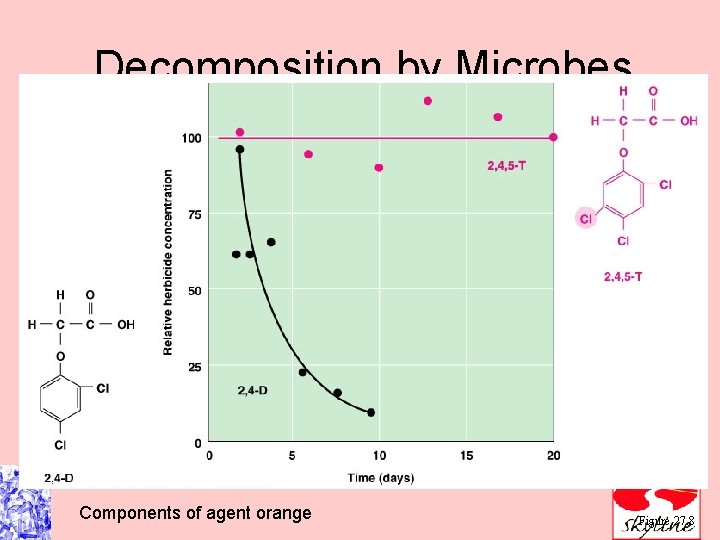
Decomposition by Microbes Components of agent orange Figure 27. 8
Bioremediation • • Use of microorganism to remove pollution Cheaper Can use natural organism Is helped by preventing limited nutrients
Solid Municipal Waste piles • Many municipal waste piles are inefficiently run because they are dry and anaerobic
Aquatic conditions • Biofilms are composed of whole communities of microbes that are metabolically diverse • Bodies of water are naturally set up to process waste • Tend to grow in presence of oxygen and light • Use is best when oxygen content is increased • Phytoplankton in oceans are primary producers in the open ocean
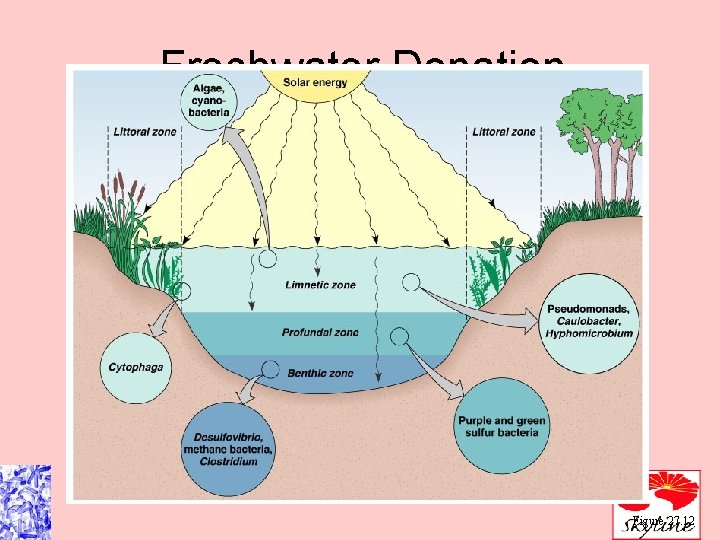
Freshwater Donation Figure 27. 12
Roll of microorganism in water quality • • Biomagnifications Indicators of fecal contamination Blooms Eutrophication
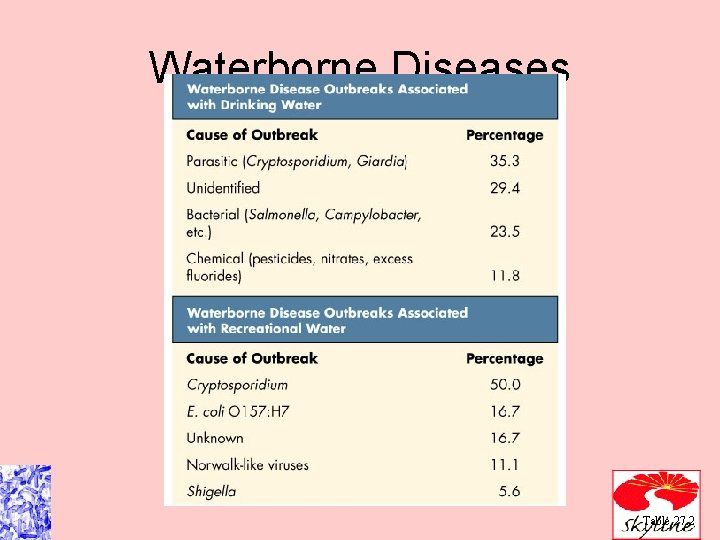
Waterborne Diseases Table 27. 2
Water quality tests • Coliforms are aerobic or facultatively anaerobic, gram negative non endospore forming rods that ferment lactose with the production of acid and gas within 48 hours of been placed in a medium at 35’C • Fecal Coliforms predominantly E. coli are used to indicate the presence of human fecies
Coliforms • Aerobic or facultatively anaerobic, gramnegative, non–endospore forming rods that ferment lactose to acid + gas within 48 hr, at 35°C • Indicator organisms – Used to detect fecal contamination • MPN – Most probable number/100 ml of water
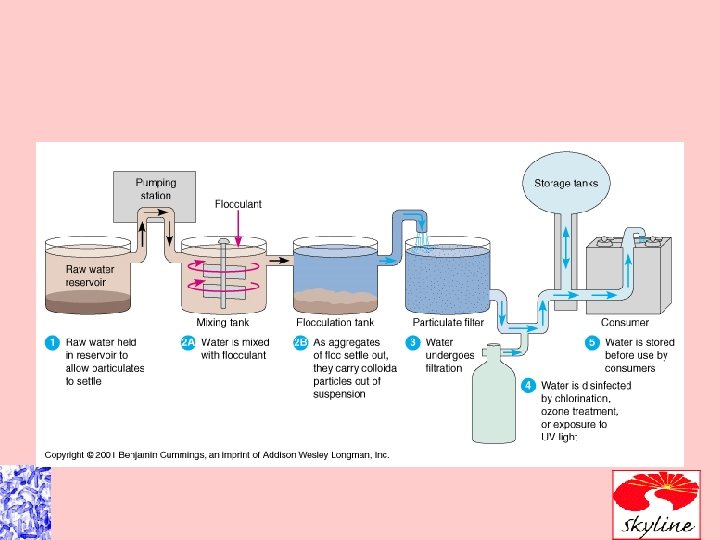
Water Treatment • Water held in a holding reservoir long enough that suspended matter settles • Flocculation treatment uses a chemical such as alum to coalesce and settle colloidal material • Filtration removes protozoan cyst and other microbes • Drinking water is disinfected with chlorine to kill remaining pathogenic bacteria
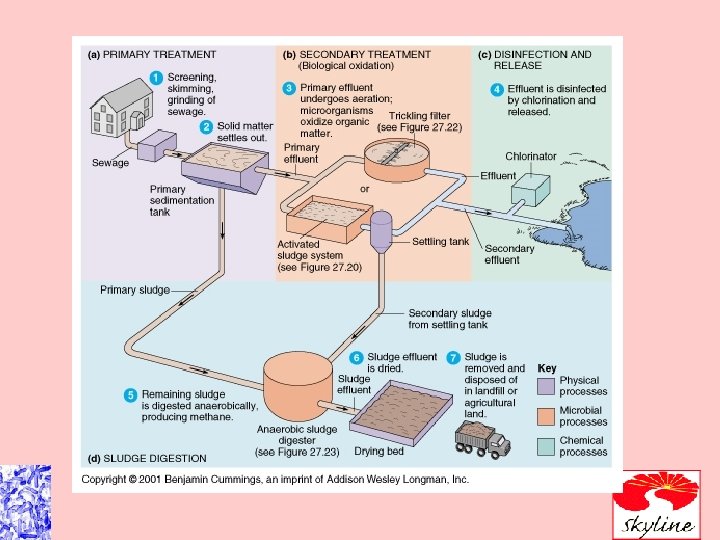
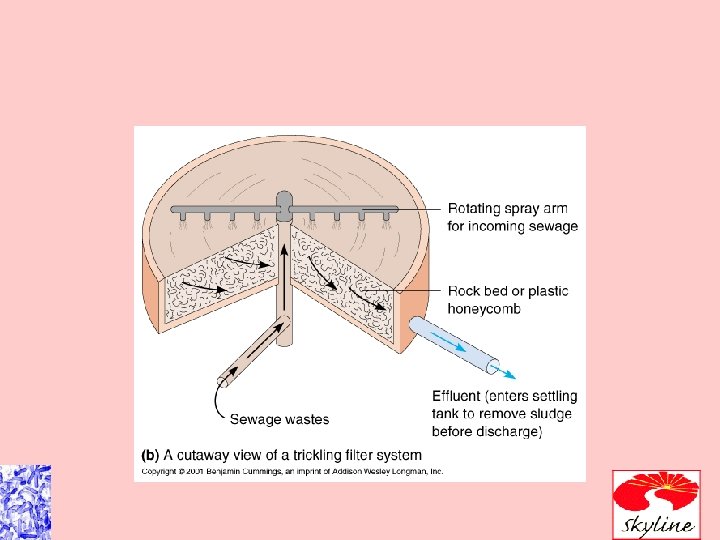
Sewage Treatment • The quality of life that we see in our first world countries is due to our treatment of sewage • Primary treatment: removal of solid materials (35% BOD) • Secondary treatment: Reduction of BOD by the metabolic (95%BOD) degradation of organic matter
More sewage treatment • BOD biochemical oxygen demand • Tertiary provides essentially drinkable water is much more expensive to do

Activated Sludge Figure 27. 20 a, b
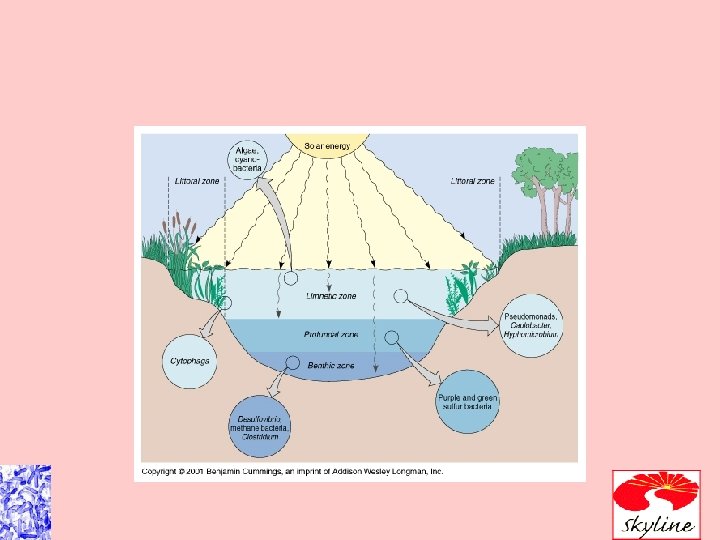
Alternative treatments of sewage • Septic tanks • Oxidation ponds
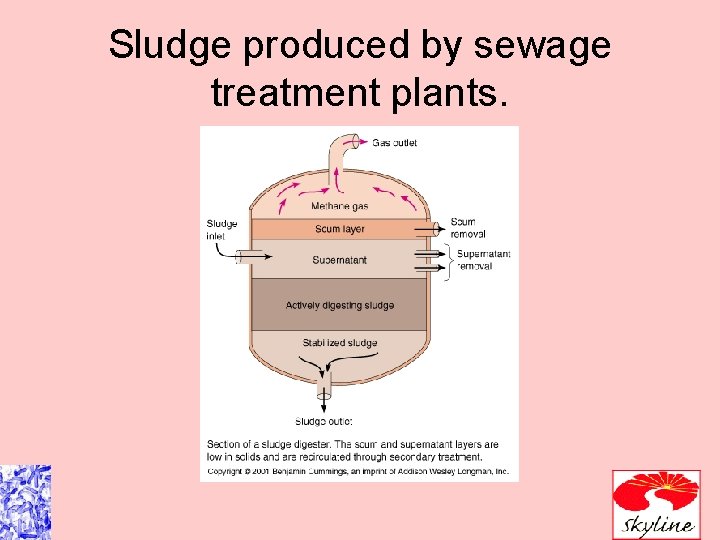
Sludge produced by sewage treatment plants.
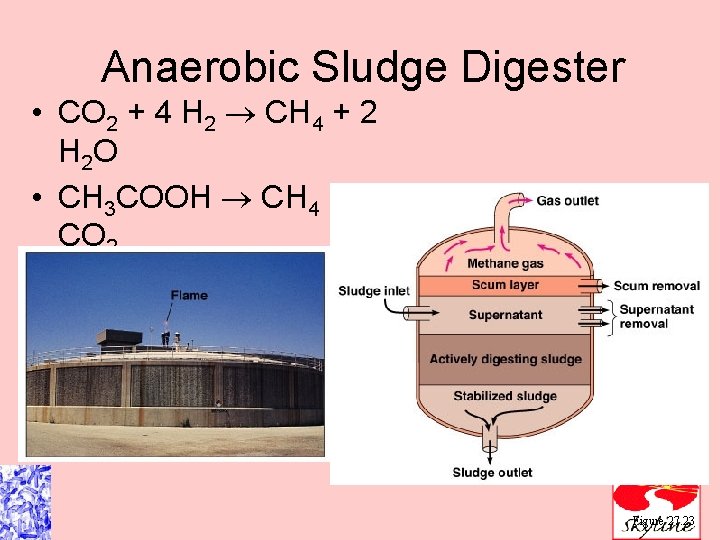
Anaerobic Sludge Digester • CO 2 + 4 H 2 CH 4 + 2 H 2 O • CH 3 COOH CH 4 + CO 2 Figure 27. 23
- Slides: 41