
Ch 25 The Prokaryotes Bacteria Archaea Thiomargarita namibiensis
Ch 25: The Prokaryotes: Bacteria & Archaea
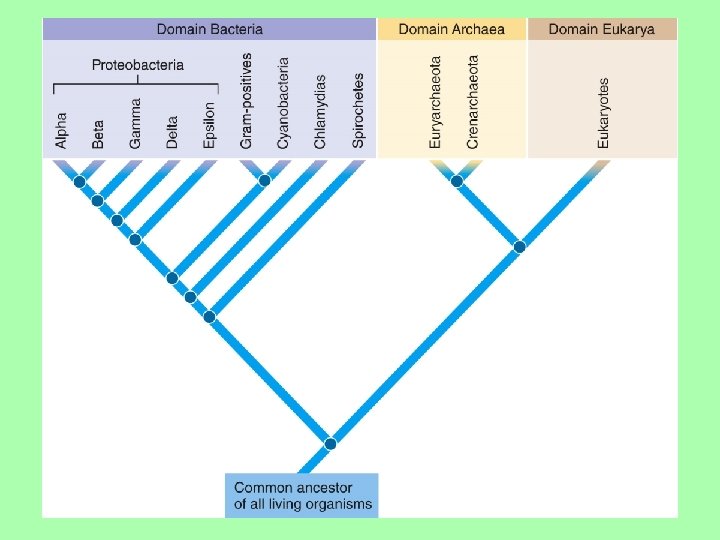

Thiomargarita namibiensis

Bacterial cell shapes
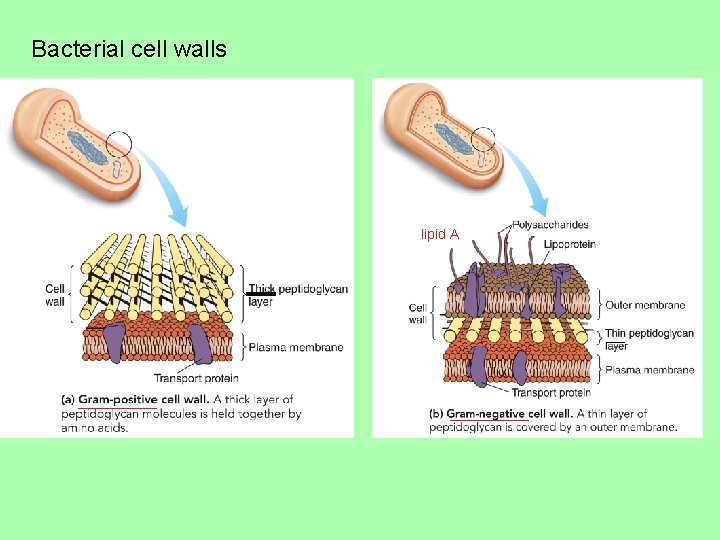
Bacterial cell walls lipid A
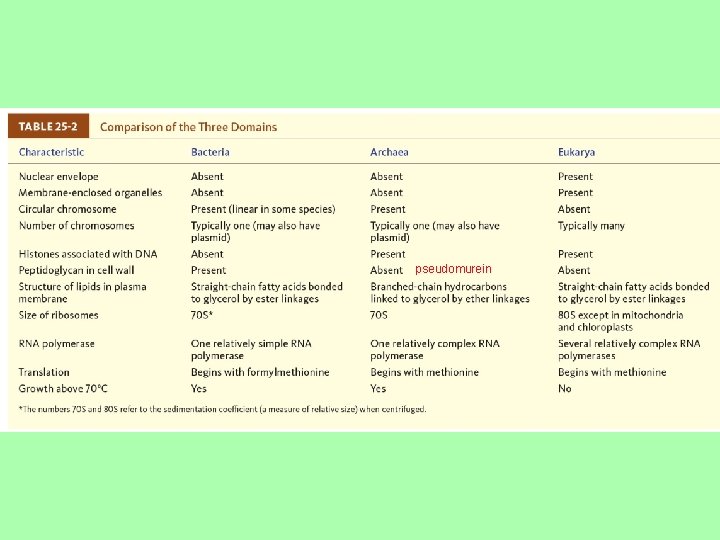
pseudomurein
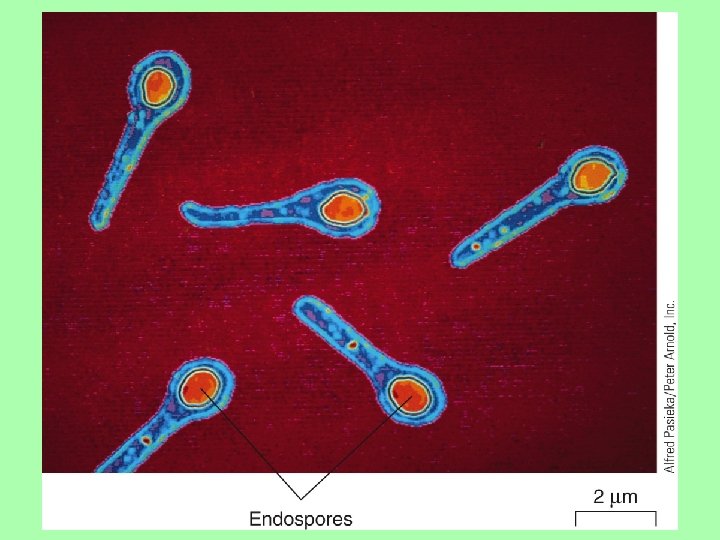
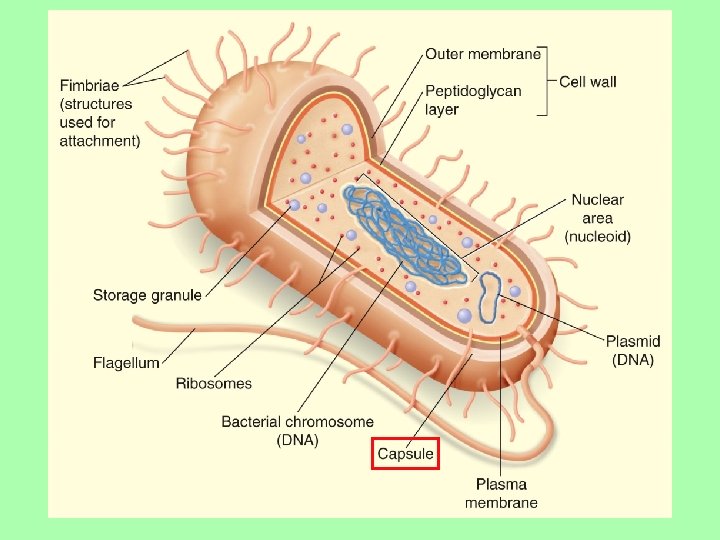

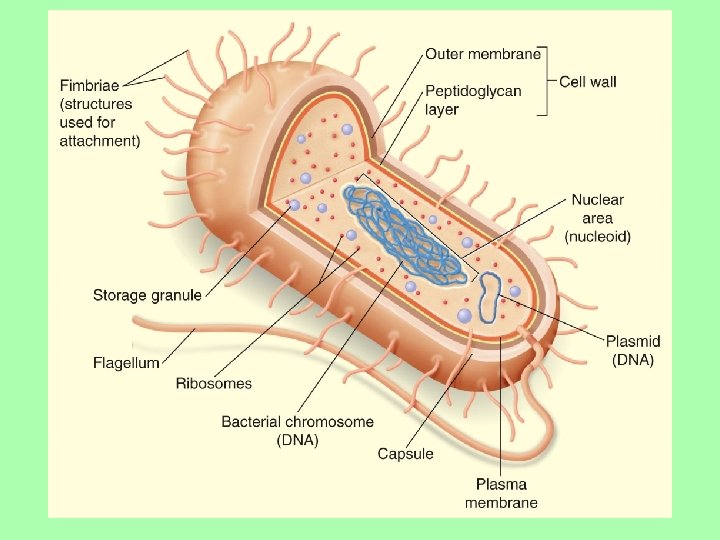
pilus (pili pl. )

Comparison
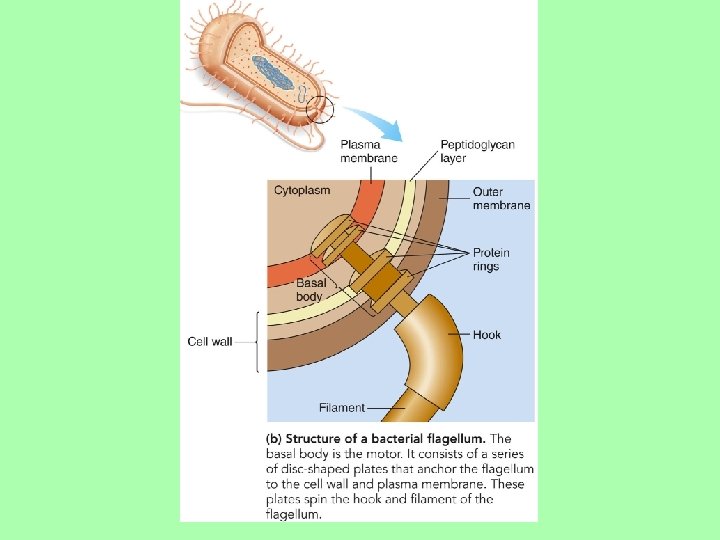
Axial filaments Slime jets
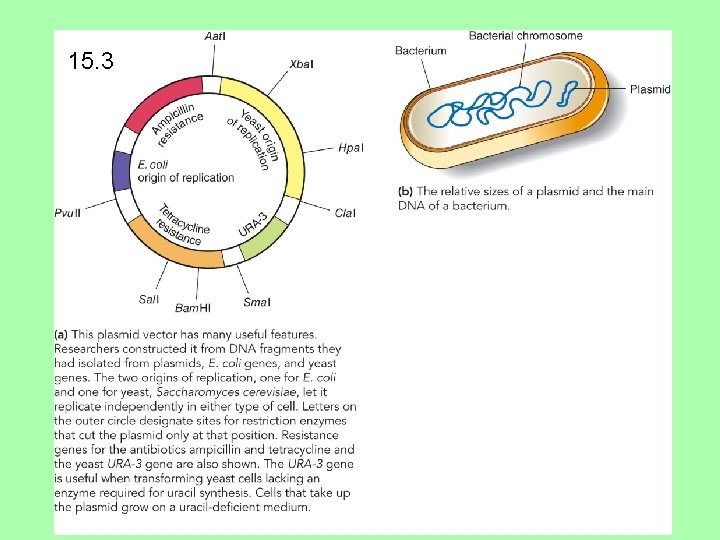
15. 3
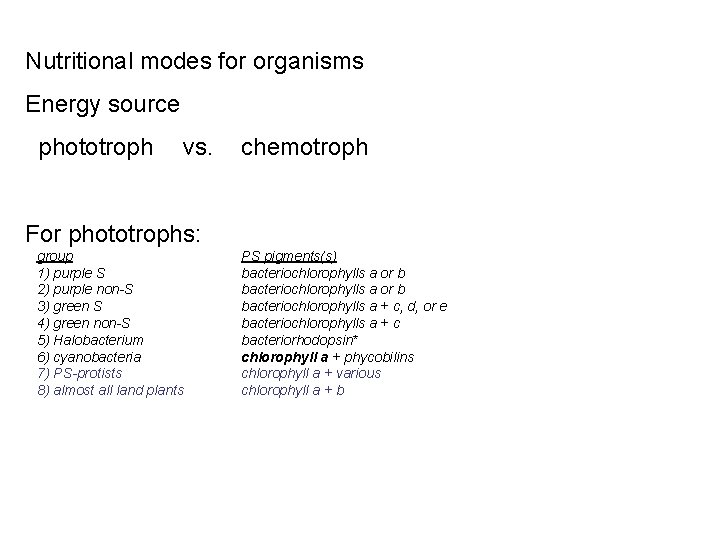
Nutritional modes for organisms Energy source phototroph vs. chemotroph For phototrophs: group 1) purple S 2) purple non-S 3) green S 4) green non-S 5) Halobacterium 6) cyanobacteria 7) PS-protists 8) almost all land plants PS pigments(s) bacteriochlorophylls a or b bacteriochlorophylls a + c, d, or e bacteriochlorophylls a + c bacteriorhodopsin* chlorophyll a + phycobilins chlorophyll a + various chlorophyll a + b
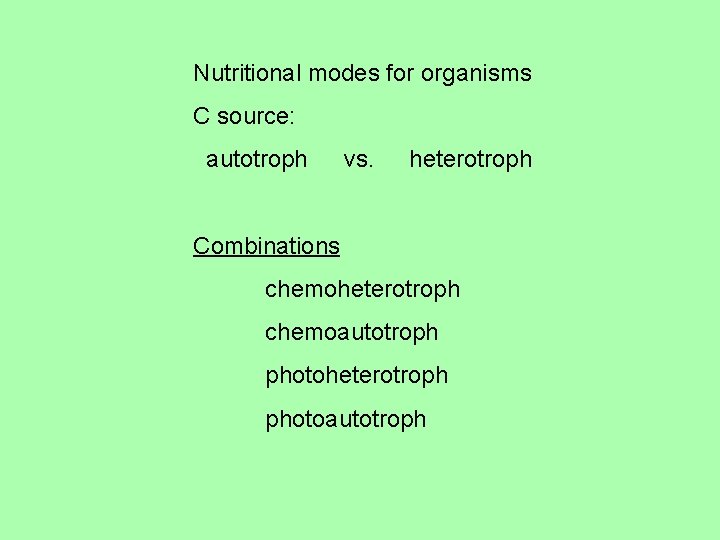
Nutritional modes for organisms C source: autotroph vs. heterotroph Combinations chemoheterotroph chemoautotroph photoheterotroph photoautotroph
Oxygen use aerobe facultative vs. anaerobe obligate Extremophiles Symbiosis/symbioses mutualism commensalism parasitism/predation

Human Microbiota
Some harmful substances = lipid A proteins lipopolysaccharides

Ribosomal DNAbased
Aquificae Aquifex Old lineage? all thermophiles & hyperthermophiles Thermi Thermus aquaticus = “Taq” Most of the following photos are from the Internet - use the images/photos button on a search engine to find these or similar ones.
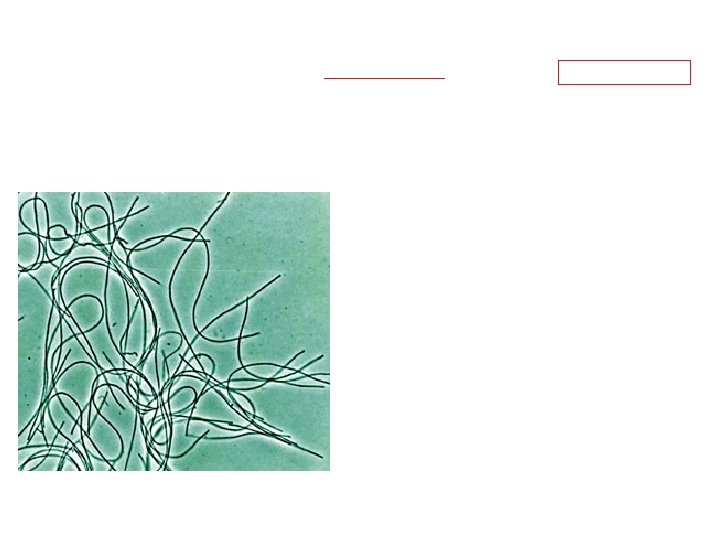

Cyanobacteria = blue-green bacteria (chl a & phycobilins) Gloeocapsa Spirulina
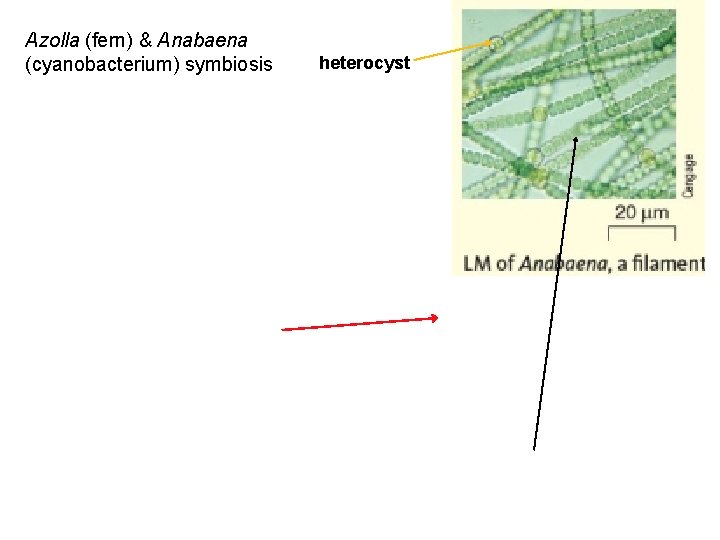
Azolla (fern) & Anabaena (cyanobacterium) symbiosis heterocyst

Alpha Proteobacteria also: Rickettsia R. rickettsii R. prowazeckii Rhodobacter (purple NS) mitochondria Agrobacterium
Most numerous bacterial genus on earth: Wolbachia (affect their host’s reproduction) insect egg mitochondria
Beta Proteobacteria Neisseria N. gonorrheae N. meningitidis Nitrosomonas Bordetella
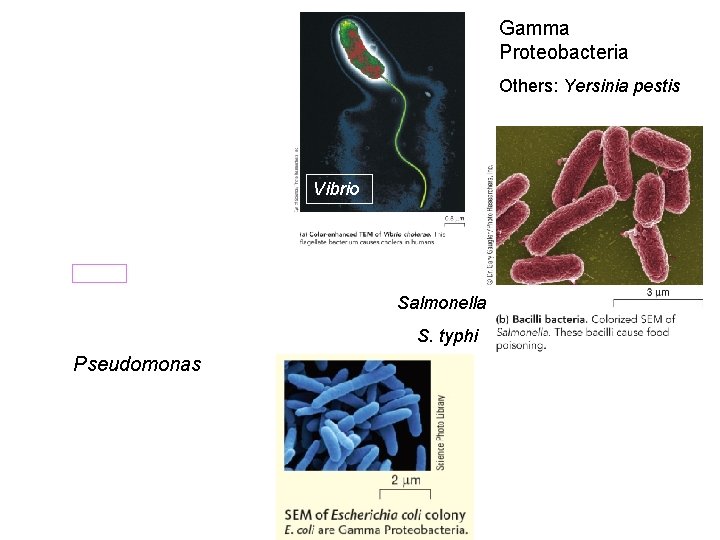
Gamma Proteobacteria Others: Yersinia pestis Vibrio Salmonella S. typhi Pseudomonas
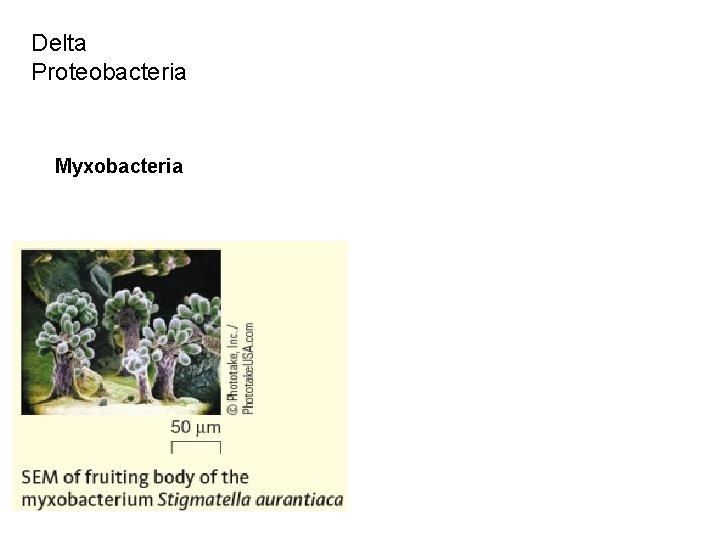
Delta Proteobacteria Myxobacteria
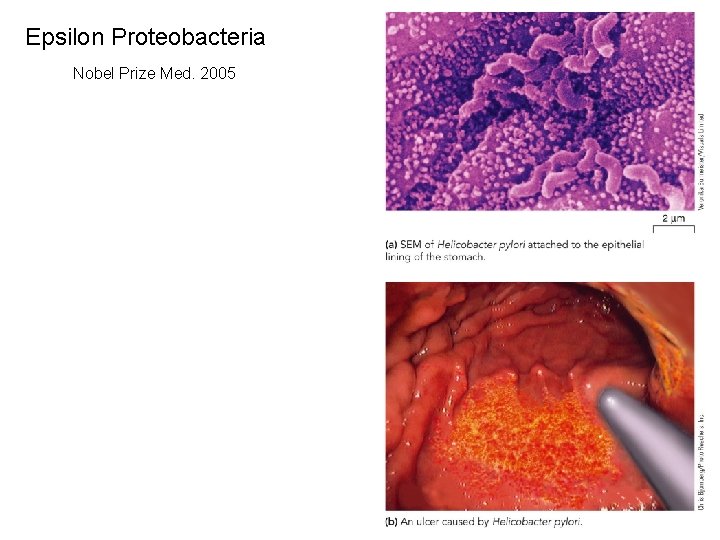
Epsilon Proteobacteria Nobel Prize Med. 2005

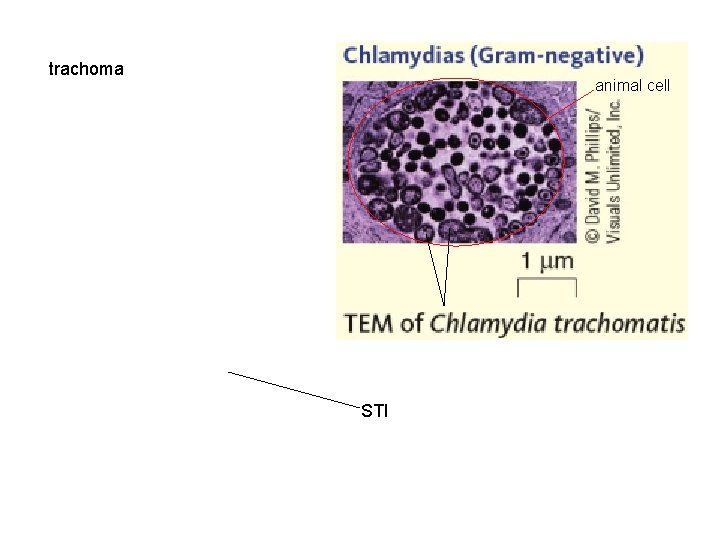
trachoma animal cell STI

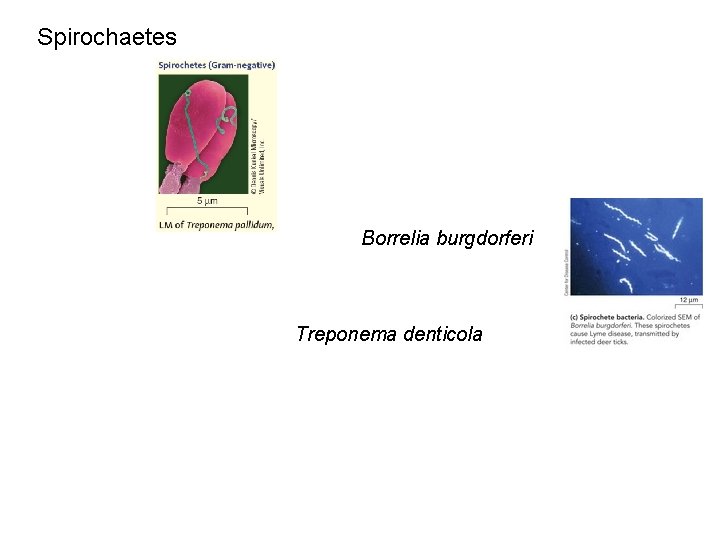
Spirochaetes Borrelia burgdorferi Treponema denticola
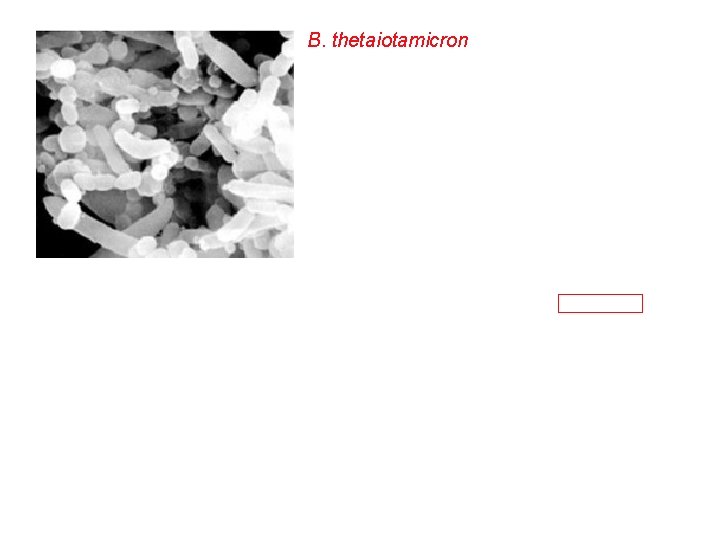
B. thetaiotamicron

Firmicutes
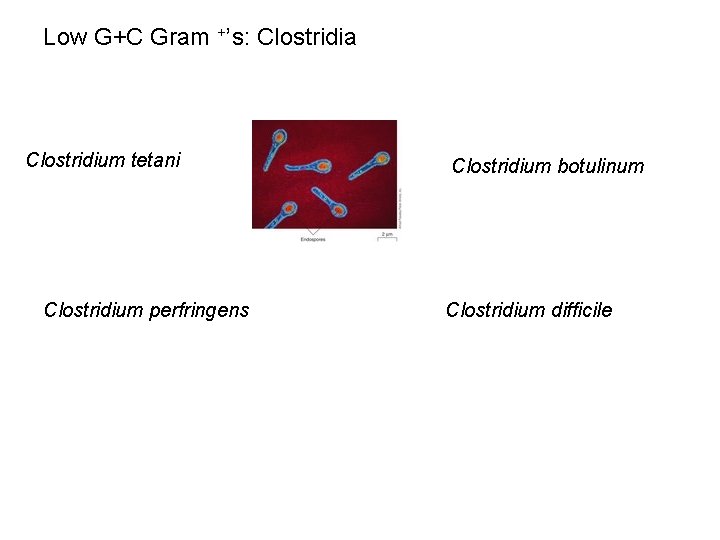
Low G+C Gram +’s: Clostridia Clostridium tetani Clostridium perfringens Clostridium botulinum Clostridium difficile
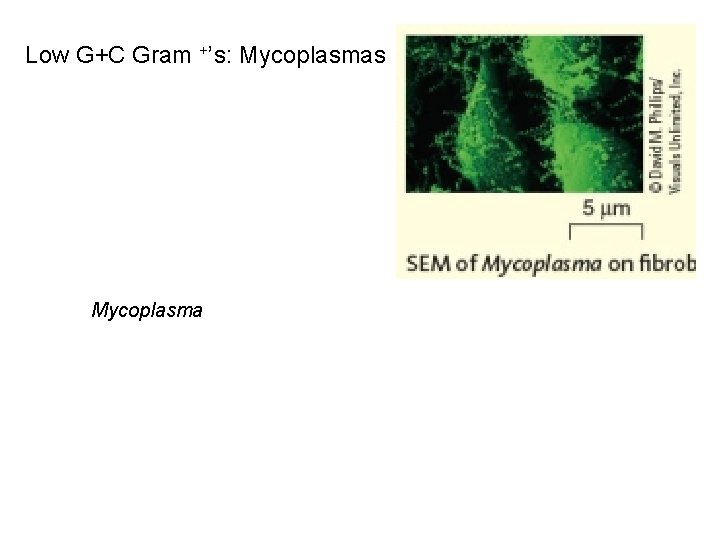
Low G+C Gram +’s: Mycoplasmas Mycoplasma
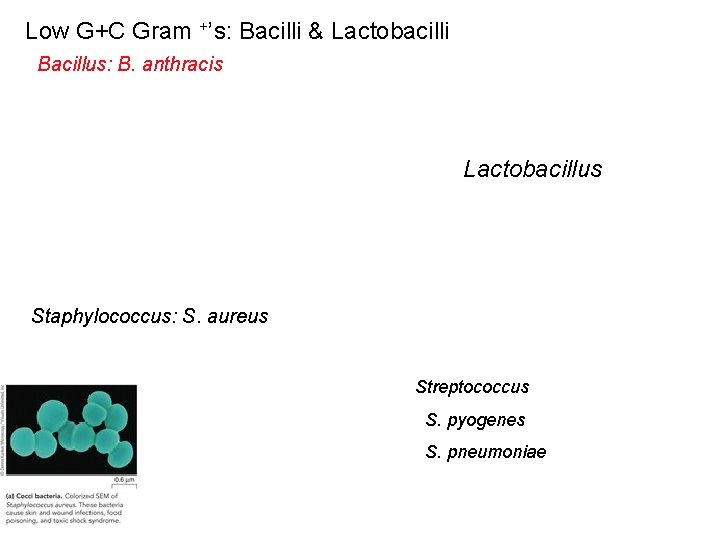
Low G+C Gram +’s: Bacilli & Lactobacilli Bacillus: B. anthracis Lactobacillus Staphylococcus: S. aureus Streptococcus S. pyogenes S. pneumoniae

Actinobacteria
Actinobacteria = actinomycetes (aka High G+C Gram +’s) Mycobacterium tuberculosis M. leprae
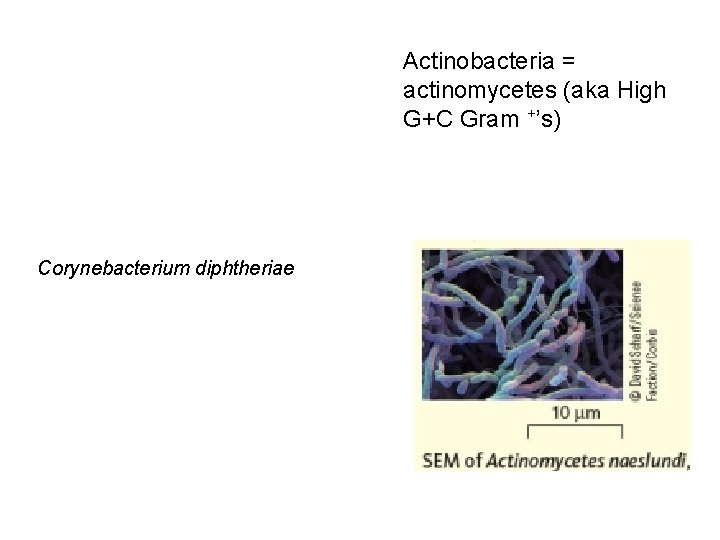
Actinobacteria = actinomycetes (aka High G+C Gram +’s) Corynebacterium diphtheriae
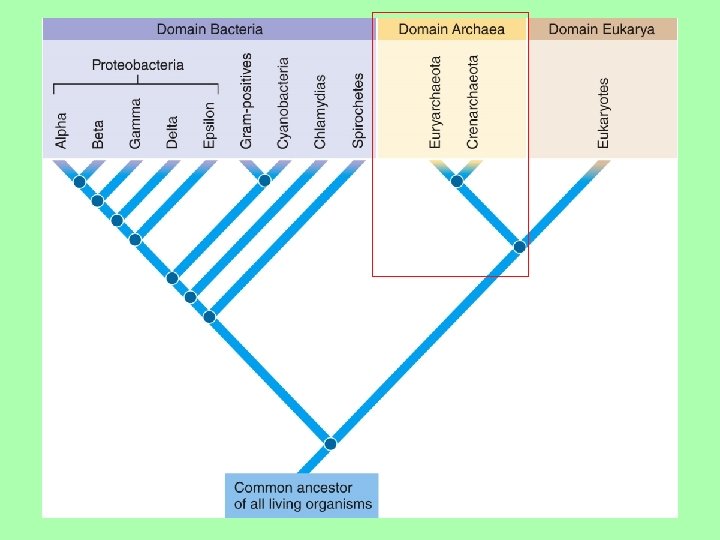
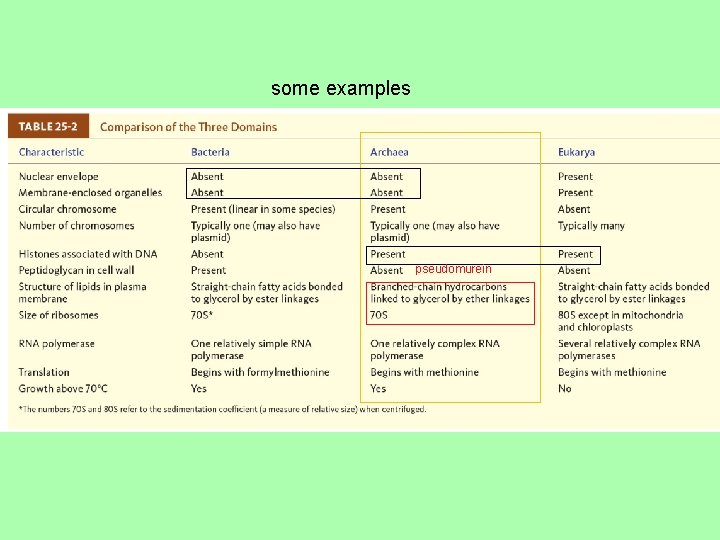
some examples pseudomurein

Archaea
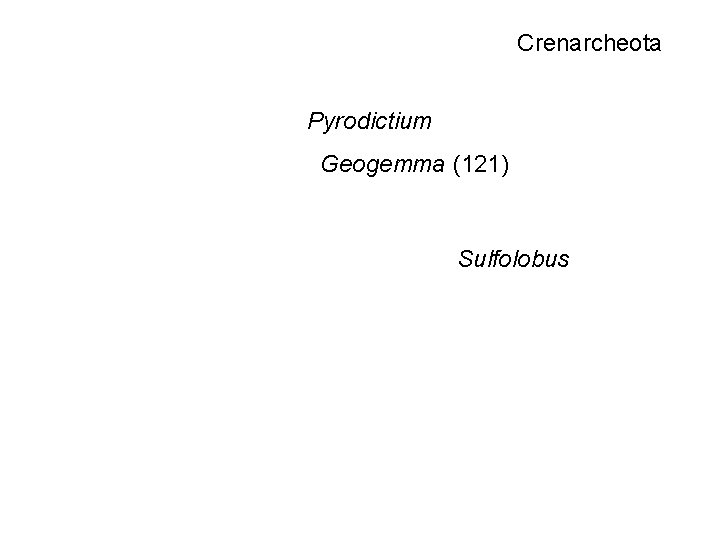
Crenarcheota Pyrodictium Geogemma (121) Sulfolobus

Archaea
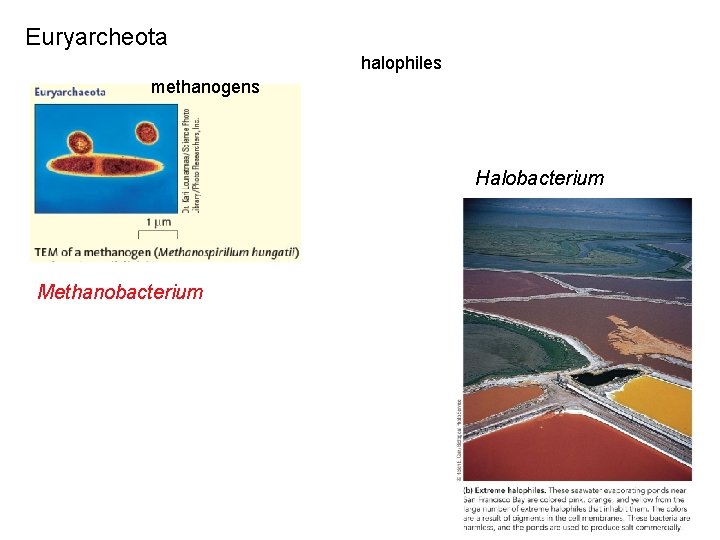
Euryarcheota halophiles methanogens Halobacterium Methanobacterium
New phylum (1996) Known only from environmental samples
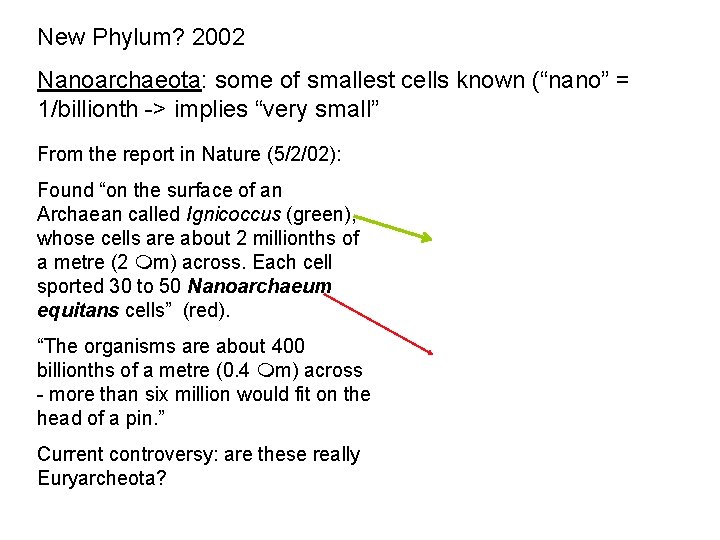
New Phylum? 2002 Nanoarchaeota: some of smallest cells known (“nano” = 1/billionth -> implies “very small” From the report in Nature (5/2/02): Found “on the surface of an Archaean called Ignicoccus (green), whose cells are about 2 millionths of a metre (2 m) across. Each cell sported 30 to 50 Nanoarchaeum equitans cells” (red). “The organisms are about 400 billionths of a metre (0. 4 m) across - more than six million would fit on the head of a pin. ” Current controversy: are these really Euryarcheota?
- Slides: 52