
Ch 22 physical problems psychological sources Level of
Ch. 22 physical problems , psychological sources
Level of the stress has an effect on : • • brain, pitutory gland epinephrine , nor-epinephrine & cortisone defect in immune system alteration in blood pressure

• an a example of somatoform disorder in childhood & adulthood ( stress related physical symptom ) • colic • a topic dermatitis • allergic reaction • obesity • asthma • GIT upset ( indigestion , vomiting , constipation , diarrhea, peptic & duodenal ulcer , ulcerative colitis
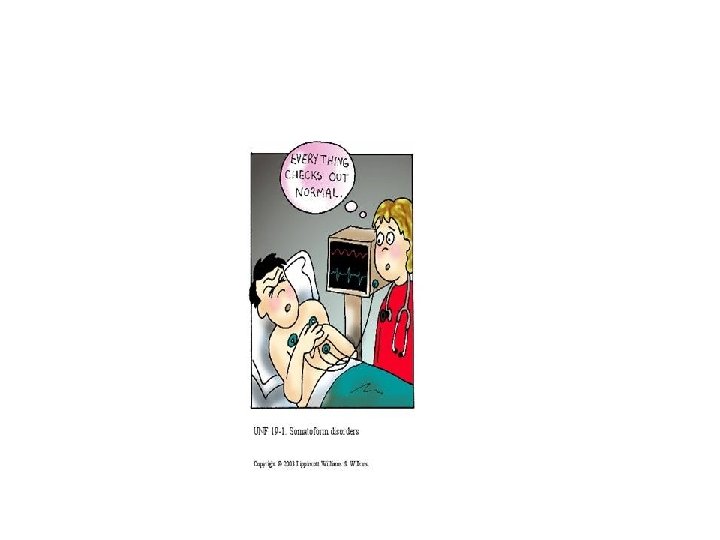
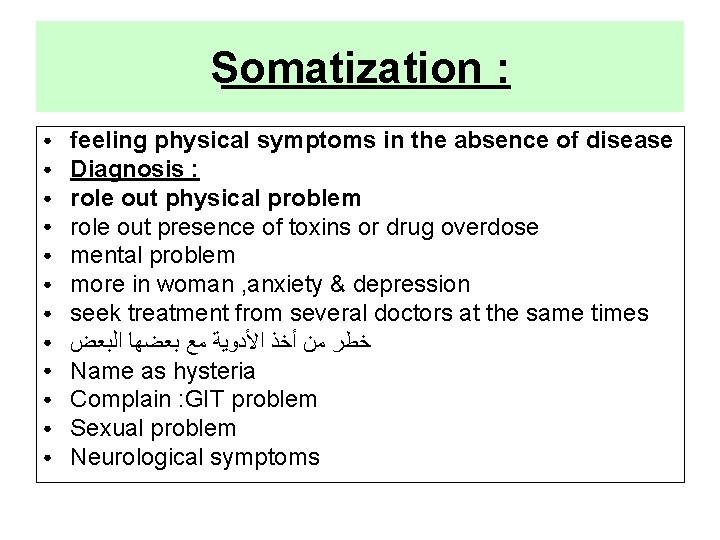
Somatization : ● ● ● feeling physical symptoms in the absence of disease Diagnosis : role out physical problem role out presence of toxins or drug overdose mental problem more in woman , anxiety & depression seek treatment from several doctors at the same times ﺧﻄﺮ ﻣﻦ ﺃﺨﺬ ﺍﻷﺪﻭﻳﺔ ﻣﻊ ﺑﻌﻀﻬﺎ ﺍﻟﺒﻌﺾ Name as hysteria Complain : GIT problem Sexual problem Neurological symptoms
• • *somatoform disorder ( without intention ) 1 - impaired level of functioning 2 - unable to engage in ADL *factious disorder & malingering : intentially produce S&S of illness or disability • -assume risk role • -frequent found at physical clinic
: Conversion disorder • • • Sensory & motor disturbance Low socio economic status Rural area Little health care knowledge More in women Male : military services Industrial accident E. g. : paralyzed arm Diagnosis ; no specific abnormality
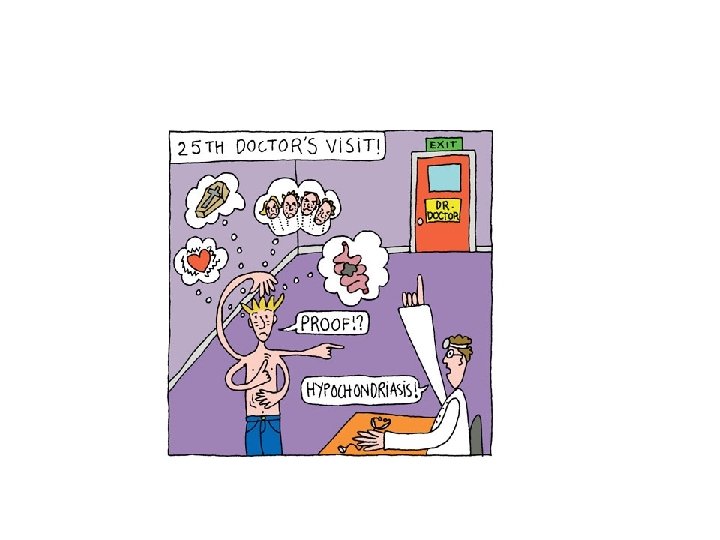
Hypochondriosis : • Somatoform disorder • Intense fear of getting serious disease • Misinterpretation signs & symptoms of illness ( sore on skin , cough ) • Heart beat • Frequent complain of anxiety & depression
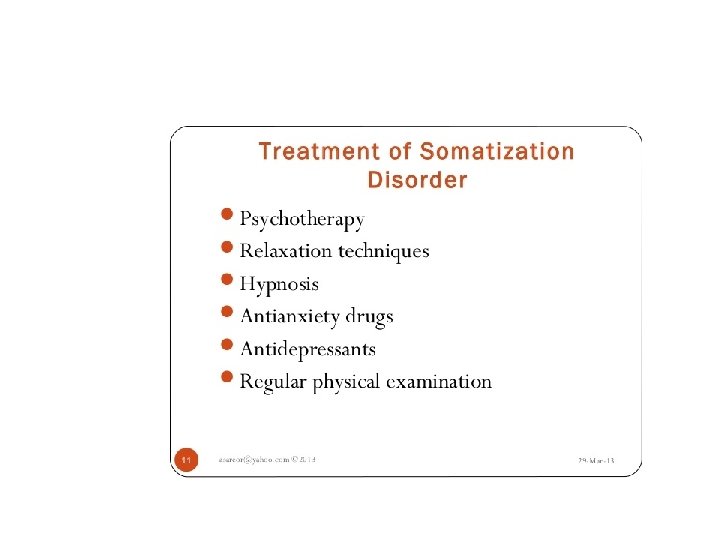
• • Management of somato form as general ; Emotional care Trust relationship Improve sleep , nutritional condition
Cha. 23: eating & sleep disorder • • -aneroxia nervosa Bulimia nervosa Pica Rumination
: Obesity • • not mental disorder It result from too high caloric intake Causes of obesity ; Over eat (intake ) Hereditary Lack of exercise (self steem , how to be attractive )
Sleep disorder ; • Disturbance pattern of sleep , quantity & quality • polysomnogram ; monitor the client electro physical response during sleep • measure brain wave activity ( electrocephalogram ) • muscle movement (electromyogram ) • extra ocular movement (electrooculogram for eye )
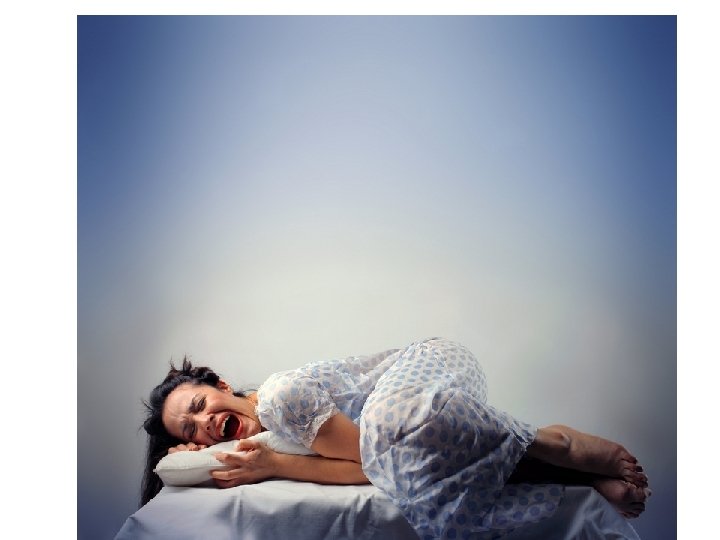
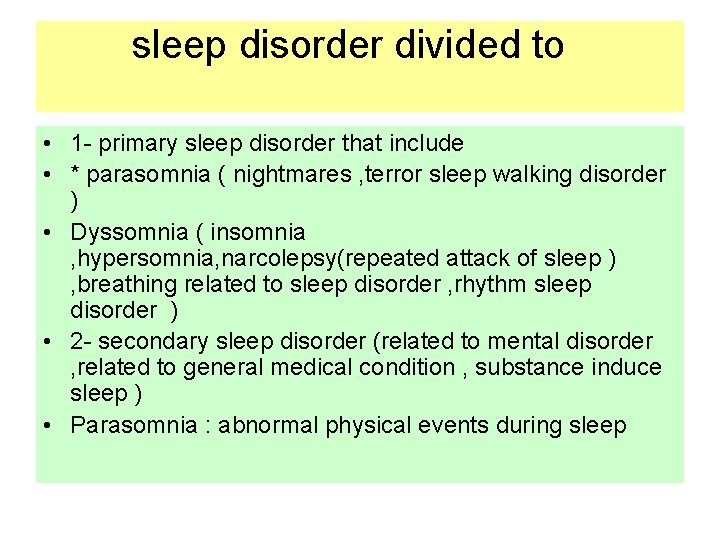
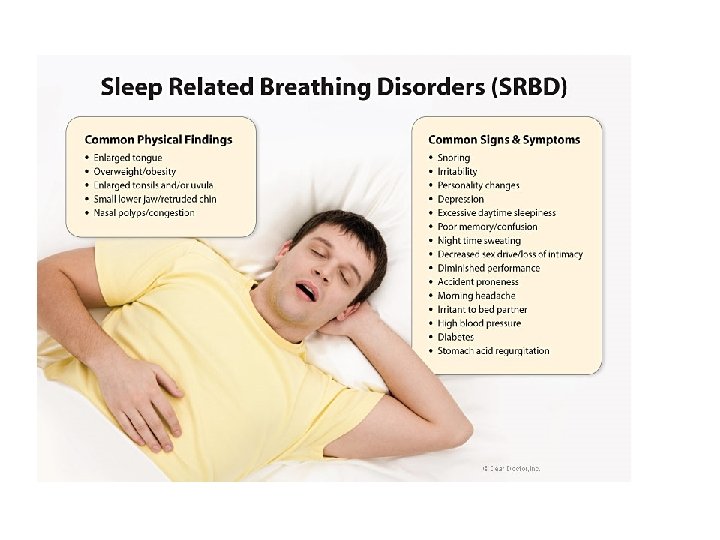
sleep disorder divided to • 1 - primary sleep disorder that include • * parasomnia ( nightmares , terror sleep walking disorder ) • Dyssomnia ( insomnia , hypersomnia, narcolepsy(repeated attack of sleep ) , breathing related to sleep disorder , rhythm sleep disorder ) • 2 - secondary sleep disorder (related to mental disorder , related to general medical condition , substance induce sleep ) • Parasomnia : abnormal physical events during sleep
Management as general ; • 1 - regulate sleep pattern of the human • 2 -insomnia : hypnotic , restful environment • 3 - treat the underlying condition
- Slides: 21