
Ch 18 Practical Applications of Immunology Copyright 2010


- Slides: 22
Ch 18 Practical Applications of Immunology Copyright © 2010 Pearson Education, Inc.
LEARNING OBJECTIVES Define vaccine and explain why vaccination works Differentiate between attenuated, inactivated, toxoid, subunit, and conjugated vaccines. Provide an example of each Compare and contrast the production of whole-agent vaccines, recombinant vaccines, and DNA vaccines. Define adjuvant. Explain the value of vaccines, and discuss acceptable risks for vaccines. Explain how antibodies are used to diagnose diseases. Define monoclonal antibodies, explain how they are made, and identify their advantage over polyclonal antibodies. Differentiate between precipitation and direct and indirect agglutination. Explain neutralization and the hemagglutination inhibition test. Compare and contrast direct and indirect fluorescent-antibody tests. Explain how direct. Inc. and indirect ELISA tests work. Copyright © 2010 Pearson Education,
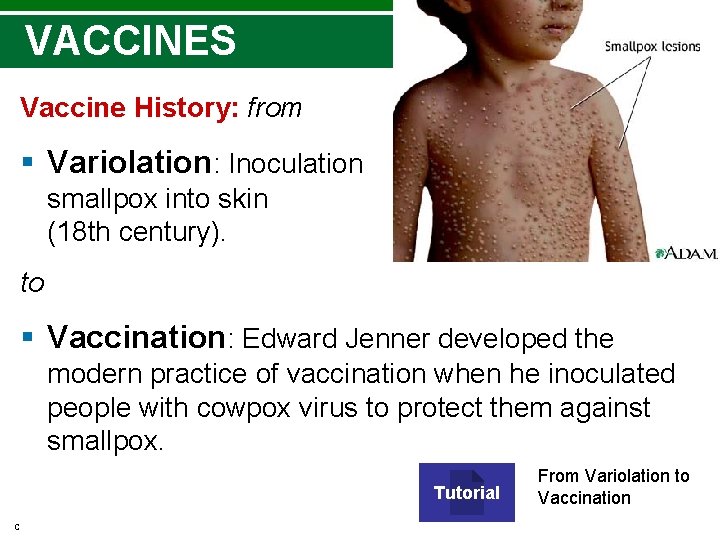
VACCINES Vaccine History: from § Variolation: Inoculation of smallpox into skin (18 th century). to § Vaccination: Edward Jenner developed the modern practice of vaccination when he inoculated people with cowpox virus to protect them against smallpox. Tutorial Copyright © 2010 Pearson Education, Inc. From Variolation to Vaccination
Herd Immunity Large proportion of group is whole group is resistant § Results from effective vaccination programs (90% vaccinated no spread of disease) § Factors affecting herd immunity ØEnvironment (rural vs. city life) ØIndividual’s immune system • Herd immunity animation Copyright © 2010 Pearson Education, Inc.
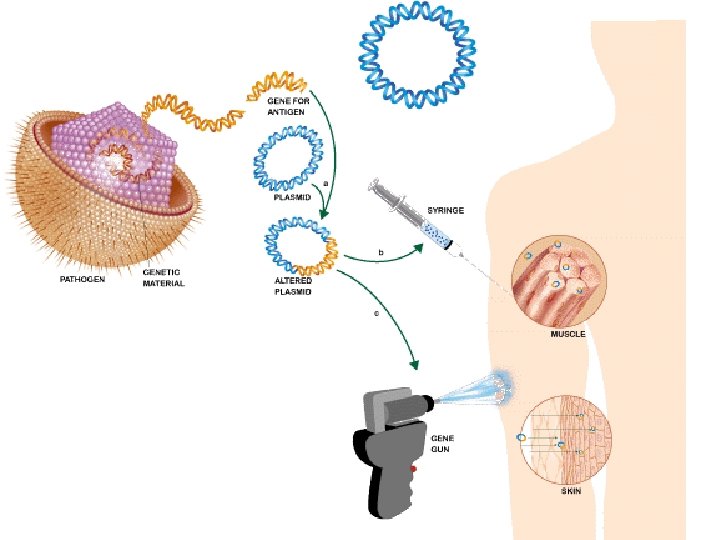
Types of Vaccines and Their Characteristics Attenuated whole-agent vaccine: attenuated (weakened) microorganisms (or virus) generally provides lifelong immunity. Inactivated whole-agent vaccine: killed bacteria or viruses Toxoid vaccine (inactivated toxin) Subunit vaccine: antigenic fragments of a microorganism; includes recombinant and acellular vaccines. Conjugated vaccine combines the desired antigen with a protein that boosts the immune response. DNA (= genetic immunization) stimulate humoral and cellular immunity; thermostable; easy to produce. In clinical trials. Booster Immunizations Adjuvants improve effectiveness of some antigens (increase availability of ag in lymph system) Copyright © 2010 Pearson Education, Inc.
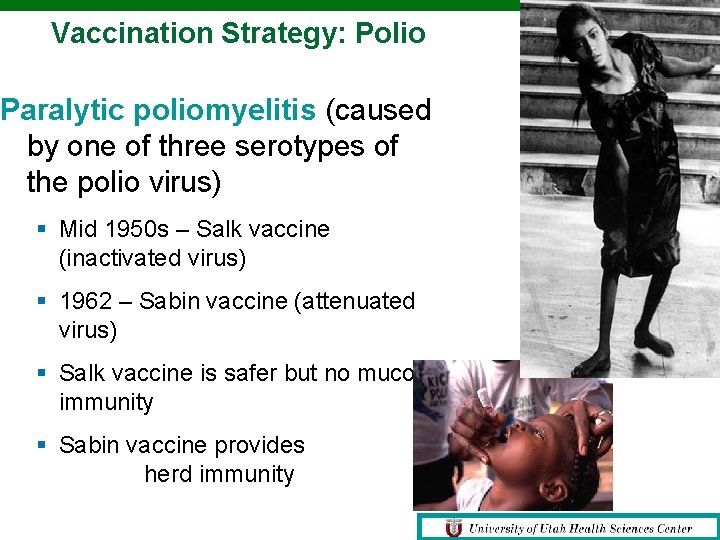
Vaccination Strategy: Polio Paralytic poliomyelitis (caused by one of three serotypes of the polio virus) § Mid 1950 s – Salk vaccine (inactivated virus) § 1962 – Sabin vaccine (attenuated virus) § Salk vaccine is safer but no mucosal immunity § Sabin vaccine provides herd immunity Copyright © 2010 Pearson Education, Inc.
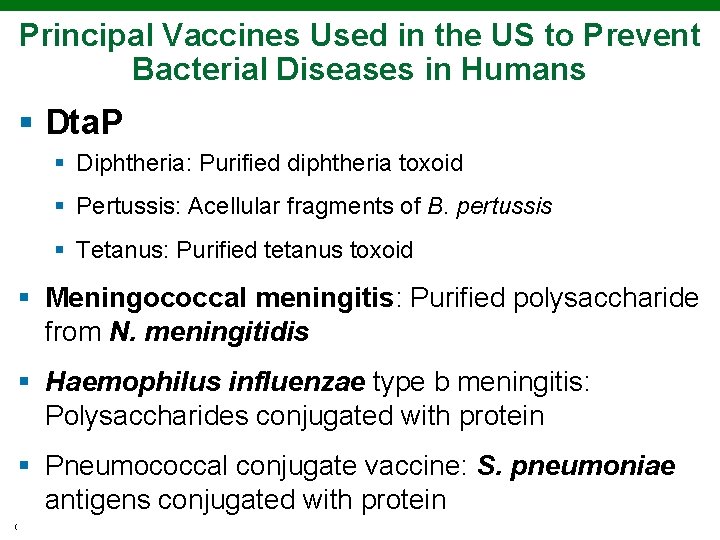
Principal Vaccines Used in the US to Prevent Bacterial Diseases in Humans § Dta. P § Diphtheria: Purified diphtheria toxoid § Pertussis: Acellular fragments of B. pertussis § Tetanus: Purified tetanus toxoid § Meningococcal meningitis: Purified polysaccharide from N. meningitidis § Haemophilus influenzae type b meningitis: Polysaccharides conjugated with protein § Pneumococcal conjugate vaccine: S. pneumoniae antigens conjugated with protein Copyright © 2010 Pearson Education, Inc.
Principal Vaccines Used in the US to Prevent Viral Diseases in Humans § Smallpox: Live vaccinia virus § Poliomyelitis: Inactivated virus § Rabies: Inactivated virus § Hepatitis A: Inactivated virus § Influenza: Inactivated or attenuated virus § Measles: Attenuated virus § Mumps: Attenuated virus § Rubella: Attenuated virus § Chickenpox: Attenuated virus § Hepatitis B: Antigenic fragments (recombinant vaccine) Copyright © 2010 Pearson Education, Inc.
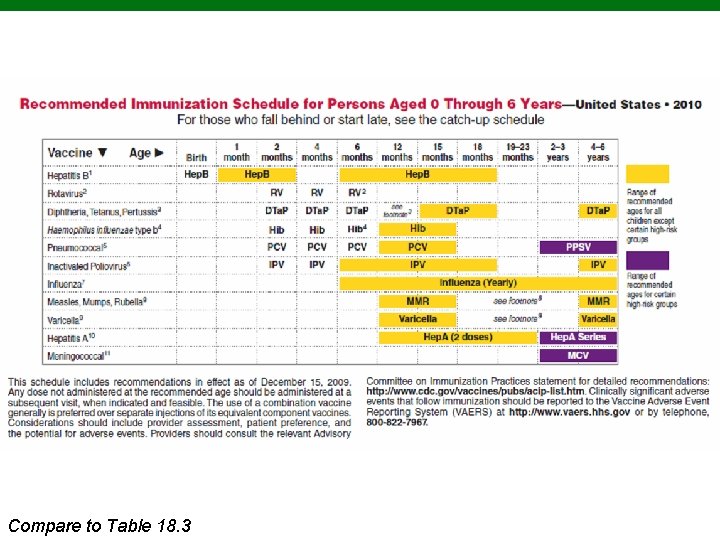
Copyright © 2010 to Pearson Education, Inc. Compare Table 18. 3
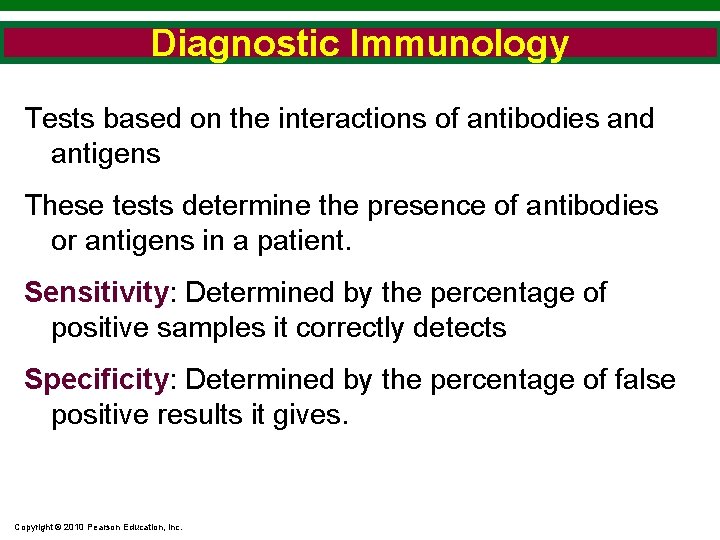
Diagnostic Immunology Tests based on the interactions of antibodies and antigens These tests determine the presence of antibodies or antigens in a patient. Sensitivity: Determined by the percentage of positive samples it correctly detects Specificity: Determined by the percentage of false positive results it gives. Copyright © 2010 Pearson Education, Inc.
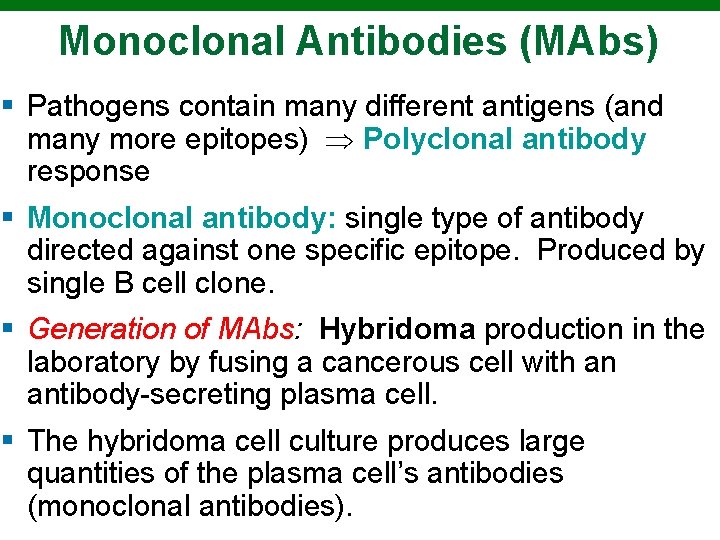
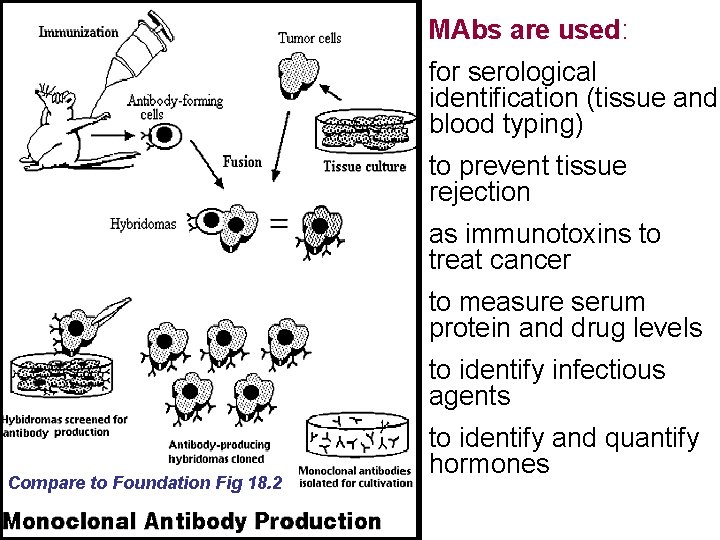
Monoclonal Antibodies (MAbs) § Pathogens contain many different antigens (and many more epitopes) Polyclonal antibody response § Monoclonal antibody: single type of antibody directed against one specific epitope. Produced by single B cell clone. § Generation of MAbs: Hybridoma production in the laboratory by fusing a cancerous cell with an antibody-secreting plasma cell. § The hybridoma cell culture produces large quantities of the plasma cell’s antibodies (monoclonal antibodies). Copyright © 2010 Pearson Education, Inc.
MAbs are used: for serological identification (tissue and blood typing) to prevent tissue rejection as immunotoxins to treat cancer to measure serum protein and drug levels to identify infectious agents Compare to Foundation Fig 18. 2 to identify and quantify hormones
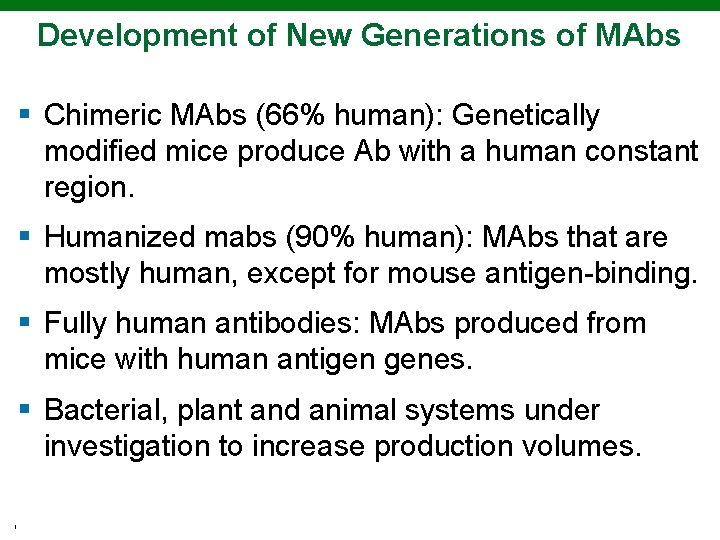
Development of New Generations of MAbs § Chimeric MAbs (66% human): Genetically modified mice produce Ab with a human constant region. § Humanized mabs (90% human): MAbs that are mostly human, except for mouse antigen-binding. § Fully human antibodies: MAbs produced from mice with human antigen genes. § Bacterial, plant and animal systems under investigation to increase production volumes. Copyright © 2010 Pearson Education, Inc.
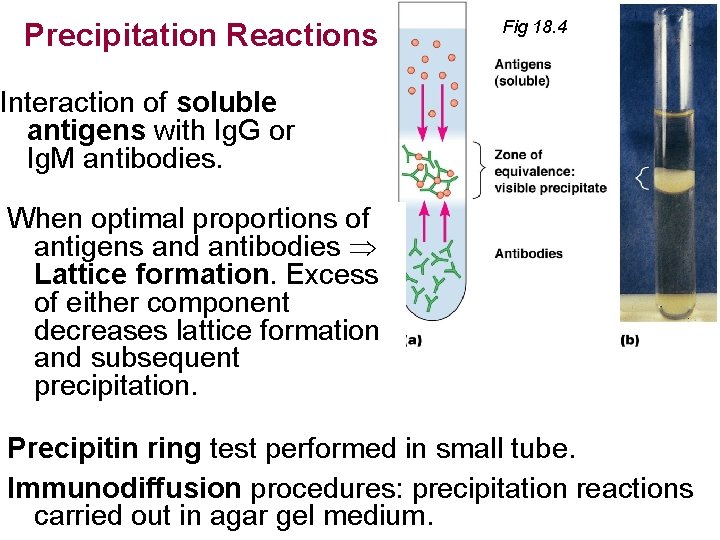
Precipitation Reactions Fig 18. 4 Interaction of soluble antigens with Ig. G or Ig. M antibodies. When optimal proportions of antigens and antibodies Lattice formation. Excess of either component decreases lattice formation and subsequent precipitation. Precipitin ring test performed in small tube. Immunodiffusion procedures: precipitation reactions carried out in agar gel medium.
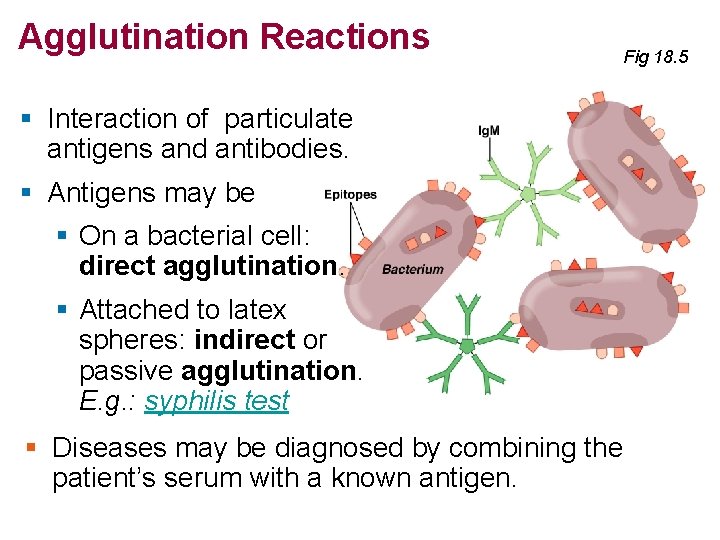
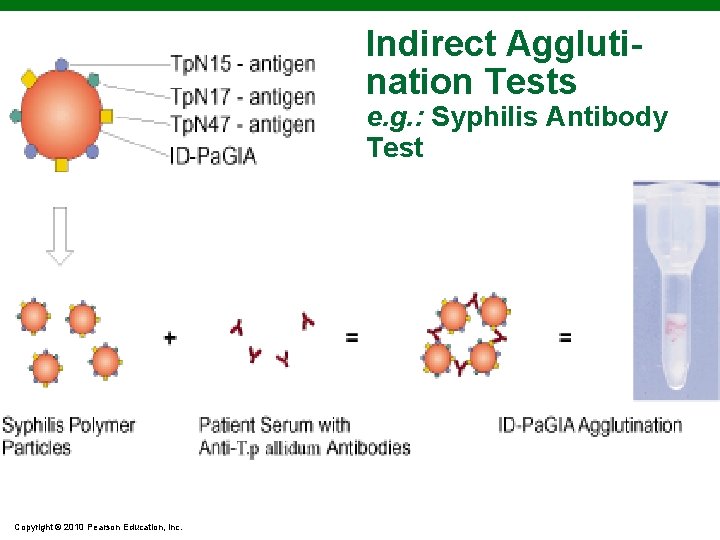
Agglutination Reactions Fig 18. 5 § Interaction of particulate antigens and antibodies. § Antigens may be § On a bacterial cell: direct agglutination. § Attached to latex spheres: indirect or passive agglutination. E. g. : syphilis test § Diseases may be diagnosed by combining the patient’s serum with a known antigen.
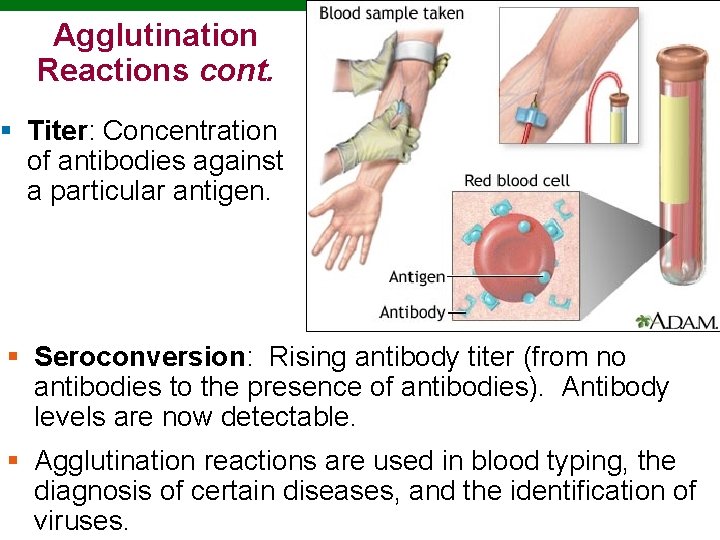
Agglutination Reactions cont. § Titer: Concentration of antibodies against a particular antigen. § Seroconversion: Rising antibody titer (from no antibodies to the presence of antibodies). Antibody levels are now detectable. § Agglutination reactions are used in blood typing, the diagnosis of certain diseases, and the identification of viruses. Copyright © 2010 Pearson Education, Inc.
Indirect Agglutination Tests e. g. : Syphilis Antibody Test Copyright © 2010 Pearson Education, Inc.
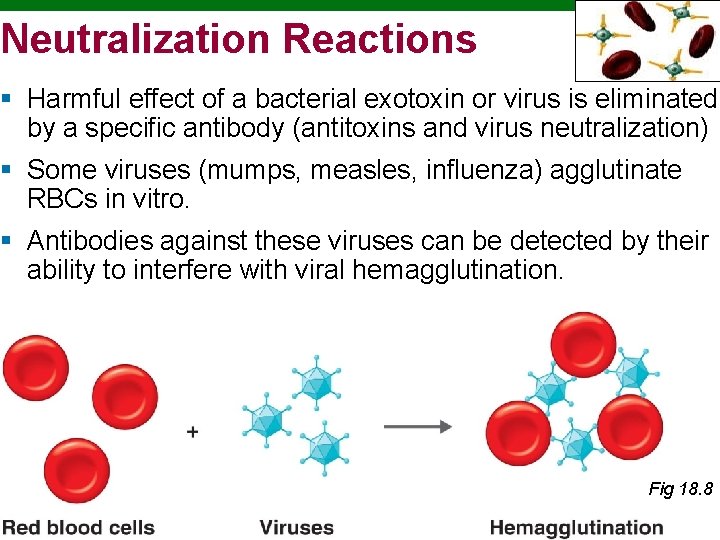
Neutralization Reactions § Harmful effect of a bacterial exotoxin or virus is eliminated by a specific antibody (antitoxins and virus neutralization) § Some viruses (mumps, measles, influenza) agglutinate RBCs in vitro. § Antibodies against these viruses can be detected by their ability to interfere with viral hemagglutination. Fig 18. 8 Copyright © 2010 Pearson Education, Inc.
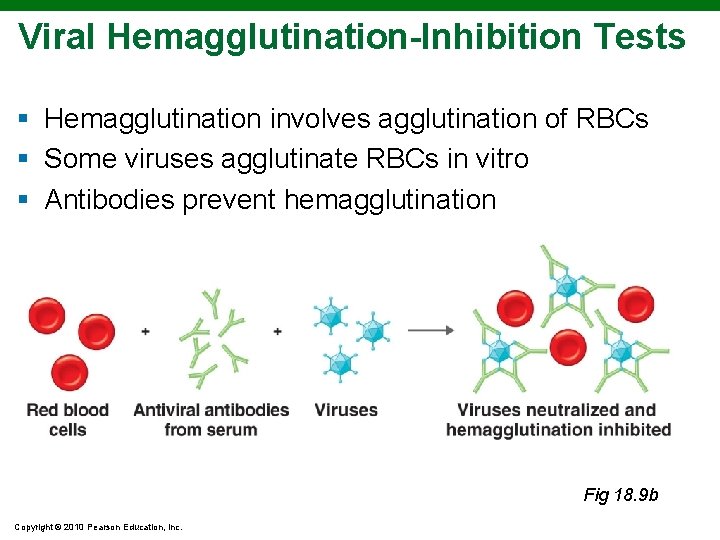
Viral Hemagglutination-Inhibition Tests § Hemagglutination involves agglutination of RBCs § Some viruses agglutinate RBCs in vitro § Antibodies prevent hemagglutination Fig 18. 9 b Copyright © 2010 Pearson Education, Inc.
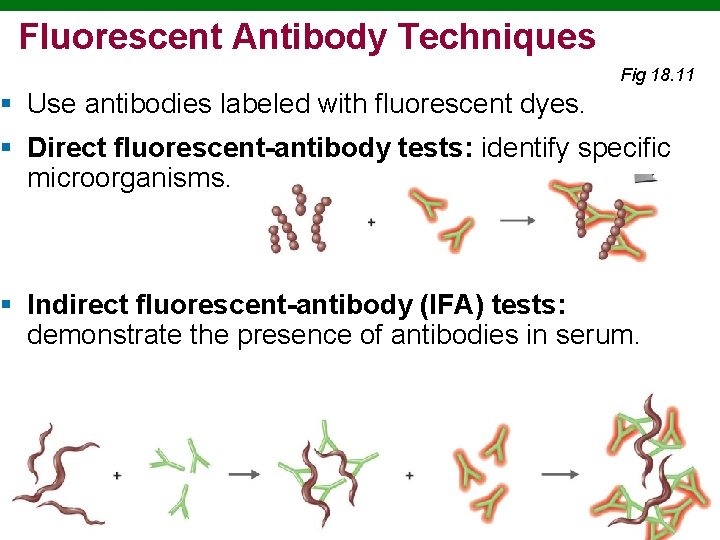
Fluorescent Antibody Techniques Fig 18. 11 § Use antibodies labeled with fluorescent dyes. § Direct fluorescent-antibody tests: identify specific microorganisms. § Indirect fluorescent-antibody (IFA) tests: demonstrate the presence of antibodies in serum. Copyright © 2010 Pearson Education, Inc.
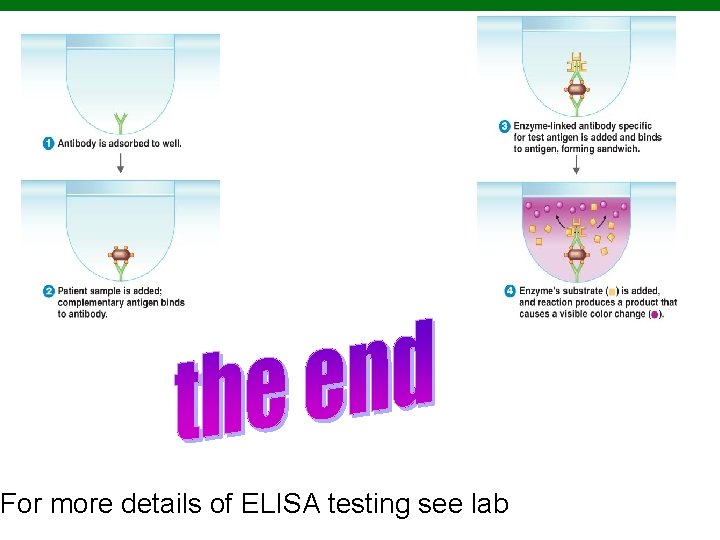
For more details of ELISA testing see lab Copyright © 2010 Pearson Education, Inc.