
Ch 15 Evolution p 418 441 15 1
- Slides: 50
Ch. 15 Evolution p. 418 - 441
15. 1 Darwin’s Theory of Natural Selection p. 418 – 422
Main Idea Charles Darwin developed a theory of evolution based on natural selection.
What was the primary mission of the Beagle? To survey the coast of South America
What did Darwin make collections of? Rocks, fossils, plants and animals
What did Darwin notice as he made collections of the animals in the Galapagos Islands? He noticed that the different islands seemed to have their own, slightly different varieties of animals
What are two examples of when artifical selection occurs? When breeding dogs When new strains of crops
What was interesting about almost every specimen that Darwin collected in the Galapagos? It was new to European scientists
What did Darwin hypothesize? New species could appear gradually through small changes in ancestrial species
What did Darwin reason from the economist Malthus’ ideas? That some competitors in the struggle for existence would be better equipped for survival than others Those less equipped would die
What are the four basic principles of Darwin’s theory? 1. Individuals in a population show differences, or variances 2. Variations can be inherited 3. Organisms have more offspring than can survive on available resources 4. Variations that increase reproductive success will have a greater chance of being passed on
Visualizing Natural Selection: give an example of how a sunflower population exhibits the for principles of natural selection Variation – some sunflowers are taller than others Heritability – tall sunflowers produce tall sunflowers; short sunflowers produce short sunflowers Overproduction – each sunflower has hundreds of seeds, most of them will not germinate Reproductive advantage – shorter sunflowers reproduce more successfully
Evolution Cumulative changes in groups of organisms through time
How does the term evolution relate to natural selection? Natural selection is a means of explaining how evolution works
15. 2 Evidence of Evolution p. 423 -430
Main Idea Multiple lines of evidence support theory of evolution
What did On the Origin of Species demonstrate? How natural selection might operate
What also did it provide? Evidence that evolution has occurred on our planet
What does a theory explain? How some aspect of the natural world operates
What does theory of evolution state? It states that all organisms on Earth have descended from a common ancestor.
What do fossils provide? A record of species that lived long ago
Why is the fossil record important? It is an important source of information for determining the ancestry of organism and the patterns of evolution.
What is a transitional fossil? A fossil that contain features shared by different species
Derived trait Newly evolved features, such as feathers, that do not appear in the fossils of common ancestors
Ancestral trait More primitive features, such as teeth and tails, that do appear in ancestral forms
Homologous structures Anatomically similar structures inherited from a common ancestor
Give an example of homologous structures Bird wings and reptile limbs They are similar shape and construction, indicating that they were inherited from a common ancestor
Vestigial structures Structures that are reduced forms of functional structures in other organisms
Give an example of vestigial structures: Snake pelvis – attachment point for legs and is non functional in animal without legs Kiwi wings – too small to be of any use in flight Human appendix – important in many mammals, but of limited use in humans and some apes
Embryo An early, pre-birth stage of an organism’s development
Biogeography Study of the distribution of plants and animals around the world
What are the 5 topics that offer evidence for evolution: 1. 2. 3. 4. 5. Fossil record Comparative anatomy Comparative embryology Comparative biochemistry Geographical distribution
What is an adaptation? A trait shaped by natural selection that increases an organism’s reproductive success.
Fitness A measure of the relative contribution an individual trait makes to the next generation.
The better an organism is adapted to its environment, the greater its chances of survival and reproductive success.
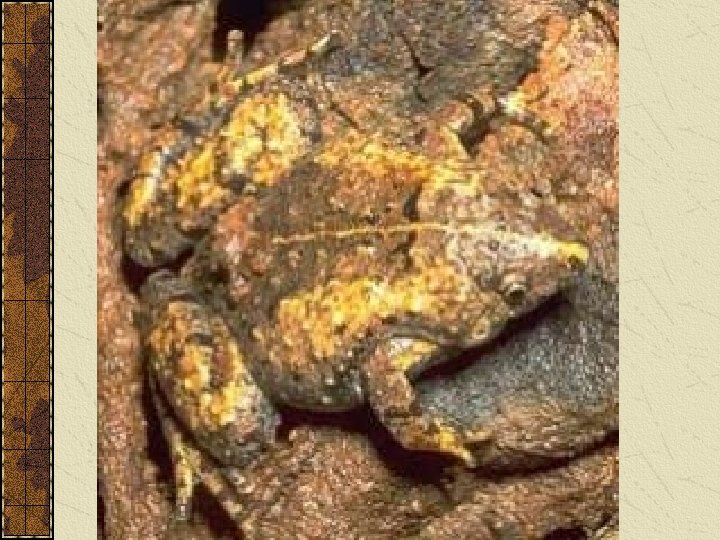
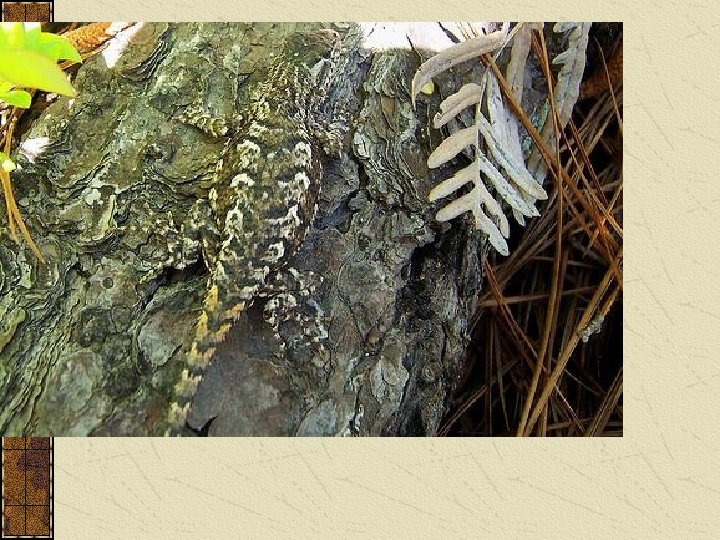
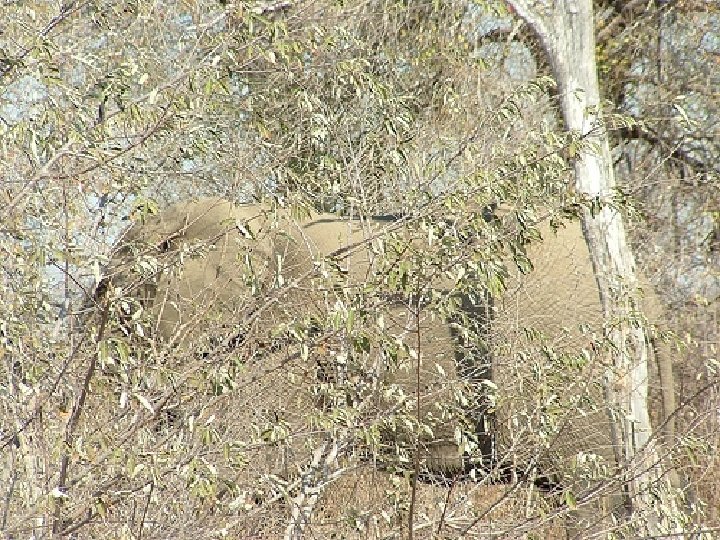
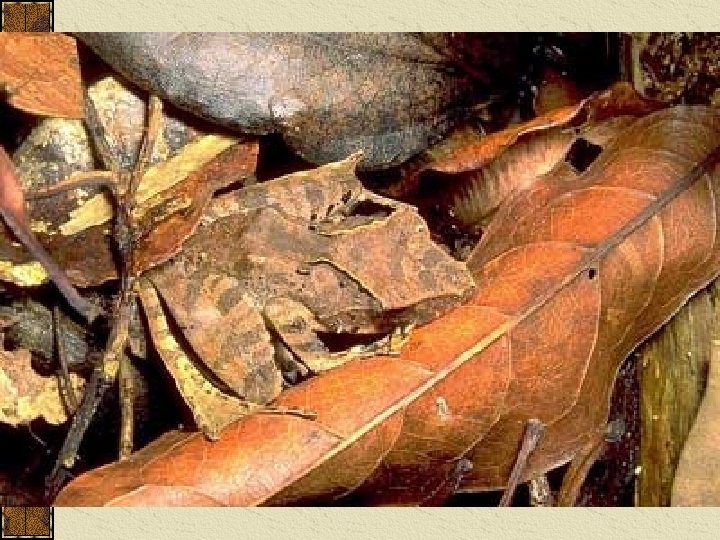
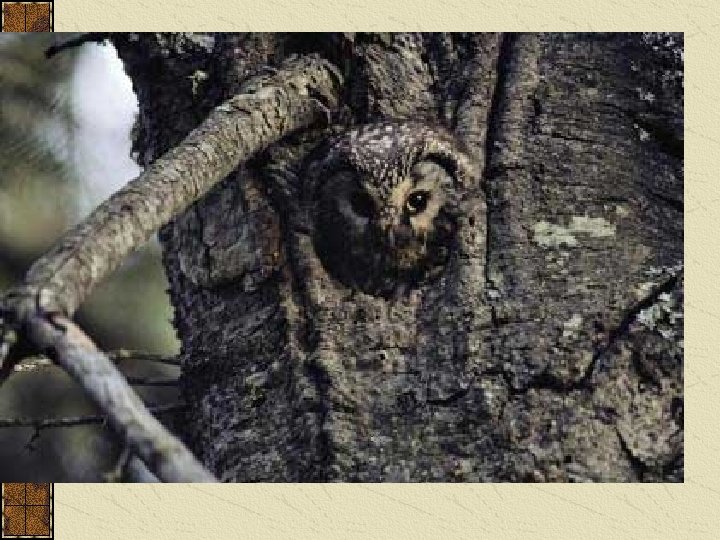
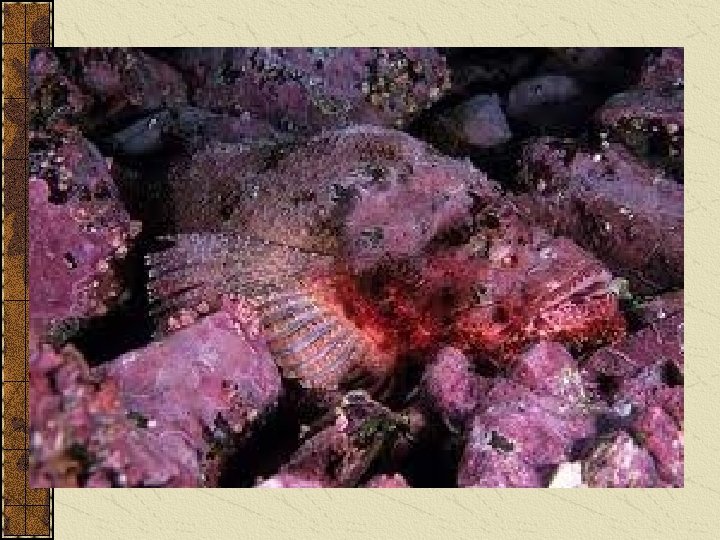
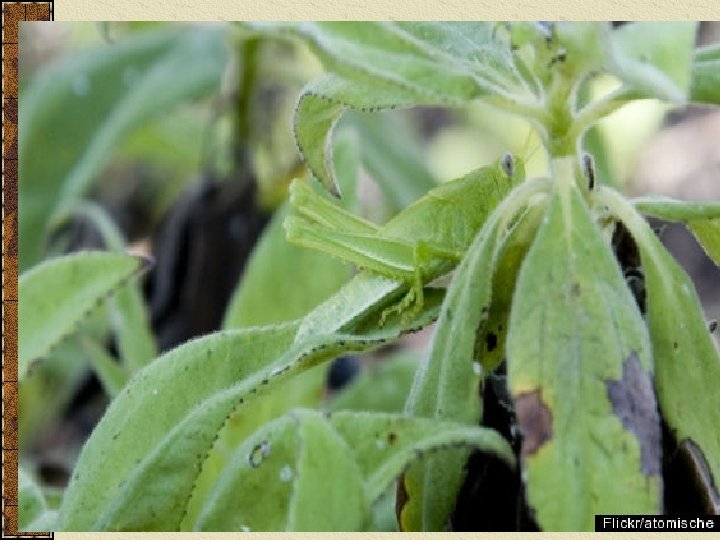
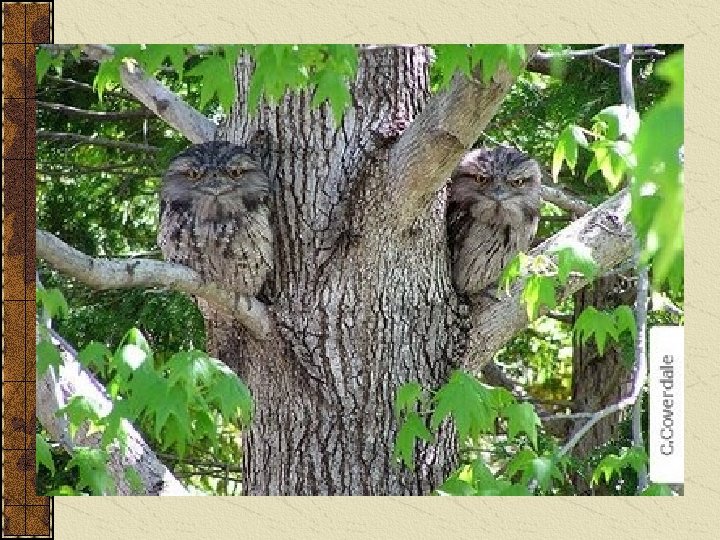
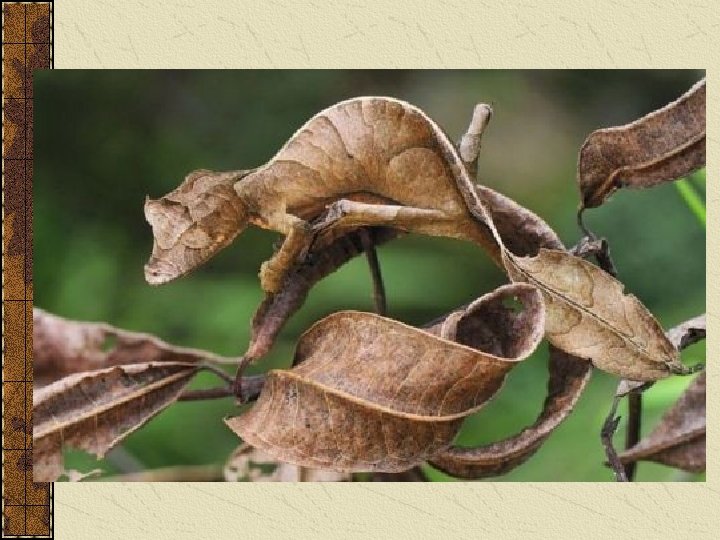
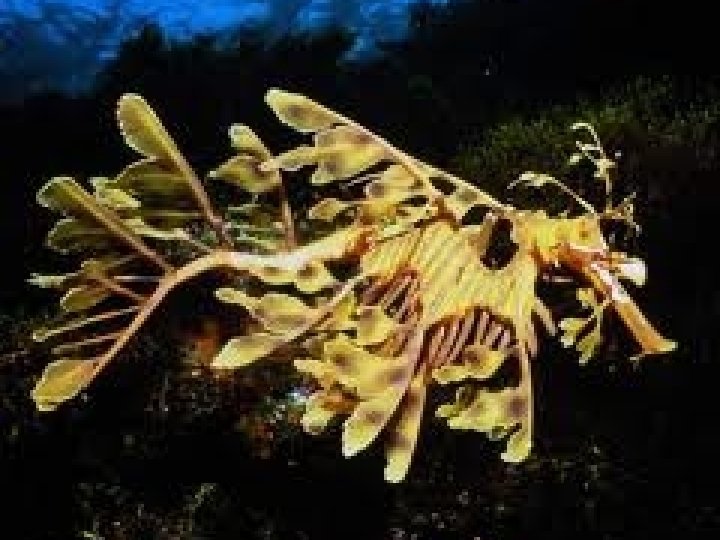
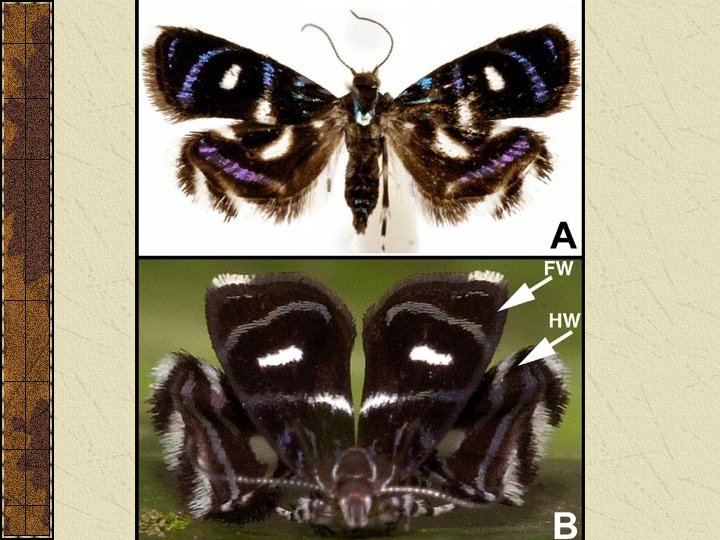
Camouflauge Morphological (form & structure) adaptations that allow them to blend in with their environments
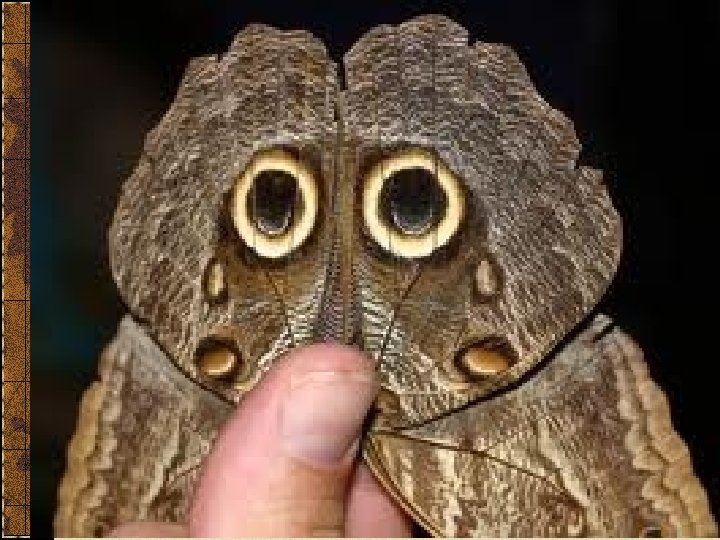
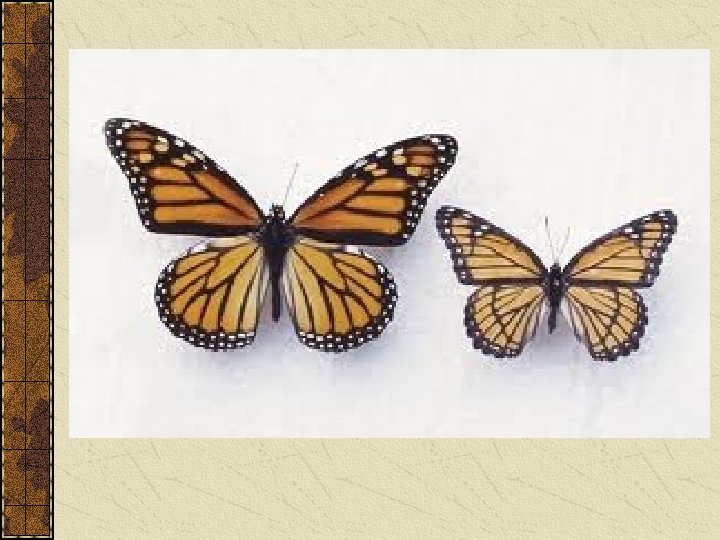
Mimicry A morphological adaptation where one species evolves to resemble another species