
Ch 14 WarmUp 1 Compare DNA methylation and
- Slides: 35
Ch. 14 Warm-Up 1. Compare DNA methylation and histone acetylation. 2. What is the role of activators vs. repressors? Where do they bind to? 3. List the components found in a eukaryotic transcription initiation complex. 4. What is the function of mi. RNAs and si. RNAs?
Ch. 19 Warm-Up 1. List and describe the 3 processes that are involved in transforming a zygote. 2. Compare oncogenes, proto-oncogenes, and tumor suppresor genes. 3. What are the roles of the ras gene and the p 53 gene?
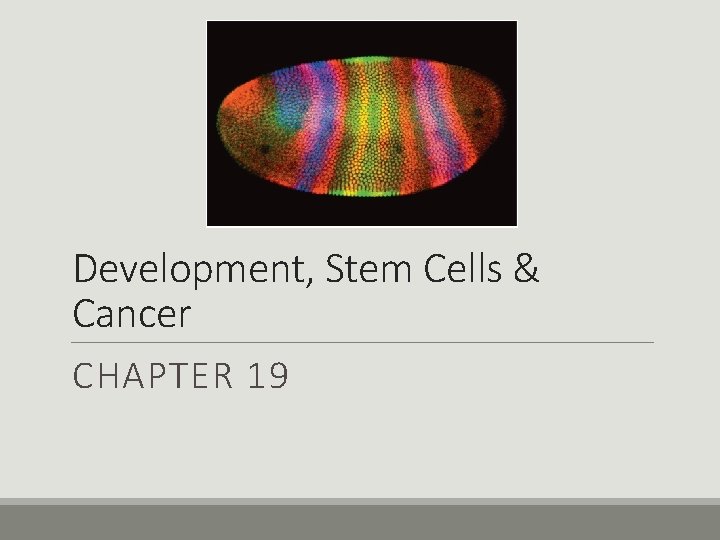
Development, Stem Cells & Cancer CHAPTER 19
What you must know: How timing and coordination of specific events are regulated in normal development, including pattern formation and induction. The role of gene regulation in embryonic development and cancer.
A program of differential gene expression leads to the different cell types in a multicellular organism
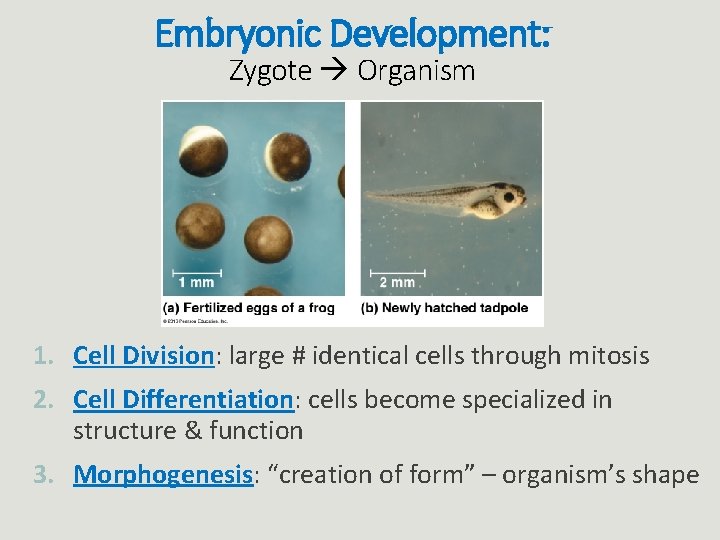
Embryonic Development: Zygote Organism 1. Cell Division: large # identical cells through mitosis 2. Cell Differentiation: cells become specialized in structure & function 3. Morphogenesis: “creation of form” – organism’s shape
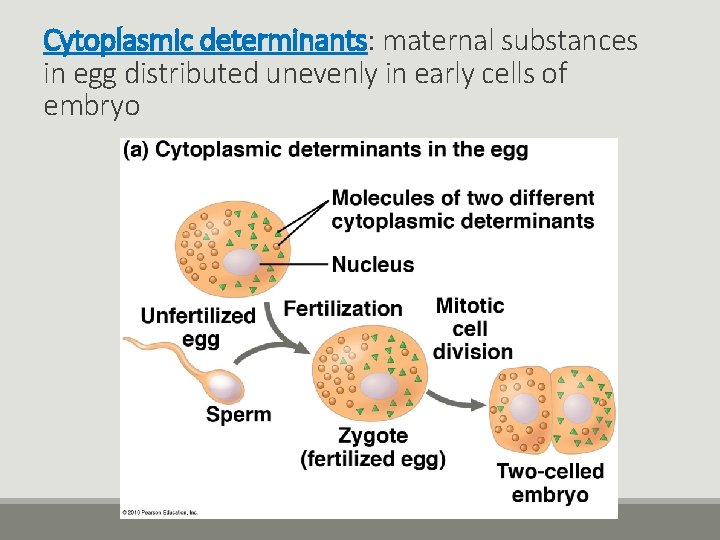
Cytoplasmic determinants: maternal substances in egg distributed unevenly in early cells of embryo
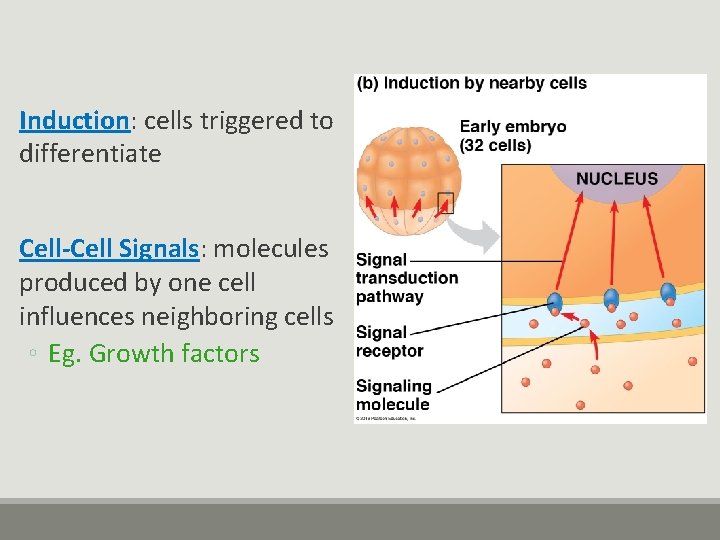
Induction: cells triggered to differentiate Cell-Cell Signals: molecules produced by one cell influences neighboring cells ◦ Eg. Growth factors
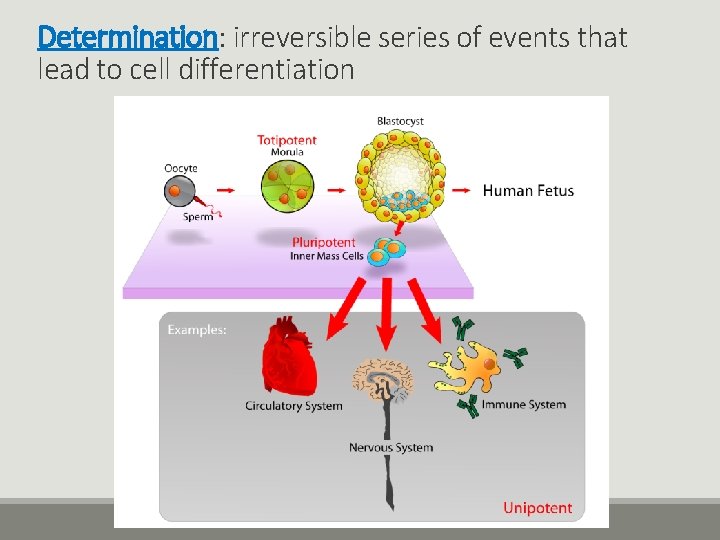
Determination: irreversible series of events that lead to cell differentiation
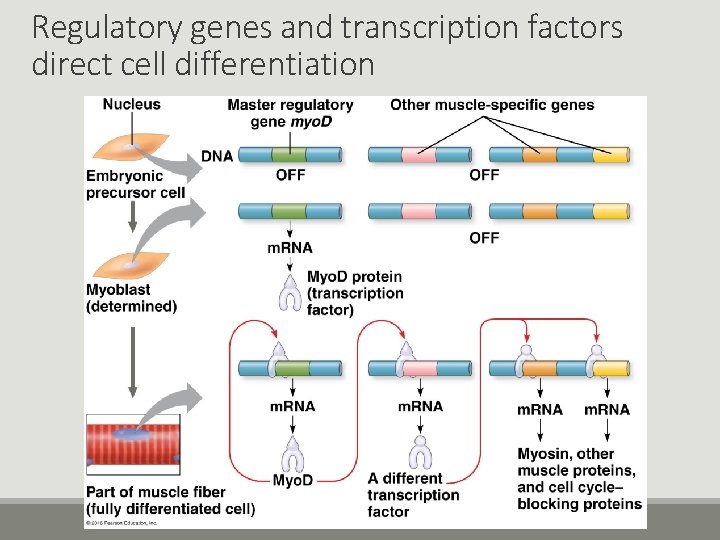
Regulatory genes and transcription factors direct cell differentiation
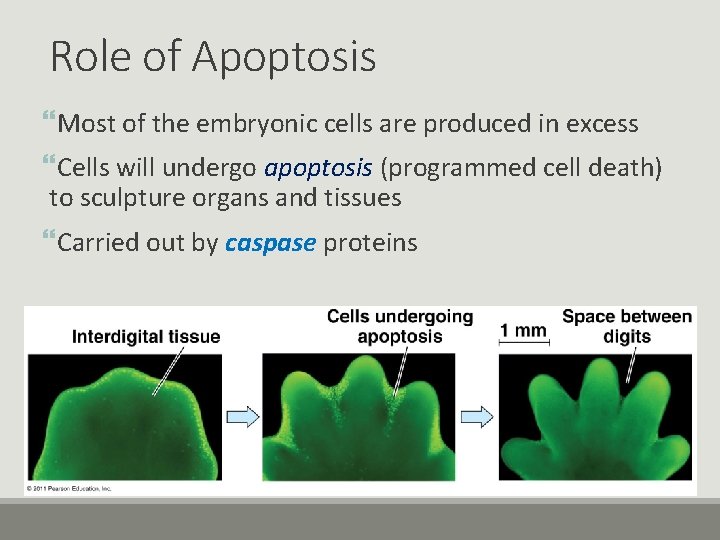
Role of Apoptosis Most of the embryonic cells are produced in excess Cells will undergo apoptosis (programmed cell death) to sculpture organs and tissues Carried out by caspase proteins
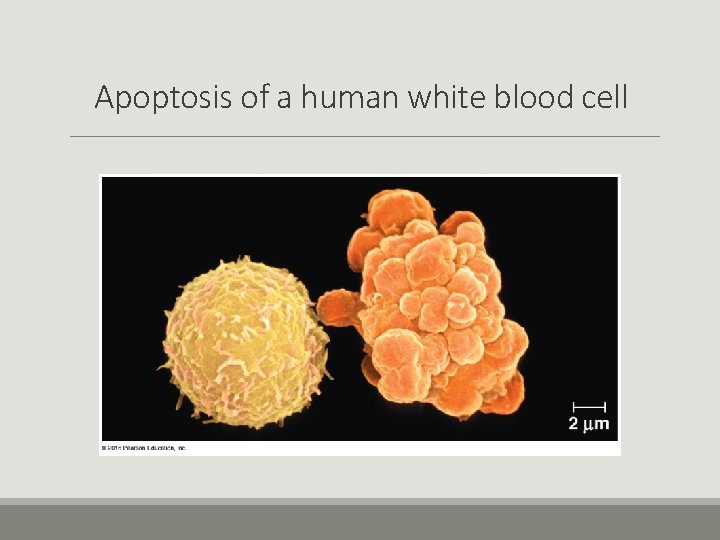
Apoptosis of a human white blood cell
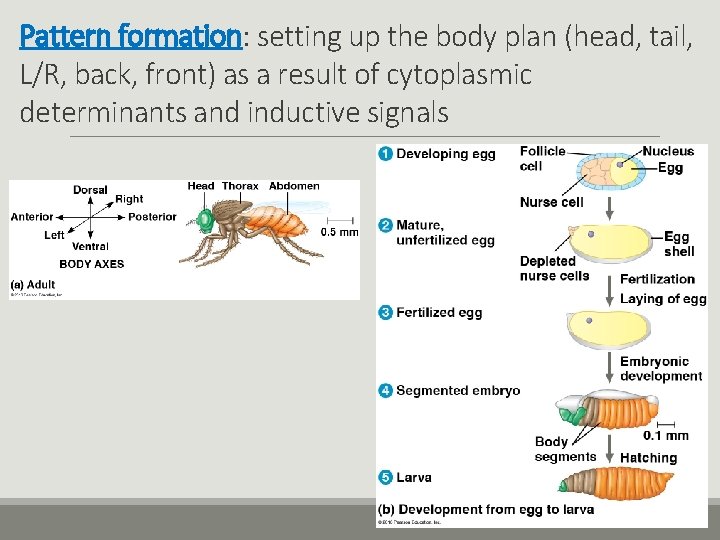
Pattern formation: setting up the body plan (head, tail, L/R, back, front) as a result of cytoplasmic determinants and inductive signals
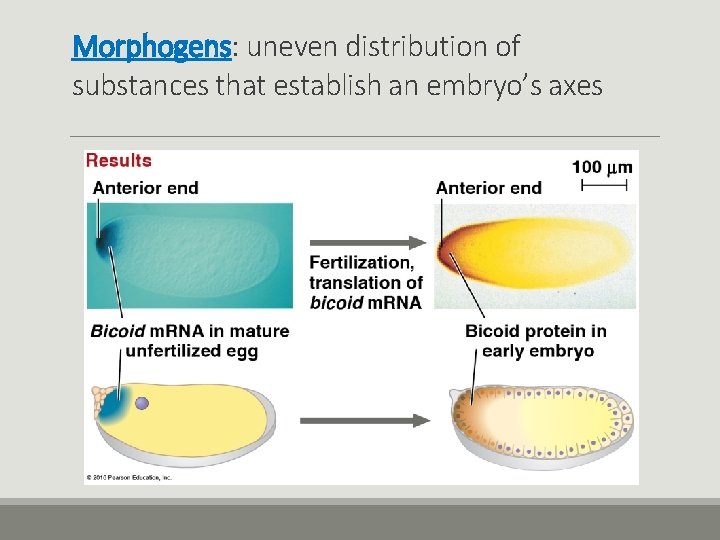
Morphogens: uneven distribution of substances that establish an embryo’s axes
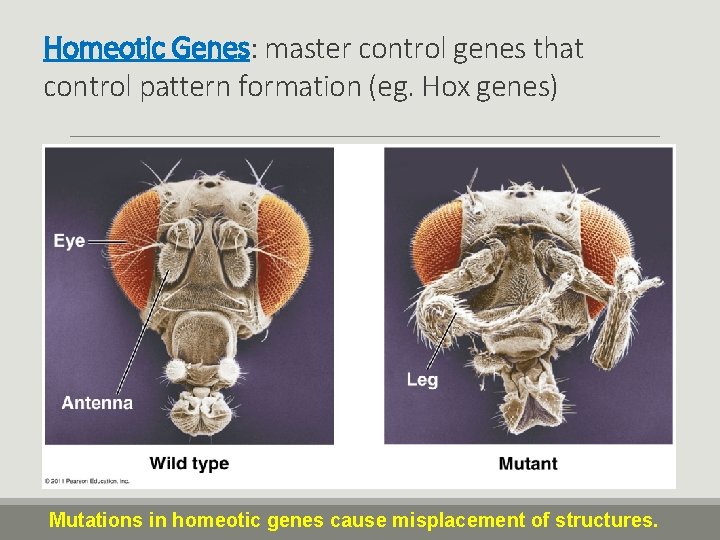
Homeotic Genes: master control genes that control pattern formation (eg. Hox genes) Mutations in homeotic genes cause misplacement of structures.
Evolving Switches, Evolving Bodies HHMI SHORT FILM
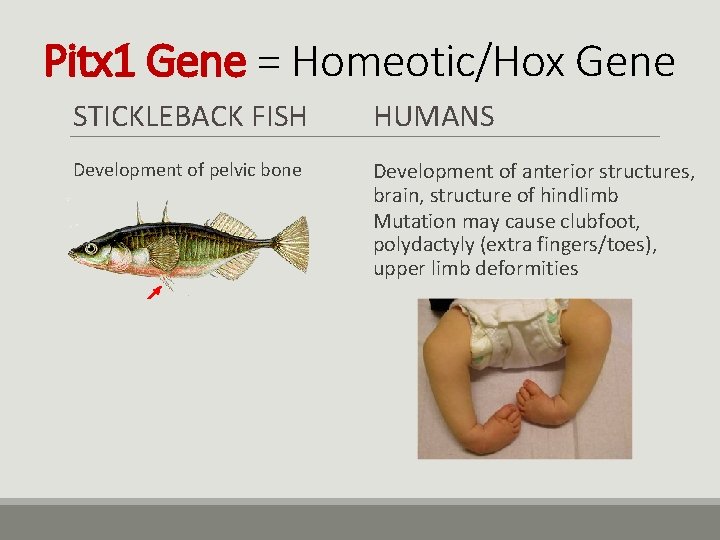
Pitx 1 Gene = Homeotic/Hox Gene STICKLEBACK FISH HUMANS Development of pelvic bone Development of anterior structures, brain, structure of hindlimb Mutation may cause clubfoot, polydactyly (extra fingers/toes), upper limb deformities
Cloning of organisms showed that differentiated cells could be “reprogrammed” and ultimately lead to the production of stem cells
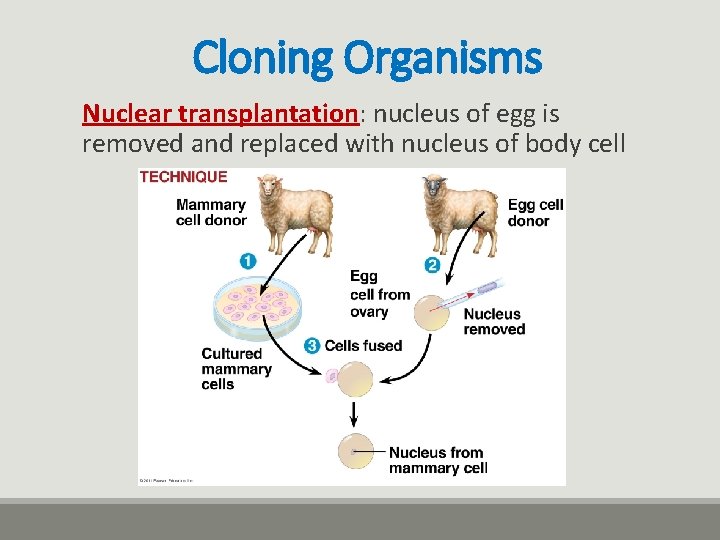
Cloning Organisms Nuclear transplantation: nucleus of egg is removed and replaced with nucleus of body cell
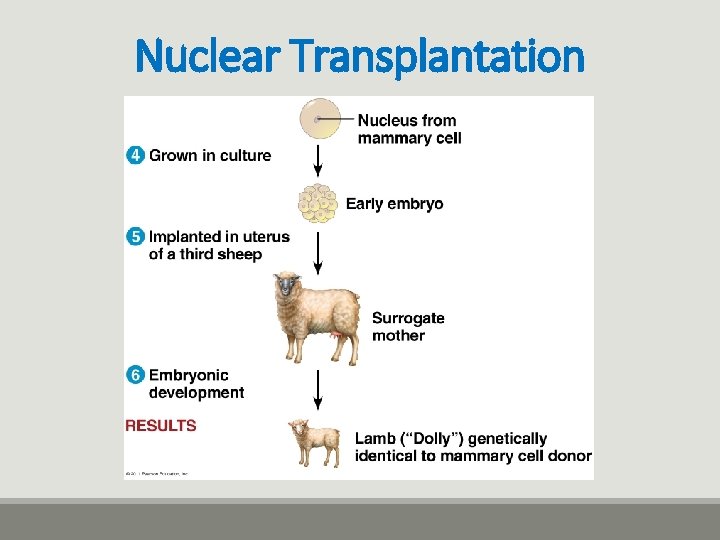
Nuclear Transplantation
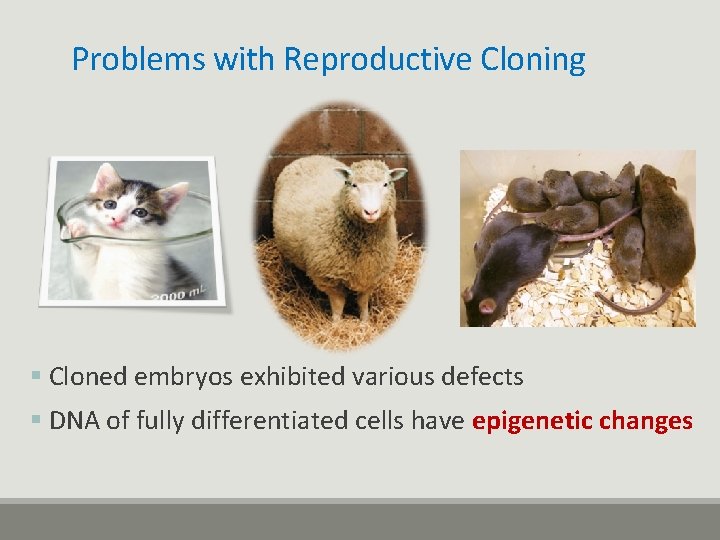
Problems with Reproductive Cloning § Cloned embryos exhibited various defects § DNA of fully differentiated cells have epigenetic changes
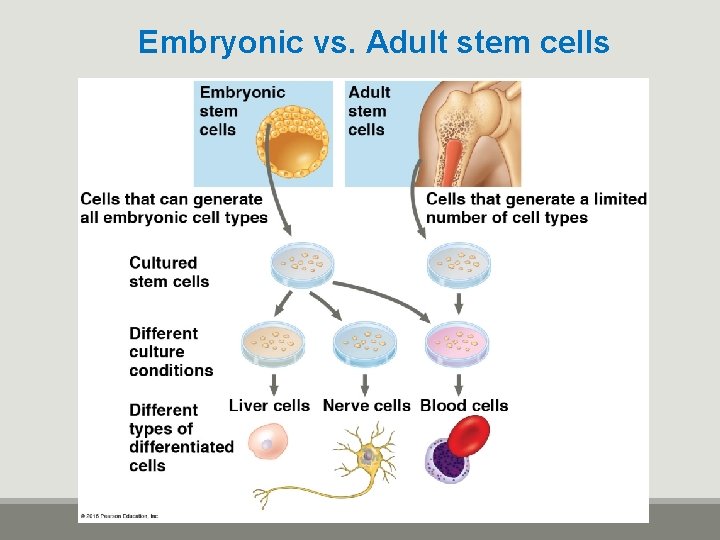
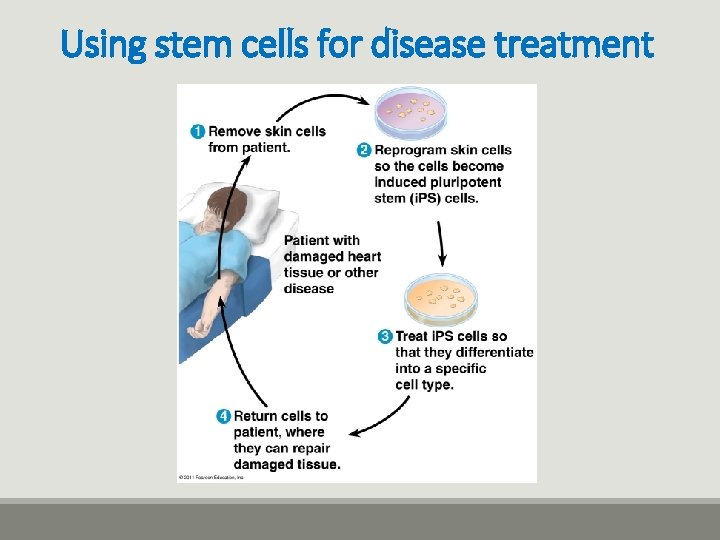
Stem Cells Stem cells: can reproduce itself indefinitely and produce other specialized cells § Zygote = totipotent (any type of cell) § Embryonic stem (ES) cells = pluripotent (many cell types) § Adult stem cells = multipotent (a few cell types) or induced pluripotent, i. PS (“deprogrammed” to be pluripotent)
Embryonic vs. Adult stem cells
Using stem cells for disease treatment
Abnormal regulation of genes that affect the cell cycle can lead to cancer
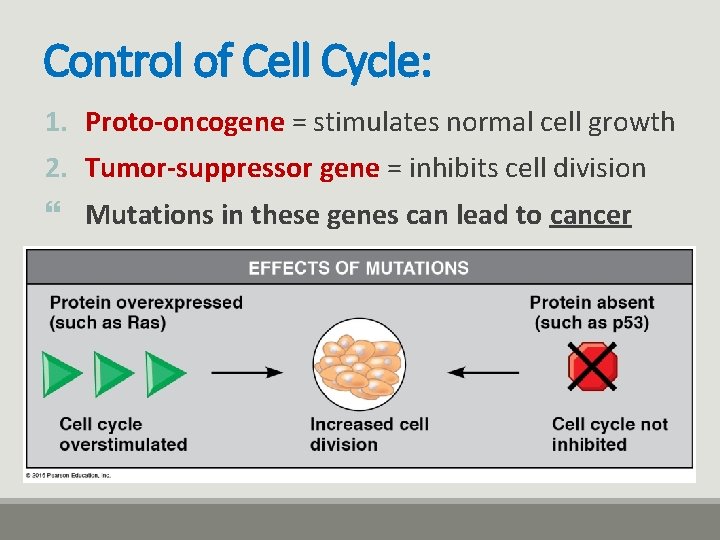
Control of Cell Cycle: 1. Proto-oncogene = stimulates normal cell growth 2. Tumor-suppressor gene = inhibits cell division Mutations in these genes can lead to cancer
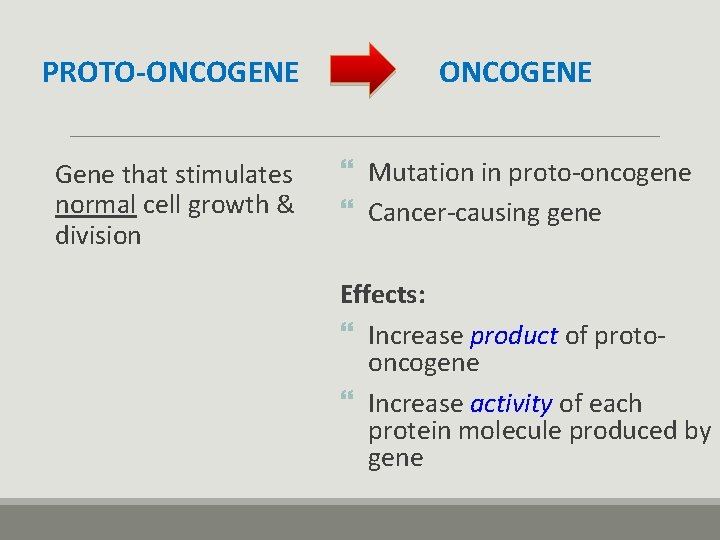
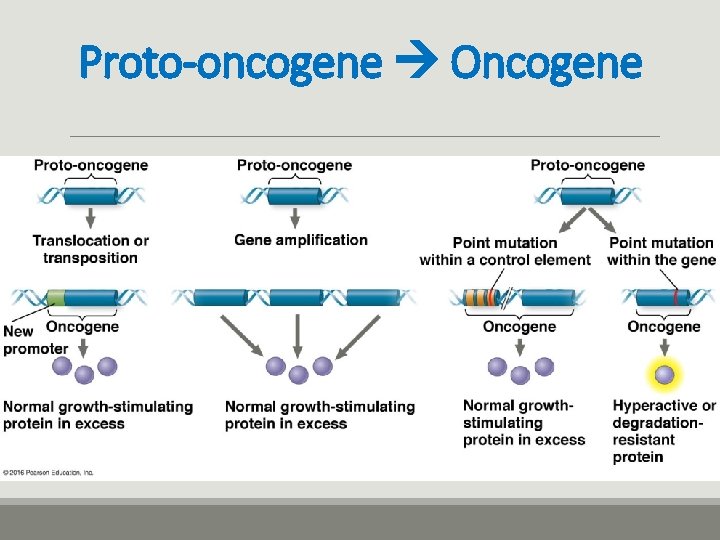
PROTO-ONCOGENE Gene that stimulates normal cell growth & division Mutation in proto-oncogene Cancer-causing gene Effects: Increase product of protooncogene Increase activity of each protein molecule produced by gene
Proto-oncogene Oncogene
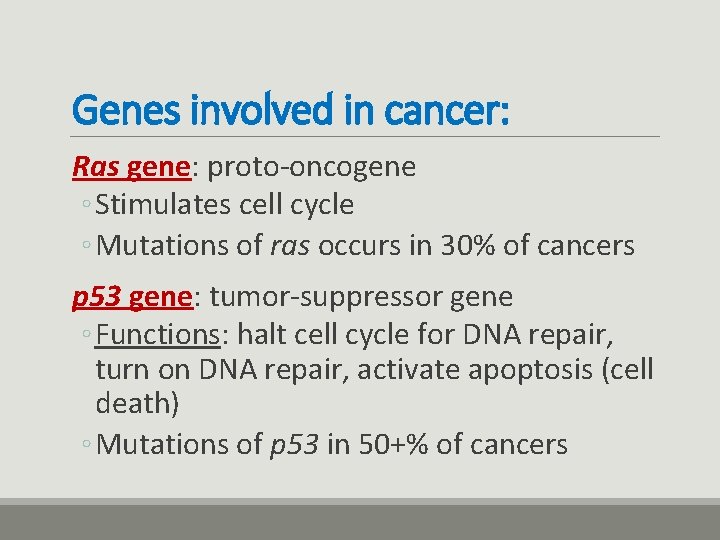
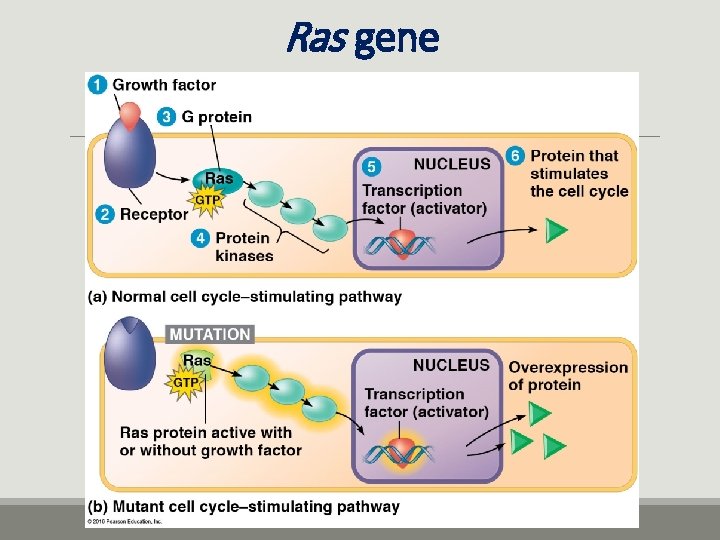
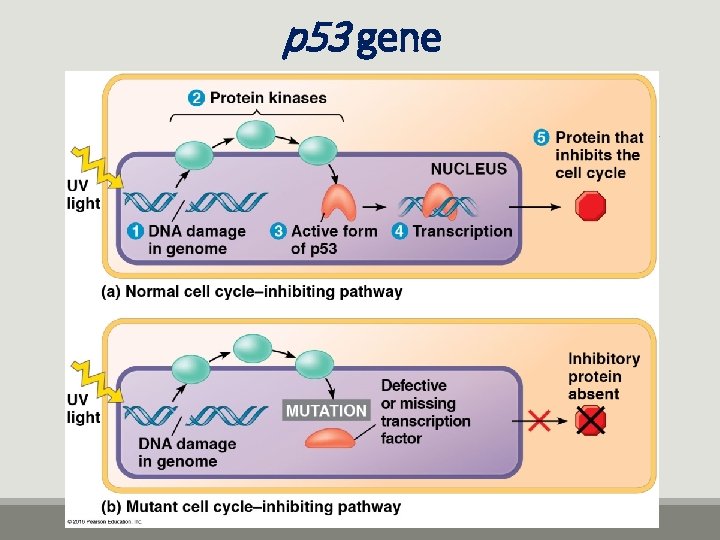
Genes involved in cancer: Ras gene: proto-oncogene ◦ Stimulates cell cycle ◦ Mutations of ras occurs in 30% of cancers p 53 gene: tumor-suppressor gene ◦ Functions: halt cell cycle for DNA repair, turn on DNA repair, activate apoptosis (cell death) ◦ Mutations of p 53 in 50+% of cancers
Ras gene
p 53 gene
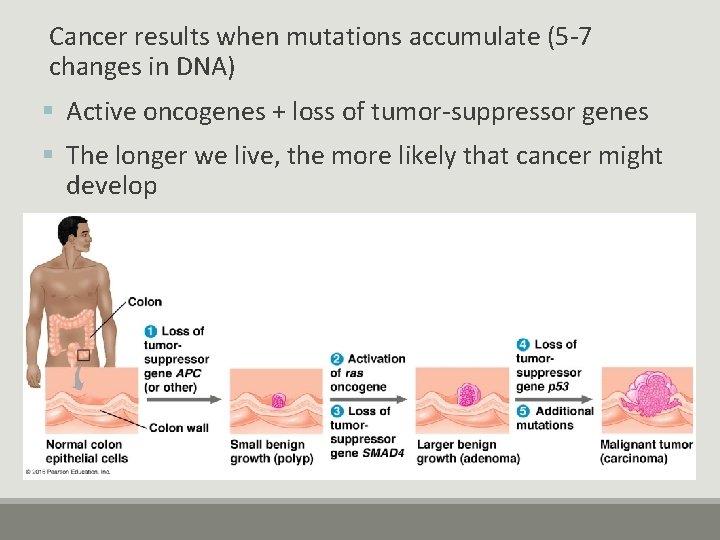
Cancer results when mutations accumulate (5 -7 changes in DNA) § Active oncogenes + loss of tumor-suppressor genes § The longer we live, the more likely that cancer might develop
Summary Embryonic development occurs when gene regulation proceeds correctly Cancer occurs when gene regulation goes awry