
Cephalopods Cephalopods Tentacles grow from head shell varies
- Slides: 27
Cephalopods
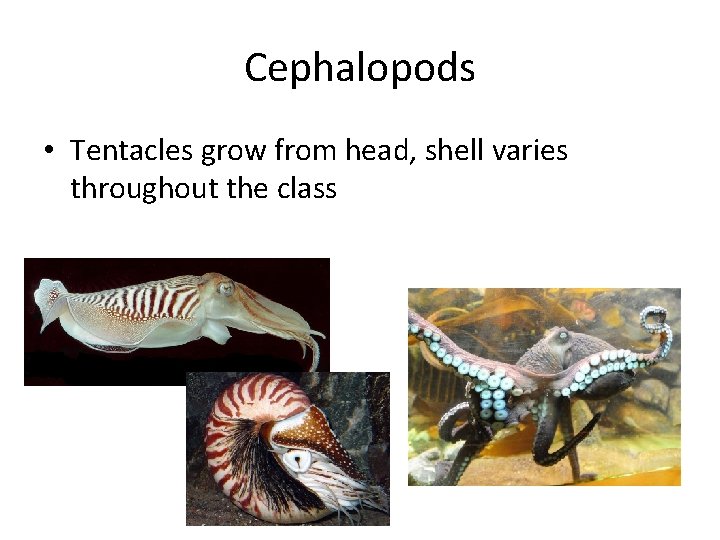
Cephalopods • Tentacles grow from head, shell varies throughout the class
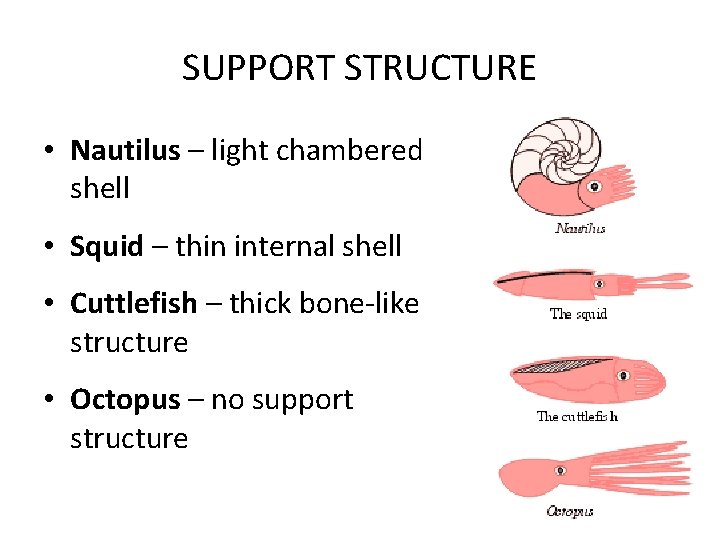
SUPPORT STRUCTURE • Nautilus – light chambered shell • Squid – thin internal shell • Cuttlefish – thick bone-like structure • Octopus – no support structure
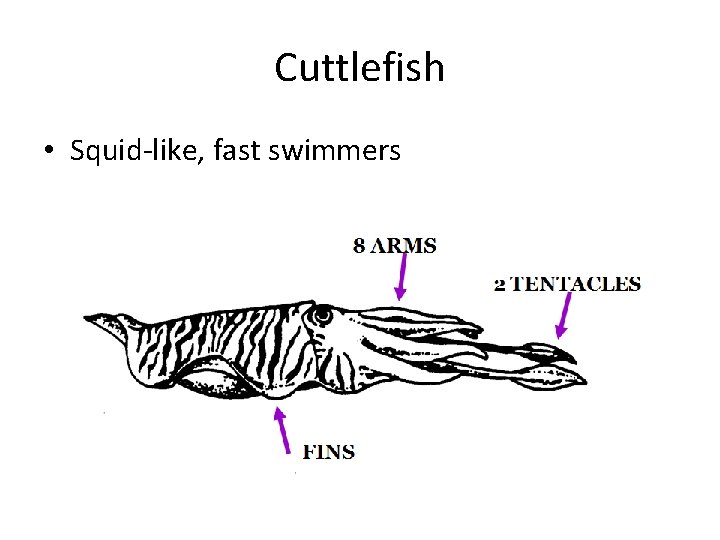
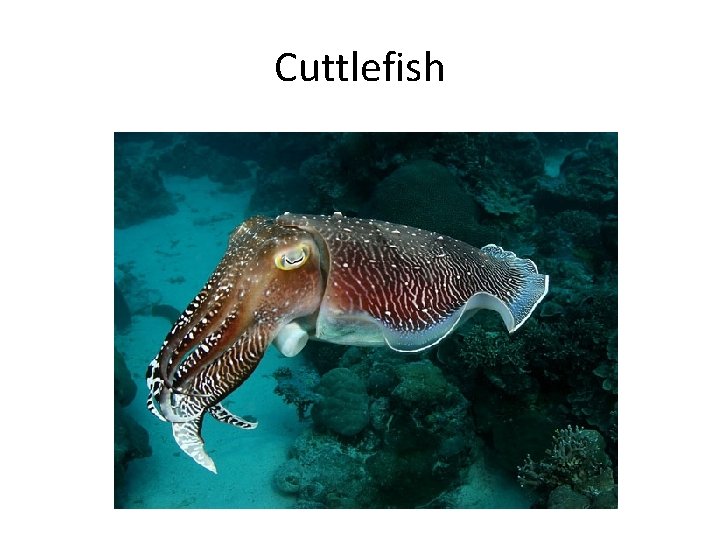
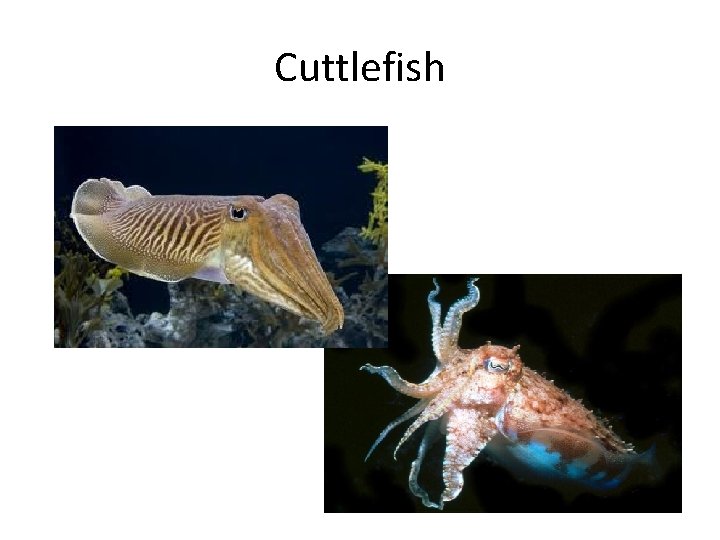
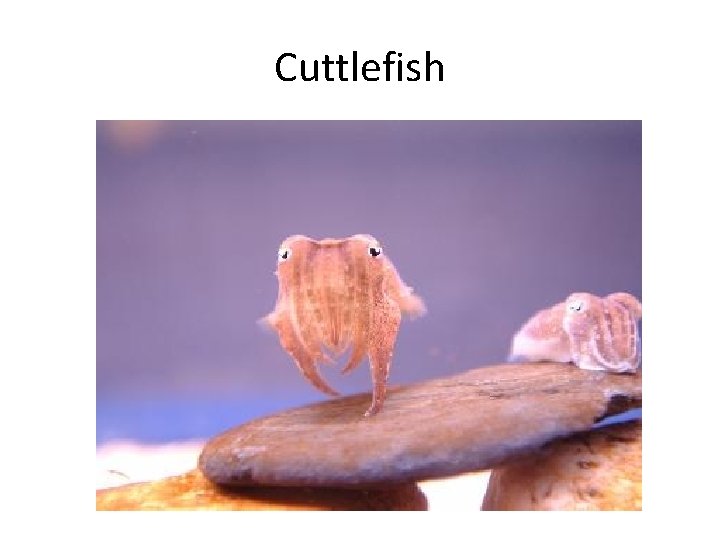
Cuttlefish • Squid-like, fast swimmers
Cuttlefish
Cuttlefish
Cuttlefish
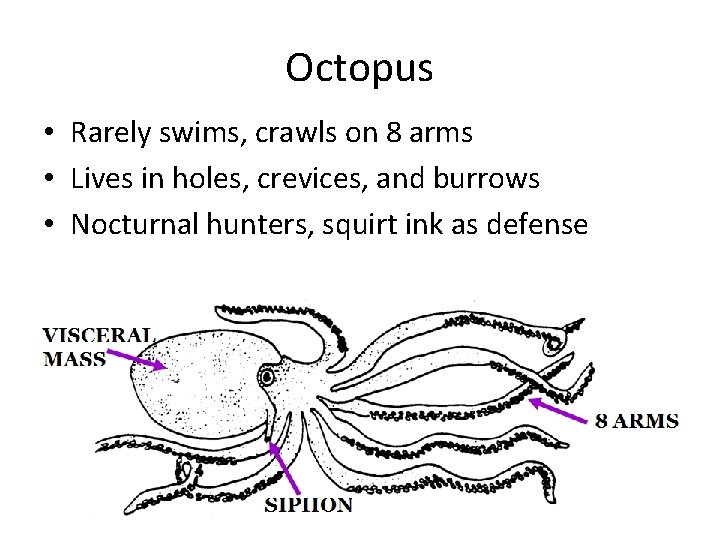
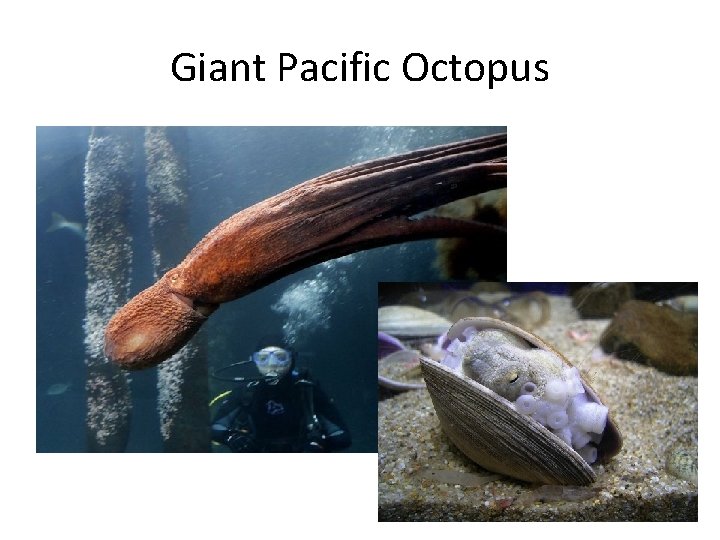
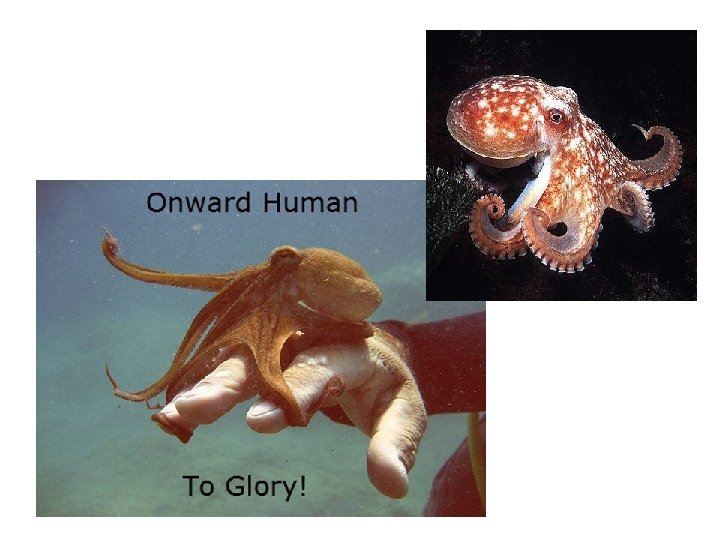
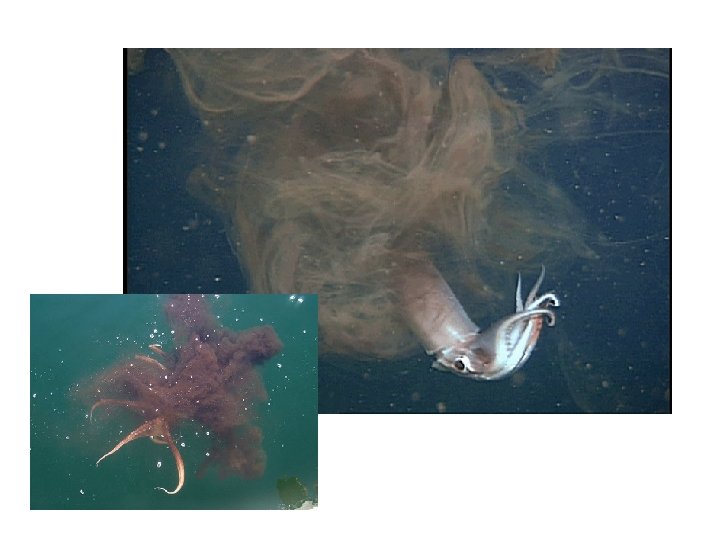
Octopus • Rarely swims, crawls on 8 arms • Lives in holes, crevices, and burrows • Nocturnal hunters, squirt ink as defense
Giant Pacific Octopus
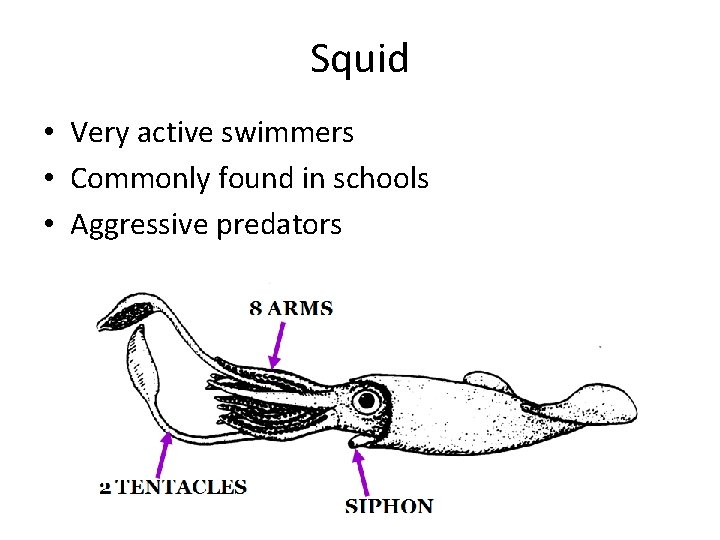
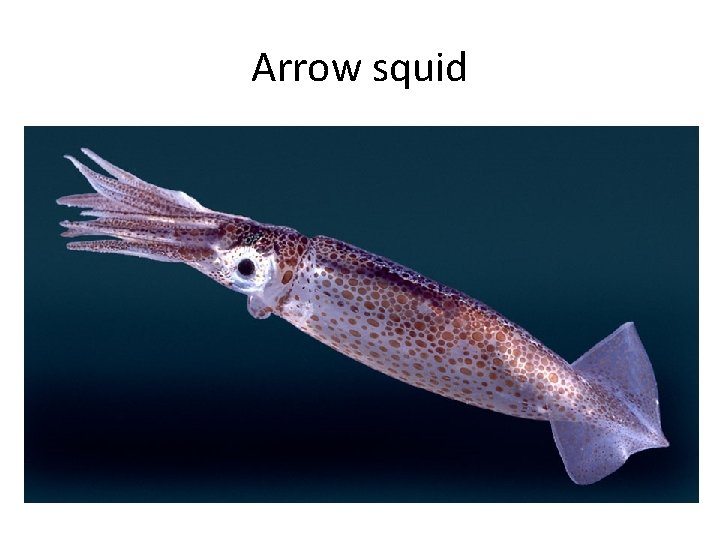
Squid • Very active swimmers • Commonly found in schools • Aggressive predators
Arrow squid
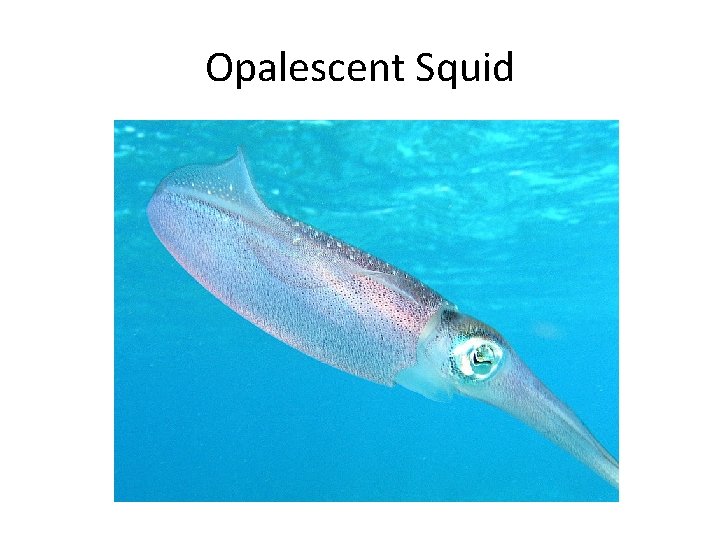
Opalescent Squid
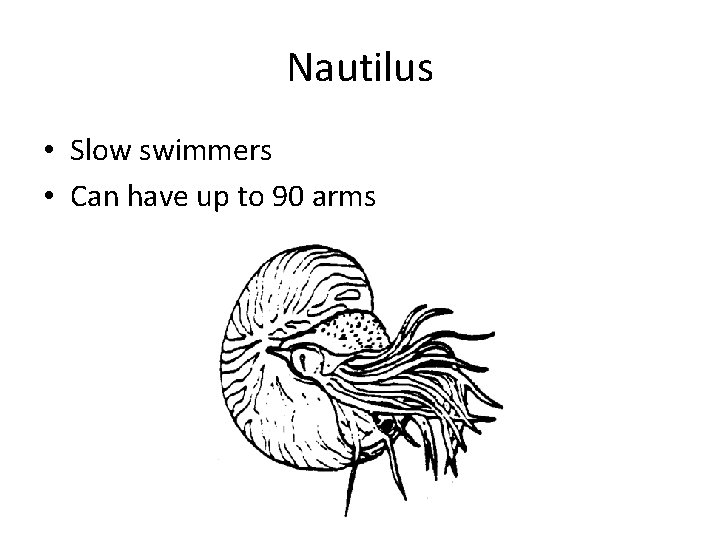
Nautilus • Slow swimmers • Can have up to 90 arms
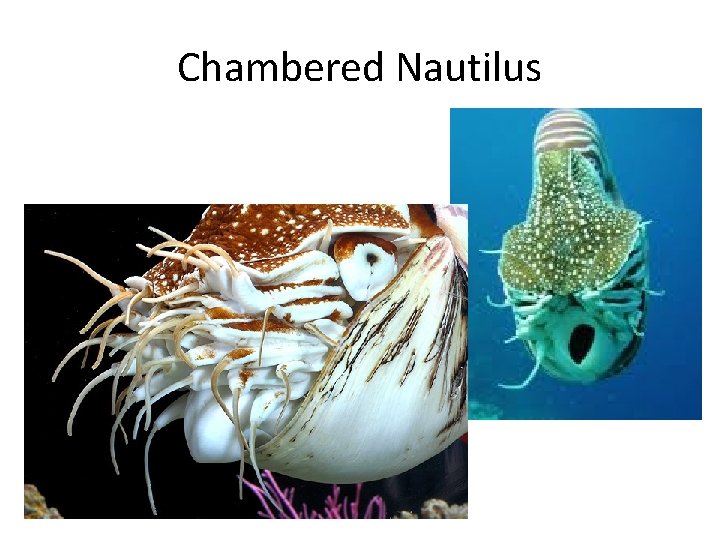
Chambered Nautilus
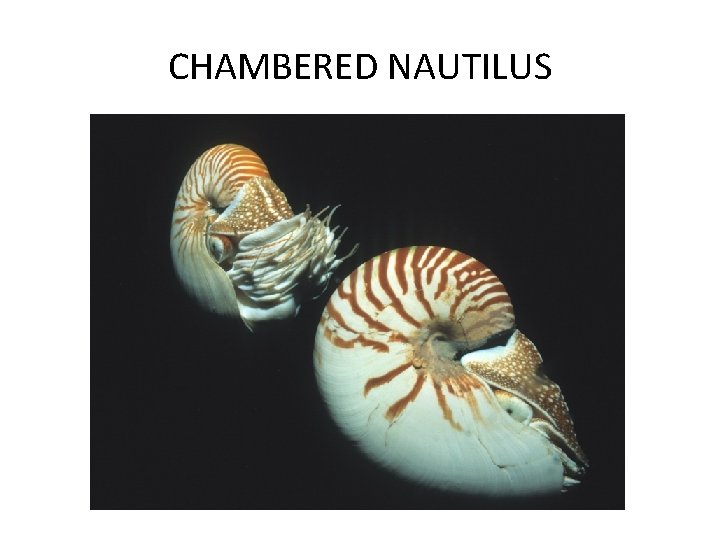
CHAMBERED NAUTILUS
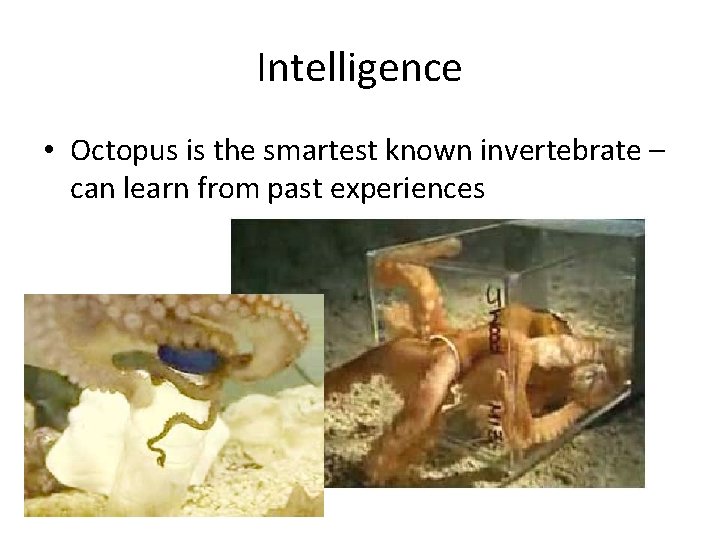
Intelligence • Octopus is the smartest known invertebrate – can learn from past experiences
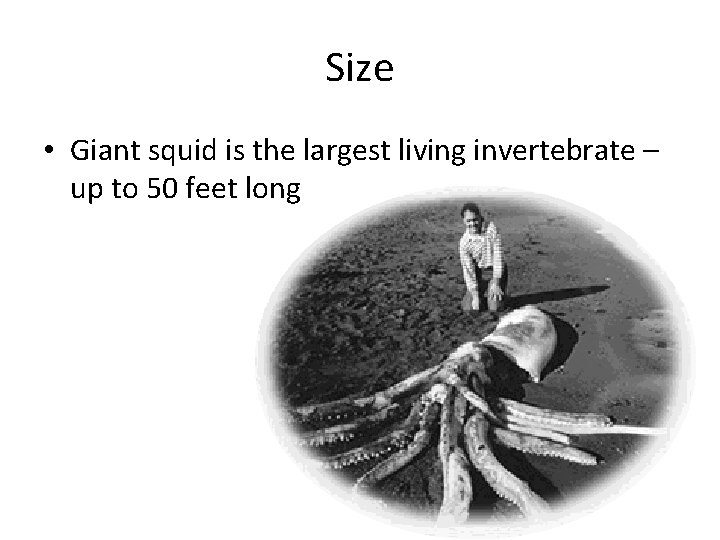
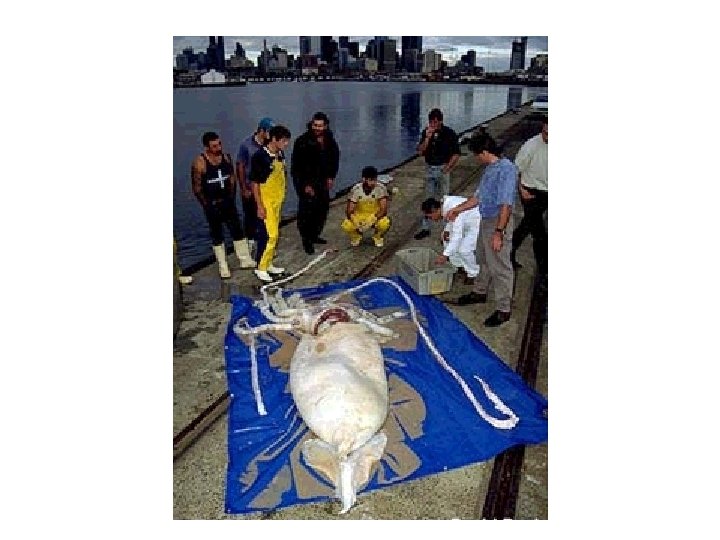
Size • Giant squid is the largest living invertebrate – up to 50 feet long
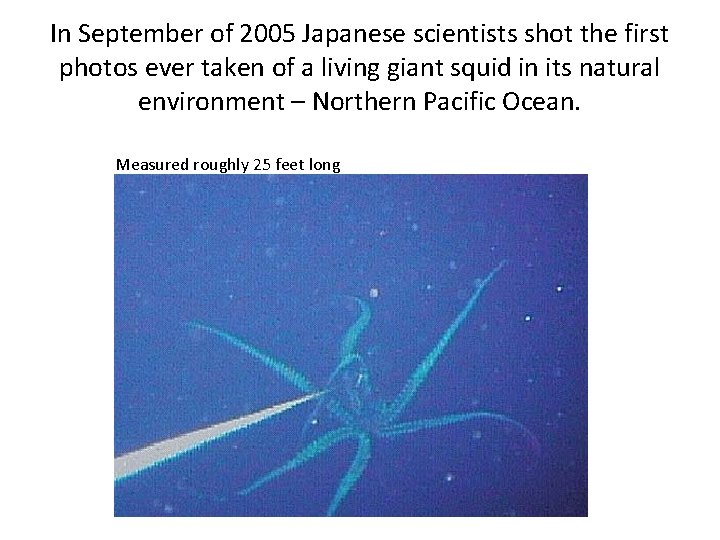
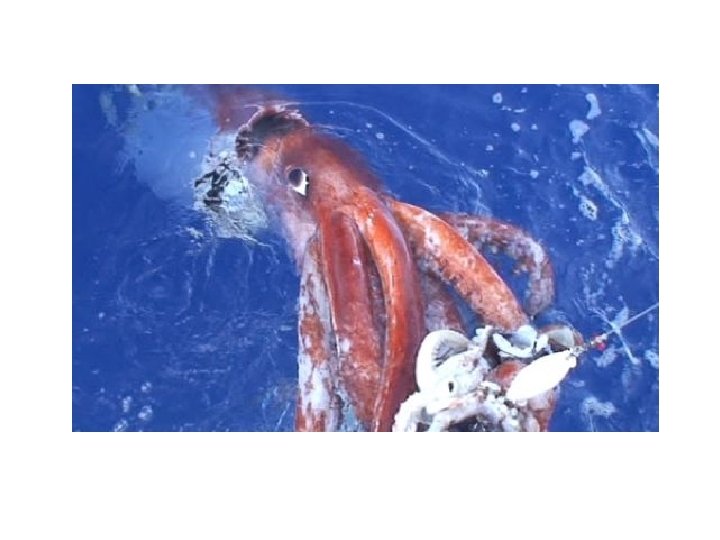
In September of 2005 Japanese scientists shot the first photos ever taken of a living giant squid in its natural environment – Northern Pacific Ocean. Measured roughly 25 feet long
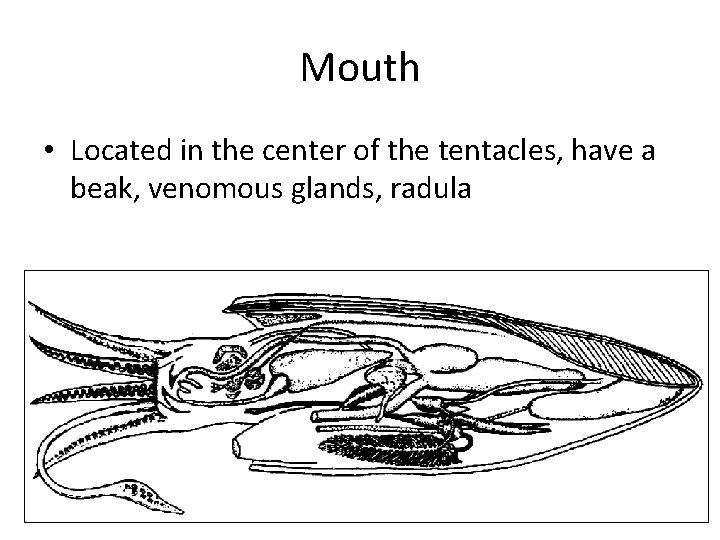
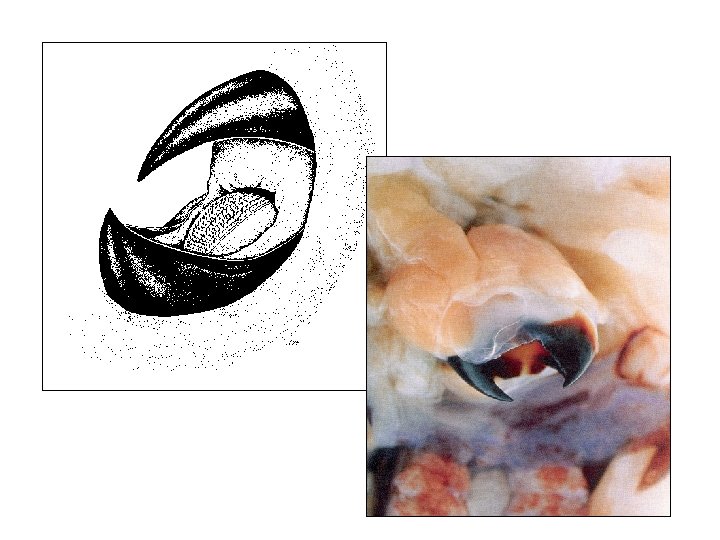
Mouth • Located in the center of the tentacles, have a beak, venomous glands, radula
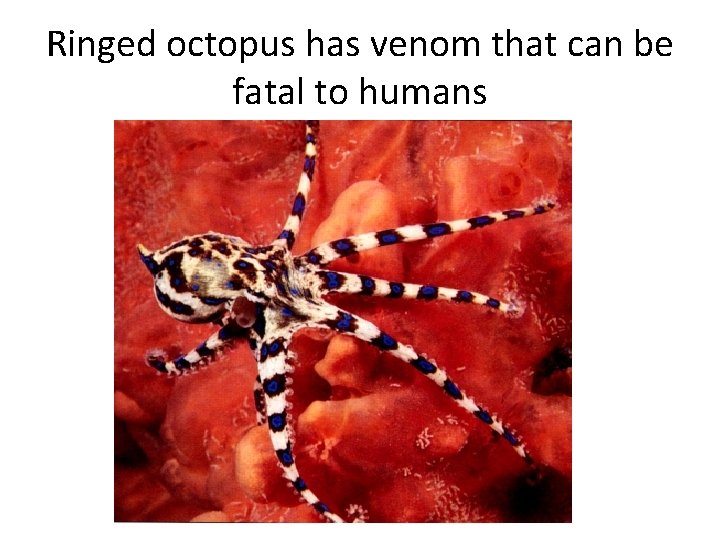
Ringed octopus has venom that can be fatal to humans
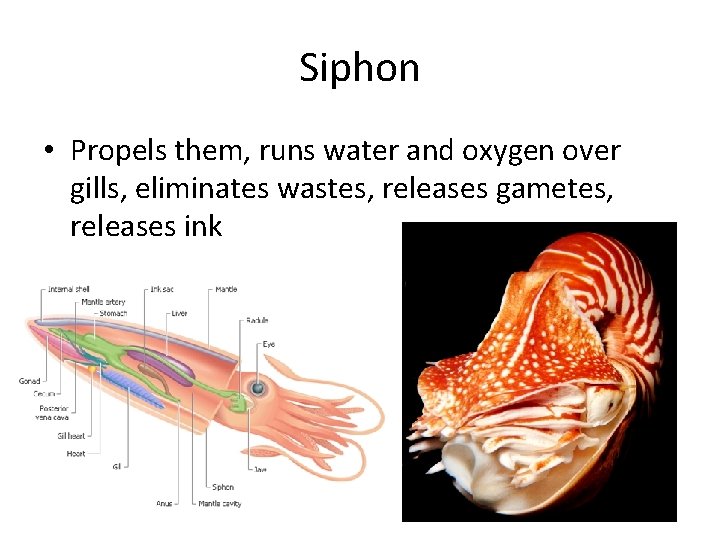
Siphon • Propels them, runs water and oxygen over gills, eliminates wastes, releases gametes, releases ink
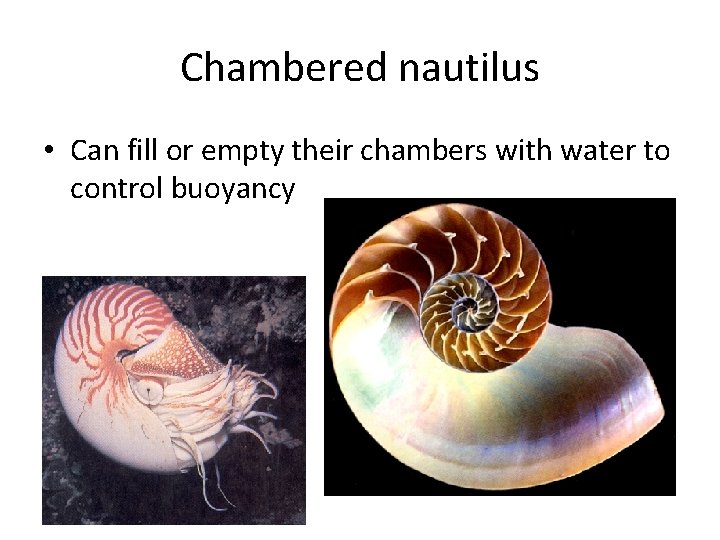
Chambered nautilus • Can fill or empty their chambers with water to control buoyancy