
Central Venous Pressure Factors that increase the blood

Central Venous Pressure • Factors that increase the blood flow into RA…elevate the CVP: – – Widespread _ • Increased CVP can lead ________________ due to the ________________ forcing fluid into tissues.
Blood Pressure • Is the force the blood exerts against the inner walls of the blood vessels. • Most commonly refers to pressure in the _

Blood Pressure • Arterial blood pressure: rises and falls in a pattern with the _ • When ventricles contract: ________________: walls squeeze blood into pulmonary trunk and aorta. Pressure in the _
Blood Pressure • Maximum pressure achieved during _________________ is _
Blood Pressure • When ventricles relax =_ • the arterial pressure drops, and the lowest pressure that remains in the arteries before the next contraction is the _
Blood Pressure • BP read as _________________ which translates into • ventricular contraction pressure/ventricular relaxation pressure.
Short term BP control • Short term controls of blood pressure – – – • Function to correct minor fluctuations in BP – By altering _
Vasomotor Center • Short term control: _ – Two main goals • Maintaining adequate mean arterial pressure by _ • Distributing blood to those _
Vasomotor center • Vasomotor center: neurons _ – With the cardiac center in the medulla, they form the _ • Vasomotor center in medulla ________________ efferent fibers _______________ of the arterioles – Arterioles under state of constant constriction called vasomotor tone
Vasomotor activity • Vasomotor control modified by – – – Higher brain centers
Vasomotor: Baroreceptors • Increased ______________ causes stretch in baroreceptors – Located in _ • Carotid provides the major blood flow to the brain • Carotid _________________ protects the brain – Located in _______________ and walls of large arteries • Aortic sinus reflex protects the systemic circuit

Vasomotor: baroreceptors • • • Increased BP ___________________ triggers baroreceptors impulses sent _______________ arterioles and veins ____________
Vasomotor: chemoreceptors • Sensitive to – – – Carbon dioxide • Locations: – ____________________ located in Carotid artery – Aortic bodies located in Aorta • Main function: – regulating respiratory rate, but does have some blood pressure function

Vasomotor: chemoreceptors • Decreased oxygen _______________ – signals sent to cardioacceleratory center cardiac output increases – AND signals sent to vasomotor center vasoconstriction _______________ blood supply returns to heart (and lungs) quickly
Vasomotor: brain functions • Medulla is not the only brain area that controls blood pressure – – • Both of these regions have input into medulla to ______________ control BP
Hormone effects on BP • Adrenal medulla – • increases _ • General _ • Specific vasodilation: skeletal and cardiac muscles – Norepinephrine • • Enhance sympathetic fight/flight response
Hormone effects on BP • Atrial natriuretic peptide: _ • _________________ stimulates ANP release. – Results in __________________ after ANP causes sodium to be excreted from kidneys • Where sodium goes, water goes
Hormone effects on BP • Antidiuretic Hormone ADH/ vasopressin • Results in the ___________________ in the body • If low BP or blood volume, ADH will prevent water from being lost as urine – Water restores blood volume/pressure • Also can cause _
Hormone effects on BP • – stimulates vasoconstriction – Causes the release of ADH and _ • Causes long-term regulation by increasing blood volume
Hormone effects on BP • Angiotensin II – Low BP – Kidneys release _ – Renin acts as an ____________, breaking _______________ into angiotensin I – Angiotensin I is changed into angiotensin ____ by _____________ : Angiotensin Converting Enzyme
BP Control: Long term • Will change blood pressure based on changes in blood volume – Recall that short term controls dealt mostly with ________________ to control blood pressure • Short term solutions like baroreceptors can – Respond _ – ________________ to chronic conditions
BP control: long term • Kidneys – _______________ regulate arterial pressure • Alters __________________ as a function of filtration pressure – High blood pressure forces blood to be filtered and processed quickly through the renal system. Larger amounts of water will be lost as urine causing the blood pressure to lower – ________________ regulates arterial pressure • Renin-angiotensin mechanism: – stimulates __________________ which reabsorbs sodium and in turn causes the _
Monitoring Circulatory Efficiency • _________________: – pulse and blood pressure, along with respiratory rate and body temperature • Pulse: – pressure wave caused by the _
Pulse • the expansion/recoil of artery walls due to increased pressure _. • Felt near surfaces.
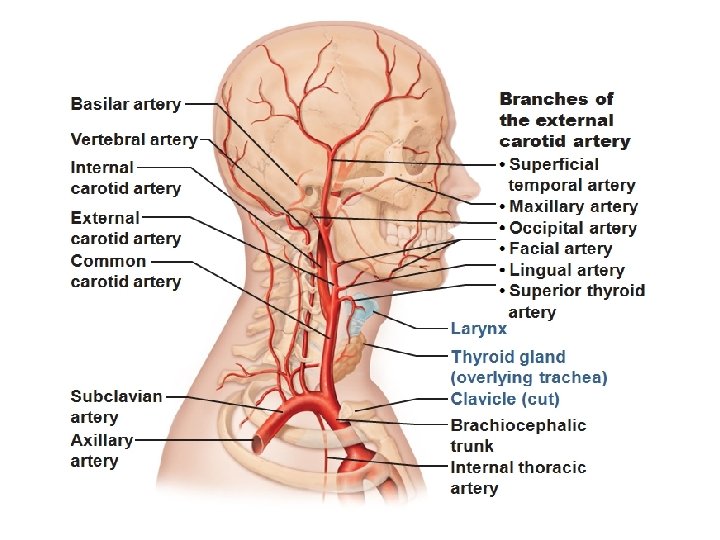
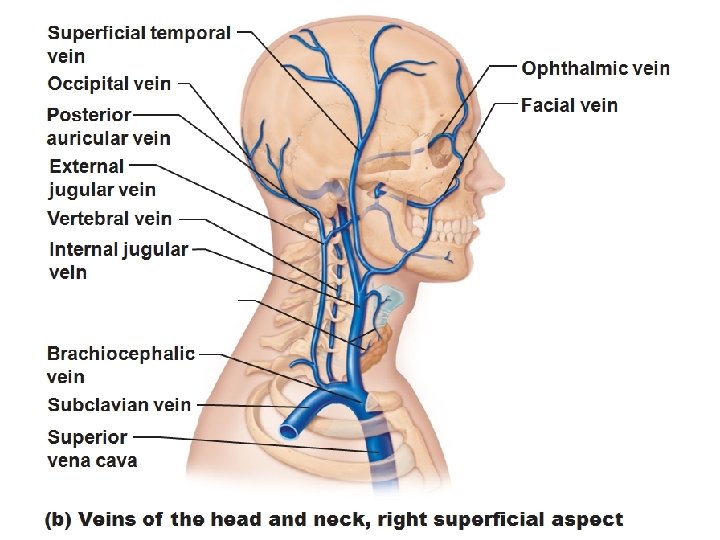
Head and neck pulses • Temporal artery – Branches off of _ – Pulse is palpable __________ to the zygomatic arch, anterior and superior to the _

Head and neck pulses • Common carotid artery – The left common carotid artery is one of three arteries that originate along the _ – The right common carotid artery arises from the _ – Pulse: palpated in the neck at _ • Baroreceptors in carotids are sensitive to bilateral palpation, may cause _
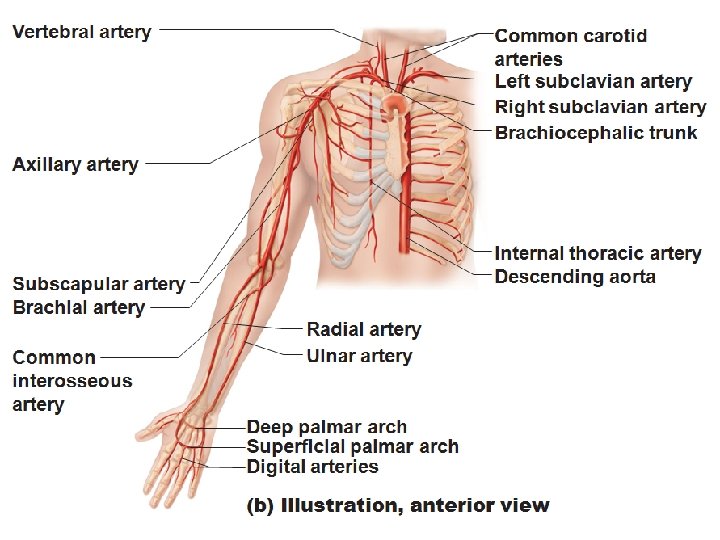
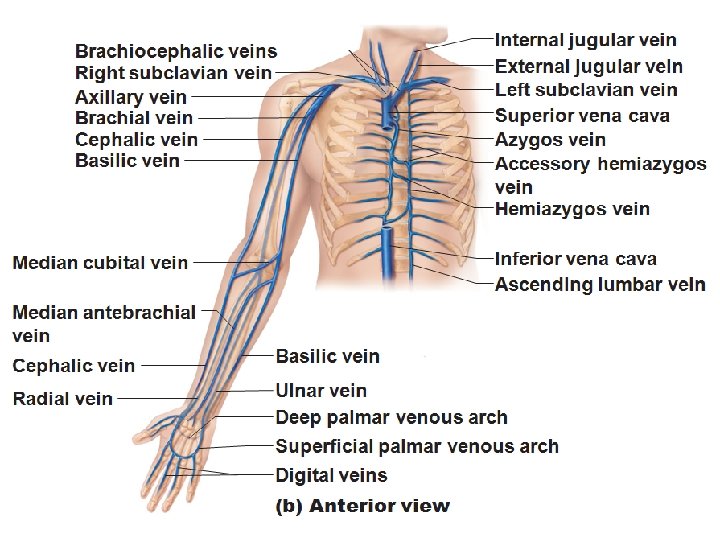
Upper limb pulses • Brachial artery – Origin: ___________ axillary artery to brachial artery – Palpation: at the _ – Is the artery used to determine _
Upper limb pulses • Radial Artery – Origin: Subclavian a axillary a brachial a splits into _ – Palpation: at the __________ wrist: three finger-widths _

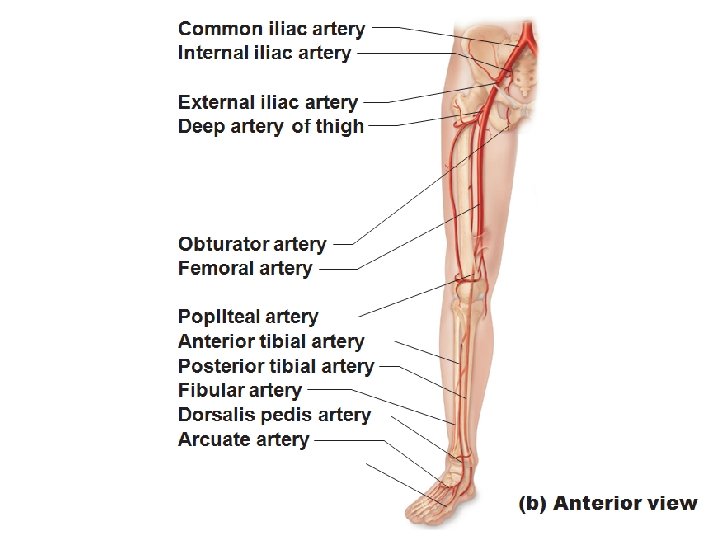
Lower Limb Pulses • __________ arterial pulses are routinely felt in the lower limb. – – – Posterior tibial – Dorsalis pedis (dorsum of foot)

Femoral pulse • Most of the blood supply to the lower limb is carried in the _ – Aorta – descending aorta – _________________ – external iliac artery – becomes _____________ – deep femoral
Finding the Femoral Pulse • Locate the superior border of the __________ in the mid line of the body; • Feel the ________________. The femoral pulse can be found midway between these two bony points – (the __________________ point)
Popliteal • The femoral artery leaves enters the popliteal fossa by passing through the _ • The name of the vessel then changes to the _
Palpating popliteal artery • bend the knee so that it is flexed to about _ • press the tips of your fingers into the popliteal fossa. • The popliteal pulse is deep and _________ – Can be difficult to palpate
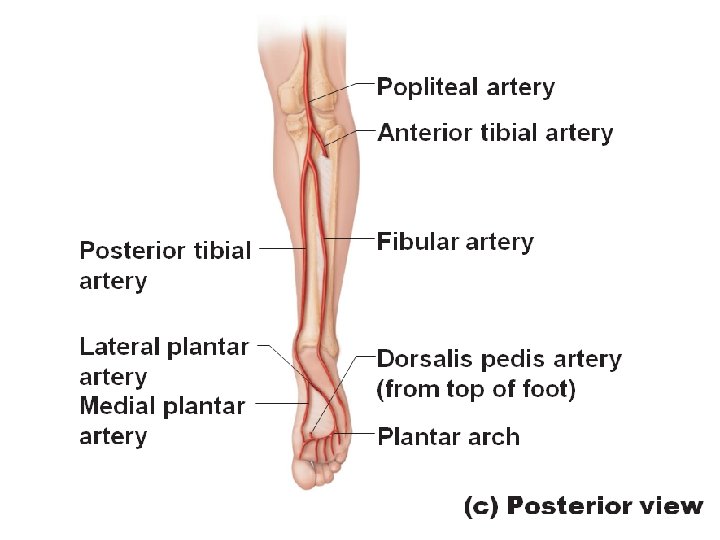
Posterior Tibial • The Popliteal artery branches into _
Palpating Posterior tibial artery • Locate the medial _ • ________________ to the medial malleolus you should find the posterior tibial pulse.
Dorsalis Pedis • Below the knee, the popliteal artery divides into the anterior and posterior tibial arteries. • The anterior branch enters the ______________________ of the leg by passing between the tibia and fibula above the interosseous membrane. • It continues on to the ________________ as the dorsalis pedis artery
Palpating dorsalis pedis pulse • Place your fingers ___________ down the dorsum of the foot in the line between the _ • The bones you can feel are the dorsal aspect of the navicular and the intermediate cuneiform bones. • The pulse is palpated where the artery passes over this area.
Measuring Blood Pressure • Systemic arterial BP – Measured ____________ by the _________________ method using a sphygmomanometer – Pressure is increased in the cuff until it exceeds systolic pressure in the brachial artery
Alterations in Blood Pressure • Hypotension: – – Systolic pressure below _ – Often associated with long life and lack of cardiovascular illness
Homeostatic Imbalance: Hypotension • Orthostatic hypotension – ___________________ and dizziness when suddenly rising from a sitting or reclining position • Chronic hypotension – hint of _ – warning sign for Addison’s disease or hypothyroidism • ______________ hypotension – important sign of _
Alterations in Blood Pressure • Hypertension – – _______________ elevated arterial pressure of 140/90 or higher • May be transient adaptations during fever, physical exertion, and emotional upset • Often persistent in _
Temperature Regulation • As temperature rises (e. g. , heat exposure, fever, vigorous exercise) – Hypothalamic __________________ of the skin vessels – Heat radiates from the skin
Temperature Regulation • Sweat also causes ______________ via bradykinin in perspiration – Bradykinin stimulates the _ • As temperature decreases, blood is shunted to deeper, more _
Capillary Exchange of Respiratory Gases and Nutrients • Diffusion of – O 2 and nutrients from _ – CO 2 and metabolic wastes from _ • Lipid-soluble molecules diffuse directly through endothelial membranes • Water-soluble solutes pass through _ • Larger molecules, such as proteins, are actively transported in ________________ or caveolae
Circulatory Shock • Any condition in which – Blood vessels _ – Blood _ • Results in inadequate blood flow to meet tissue needs
Circulatory Shock • Hypovolemic shock – results from _ • – results from ___________________ and __________peripheral resistance • Cardiogenic shock – results when an ____________________ cannot sustain adequate circulation
Circulatory Pathways • Two main circulations – _________________: short loop that runs from the heart to the lungs and back to the heart – _________________: long loop to all parts of the body and back to the heart
- Slides: 57