
Central Places Theory and Applications Walter Christaller Die





- Slides: 46
Central Places: Theory and Applications
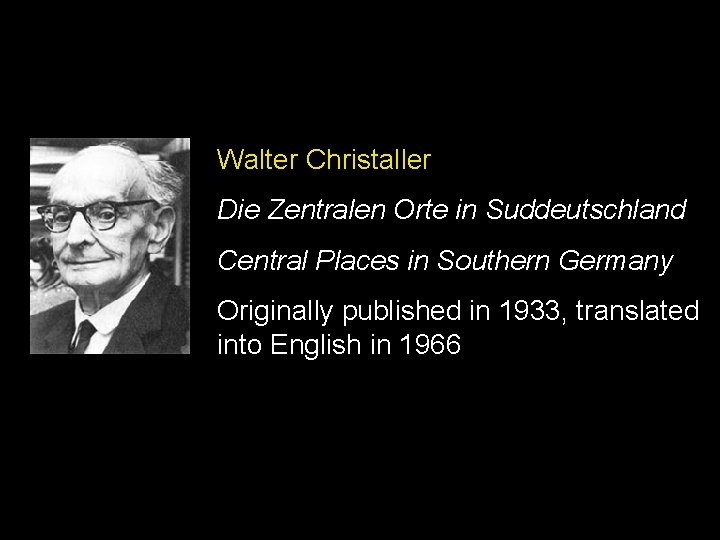
Walter Christaller Die Zentralen Orte in Suddeutschland Central Places in Southern Germany Originally published in 1933, translated into English in 1966
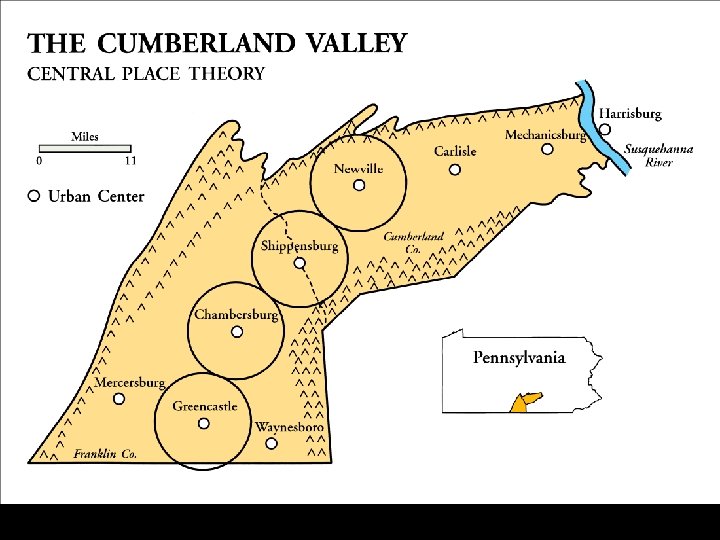
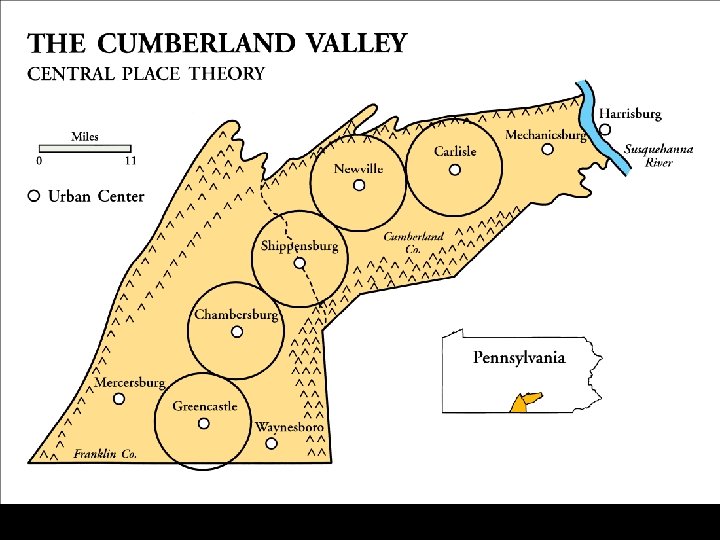
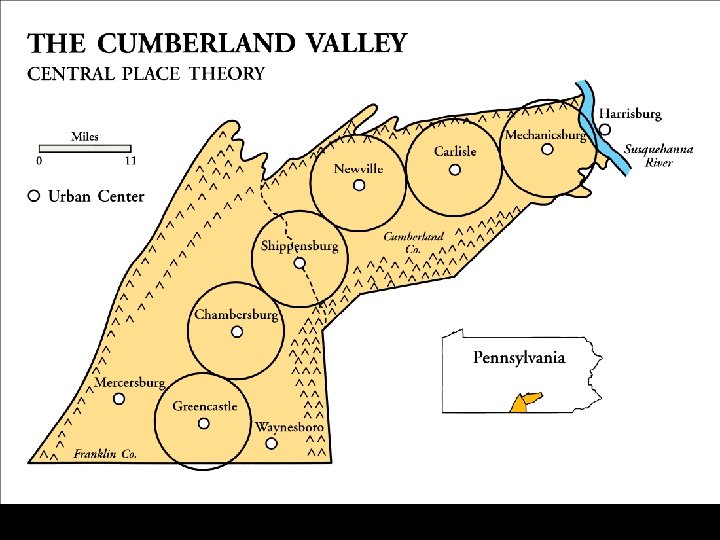
CENTRAL PLACE THEORY
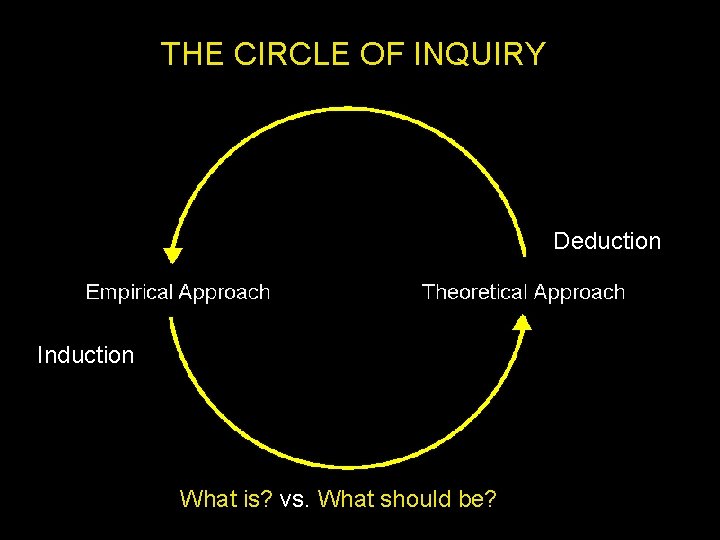
THE CIRCLE OF INQUIRY Deduction Induction What is? vs. What should be?
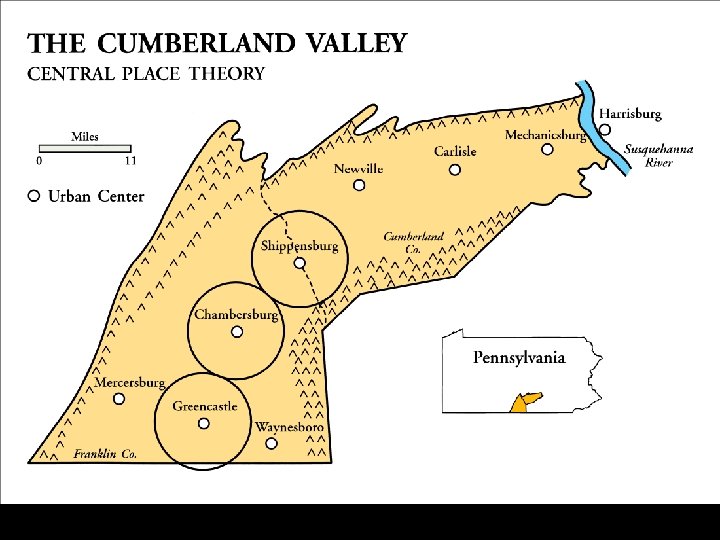
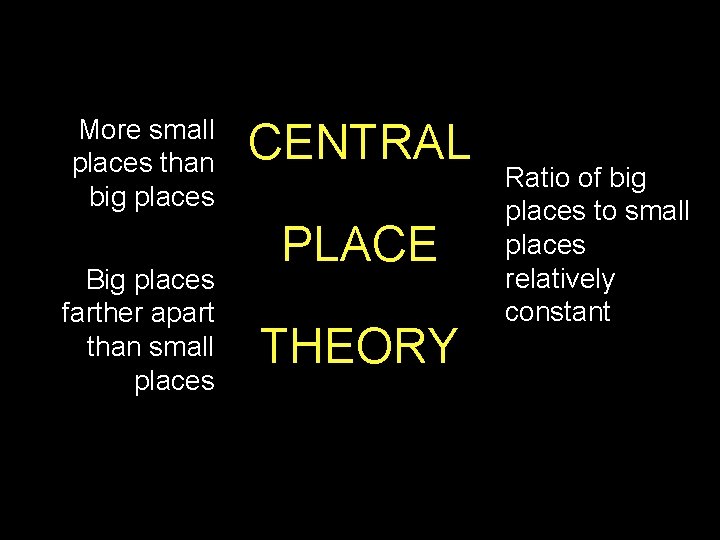
More small places than big places Big places farther apart than small places CENTRAL PLACE THEORY Ratio of big places to small places relatively constant
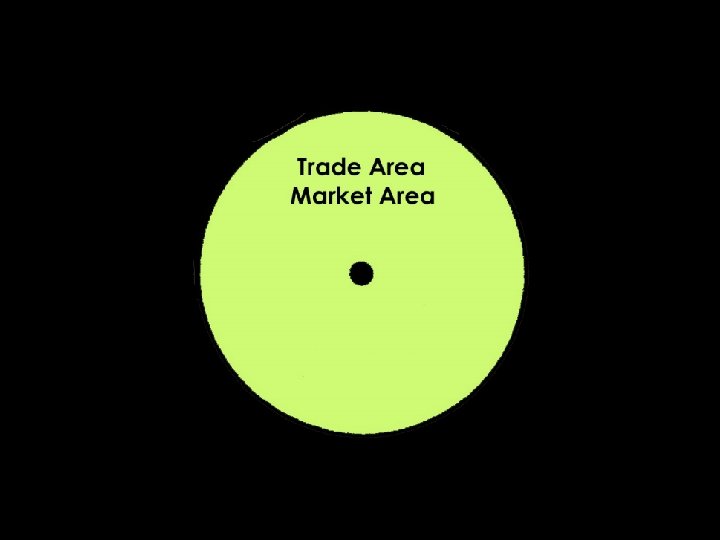
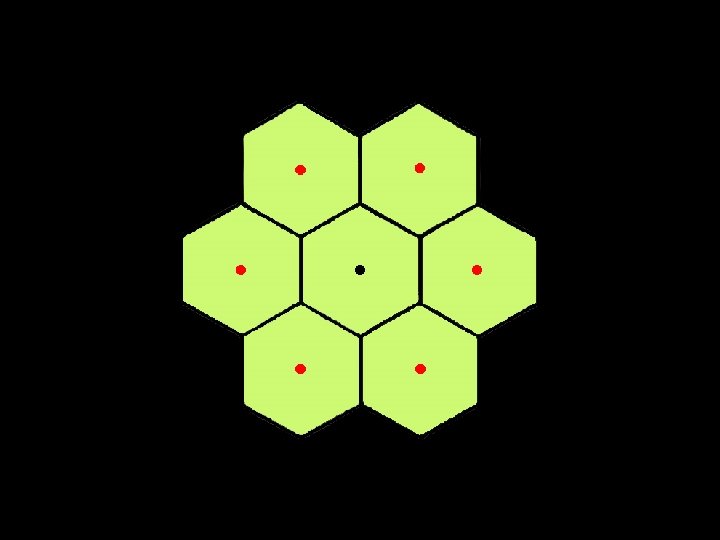
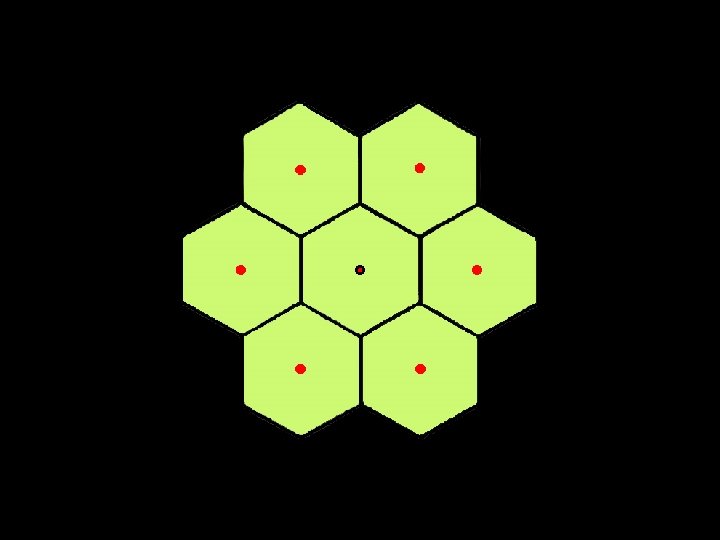
CENTRAL PLACE A settlement whose livelihood depends on the sale of goods and services to people in the surrounding area
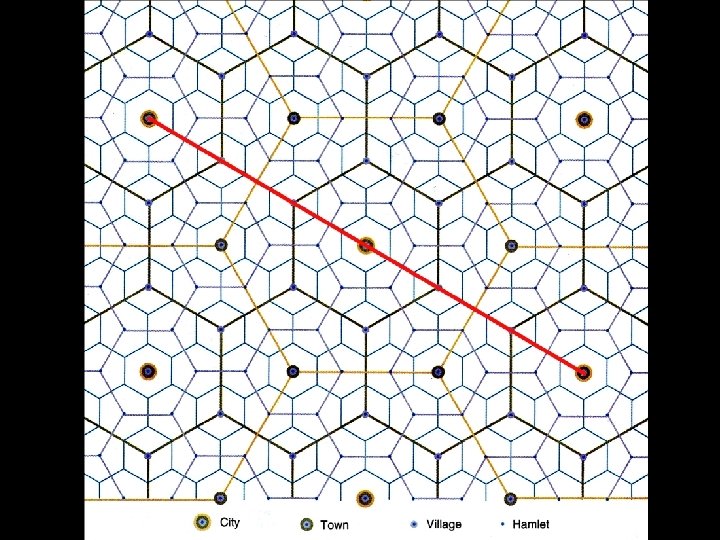
Settlement Sizes • • • Hamlet Village Town City Metropolis
CENTRAL PLACE THEORY
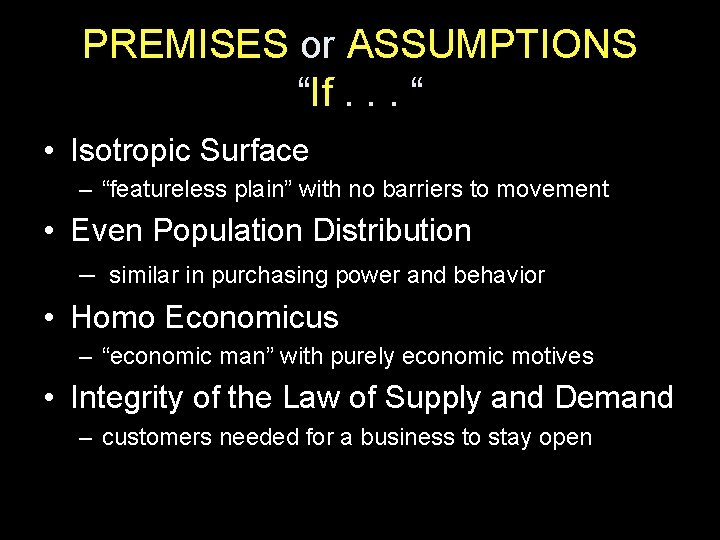
PREMISES or ASSUMPTIONS “If. . . “ • Isotropic Surface – “featureless plain” with no barriers to movement • Even Population Distribution – similar in purchasing power and behavior • Homo Economicus – “economic man” with purely economic motives • Integrity of the Law of Supply and Demand – customers needed for a business to stay open
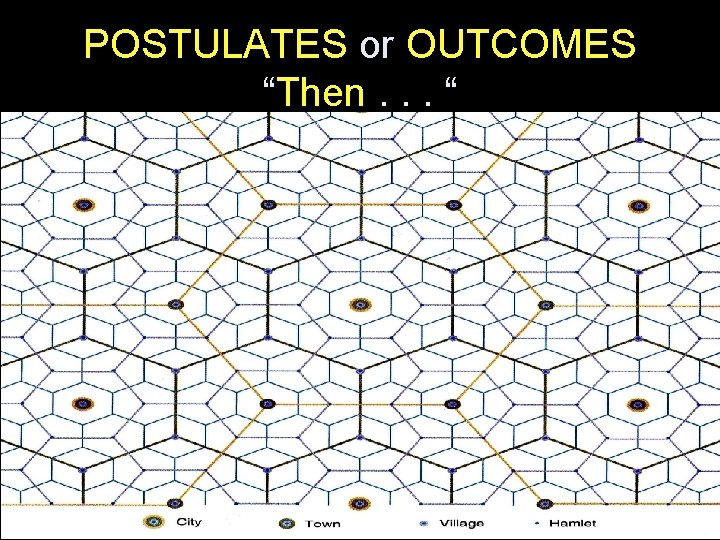
POSTULATES or OUTCOMES “Then. . . “
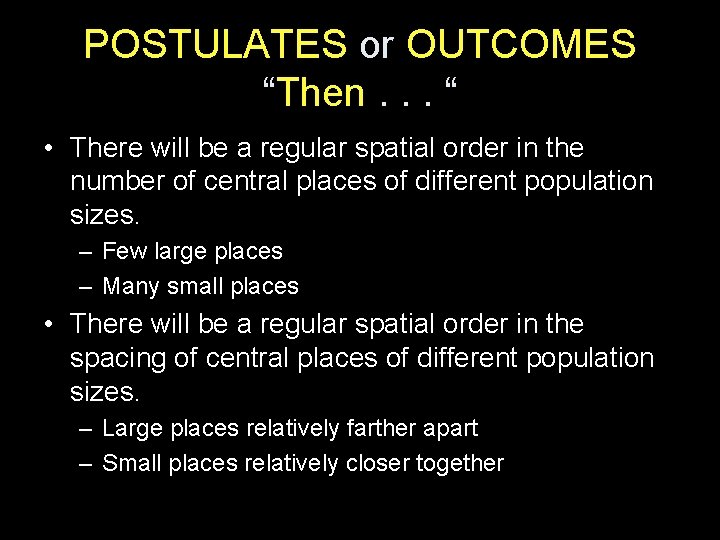
POSTULATES or OUTCOMES “Then. . . “ • There will be a regular spatial order in the number of central places of different population sizes. – Few large places – Many small places • There will be a regular spatial order in the spacing of central places of different population sizes. – Large places relatively farther apart – Small places relatively closer together
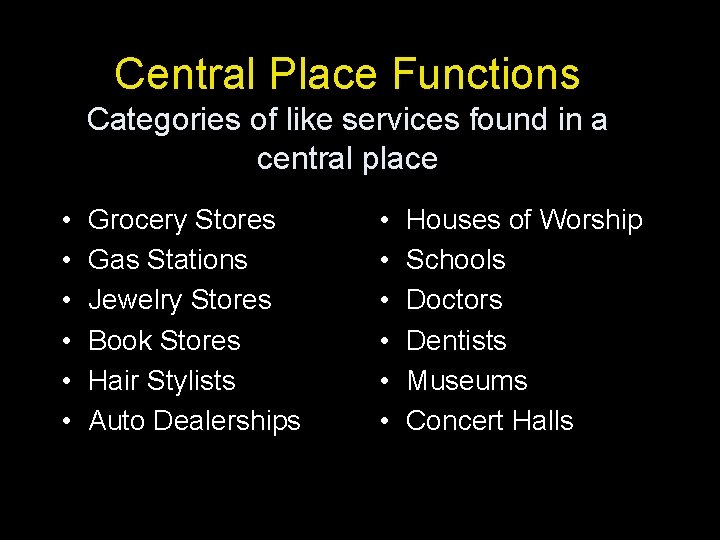
Central Place Functions Categories of like services found in a central place • • • Grocery Stores Gas Stations Jewelry Stores Book Stores Hair Stylists Auto Dealerships • • • Houses of Worship Schools Doctors Dentists Museums Concert Halls
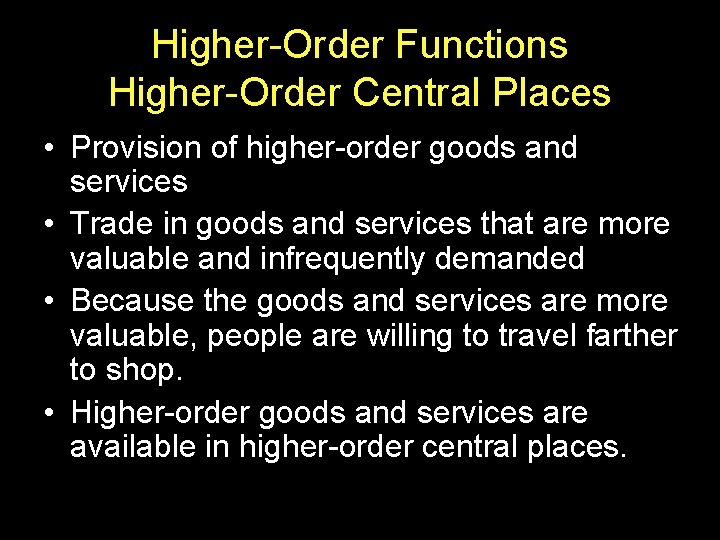
Higher-Order Functions Higher-Order Central Places • Provision of higher-order goods and services • Trade in goods and services that are more valuable and infrequently demanded • Because the goods and services are more valuable, people are willing to travel farther to shop. • Higher-order goods and services are available in higher-order central places.
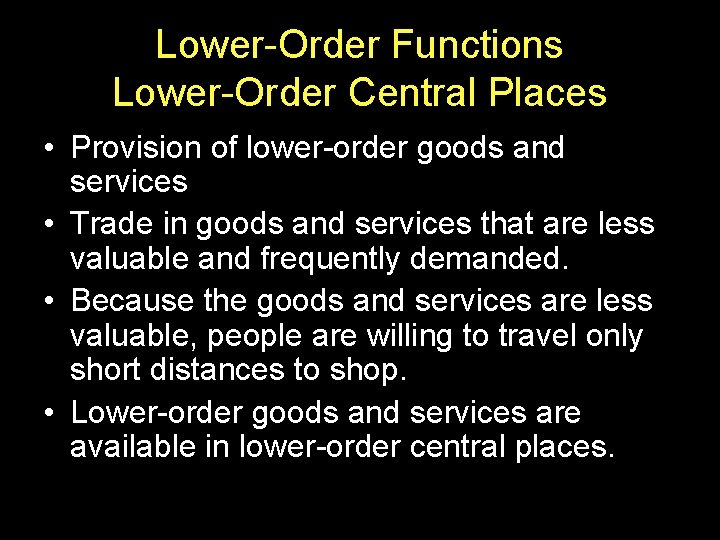
Lower-Order Functions Lower-Order Central Places • Provision of lower-order goods and services • Trade in goods and services that are less valuable and frequently demanded. • Because the goods and services are less valuable, people are willing to travel only short distances to shop. • Lower-order goods and services are available in lower-order central places.
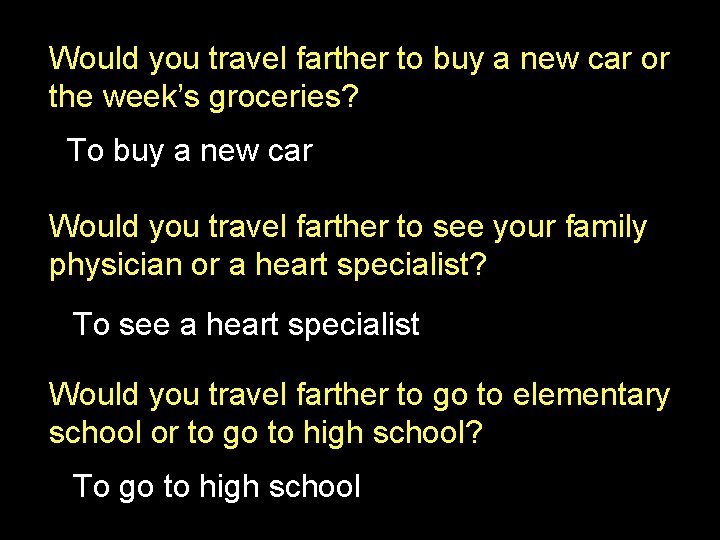
Would you travel farther to buy a new car or the week’s groceries? To buy a new car Would you travel farther to see your family physician or a heart specialist? To see a heart specialist Would you travel farther to go to elementary school or to go to high school? To go to high school
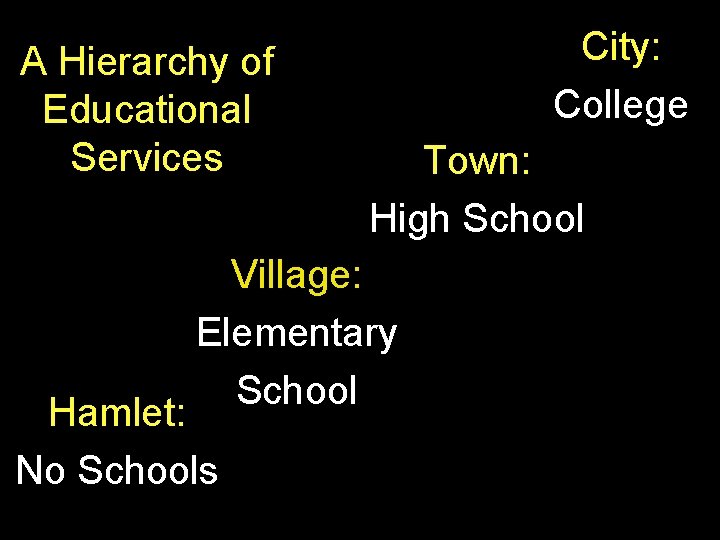
A Hierarchy of Educational Services City: College Town: High School Village: Elementary School Hamlet: No Schools
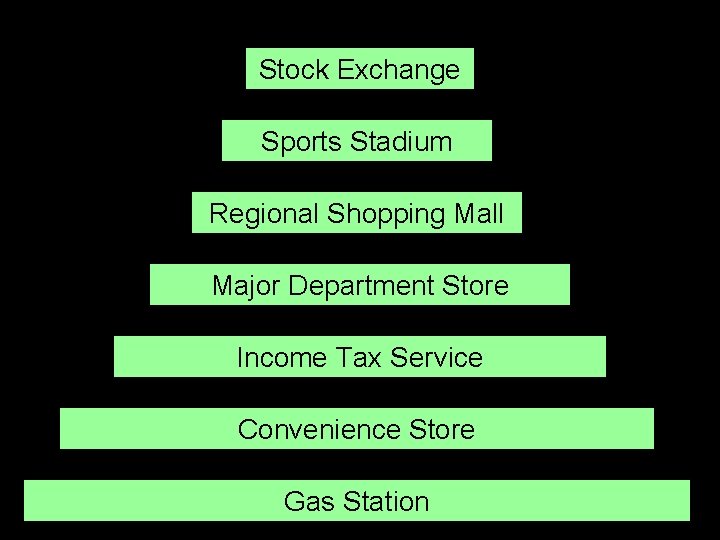
Stock Exchange Sports Stadium Regional Shopping Mall Major Department Store Income Tax Service Convenience Store Gas Station
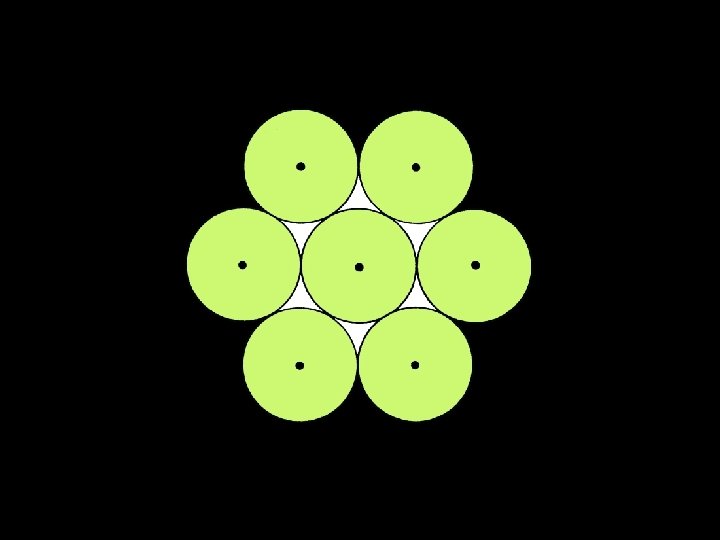
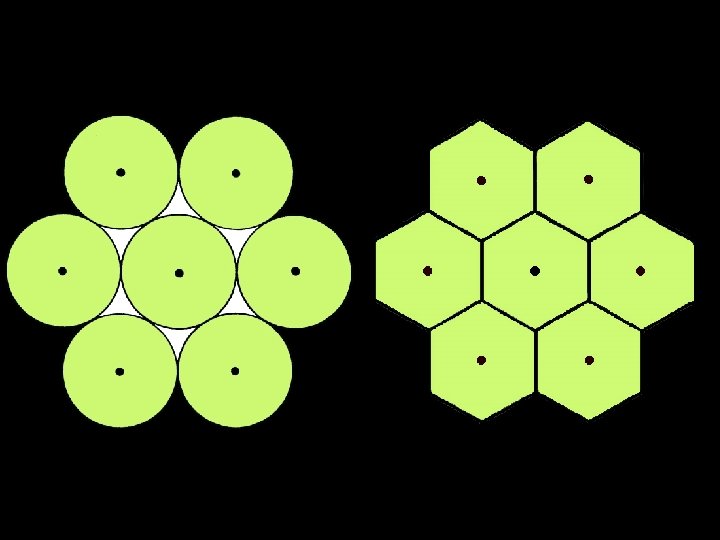
How big is the trade area of a service center? It depends on. . . - How far a consumer is willing to travel for the service - How many customers a service needs
Each central place function has a: • Threshold: the minimum number of people needed to support a central place function • With fewer customers a store cannot afford to stay in business. • Range: the maximum distance beyond which a person will not travel to purchase a good or service • Beyond a certain distance people cannot afford the travel costs.
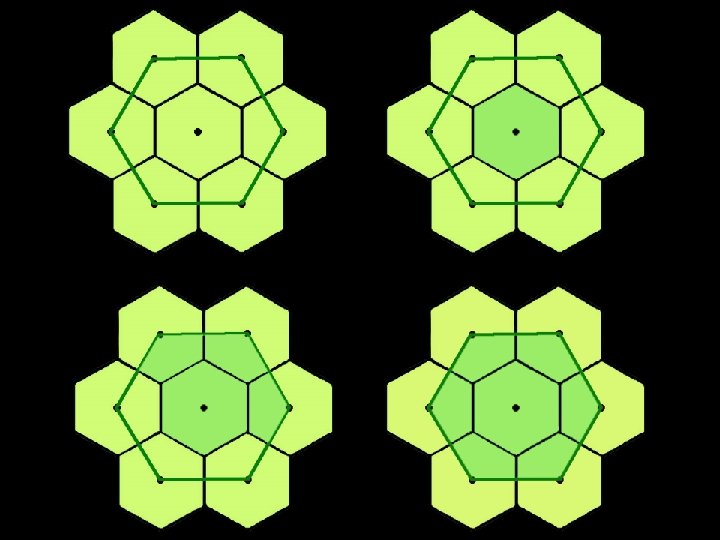
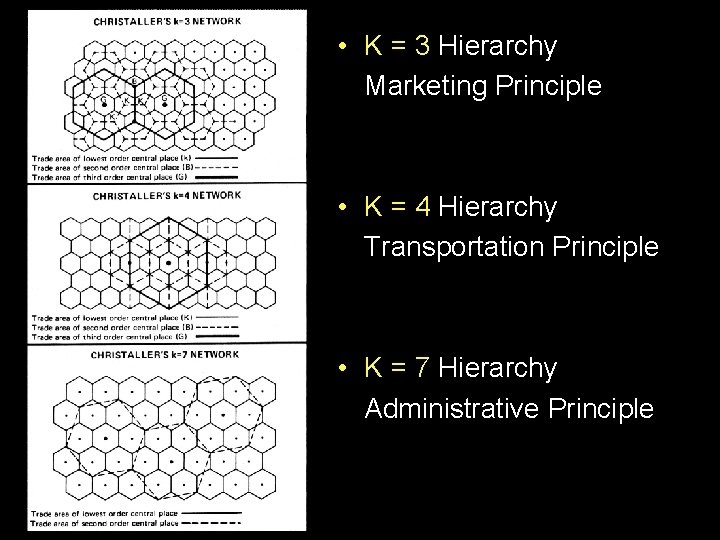
• K = 3 Hierarchy Marketing Principle • K = 4 Hierarchy Transportation Principle • K = 7 Hierarchy Administrative Principle
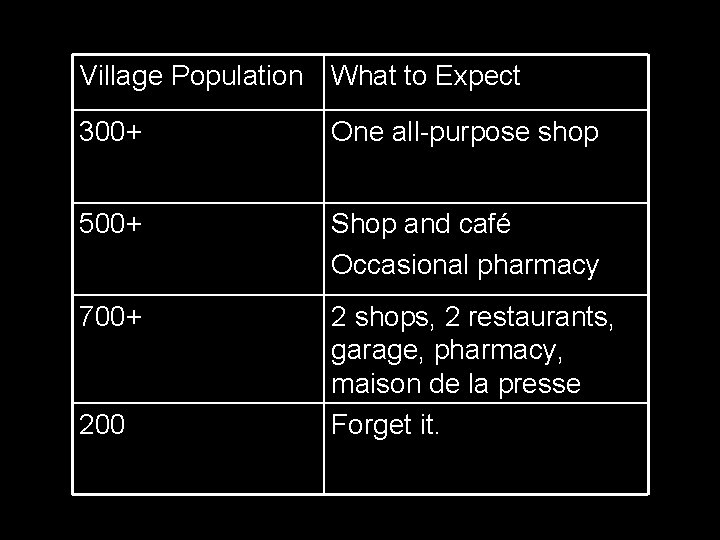
Village Population What to Expect 300+ One all-purpose shop 500+ Shop and café Occasional pharmacy 700+ 2 shops, 2 restaurants, garage, pharmacy, maison de la presse Forget it. 200
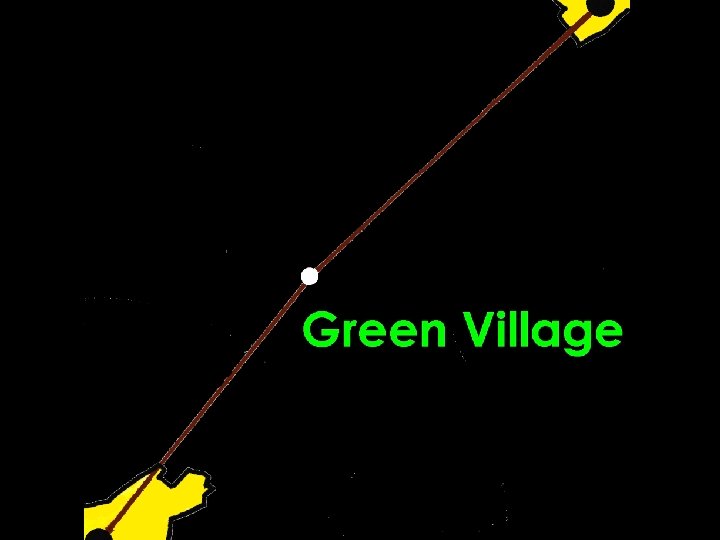
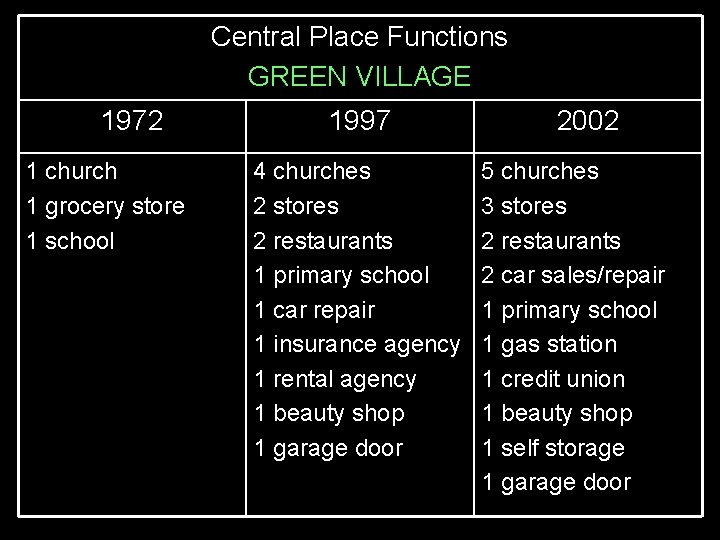
Central Place Functions GREEN VILLAGE 1972 1 church 1 grocery store 1 school 1997 4 churches 2 stores 2 restaurants 1 primary school 1 car repair 1 insurance agency 1 rental agency 1 beauty shop 1 garage door 2002 5 churches 3 stores 2 restaurants 2 car sales/repair 1 primary school 1 gas station 1 credit union 1 beauty shop 1 self storage 1 garage door
Why do we not ever see a perfect central place hierarchy? • Physical geography is important! Topography and hydrography interfere. • Consumer behavior is determined by more than economic considerations. • The automobile has made long-distance travel popular (cheap and easy). • People make multiple-purpose shopping trips, often bypassing the smallest places. • The Internet has made it unnecessary to have customers nearby.