
Cellular Transport Movement of particles through the cell


- Slides: 36
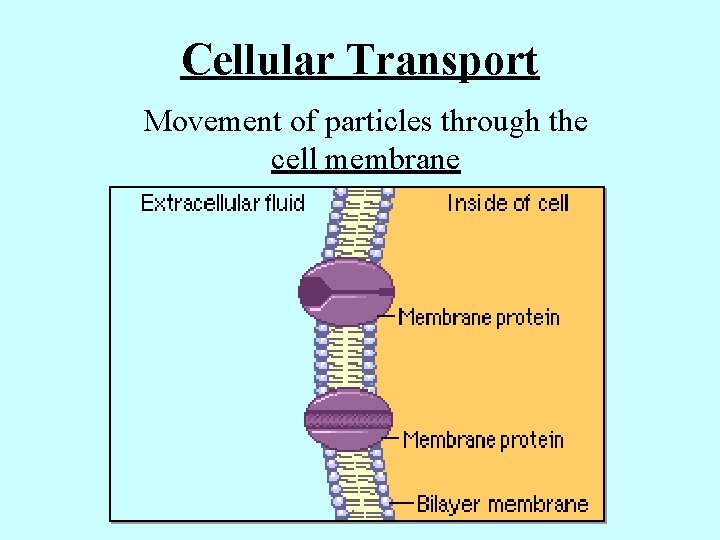
Cellular Transport Movement of particles through the cell membrane
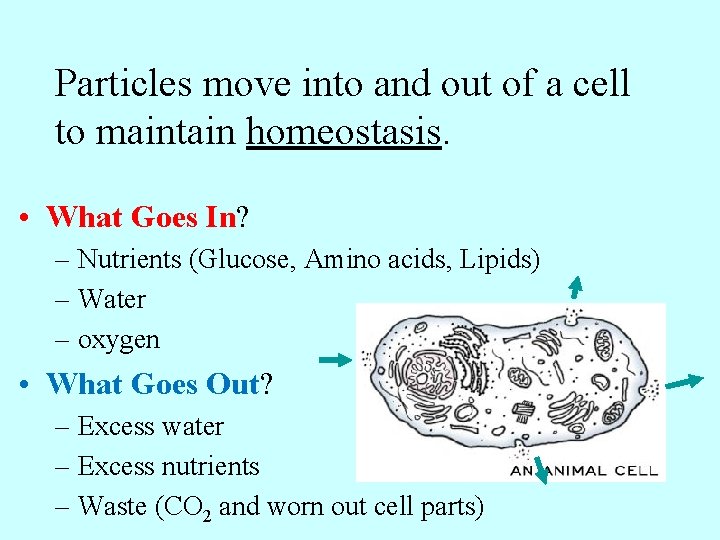
Particles move into and out of a cell to maintain homeostasis. • What Goes In? – Nutrients (Glucose, Amino acids, Lipids) – Water – oxygen • What Goes Out? – Excess water – Excess nutrients – Waste (CO 2 and worn out cell parts)
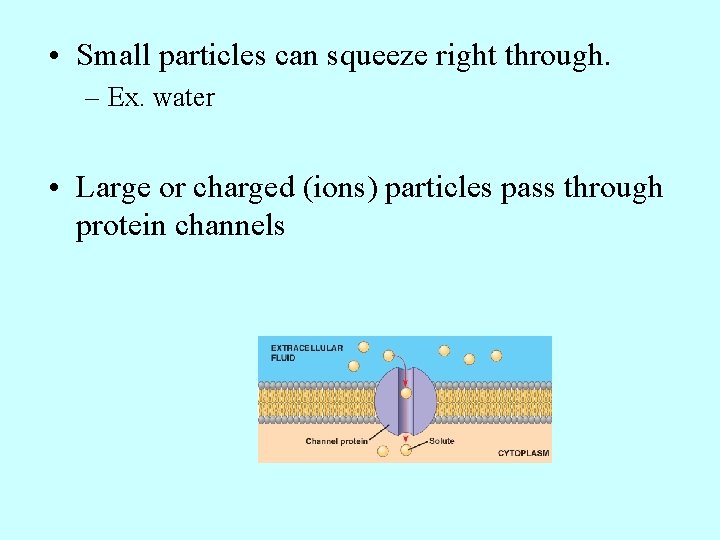
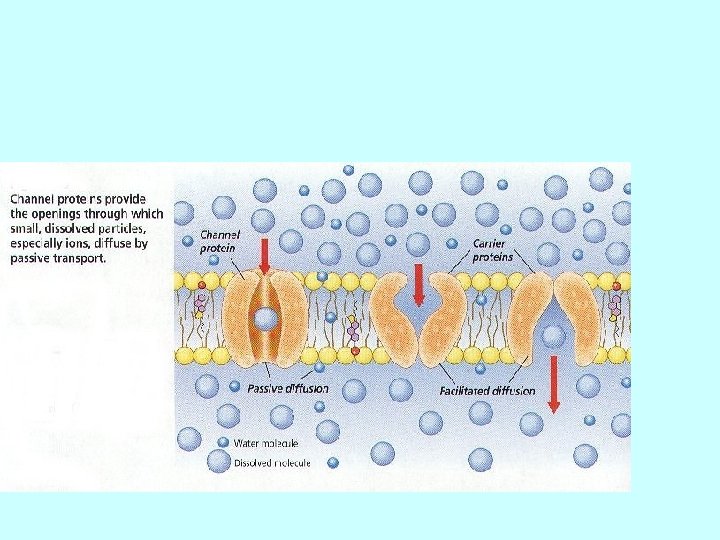
• Small particles can squeeze right through. – Ex. water • Large or charged (ions) particles pass through protein channels
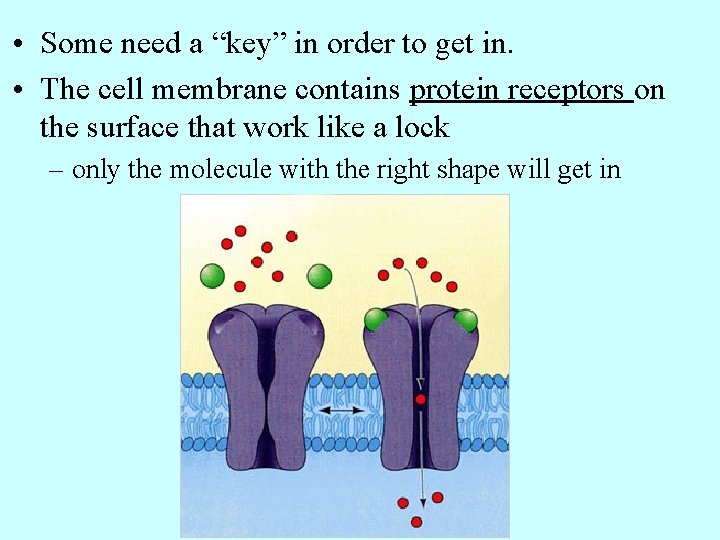
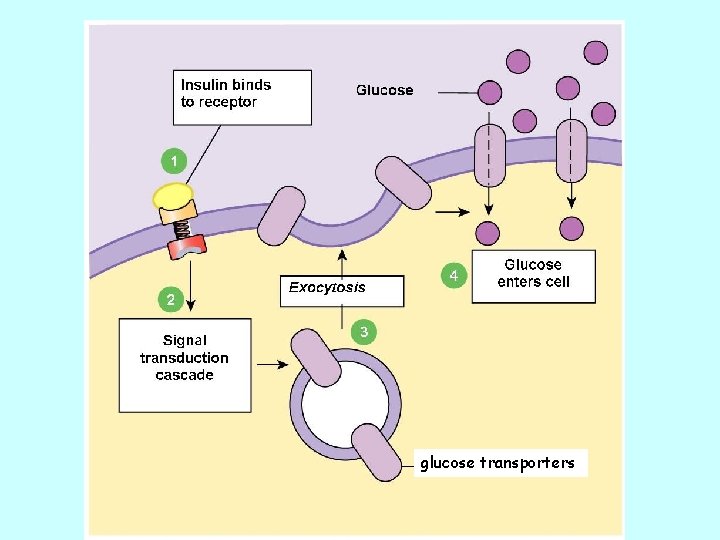
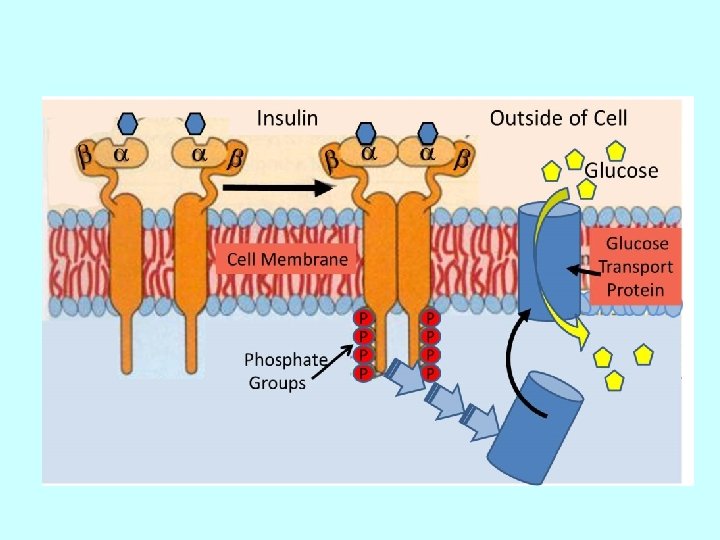
• Some need a “key” in order to get in. • The cell membrane contains protein receptors on the surface that work like a lock – only the molecule with the right shape will get in
glucose transporters
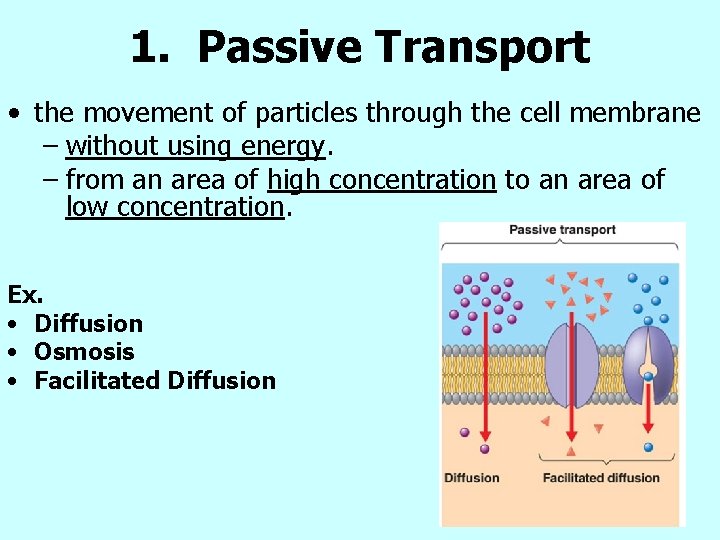
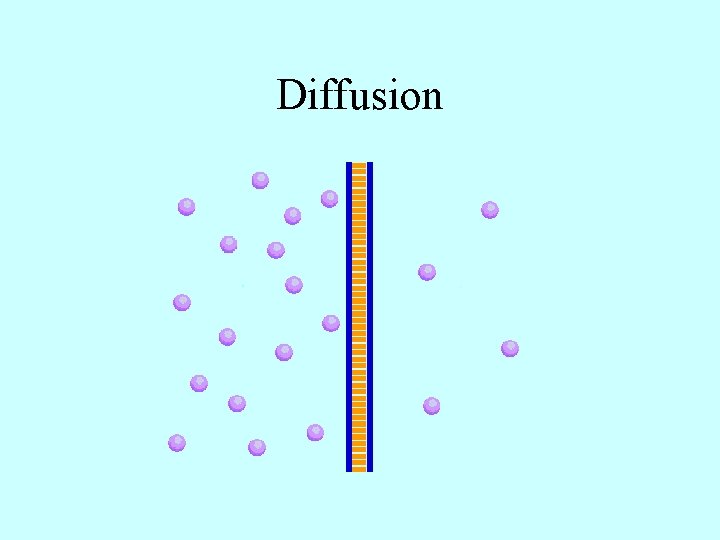
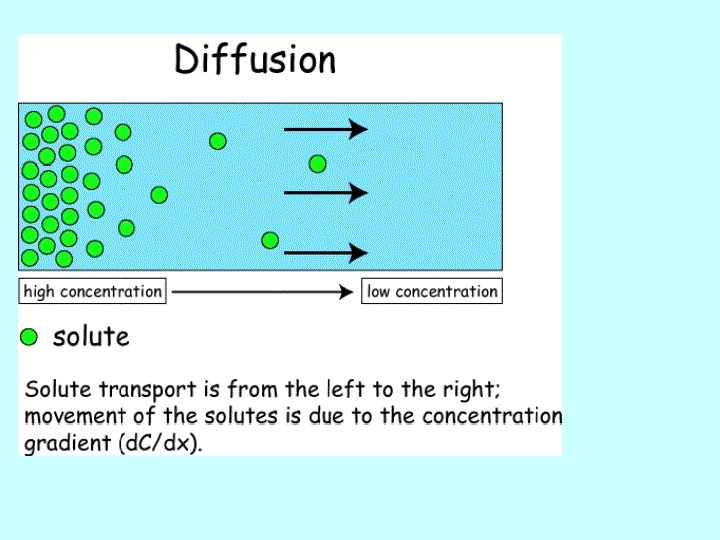
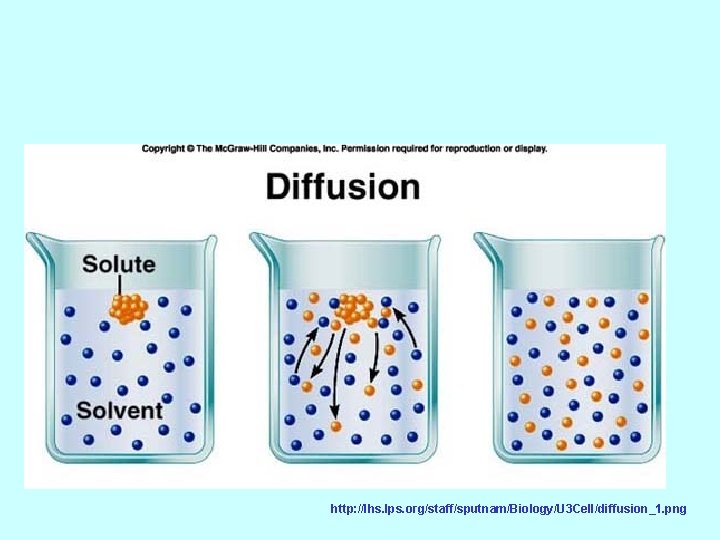
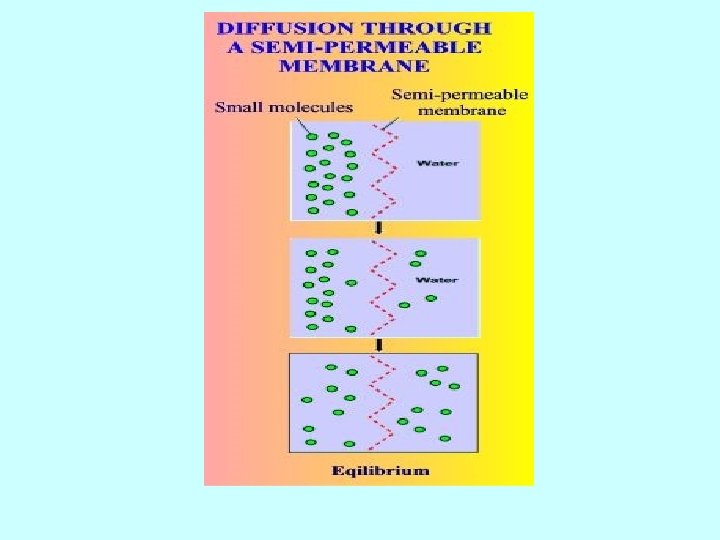
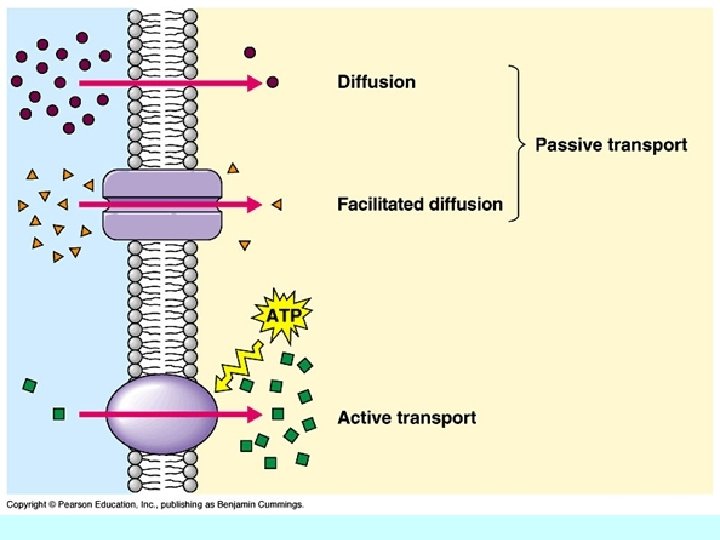
1. Passive Transport • the movement of particles through the cell membrane – without using energy. – from an area of high concentration to an area of low concentration. Ex. • Diffusion • Osmosis • Facilitated Diffusion
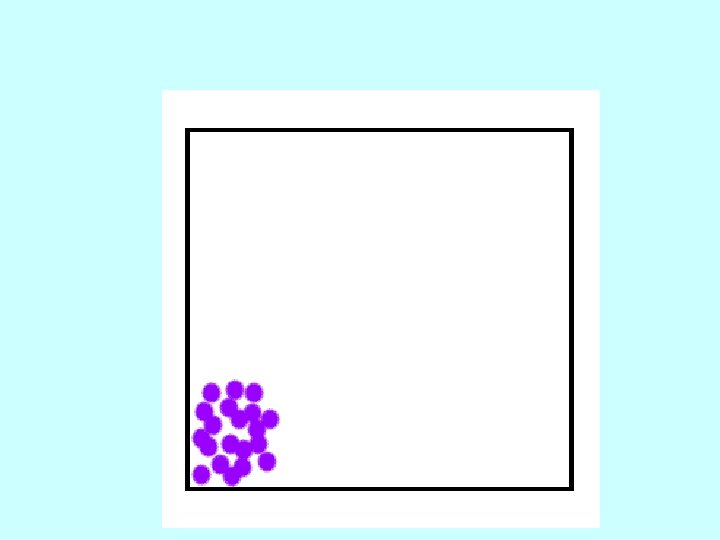
Diffusion
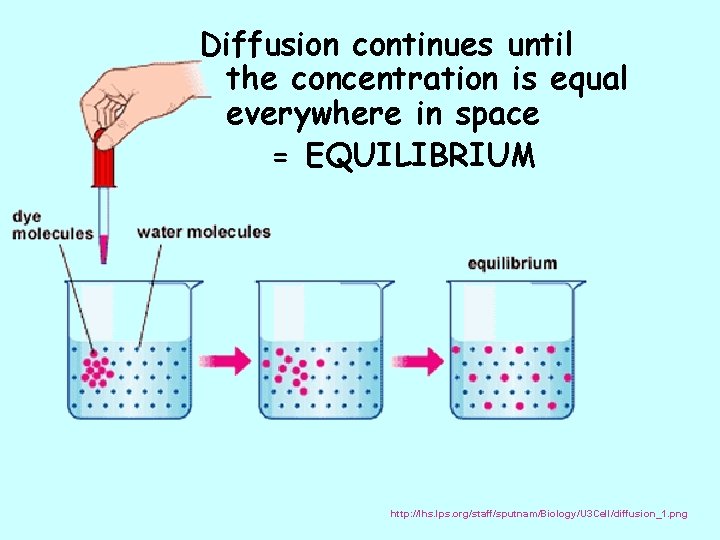
Diffusion continues until the concentration is equal everywhere in space = EQUILIBRIUM http: //lhs. lps. org/staff/sputnam/Biology/U 3 Cell/diffusion_1. png
http: //lhs. lps. org/staff/sputnam/Biology/U 3 Cell/diffusion_1. png
• Start here per 4
Osmosis A special type of diffusion http: //highered. mcgrawhill. com/sites/0072495855/student_view 0/chapter 2/animation__how_osmosis_works. html
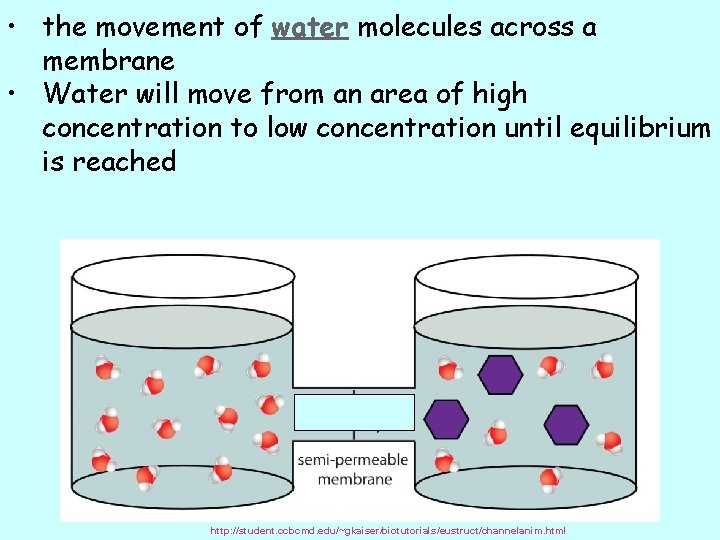
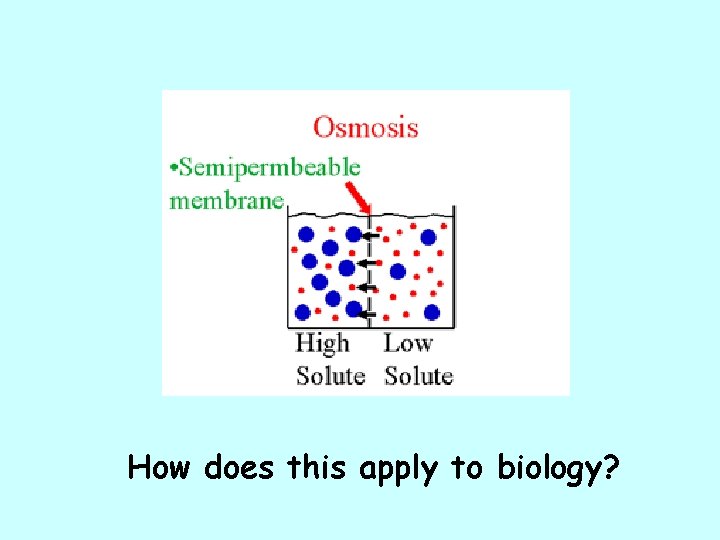
• the movement of water molecules across a membrane • Water will move from an area of high concentration to low concentration until equilibrium is reached http: //student. ccbcmd. edu/~gkaiser/biotutorials/eustruct/channelanim. html
Remember: Cells try to maintain “stable internal conditions” = HOMEOSTASIS __________ http: //bioweb. wku. edu/courses/biol 121/Osmosis. asp The concentration of water inside = the concentration of water outside Water entering = water leaving
How does this apply to biology?
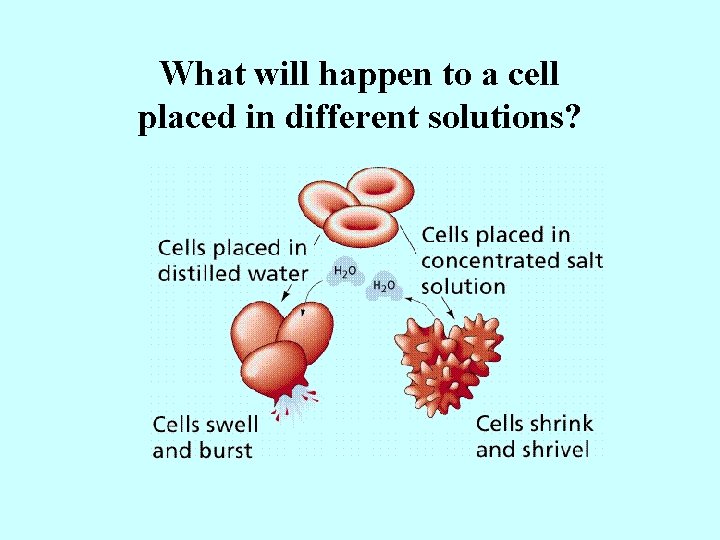
What will happen to a cell placed in different solutions?
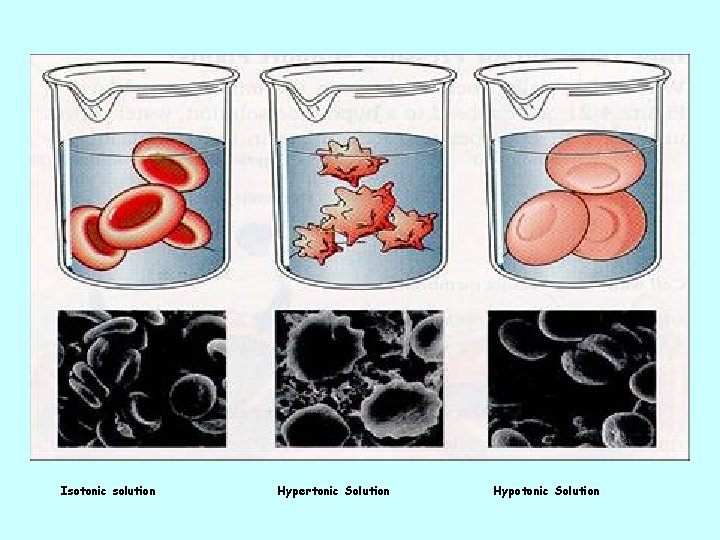
Isotonic solution Hypertonic Solution Hypotonic Solution
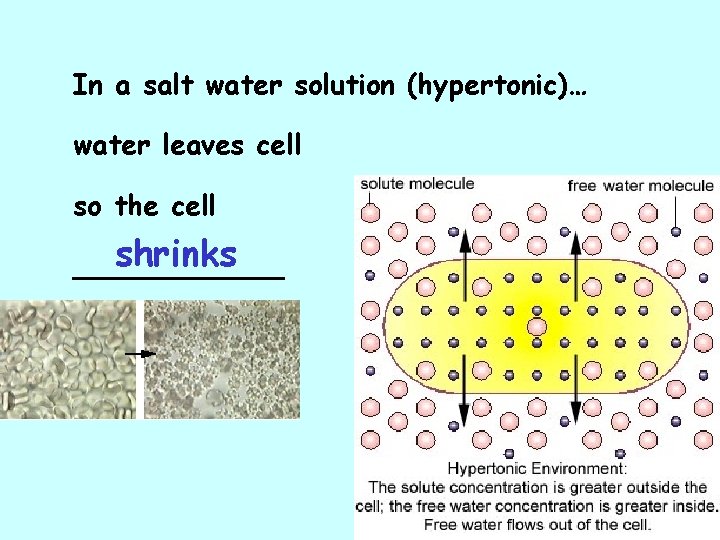
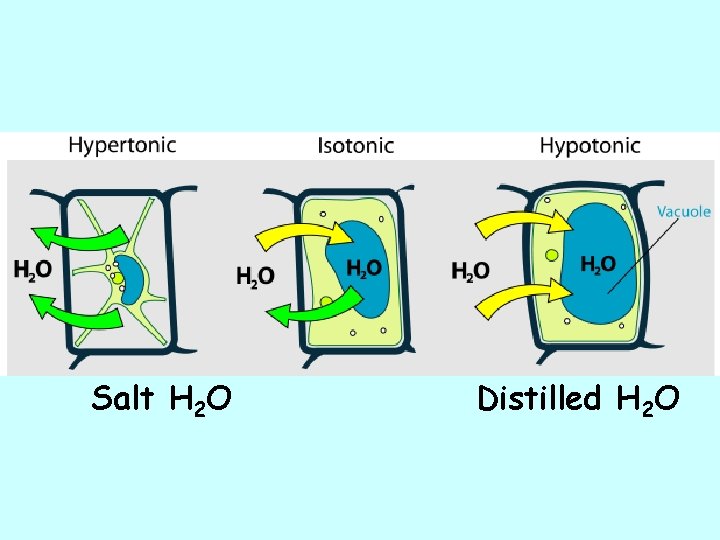
In a salt water solution (hypertonic)… water leaves cell so the cell shrinks ______
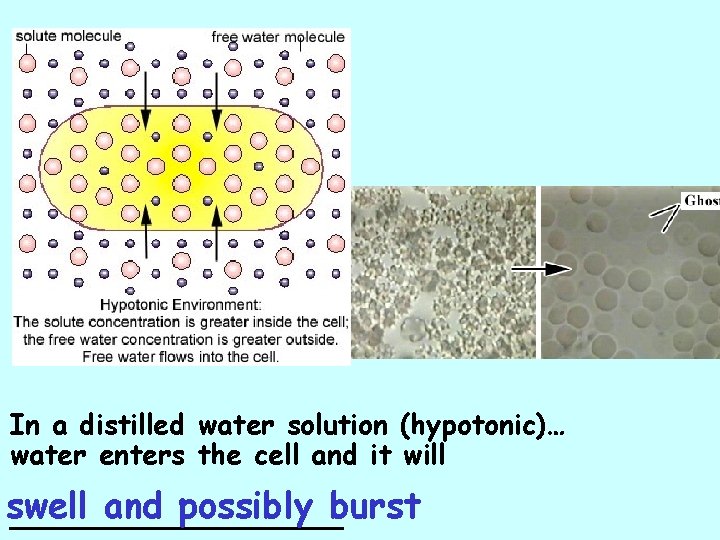
In a distilled water solution (hypotonic)… water enters the cell and it will swell and possibly burst __________
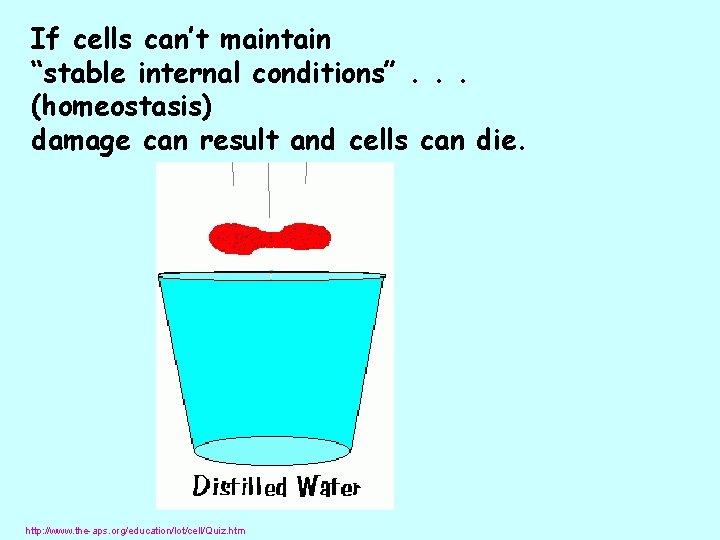
If cells can’t maintain “stable internal conditions”. . . (homeostasis) damage can result and cells can die. http: //www. the-aps. org/education/lot/cell/Quiz. htm
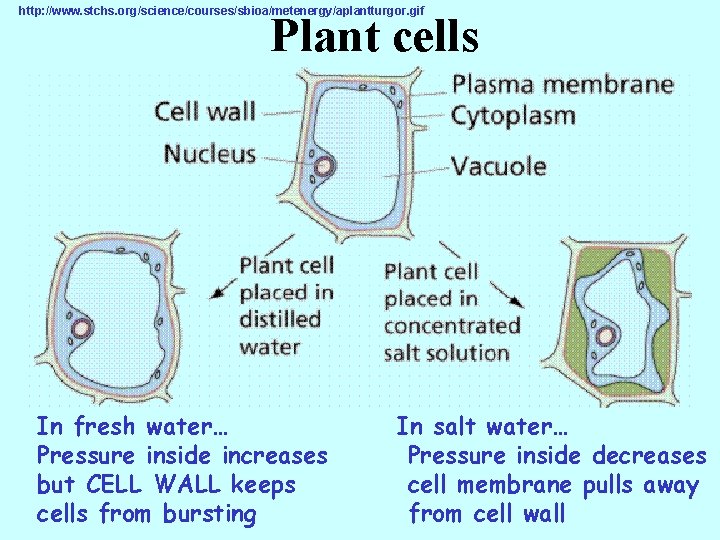
http: //www. stchs. org/science/courses/sbioa/metenergy/aplantturgor. gif Plant cells In fresh water… Pressure inside increases but CELL WALL keeps cells from bursting In salt water… Pressure inside decreases cell membrane pulls away from cell wall
Salt H 2 O Distilled H 2 O
VACUOLES store WATER http: //www. biology 4 kids. com/files/cell_vacuole. html
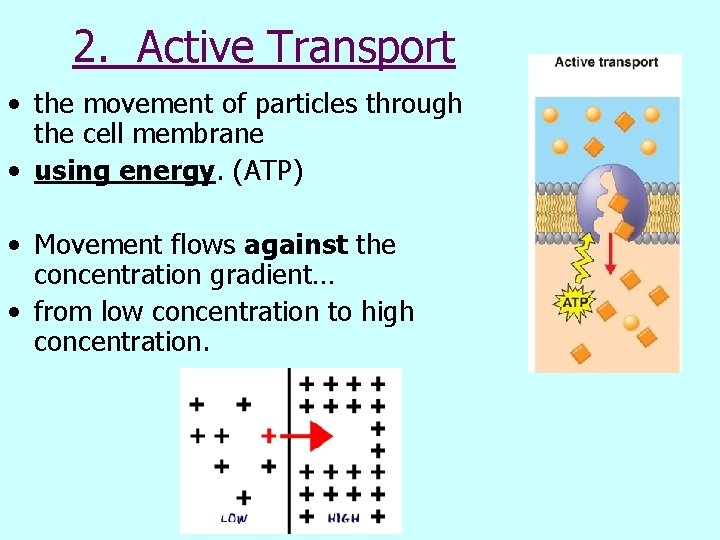
2. Active Transport • the movement of particles through the cell membrane • using energy. (ATP) • Movement flows against the concentration gradient… • from low concentration to high concentration.
• Active transport is usually concerned with accumulating high concentrations of molecules that the cell needs, such as ions, glucose and amino acids • Happens a lot in neurons http: //highered. mcgrawhill. com/sites/0072495855/student_view 0/chapter 2/animation__how_the_sodium_potassium_pump_wor ks. html
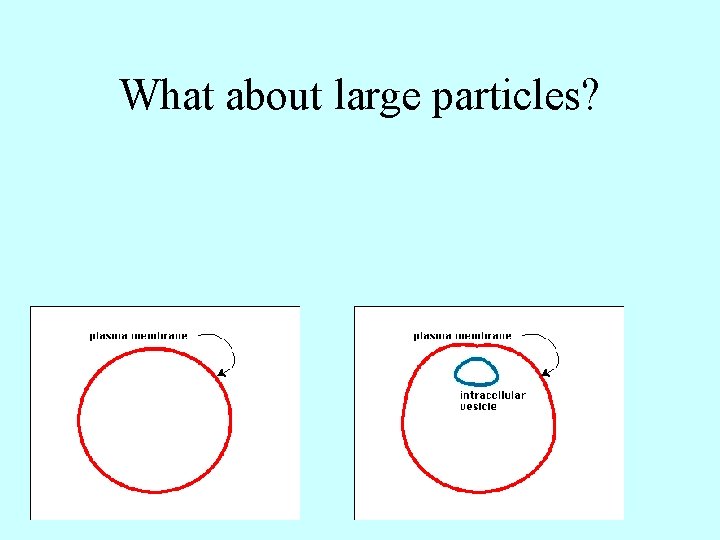
What about large particles?
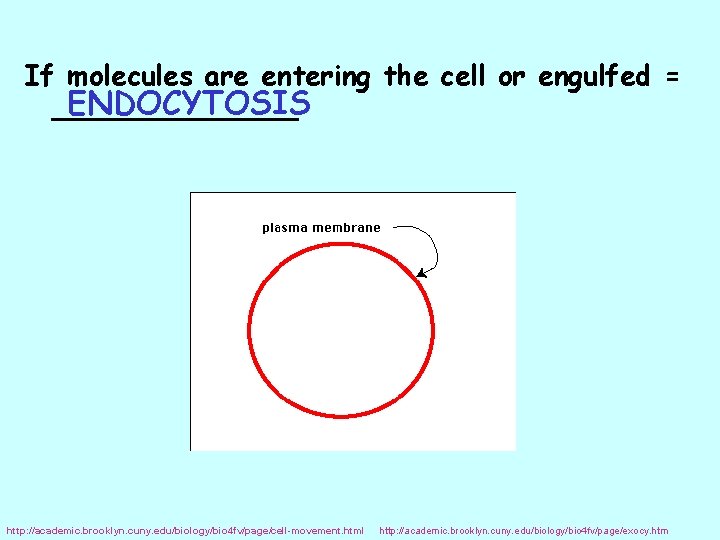
If molecules are entering the cell or engulfed = ENDOCYTOSIS _______ http: //academic. brooklyn. cuny. edu/biology/bio 4 fv/page/cell-movement. html http: //academic. brooklyn. cuny. edu/biology/bio 4 fv/page/exocy. htm
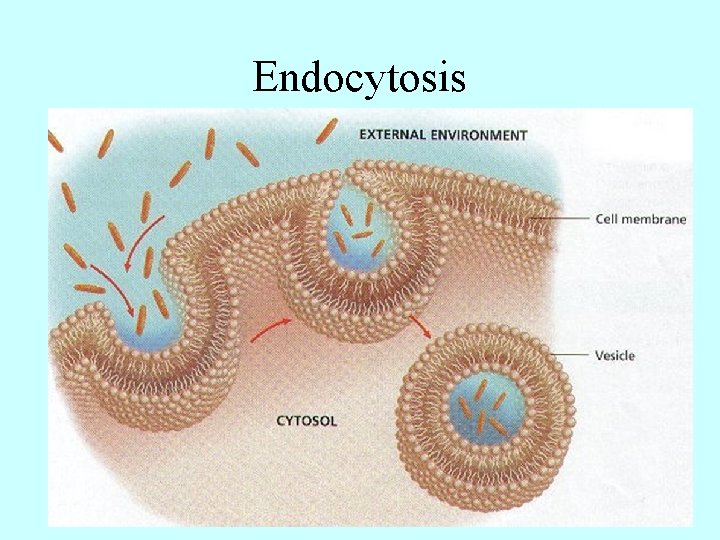
2 types of endocytosis • Phagocytosis (literally, cell-eating) is the process by which cells ingest large objects, such as bacteria, viruses, or the remnants of cells which have undergone apoptosis. • Pinocytosis (literally, cell-drinking). This process is concerned with the uptake of solutes and single molecules such as proteins. http: //highered. mcgrawhill. com/sites/0072495855/student_view 0/chapter 2/anima tion__phagocytosis. html
Endocytosis
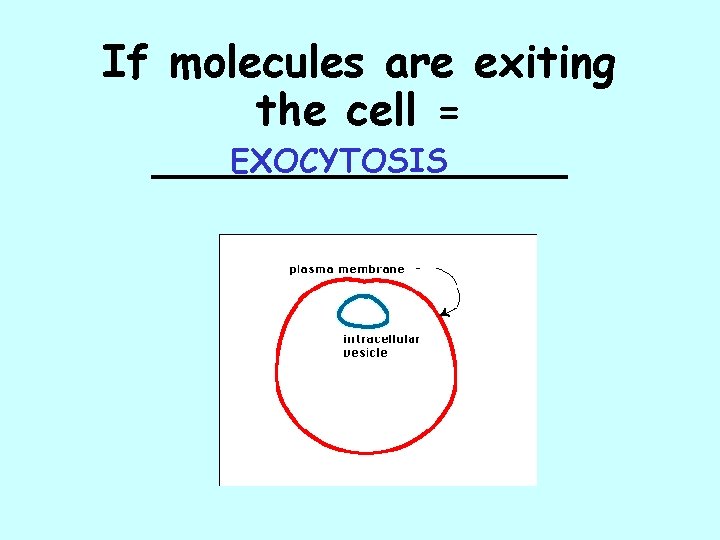
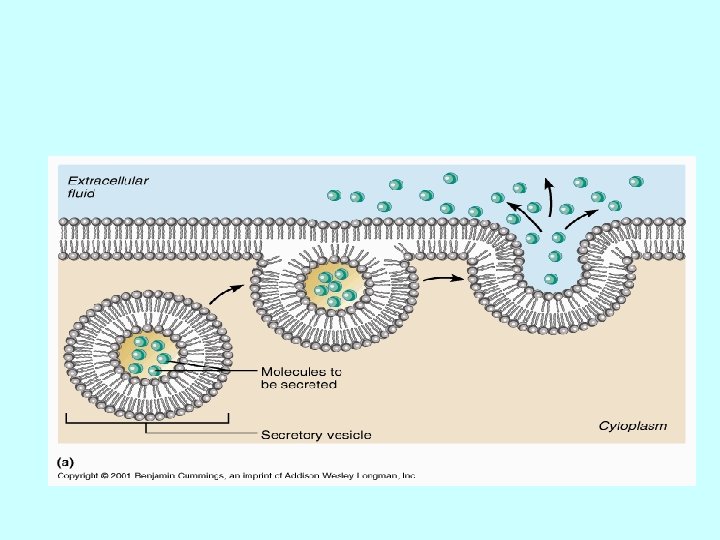
If molecules are exiting the cell = EXOCYTOSIS ________