
CELLULAR STRUCTURE Types of Cells Prokaryotes No Nucleus
- Slides: 38
CELLULAR STRUCTURE
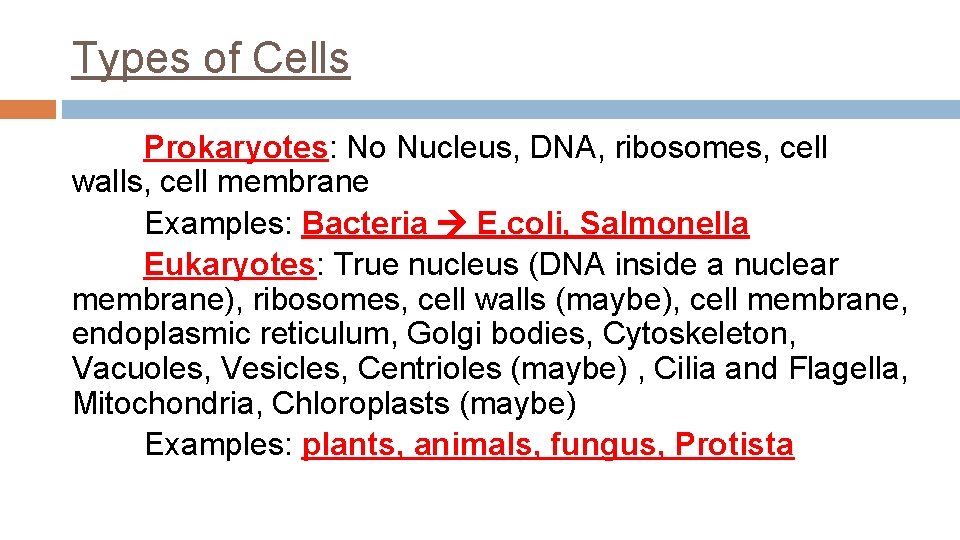
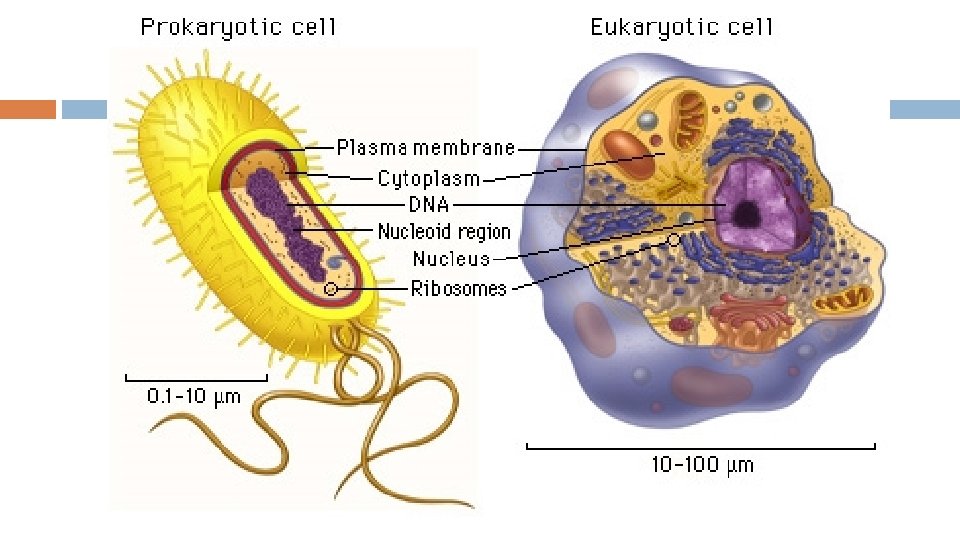
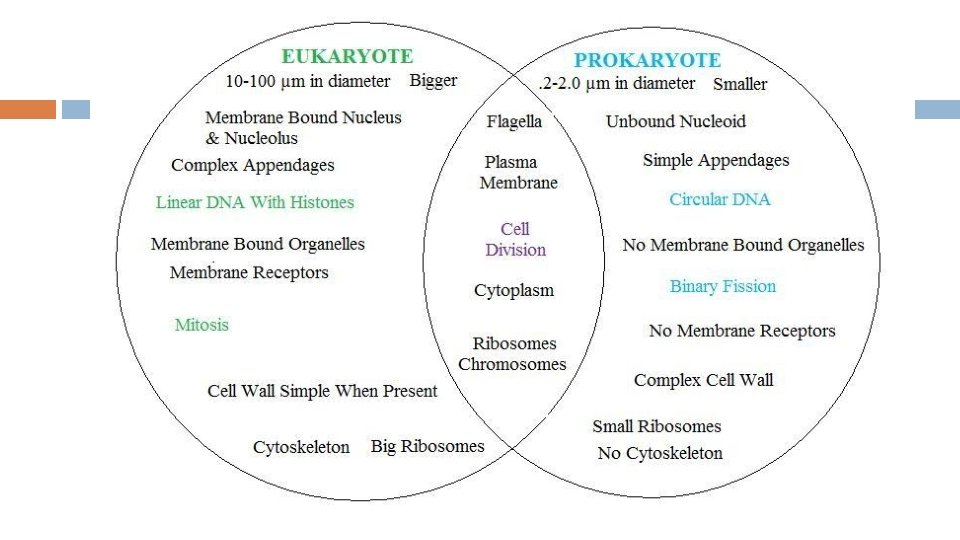
Types of Cells Prokaryotes: No Nucleus, DNA, ribosomes, cell walls, cell membrane Examples: Bacteria E. coli, Salmonella Eukaryotes: True nucleus (DNA inside a nuclear membrane), ribosomes, cell walls (maybe), cell membrane, endoplasmic reticulum, Golgi bodies, Cytoskeleton, Vacuoles, Vesicles, Centrioles (maybe) , Cilia and Flagella, Mitochondria, Chloroplasts (maybe) Examples: plants, animals, fungus, Protista
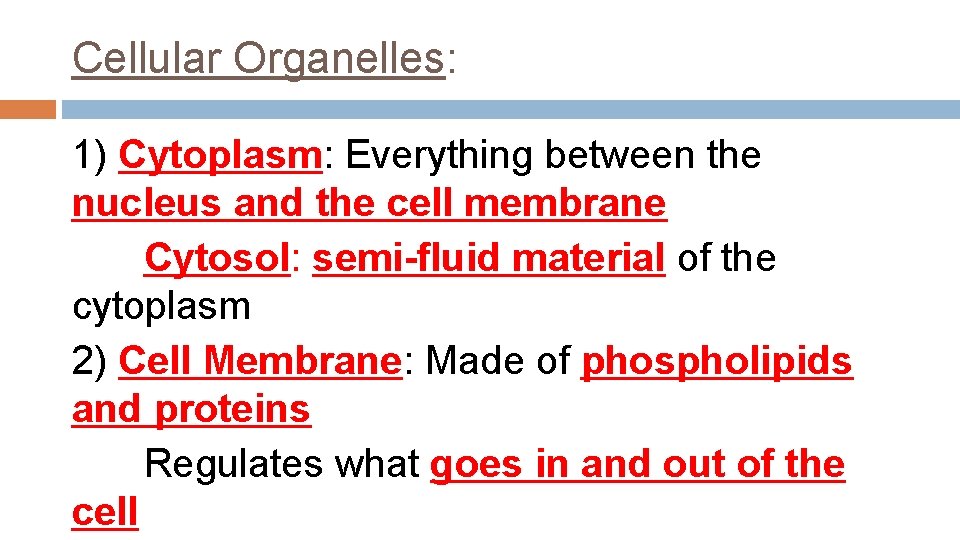
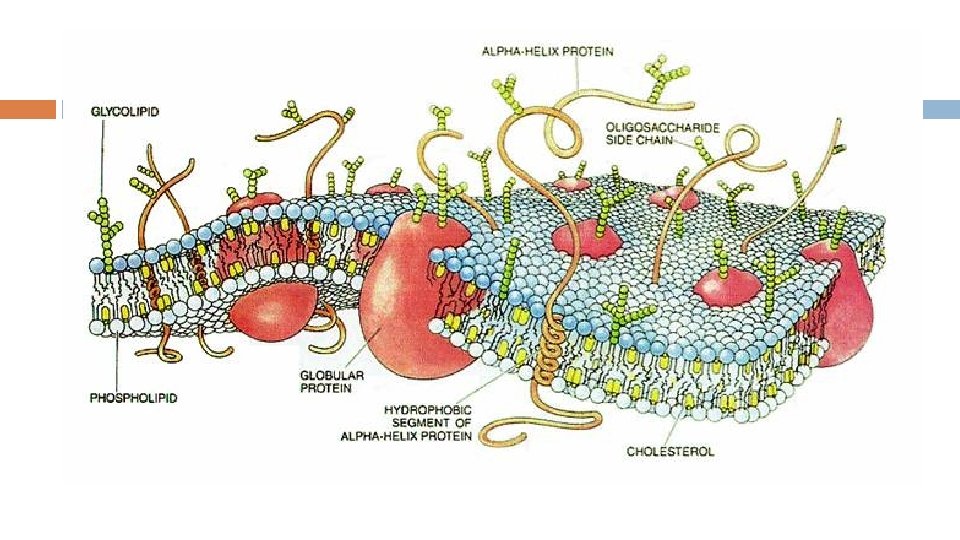
Cellular Organelles: 1) Cytoplasm: Everything between the nucleus and the cell membrane Cytosol: semi-fluid material of the cytoplasm 2) Cell Membrane: Made of phospholipids and proteins Regulates what goes in and out of the cell
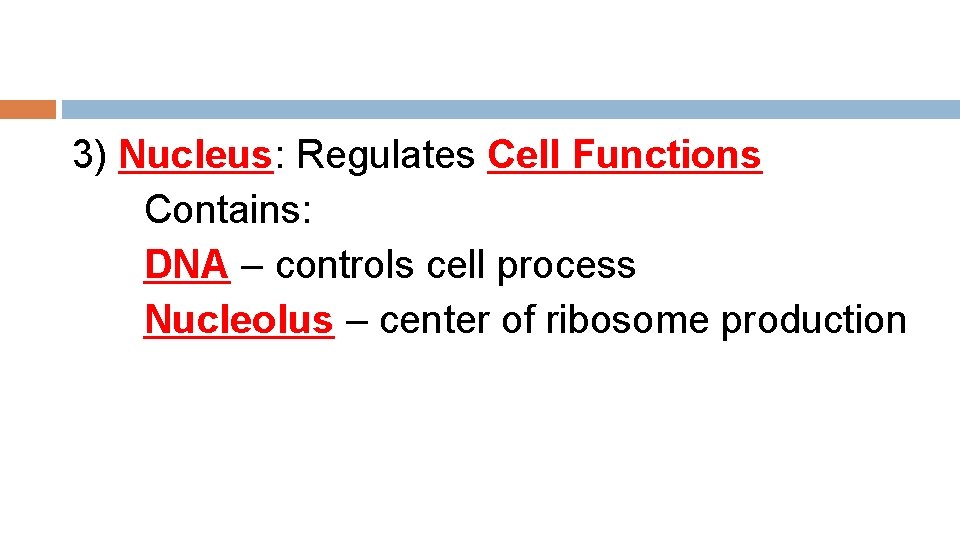
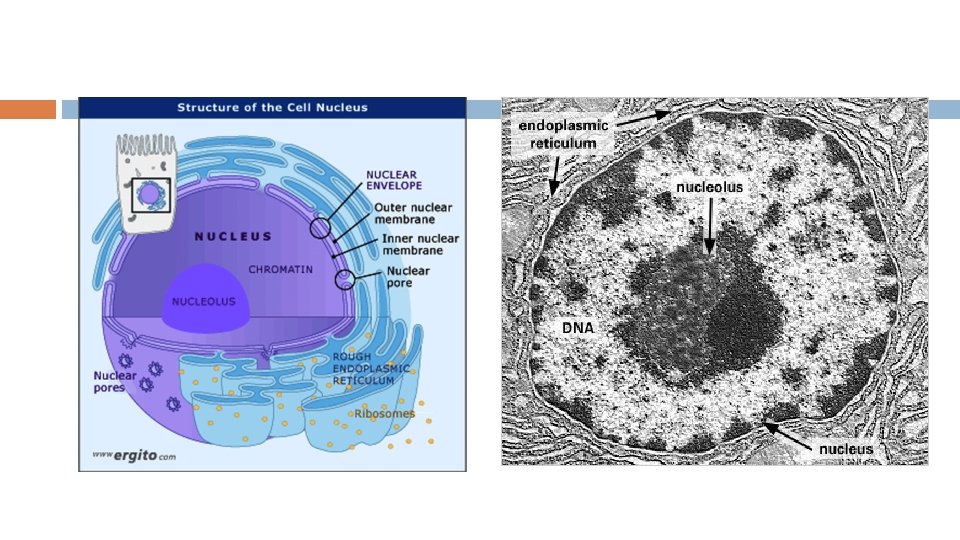
3) Nucleus: Regulates Cell Functions Contains: DNA – controls cell process Nucleolus – center of ribosome production
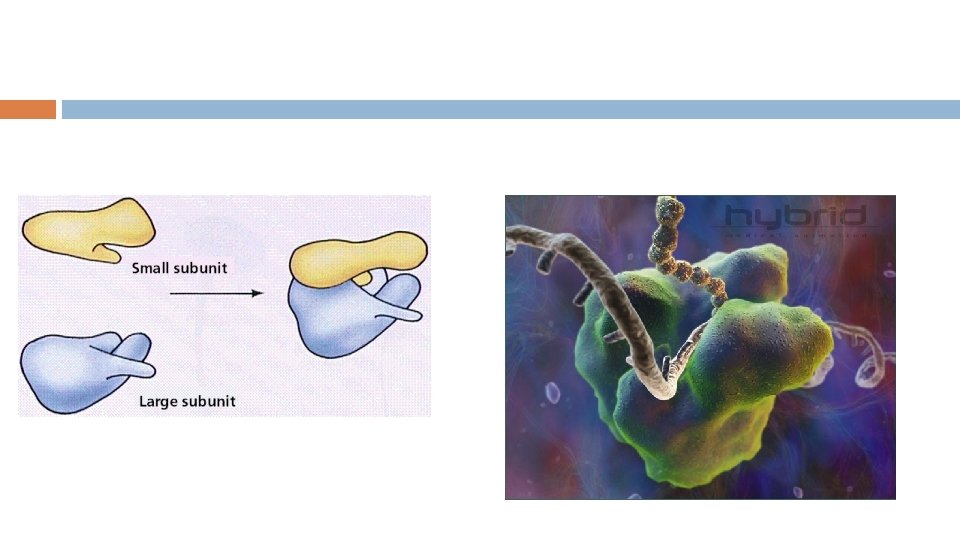
4) Ribosomes: synthesize proteins
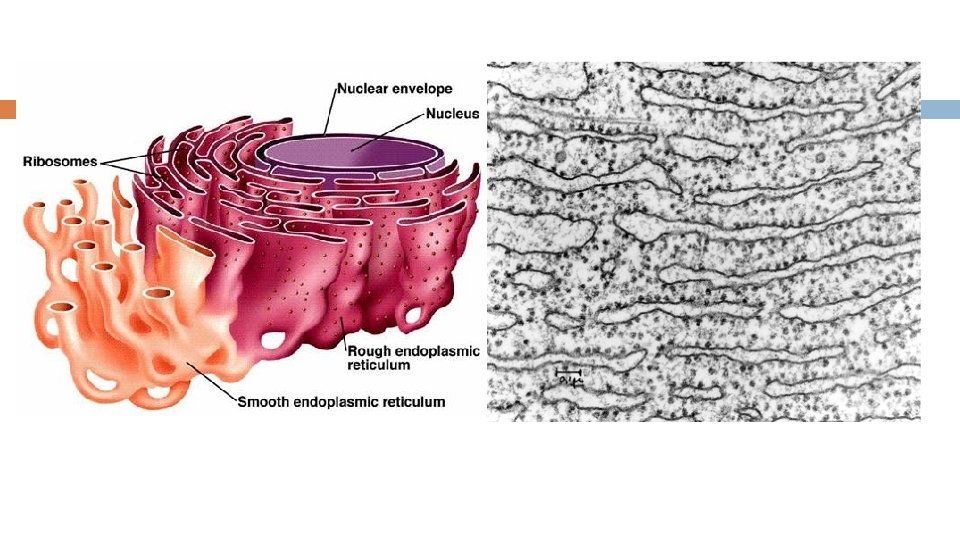
5) Endoplasmic Reticulum: Two Types Rough ER: Make proteins “rough” because ribosomes are attached to the outside
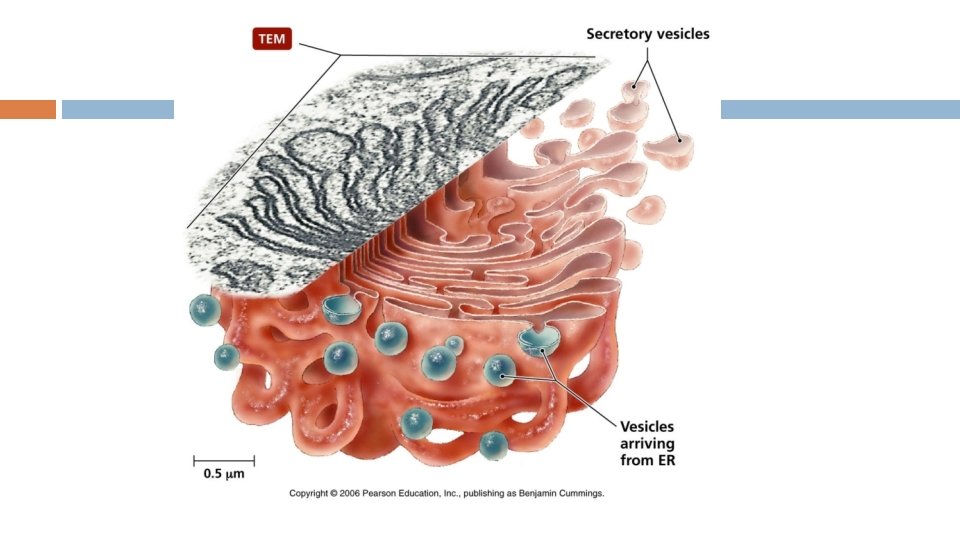
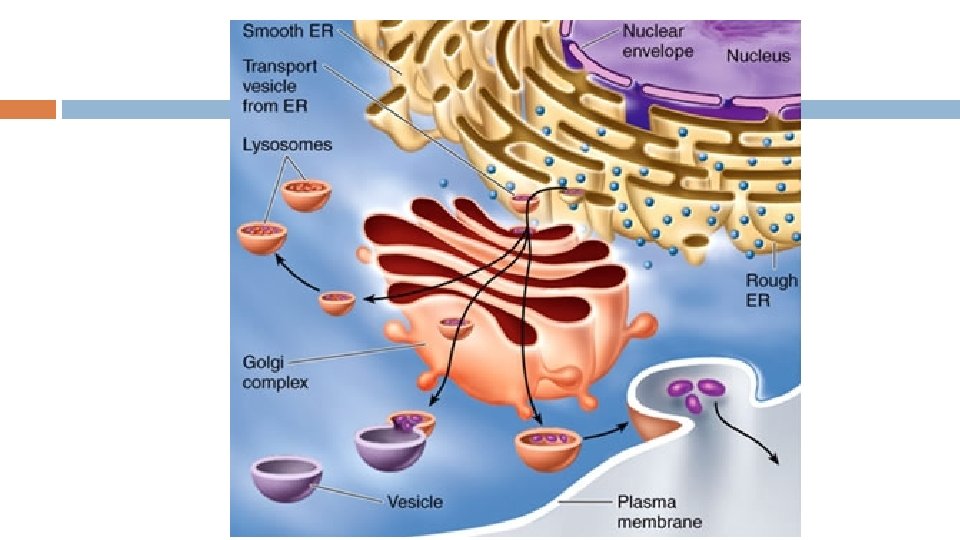
Smooth ER: 1. Processes carbohydrates 2. Stores Calcium ions 3. Makes lipids 4. Detoxifies poisons Smooth & Rough ER form vesicles that pinch off and travel to the Golgi bodies.
6) Golgi Bodies: Series of flattened membranes - sort and repackage materials from the ER for storage or secretion
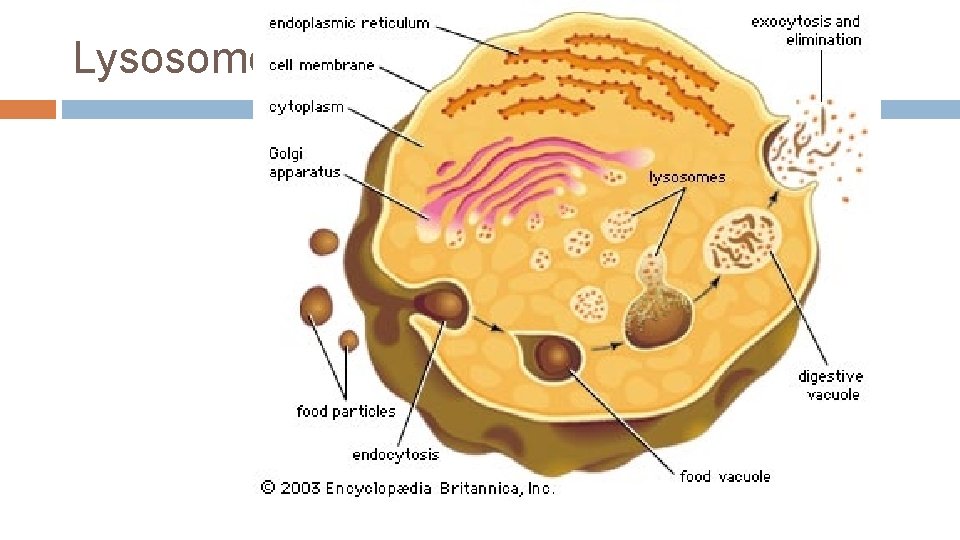
7) Lysosome: Digests materials in the cell Digested materials go to mitochondria to generate energy
Lysosomes
ENDOMEMBRANE SYSTEM ER Vesicles Golgi Bodies Vesicles for storage or secretion Ex: Digestive Enzymes in Small Intestine
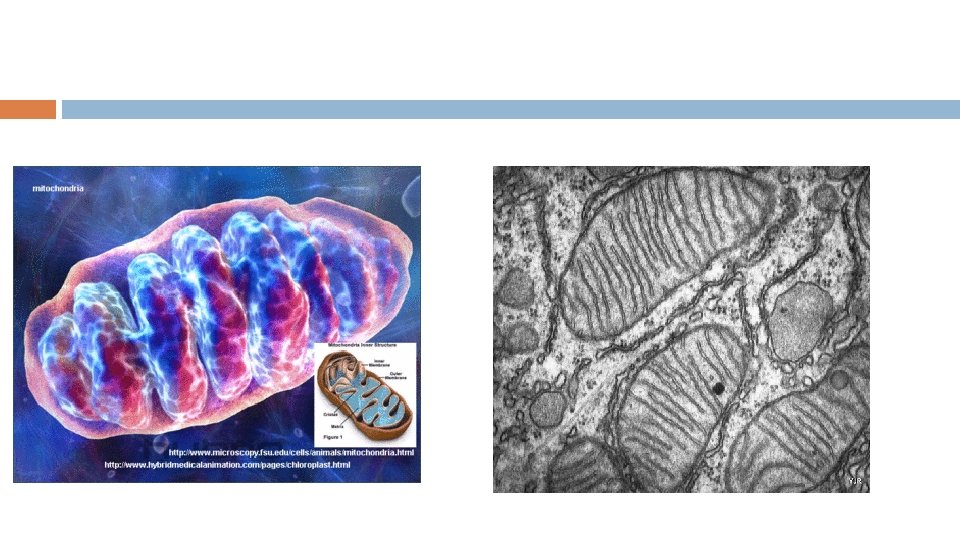
8) Mitochondria: Power house of the cell Transform food into energy Cellular Energy = ATP – Adenosine Triphosphate
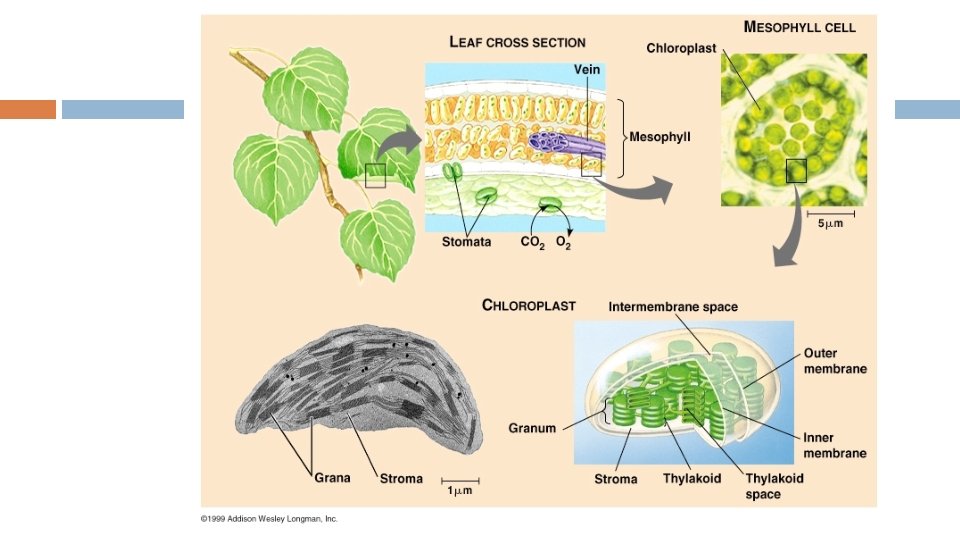
9) Chloroplasts: Site of Photosynthesis
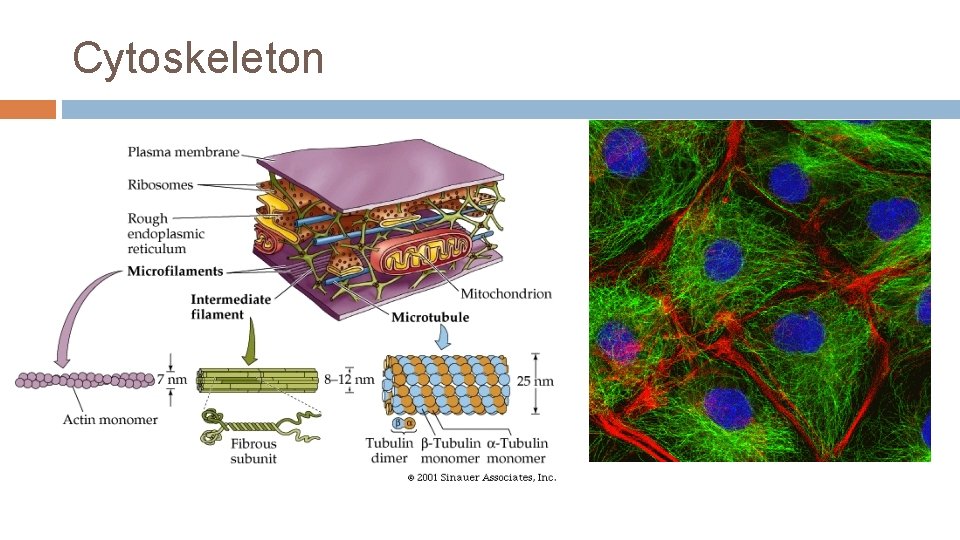
10) Cytoskeleton: System of tubes and filaments that give shape and movement to a cell TYPES:
Cytoskeleton
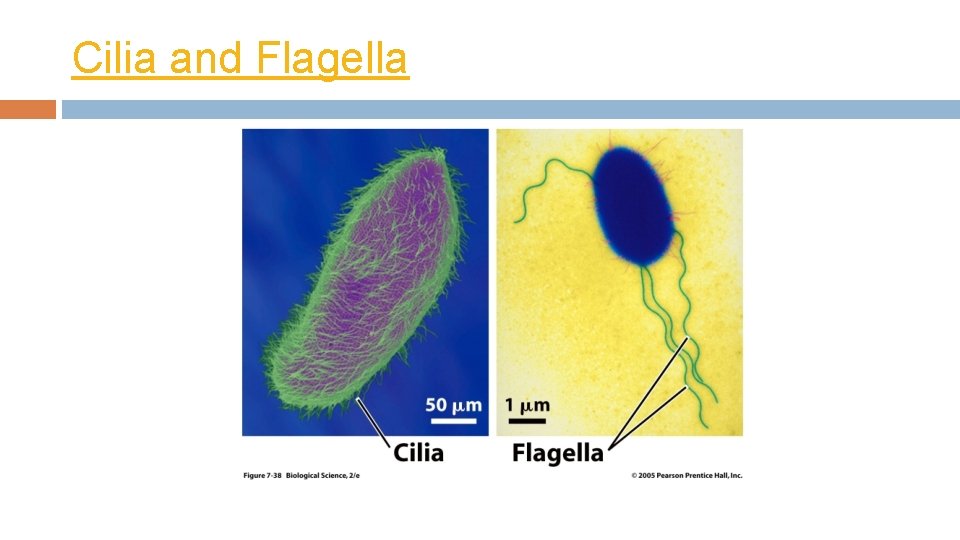
1) Microtubules: tiny tubes used for moving things around inside or outside of a cell Ex: Cilia and Flagella – move cells or things across the surface of a cell
Cilia and Flagella
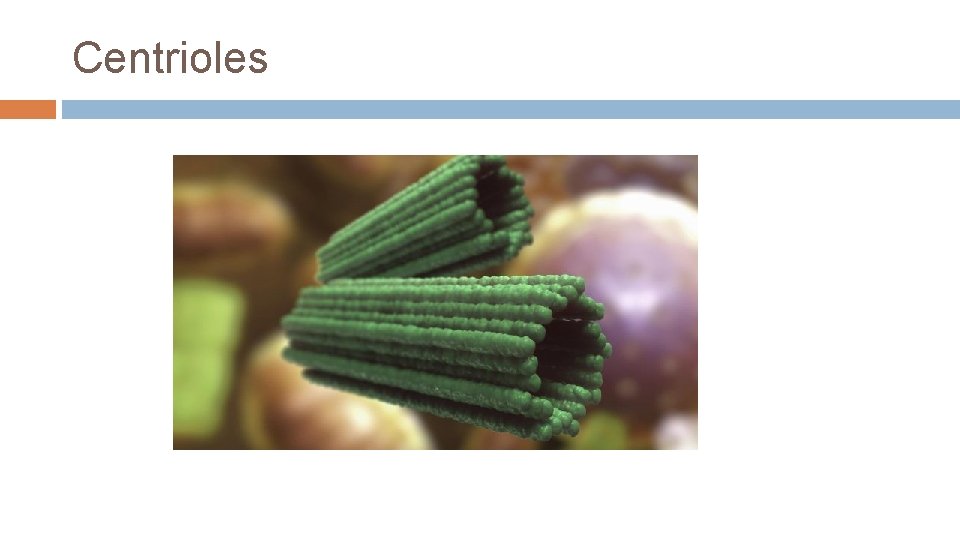
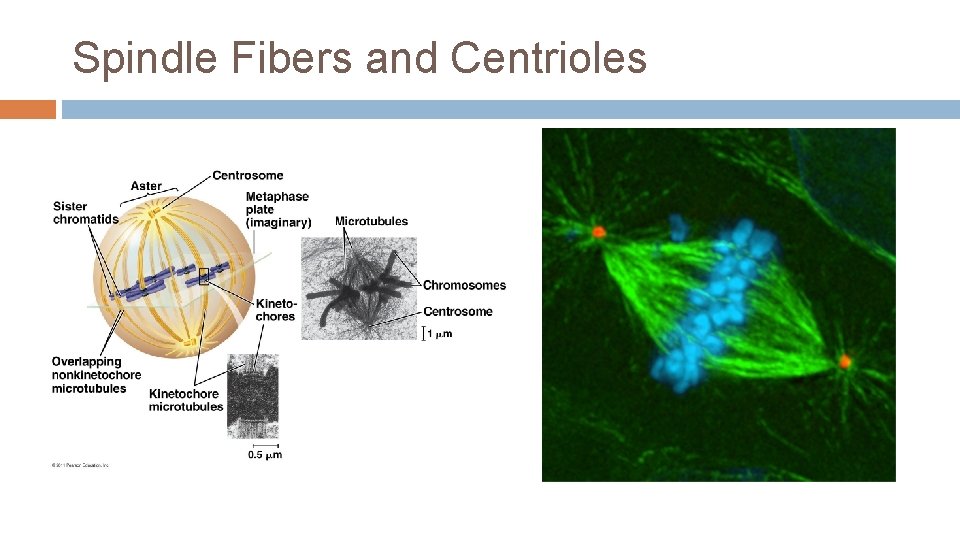
1) Microtubules: tiny tubes used for moving things around inside or outside of a cell Ex: Cilia and Flagella – move cells or things across the surface of a cell Spindle Fibers – move chromosomes around in cell division Centrioles – cluster of short tubes that form spindle fibers in animal cells
Centrioles
Spindle Fibers and Centrioles
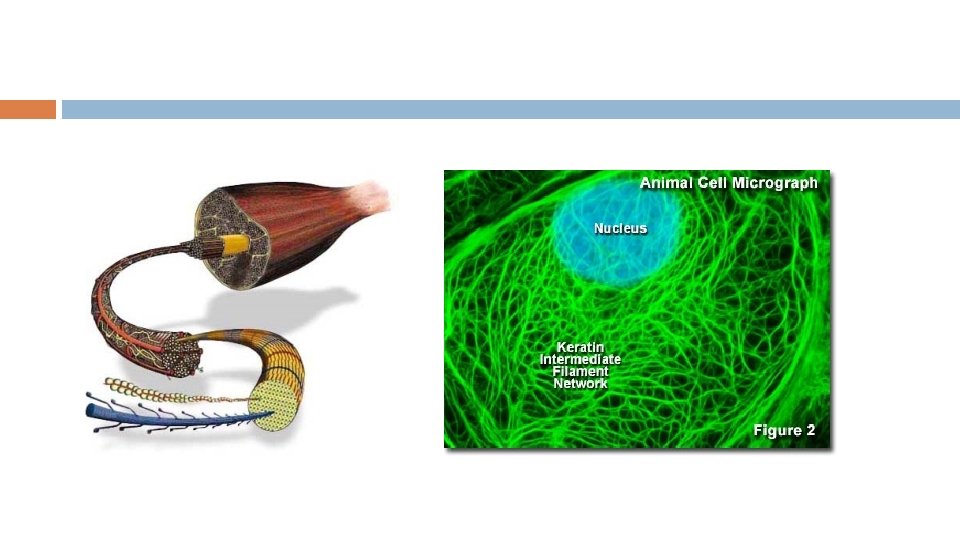
2) Microfilament: tiny filaments used to move things in cells Ex: Actin filaments in muscles used for contraction with Myosin proteins 3) Intermediate filaments: fibers that give the shape to a cell – the actual real skeleton in a cell
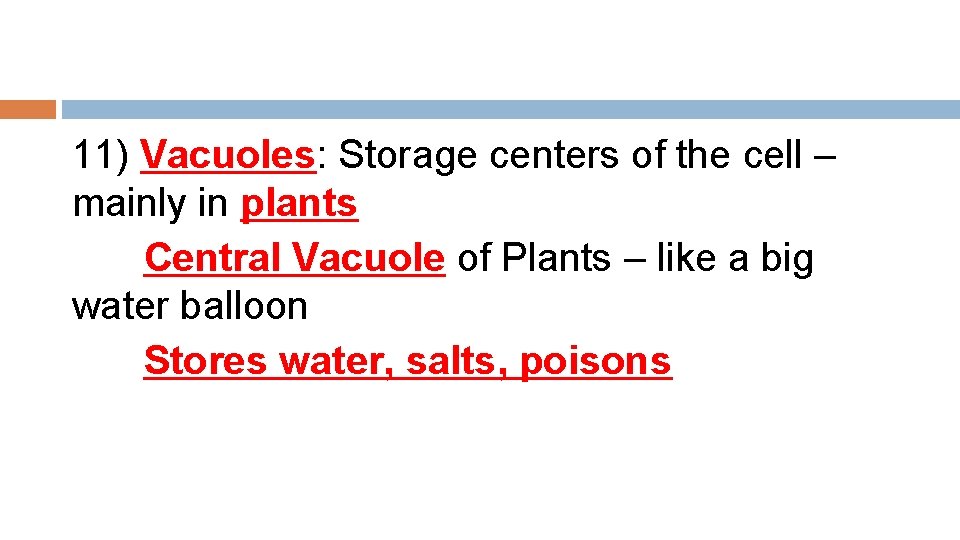
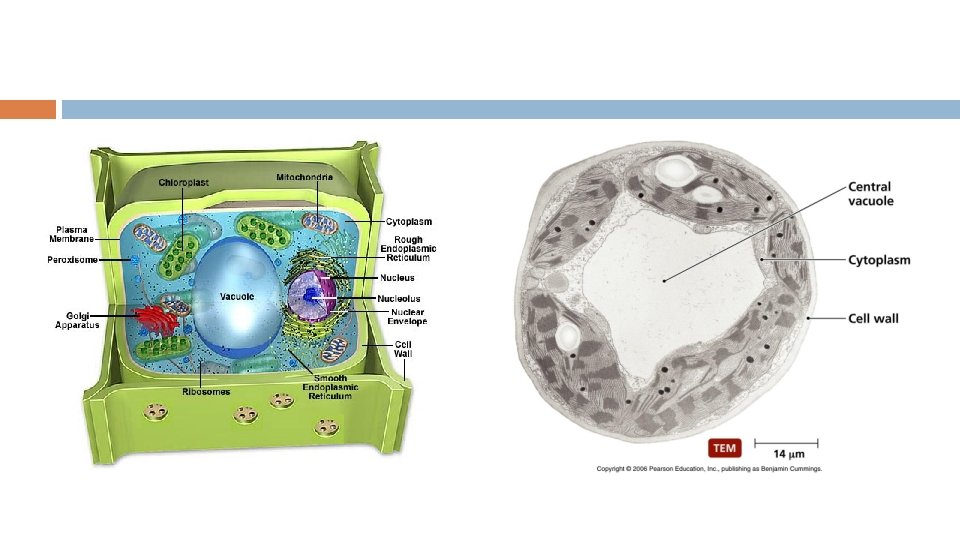
11) Vacuoles: Storage centers of the cell – mainly in plants Central Vacuole of Plants – like a big water balloon Stores water, salts, poisons
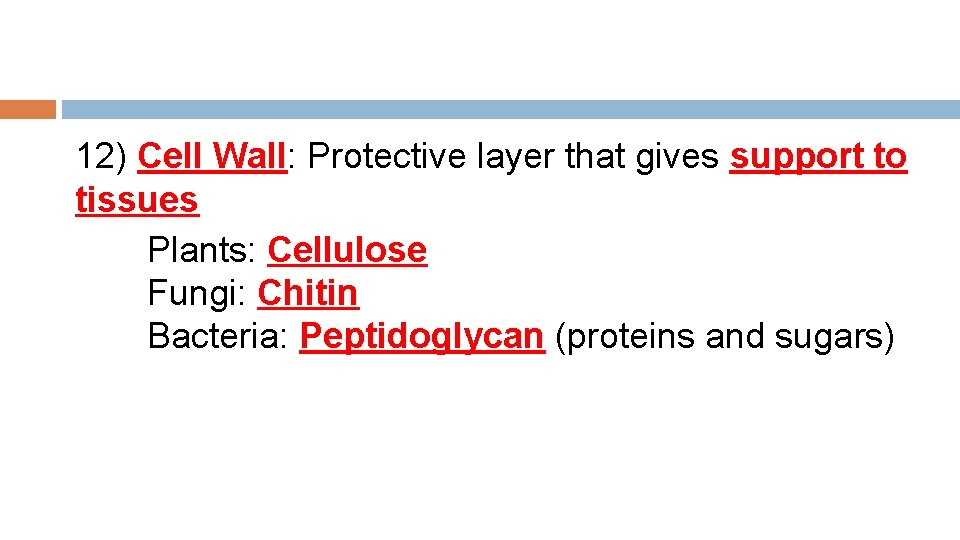
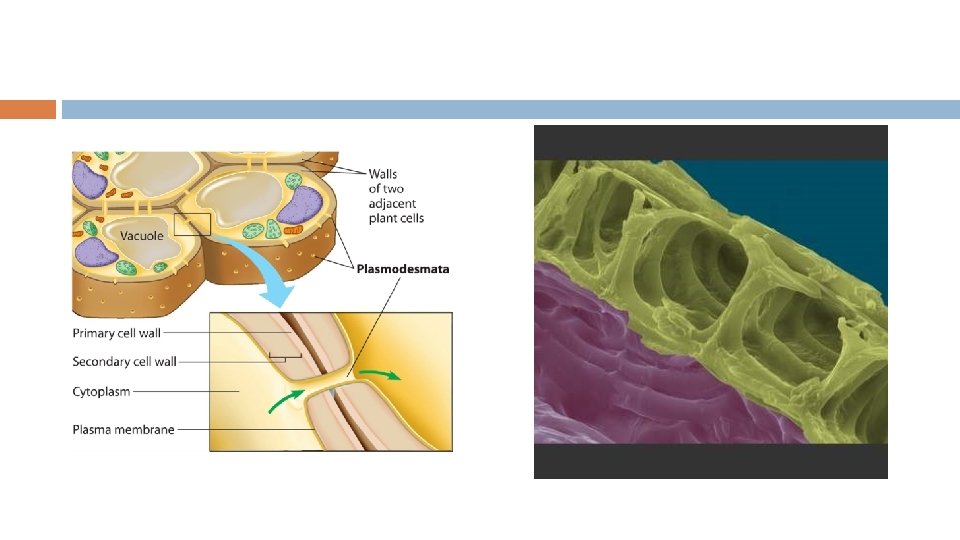
12) Cell Wall: Protective layer that gives support to tissues Plants: Cellulose Fungi: Chitin Bacteria: Peptidoglycan (proteins and sugars)
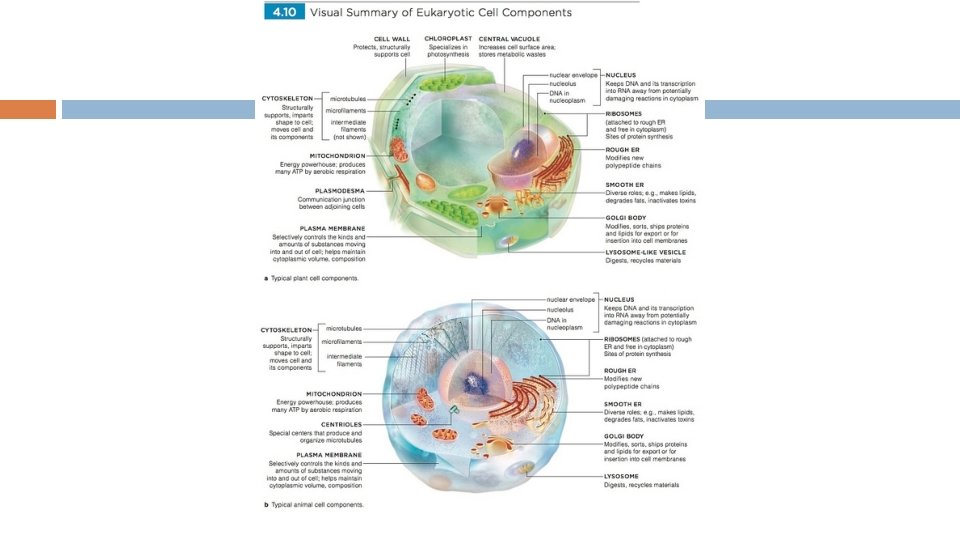
Organelles Specific to Animals: Centrioles Organelles Specific to Plants: Central Vacuole, Chloroplasts Animal Cells Plant Cells Inner Life of the Cell