
Cellular Respiration vs Photosynthesis Cellular Respiration Take place
- Slides: 12
Cellular Respiration vs Photosynthesis
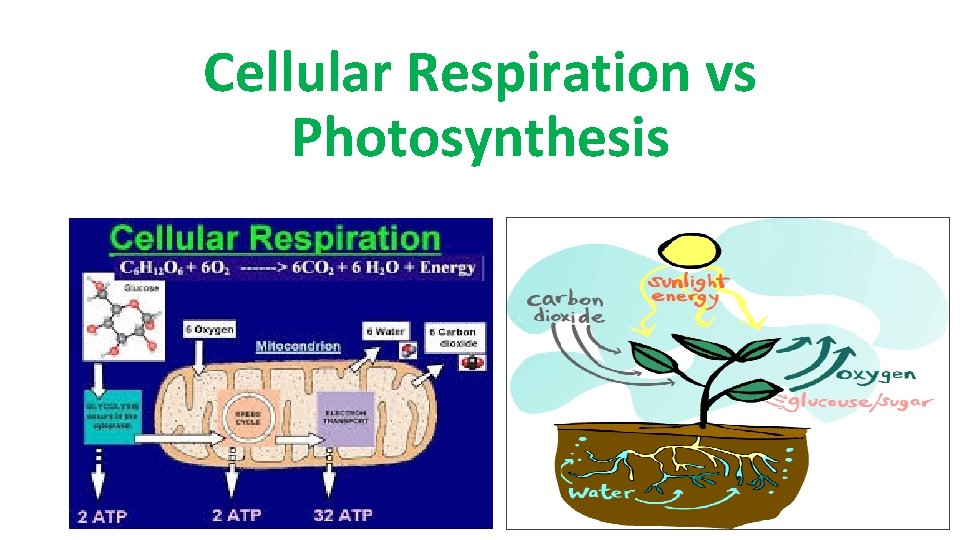
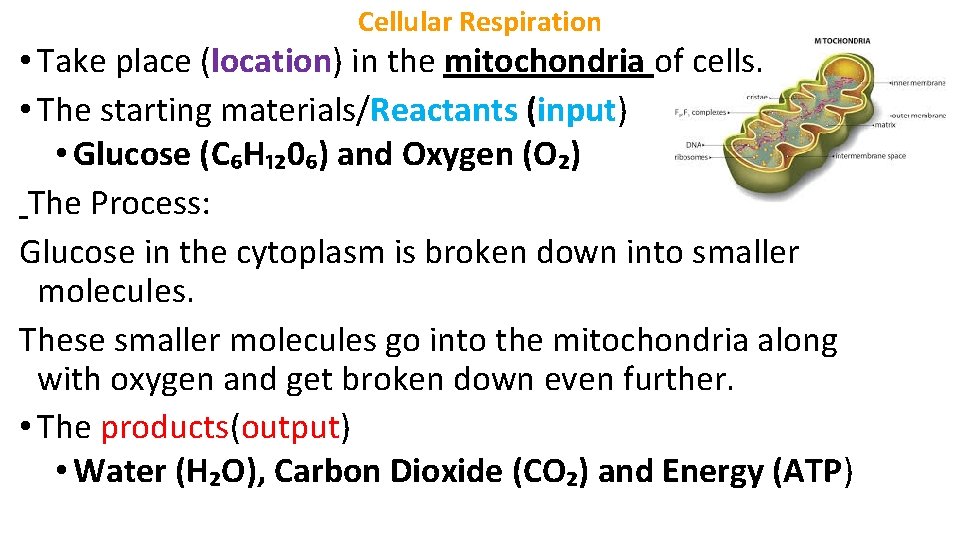
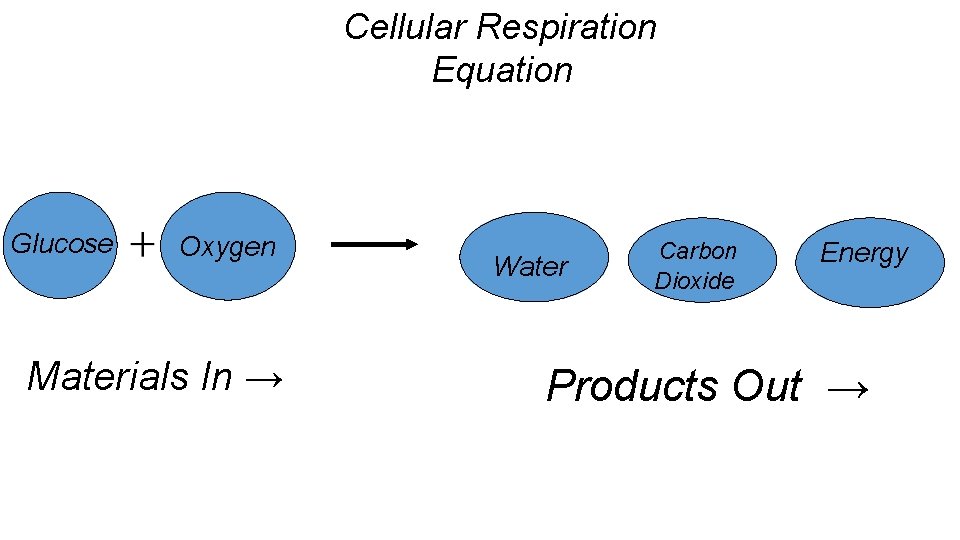
Cellular Respiration • Take place (location) in the mitochondria of cells. • The starting materials/Reactants (input) • Glucose (C₆H₁₂0₆) and Oxygen (O₂) The Process: Glucose in the cytoplasm is broken down into smaller molecules. These smaller molecules go into the mitochondria along with oxygen and get broken down even further. • The products(output) • Water (H₂O), Carbon Dioxide (CO₂) and Energy (ATP)
Cellular Respiration Equation Glucose Oxygen Materials In → Water Carbon Dioxide Energy Products Out →
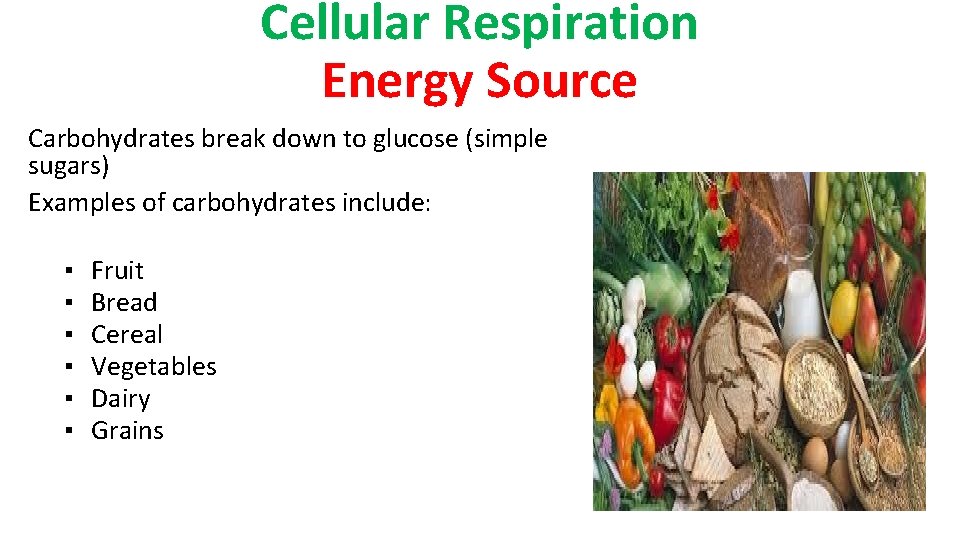
Cellular Respiration Energy Source Carbohydrates break down to glucose (simple sugars) Examples of carbohydrates include: ▪ ▪ ▪ Fruit Bread Cereal Vegetables Dairy Grains
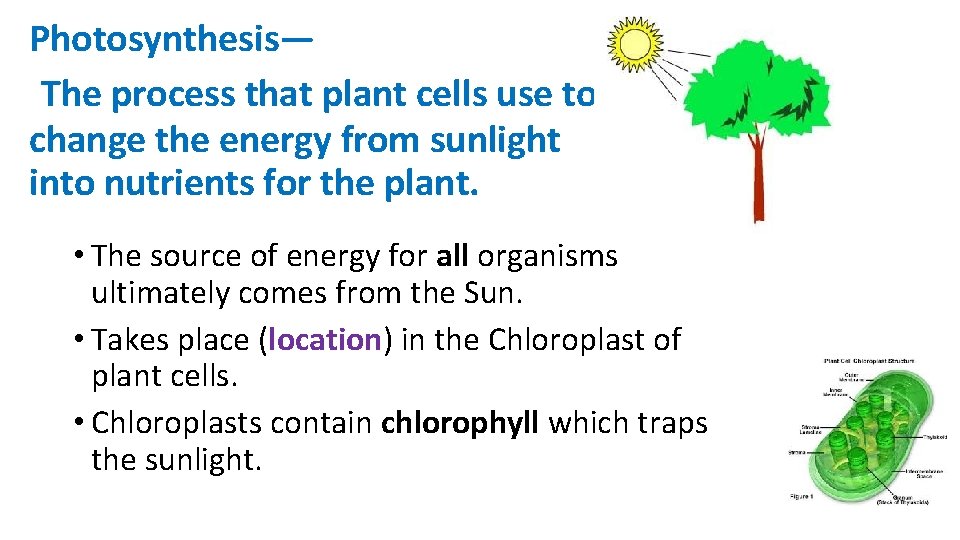
Photosynthesis— The process that plant cells use to change the energy from sunlight into nutrients for the plant. • The source of energy for all organisms ultimately comes from the Sun. • Takes place (location) in the Chloroplast of plant cells. • Chloroplasts contain chlorophyll which traps the sunlight.
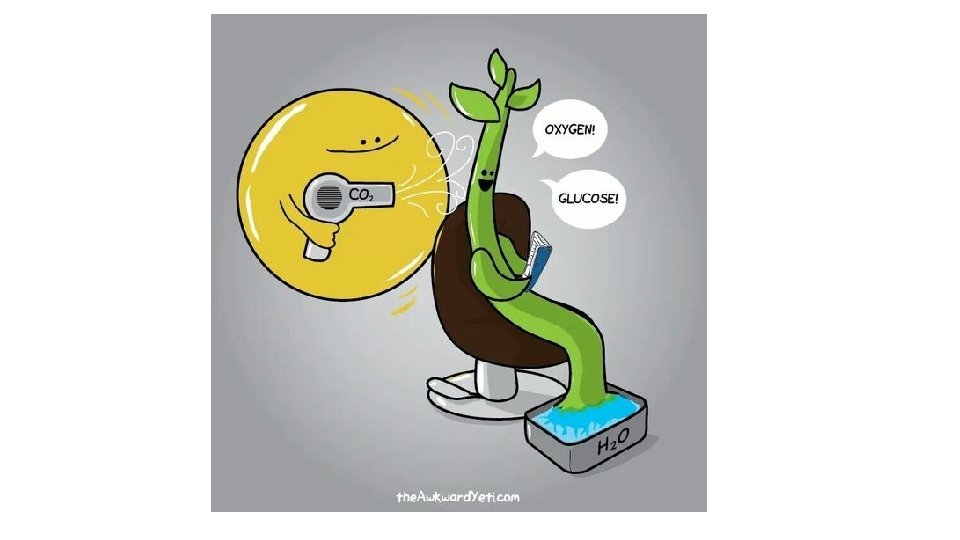
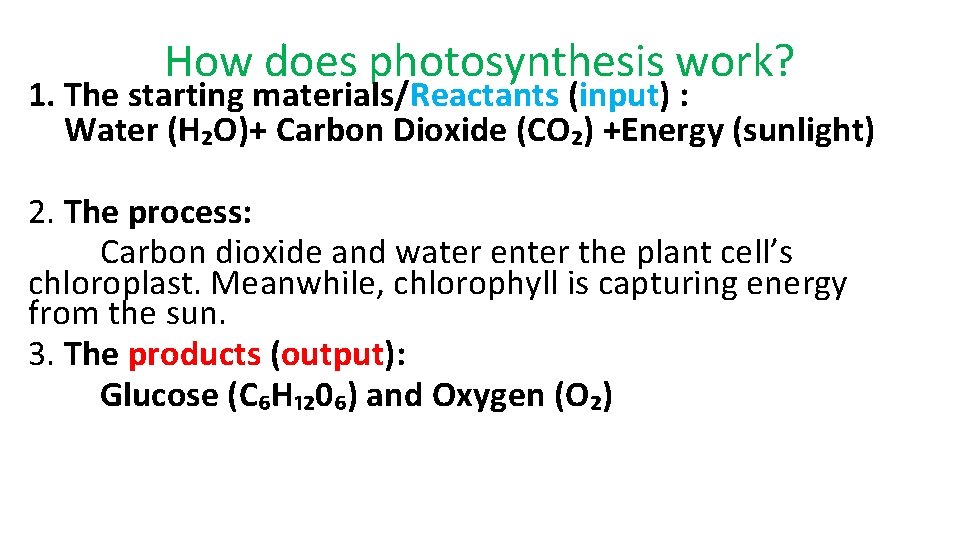
How does photosynthesis work? 1. The starting materials/Reactants (input) : Water (H₂O)+ Carbon Dioxide (CO₂) +Energy (sunlight) 2. The process: Carbon dioxide and water enter the plant cell’s chloroplast. Meanwhile, chlorophyll is capturing energy from the sun. 3. The products (output): Glucose (C₆H₁₂0₆) and Oxygen (O₂)
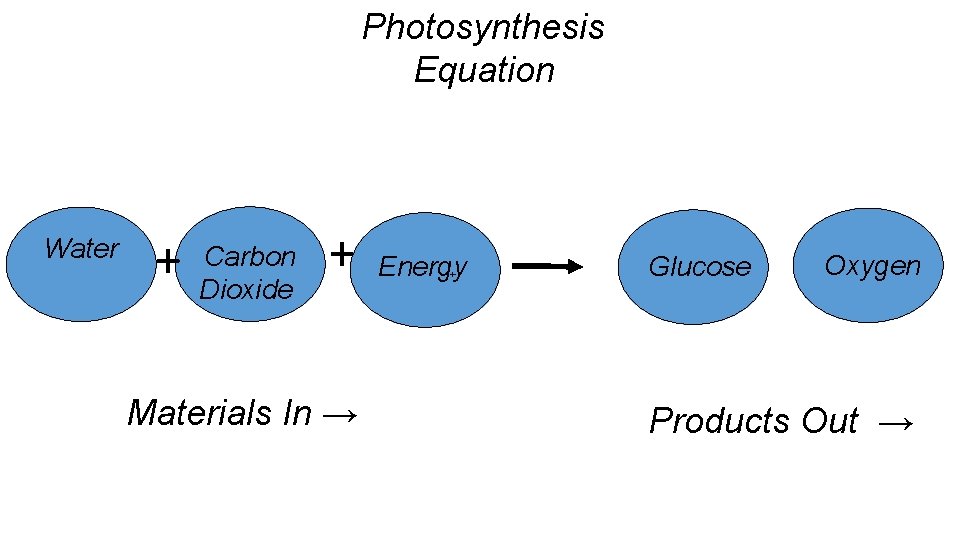
Photosynthesis Equation Water + Carbon Dioxide + Materials In → Energy + Glucose Oxygen Products Out →
Photosynthesis Energy Source The sun is the source of energy for all plants.