
Cellular respiration The mechanism of breakdown of food
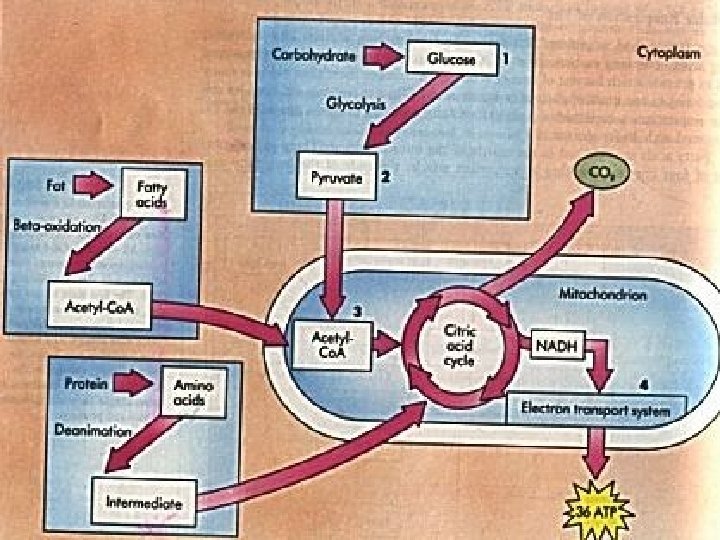
Cellular respiration - The mechanism of breakdown of food materials (Complex compounds) through oxidation within the cell to release energy, and the trapping of this energy for synthesis of ATP. Respiratory substrate - The compounds that are oxidised during the process of respiration are known as respiratory substrates. They are carbohydrates, proteins, fat, organic acids. ATP is the energy currency of the cell.
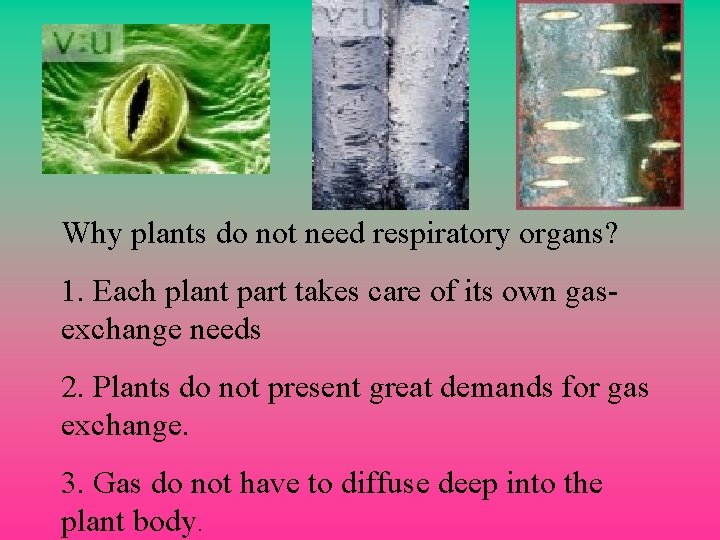
Why plants do not need respiratory organs? 1. Each plant part takes care of its own gasexchange needs 2. Plants do not present great demands for gas exchange. 3. Gas do not have to diffuse deep into the plant body.
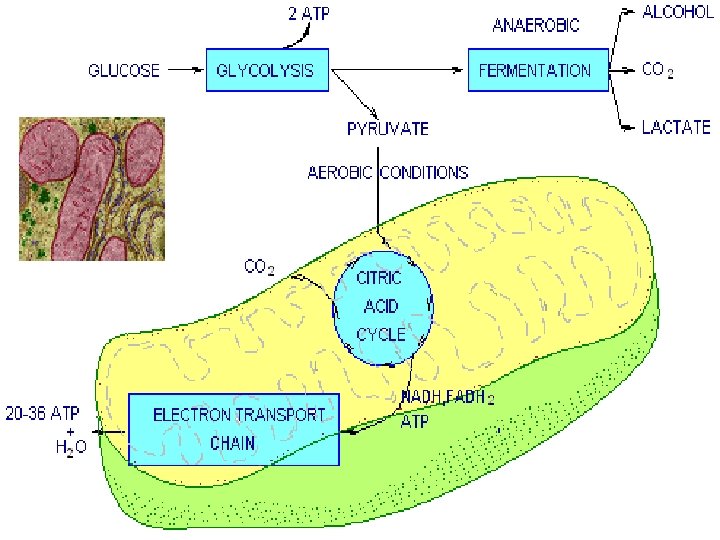

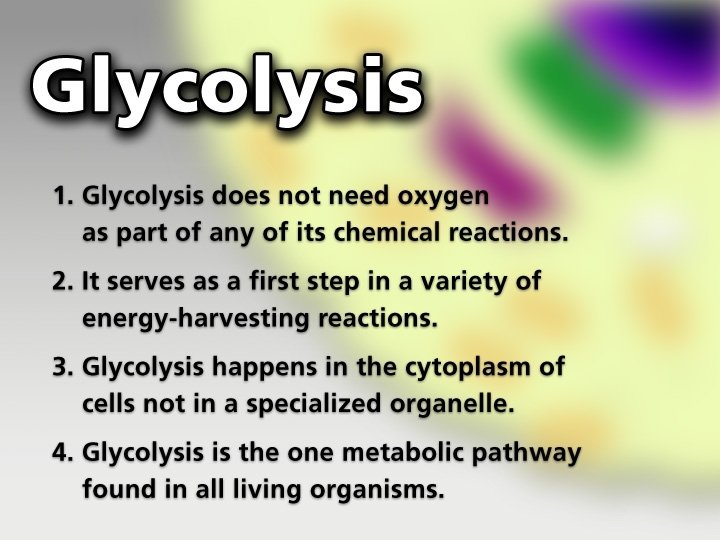
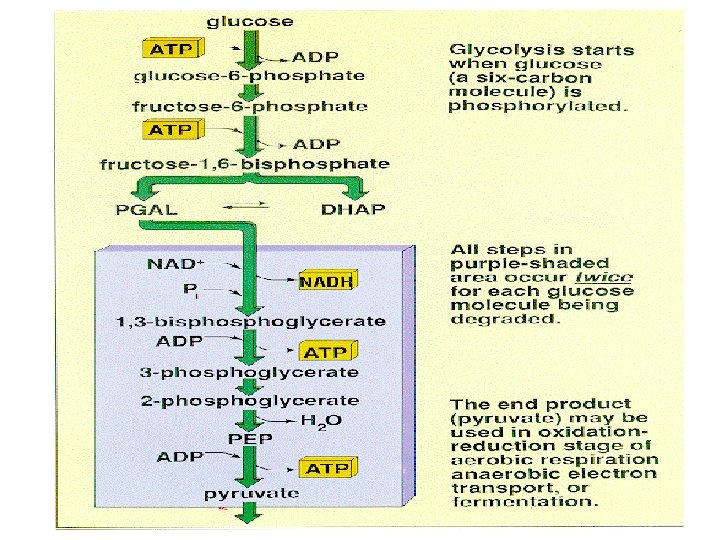
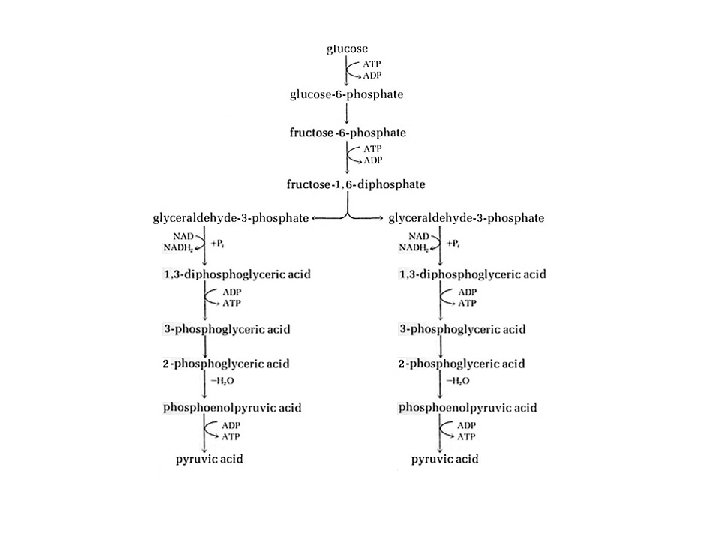
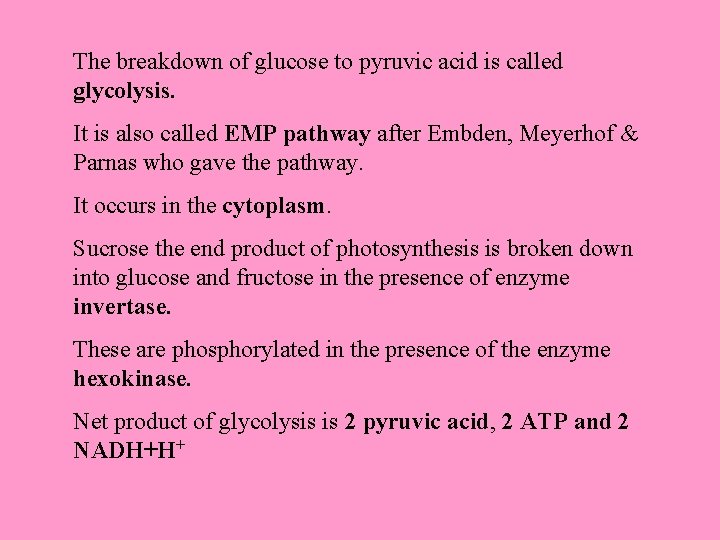
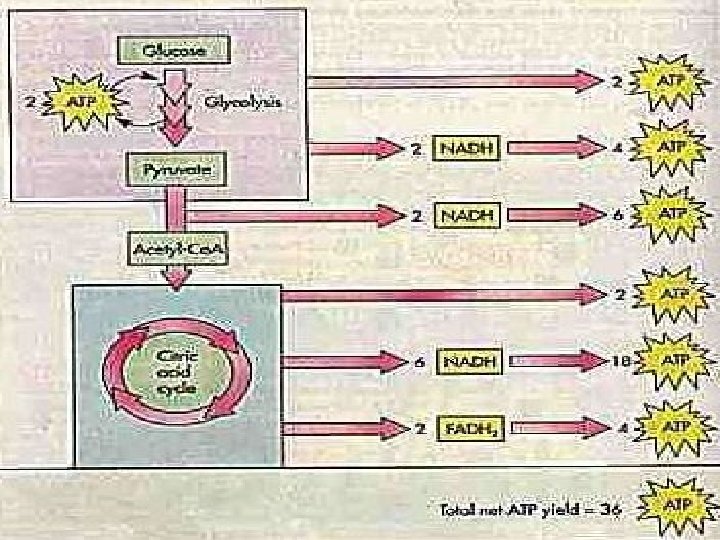
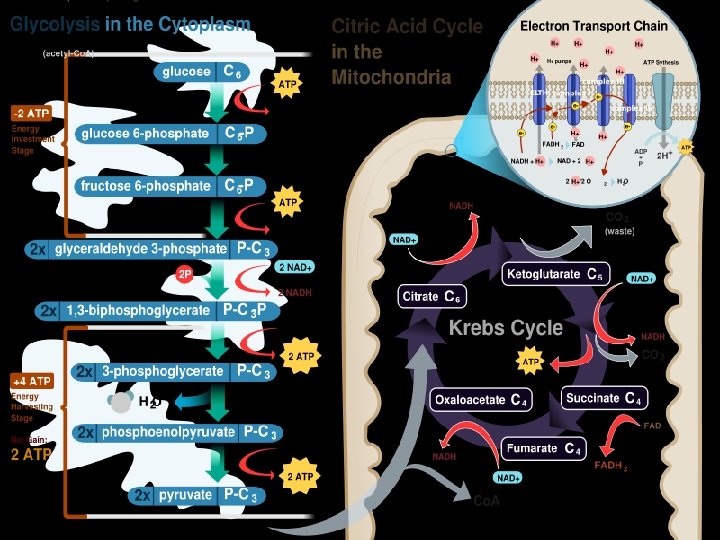
The breakdown of glucose to pyruvic acid is called glycolysis. It is also called EMP pathway after Embden, Meyerhof & Parnas who gave the pathway. It occurs in the cytoplasm. Sucrose the end product of photosynthesis is broken down into glucose and fructose in the presence of enzyme invertase. These are phosphorylated in the presence of the enzyme hexokinase. Net product of glycolysis is 2 pyruvic acid, 2 ATP and 2 NADH+H+
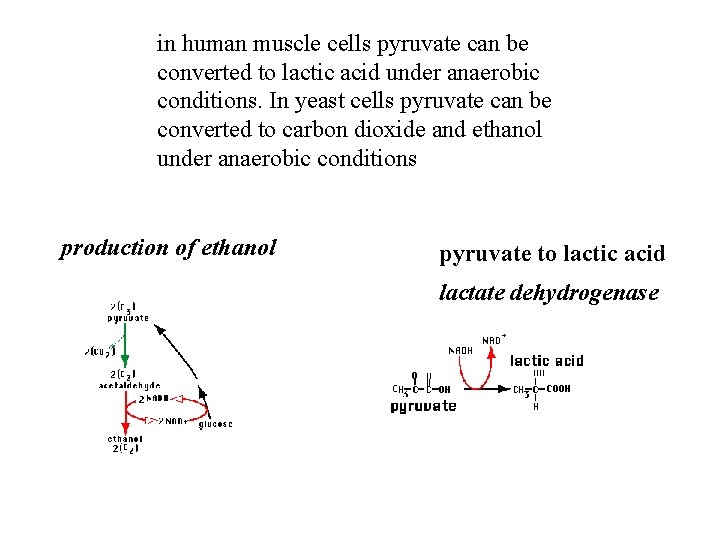
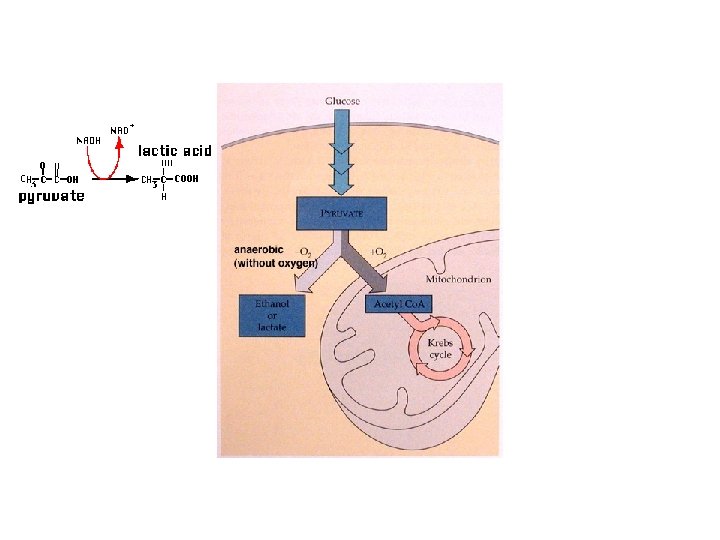
in human muscle cells pyruvate can be converted to lactic acid under anaerobic conditions. In yeast cells pyruvate can be converted to carbon dioxide and ethanol under anaerobic conditions production of ethanol pyruvate to lactic acid lactate dehydrogenase
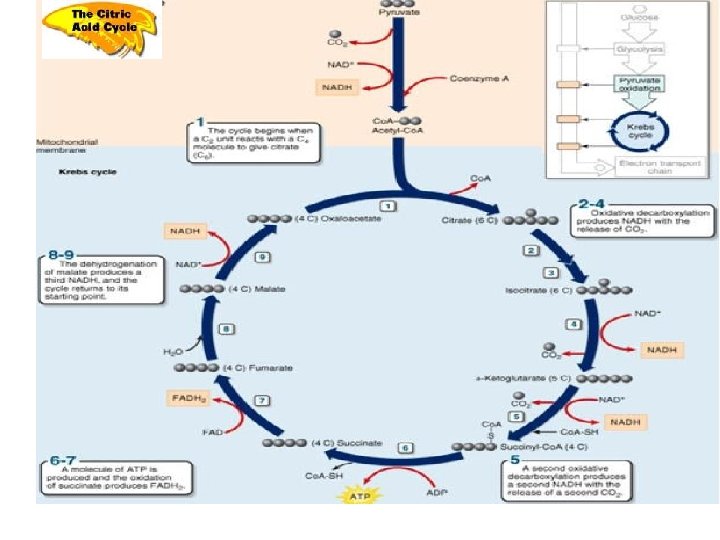
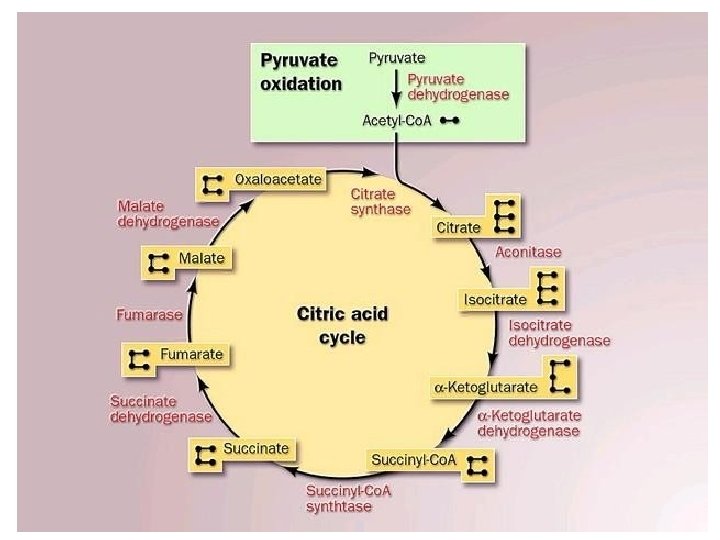
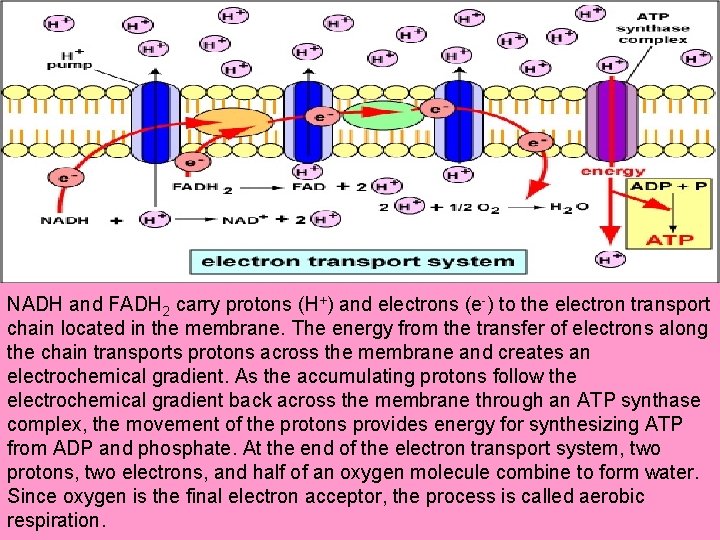
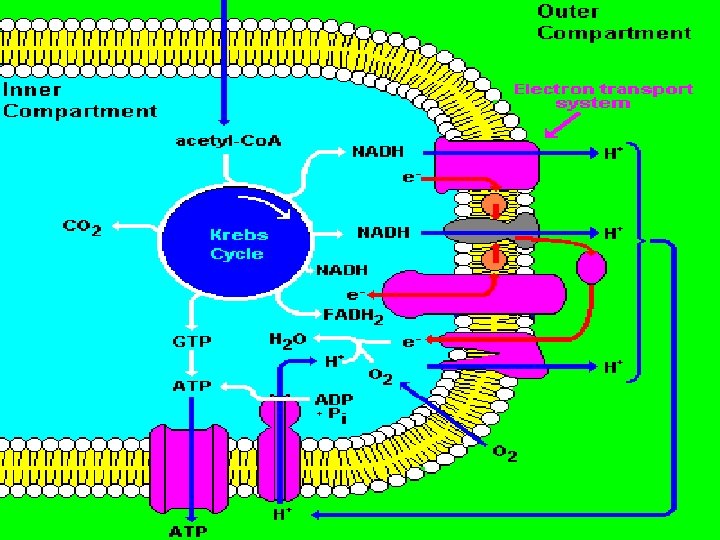
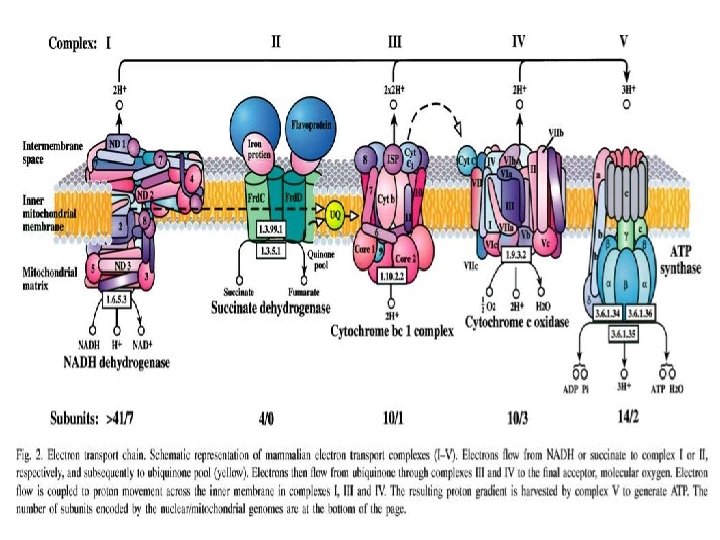
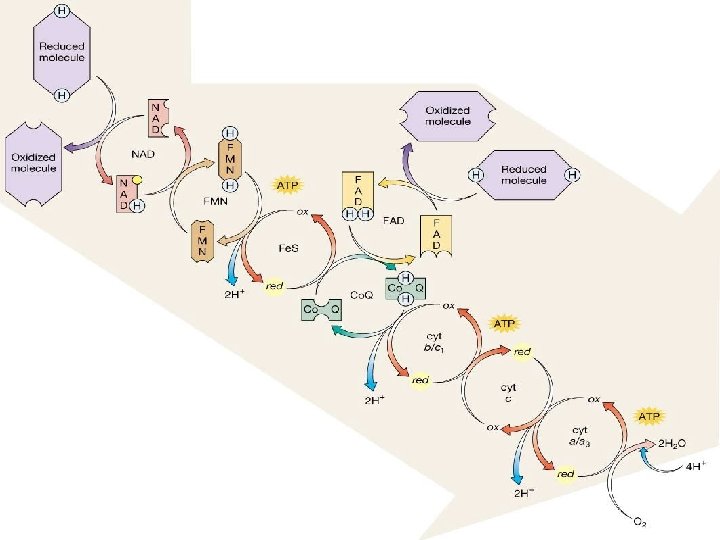
NADH and FADH 2 carry protons (H+) and electrons (e-) to the electron transport chain located in the membrane. The energy from the transfer of electrons along the chain transports protons across the membrane and creates an electrochemical gradient. As the accumulating protons follow the electrochemical gradient back across the membrane through an ATP synthase complex, the movement of the protons provides energy for synthesizing ATP from ADP and phosphate. At the end of the electron transport system, two protons, two electrons, and half of an oxygen molecule combine to form water. Since oxygen is the final electron acceptor, the process is called aerobic respiration.
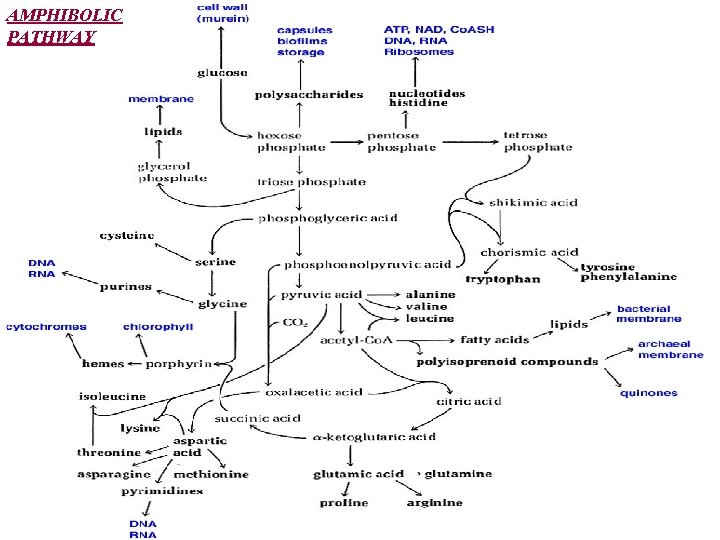
AMPHIBOLIC PATHWAY
The respiratory quotient (or RQ or respiratory coefficient), is a unitless number used in calculations of basal metabolic rate (BMR) when estimated from carbon dioxide production. The respiratory quotient (RQ) is calculated from the ratio: RQ = CO 2 produced / O 2 consumed Measuring RQ is a convenient way to gain information about the source of energy an animal is using

Name of the substance Respiratory Quotient Triolein (Fat) 0. 7 Oleic Acid (Fat) 0. 71 Tripalmitin (Fat) 0. 7 Proteins 0. 8 - 0. 9 Carbohydrates 1 Malic acid 1. 33 Tartaric acid 1. 6 Oxalic Acid 4. 0
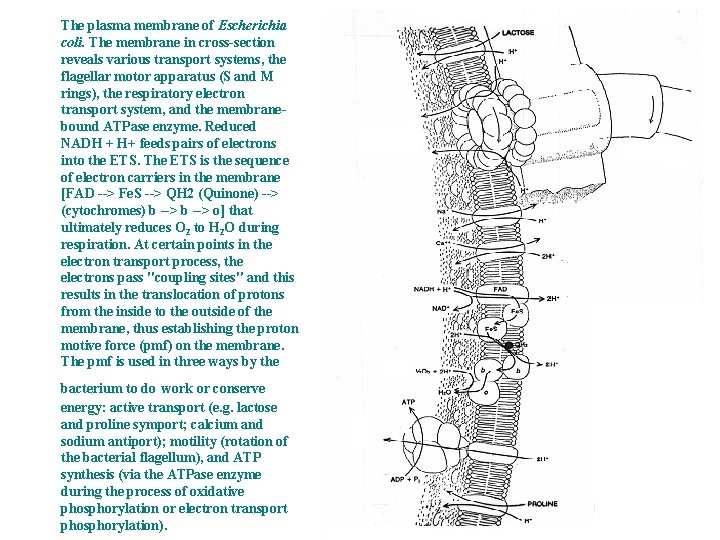
The plasma membrane of Escherichia coli. The membrane in cross-section reveals various transport systems, the flagellar motor apparatus (S and M rings), the respiratory electron transport system, and the membranebound ATPase enzyme. Reduced NADH + H+ feeds pairs of electrons into the ETS. The ETS is the sequence of electron carriers in the membrane [FAD --> Fe. S --> QH 2 (Quinone) --> (cytochromes) b --> o] that ultimately reduces O 2 to H 2 O during respiration. At certain points in the electron transport process, the electrons pass "coupling sites" and this results in the translocation of protons from the inside to the outside of the membrane, thus establishing the proton motive force (pmf) on the membrane. The pmf is used in three ways by the bacterium to do work or conserve energy: active transport (e. g. lactose and proline symport; calcium and sodium antiport); motility (rotation of the bacterial flagellum), and ATP synthesis (via the ATPase enzyme during the process of oxidative phosphorylation or electron transport phosphorylation).
- Slides: 26