
CELLULAR RESPIRATION THE MAKING OF ATP By the
CELLULAR RESPIRATION THE MAKING OF ATP
By the end of this instruction, you will be able to: 1. Describe the process of cellular respiration • Glycolysis • Krebs Cycle • Pyruvate Oxidation • Oxidative Phosphorylation 1. Describe the process of fermentation • Lactic acid • Alcohol
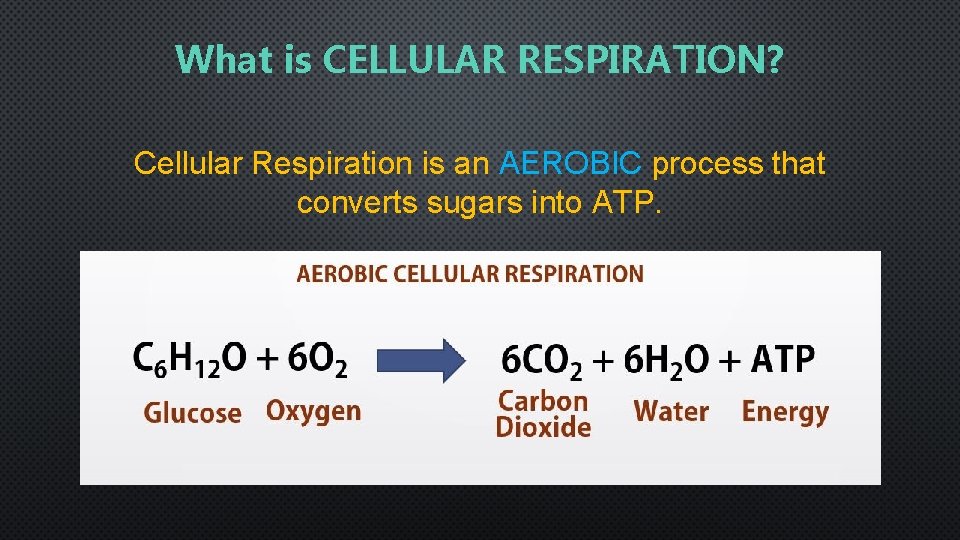
What is CELLULAR RESPIRATION? Cellular Respiration is an AEROBIC process that converts sugars into ATP.
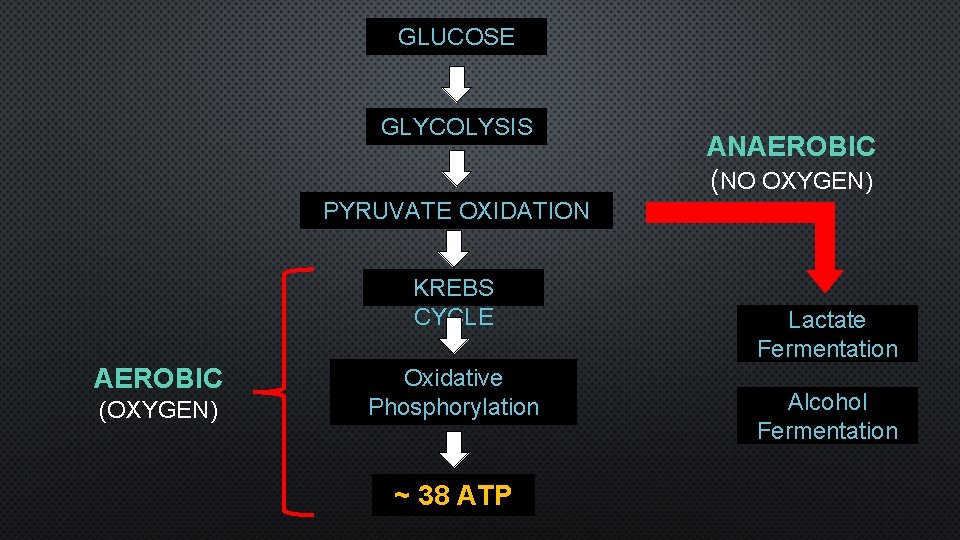
GLUCOSE GLYCOLYSIS ANAEROBIC (NO OXYGEN) PYRUVATE OXIDATION KREBS CYCLE AEROBIC (OXYGEN) Oxidative Phosphorylation ~ 38 ATP Lactate Fermentation Alcohol Fermentation
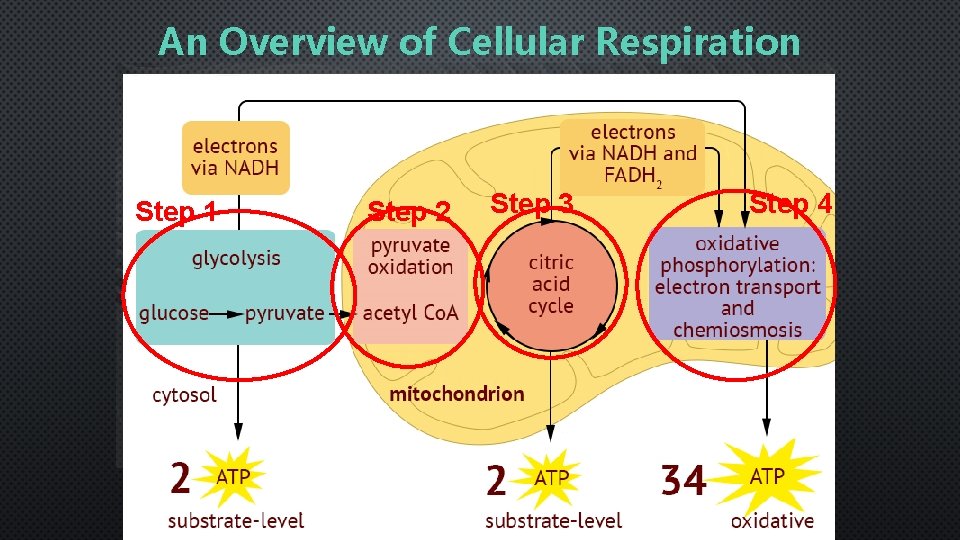
An Overview of Cellular Respiration Step 1 Step 2 Step 3 Step 4
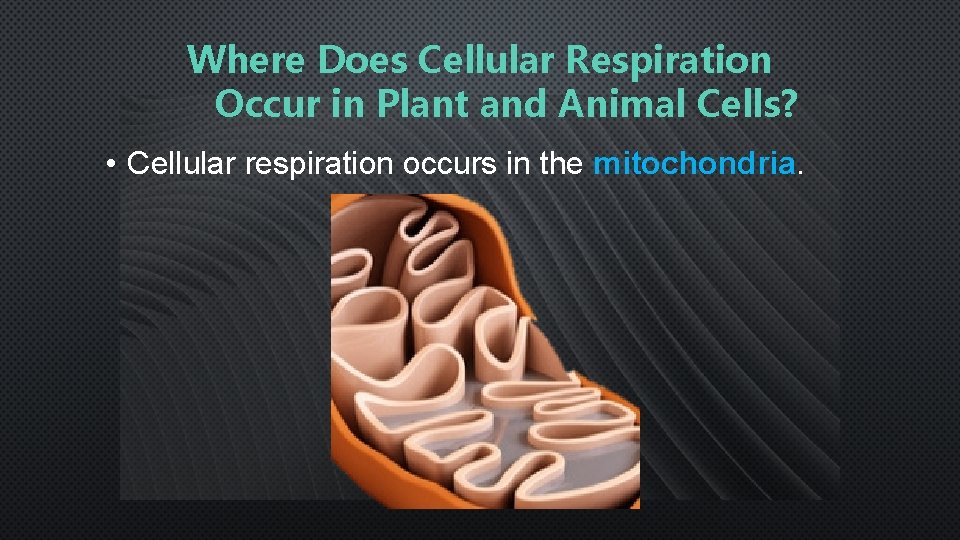
Where Does Cellular Respiration Occur in Plant and Animal Cells? • Cellular respiration occurs in the mitochondria.
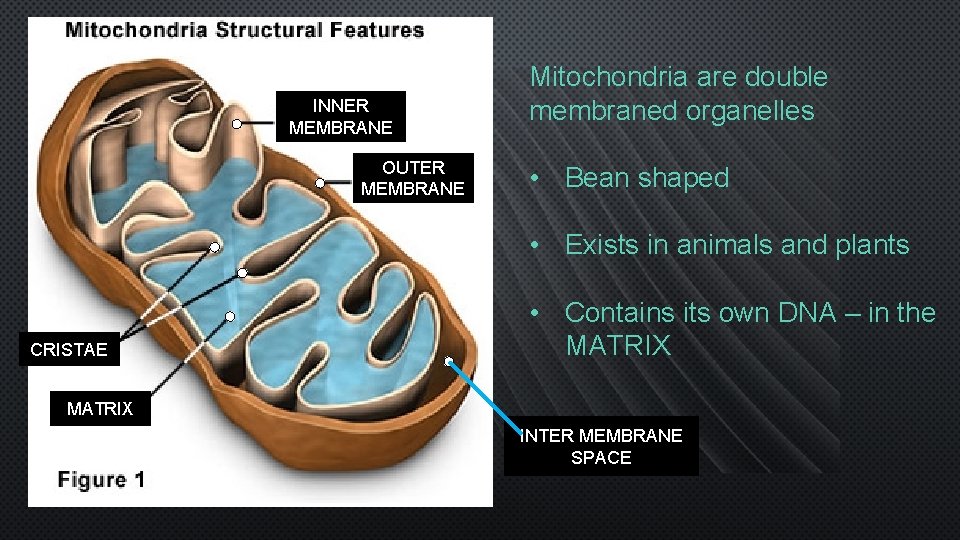
INNER MEMBRANE OUTER MEMBRANE Mitochondria are double membraned organelles • Bean shaped • Exists in animals and plants CRISTAE • Contains its own DNA – in the MATRIX INTER MEMBRANE SPACE
Important Facts • Cellular Respiration occurs in mitochondria • Four step process • Purpose is to make ATP for almost all biochemical processes in animals and plants • Uses NADH and FADH 2 as electron transfer molecules • Requires sugar and oxygen • Produces carbon dioxide and ATP
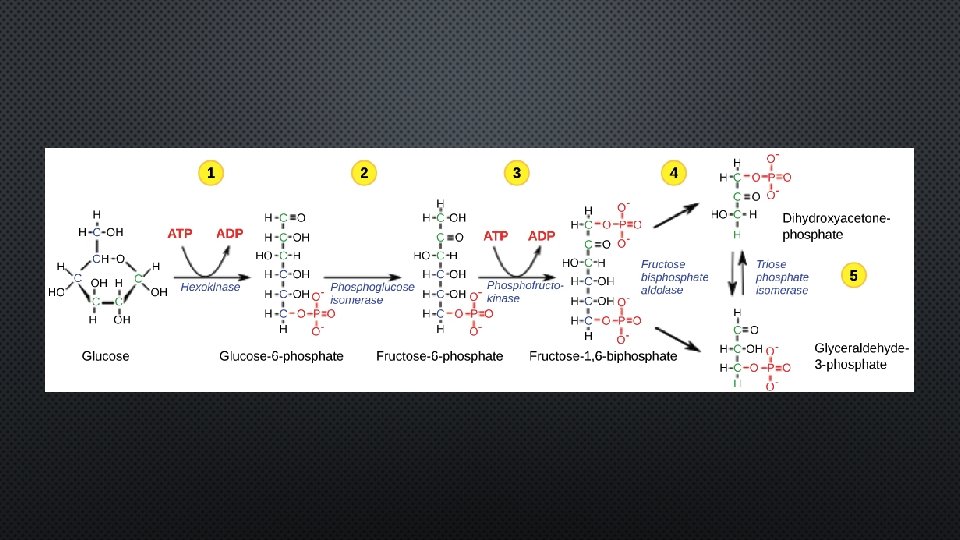
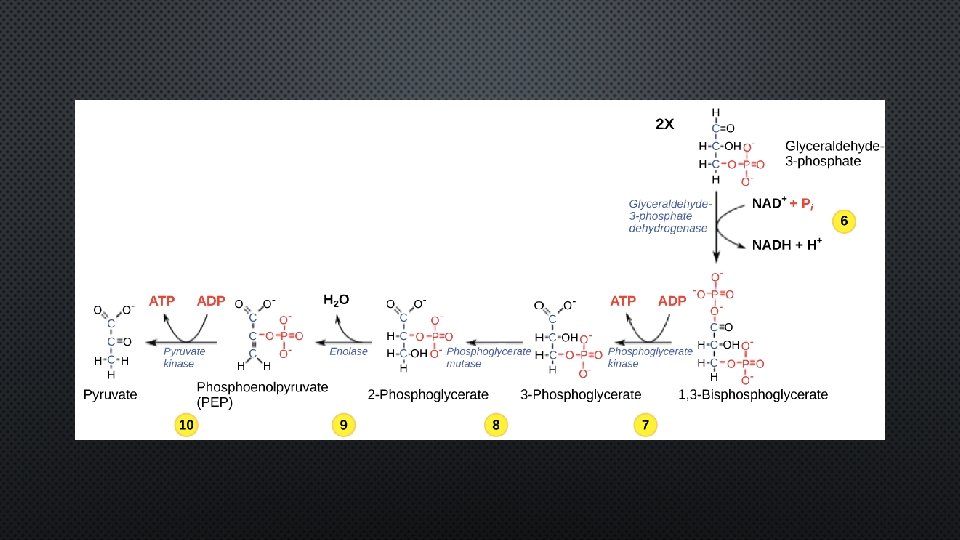
Aerobic Cellular Respiration Step - by - Step STEP 1 Glycolysis A. A single 6 -carbon glucose molecule goes through several enzymatic reactions. B. The glucose molecule gets converted into two 3 -carbon Pyruvate molecules. • • Occurs in the cytoplasm of animal and plant cells 2 ATP produced (net) 2 NADH electron transfer molecules are produced 2 Pyruvate molecules are produced
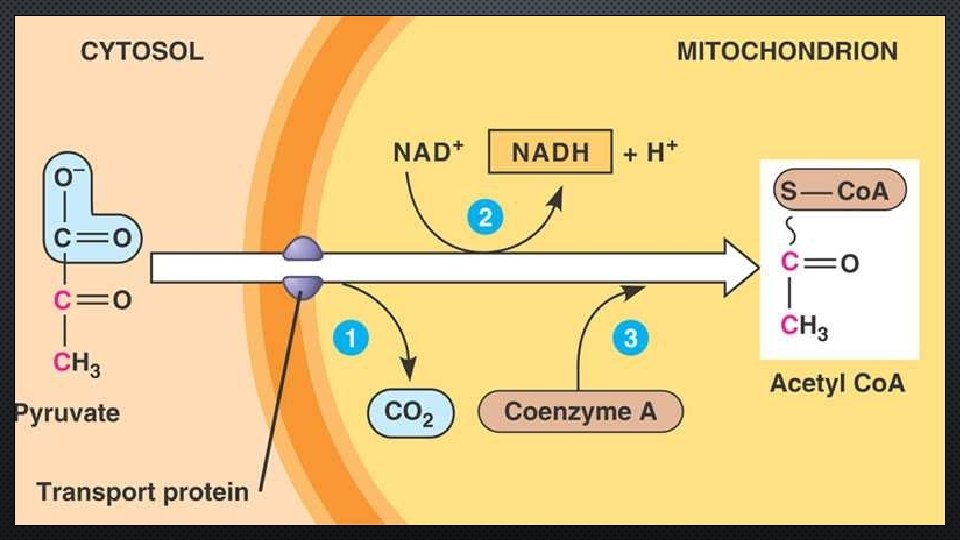
Aerobic Cellular Respiration Step - by - Step STEP 2 Pyruvate Oxidation A. Pyruvate passes through the outer and inner mitochondrion membranes and enters into the mitochondrial matrix. B. It combines with Coenzyme A to make a 2 -carbon Acetyl Co. A molecule • Occurs in the mitochondrial matrix • Carbon dioxide is produced • NADH is produced
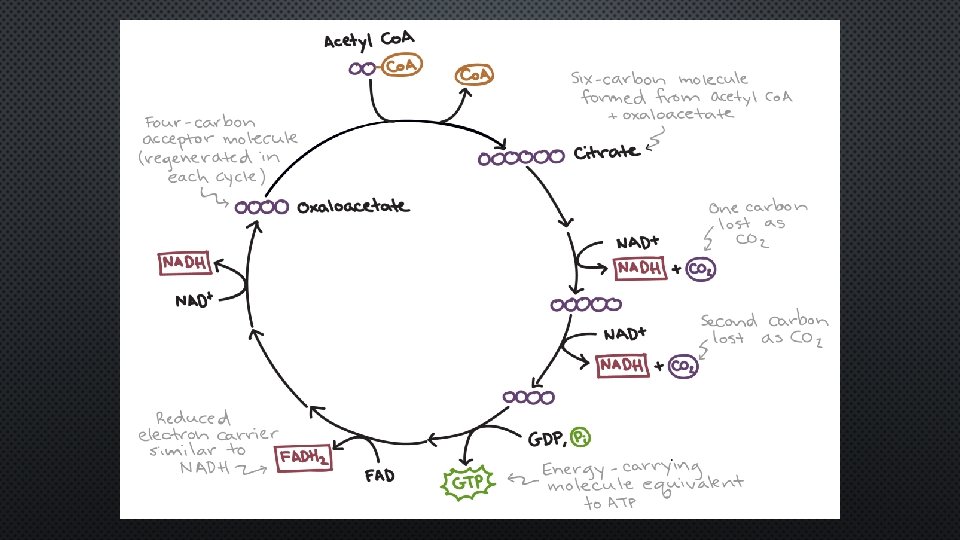
Aerobic Cellular Respiration Step - by - Step STEP 3 Krebs Cycle (Citric Acid Cycle) A. Acetyl Co. A enters the Krebs Cycle and combines with a 4 carbon molecule (oxaloacetate) to make a 6 -carbon molecule called ”citrate. ” B. Citrate goes through several enzymatic reactions, which produce NADH, FADH 2, CO 2 and ATP C. The 4 -cabon oxaloacetate is regenerated in the Krebs Cycle
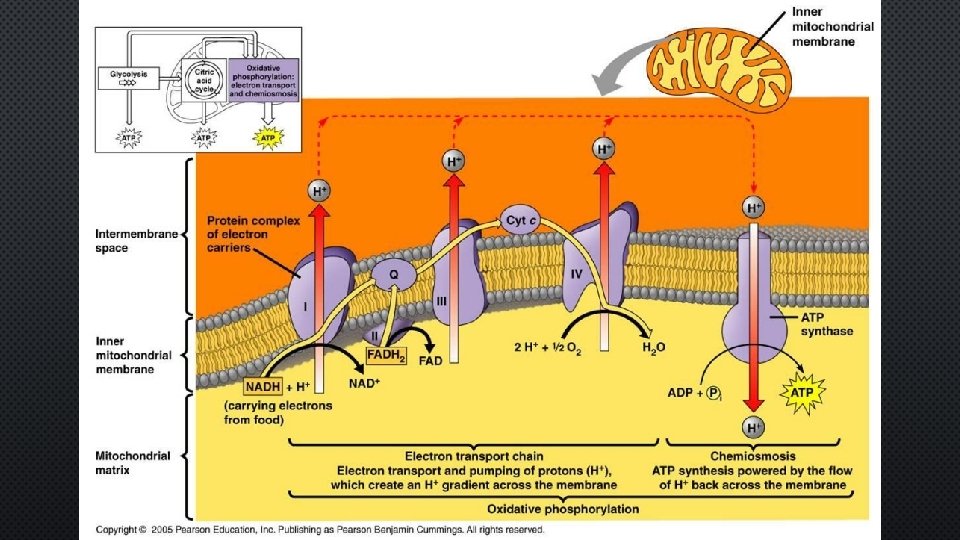
Aerobic Cellular Respiration Step - by - Step STEP 4 Oxidative Phosphorylation A. High-energy electrons from NADH and FADH 2 enter the electron transport chain B. As electrons move along the electron transport chain, membrane proteins transport hydrogen ions(H+) across the inner membrane C. Hydrogen ions(H+) flow through the enzyme ATP Synthase • Occurs in the inner mitochondrial membrane
Aerobic Cellular Respiration Step - by - Step STEP 4 - Continued Oxidative Phosphorylation • ATP Synthase (enzyme) produces ATP as hydrogen ions(H+) pass through it • Oxygen picks up electrons and hydrogen ions(H+) • Water is formed and released as a waste product
FERMENTATION An ANAEROBIC biochemical process in which an organism converts a carbohydrate such as starch or sugar into an alcohol or an acid, in the ABSENCE of oxygen. Example: Yeast converts sugar into alcohol. Example: Muscle cells convert sugar into lactic acid
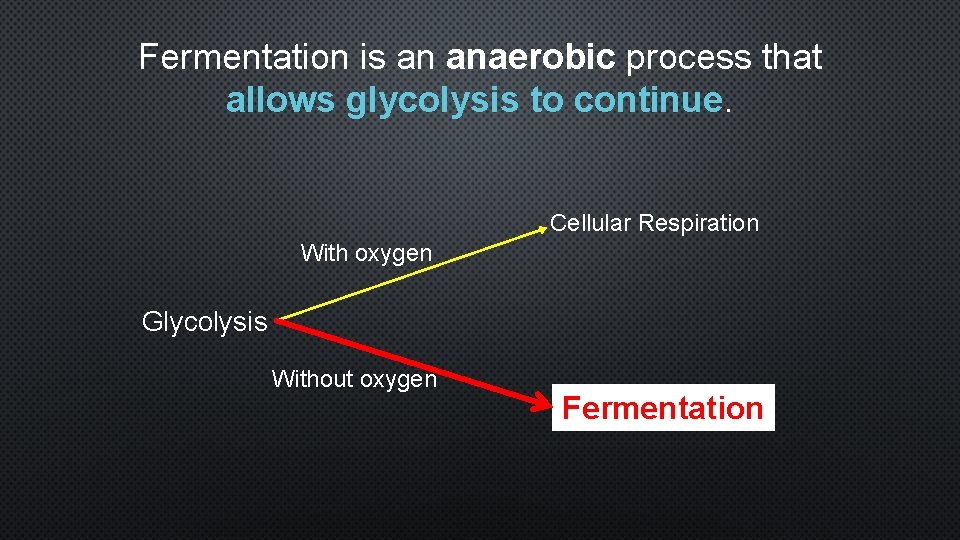
Fermentation is an anaerobic process that allows glycolysis to continue. Cellular Respiration With oxygen Glycolysis Without oxygen Fermentation
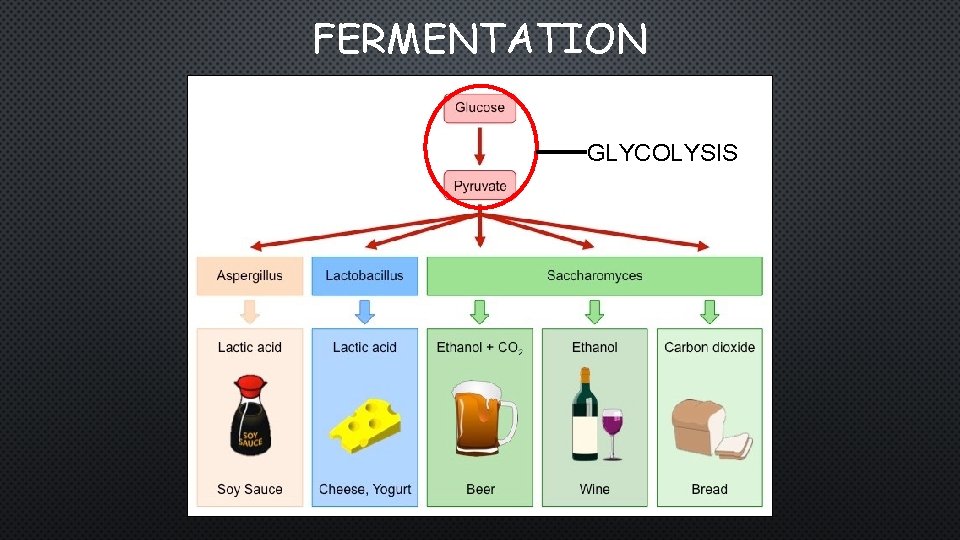
FERMENTATION GLYCOLYSIS
• Fermentation occurs in the cytoplasm • Fermentation does not produce ATP (but Glycolysis does) • Lactate fermentation produces: lactic acid and NAD+ • Alcohol fermentation produces: ethanol, CO 2 and NAD+
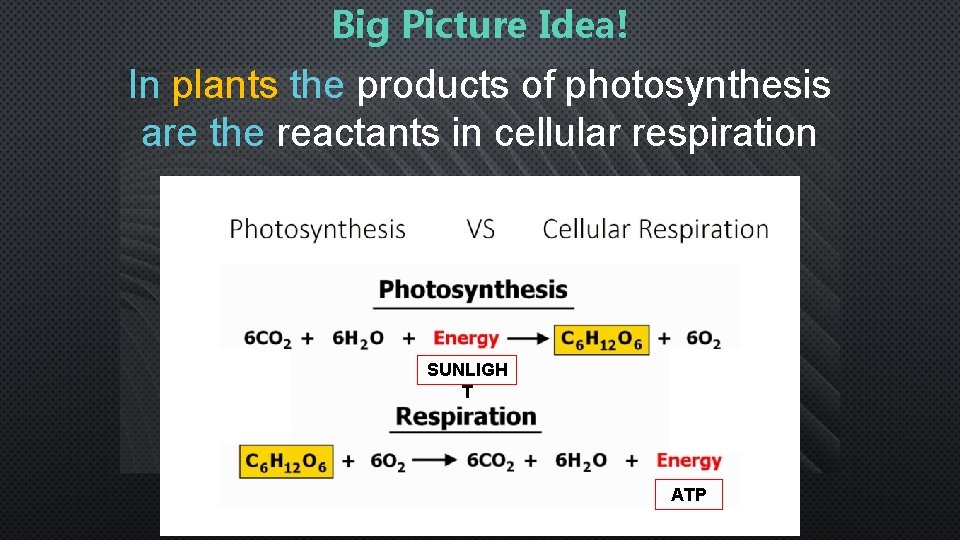
Big Picture Idea! In plants the products of photosynthesis are the reactants in cellular respiration SUNLIGH T ATP
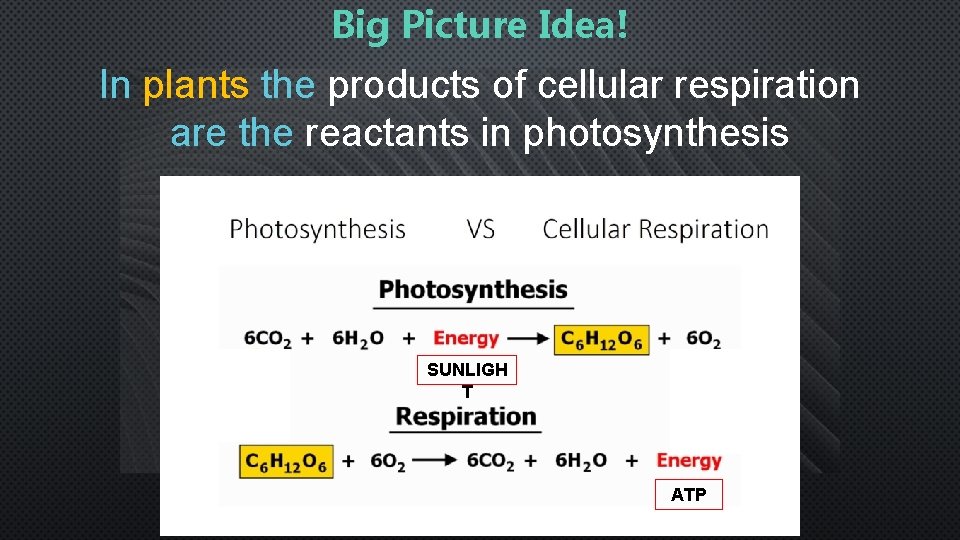
Big Picture Idea! In plants the products of cellular respiration are the reactants in photosynthesis SUNLIGH T ATP
- Slides: 24