
Cellular Respiration Lets make some ATP Cellular Respiration
- Slides: 39
Cellular Respiration Let’s make some ATP…
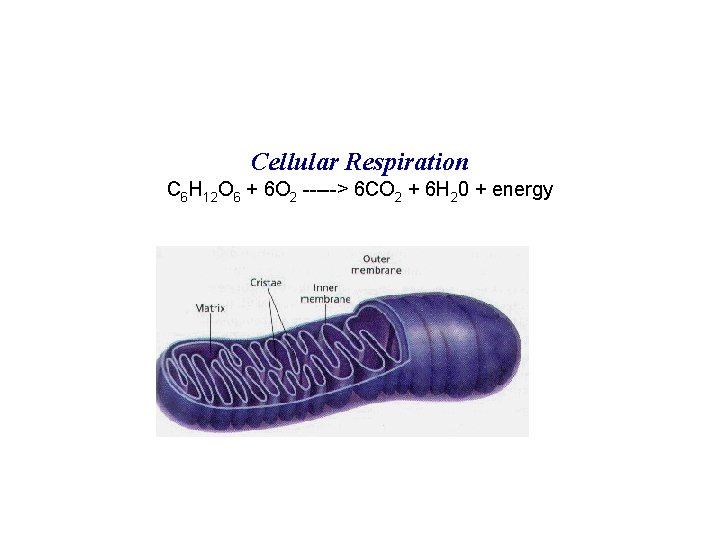
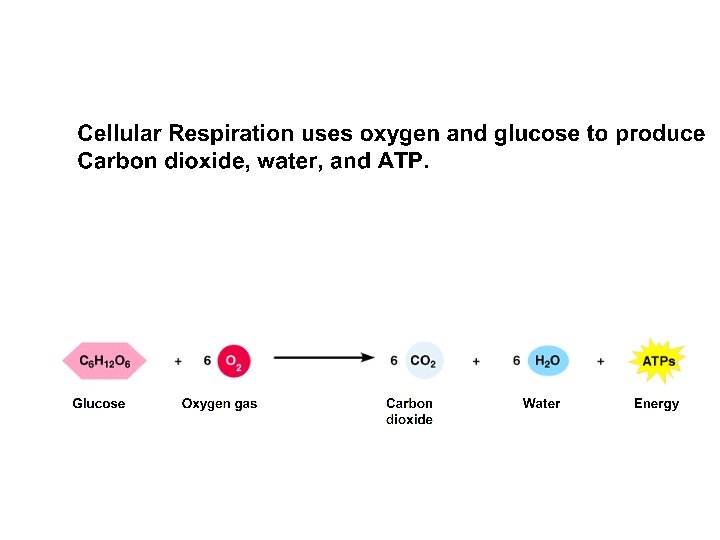
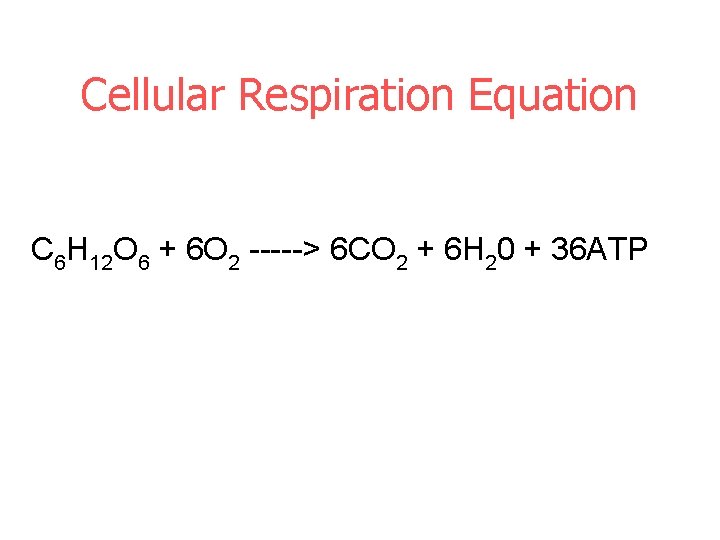
Cellular Respiration C 6 H 12 O 6 + 6 O 2 -----> 6 CO 2 + 6 H 20 + energy (heat and ATP)
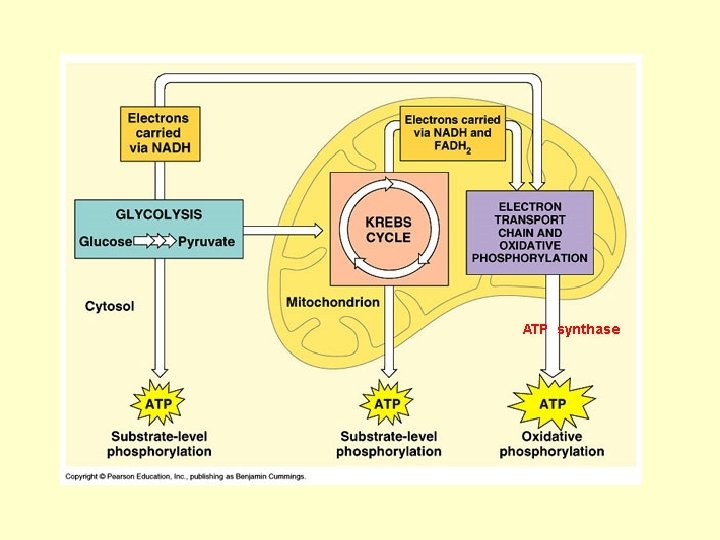
Cell Respiration • Releases chemical energy of food molecules • Glucose starts a set of reactions • Producing ATP for our cells • Occurs in three stages (steps)
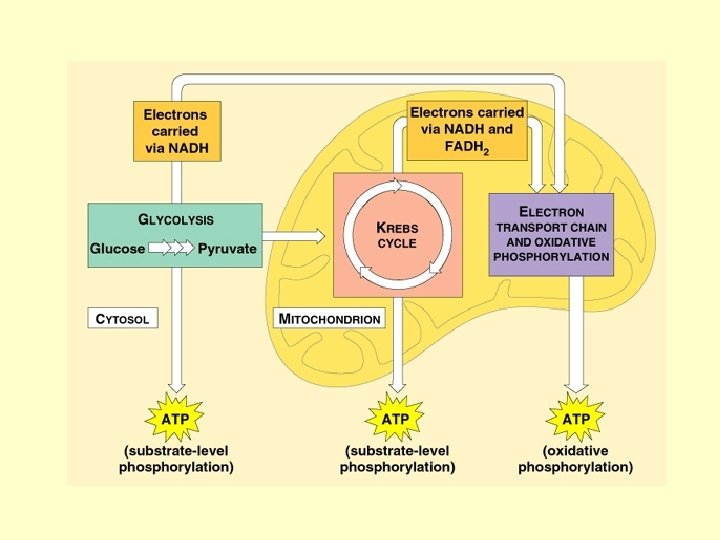
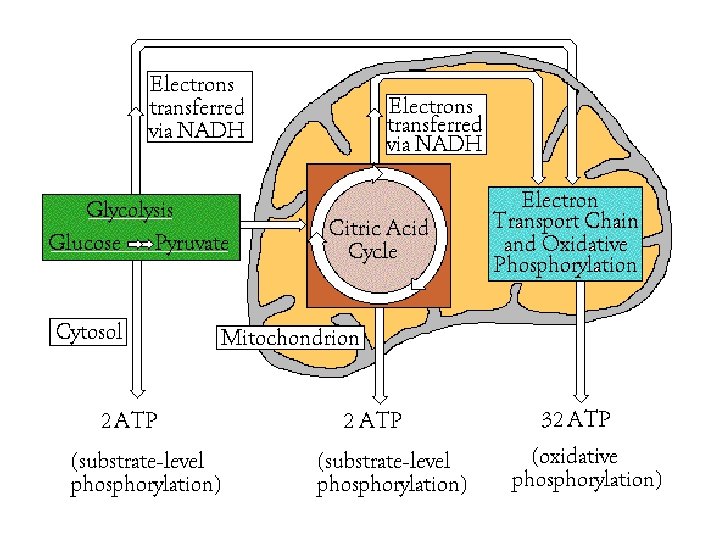
Steps in (aerobic) Cell Respiration 1. Glycolysis 2. Citric Acid Cycle(“Kreb’s Cycle”) 3. Electron Transport Chain
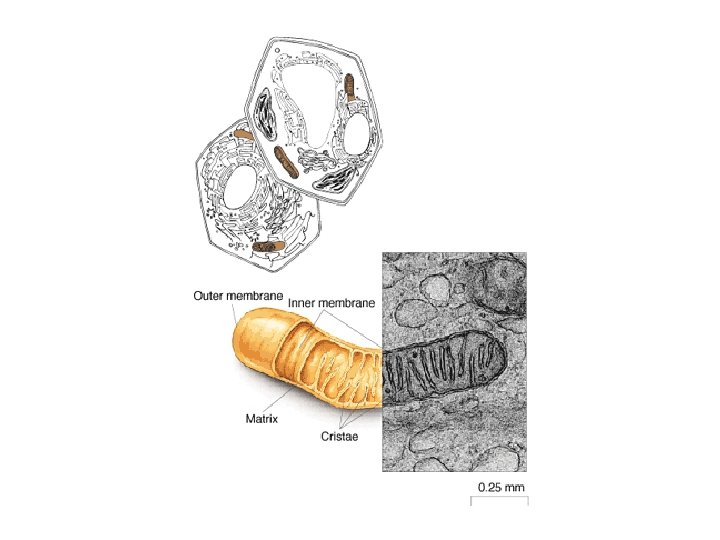
Where does Cell Respiration occur? Prokaryotes These cells do NOT contain organelles, so cell respiration occurs in the cell membrane eukaryotes These cells DO have organelles, so most of cell respiration occurs in the mitochondria
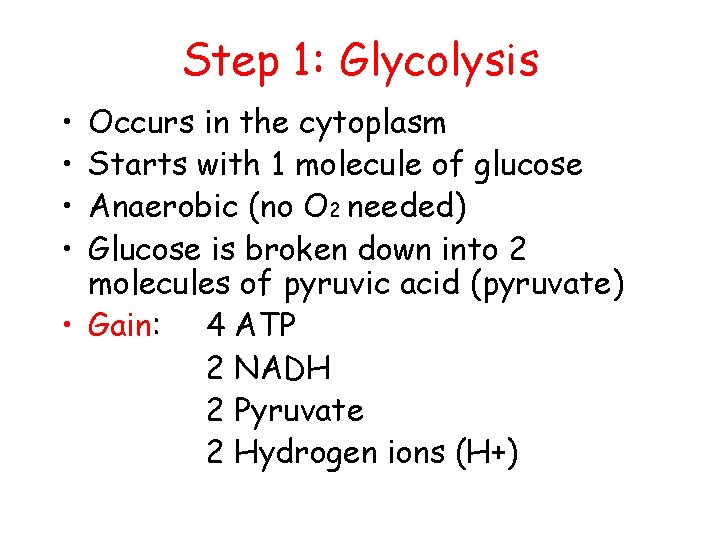
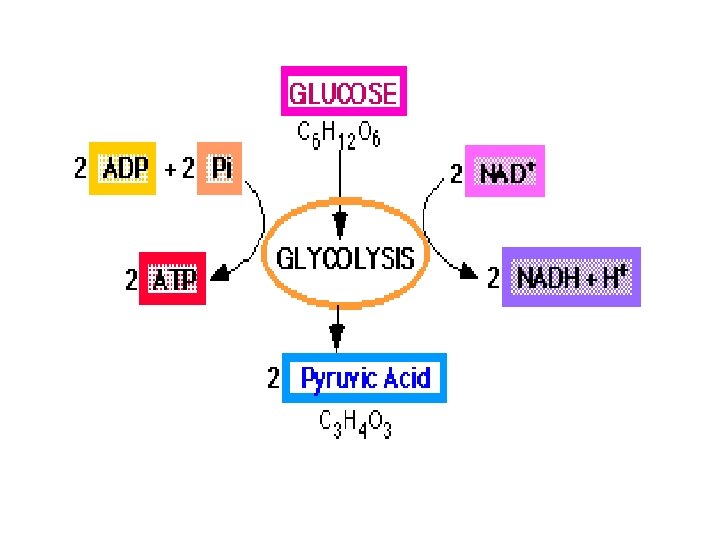
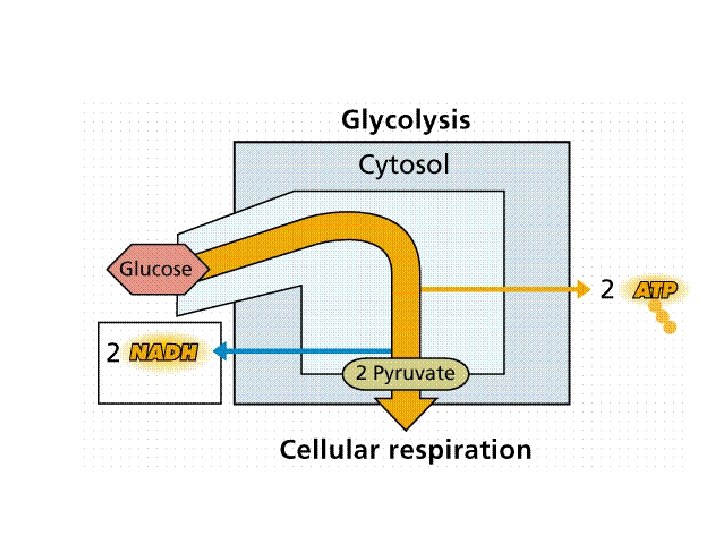
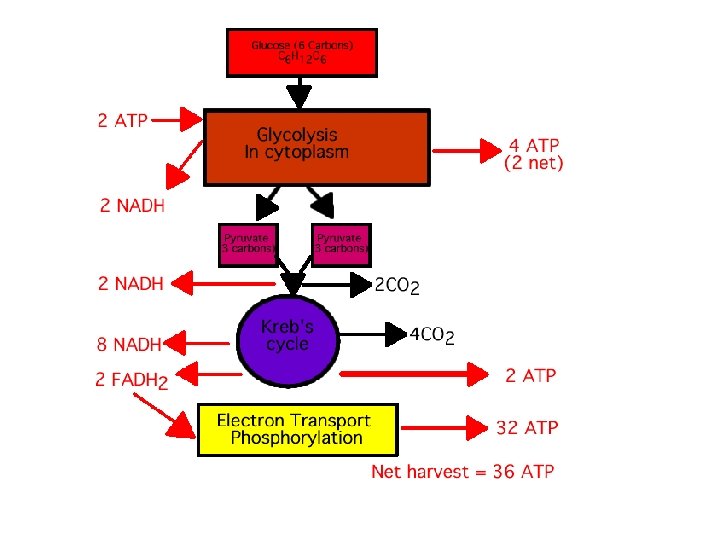
Step 1: Glycolysis • • Occurs in the cytoplasm Starts with 1 molecule of glucose Anaerobic (no O 2 needed) Glucose is broken down into 2 molecules of pyruvic acid (pyruvate) • Gain: 4 ATP 2 NADH 2 Pyruvate 2 Hydrogen ions (H+)
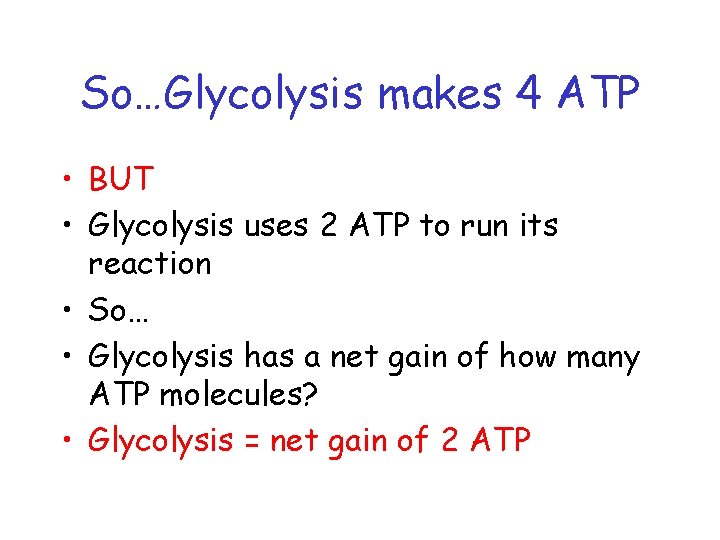
So…Glycolysis makes 4 ATP • BUT • Glycolysis uses 2 ATP to run its reaction • So… • Glycolysis has a net gain of how many ATP molecules? • Glycolysis = net gain of 2 ATP
This is not good…we need more ATP!!!
So… more reactions are needed to gain more ATP for our cells
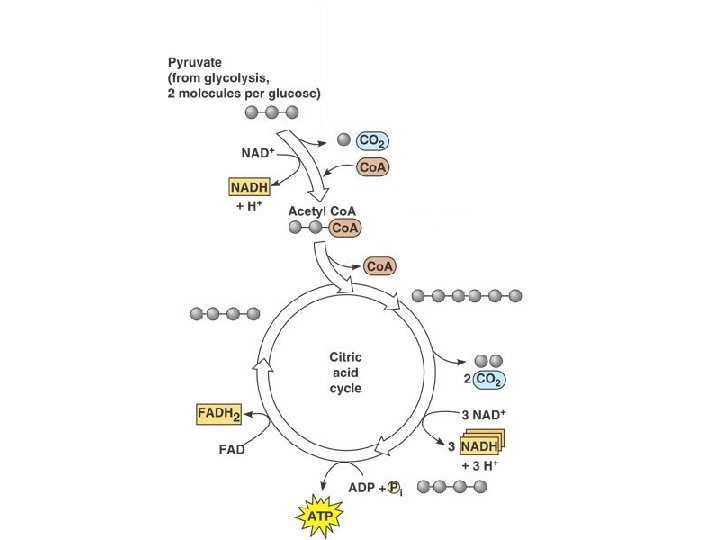
After Glycolysis • Pyruvic Acid molecules diffuse into the mitochondria • And go through a series of reactions • where CO 2 is released • pyruvate combines with a molecule of Co. Enzyme A (Co. A) • To form Acetyl Co. A
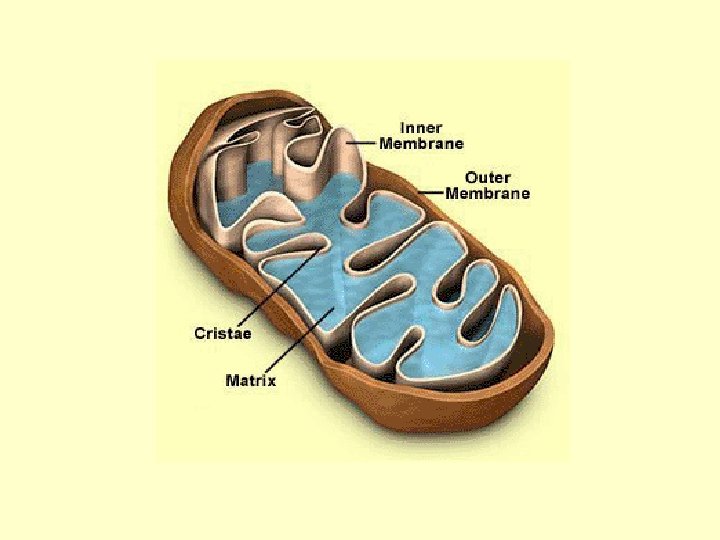
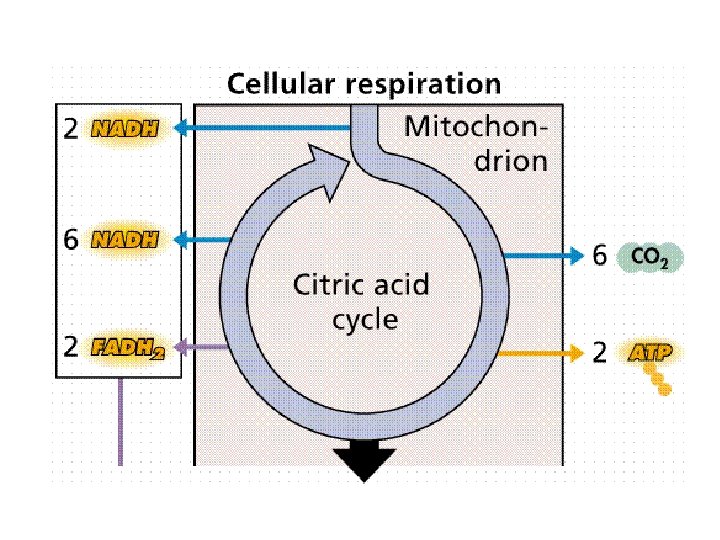
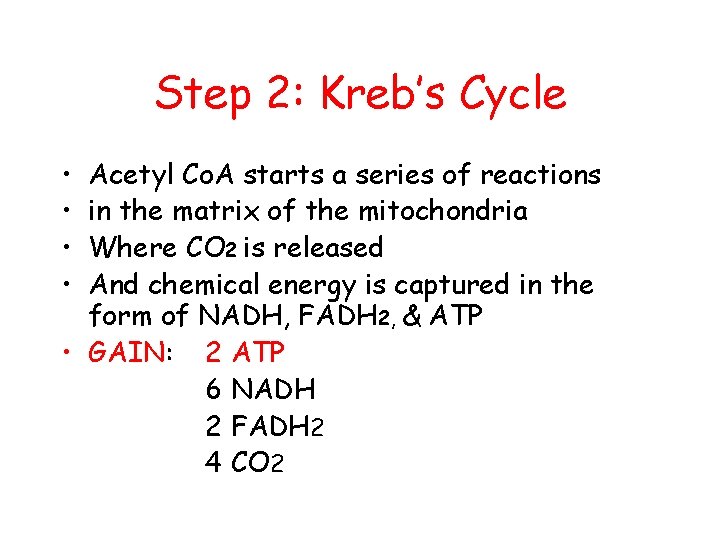
Step 2: Kreb’s Cycle • • Acetyl Co. A starts a series of reactions in the matrix of the mitochondria Where CO 2 is released And chemical energy is captured in the form of NADH, FADH 2, & ATP • GAIN: 2 ATP 6 NADH 2 FADH 2 4 CO 2
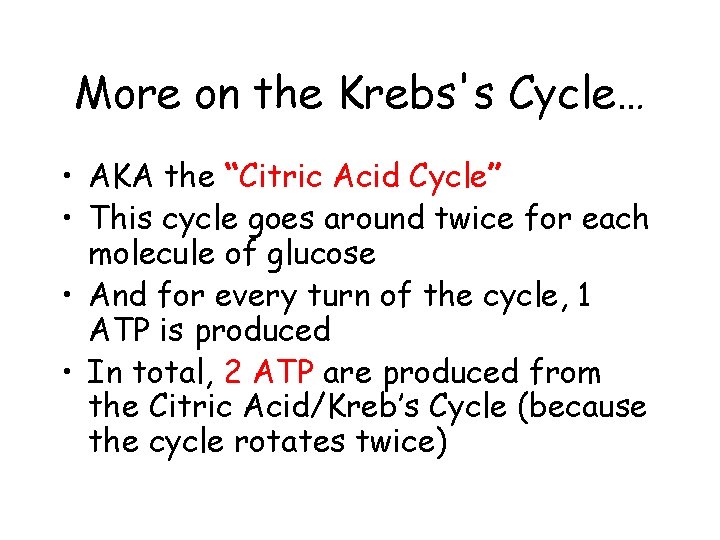
More on the Krebs's Cycle… • AKA the “Citric Acid Cycle” • This cycle goes around twice for each molecule of glucose • And for every turn of the cycle, 1 ATP is produced • In total, 2 ATP are produced from the Citric Acid/Kreb’s Cycle (because the cycle rotates twice)
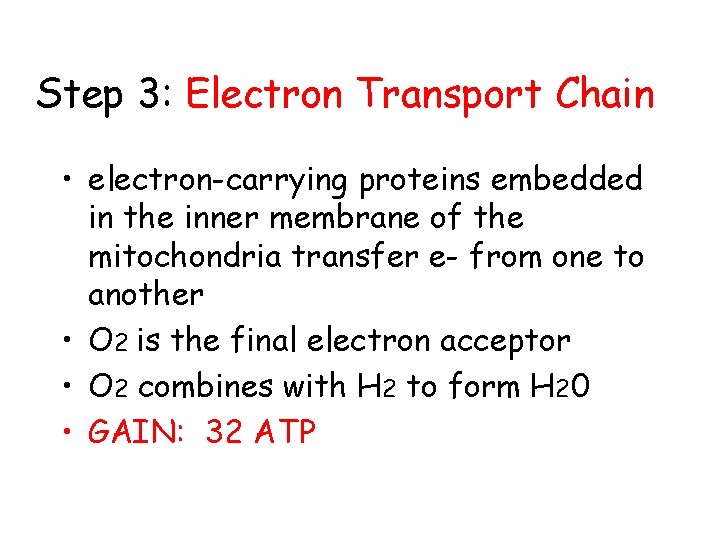
Step 3: Electron Transport Chain • electron-carrying proteins embedded in the inner membrane of the mitochondria transfer e- from one to another • O 2 is the final electron acceptor • O 2 combines with H 2 to form H 20 • GAIN: 32 ATP
So… • • Most of the energy (ATP) locked in the original glucose molecule is released in the Electron Transport Chain
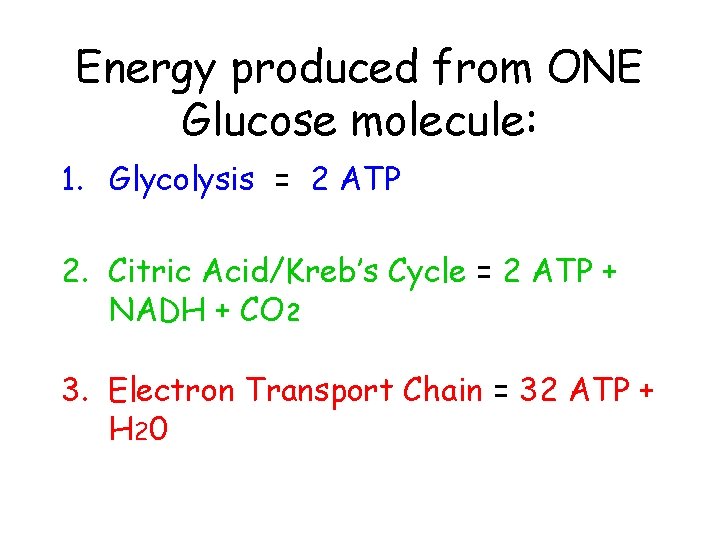
Energy produced from ONE Glucose molecule: 1. Glycolysis = 2 ATP 2. Citric Acid/Kreb’s Cycle = 2 ATP + NADH + CO 2 3. Electron Transport Chain = 32 ATP + H 2 0
Cellular Respiration Equation C 6 H 12 O 6 + 6 O 2 -----> 6 CO 2 + 6 H 20 + 36 ATP
Question: So what is all this energy used for? • • • Breathing Digesting Blood clotting DNA replication & All of your life processes need ATP to proceed with success!!!
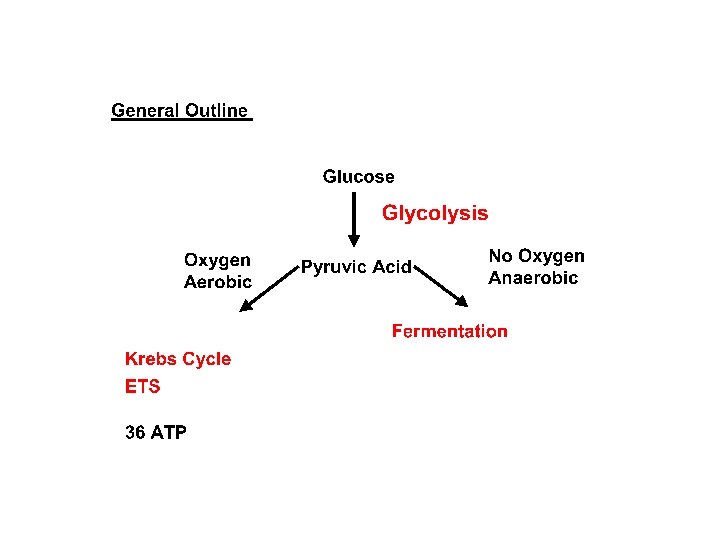
What is Fermentation? • The process by which animal cells release energy under anaerobic conditions (without oxygen) • How yeast and some bacteria make energy • Examples: 1. Souring of milk 2. Rising of dough 3. Conversion of sugar to alcohol
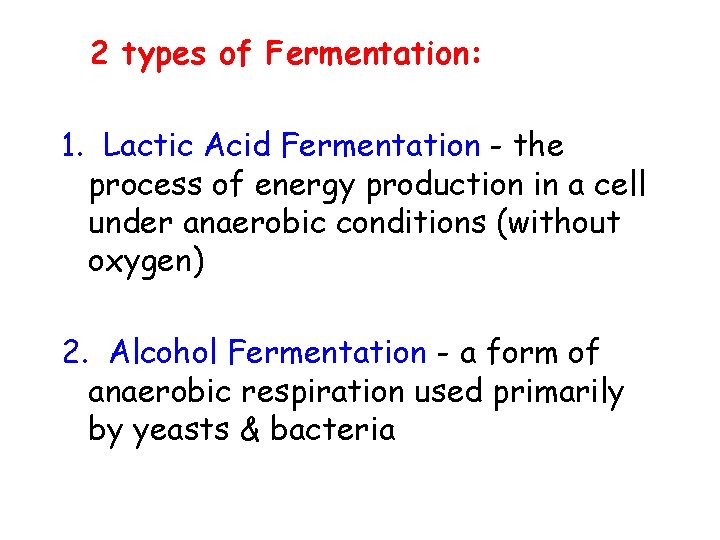
2 types of Fermentation: 1. Lactic Acid Fermentation - the process of energy production in a cell under anaerobic conditions (without oxygen) 2. Alcohol Fermentation - a form of anaerobic respiration used primarily by yeasts & bacteria
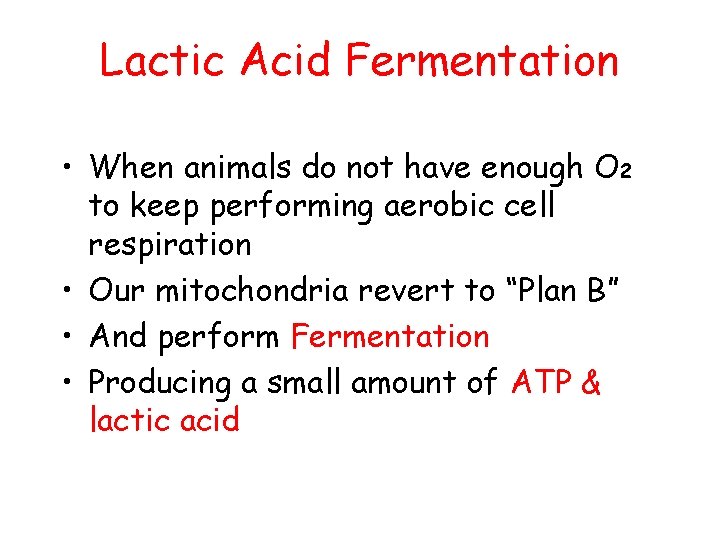
Lactic Acid Fermentation • When animals do not have enough O 2 to keep performing aerobic cell respiration • Our mitochondria revert to “Plan B” • And perform Fermentation • Producing a small amount of ATP & lactic acid
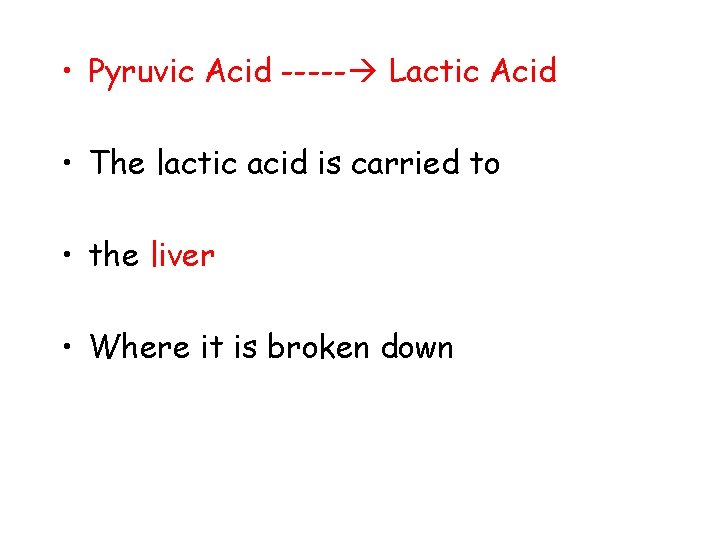
• Pyruvic Acid ----- Lactic Acid • The lactic acid is carried to • the liver • Where it is broken down
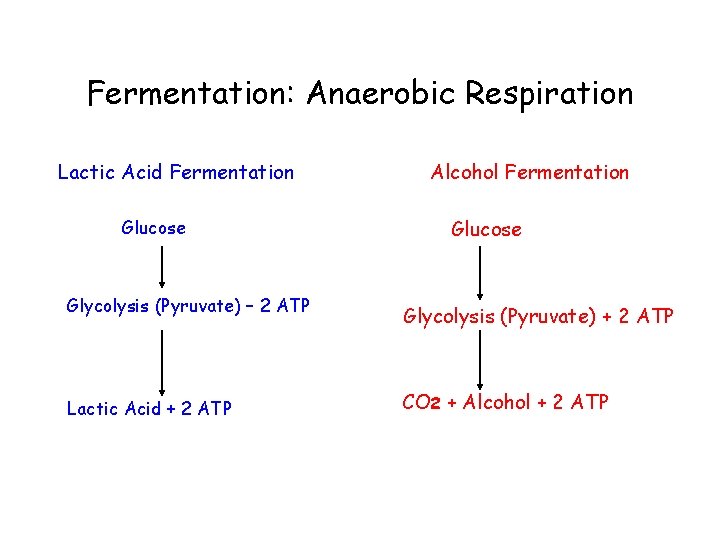
Fermentation: Anaerobic Respiration Lactic Acid Fermentation Glucose Alcohol Fermentation Glucose Glycolysis (Pyruvate) – 2 ATP Glycolysis (Pyruvate) + 2 ATP Lactic Acid + 2 ATP CO 2 + Alcohol + 2 ATP
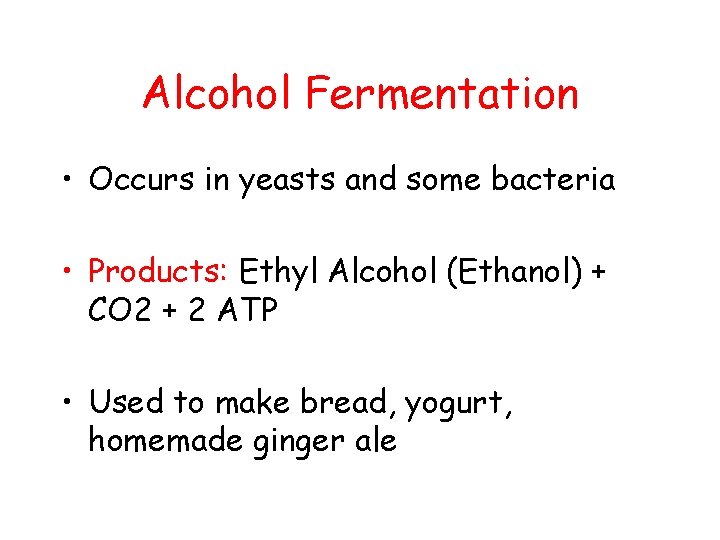
Alcohol Fermentation • Occurs in yeasts and some bacteria • Products: Ethyl Alcohol (Ethanol) + CO 2 + 2 ATP • Used to make bread, yogurt, homemade ginger ale
Toolman
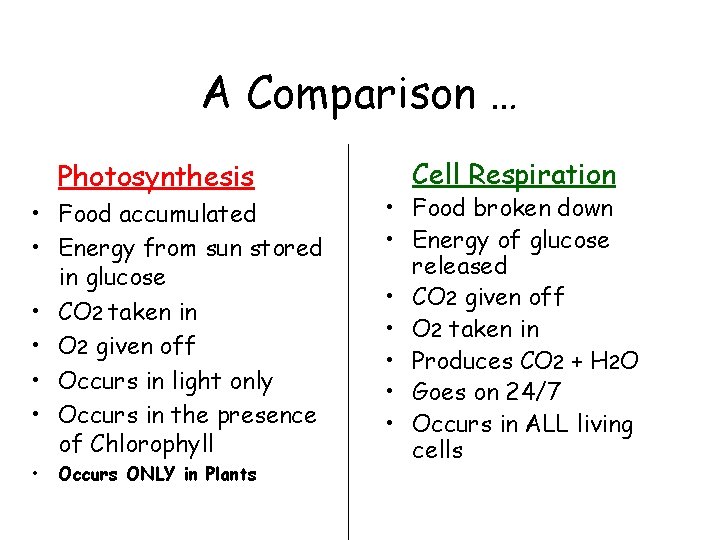
A Comparison … Photosynthesis • Food accumulated • Energy from sun stored in glucose • CO 2 taken in • O 2 given off • Occurs in light only • Occurs in the presence of Chlorophyll • Occurs ONLY in Plants Cell Respiration • Food broken down • Energy of glucose released • CO 2 given off • O 2 taken in • Produces CO 2 + H 2 O • Goes on 24/7 • Occurs in ALL living cells
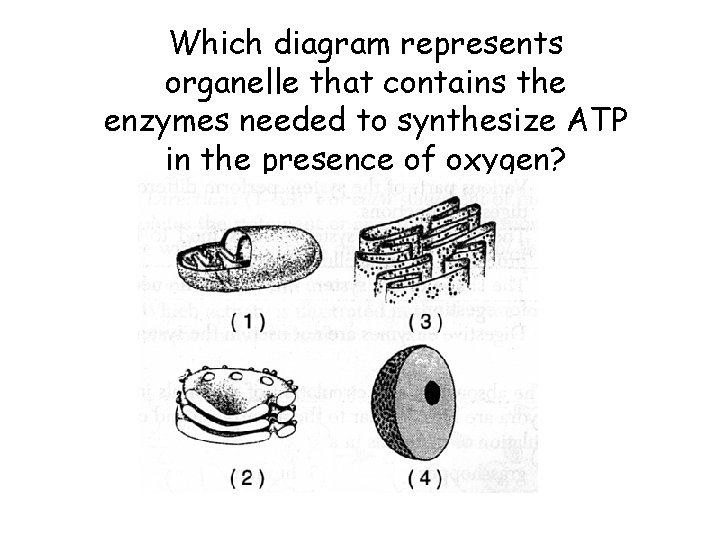
Which diagram represents organelle that contains the enzymes needed to synthesize ATP in the presence of oxygen?
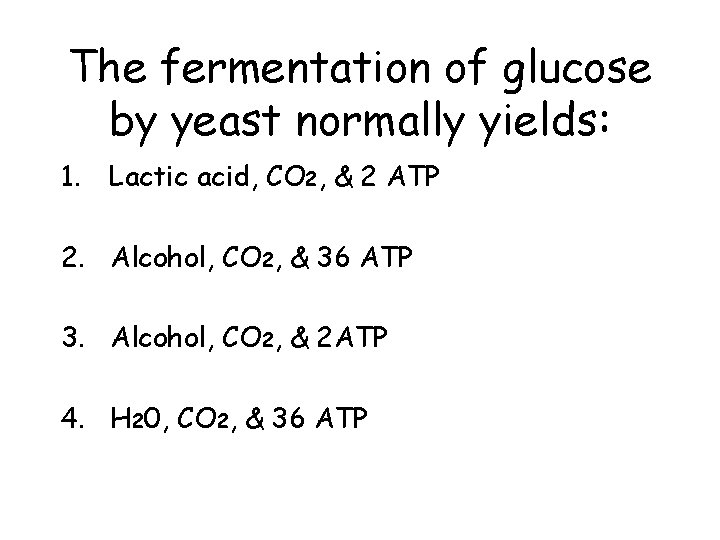
The fermentation of glucose by yeast normally yields: 1. Lactic acid, CO 2, & 2 ATP 2. Alcohol, CO 2, & 36 ATP 3. Alcohol, CO 2, & 2 ATP 4. H 20, CO 2, & 36 ATP