
Cellular Respiration How do digested food molecules moved

- Slides: 18
Cellular Respiration
How do digested food molecules moved from your intestines to your cells? Different molecules are moved in different ways but all use some form of diffusion.
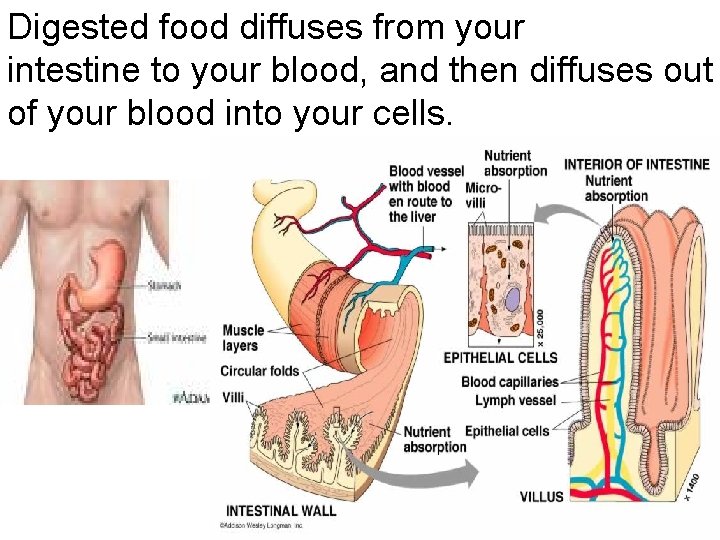
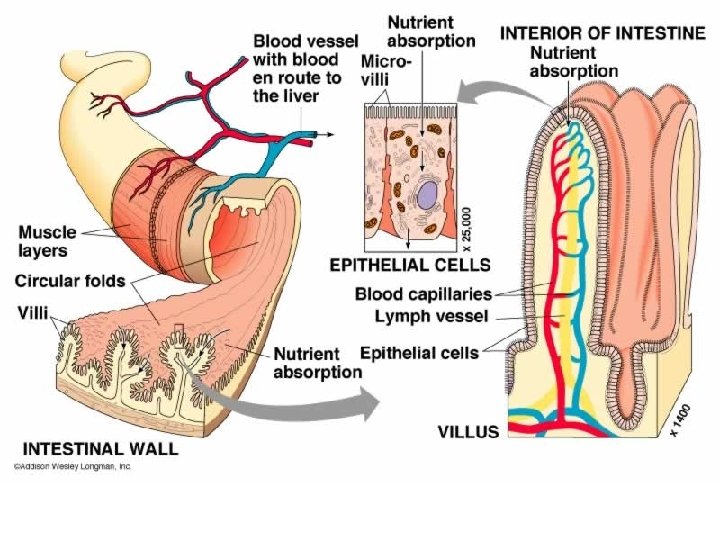
Digested food diffuses from your intestine to your blood, and then diffuses out of your blood into your cells.
Glucose song
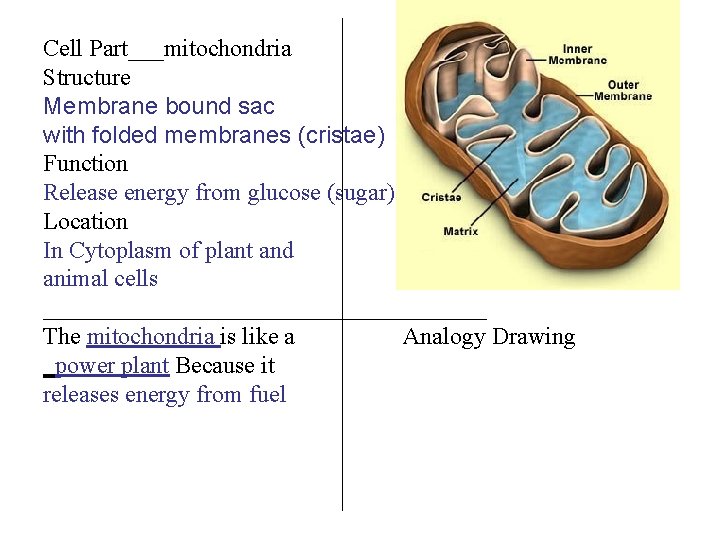
Cell Part___mitochondria Structure Membrane bound sac with folded membranes (cristae) Function Release energy from glucose (sugar) Location In Cytoplasm of plant and animal cells ___________________ The mitochondria is like a Analogy Drawing _power plant Because it releases energy from fuel
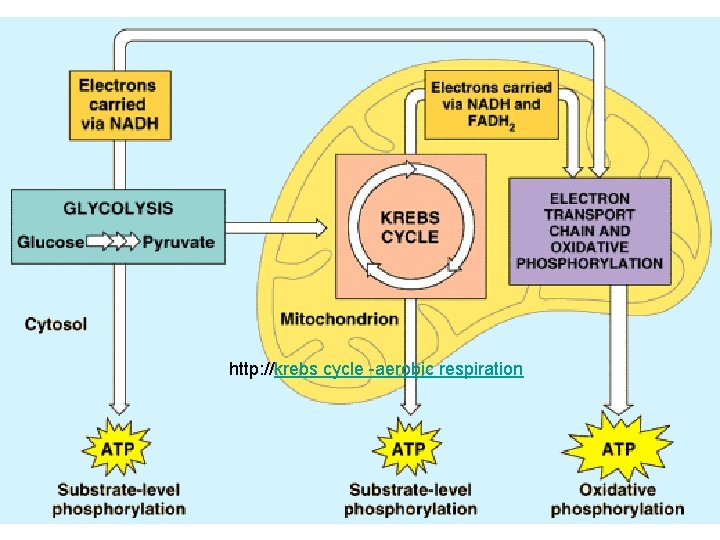
Krebs cycle involves diffusion. What type?
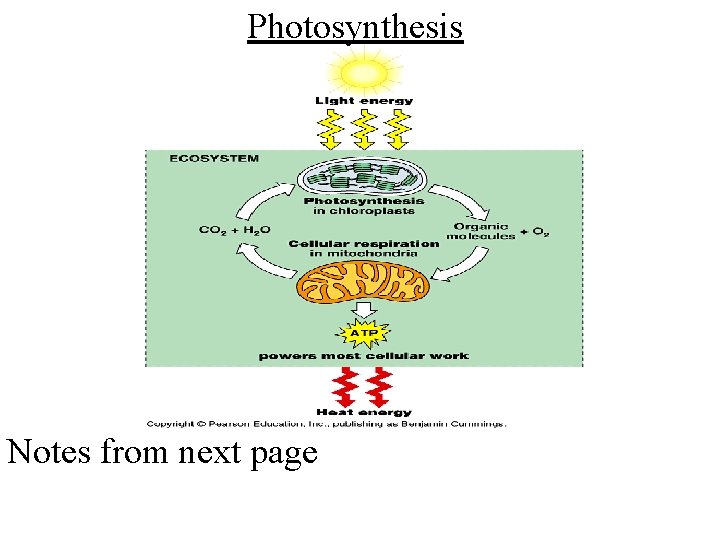
Cellular (in cell ) Respiration (with oxygen) Plant & animal cells use sugar & oxygen to release energy. Cellular Respiration happens in the cell’s mitochondrion. The mitochondria put together the reactants, oxygen & sugar, and make the products carbon dioxide, water, and energy (ATP).
Types of cellular respiration Aerobic respiration uses oxygen-releases energy, carbon dioxide, and water aerobic respiration Anaerobic respiration occurs when oxygen is NOT present this is referred to as fermentation. 2 types of Fermentation • Lactic acid formation- damages muscles • fermentation – yeast forms alcohol http: //anarobic respiration
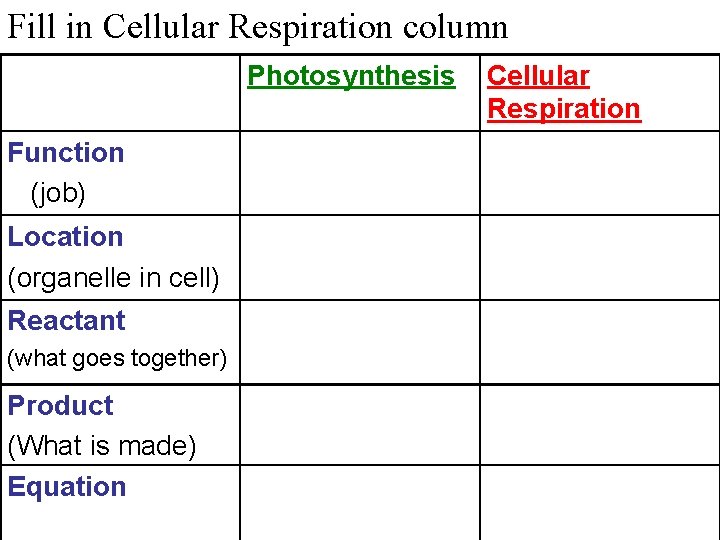
Fill in Cellular Respiration column Photosynthesis Function (job) Location (organelle in cell) Reactant (what goes together) Product (What is made) Equation Cellular Respiration
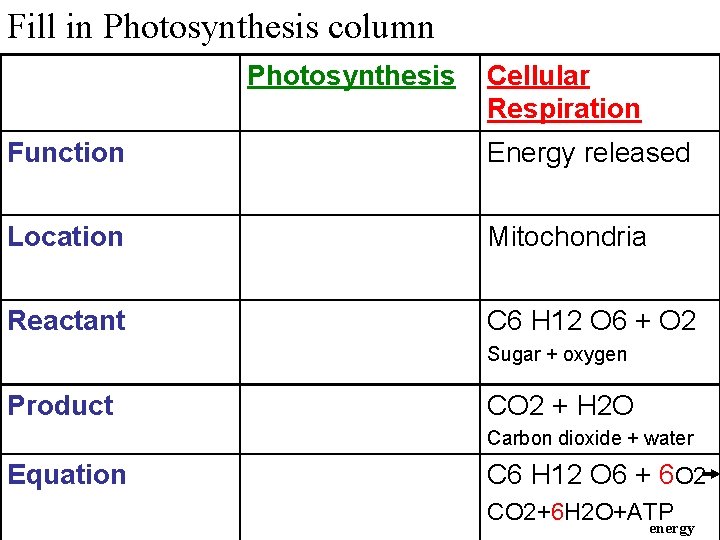
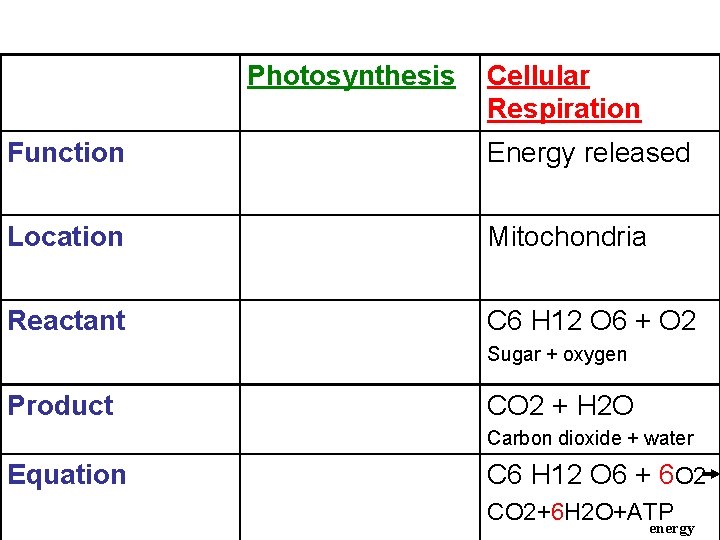
Fill in Photosynthesis column Photosynthesis Cellular Respiration Function Energy released Location Mitochondria Reactant C 6 H 12 O 6 + O 2 Sugar + oxygen Product CO 2 + H 2 O Carbon dioxide + water Equation C 6 H 12 O 6 + 6 O 2 CO 2+6 H 2 O+ATP energy
Photosynthesis Notes from next page
http: //krebs cycle -aerobic respiration
cellular respiration animation
Photosynthesis Cellular Respiration Function Energy released Location Mitochondria Reactant C 6 H 12 O 6 + O 2 Sugar + oxygen Product CO 2 + H 2 O Carbon dioxide + water Equation C 6 H 12 O 6 + 6 O 2 CO 2+6 H 2 O+ATP energy
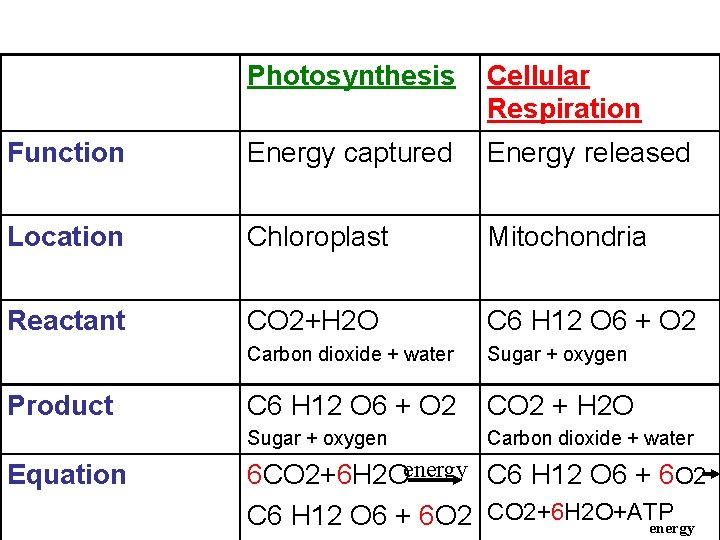
Photosynthesis Cellular Respiration Function Energy captured Energy released Location Chloroplast Mitochondria Reactant CO 2+H 2 O C 6 H 12 O 6 + O 2 Carbon dioxide + water Sugar + oxygen C 6 H 12 O 6 + O 2 CO 2 + H 2 O Sugar + oxygen Carbon dioxide + water Product Equation 6 CO 2+6 H 2 Oenergy C 6 H 12 O 6 + 6 O 2 CO 2+6 H 2 O+ATP energy
Why would grass that grows in the cool spring and fall have more sugar in it than grass grown in the hot summer?
Why would grass that grows in the cool spring and fall have more sugar in it than grass grown in the hot summer? When temperatures drop the cell processes slow. Nights are cooler so less cellular respiration occurs using less sugar than in the summer allowing the plans to store more sugar.