
Cellular Respiration Glycolosis Krebs Cycle Electron Transport Chain
Cellular Respiration Glycolosis Kreb’s Cycle Electron Transport Chain

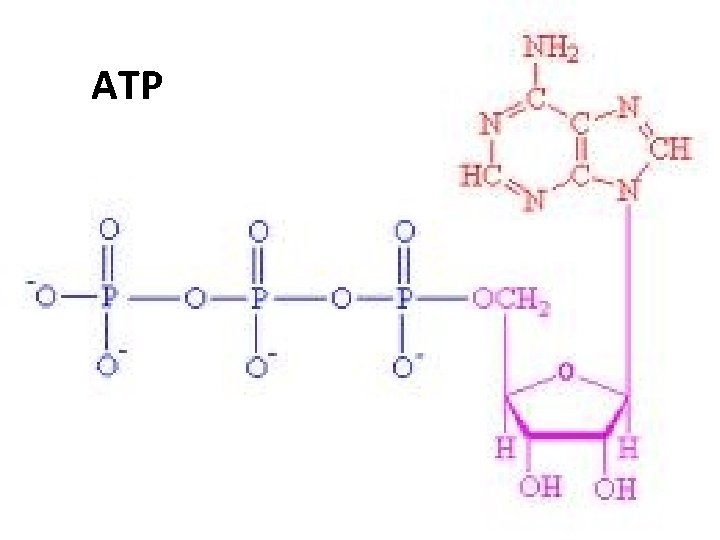
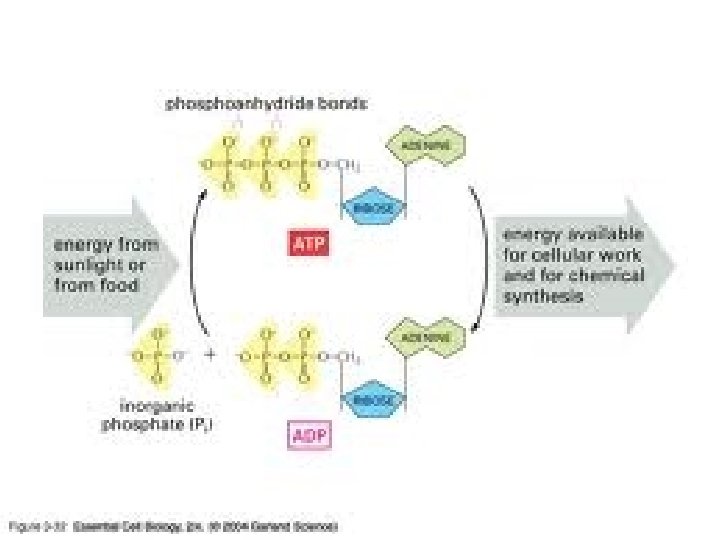
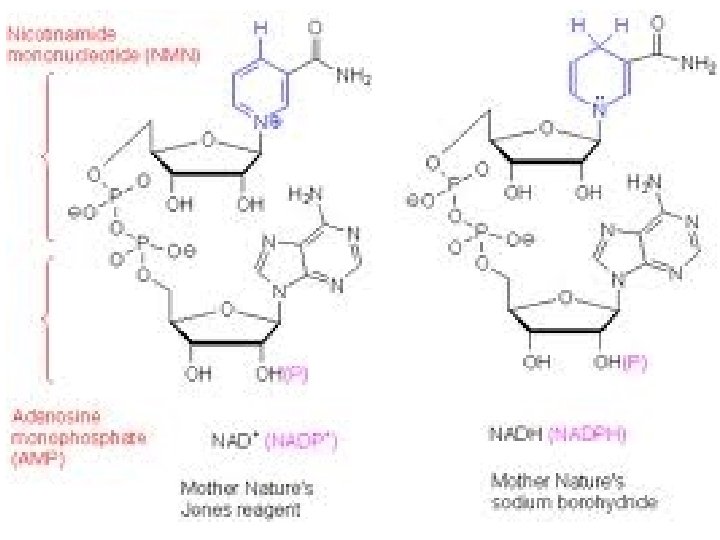
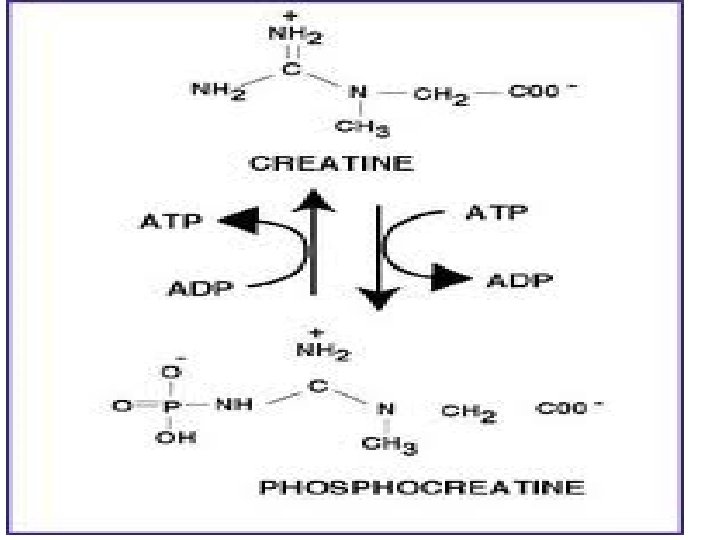
Terms to Know • ATP (cellular energy molecule) is an unstable molecule that is used to activate most cell processes by losing a phosphate group. The phosphate group binds to most molecules to change their shape or “activate” the molecule. • Reduced Carriers are molecules that store energy to be passed on later (2 types) – NADH (high energy carrier) – FADH 2 (lower energy carrier)
ATP
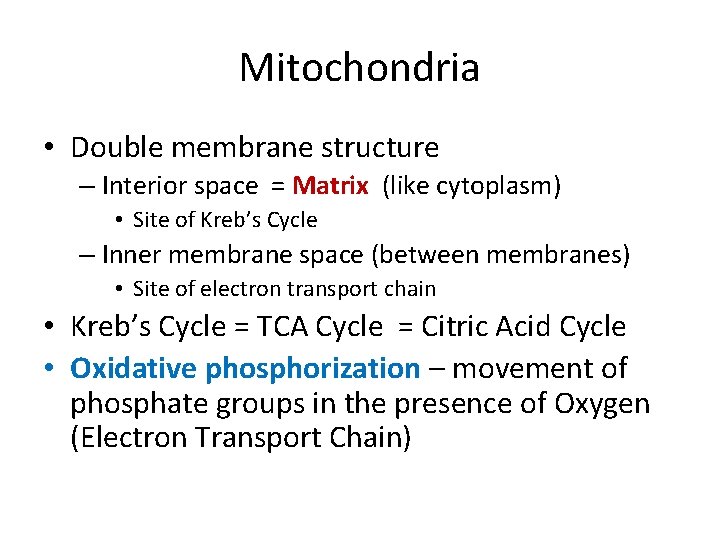
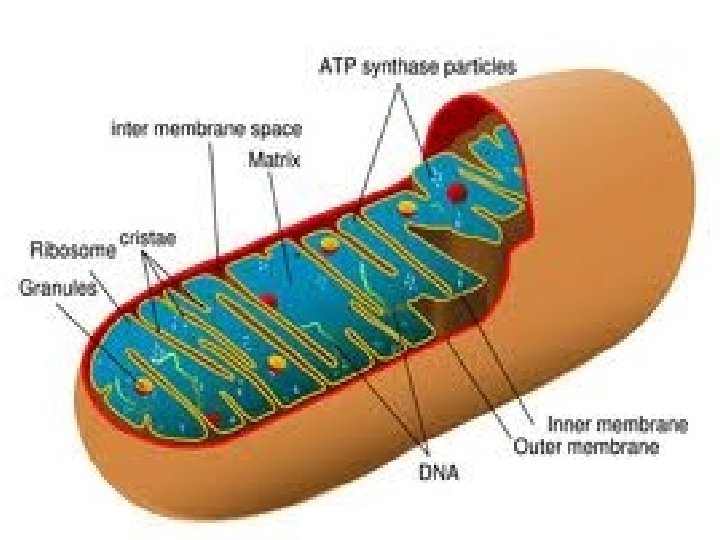
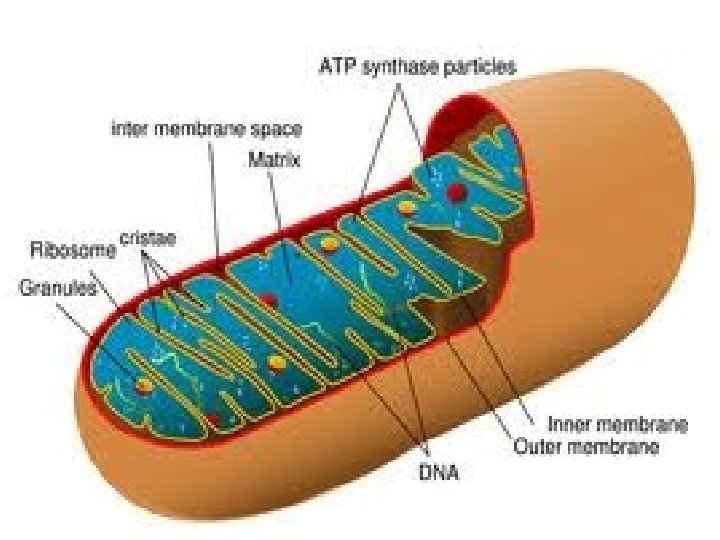
Mitochondria • Double membrane structure – Interior space = Matrix (like cytoplasm) • Site of Kreb’s Cycle – Inner membrane space (between membranes) • Site of electron transport chain • Kreb’s Cycle = TCA Cycle = Citric Acid Cycle • Oxidative phosphorization – movement of phosphate groups in the presence of Oxygen (Electron Transport Chain)
Overall Process • Breakdown of glucose (or other sugar) into CO 2 and H 2 O • Requires Oxygen to complete the full process • Net gain (per glucose + oxygen): – 36 ATP, 6 CO 2, 6 H 2 O • Net gain (per glucose without oxygen) – 2 ATP, 2 molecules of lactic acid (3 C) • Main process of creating energy is by concentration gradient across a membrane
Glycolosis • Glucose (food) must enter the cell, this requires active transport (-2 ATP). • The glucose moves across the membrane and into the cytoplasm • This is where glycolosis occurs. • Overall Process: – Start: Glucose (6 carbons) – Finish: Pyruvate x 2 (3 carbons each) 2 NADH, 4 ATP (2 Net ATP)
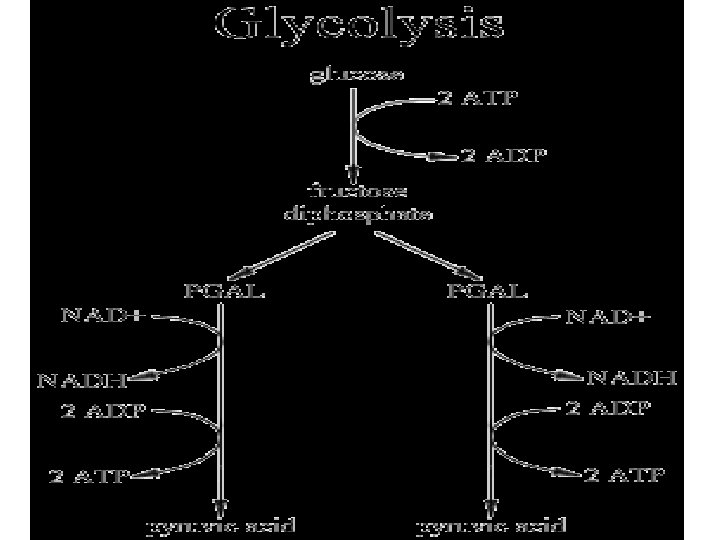


Glycolosis • Glucose has two phosphate groups added (one to each end) to energize the molecule which also allows it to cross the membrane. (-2 ATP) • Glucose is then broken into two parts called glyceride 3 -phosphate (3 carbons) • One phosphate group is removed to produce NADH (reduced carrier) • The 3 carbon molecules are then processed several times and the phosphate groups are removed to produce pyruvate and 2 ATP. (this occurs for each glyceride molecule)

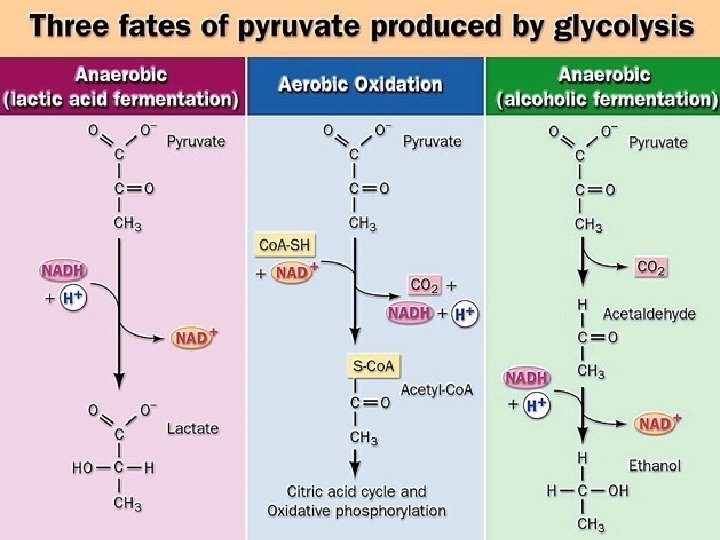
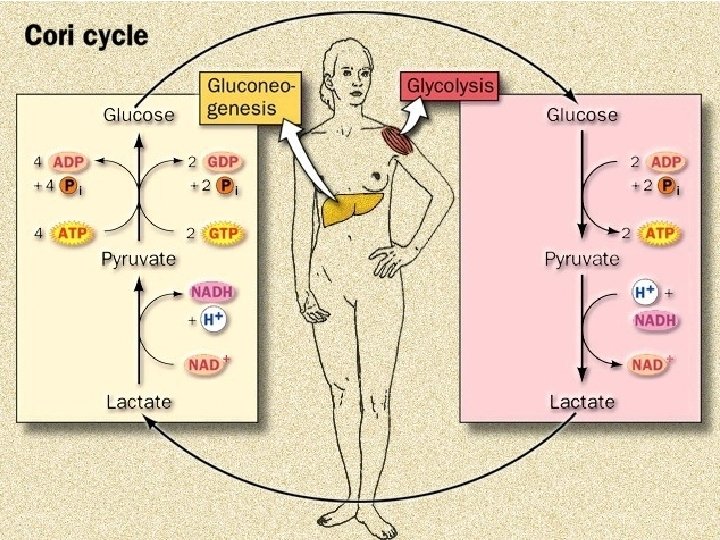
Anaerobic Respiration • Without oxygen • Two Types – Lactic acid production (occurs in most animals). When not enough oxygen is present, cells cannot complete the process of cellular respiration. Instead of producing CO 2, the body produces lactic acid which can be broken back down into pyruvate when oxygen is present.
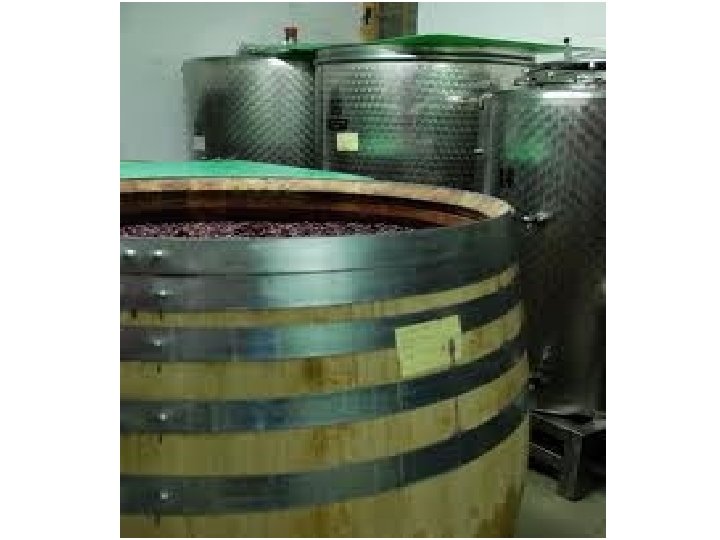
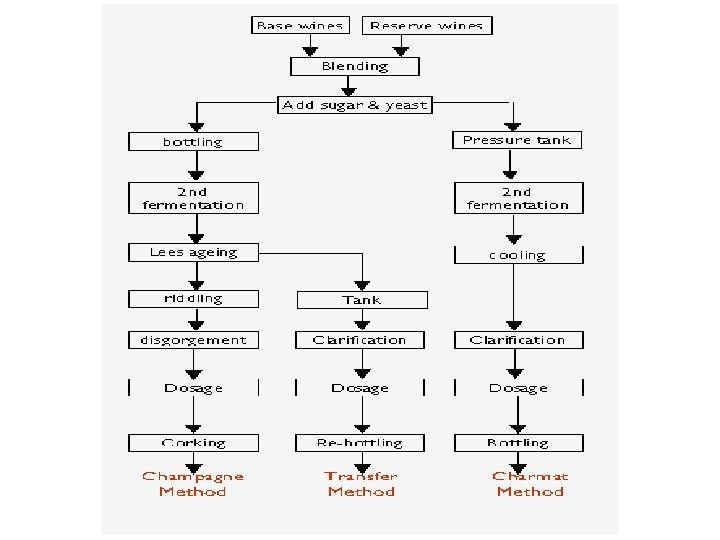
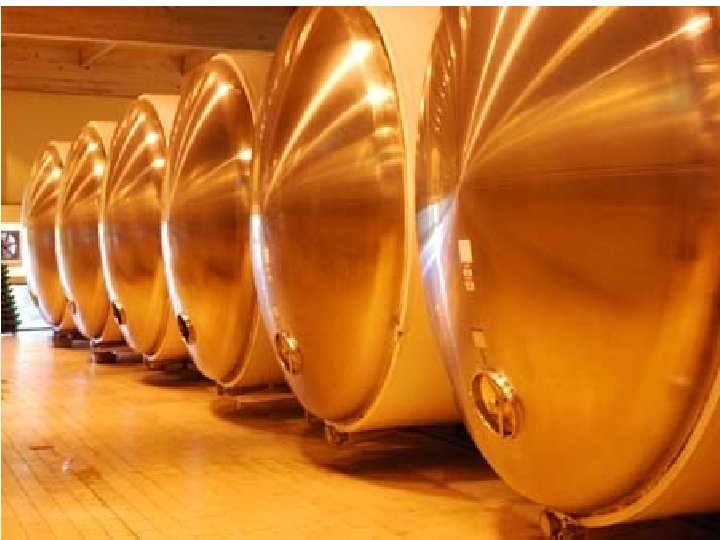
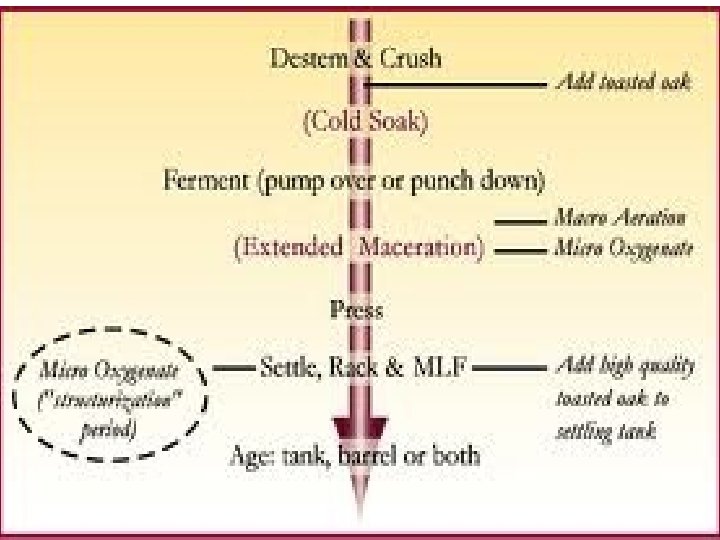
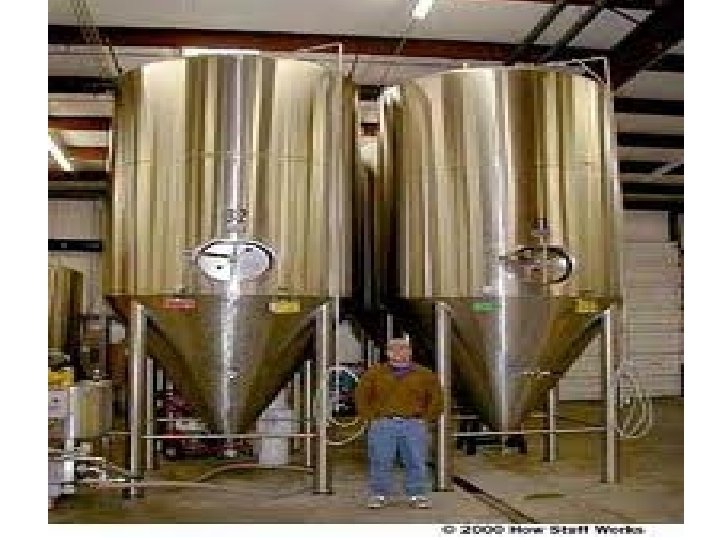
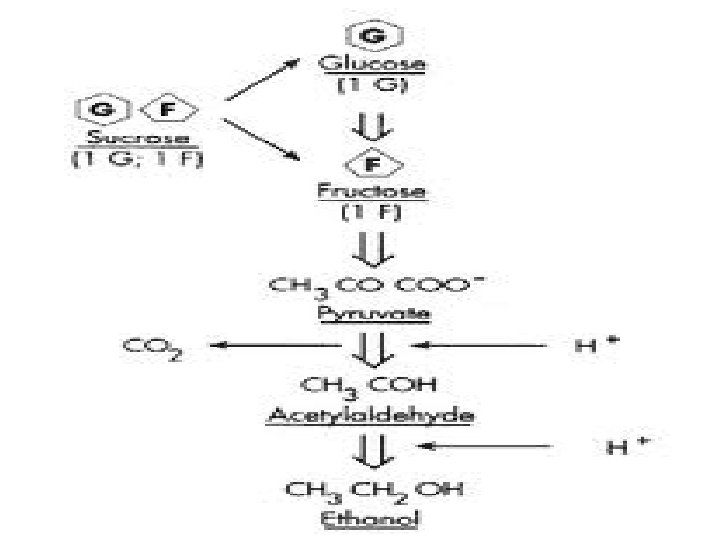
Fermentation • The process of fermentation is a billion dollar industry ranging from alcoholic beverages to simple bread. • Occurs in yeast and some bacteria. • Instead of converting pyruvate to lactic acid, the pyruvate is broken down slightly, removing one carbon, to produce ethanol and CO 2. • Why does this cause the liquid (such as grapes) to become acidic?


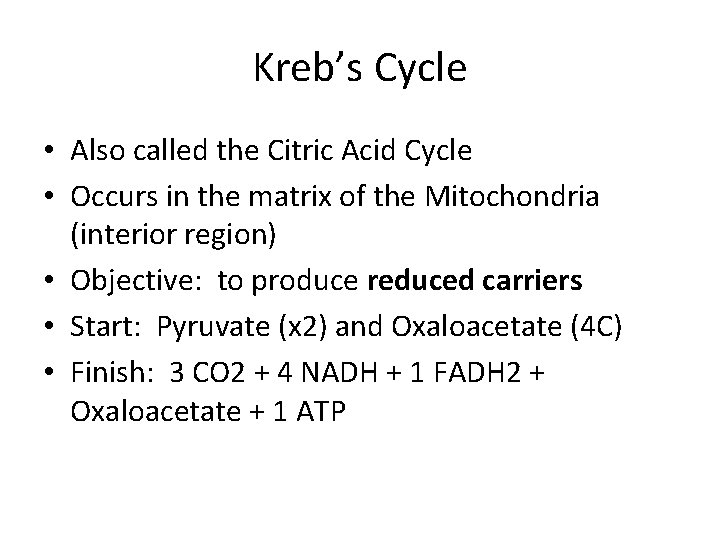
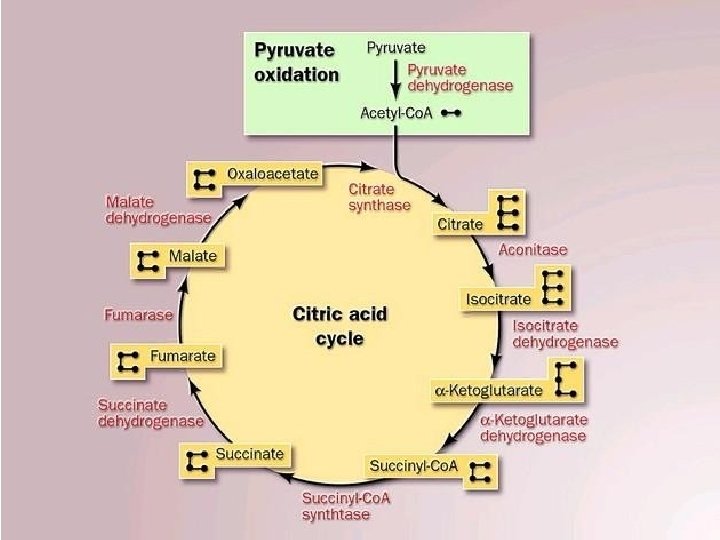
Kreb’s Cycle • Also called the Citric Acid Cycle • Occurs in the matrix of the Mitochondria (interior region) • Objective: to produce reduced carriers • Start: Pyruvate (x 2) and Oxaloacetate (4 C) • Finish: 3 CO 2 + 4 NADH + 1 FADH 2 + Oxaloacetate + 1 ATP
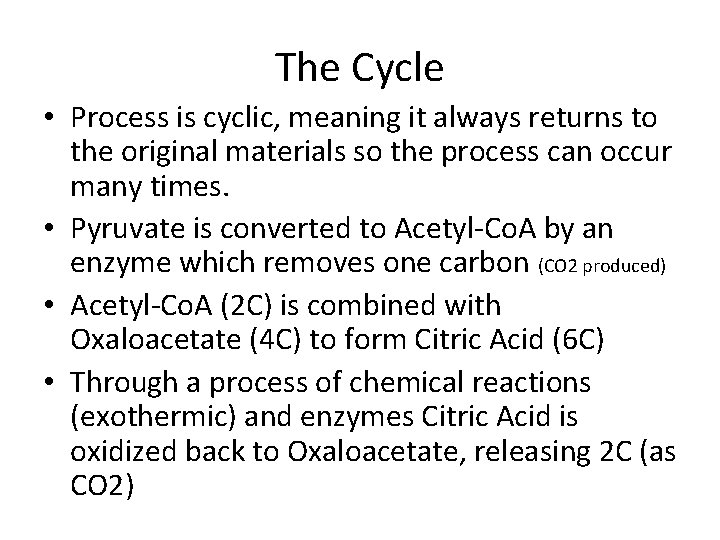
The Cycle • Process is cyclic, meaning it always returns to the original materials so the process can occur many times. • Pyruvate is converted to Acetyl-Co. A by an enzyme which removes one carbon (CO 2 produced) • Acetyl-Co. A (2 C) is combined with Oxaloacetate (4 C) to form Citric Acid (6 C) • Through a process of chemical reactions (exothermic) and enzymes Citric Acid is oxidized back to Oxaloacetate, releasing 2 C (as CO 2)
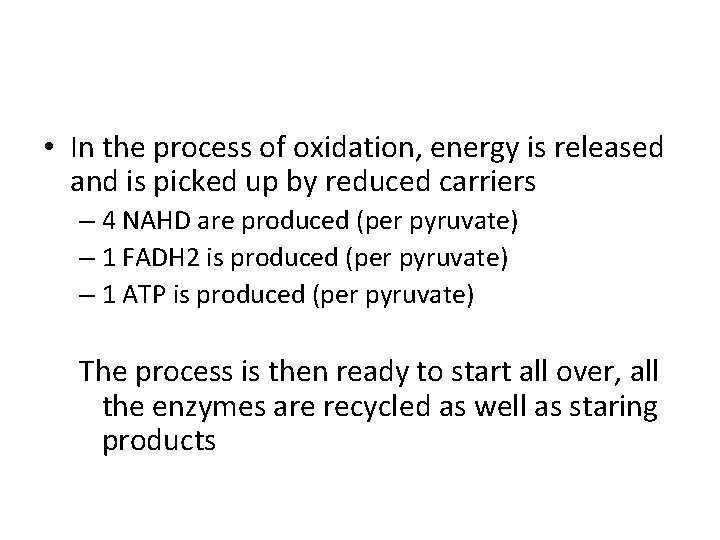
• In the process of oxidation, energy is released and is picked up by reduced carriers – 4 NAHD are produced (per pyruvate) – 1 FADH 2 is produced (per pyruvate) – 1 ATP is produced (per pyruvate) The process is then ready to start all over, all the enzymes are recycled as well as staring products
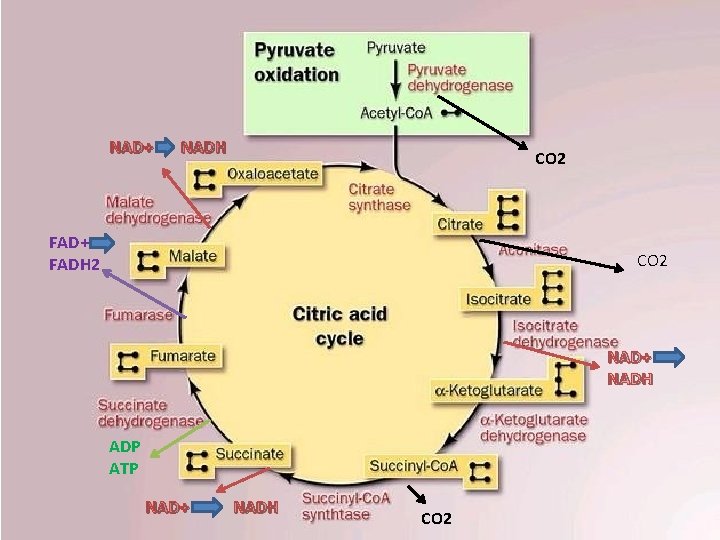
NAD+ NADH CO 2 FAD+ FADH 2 CO 2 NAD+ NADH ADP ATP NAD+ NADH CO 2
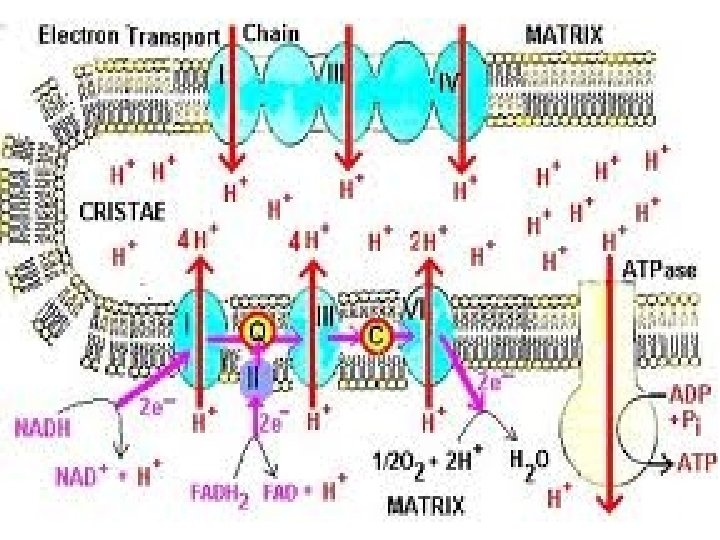
Electron Transport Chain Final step in cellular respiration Focus is to synthesize ADP to become ATP Requires oxygen as final electron acceptor Occurs across the inner mitochondria membrane (inner membrane space + matrix) • Starting materials: 10 NADH, 2 FADH 2 • Final products: 32 ATP, 6 H 2 O • •
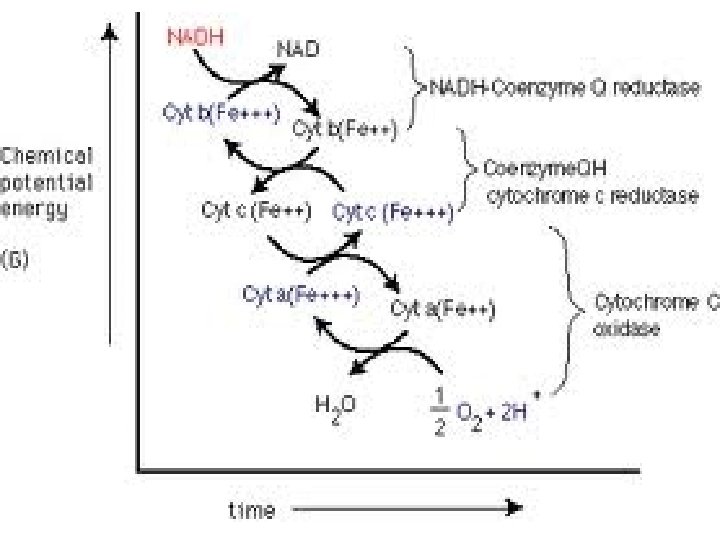
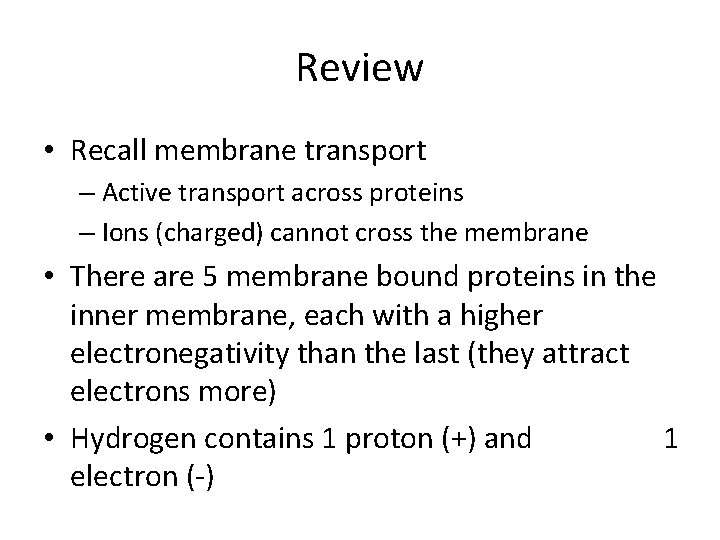
Review • Recall membrane transport – Active transport across proteins – Ions (charged) cannot cross the membrane • There are 5 membrane bound proteins in the inner membrane, each with a higher electronegativity than the last (they attract electrons more) • Hydrogen contains 1 proton (+) and 1 electron (-)
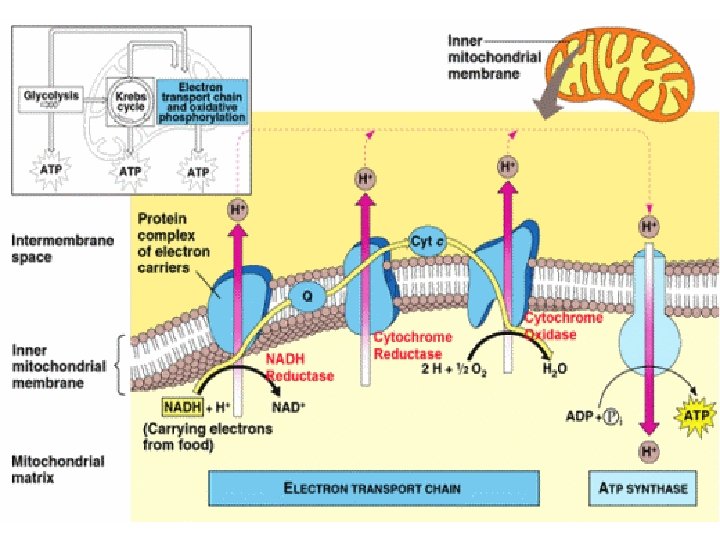
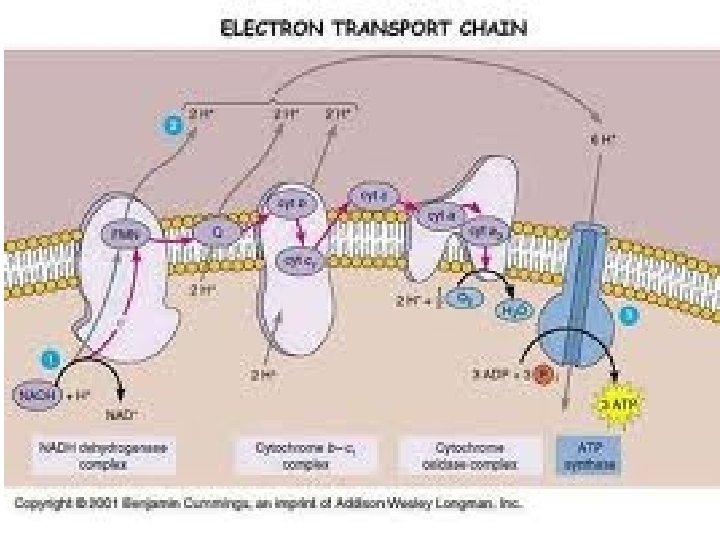
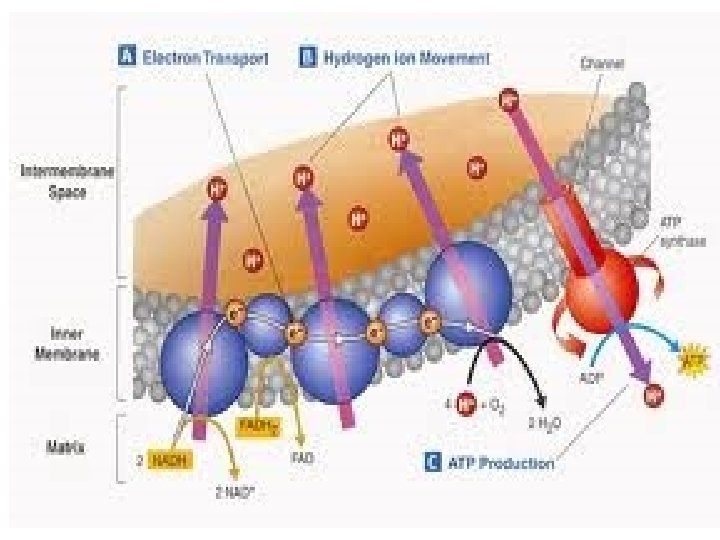
Process • NADH attaches to the first transport protein. The H is removed and split, electrons are passed down the protein chain, while protons are pumped into the inner membrane space • This electrons are passed from one protein to the next, causing more protons to be passed into the inner membrane space (3 from NADH, 1 from FADH 2) • Oxygen acts as the final electron acceptor, it has a higher electronegativity than the proteins
Final Steps • All of the protons are trapped in the inner membrane space (high concentration) • A protein channel (ATP Synthase) allows the protons to pass into the matrix (low concentration) by diffusion • The energy created as the protons pass allows ADP to be phoshoralized into ATP (32 ATP) • NADH = 3 ATP, FADH 2 = 1 ATP
- Slides: 46