
Cellular Respiration Chemical Pathways Section 9 1 Flora
- Slides: 12
Cellular Respiration Chemical Pathways Section 9 -1 Flora Biology I
Chemical Energy and Food • Lots of energy present in food (glucose/other compounds) – Ex: 1 gram glucose = 3811 calories – Calorie – amount of energy required to raise one gram of water, one Celsius degree – Cells release the energy in glucose and other food compounds
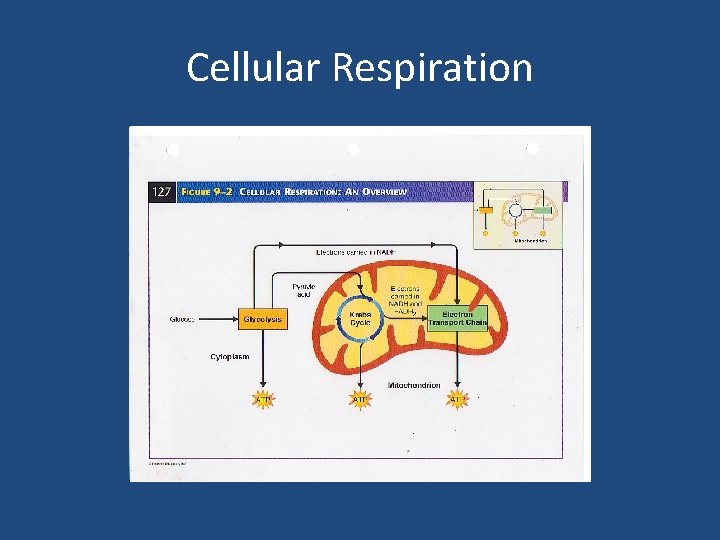
Overview of Cellular Respiration • “reverse photosynthesis” – 6 O 2 + C 6 H 12 O 6 → 6 CO 2 + 6 H 2 O + energy • Cellular respiration – process of breaking down glucose and other food molecule in the presence of “oxygen” • Figure 9 -2 (page 222)
Cellular Respiration
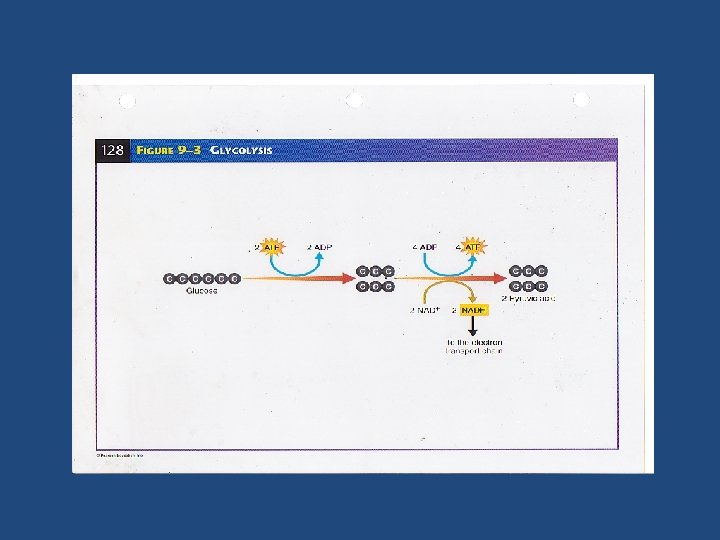
Glycolysis • Glycolysis – one molecule of glucose is broken in half, producing two molecules of pyruvic acid and a 3 -carbon compound • See figure 9 -3(page 223)
Glycolysis • Key concepts: – Occurs in the cytoplasm of cell – No oxygen required for glycolysis to occur – Glucose is broken down into two 3 -carbon pyruvates (pyruvic acid) – Net production of 2 ATP, 2 NADH, and 2 pyruvate molecules
Fermentation • Cellular respiration will NOT occur (Krebs and ETC) if oxygen is not present • If oxygen is not present, fermentation will occur • Fermentation – releasing of energy from food molecules by producing ATP in the absence of oxygen
2 Types of Fermentation • Alcoholic • Lactic acid
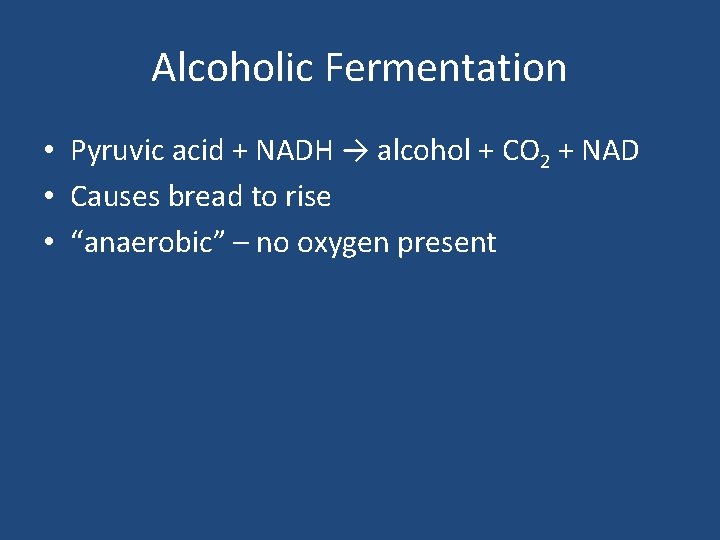
Alcoholic Fermentation • Pyruvic acid + NADH → alcohol + CO 2 + NAD • Causes bread to rise • “anaerobic” – no oxygen present
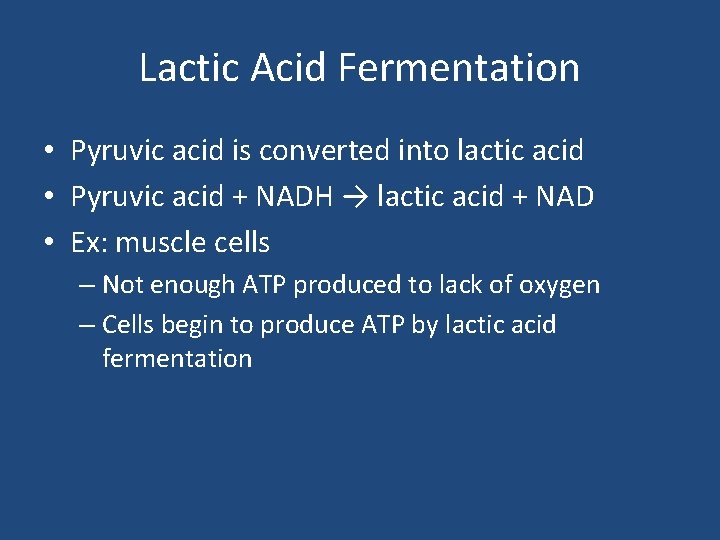
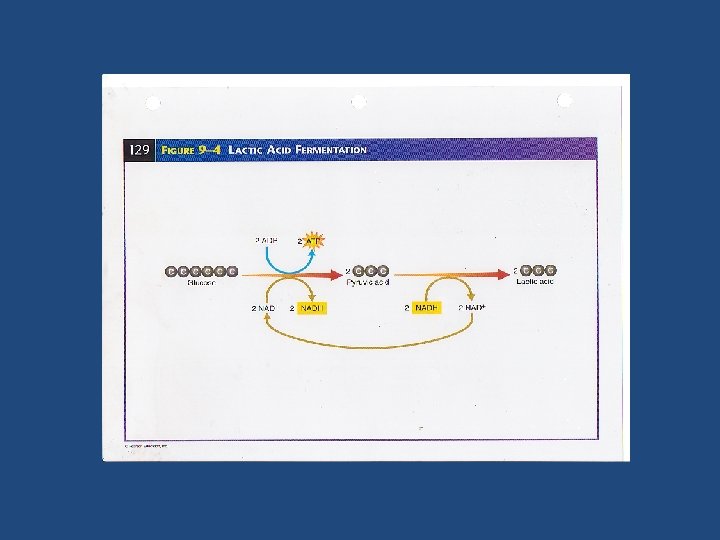
Lactic Acid Fermentation • Pyruvic acid is converted into lactic acid • Pyruvic acid + NADH → lactic acid + NAD • Ex: muscle cells – Not enough ATP produced to lack of oxygen – Cells begin to produce ATP by lactic acid fermentation