
Cellular Respiration Cellular Respiration the release of energy

- Slides: 43
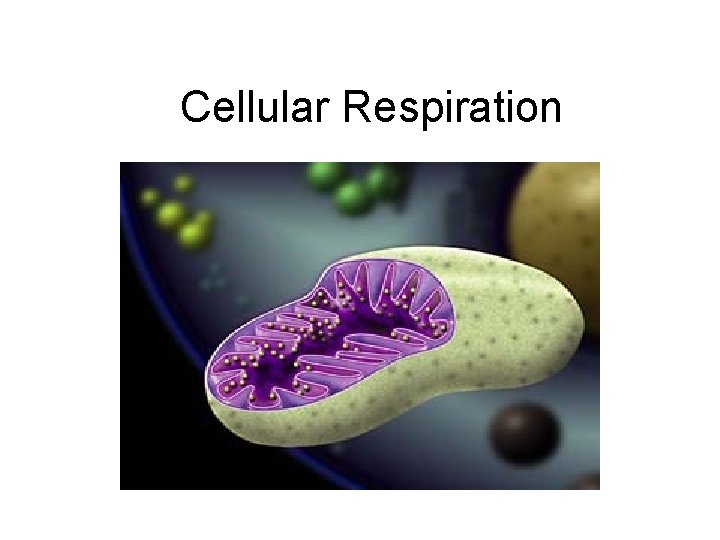
Cellular Respiration
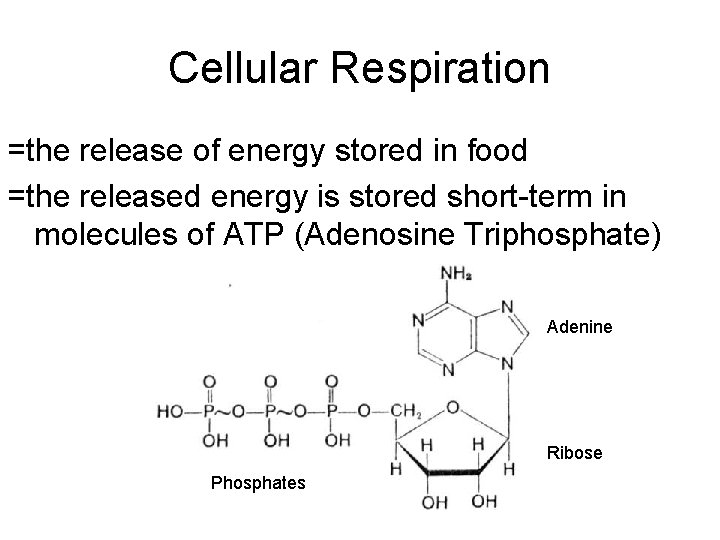
Cellular Respiration =the release of energy stored in food =the released energy is stored short-term in molecules of ATP (Adenosine Triphosphate) Adenine Ribose Phosphates
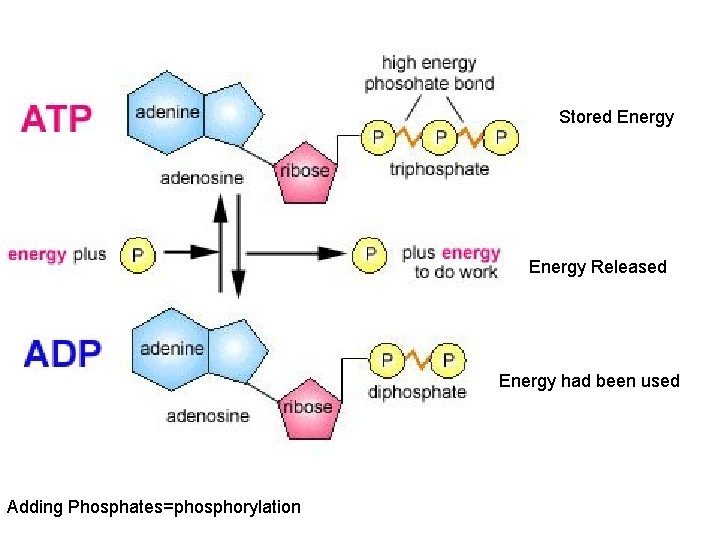
Stored Energy Released Energy had been used Adding Phosphates=phosphorylation
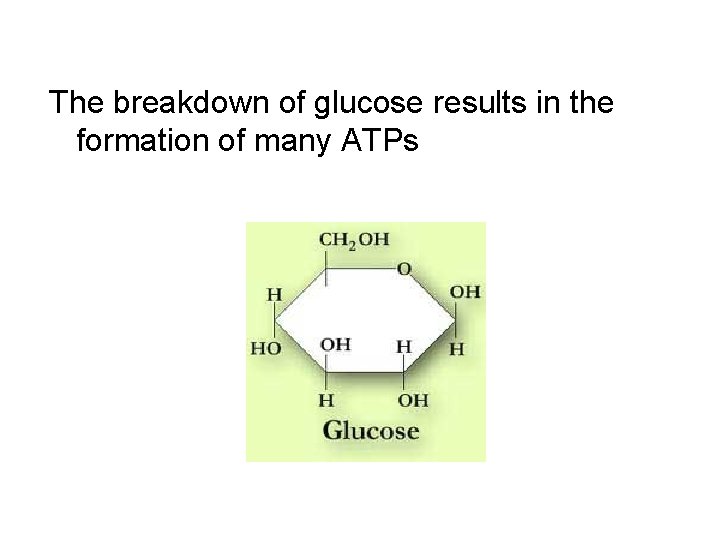
The breakdown of glucose results in the formation of many ATPs
How do we breakdown glucose?
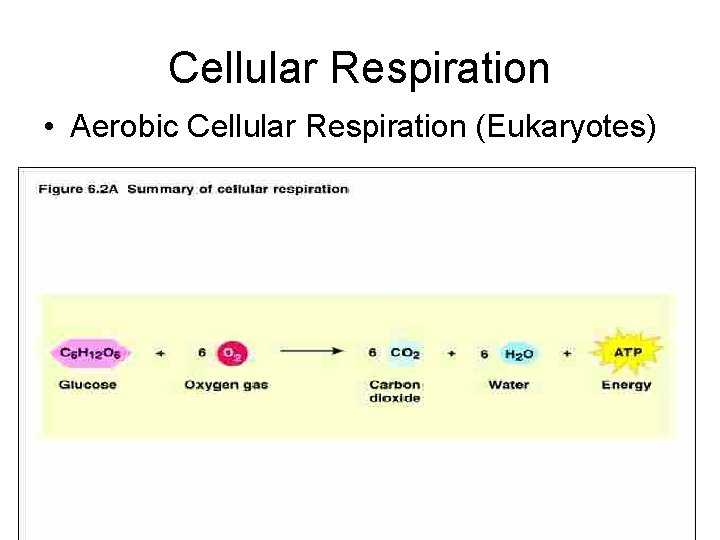
Cellular Respiration • Aerobic Cellular Respiration (Eukaryotes)
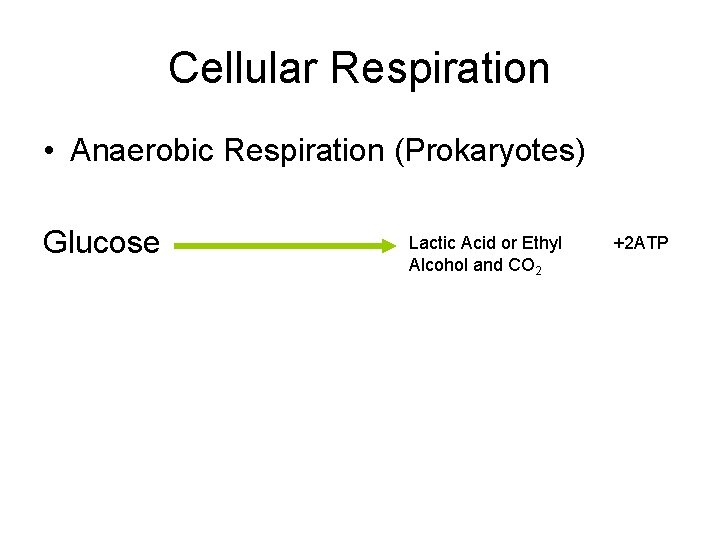
Cellular Respiration • Anaerobic Respiration (Prokaryotes) Glucose Lactic Acid or Ethyl Alcohol and CO 2 +2 ATP
How do you pull apart a glucose molecule?
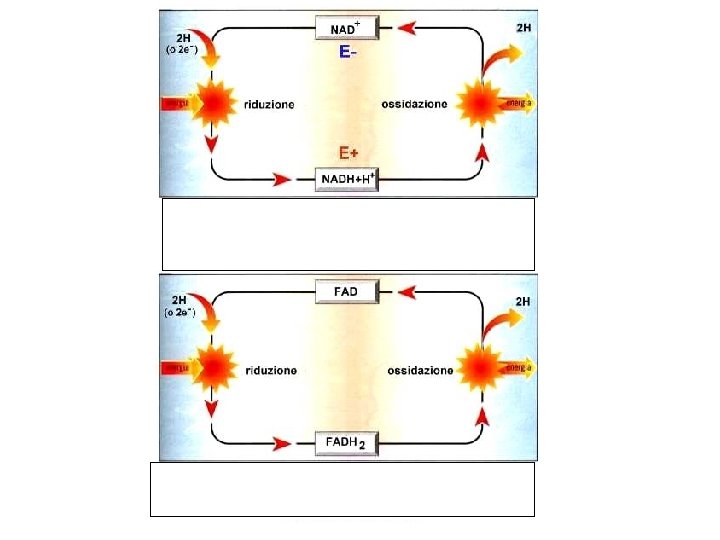
Series of Oxidation/Reduction Reactions • Oxidation=a molecule loses electrons or H atoms • Reduction=a molecule gains electrons or H atoms LEO goes GER
What molecules are going to accept the electrons or H atoms? • Hydrogen Acceptors: – NAD+ – FAD Both are coenzymes
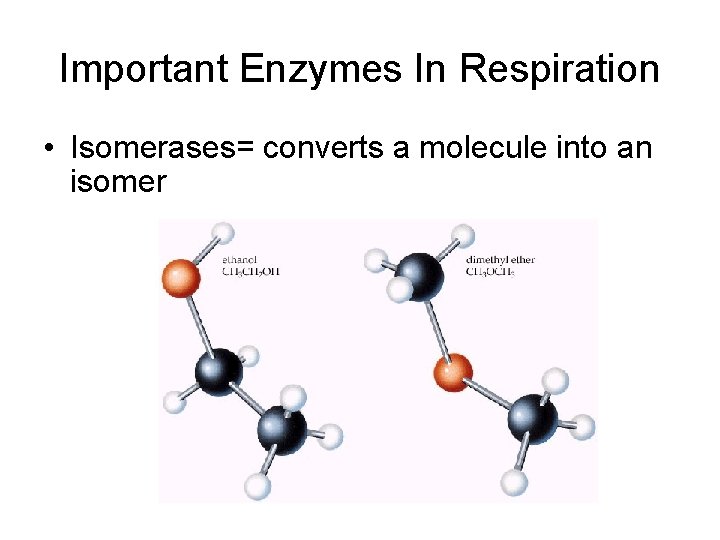
Important Enzymes In Respiration • Isomerases= converts a molecule into an isomer
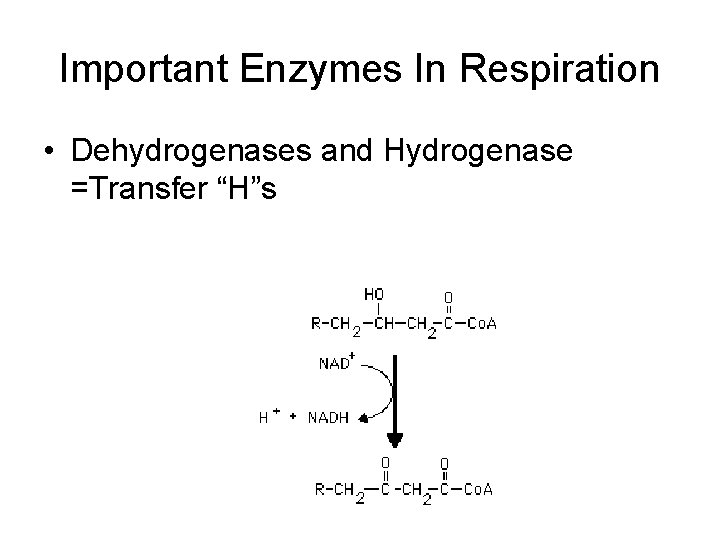
Important Enzymes In Respiration • Dehydrogenases and Hydrogenase =Transfer “H”s
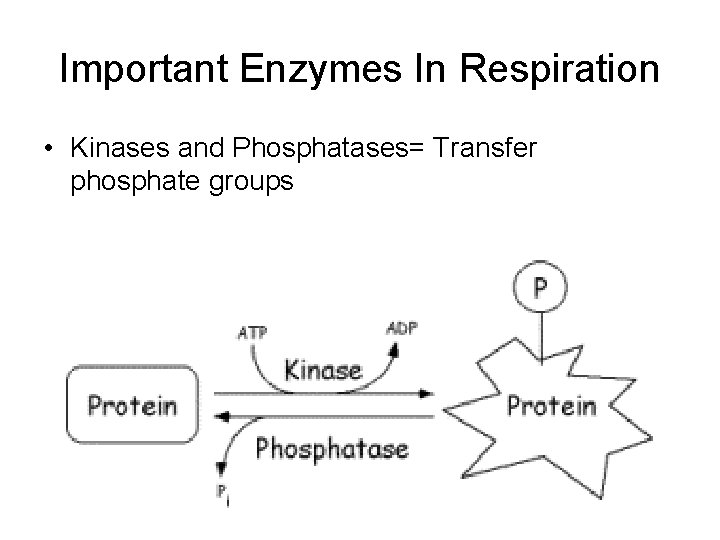
Important Enzymes In Respiration • Kinases and Phosphatases= Transfer phosphate groups
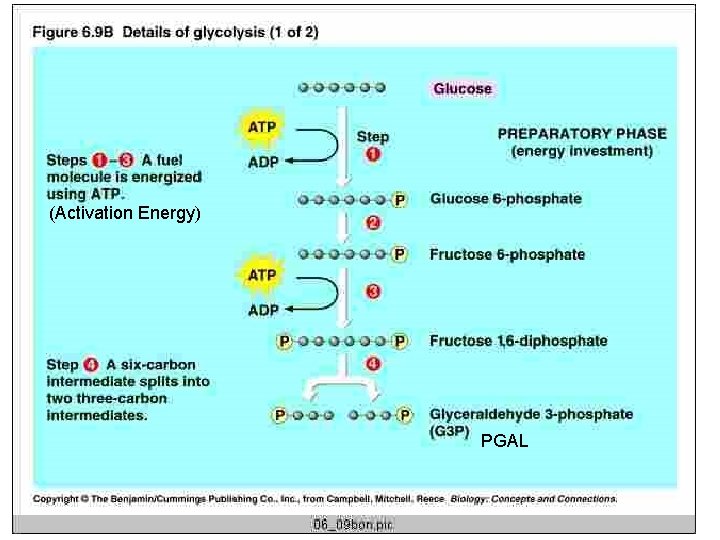
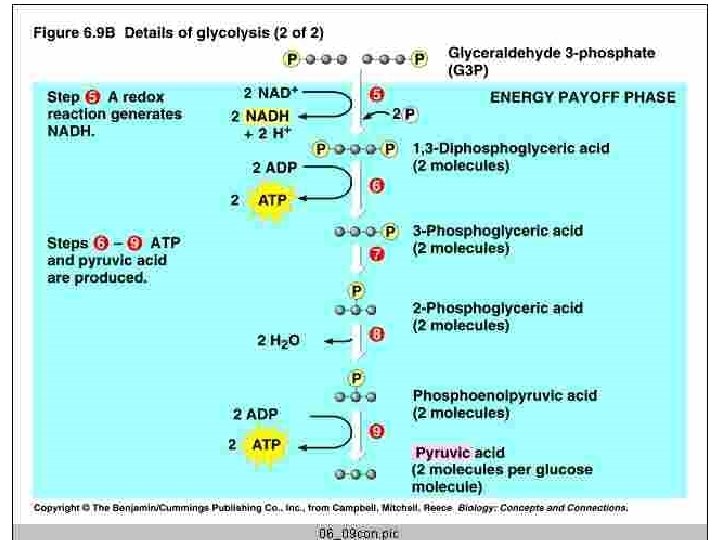
Anaerobic Respiration Steps 1. Glycolysis (Splitting of glucose) • • Start with one molecule of glucose Don’t need O 2 Process happens in cytoplasm of eukaryotes and prokaryotes Need to use 2 ATPs to start reaction Form 2 NADH Form 4 ATPs (so net 2 ATPs) Form 2 Pyruvic Acid Molecules (3 Carbons)
(Activation Energy) PGAL
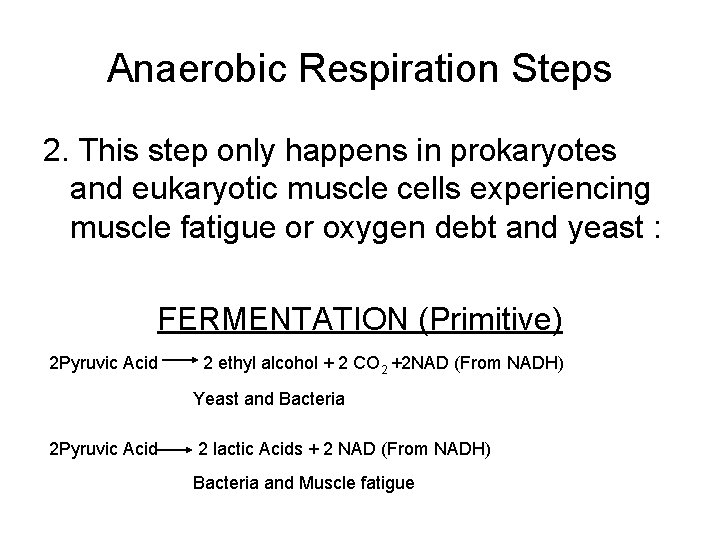
Anaerobic Respiration Steps 2. This step only happens in prokaryotes and eukaryotic muscle cells experiencing muscle fatigue or oxygen debt and yeast : FERMENTATION (Primitive) 2 Pyruvic Acid 2 ethyl alcohol + 2 CO 2 +2 NAD (From NADH) Yeast and Bacteria 2 Pyruvic Acid 2 lactic Acids + 2 NAD (From NADH) Bacteria and Muscle fatigue
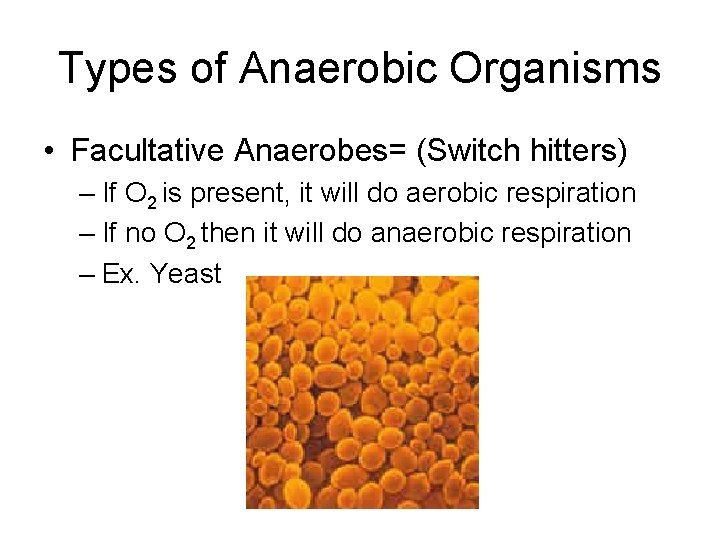
Types of Anaerobic Organisms • Facultative Anaerobes= (Switch hitters) – If O 2 is present, it will do aerobic respiration – If no O 2 then it will do anaerobic respiration – Ex. Yeast
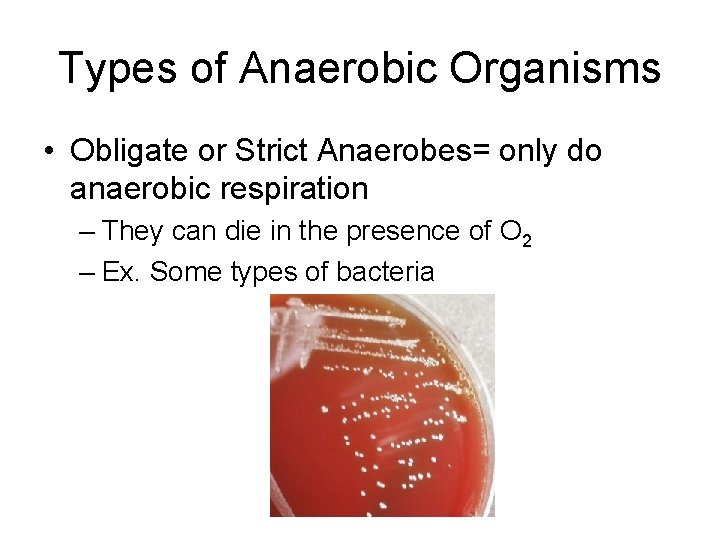
Types of Anaerobic Organisms • Obligate or Strict Anaerobes= only do anaerobic respiration – They can die in the presence of O 2 – Ex. Some types of bacteria
Anaerobic Respiration Stops Here
What do Aerobic Organisms do? • Aerobic Respiration begins here!
Aerobic Respiration Steps 1. Glycolysis with NO FERMENTATION!!!!! 2. Pyruvic Acid Breakdown
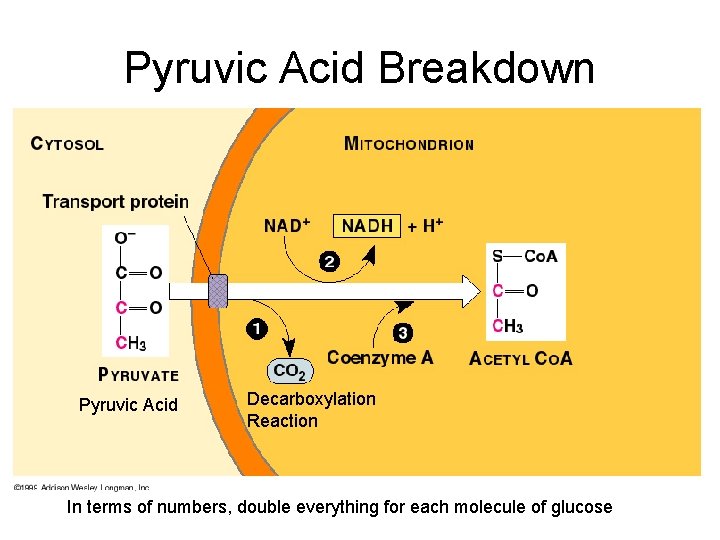
Pyruvic Acid Breakdown Pyruvic Acid Decarboxylation Reaction In terms of numbers, double everything for each molecule of glucose
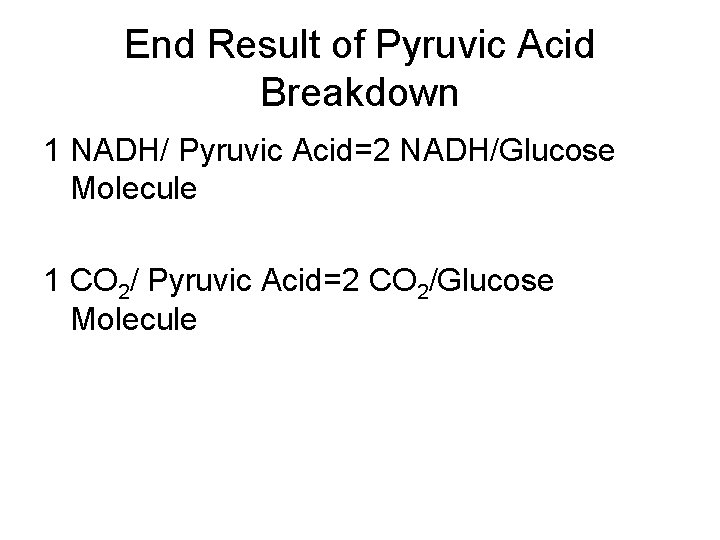
End Result of Pyruvic Acid Breakdown 1 NADH/ Pyruvic Acid=2 NADH/Glucose Molecule 1 CO 2/ Pyruvic Acid=2 CO 2/Glucose Molecule
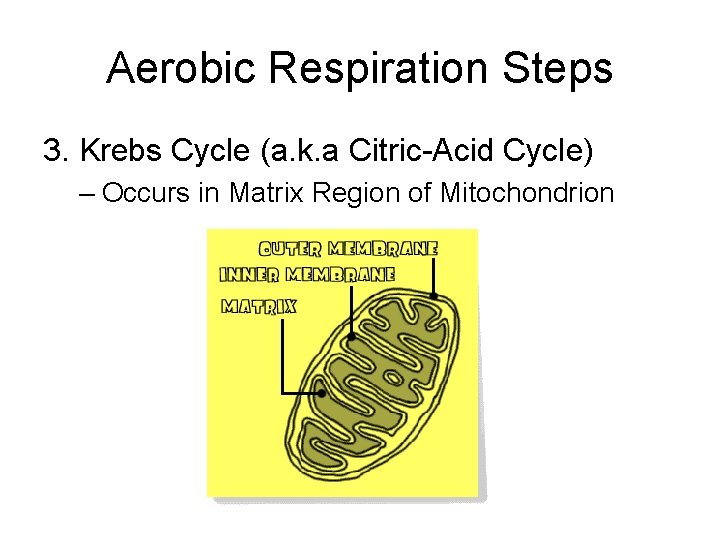
Aerobic Respiration Steps 3. Krebs Cycle (a. k. a Citric-Acid Cycle) – Occurs in Matrix Region of Mitochondrion
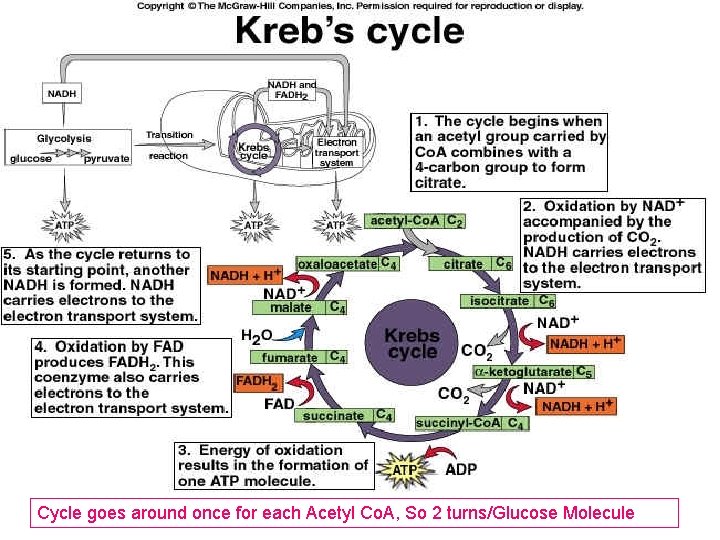
Cycle goes around once for each Acetyl Co. A, So 2 turns/Glucose Molecule
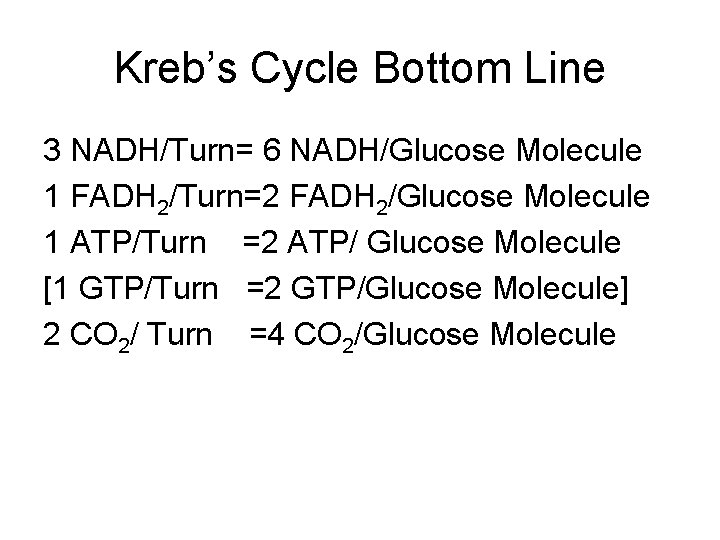
Kreb’s Cycle Bottom Line 3 NADH/Turn= 6 NADH/Glucose Molecule 1 FADH 2/Turn=2 FADH 2/Glucose Molecule 1 ATP/Turn =2 ATP/ Glucose Molecule [1 GTP/Turn =2 GTP/Glucose Molecule] 2 CO 2/ Turn =4 CO 2/Glucose Molecule
So Far Not Too Many ATPs formed!
But we got all those NADHs and FADH 2 s!
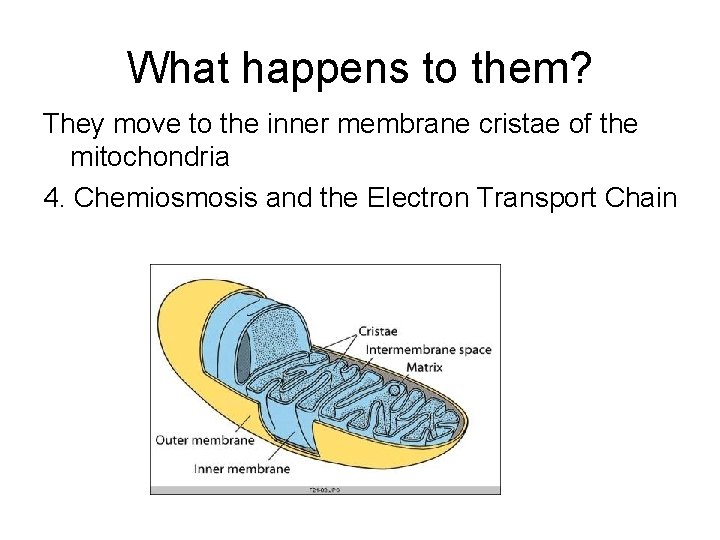
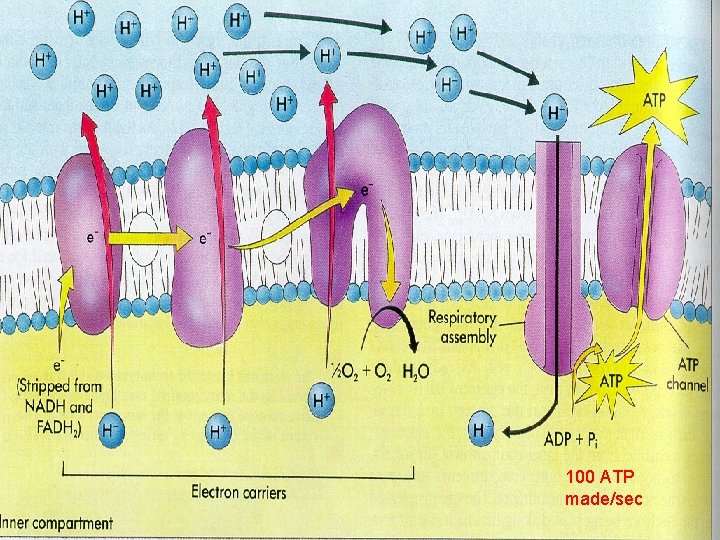
What happens to them? They move to the inner membrane cristae of the mitochondria 4. Chemiosmosis and the Electron Transport Chain
100 ATP made/sec
Electron Transport Chain • The electrons of H+s (of FADH 2 and NADH) are transferred from one membrane carrier to another membrane carrier (Cytochromes) • The electrons lose energy as they are transferred (like hot potato) • This energy drives membrane pumps involved with Chemiosmosis
Electron Transport Chain • Once the electrons have lost all energy they combine with O 2 and H+ to form H 2 O
Chemiosmosis • The creation of a concentration gradient of H+ ions across the inner membrane. This involves active pumping of H+s. • The H+s then diffuse down their concentration gradient through an ATP Synthase enzyme that produces ATP • Process produces about 32 ATP
• Electron Transport Chain Animation
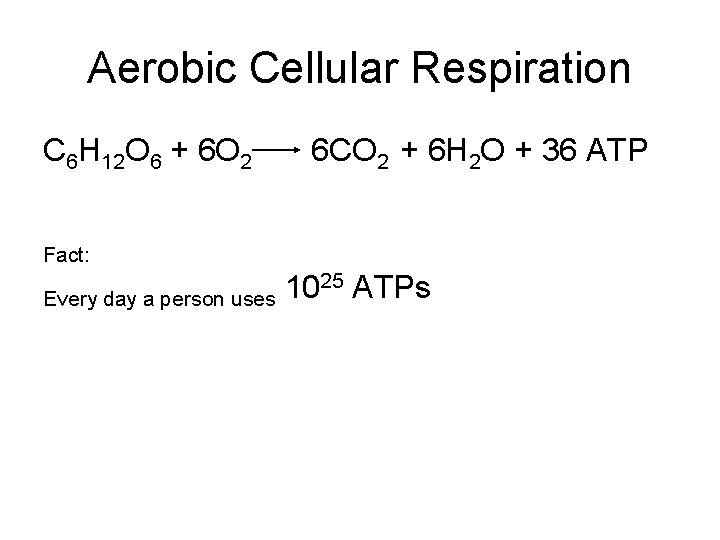
Aerobic Cellular Respiration C 6 H 12 O 6 + 6 O 2 6 CO 2 + 6 H 2 O + 36 ATP Fact: 25 ATPs 10 Every day a person uses
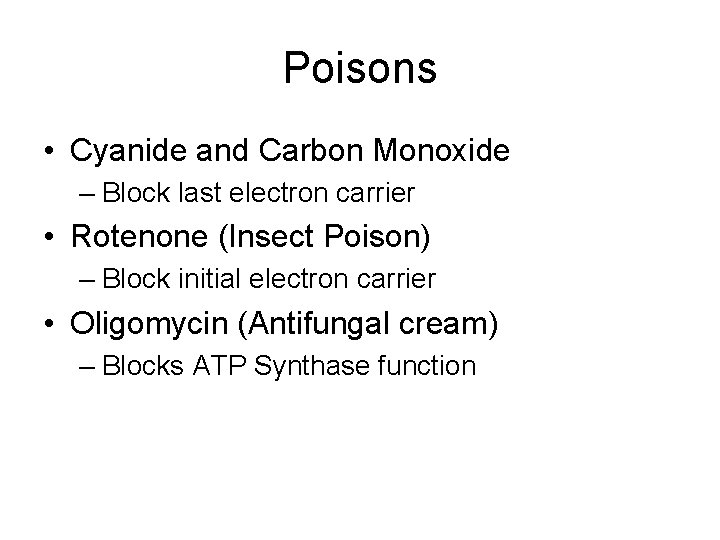
Poisons • Cyanide and Carbon Monoxide – Block last electron carrier • Rotenone (Insect Poison) – Block initial electron carrier • Oligomycin (Antifungal cream) – Blocks ATP Synthase function
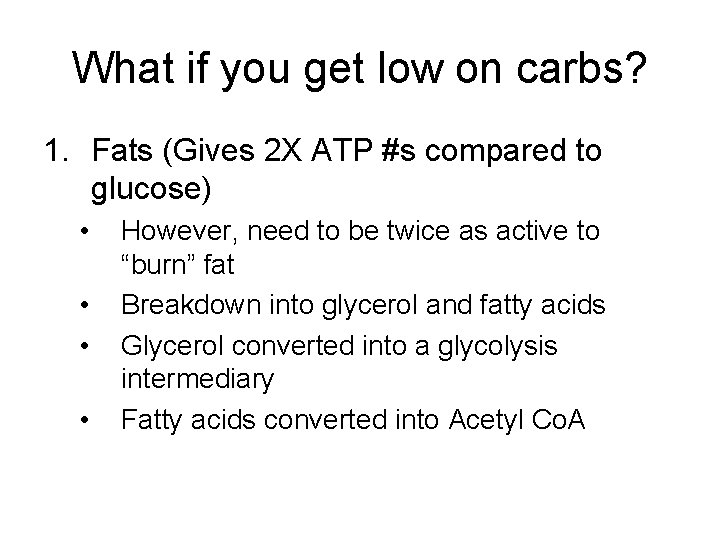
What if you get low on carbs? 1. Fats (Gives 2 X ATP #s compared to glucose) • • However, need to be twice as active to “burn” fat Breakdown into glycerol and fatty acids Glycerol converted into a glycolysis intermediary Fatty acids converted into Acetyl Co. A
What if you get low on carbs? 2. Proteins (yields same amount of ATP as carbs) NOT the preferred energy source Amino acids converted into: • Pyruvic Acid • Acetyl Co. A • Kreb’s Cycle Intermediary