
Cellular Respiration Cellular Respiration Background Catabolic reaction breaks
Cellular Respiration
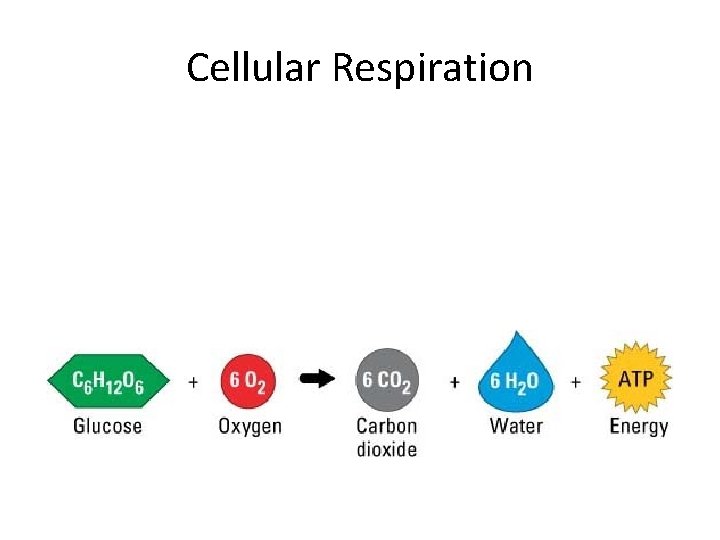
Cellular Respiration
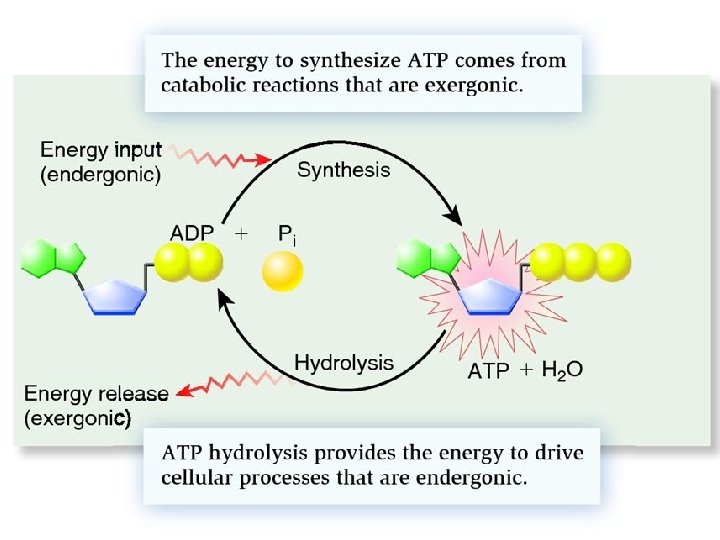
Background • • Catabolic reaction – breaks molecules down Anabolic reaction – adds molecules together Oxidation – loss of electron, gain of oxygen Reduction – gain of electron, loss of oxygen
Background • Phosphorylation – addition of a phosphate molecule to an organic molecule
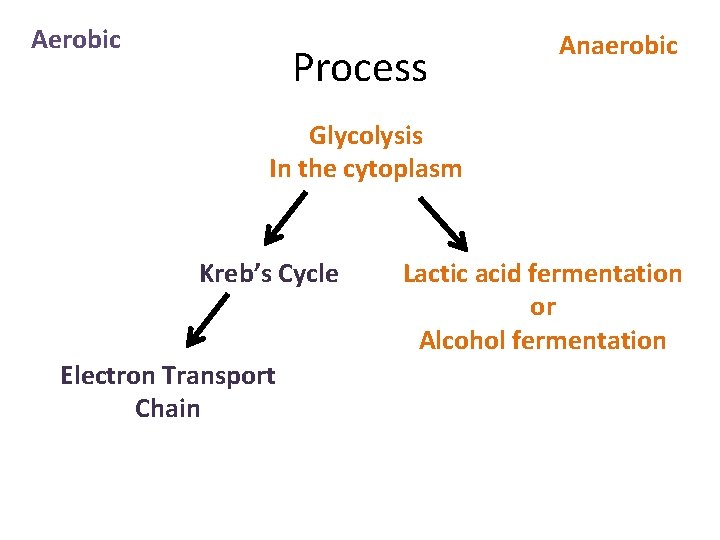
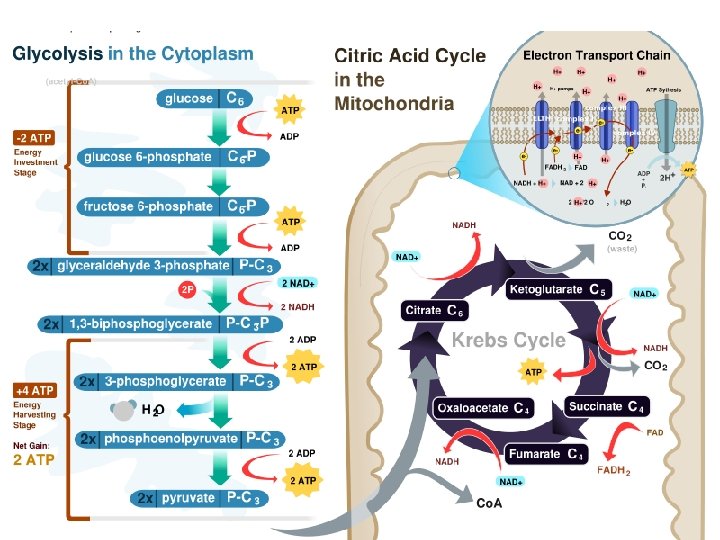
Aerobic Process Anaerobic Glycolysis In the cytoplasm Kreb’s Cycle Electron Transport Chain Lactic acid fermentation or Alcohol fermentation
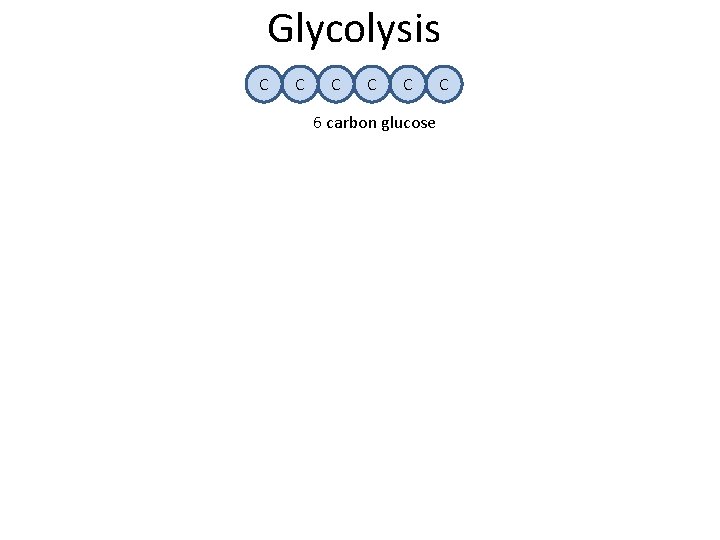
Glycolysis C C C 6 carbon glucose C
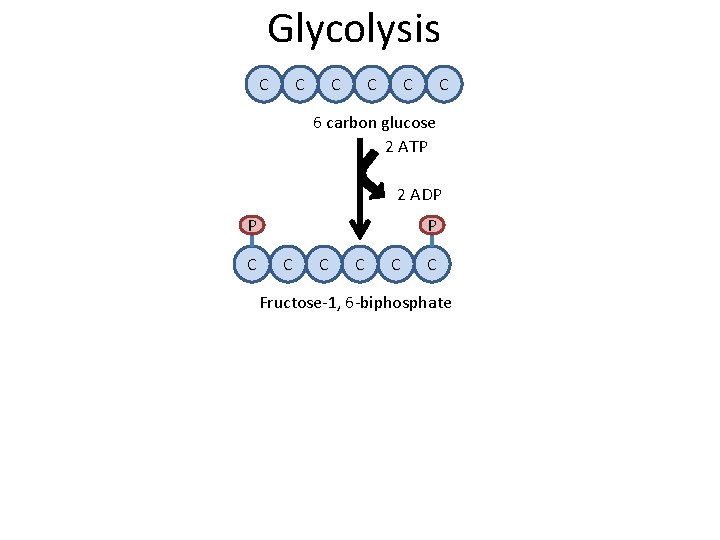
Glycolysis C C C 6 carbon glucose 2 ATP 2 ADP P C C C Fructose-1, 6 -biphosphate
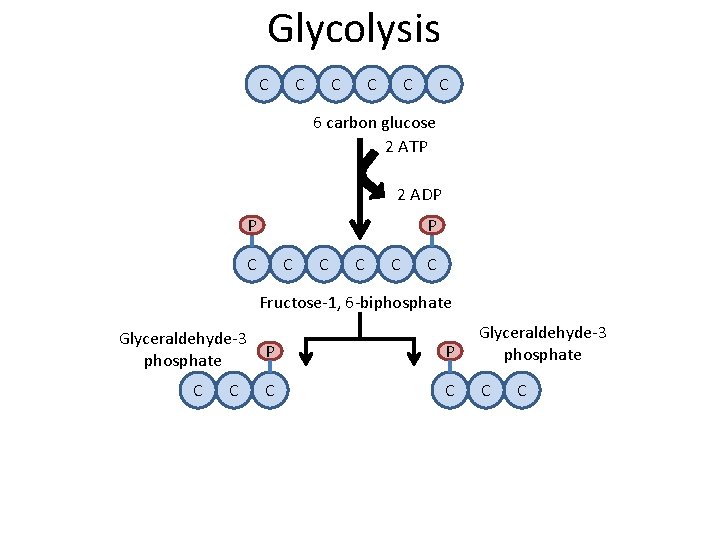
Glycolysis C C C 6 carbon glucose 2 ATP 2 ADP P P C C C Fructose-1, 6 -biphosphate Glyceraldehyde-3 phosphate C C P P Glyceraldehyde-3 phosphate C C
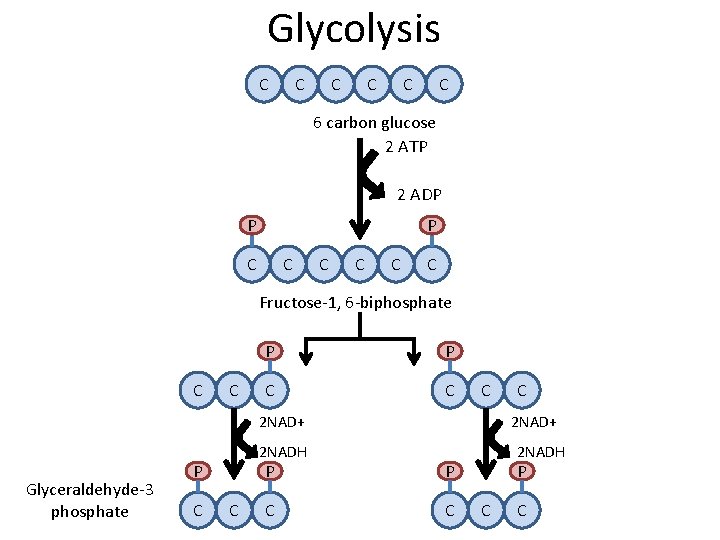
Glycolysis C C C 6 carbon glucose 2 ATP 2 ADP P P C C C Fructose-1, 6 -biphosphate C C P P C C C 2 NAD+ Glyceraldehyde-3 phosphate 2 NADH P C C C 2 NAD+ P P C C 2 NADH P C C
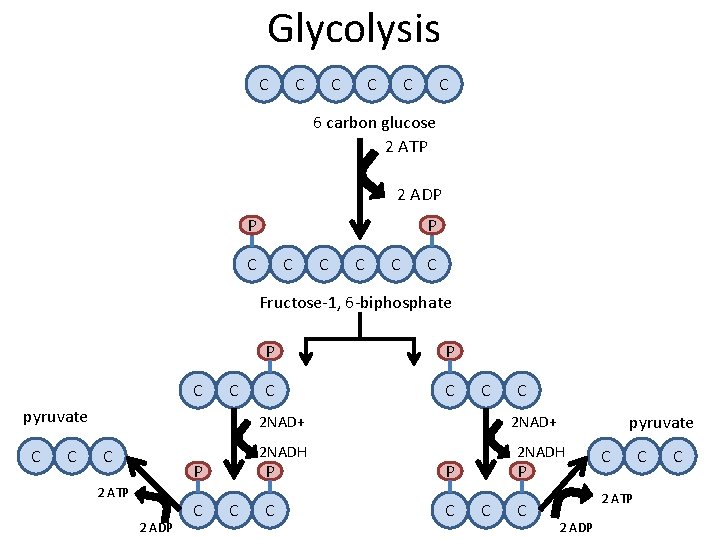
Glycolysis C C C 6 carbon glucose 2 ATP 2 ADP P P C C C Fructose-1, 6 -biphosphate C C pyruvate C C P P C C C 2 NAD+ C 2 NADH P 2 ATP 2 ADP C C C pyruvate 2 NAD+ 2 NADH P C C C 2 ATP 2 ADP C C
Glycolysis Overview 1. What kind of reaction is glycolysis? Why? 2. Where is glycolysis taking place in the cell? 3. What are the products of glycolysis?
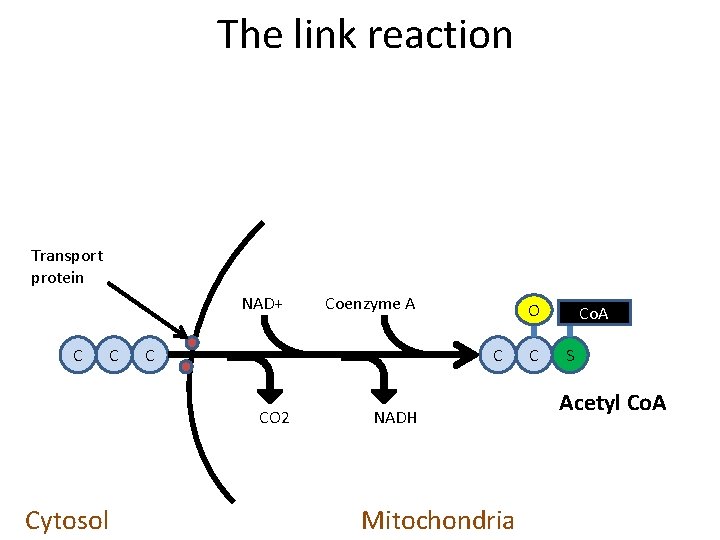
The link reaction Transport protein NAD+ C C C O C CO 2 Cytosol Coenzyme A NADH Mitochondria C Co. A S Acetyl Co. A
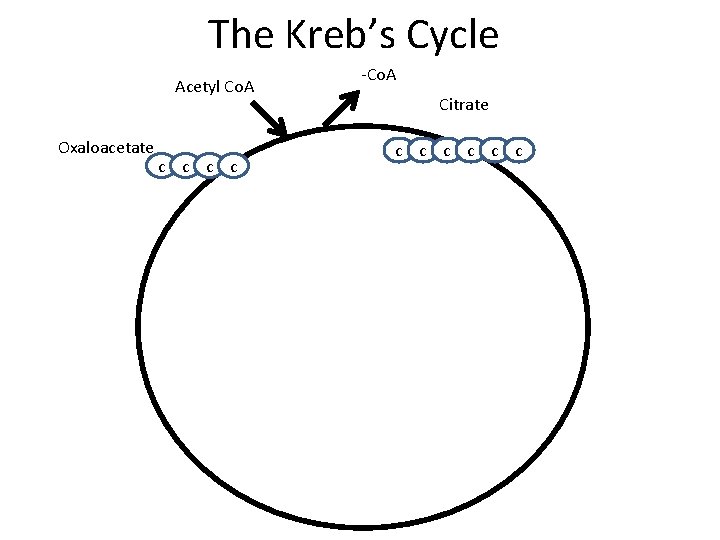
The Kreb’s Cycle Acetyl Co. A Oxaloacetate c c -Co. A Citrate c c c
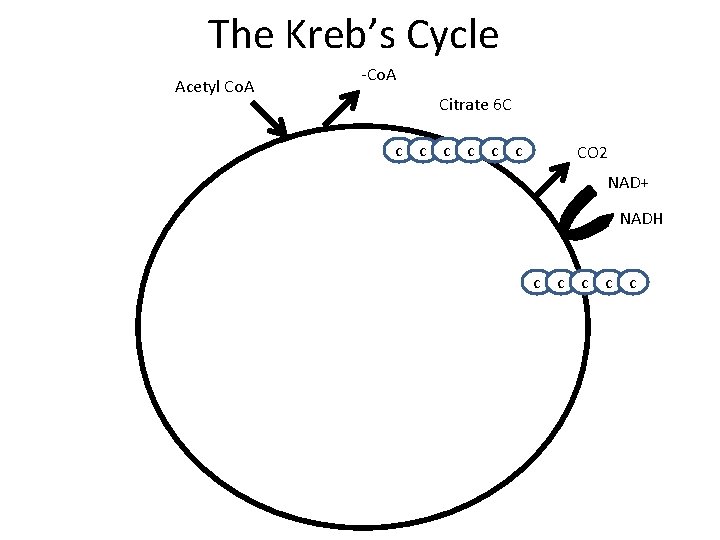
The Kreb’s Cycle Acetyl Co. A -Co. A Citrate 6 C c c c CO 2 NAD+ NADH c c c
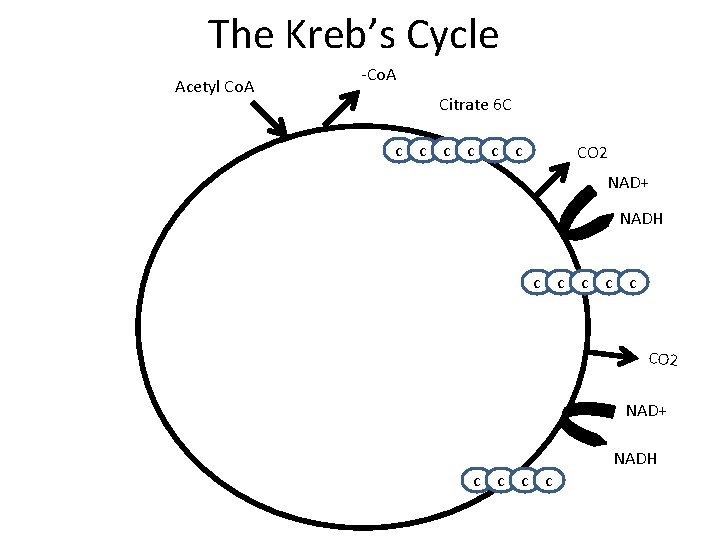
The Kreb’s Cycle Acetyl Co. A -Co. A Citrate 6 C c c c CO 2 NAD+ NADH c c c CO 2 NAD+ c c NADH
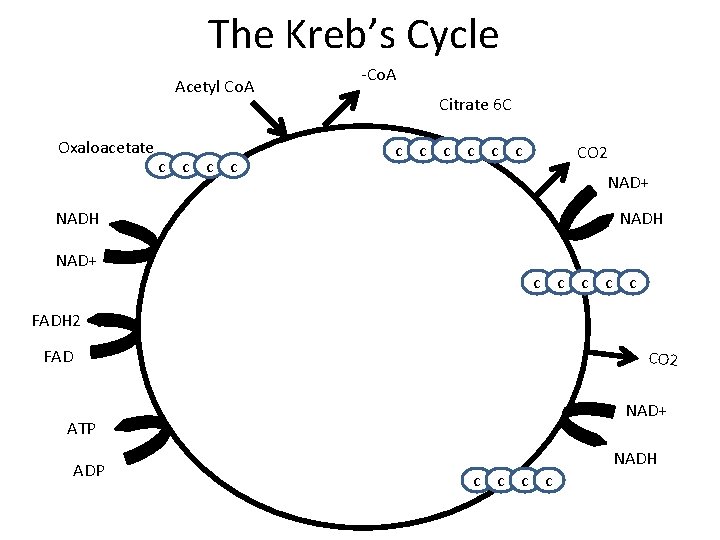
The Kreb’s Cycle Acetyl Co. A Oxaloacetate c c -Co. A Citrate 6 C c c c CO 2 NAD+ NADH c c c FADH 2 FAD CO 2 NAD+ ATP ADP c c NADH
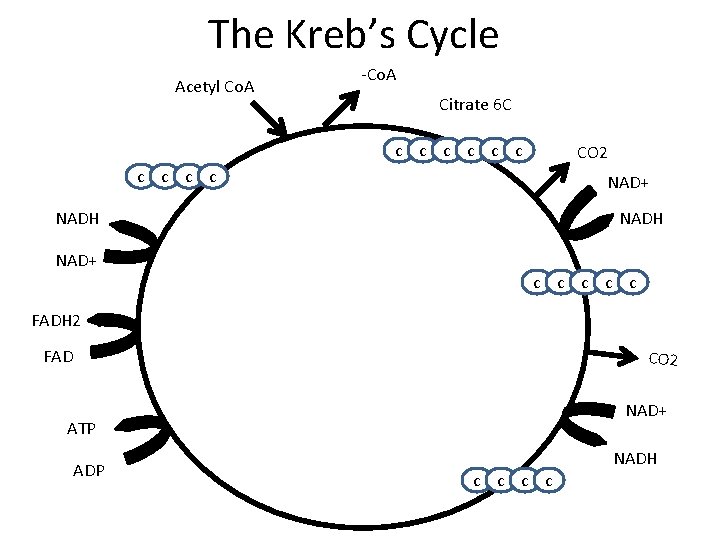
The Kreb’s Cycle Acetyl Co. A -Co. A Citrate 6 C c c c CO 2 c c NAD+ NADH c c c FADH 2 FAD CO 2 NAD+ ATP ADP c c NADH
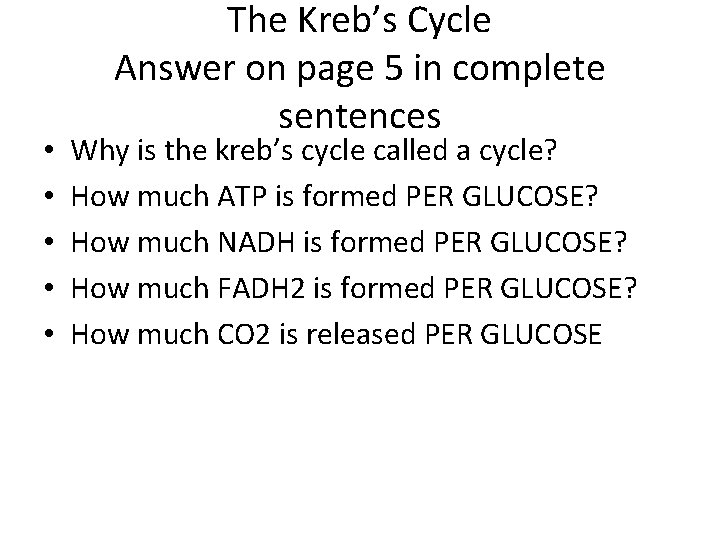
• • • The Kreb’s Cycle Answer on page 5 in complete sentences Why is the kreb’s cycle called a cycle? How much ATP is formed PER GLUCOSE? How much NADH is formed PER GLUCOSE? How much FADH 2 is formed PER GLUCOSE? How much CO 2 is released PER GLUCOSE
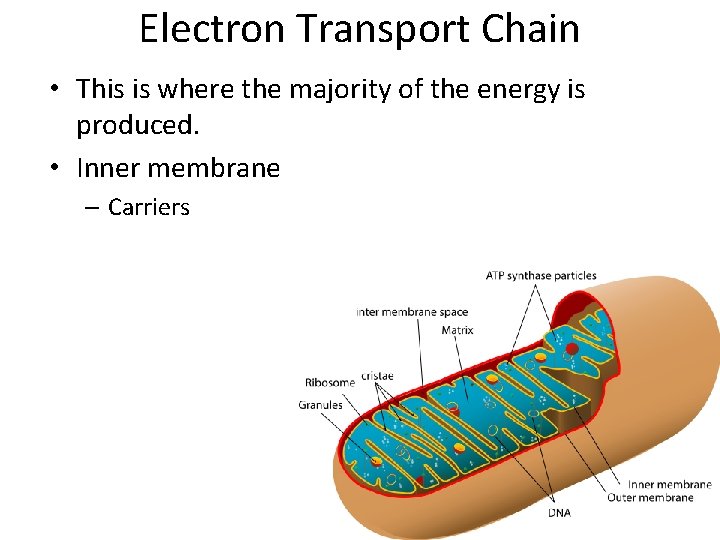
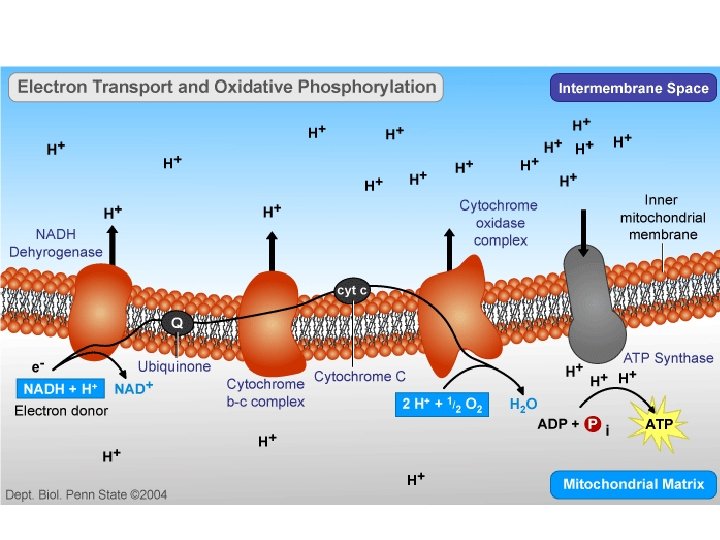
Electron Transport Chain • This is where the majority of the energy is produced. • Inner membrane – Carriers
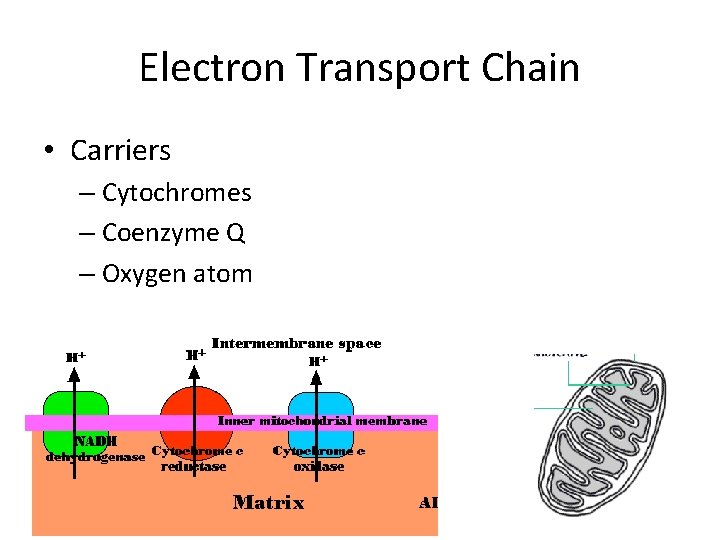
Electron Transport Chain • Carriers – Cytochromes – Coenzyme Q – Oxygen atom
Electron Transport Chain • Carriers – Easily reduced or oxidized – Close together – Pass electrons – NADH and FADH 2 – Electronegativity
Phosphorylation • The small amounts of energy released are used to carry out phosphorylation • Involves the movement of protons to provide energy for phosphorylation to occur. – Chemiosmosis • This specific phosphorylation is called oxidative phosphorylation
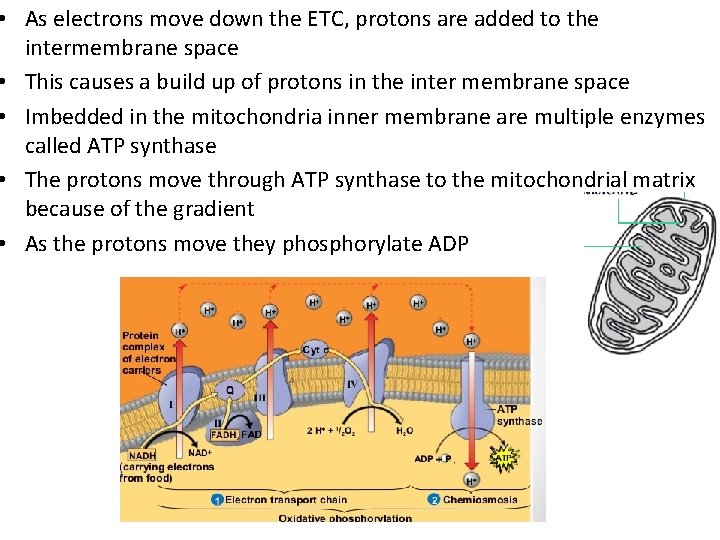
• As electrons move down the ETC, protons are added to the intermembrane space • This causes a build up of protons in the inter membrane space • Imbedded in the mitochondria inner membrane are multiple enzymes called ATP synthase • The protons move through ATP synthase to the mitochondrial matrix because of the gradient • As the protons move they phosphorylate ADP
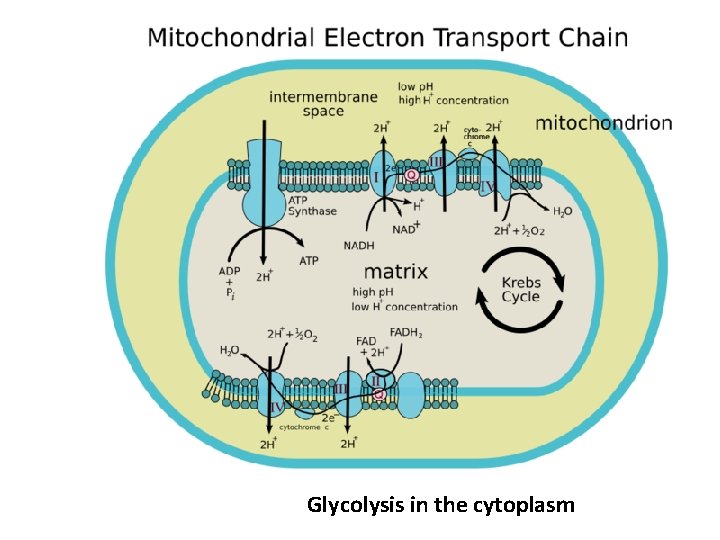
Glycolysis in the cytoplasm
Oxygen • What is the role of oxygen as the final electron acceptor?
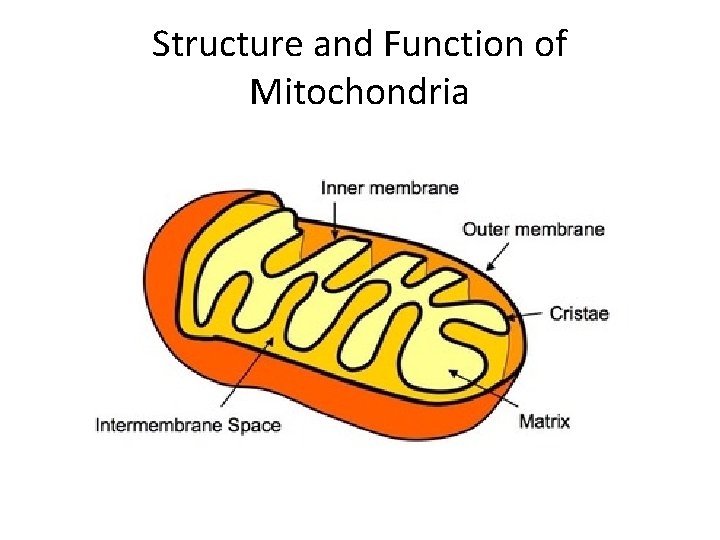
Structure and Function of Mitochondria
- Slides: 29