
Cellular Organization Five Levels of Organization Within the
- Slides: 17
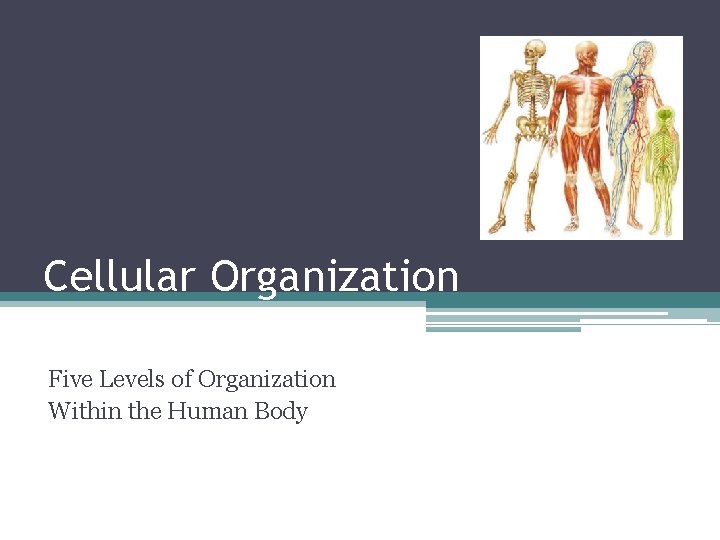
Cellular Organization Five Levels of Organization Within the Human Body
The Benefits of Being Multicellular • Larger size ▫ The larger you are, the less predators you have, and you can eat larger prey! • Longer life ▫ Longer life-span than unicellular organisms. • Specialization ▫ Each type of cell has a particular job. ▫ This makes the organism more efficient.
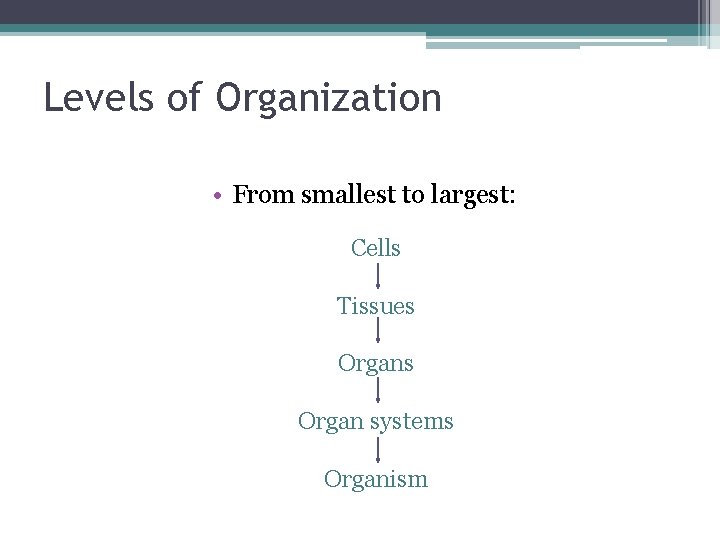
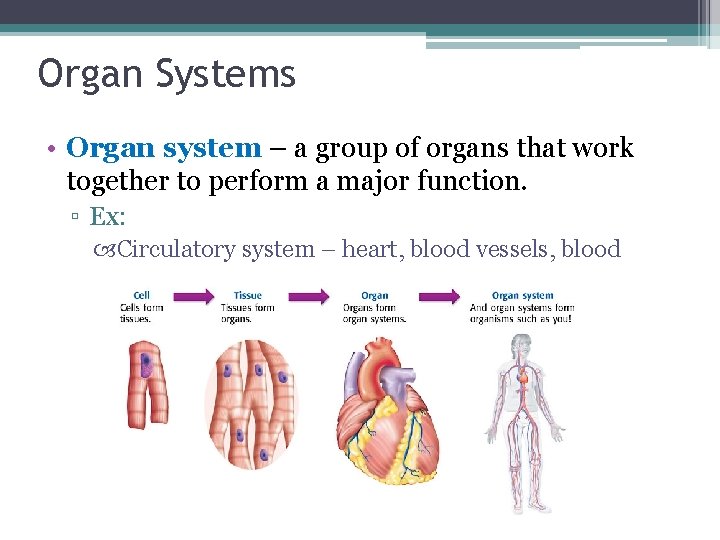
Levels of Organization • From smallest to largest: Cells Tissues Organ systems Organism
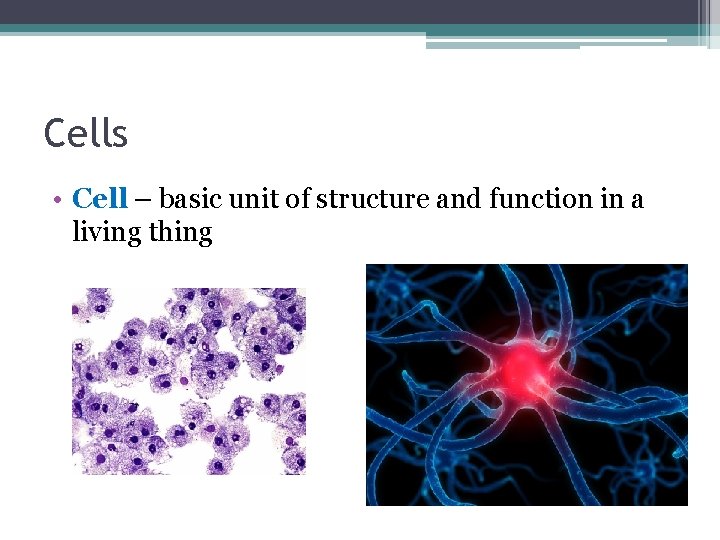
Cells • Cell – basic unit of structure and function in a living thing
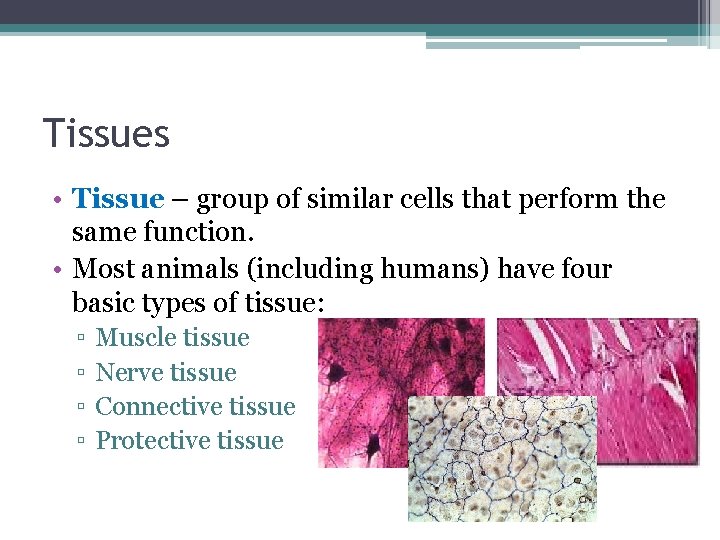
Tissues • Tissue – group of similar cells that perform the same function. • Most animals (including humans) have four basic types of tissue: ▫ ▫ Muscle tissue Nerve tissue Connective tissue Protective tissue
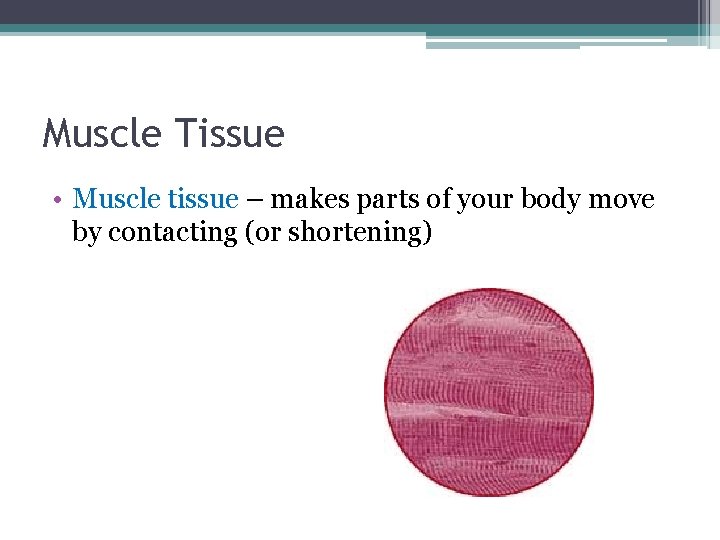
Muscle Tissue • Muscle tissue – makes parts of your body move by contacting (or shortening)
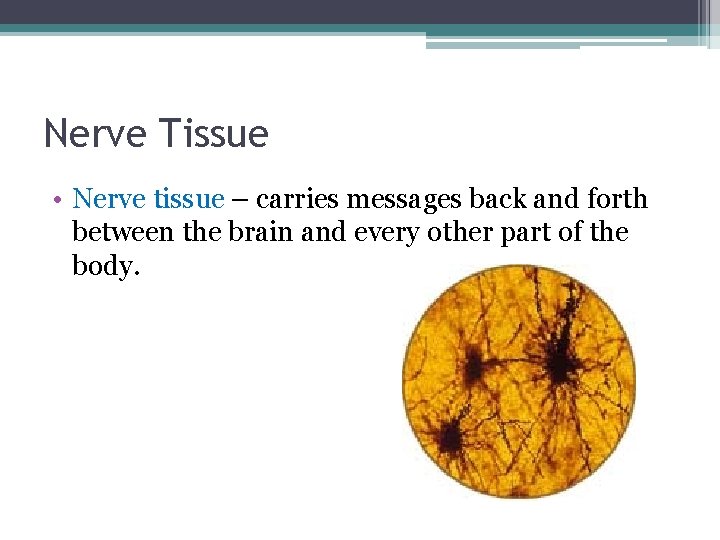
Nerve Tissue • Nerve tissue – carries messages back and forth between the brain and every other part of the body.
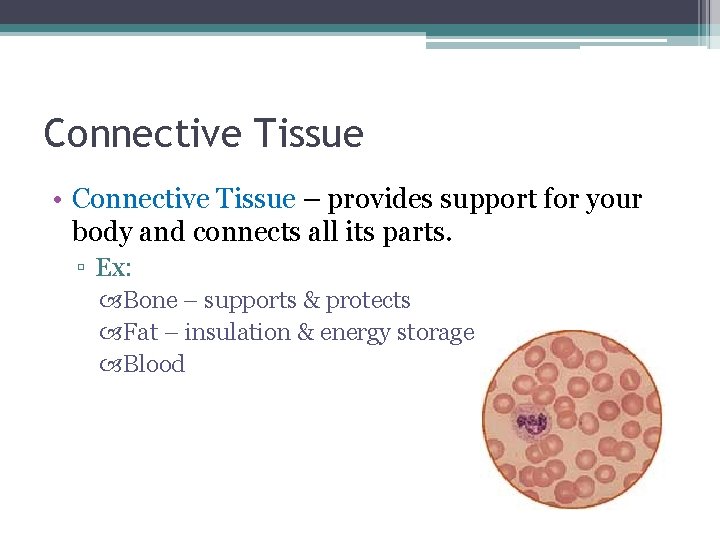
Connective Tissue • Connective Tissue – provides support for your body and connects all its parts. ▫ Ex: Bone – supports & protects Fat – insulation & energy storage Blood
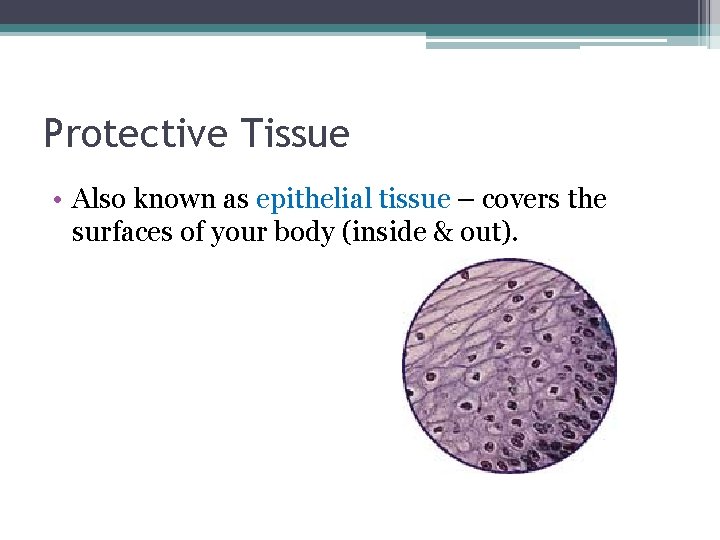
Protective Tissue • Also known as epithelial tissue – covers the surfaces of your body (inside & out).
Plant Tissues • Plants have three types of tissues: 1. Transport tissue - moves water and nutrients throughout the plant 2. Protective tissue – covers the plant; helps the plant retain water & protects it from damage 3. Ground tissue – tissue where photosynthesis occurs
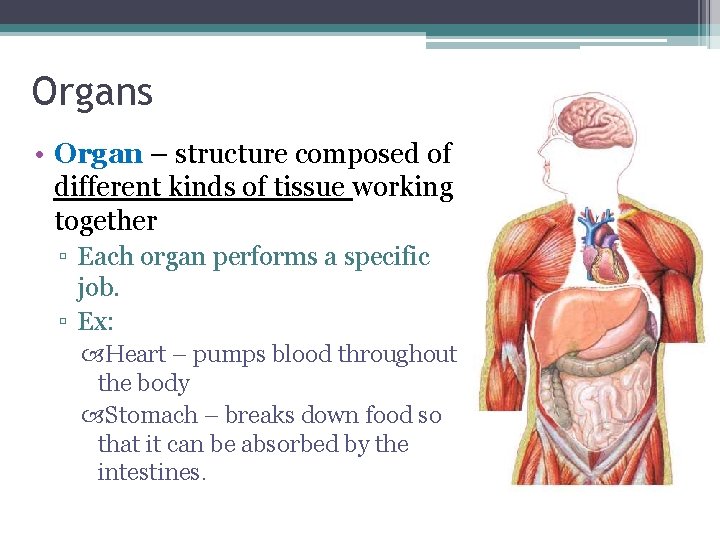
Organs • Organ – structure composed of different kinds of tissue working together ▫ Each organ performs a specific job. ▫ Ex: Heart – pumps blood throughout the body Stomach – breaks down food so that it can be absorbed by the intestines.
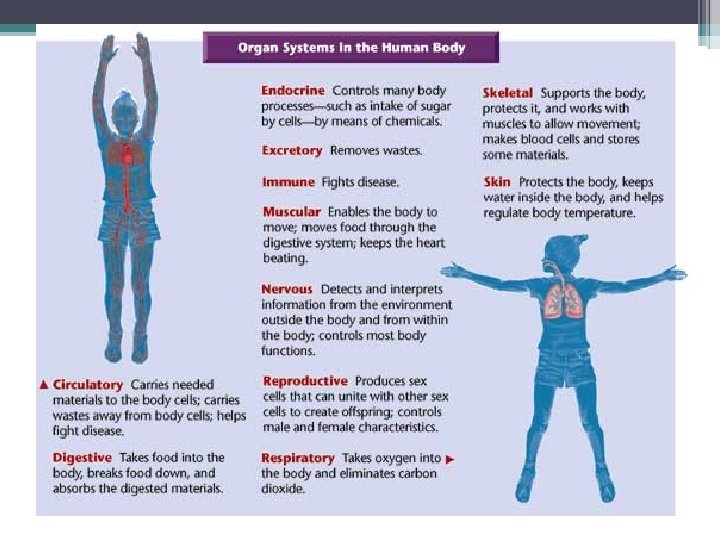
Organ Systems • Organ system – a group of organs that work together to perform a major function. ▫ Ex: Circulatory system – heart, blood vessels, blood
Organism • Organism - a living thing
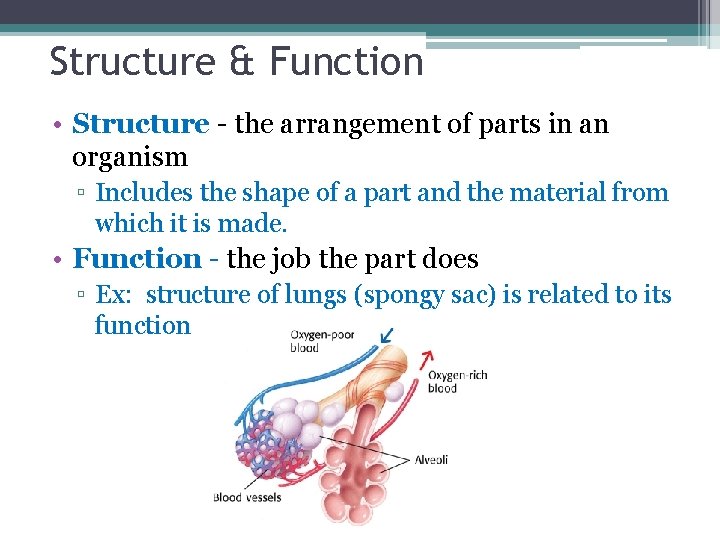
Structure & Function • Structure - the arrangement of parts in an organism ▫ Includes the shape of a part and the material from which it is made. • Function - the job the part does ▫ Ex: structure of lungs (spongy sac) is related to its function
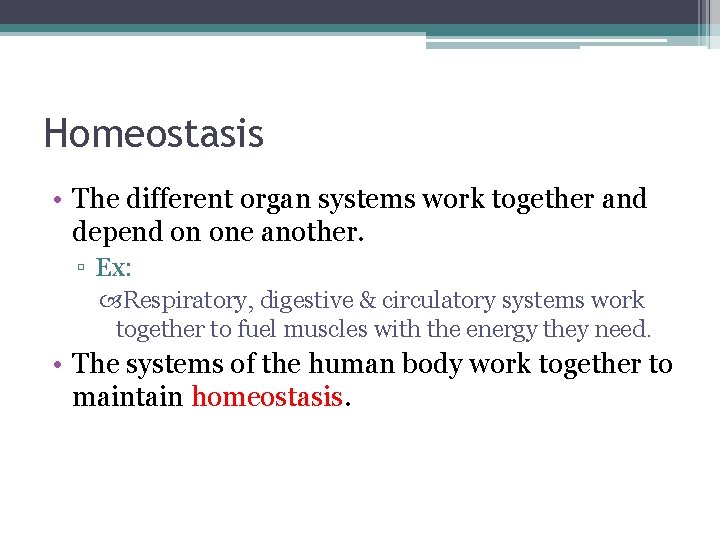
Homeostasis • The different organ systems work together and depend on one another. ▫ Ex: Respiratory, digestive & circulatory systems work together to fuel muscles with the energy they need. • The systems of the human body work together to maintain homeostasis.
Summary • In your groups, arrange the strips of paper into a “chain” to show the levels of organization in the human body.