
Cellular Mechanisms of Learning and the Biological Basis

Cellular Mechanisms of Learning and the Biological Basis of Individuality
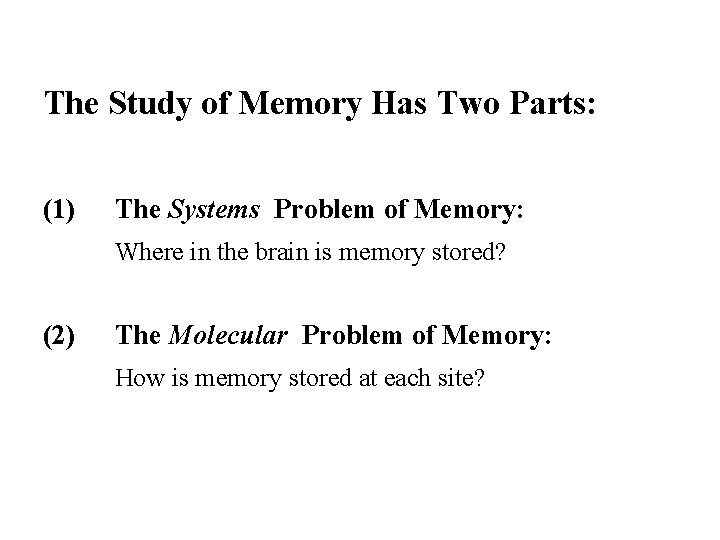
The Study of Memory Has Two Parts: (1) The Systems Problem of Memory: Where in the brain is memory stored? (2) The Molecular Problem of Memory: How is memory stored at each site?

Karl Lashley (1890 -1950)
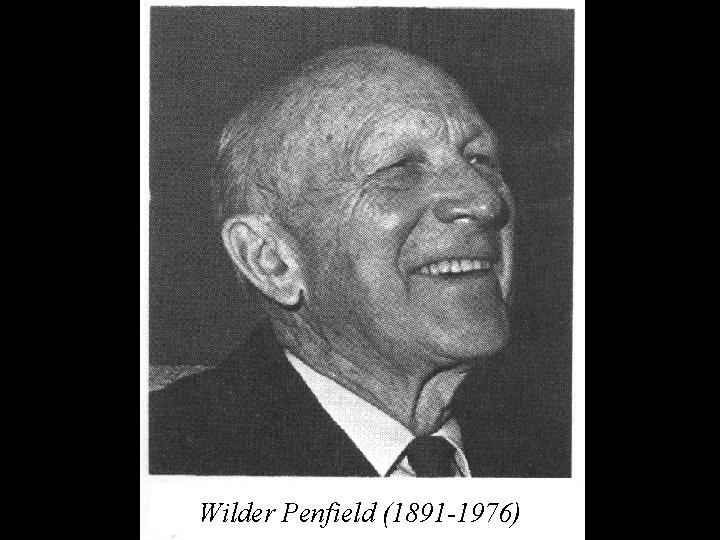
Wilder Penfield (1891 -1976)
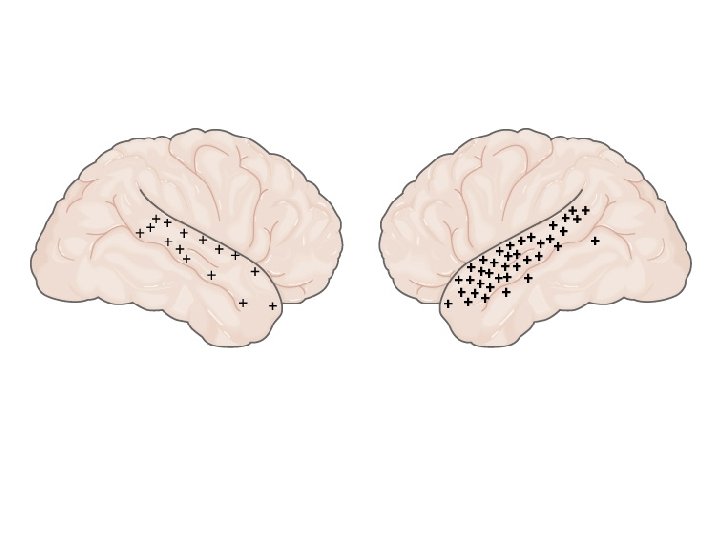
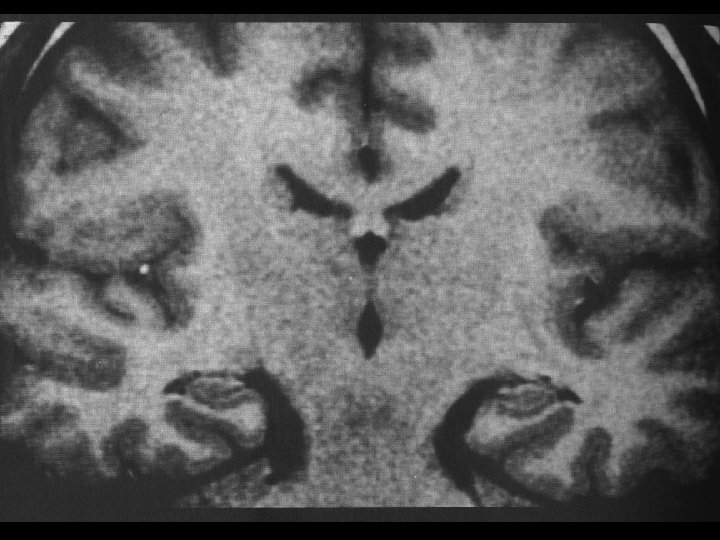
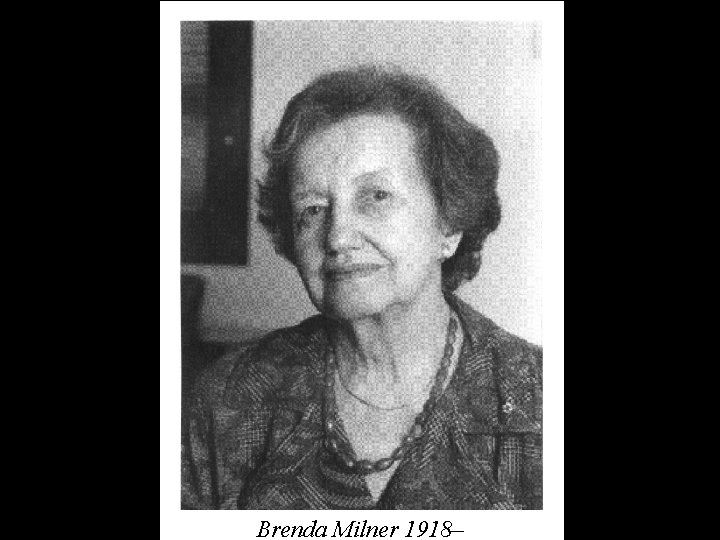
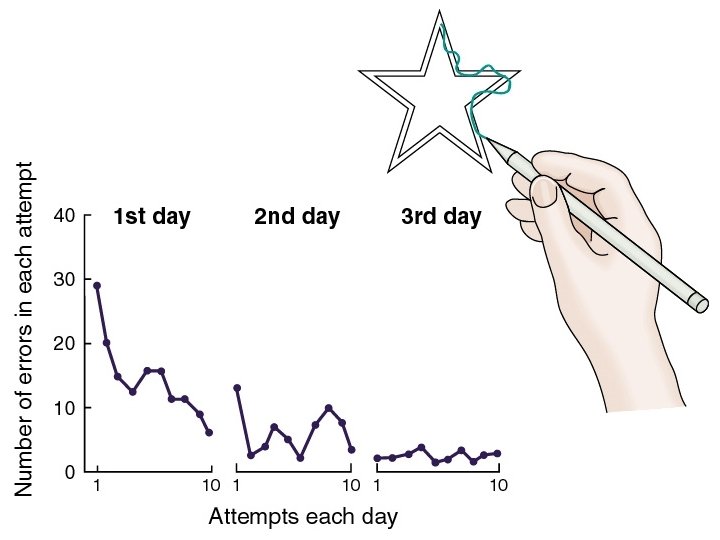
Brenda Milner 1918–
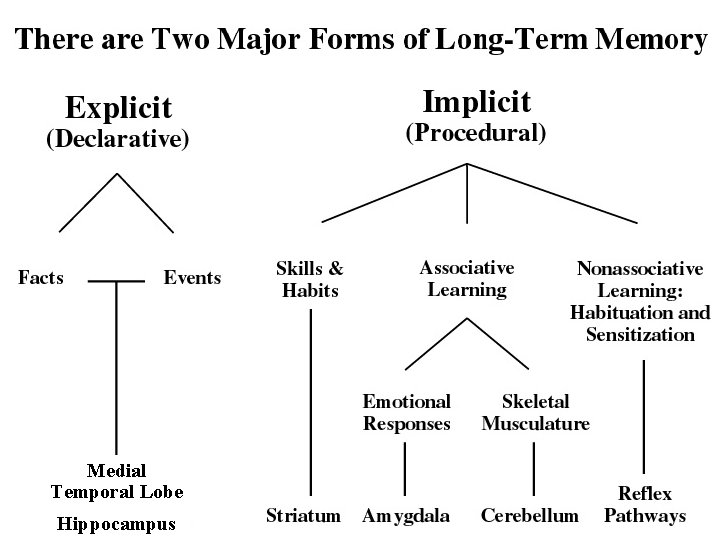
Medial Temporal Lobe Hippocampus
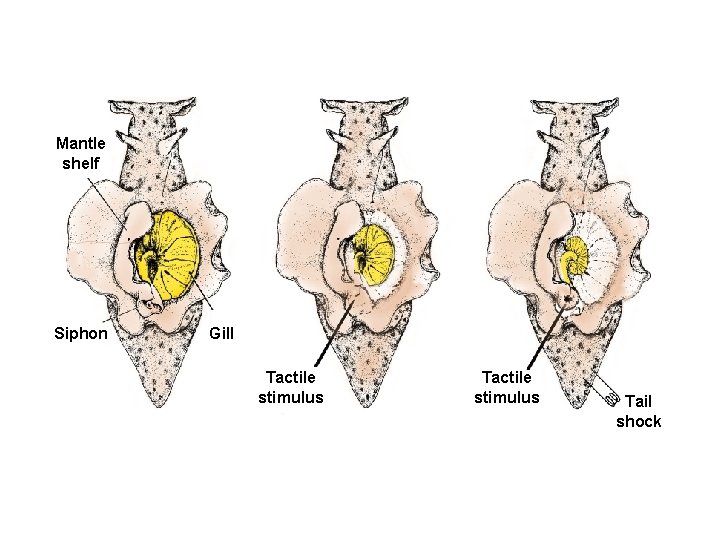
Mantle shelf Siphon Gill Tactile stimulus Tail shock
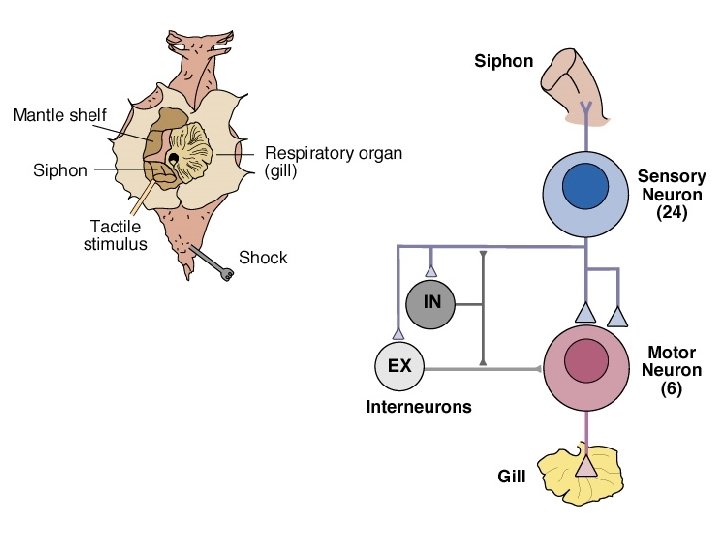
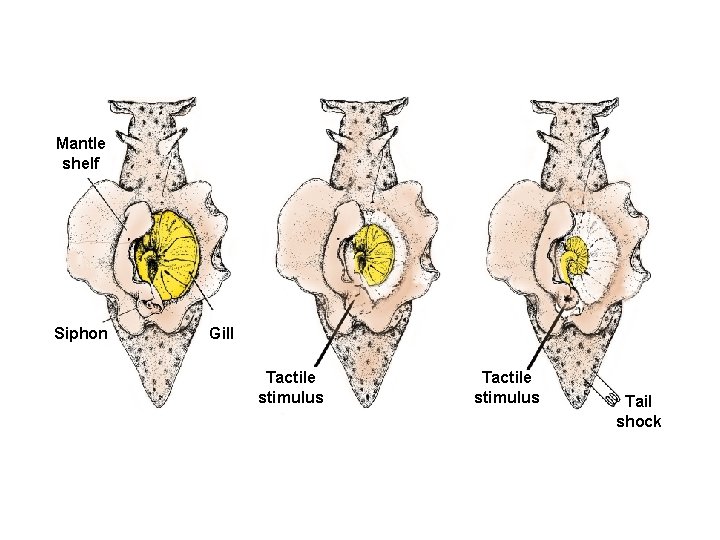
Mantle shelf Siphon Gill Tactile stimulus Tail shock
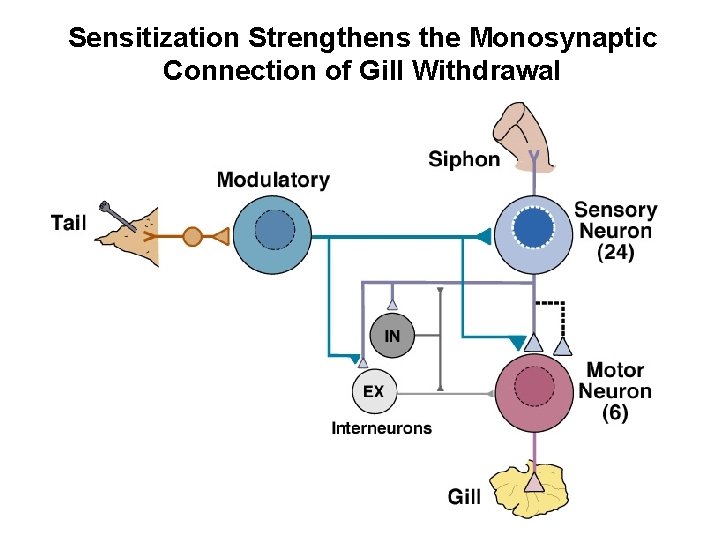
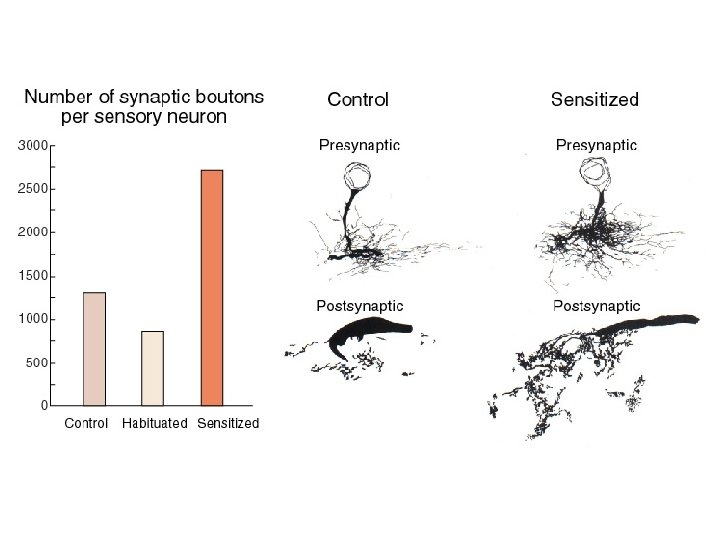
Sensitization Strengthens the Monosynaptic Connection of Gill Withdrawal
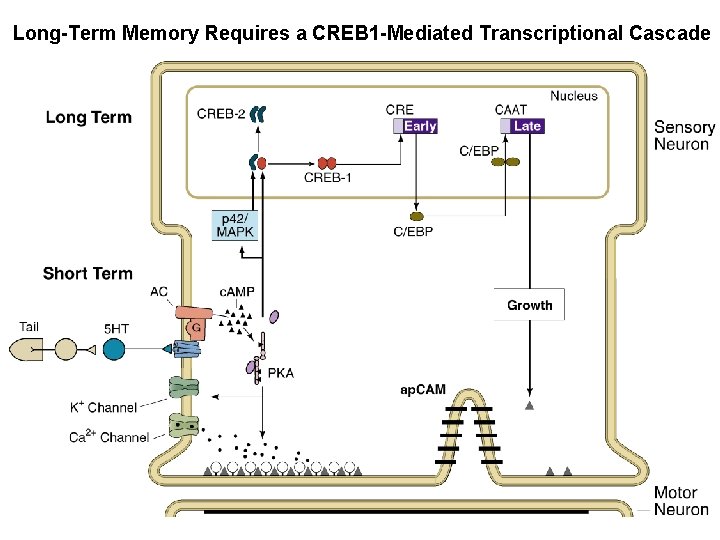
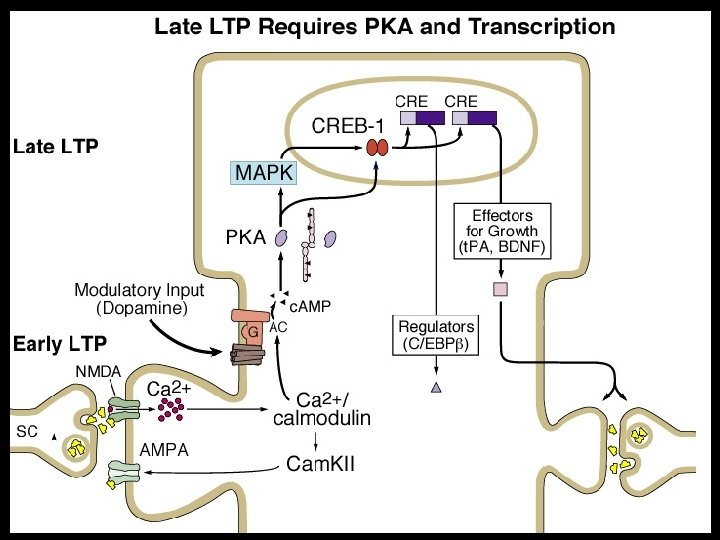
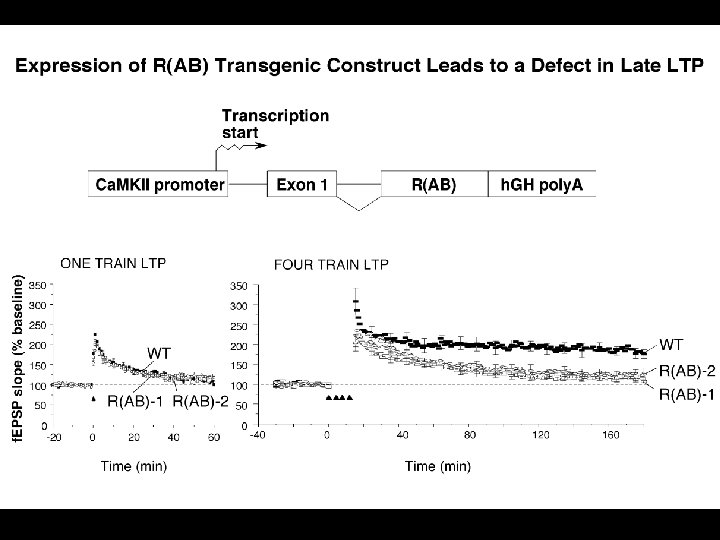
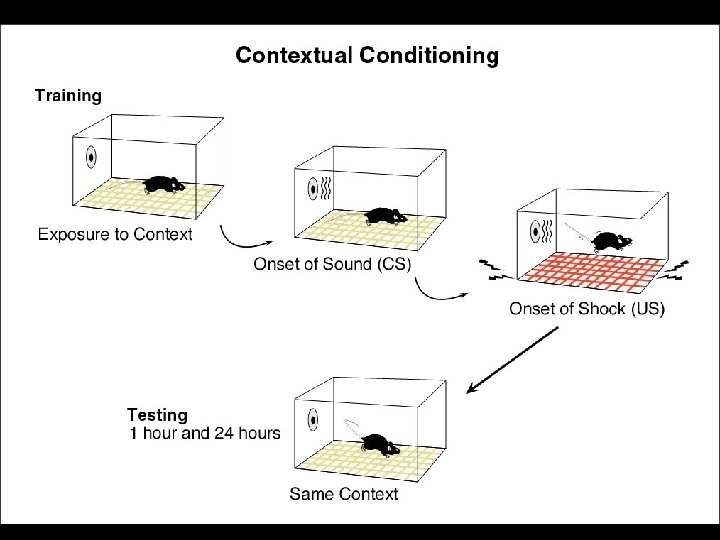
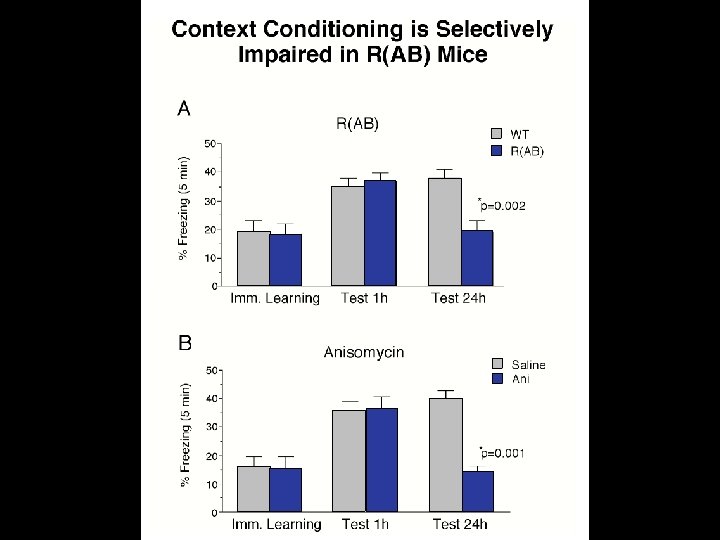
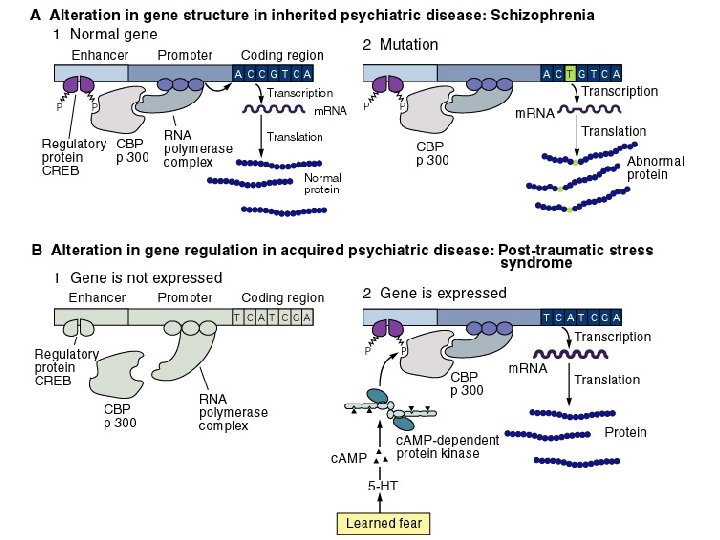
Long-Term Memory Requires a CREB 1 -Mediated Transcriptional Cascade
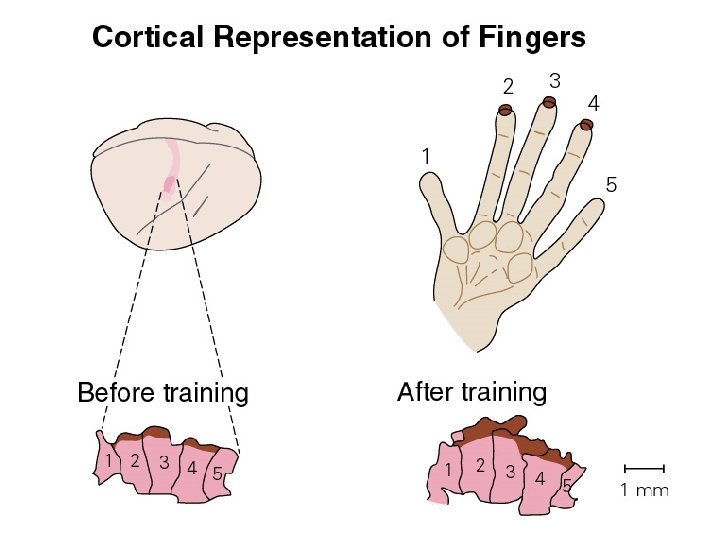
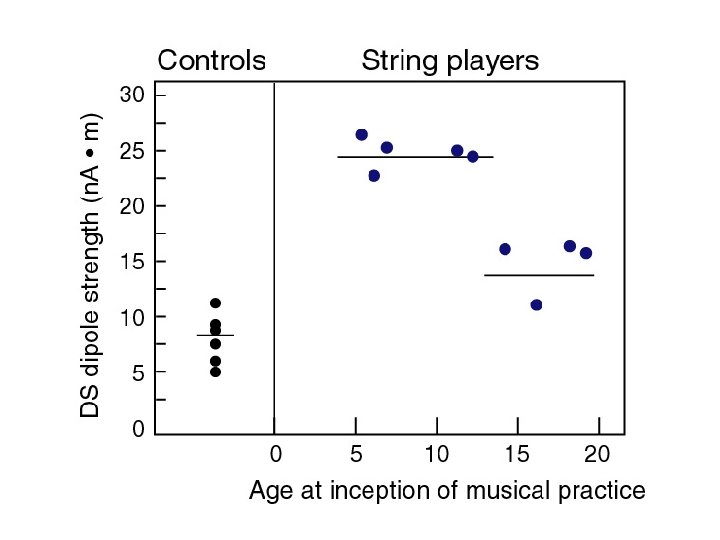
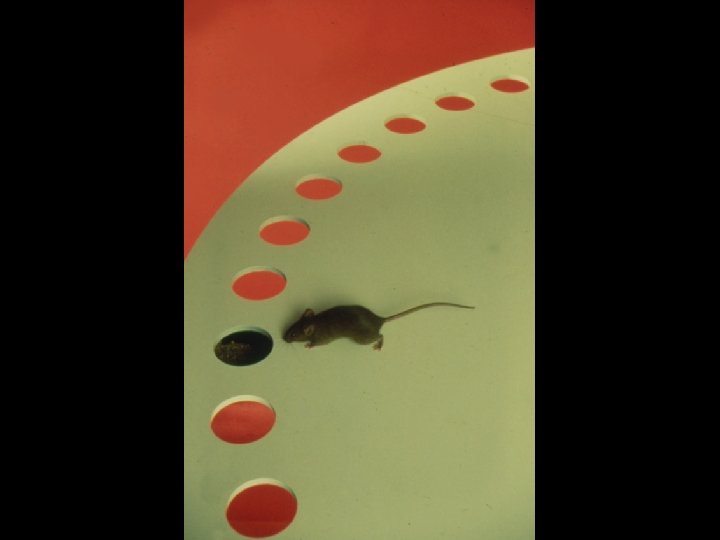
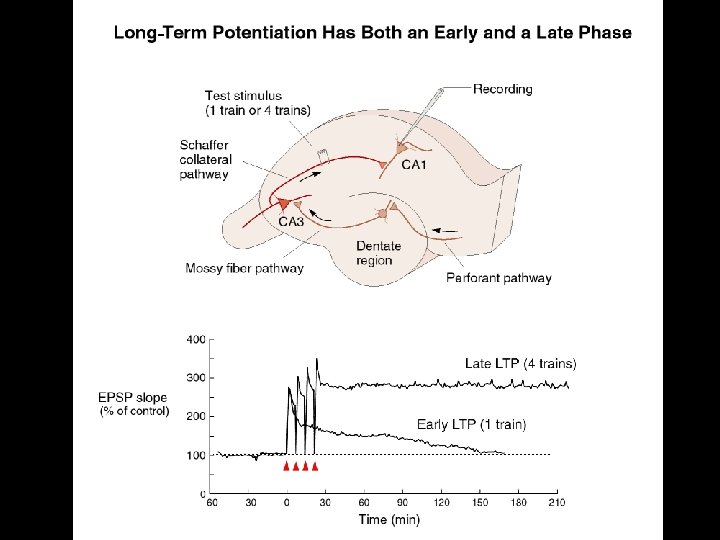
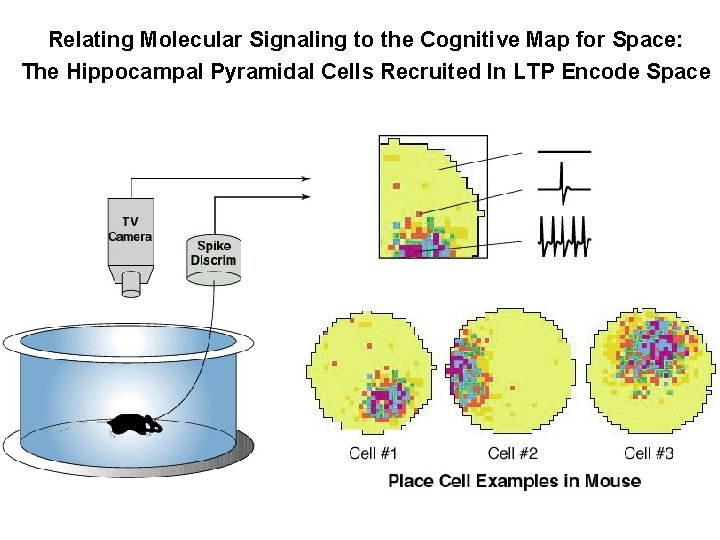
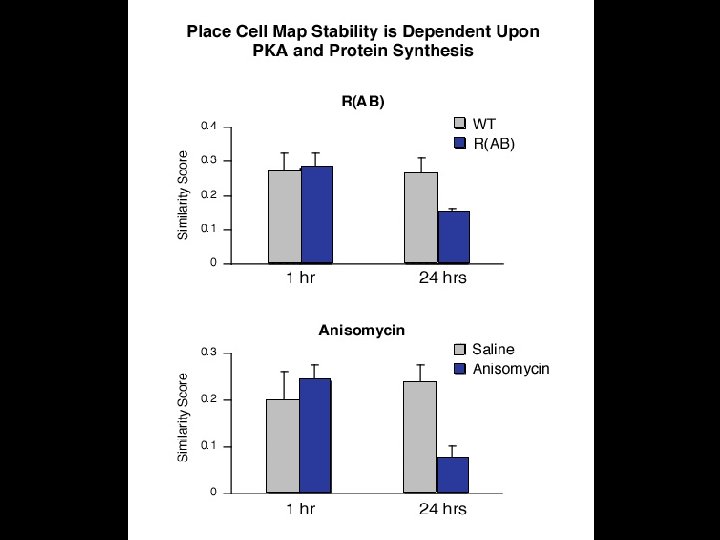
Relating Molecular Signaling to the Cognitive Map for Space: The Hippocampal Pyramidal Cells Recruited In LTP Encode Space
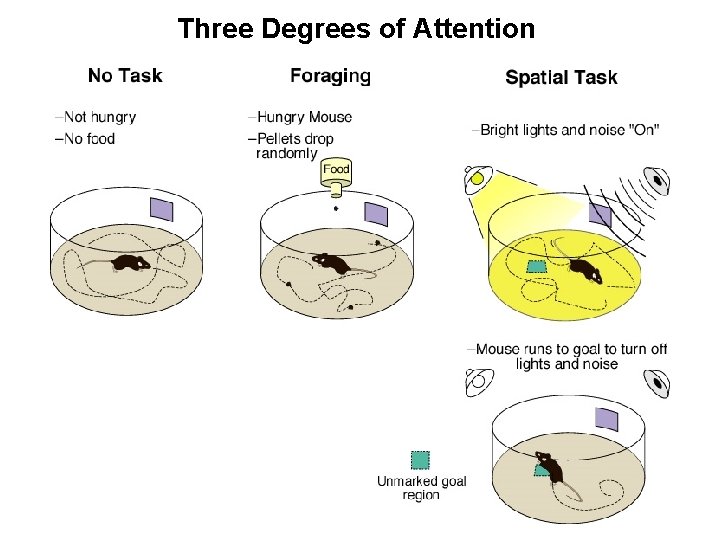
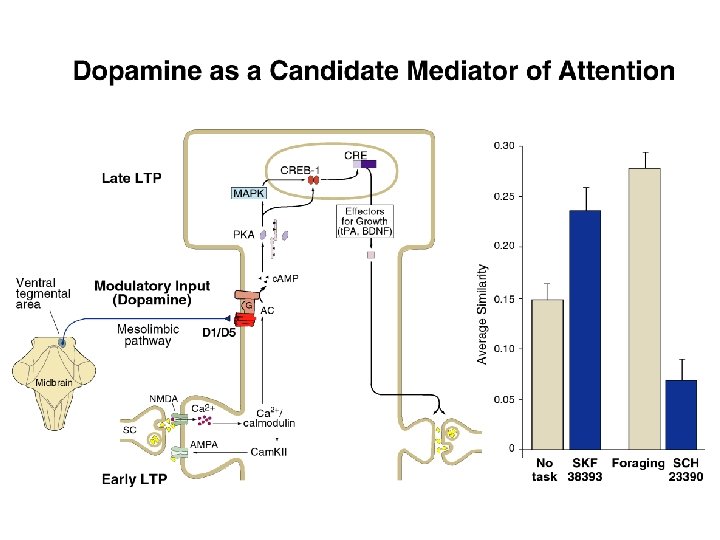
Three Degrees of Attention
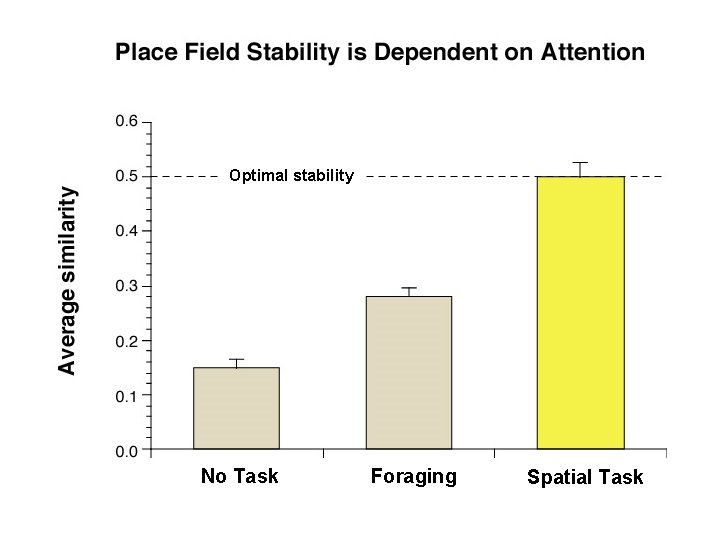
Optimal stability No Task Foraging Spatial Task
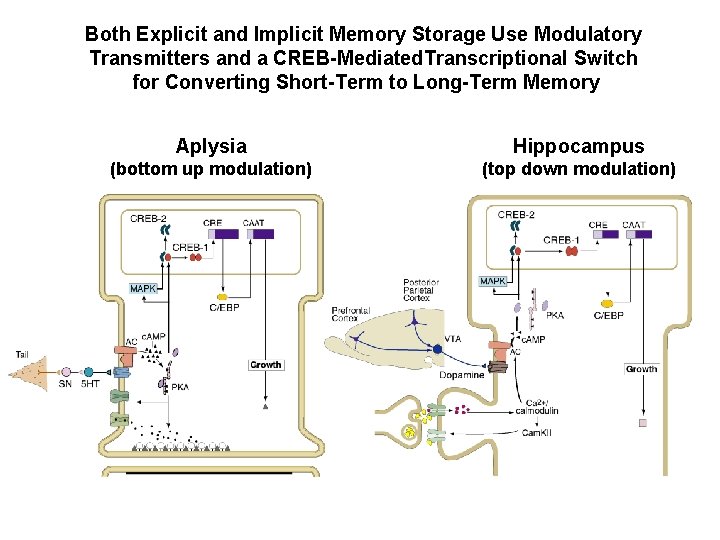
Both Explicit and Implicit Memory Storage Use Modulatory Transmitters and a CREB-Mediated. Transcriptional Switch for Converting Short-Term to Long-Term Memory Aplysia Hippocampus (bottom up modulation) (top down modulation)
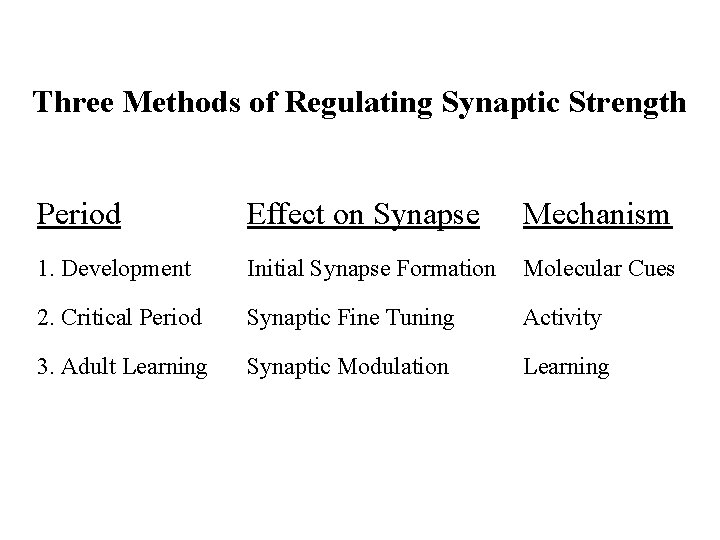
Three Methods of Regulating Synaptic Strength Period Effect on Synapse Mechanism 1. Development Initial Synapse Formation Molecular Cues 2. Critical Period Synaptic Fine Tuning Activity 3. Adult Learning Synaptic Modulation Learning

- Slides: 39