
Cells Unit 5 1 MC 2 B 1Construct
Cells Unit 5
1. MC. 2. B. 1—Construct a hierarchy of life from cells to ecosystems.
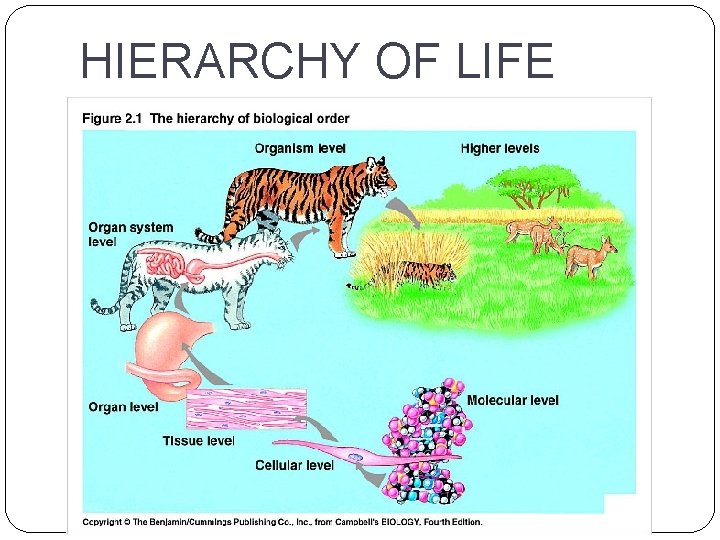
HIERARCHY OF LIFE
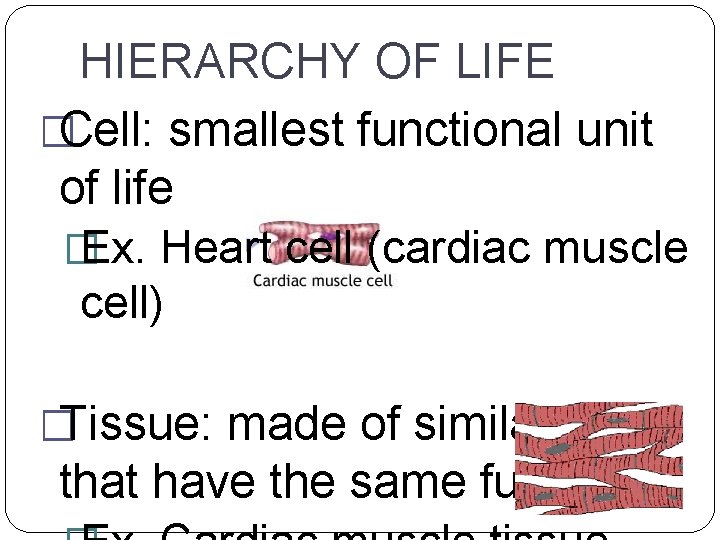
HIERARCHY OF LIFE �Cell: smallest functional unit of life � Ex. Heart cell (cardiac muscle cell) �Tissue: made of similar cells that have the same function
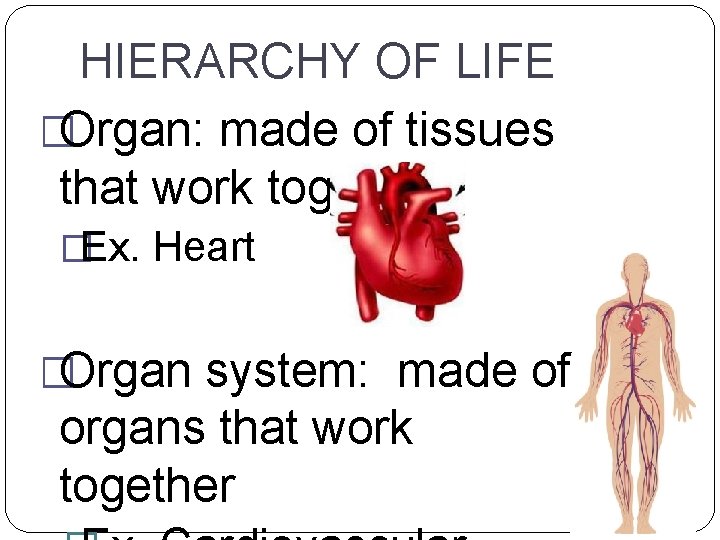
HIERARCHY OF LIFE �Organ: made of tissues that work together �Ex. Heart �Organ system: made of organs that work together
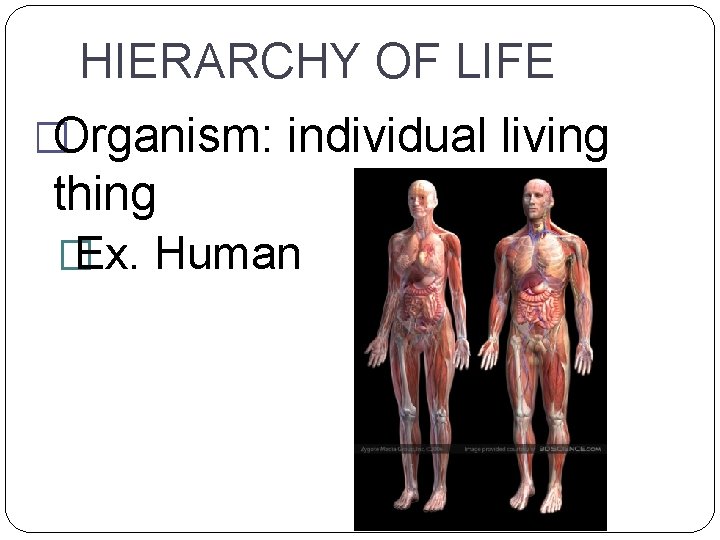
HIERARCHY OF LIFE �Organism: individual living thing � Ex. Human
2. NS. 12. B. 4—Relate the development of the cell theory to current trends in cellular biology.
CELL THEORY � 3 parts to the cell theory: � 1. The cell is the basic unit of life � 2. All living things are made of cells � 3. Cells come from pre-existing cells
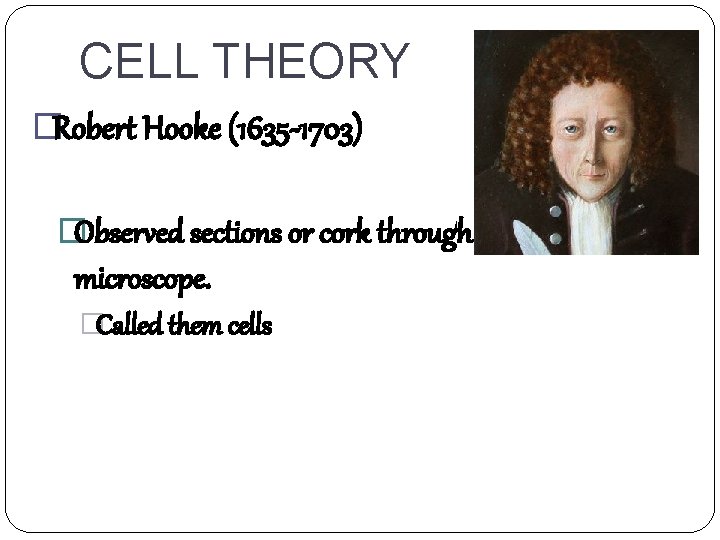
CELL THEORY �Robert Hooke (1635 -1703) �Observed sections or cork through a microscope. �Called them cells
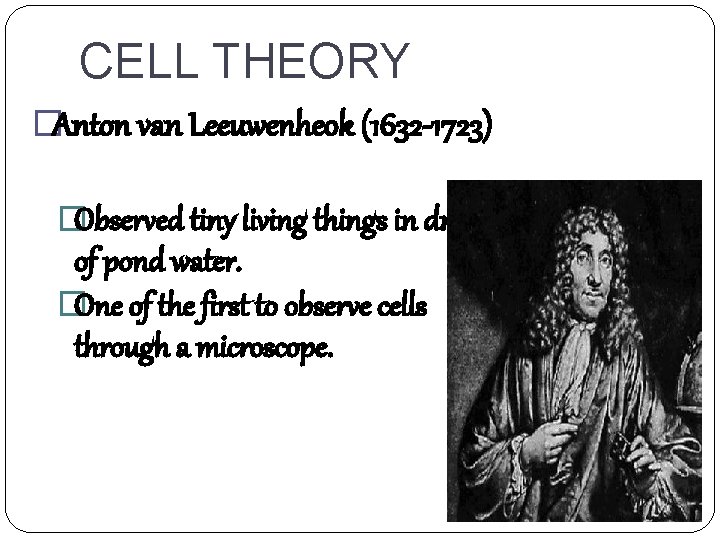
CELL THEORY �Anton van Leeuwenheok (1632 -1723) �Observed tiny living things in drops of pond water. �One of the first to observe cells through a microscope.
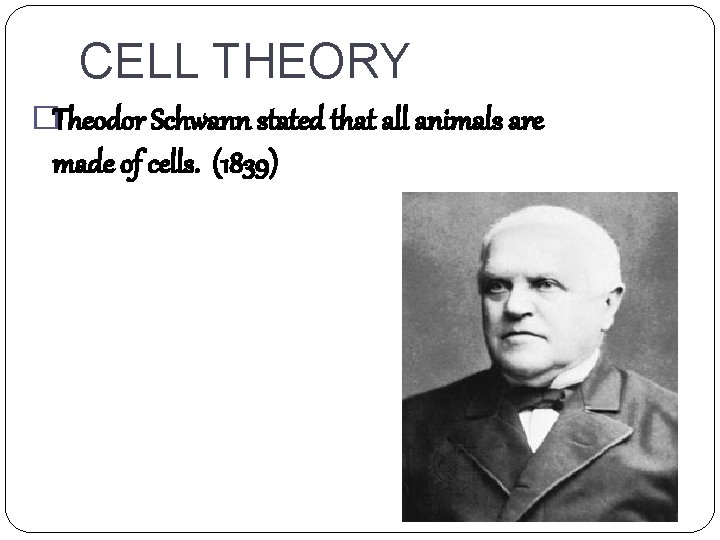
CELL THEORY �Theodor Schwann stated that all animals are made of cells. (1839)
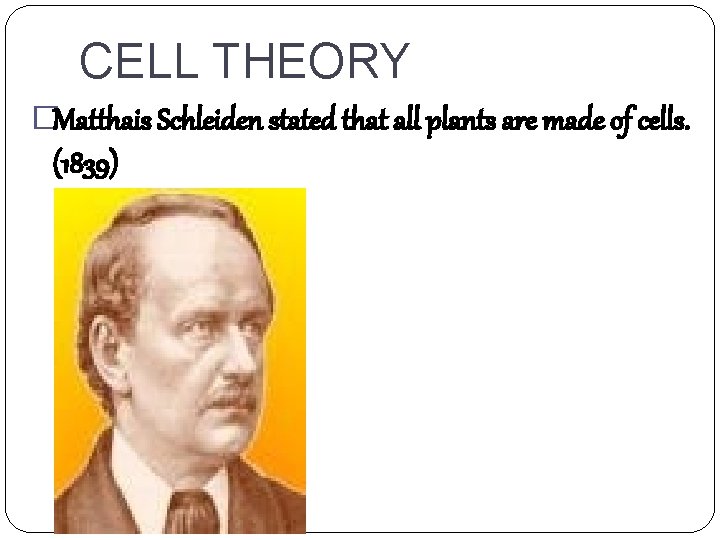
CELL THEORY �Matthais Schleiden stated that all plants are made of cells. (1839)
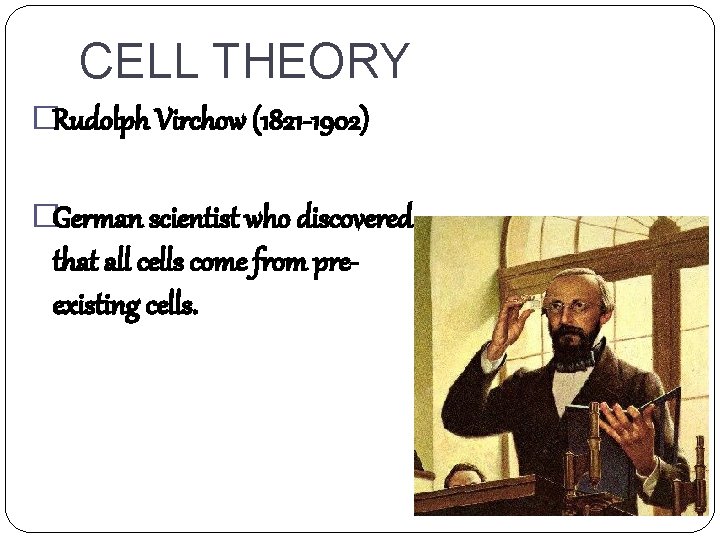
CELL THEORY �Rudolph Virchow (1821 -1902) �German scientist who discovered that all cells come from preexisting cells.
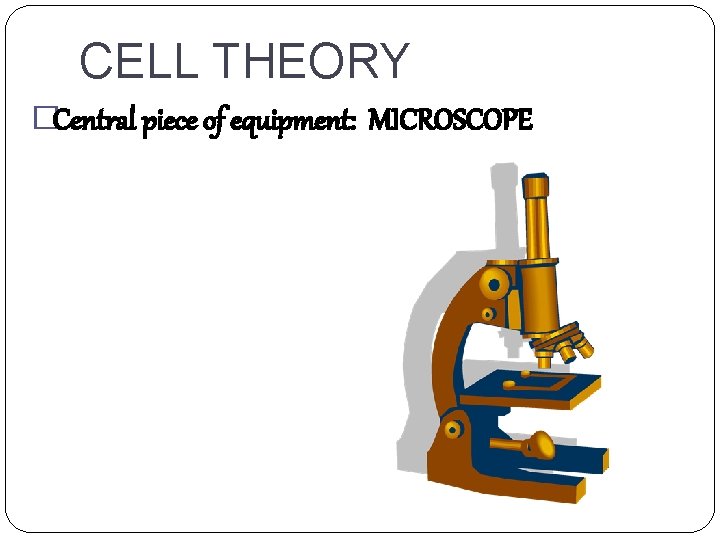
CELL THEORY �Central piece of equipment: MICROSCOPE
3. MC. 2. B. 2—Relate Compare and contrast prokaryotes and eukaryotes.
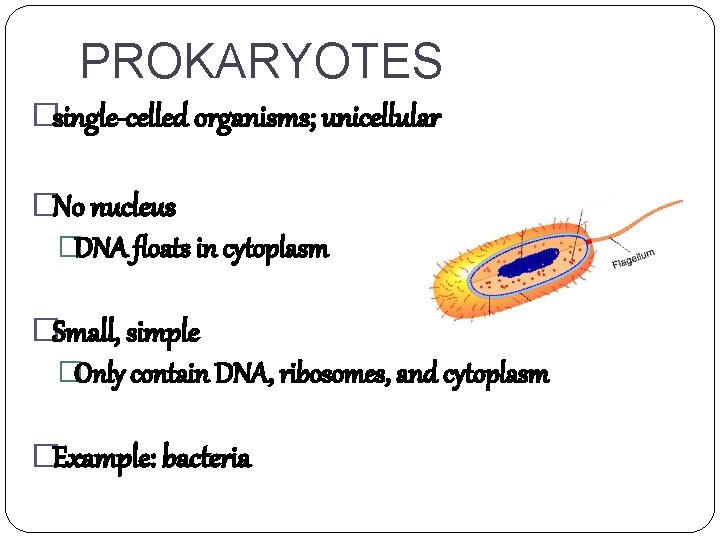
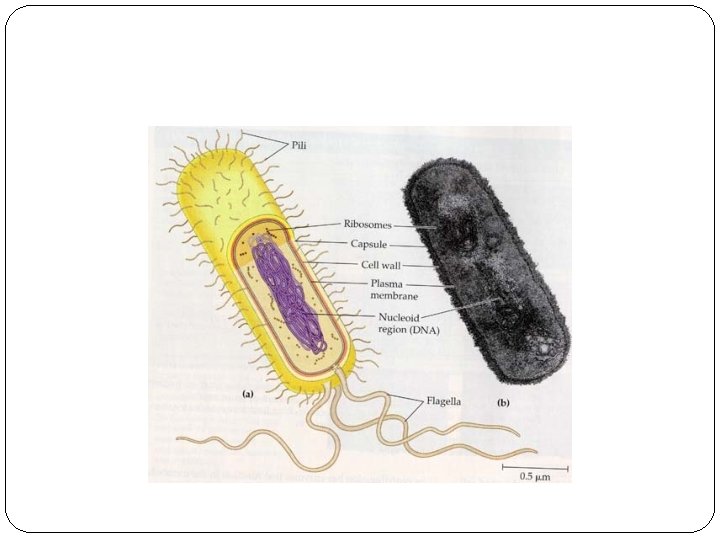
PROKARYOTES �single-celled organisms; unicellular �No nucleus �DNA floats in cytoplasm �Small, simple �Only contain DNA, ribosomes, and cytoplasm �Example: bacteria
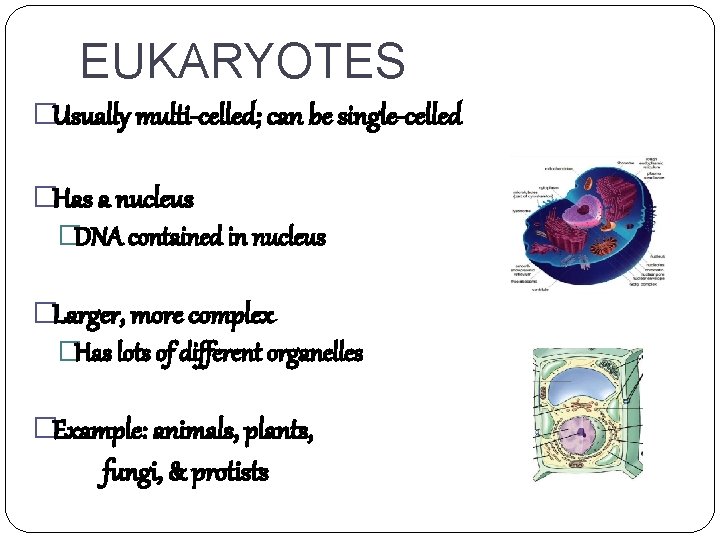
EUKARYOTES �Usually multi-celled; can be single-celled �Has a nucleus �DNA contained in nucleus �Larger, more complex �Has lots of different organelles �Example: animals, plants, fungi, & protists
Eukaryote or Prokaryote?
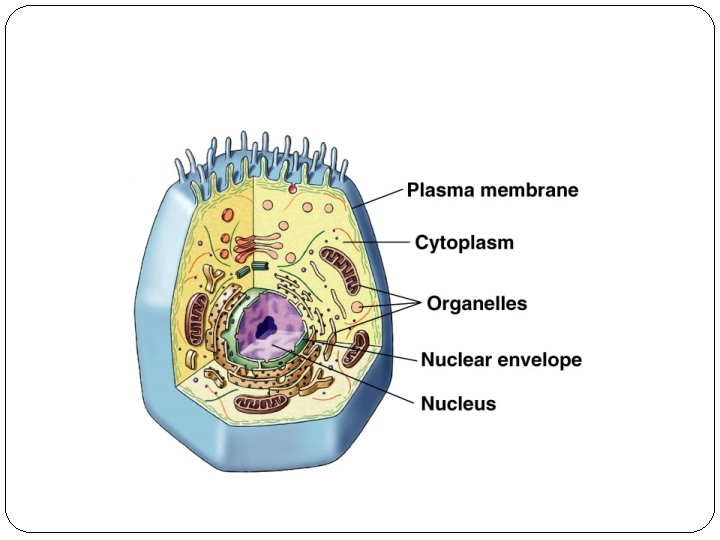
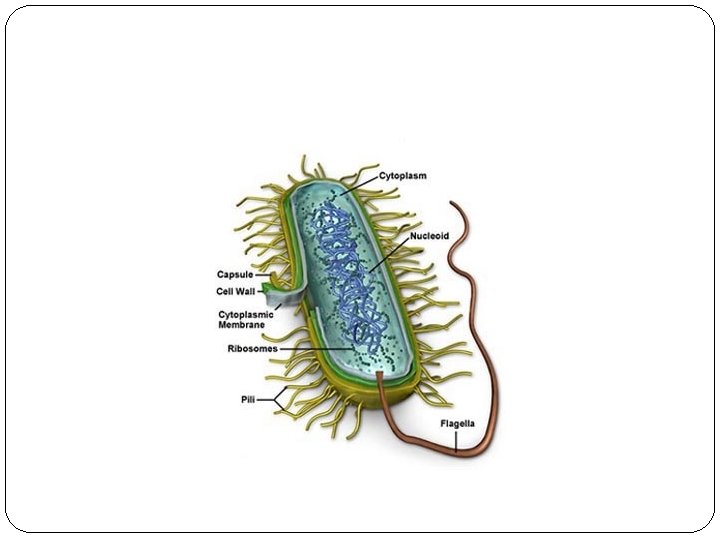
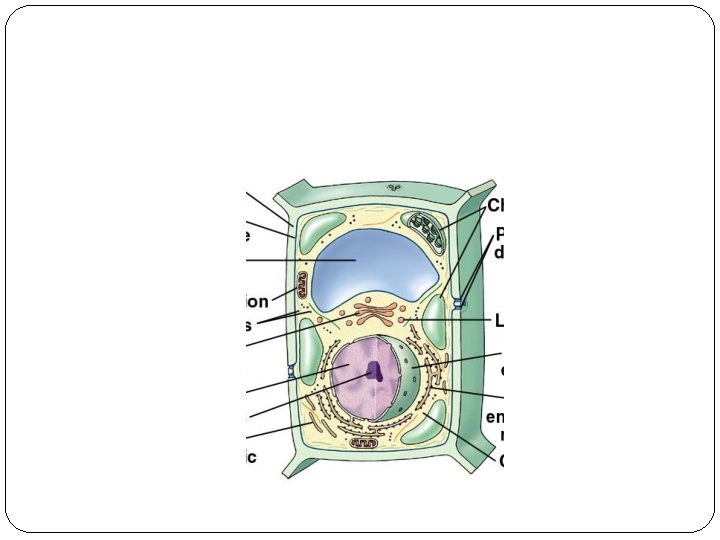
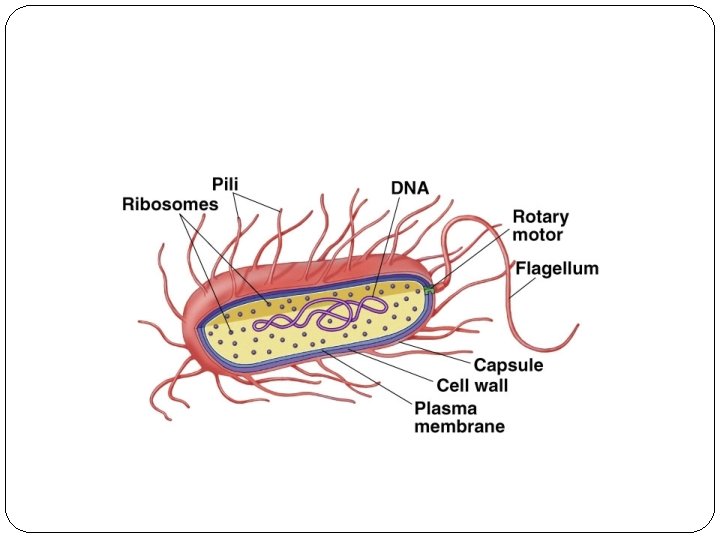
4. MC. 2. B. 3—Describe the role of sub-cellular structures in the life of a cell: organelles, ribosomes, cytoskeleton
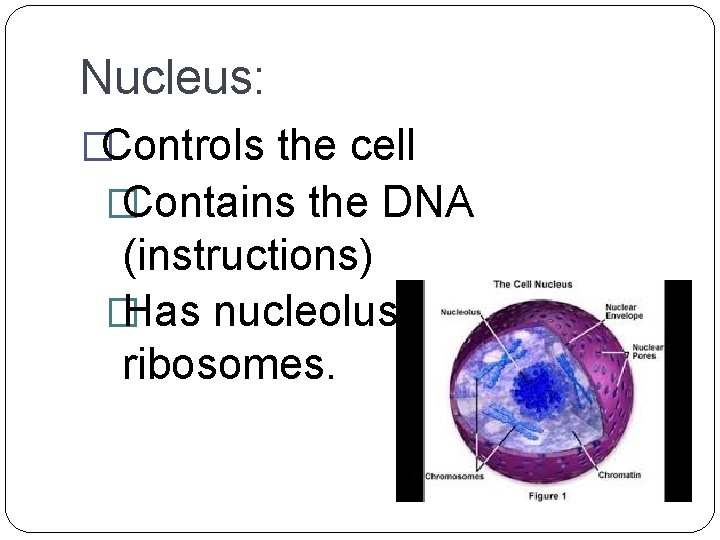
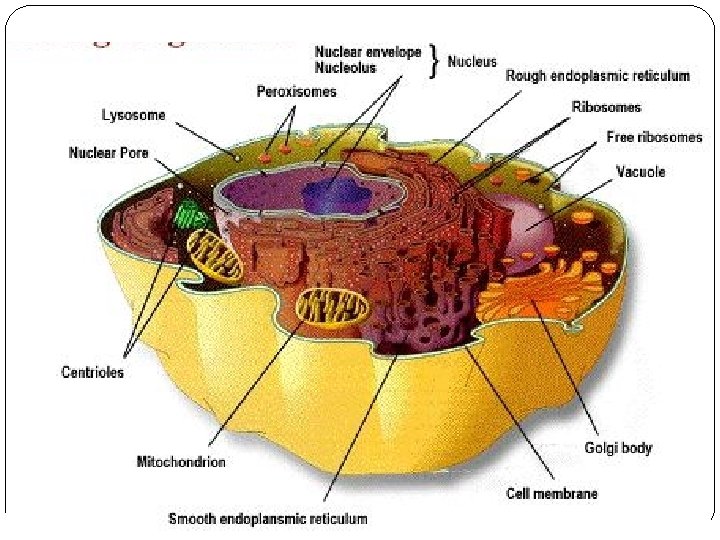
Nucleus: �Controls the cell � Contains the DNA (instructions) � Has nucleolus, which makes ribosomes.
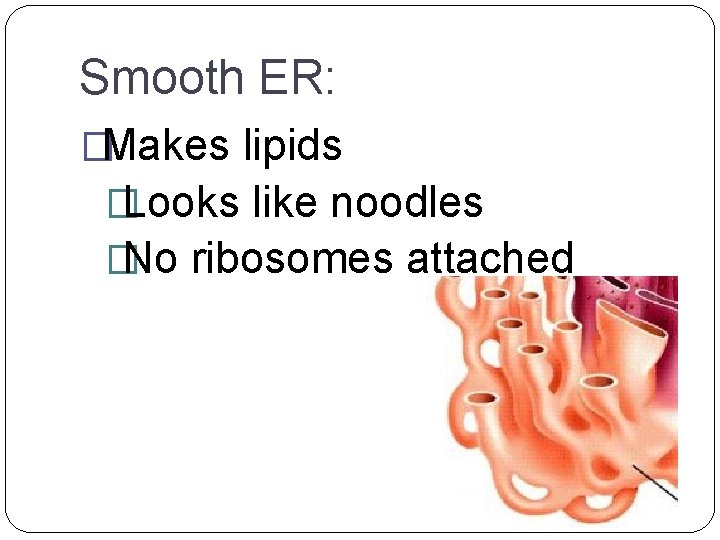
Smooth ER: �Makes lipids � Looks like noodles � No ribosomes attached
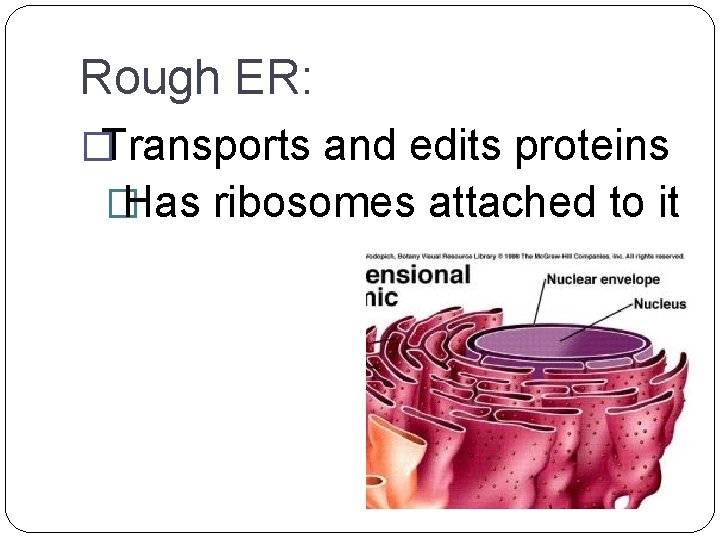
Rough ER: �Transports and edits proteins � Has ribosomes attached to it
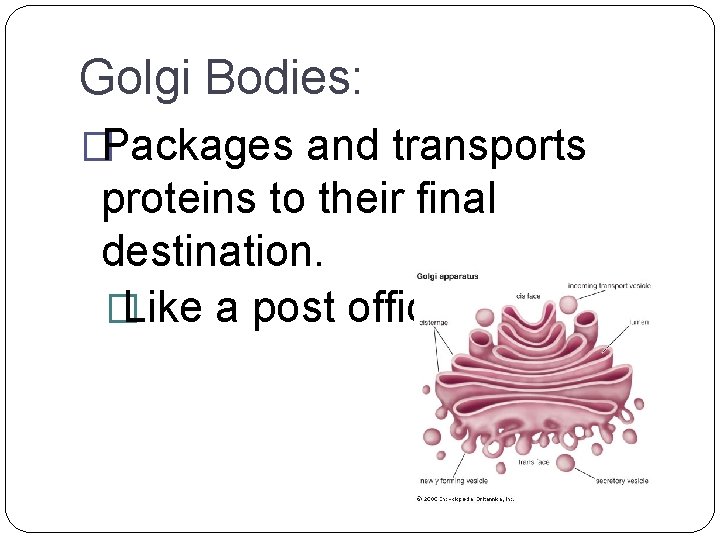
Golgi Bodies: �Packages and transports proteins to their final destination. � Like a post office
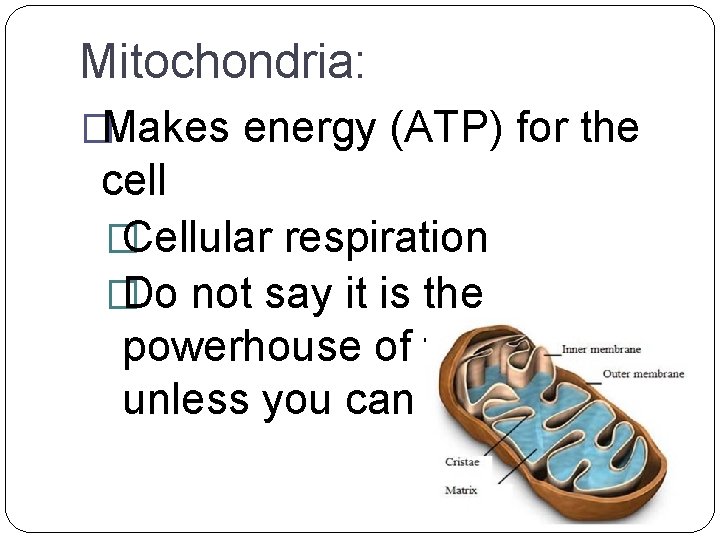
Mitochondria: �Makes energy (ATP) for the cell � Cellular respiration � Do not say it is the powerhouse of the cell unless you can explain why.
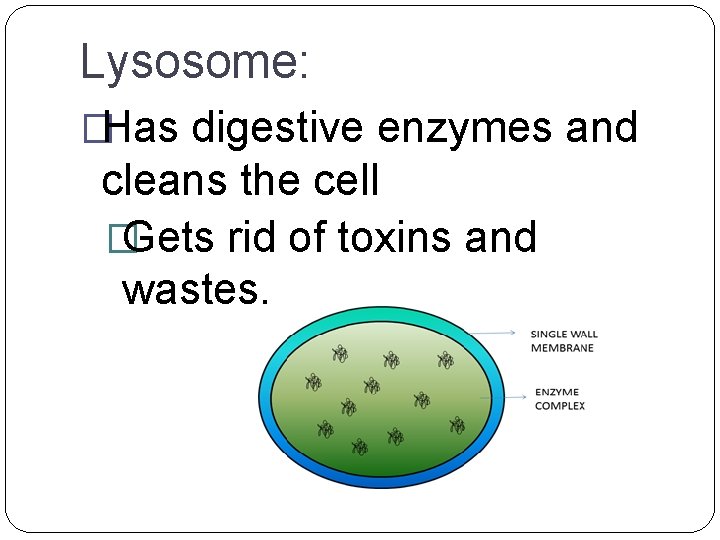
Lysosome: �Has digestive enzymes and cleans the cell � Gets rid of toxins and wastes.
Vacuole: �Stores liquid, food, and wastes.
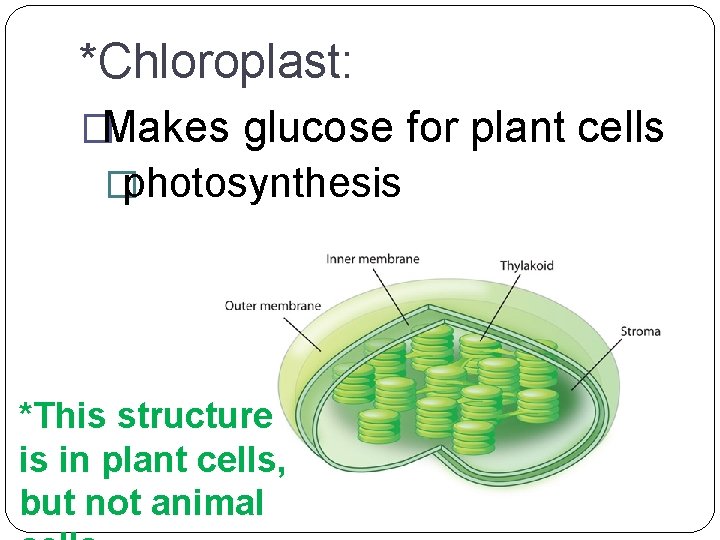
*Chloroplast: �Makes glucose for plant cells � photosynthesis *This structure is in plant cells, but not animal
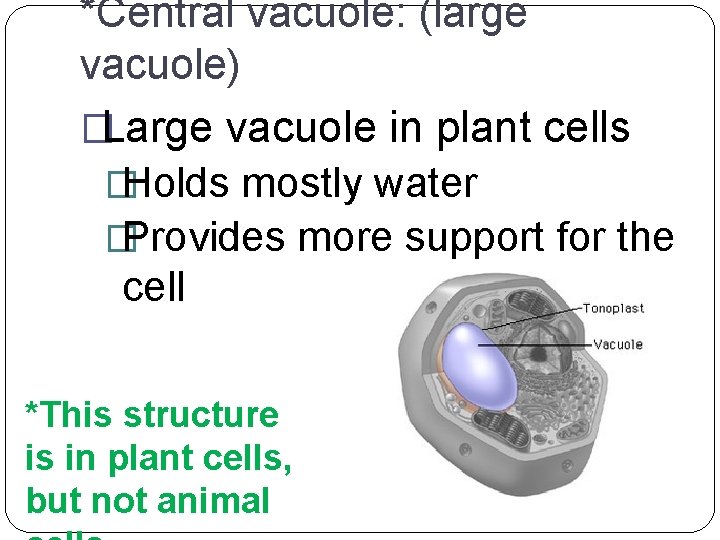
*Central vacuole: (large vacuole) �Large vacuole in plant cells � Holds mostly water � Provides more support for the cell *This structure is in plant cells, but not animal
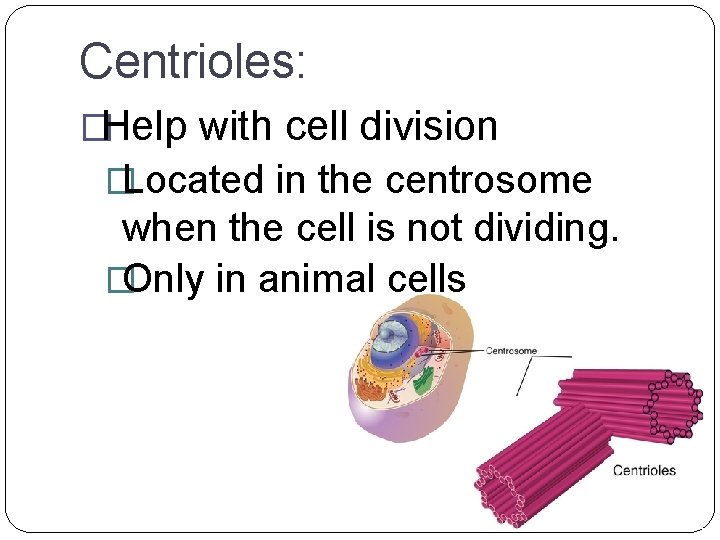
Centrioles: �Help with cell division �Located in the centrosome when the cell is not dividing. �Only in animal cells
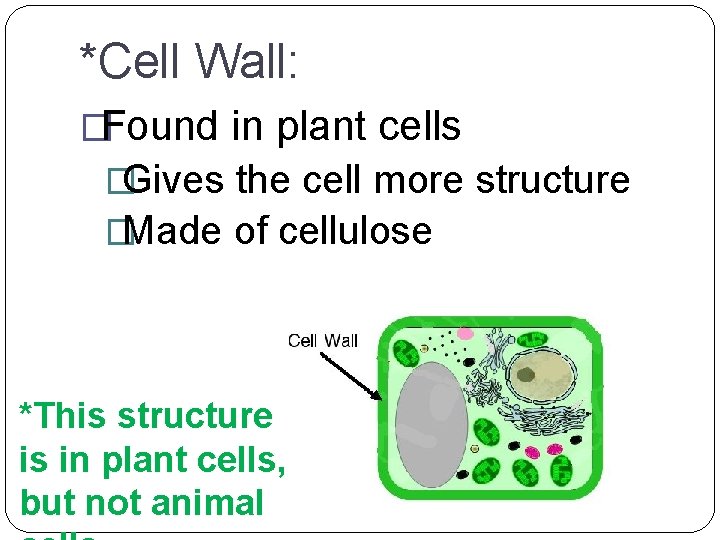
*Cell Wall: �Found in plant cells �Gives the cell more structure �Made of cellulose *This structure is in plant cells, but not animal
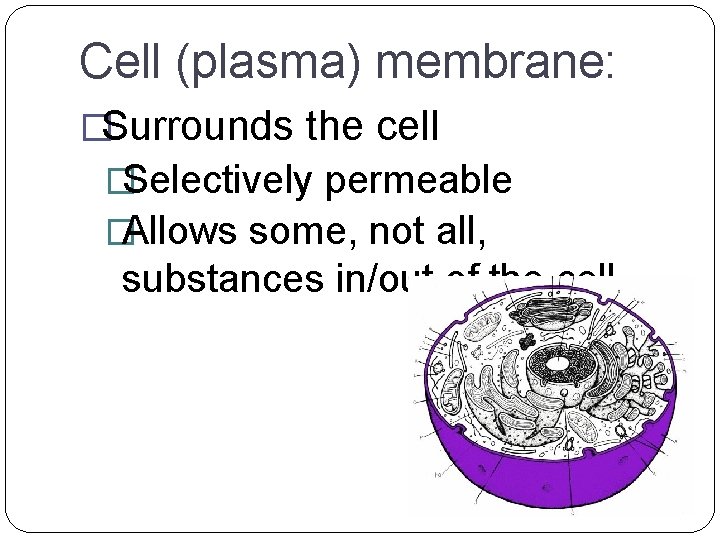
Cell (plasma) membrane: �Surrounds the cell �Selectively permeable �Allows some, not all, substances in/out of the cell.
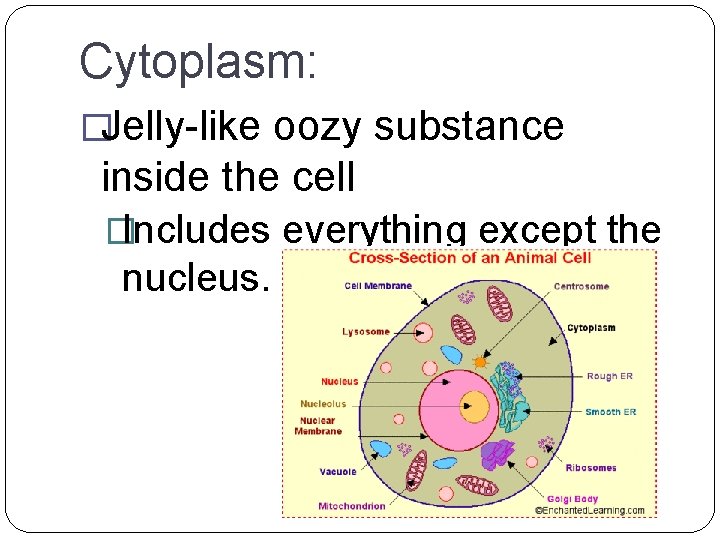
Cytoplasm: �Jelly-like oozy substance inside the cell �Includes everything except the nucleus.
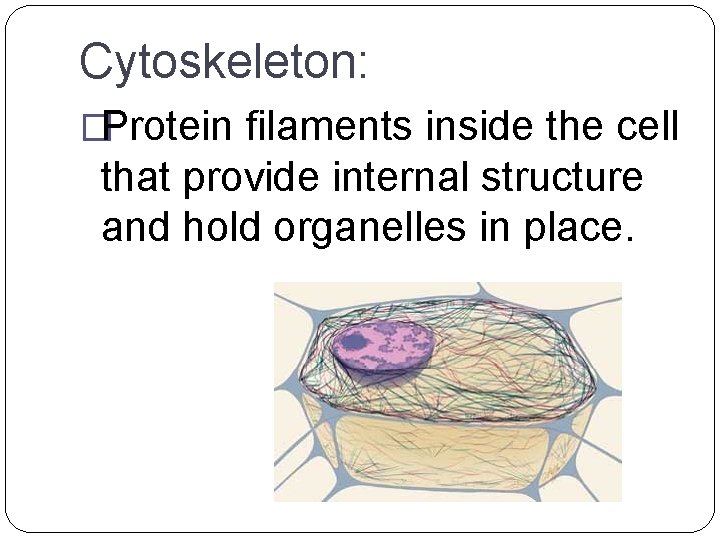
Cytoskeleton: �Protein filaments inside the cell that provide internal structure and hold organelles in place.
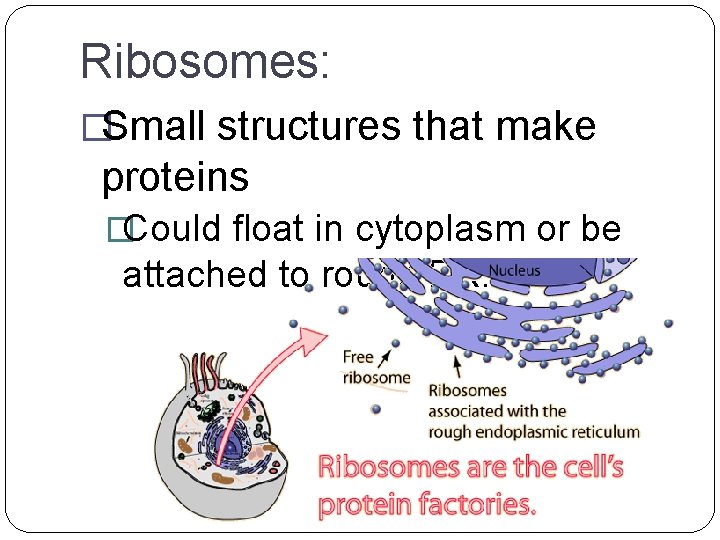
Ribosomes: �Small structures that make proteins �Could float in cytoplasm or be attached to rough ER.
6. MC. 2. B. 5—Compare and contrast the structures of an animal cell to a plant cell.
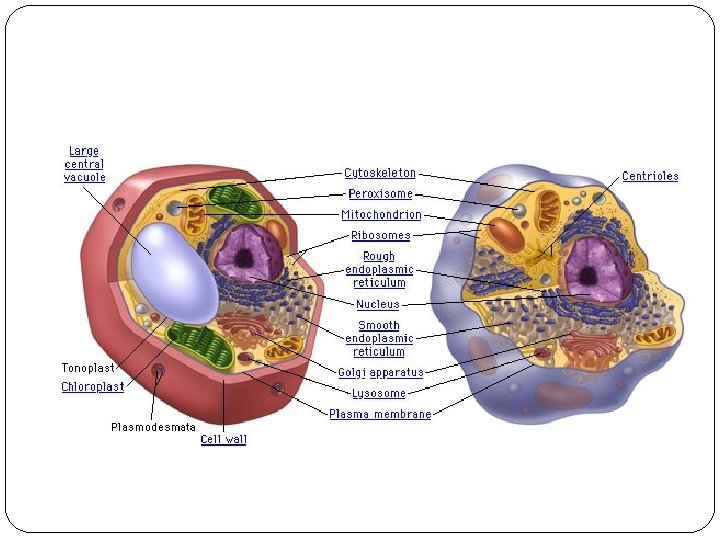
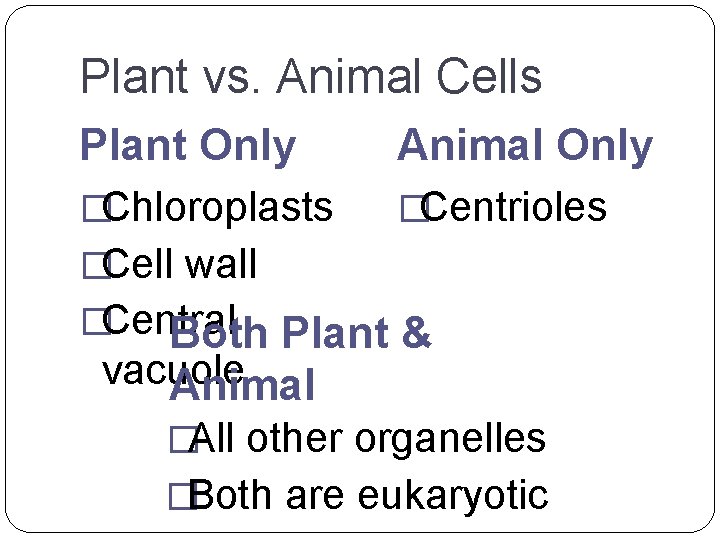
Plant vs. Animal Cells Plant Only Animal Only �Chloroplasts �Centrioles �Cell wall �Central Both Plant & vacuole Animal �All other organelles �Both are eukaryotic
5. MC. 2. B. 4—Relate the function of the plasma (cell) membrane to its structure.
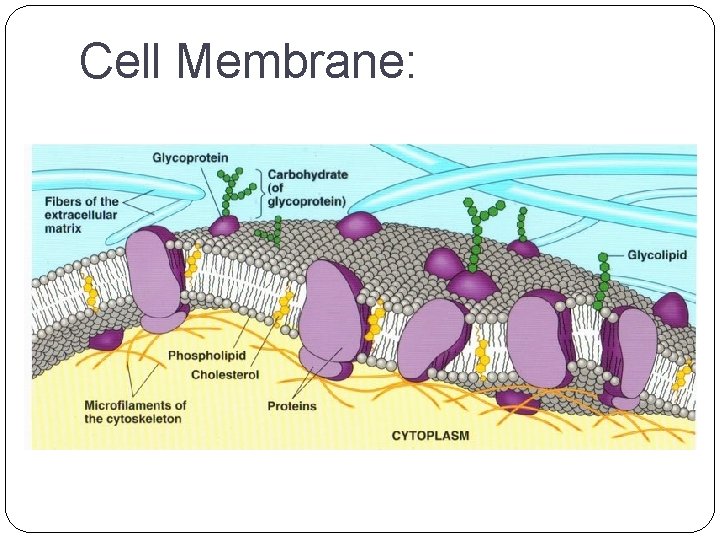
Cell Membrane:
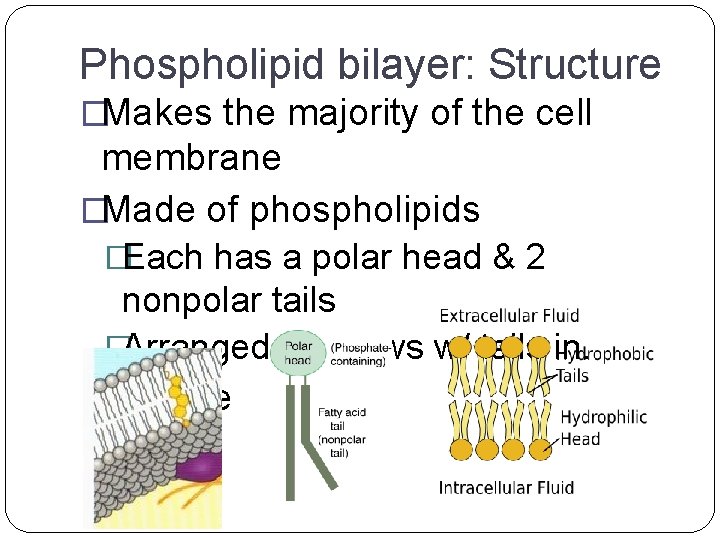
Phospholipid bilayer: Structure �Makes the majority of the cell membrane �Made of phospholipids �Each has a polar head & 2 nonpolar tails �Arranged in 2 rows w/ tails in. �Flexible
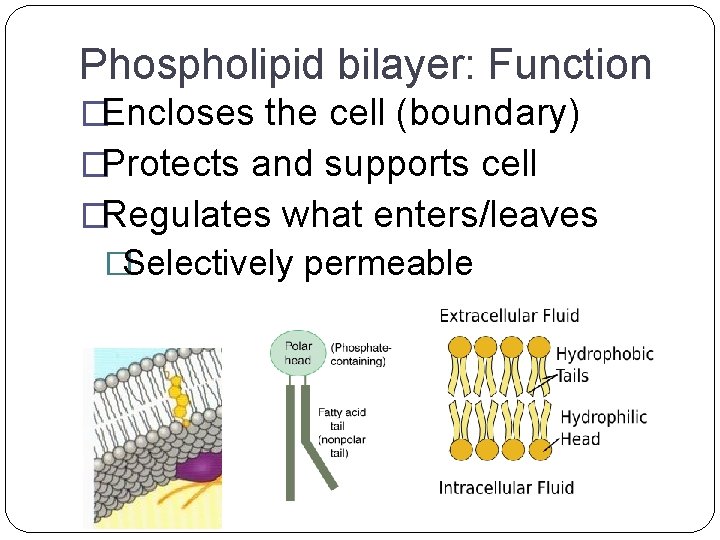
Phospholipid bilayer: Function �Encloses the cell (boundary) �Protects and supports cell �Regulates what enters/leaves �Selectively permeable
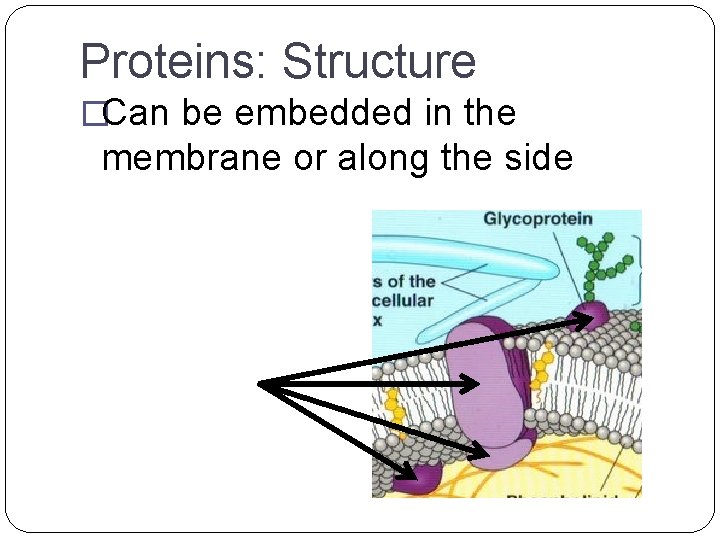
Proteins: Structure �Can be embedded in the membrane or along the side
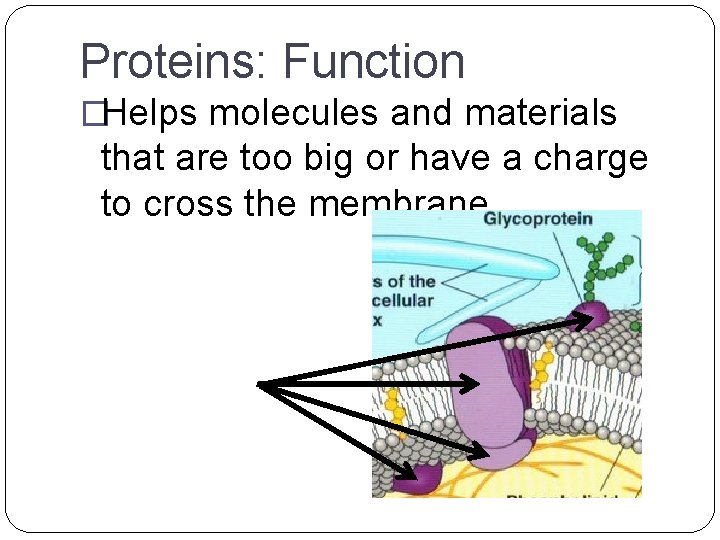
Proteins: Function �Helps molecules and materials that are too big or have a charge to cross the membrane.
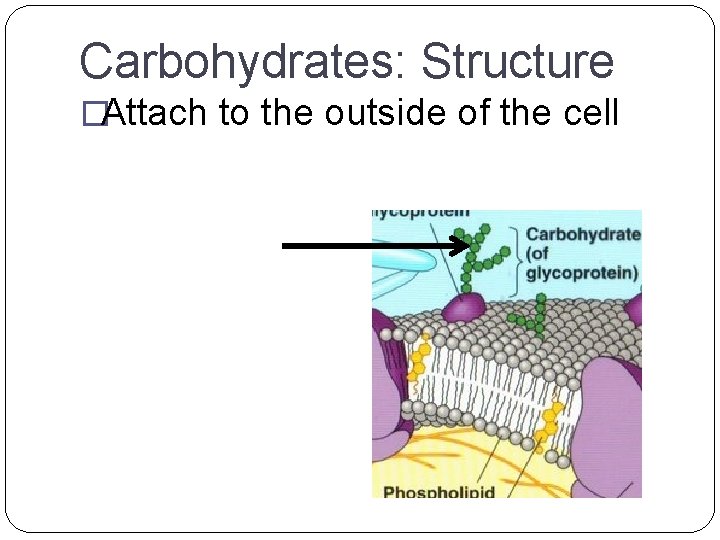
Carbohydrates: Structure �Attach to the outside of the cell
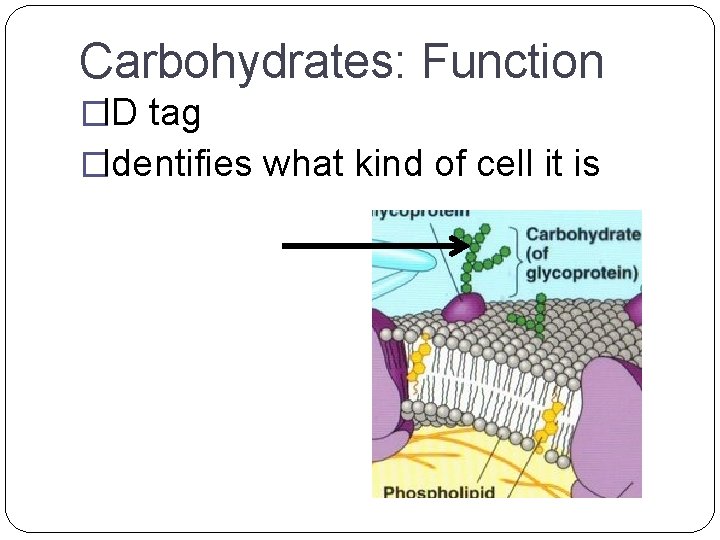
Carbohydrates: Function �ID tag �Identifies what kind of cell it is
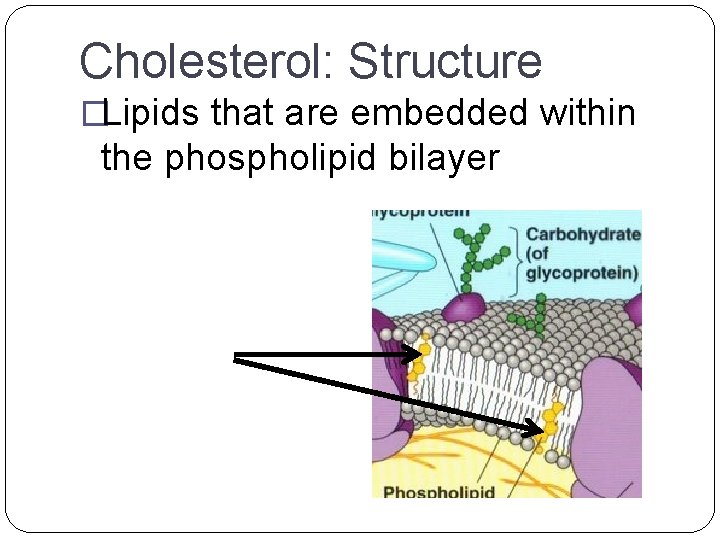
Cholesterol: Structure �Lipids that are embedded within the phospholipid bilayer
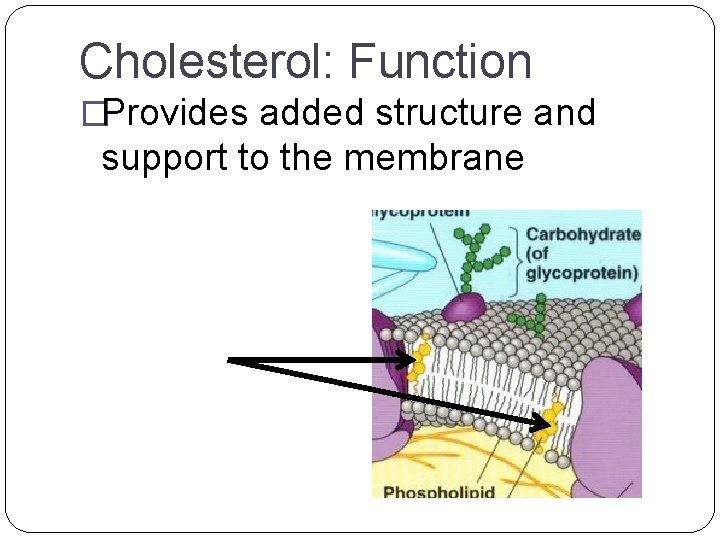
Cholesterol: Function �Provides added structure and support to the membrane
7. MC. 2. B. 7—Compare and contrast active transport and passive transport mechanisms: diffusion, osmosis, endocytosis, exocytosis, phagocytosis, pinocytosis.
- Slides: 56