
Cells Tissues Chapter 3 I The Plasma Membrane
Cells & Tissues Chapter 3
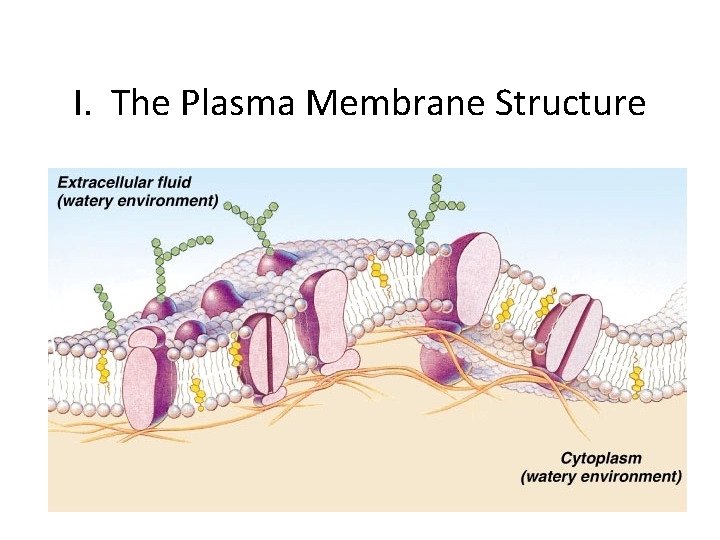
I. The Plasma Membrane Structure
A. Fluid Mosaic Model • Double bilayer of lipids with imbedded, dispersed proteins • Bilayer consists of phospholipids, cholesterol, and glycolipids – Glycolipids are lipids with bound carbohydrate – Phospholipids have hydrophobic tails and hydrophilic heads
• cholesterol: stabilizes lipid membrane • integral proteins: – some face outside of membrane, usually receptors for hormones or other chemical messengers – transmembrane proteins span entire width of membrane & protrude on both sides • transport functions • peripheral proteins: not embedded in lipid – enzymes
• glycocalyx: cell coat – stickiness helps bind adjacent cells together – every cell has different pattern of sugars & proteins, biological markers for cell recognition • figure 3. 2 p. 58
B. Specializations of Plasma Membrane • microvilli: fingerlike extensions of plasma membrane – increase cell membrane surface area – absorption: intestine & kidney
p. 59 figure 3. 3 • Tight junctions: binds cell together into leak proof sheets – Intestines prevent digestive enzymes from seeping into bloodstream • Desmosomes: anchoring junctions for cells subjected to mechanical stress • Gap junctions: allow communication between cells
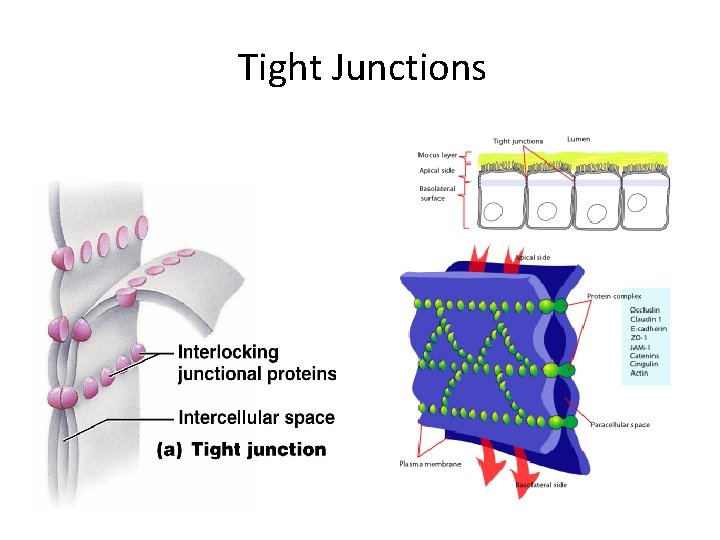
Tight Junctions
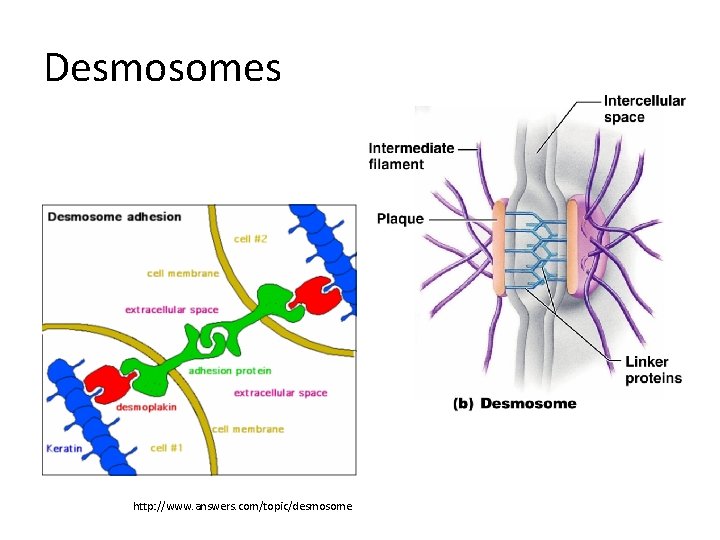
Desmosomes http: //www. answers. com/topic/desmosome
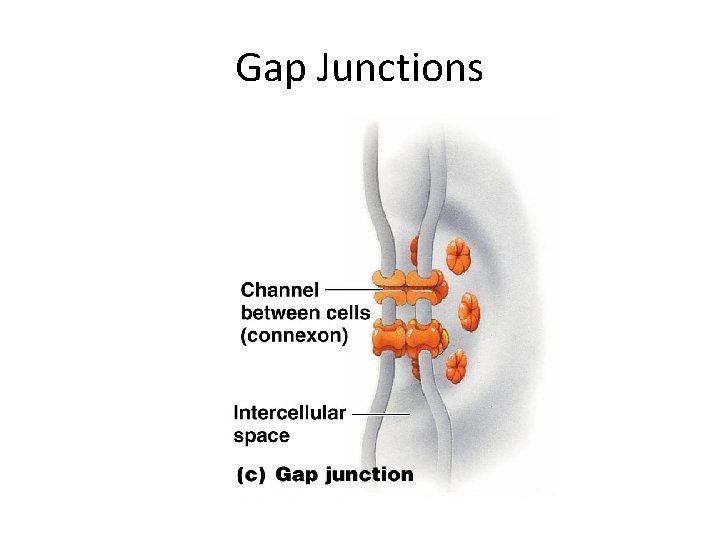
Gap Junctions
II. Cell Physiology
A. Membrane Transport • cells are continuously bathed in extracellular fluid called interstitial fluid largely composed of water – contains nutrients, hormones, salts, & waste products
• to stay healthy each cell must extract exact amounts of substances needed from this fluid & reject the rest • membrane is selectively permeable: it allows some to pass while excluding others
B. Passive Processes • substances penetrate membrane without any energy input from cell 1. simple diffusion 2. osmosis 3. facilitated diffusion 4. filtration
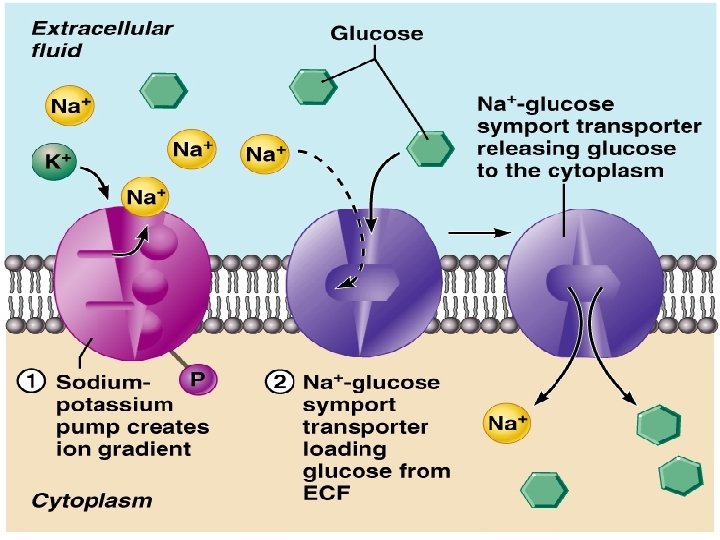
C. Active Transport Processes • Primary active transport – hydrolysis of ATP phosphorylates the transport protein causing conformational change • Secondary active transport – use of an exchange pump (such as the Na+-K+ pump) indirectly to drive the transport of other solutes
• substances are too large or have to move against the concentration gradient 1. Solute Pumping 2. Bulk Transport – endocytosis: phagocytosis or pinocytosis – exocytosis
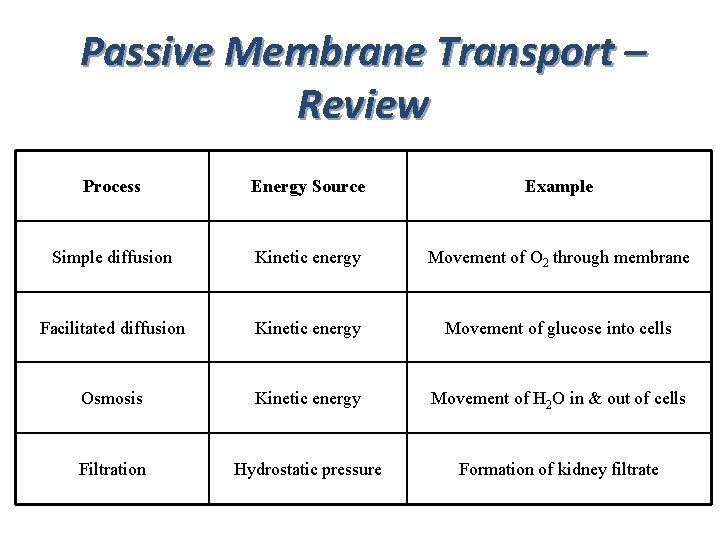
Passive Membrane Transport – Review Process Energy Source Example Simple diffusion Kinetic energy Movement of O 2 through membrane Facilitated diffusion Kinetic energy Movement of glucose into cells Osmosis Kinetic energy Movement of H 2 O in & out of cells Filtration Hydrostatic pressure Formation of kidney filtrate
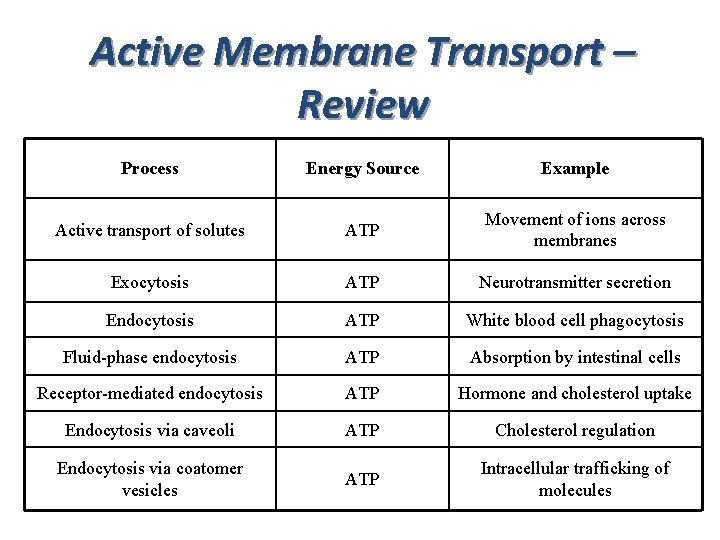
Active Membrane Transport – Review Process Energy Source Example Active transport of solutes ATP Movement of ions across membranes Exocytosis ATP Neurotransmitter secretion Endocytosis ATP White blood cell phagocytosis Fluid-phase endocytosis ATP Absorption by intestinal cells Receptor-mediated endocytosis ATP Hormone and cholesterol uptake Endocytosis via caveoli ATP Cholesterol regulation Endocytosis via coatomer vesicles ATP Intracellular trafficking of molecules
D. Membrane Potential • Voltage across a membrane • Resting membrane potential (RMP) – the point where K+ potential is balanced by the membrane potential – Ranges from – 20 to – 200 m. V (depends on cell) – Results from differential permeability of the plasma membrane to Na+ and K+ • Steady state – potential maintained by active transport of ions
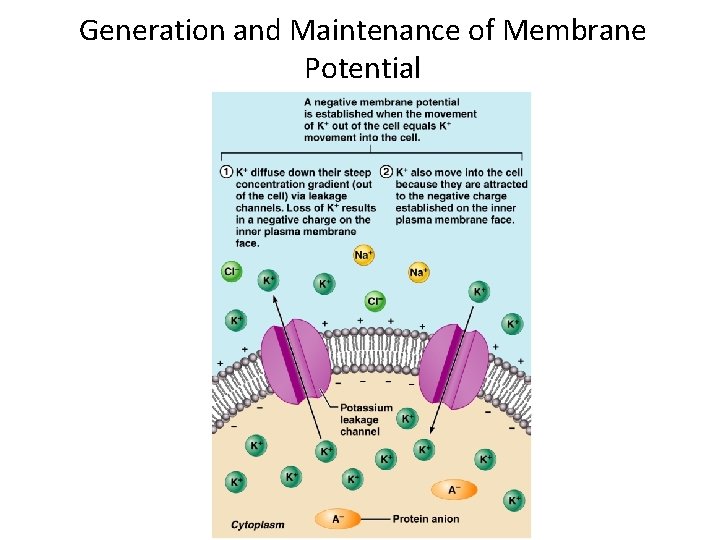
Generation and Maintenance of Membrane Potential
E. Cell Signaling • Contact signaling – important in normal development and immunity • Electrical signaling – voltage-regulated “ion gates” in nerve and muscle tissue • Chemical signaling – neurotransmitters bind to chemically gated channel-linked receptors in nerve and muscle tissue • G protein-linked receptors – ligands bind to a receptor which activates a G protein, causing the release of a second messenger, such as cyclic AMP or Tyrosine Kinase.
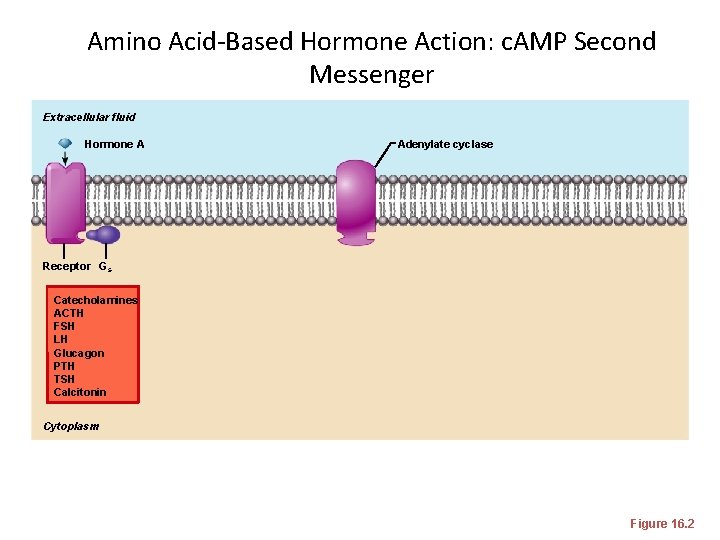
Amino Acid-Based Hormone Action: c. AMP Second Messenger Extracellular fluid Hormone A Adenylate cyclase Receptor Gs Catecholamines ACTH FSH LH Glucagon PTH TSH Calcitonin Cytoplasm Figure 16. 2
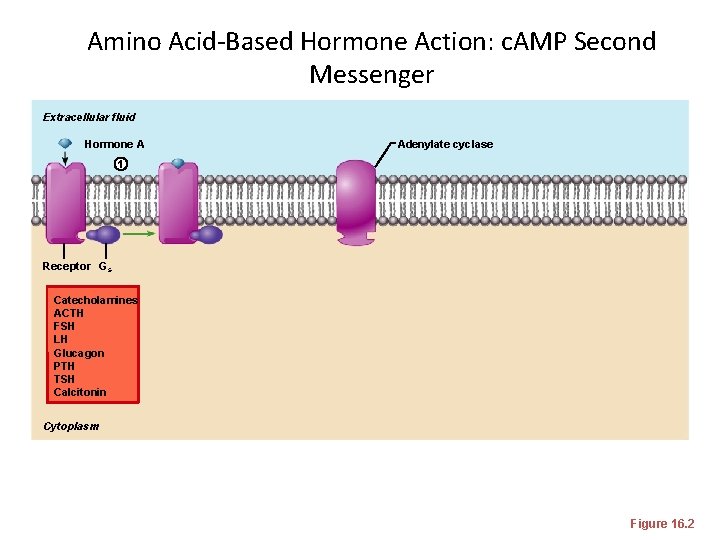
Amino Acid-Based Hormone Action: c. AMP Second Messenger Extracellular fluid Hormone A Adenylate cyclase 1 Receptor Gs Catecholamines ACTH FSH LH Glucagon PTH TSH Calcitonin Cytoplasm Figure 16. 2
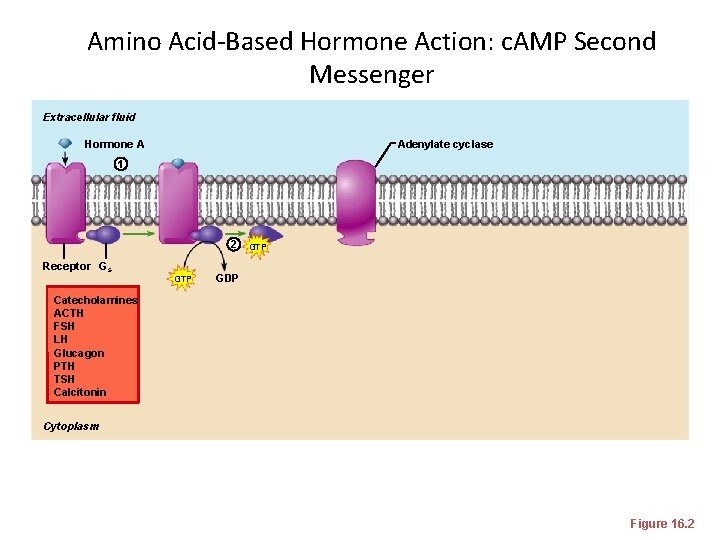
Amino Acid-Based Hormone Action: c. AMP Second Messenger Extracellular fluid Hormone A Adenylate cyclase 1 2 Receptor Gs GTP GDP Catecholamines ACTH FSH LH Glucagon PTH TSH Calcitonin Cytoplasm Figure 16. 2
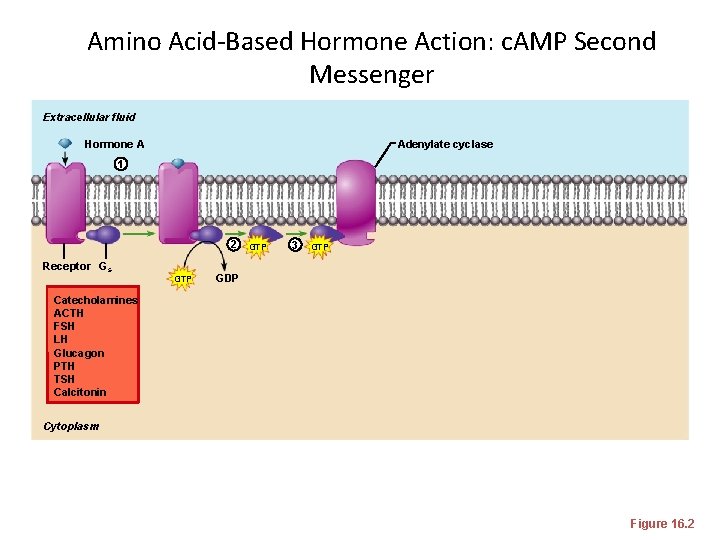
Amino Acid-Based Hormone Action: c. AMP Second Messenger Extracellular fluid Hormone A Adenylate cyclase 1 2 Receptor Gs GTP 3 GTP GDP Catecholamines ACTH FSH LH Glucagon PTH TSH Calcitonin Cytoplasm Figure 16. 2
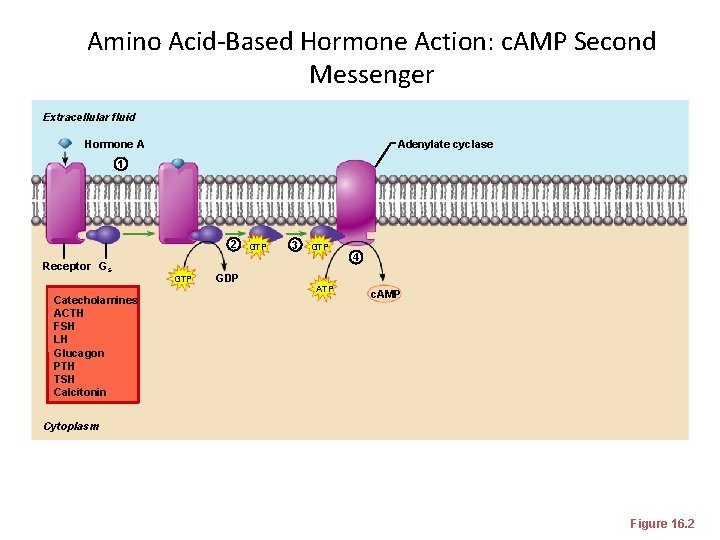
Amino Acid-Based Hormone Action: c. AMP Second Messenger Extracellular fluid Hormone A Adenylate cyclase 1 2 Receptor Gs Catecholamines ACTH FSH LH Glucagon PTH TSH Calcitonin GTP GDP GTP 3 GTP ATP 4 c. AMP Cytoplasm Figure 16. 2
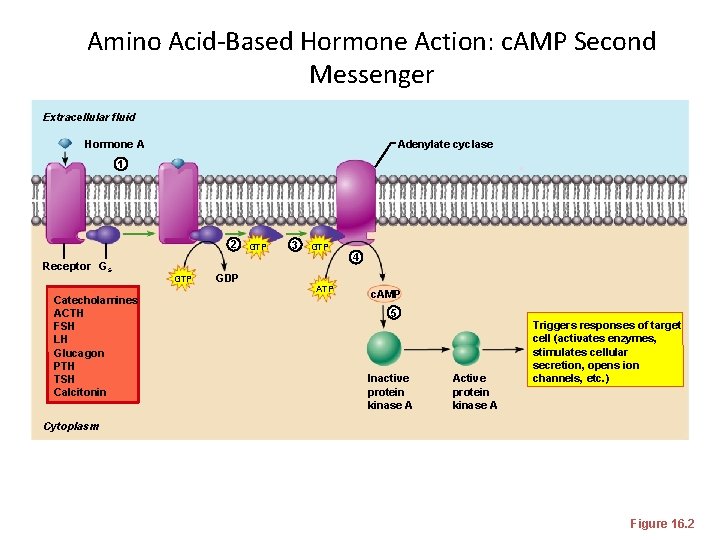
Amino Acid-Based Hormone Action: c. AMP Second Messenger Extracellular fluid Hormone A Adenylate cyclase 1 2 Receptor Gs Catecholamines ACTH FSH LH Glucagon PTH TSH Calcitonin GTP GDP GTP 3 GTP ATP 4 c. AMP 5 Inactive protein kinase A Active protein kinase A Triggers responses of target cell (activates enzymes, stimulates cellular secretion, opens ion channels, etc. ) Cytoplasm Figure 16. 2
III. Body Tissues • Histology: study of tissues • groups of similar cells associated to perform a related function
TYPE 1. Epithelial 2. Connective 3. Muscle 4. Nervous PURPOSE • Covering • Support • Movement • Control
IV. EPITHELIAL TISSUES • sheet of cells that covers a body surface or lines a body cavity • cells fit so close to make continuous sheets • contains nerve but no blood vessels • quick regeneration
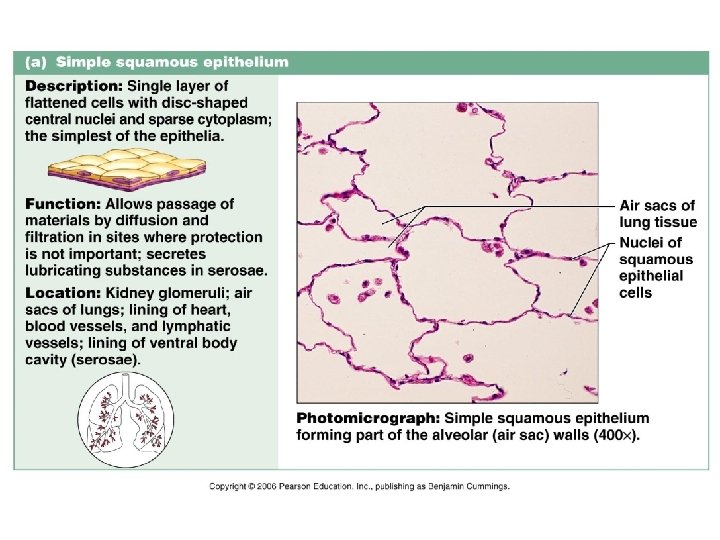
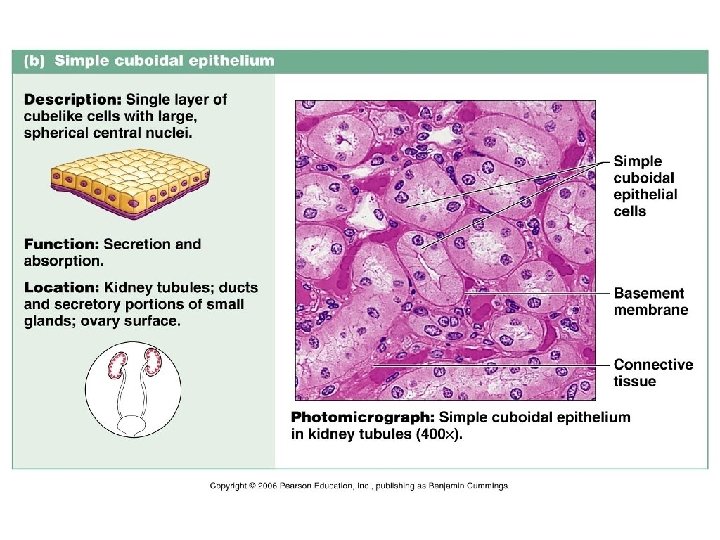
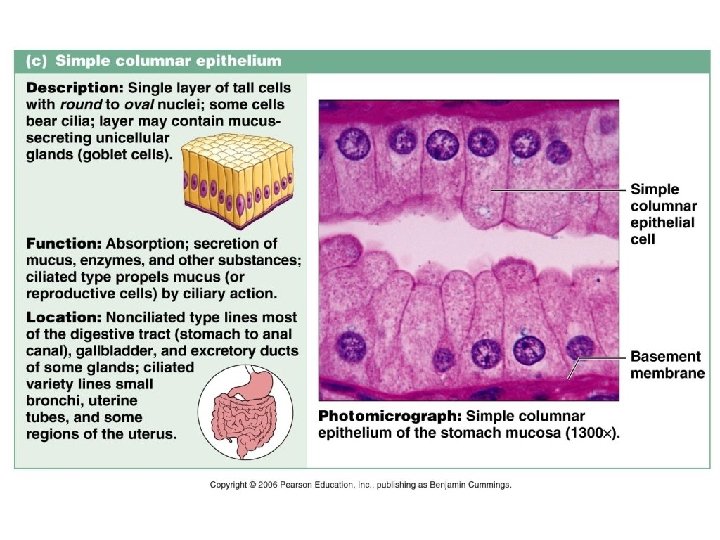
A. Classification • 1. Simple: single layer of cells, used for absorption or filtration – Squamous: lymph system & lines organs – Cuboidal: exocrine glands and kidneys – Columnar: digestive system
- Slides: 35