
CELLS TISSUES AND ORGANS IGCSE Biology Learning objectives
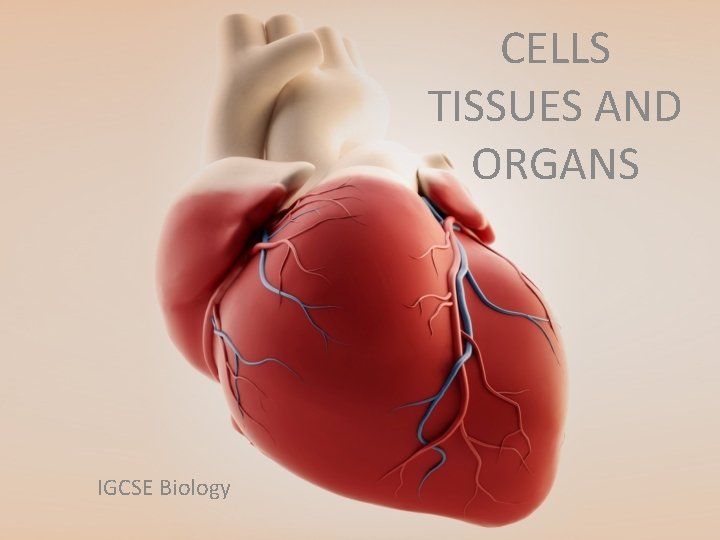
CELLS TISSUES AND ORGANS IGCSE Biology
Learning objectives • Compare plant and animal cells • Describe ways in which cells are specialised for different functions • State the hierarchy in the levels of organisation of living things. Give examples for each level of organisation.
1. Draw an animal cell and label it 2. Draw and label a plant cell 3. Construct a table to compare plant and animal cells
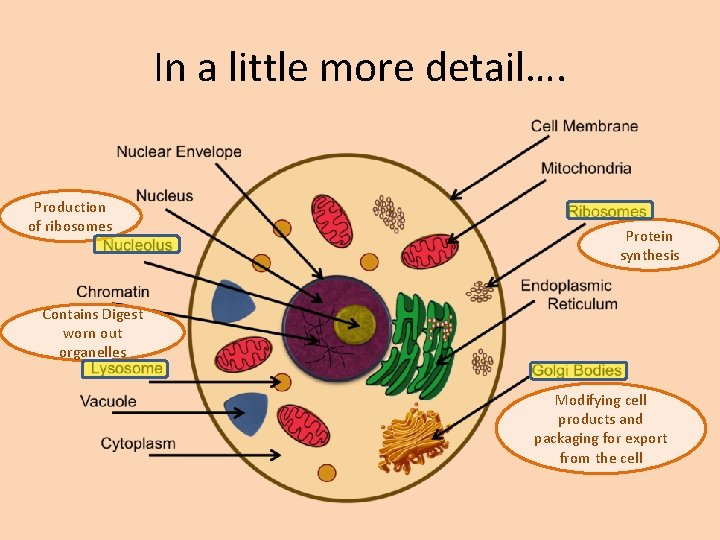
In a little more detail…. Production of ribosomes Protein synthesis Contains Digest worn out organelles Modifying cell products and packaging for export from the cell
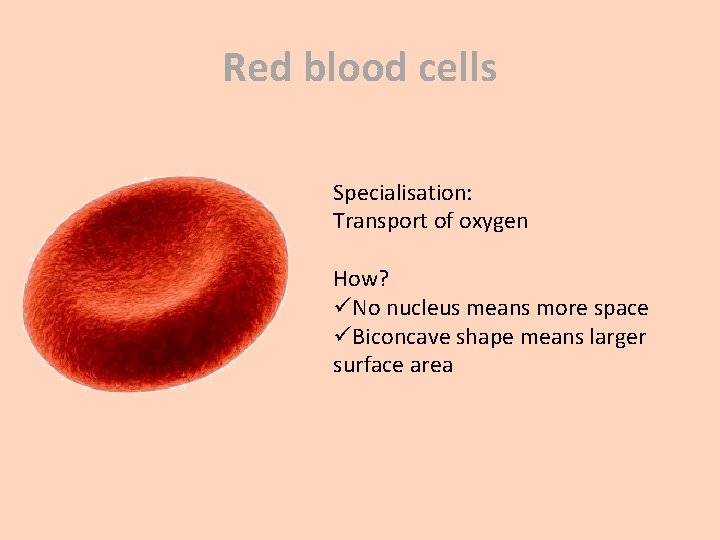
Red blood cells Specialisation: Transport of oxygen How? üNo nucleus means more space üBiconcave shape means larger surface area
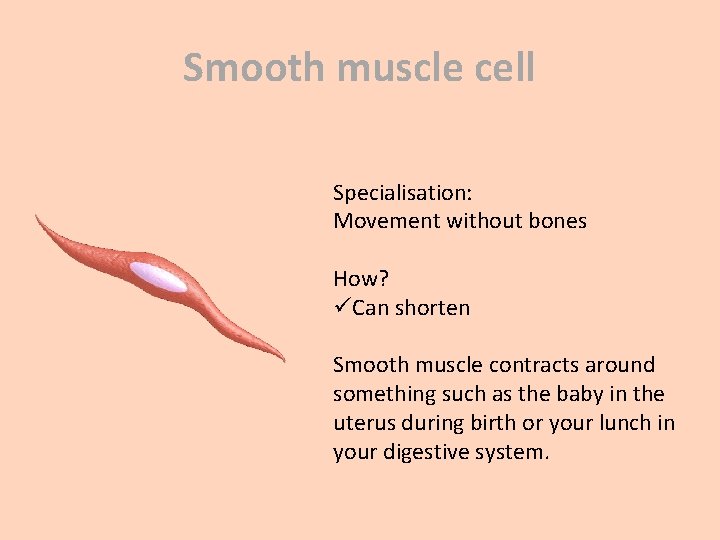
Smooth muscle cell Specialisation: Movement without bones How? üCan shorten Smooth muscle contracts around something such as the baby in the uterus during birth or your lunch in your digestive system.
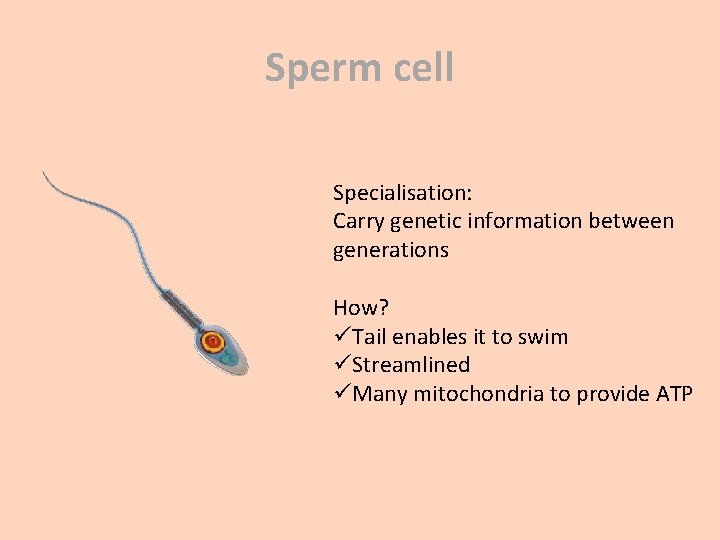
Sperm cell Specialisation: Carry genetic information between generations How? üTail enables it to swim üStreamlined üMany mitochondria to provide ATP
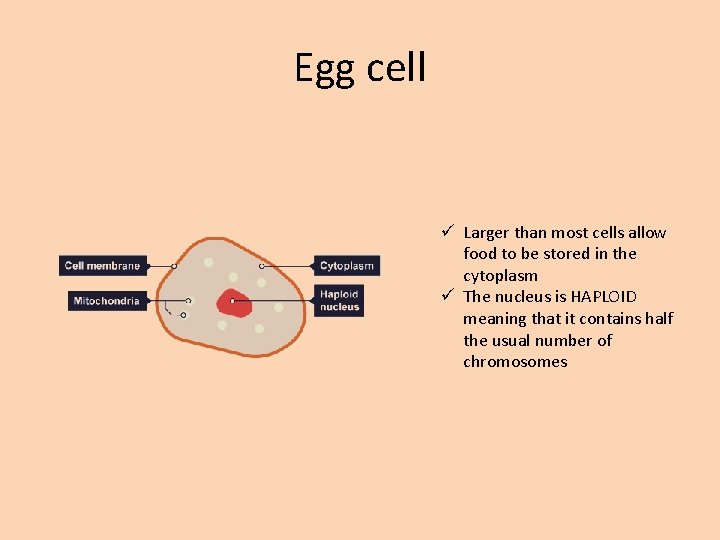
Egg cell ü Larger than most cells allow food to be stored in the cytoplasm ü The nucleus is HAPLOID meaning that it contains half the usual number of chromosomes
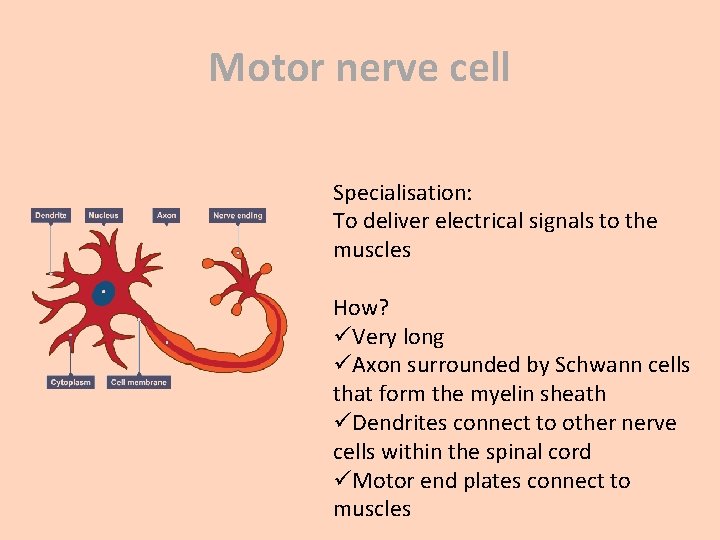
Motor nerve cell Specialisation: To deliver electrical signals to the muscles How? üVery long üAxon surrounded by Schwann cells that form the myelin sheath üDendrites connect to other nerve cells within the spinal cord üMotor end plates connect to muscles
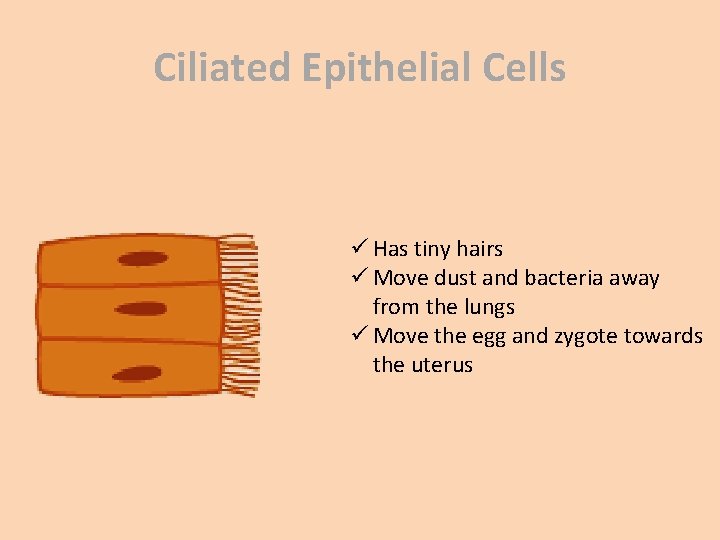
Ciliated Epithelial Cells ü Has tiny hairs ü Move dust and bacteria away from the lungs ü Move the egg and zygote towards the uterus
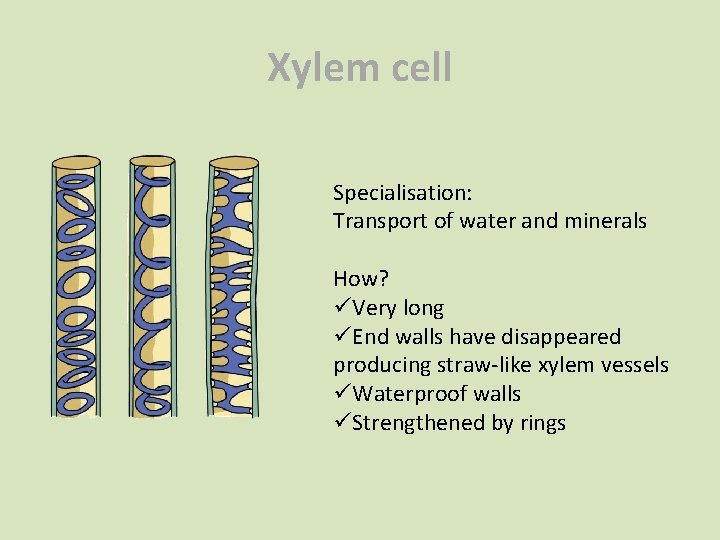
Xylem cell Specialisation: Transport of water and minerals How? üVery long üEnd walls have disappeared producing straw-like xylem vessels üWaterproof walls üStrengthened by rings
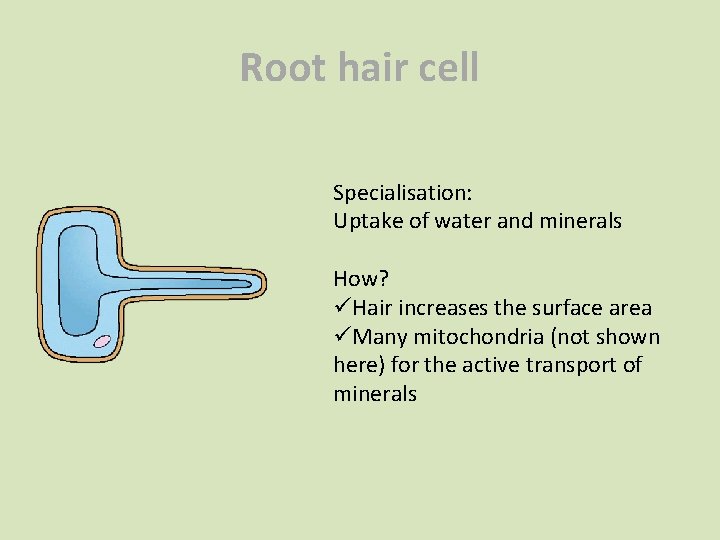
Root hair cell Specialisation: Uptake of water and minerals How? üHair increases the surface area üMany mitochondria (not shown here) for the active transport of minerals
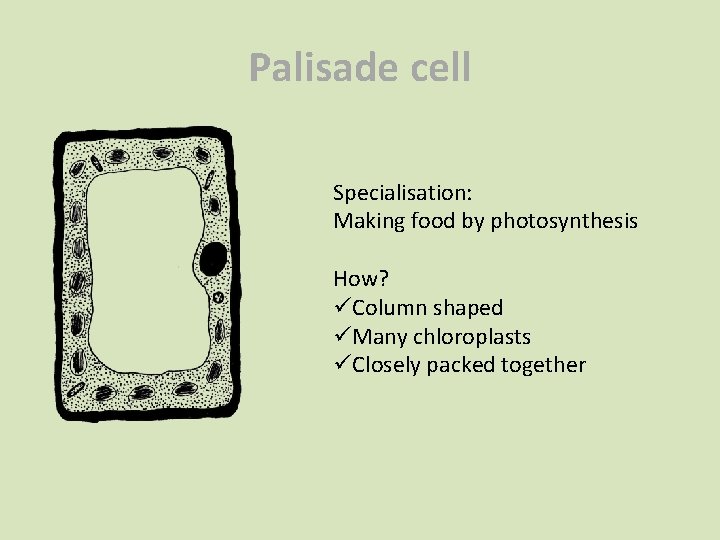
Palisade cell Specialisation: Making food by photosynthesis How? üColumn shaped üMany chloroplasts üClosely packed together
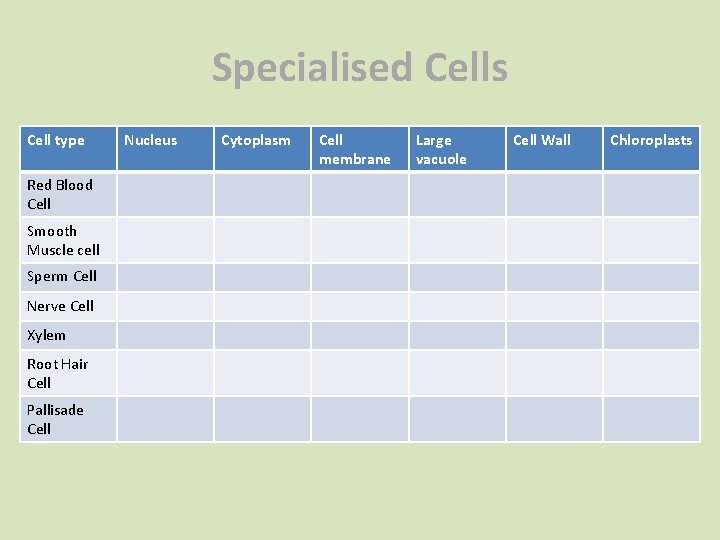
Specialised Cells Cell type Red Blood Cell Smooth Muscle cell Sperm Cell Nerve Cell Xylem Root Hair Cell Pallisade Cell Nucleus Cytoplasm Cell membrane Large vacuole Cell Wall Chloroplasts
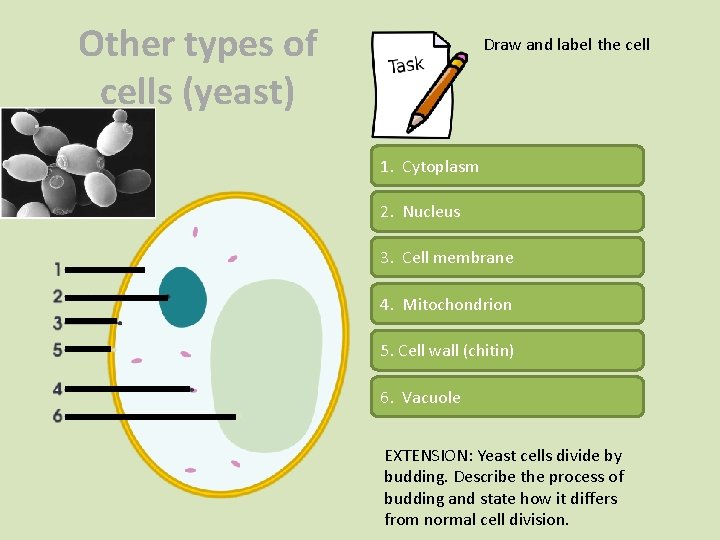
Other types of cells (yeast) Draw and label the cell 1. Cytoplasm 2. Nucleus 3. Cell membrane 4. Mitochondrion 5. Cell wall (chitin) 6. Vacuole EXTENSION: Yeast cells divide by budding. Describe the process of budding and state how it differs from normal cell division.
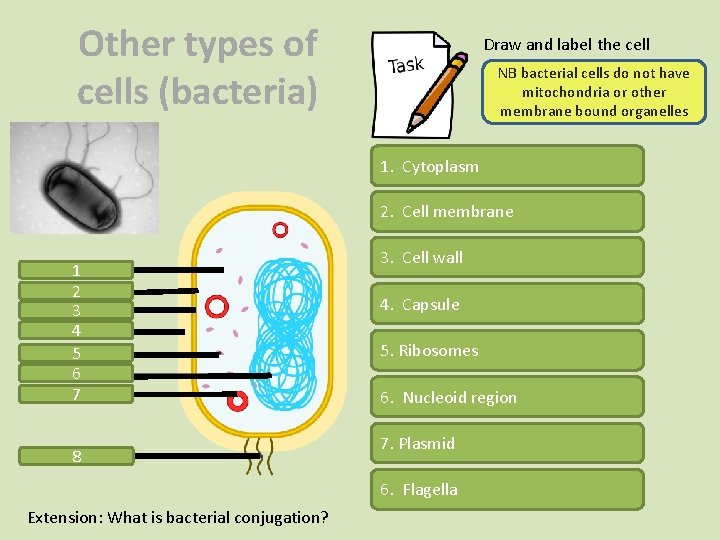
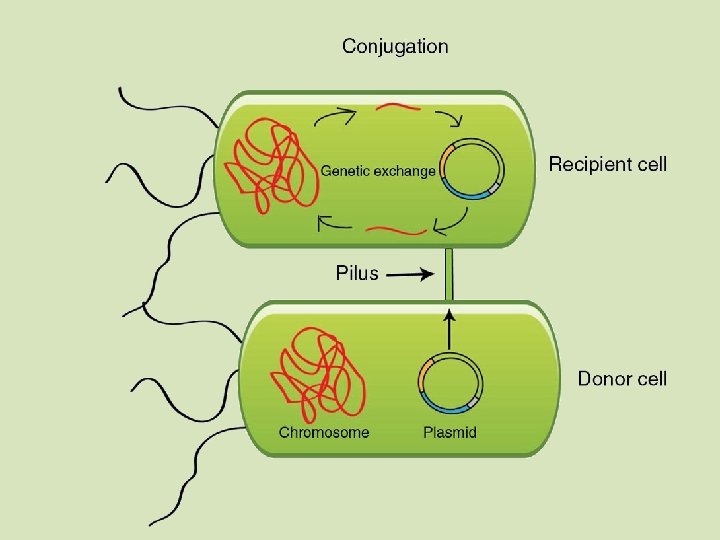
Other types of cells (bacteria) Draw and label the cell NB bacterial cells do not have mitochondria or other membrane bound organelles 1. Cytoplasm 2. Cell membrane 1 2 3 4 5 6 7 8 3. Cell wall 4. Capsule 5. Ribosomes 6. Nucleoid region 7. Plasmid 6. Flagella Extension: What is bacterial conjugation?
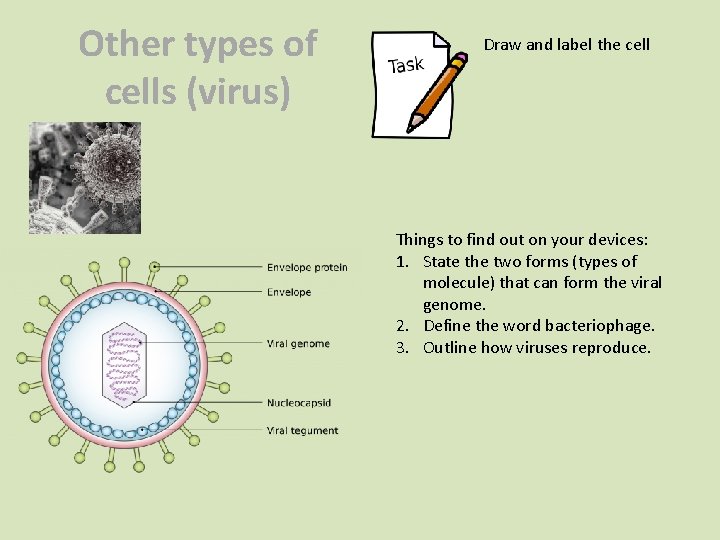
Other types of cells (virus) Draw and label the cell Things to find out on your devices: 1. State the two forms (types of molecule) that can form the viral genome. 2. Define the word bacteriophage. 3. Outline how viruses reproduce.
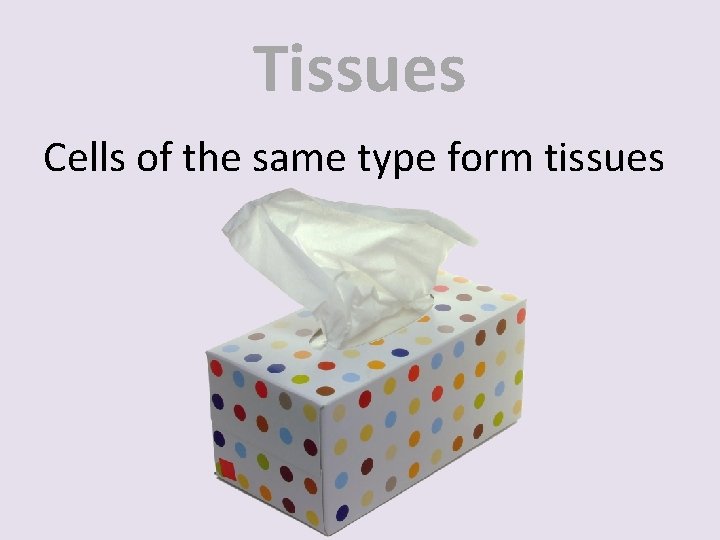
Tissues Cells of the same type form tissues
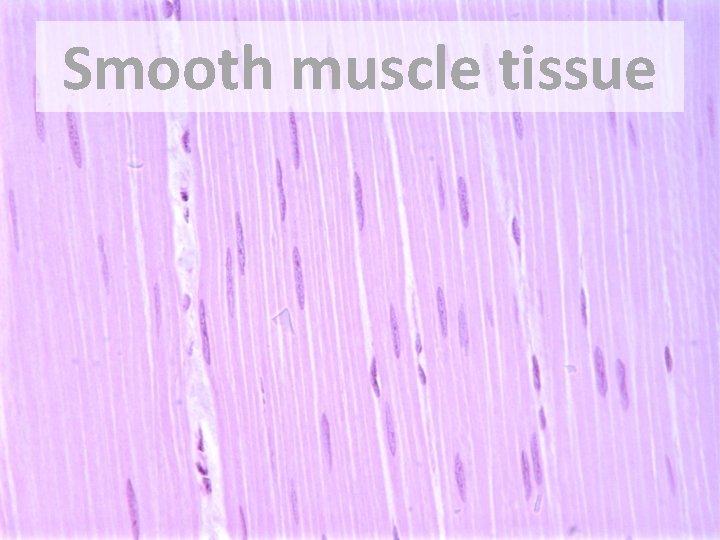
Smooth muscle tissue
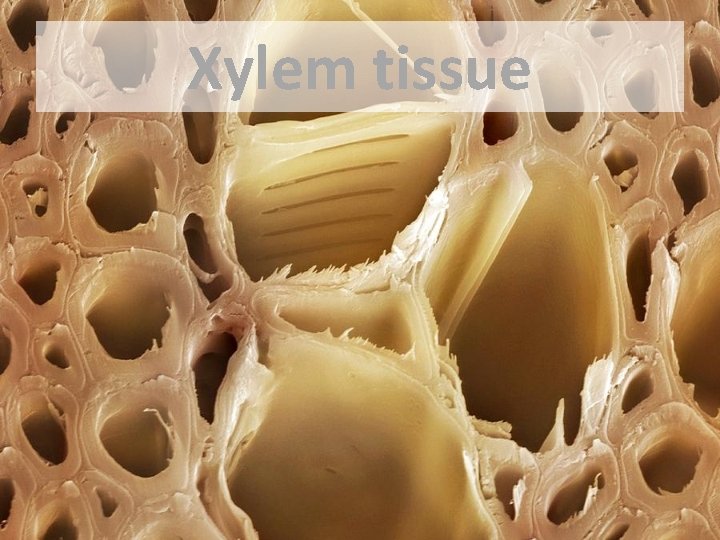
Xylem tissue
Organs Different tissues form organs
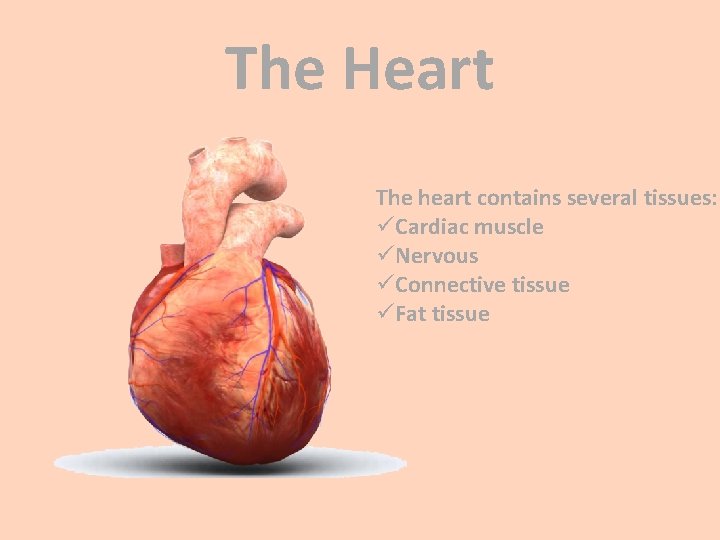
The Heart The heart contains several tissues: üCardiac muscle üNervous üConnective tissue üFat tissue
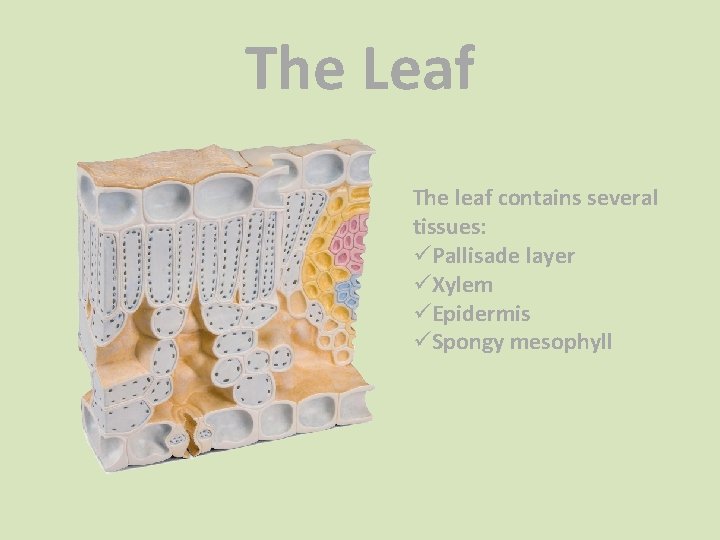
The Leaf The leaf contains several tissues: üPallisade layer üXylem üEpidermis üSpongy mesophyll
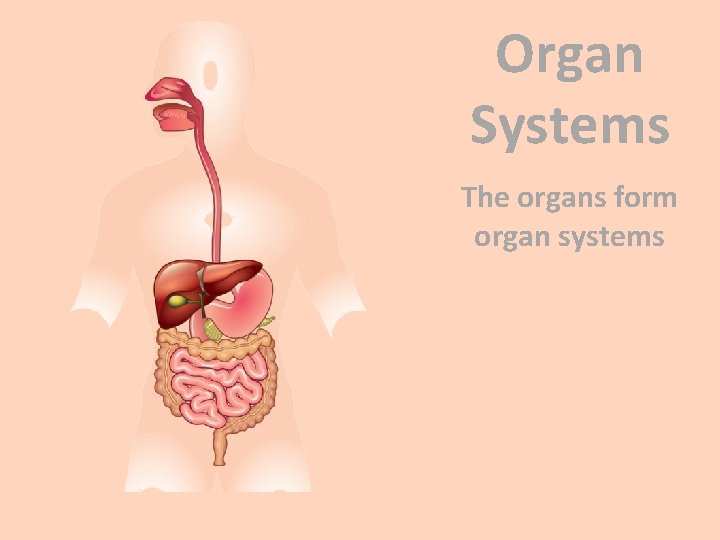
Organ Systems The organs form organ systems
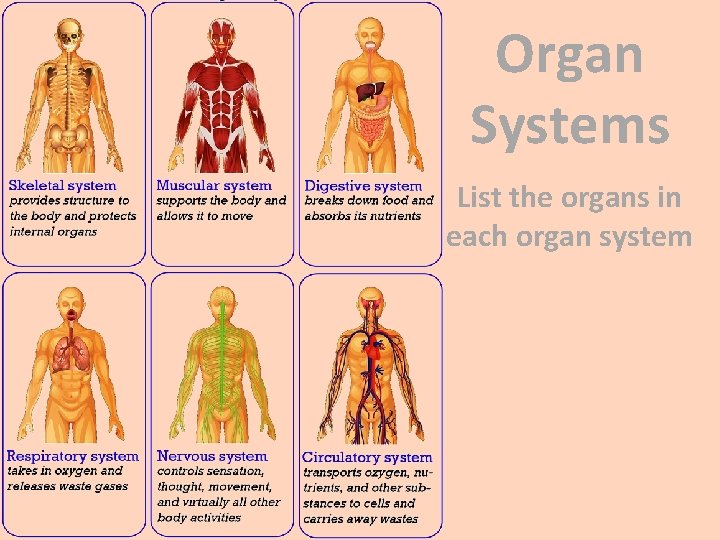
Organ Systems List the organs in each organ system
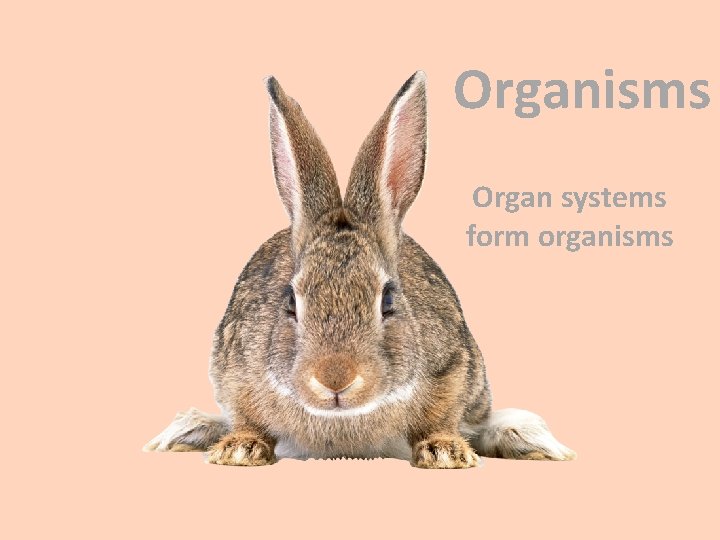
Organisms Organ systems form organisms
I can understand how the specialisation of cells permits variation in the types of tissue an organism can form. CRITERIA I can identify how specialisation of cells and tissues contribute to the structure organs. I can identify how specialisation of cells and tissues contribute to the function of organs.
- Slides: 28