
Cells Regions of cells Middle lamella pectin Bacteriafungi

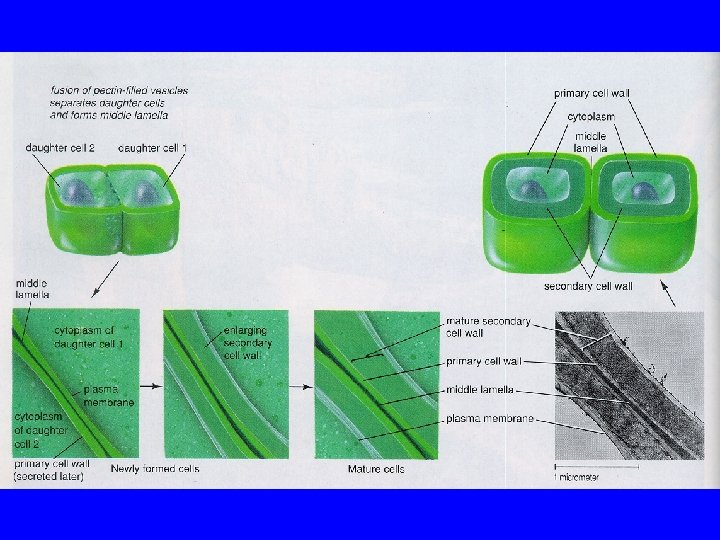
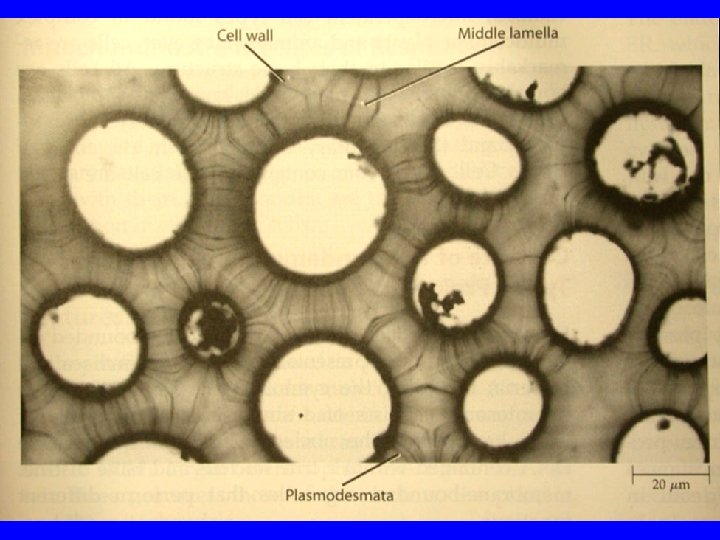
Cells • Regions of cells – Middle lamella = pectin • Bacteria/fungi break down causing fruit/vegetable rot • Like “mortar” between two bricks! – Primary cell wall = cellulose and pectin – Secondary cell wall = cellulose and lignin (not always present)
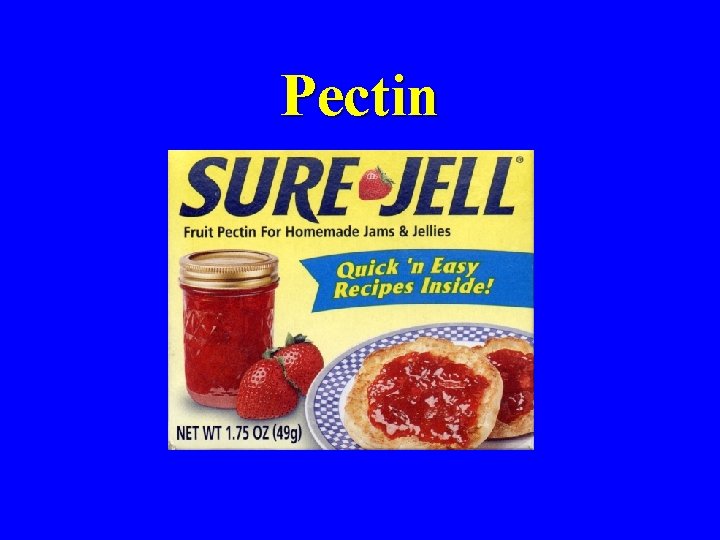
Pectin
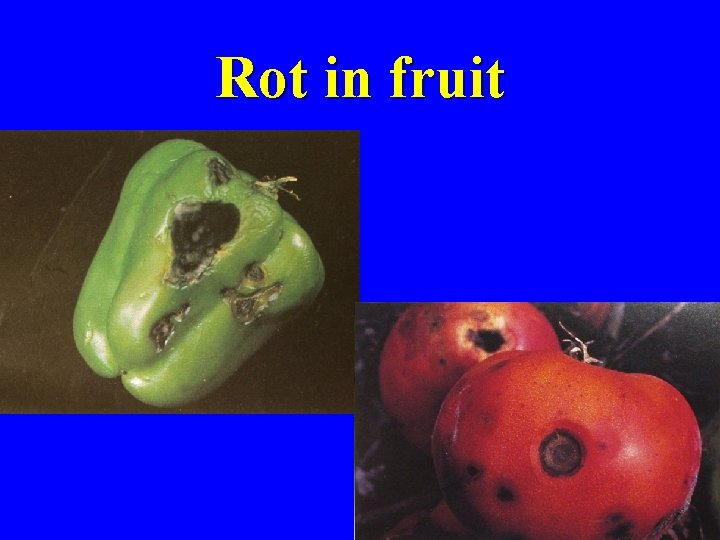
Rot in fruit
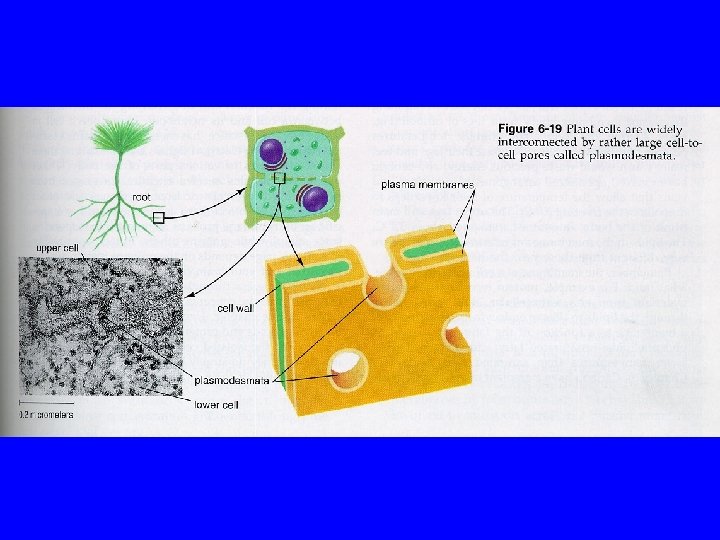
Cells • Cell walls are NOT solid! • Pierced by plasmodesmata (pores and strands that connect cells) • Plasmamembrane = semipermeable
Cells • Cytoplasm – 85 -90% water – 10 -15% organic(carbon-based) and inorganic substances • Dissolved (salts and carbohydrates = CHO’s) • Colloidal (proteins and fats)
Cells – Similar to Jell-O® • First made in 1897 • Every four seconds, a box of JELL-O gelatin is sold in the United States! – From the Chicago Tribune of March 5 th, 1997 • Jell-O = "hide trimmings, " animal tissue that is rendered, purified, filtered, and then purified again, leaving a protein called collagen • “The gelatin that is the building block of Jell-O is so purified that the FDA doesn't regard it as a meat product. Likewise, all but the strictest vegetarians find Jell-O acceptable”
Cells • Nucleus – Contains chromosomes – DNA = deoxyribonucleic acid • m. RNA – Relays genetic info. from nucleus to ribosomes (often attached to the ER, where proteins, such as enzymes, are made)
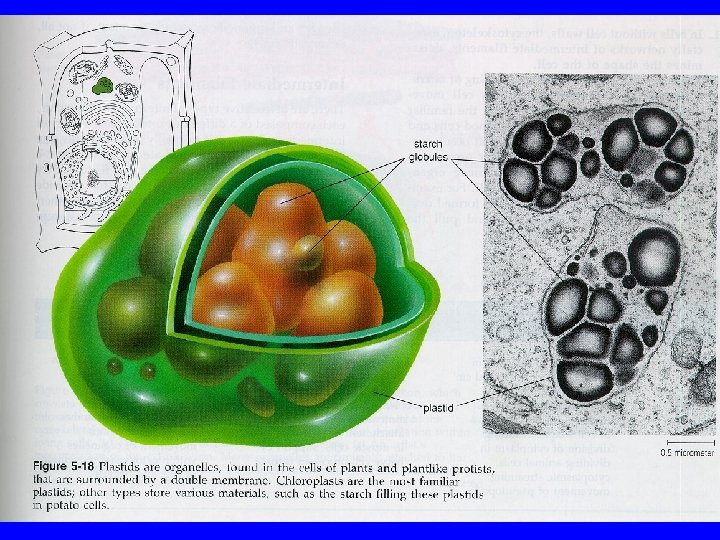
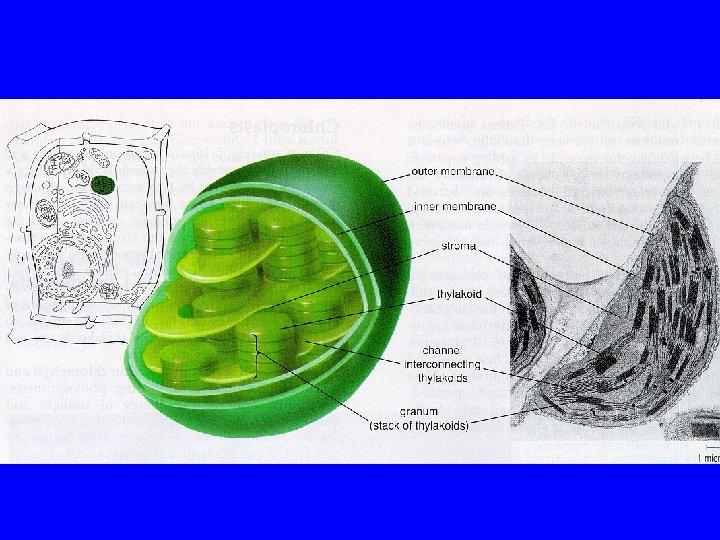
Cells • Plastids (in the cytoplasm) – Leucoplasts (colorless) contain starch – Chromoplasts (colored) • Chloroplast = chromoplast that contains chlorophyll (20 - 100 chloroplasts per cell in a green leaf!) – Where photosynthesis occurs – Grana = stacked like coins, contains chlorophyll, receive light – Stroma = surrounds grana where CO 2 is converted to CHO’s
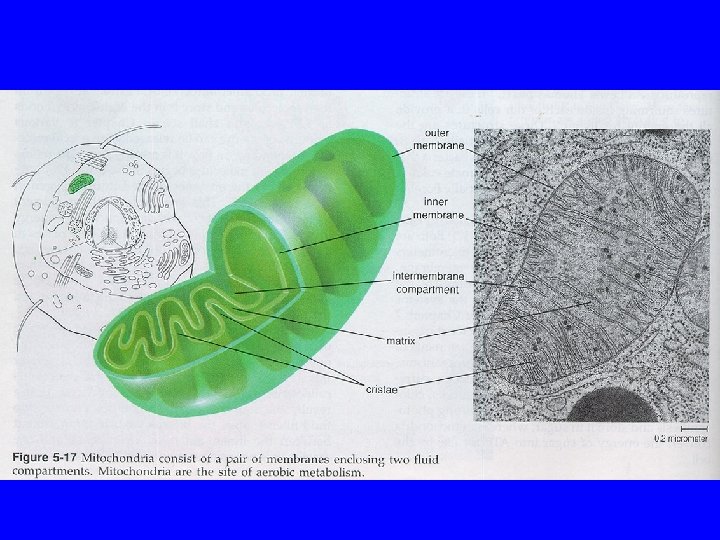
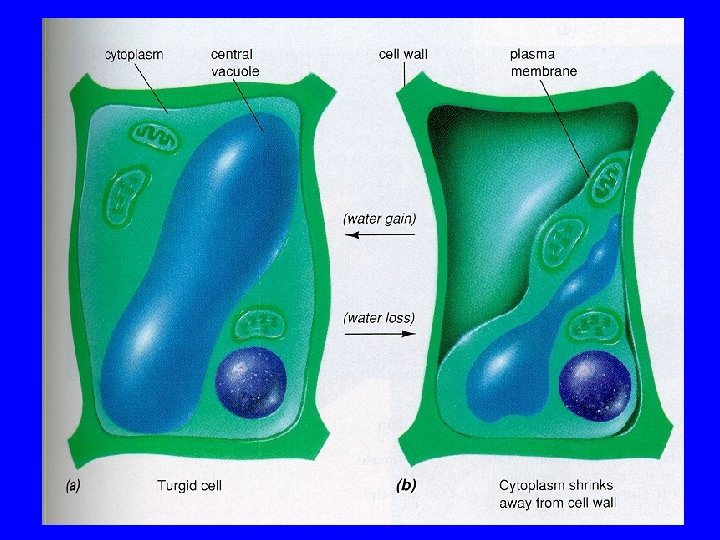
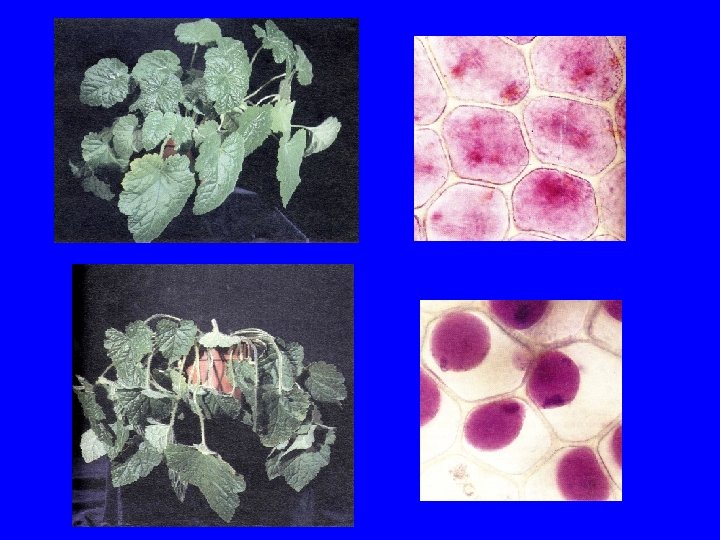
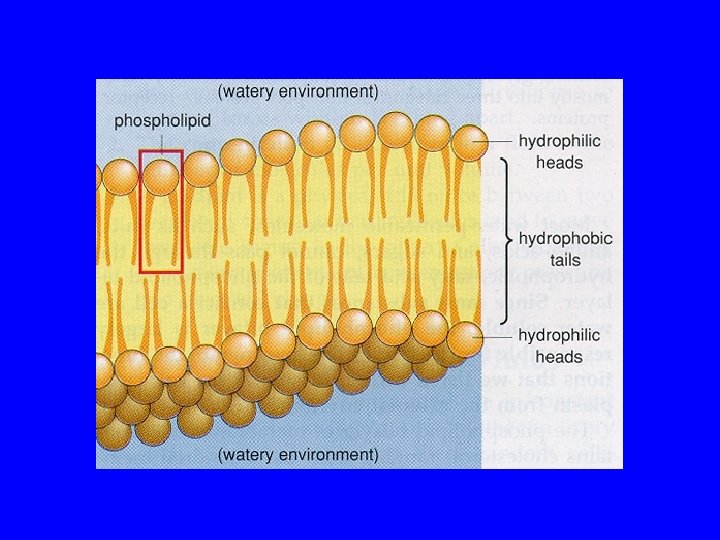
Cells • Mitochondria = power center for cell – Proteins and phospholipids – ATP (adenosine triphosphate) carries energy • Vacuoles = membrane-lined cavities in the cytoplasm filled with cell sap (water, salts, organic materials) – Helps control plant turgor
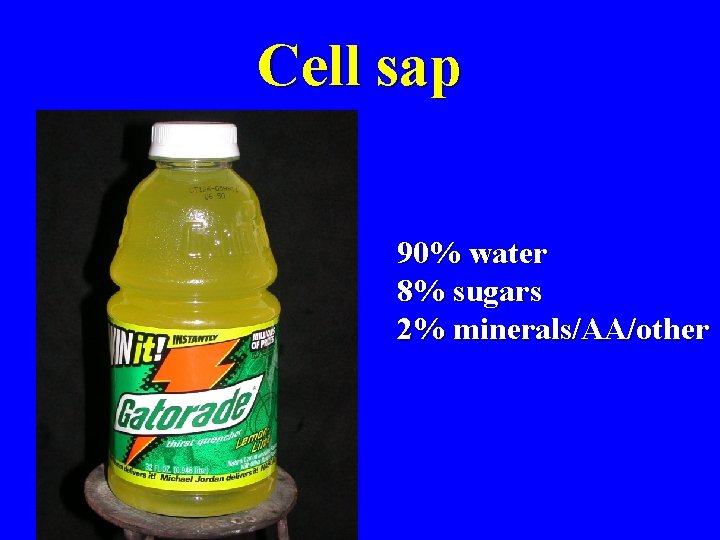
Cell sap 90% water 8% sugars 2% minerals/AA/other
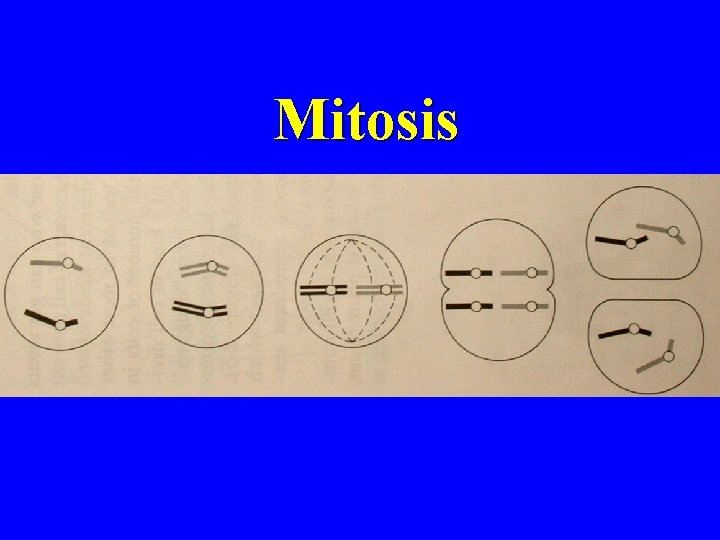
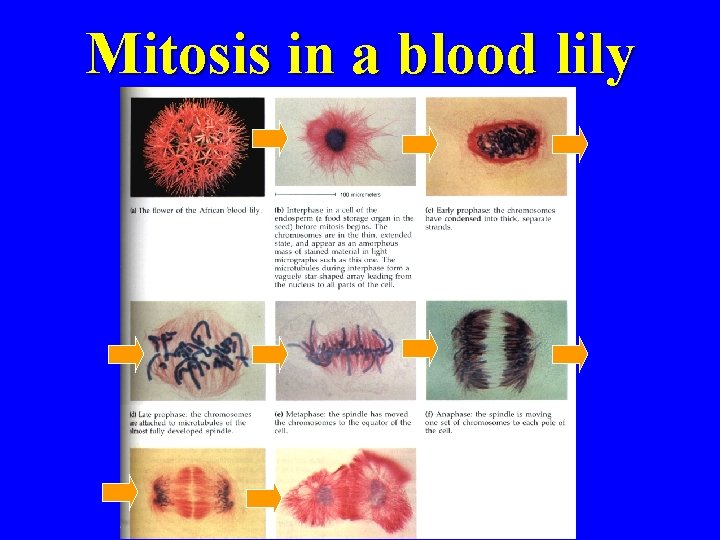
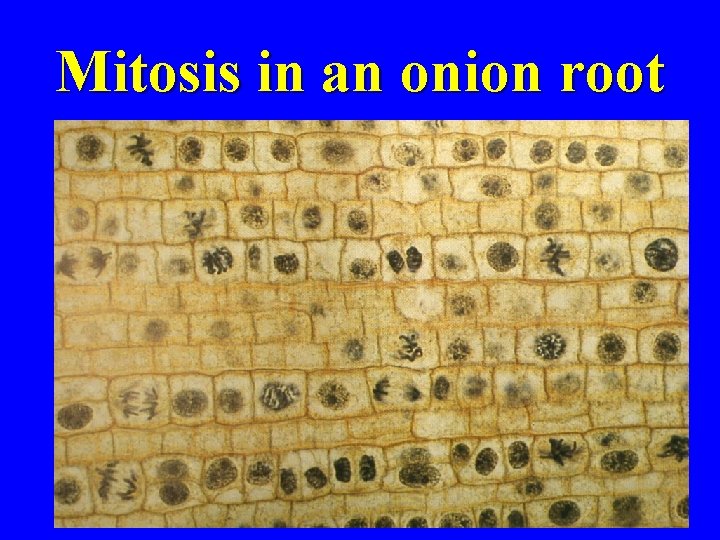
Mitosis • Cell division • End up with the same # of chromosome as your started with! • Can lead to plant growth
Mitosis
Mitosis in a blood lily
Mitosis in an onion root
Cell enlargement • What causes plant growth!! • In a region just behind the area of cell division (meristem)
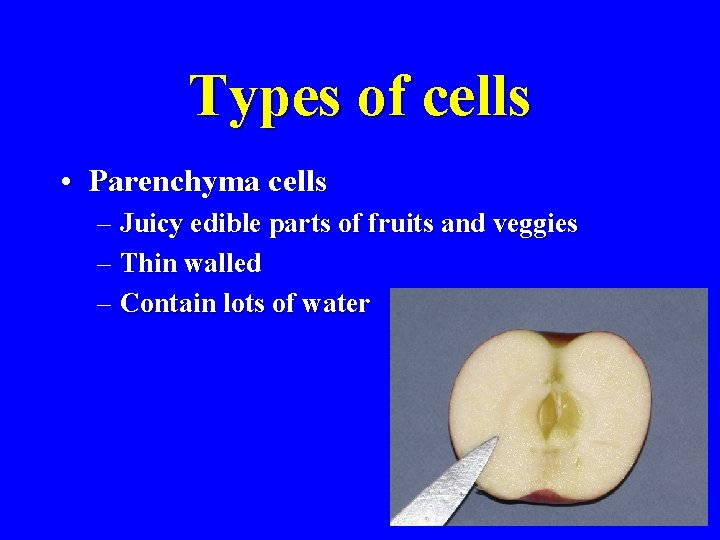
Types of cells • Parenchyma cells – Juicy edible parts of fruits and veggies – Thin walled – Contain lots of water
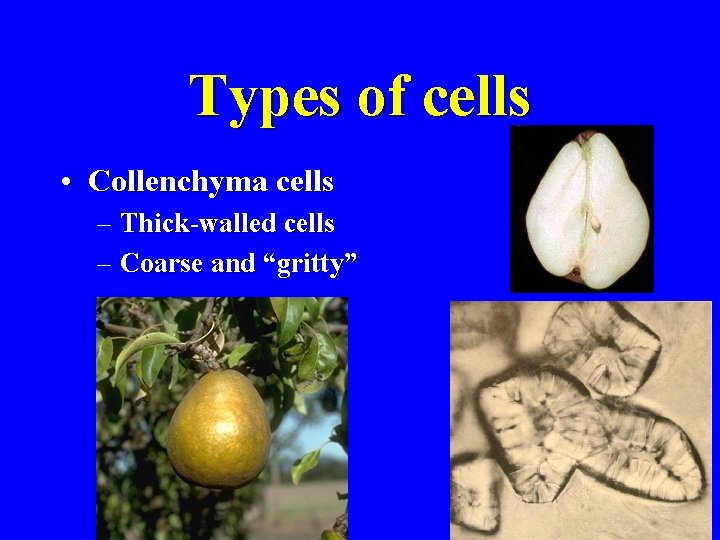
Types of cells • Collenchyma cells – Thick-walled cells – Coarse and “gritty”
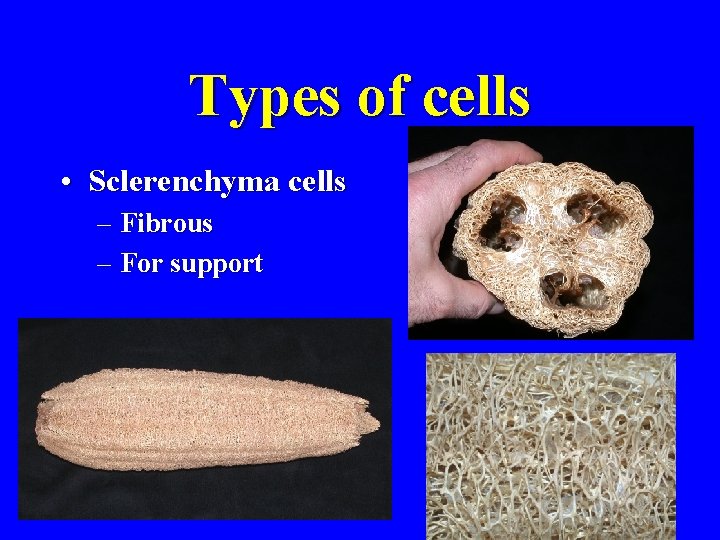
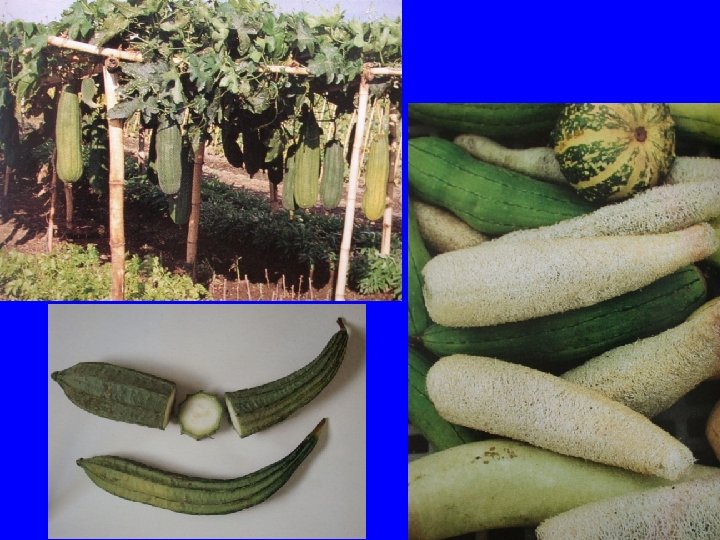
Types of cells • Sclerenchyma cells – Fibrous – For support
Types of cells • Importance of middle lamellae in cooking • ‘Russet Burbank’ potatoes – Ideal for baking, mashing & processing – Middle lamellae breaks down easily – Cells remain intact – Mealy texture • ‘Red Pontiac’ potatoes – Ideal for boiling and frying – Middle lamellae does not break down
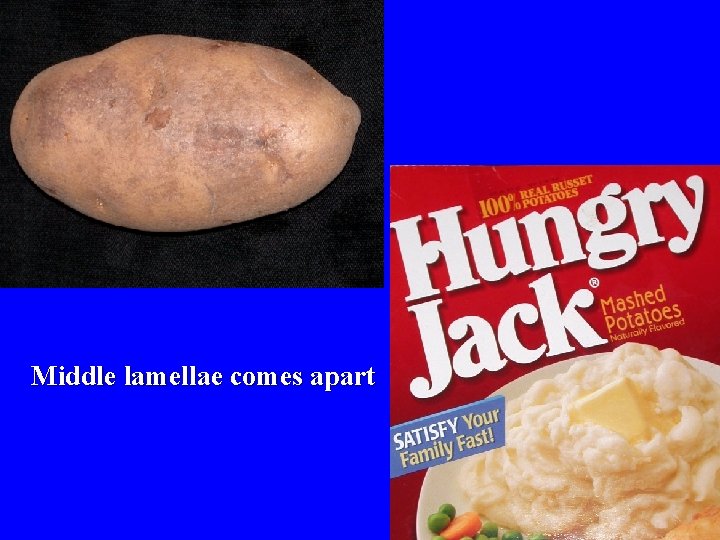
Middle lamellae comes apart
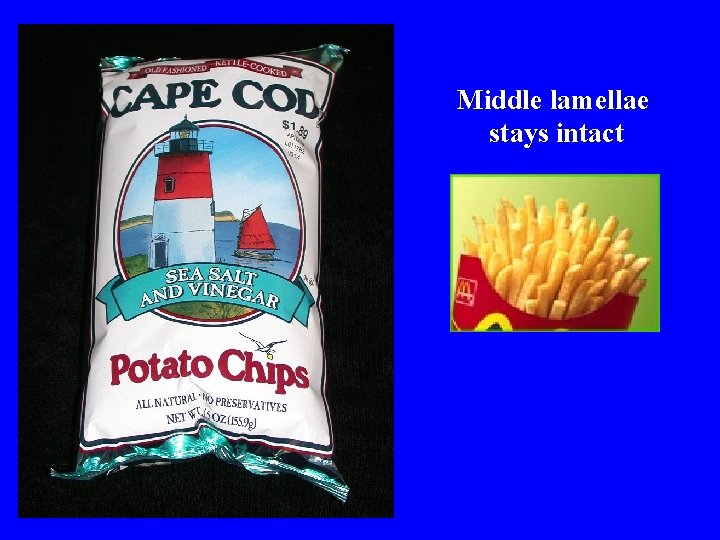
Middle lamellae stays intact
Roots • Why? – Anchor plant – Absorb mineral nutrients – Absorb water – Store nutrients (CHO’s) and water
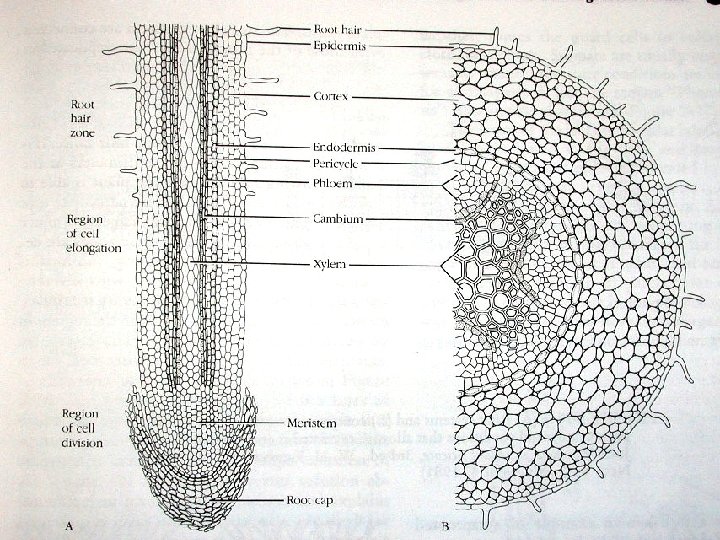
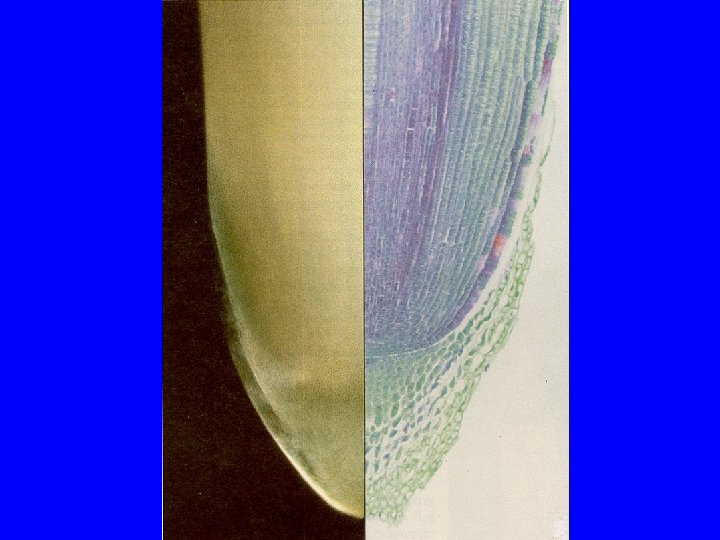
Roots • Parts: – Root cap – Meristem – Zone of elongation – Maturation zone
- Slides: 36