
Cells Cell structure Cell Theory l Robert Hooke
Cells Cell structure
Cell Theory l Robert Hooke looks at cork and see little boxes, that he names cells. l Oken writes the cell theory in 1805: all organic beings originate from and consist of vesicles or cells. l Schleiden and Schwann (1839) credited for the cell theory. l Virchow (1860) says: “All cells from cells”
Cell is the fundamental unit of life l Take in materials l Make use of materials to get energy and to synthesize its own molecules. l Grow in organized manner. l Respond to stimuli from its surroundings l Maintain a homeostatic state. l Reproduce itself. l Adapt over time through evolution.
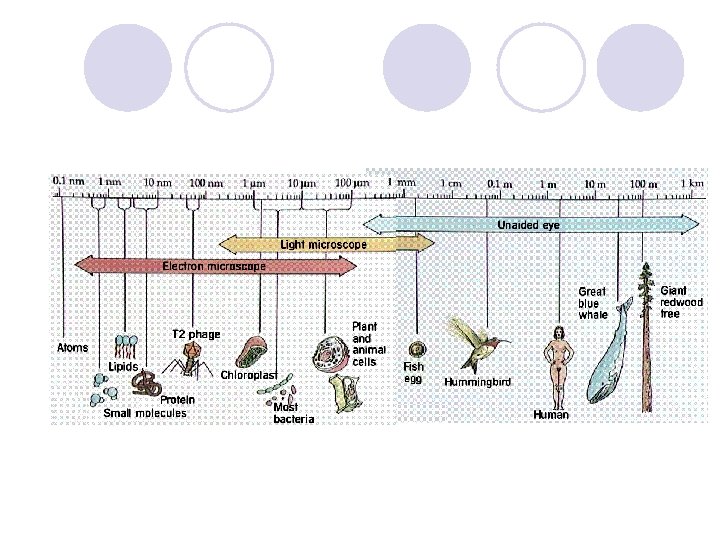
The size of cells Most of them are very small: between 10 and 100 micrometers. l Big exceptions: l chicken- ostrich eggs ¡ Length of nerve axons. ¡ l Why so small? Surface/volume theory: the surface does not increase proportionally to the increase of volume. ¡ Need the surface for exchanges. ¡
Importance of cell size for diffusion of nutrients and removal of cellular wastes.
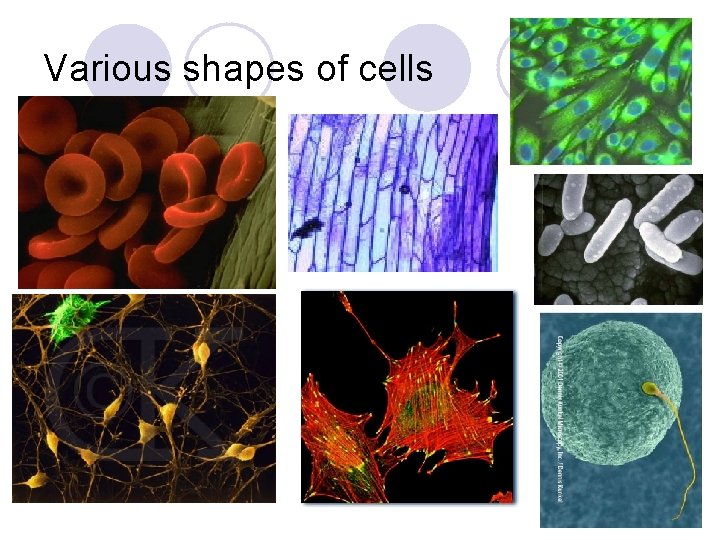
Various shapes of cells
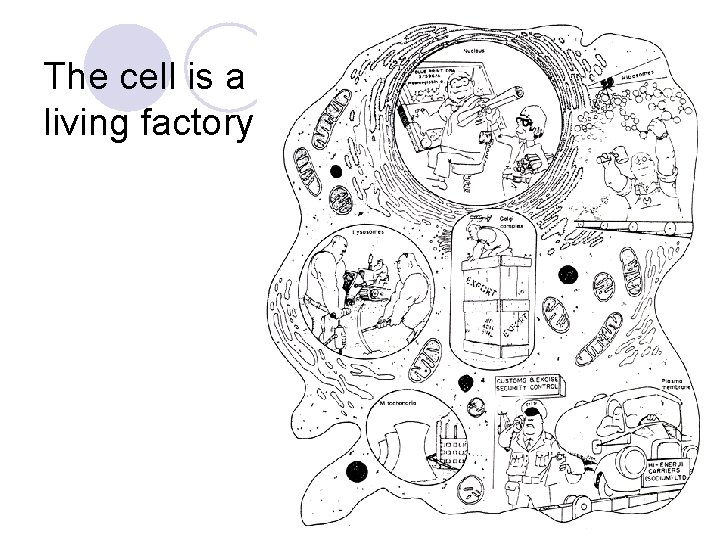
The cell is a living factory
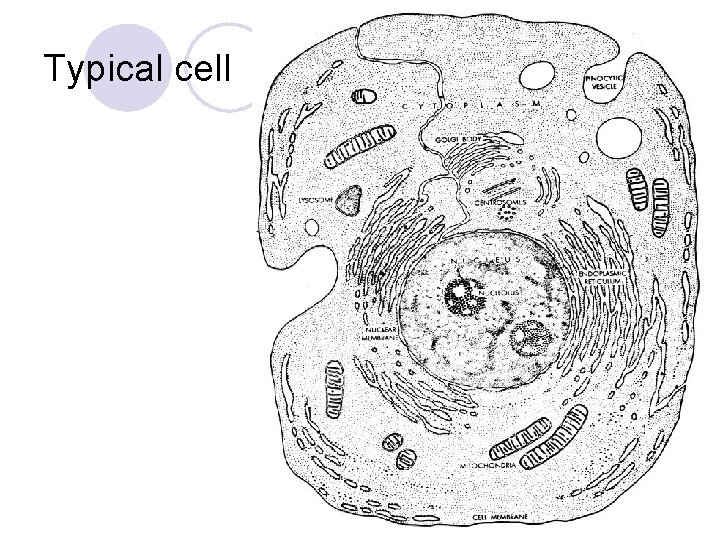
Typical cell
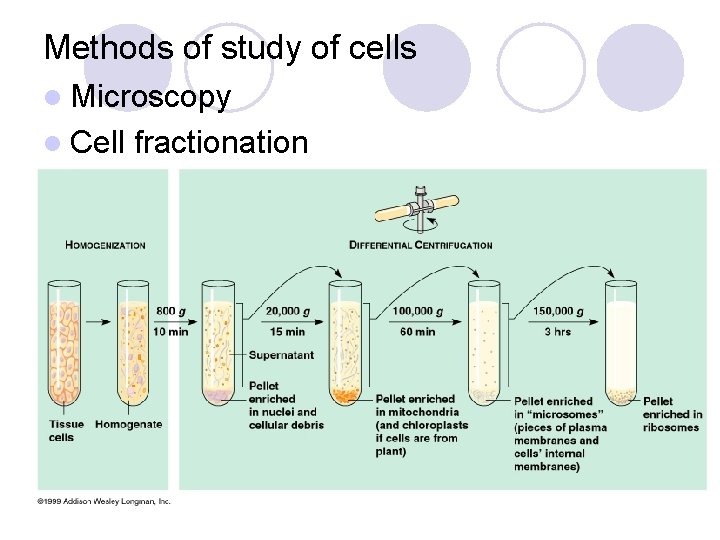
Methods of study of cells l Microscopy l Cell fractionation
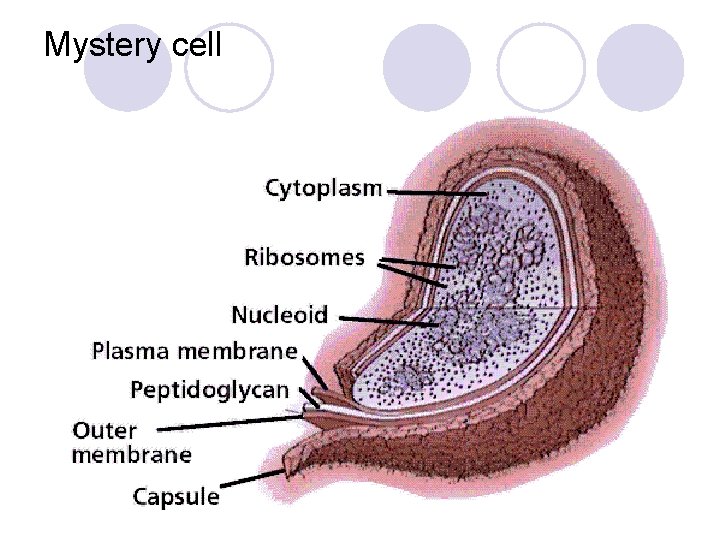
Mystery cell
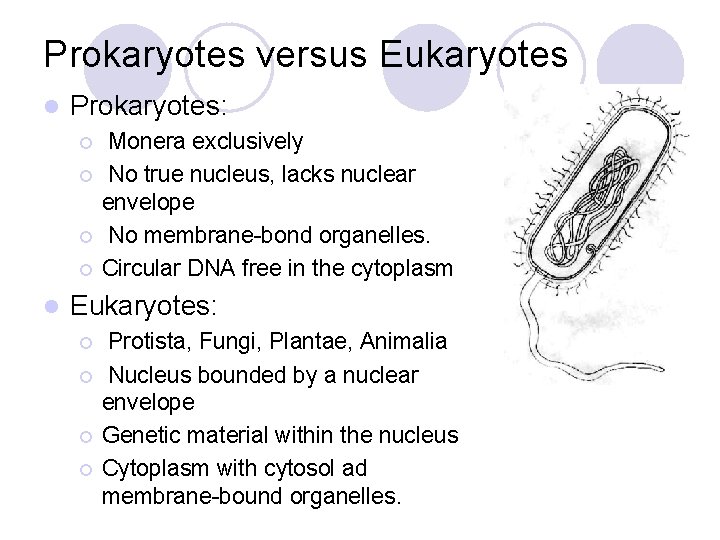
Prokaryotes versus Eukaryotes l Prokaryotes: ¡ ¡ l Monera exclusively No true nucleus, lacks nuclear envelope No membrane-bond organelles. Circular DNA free in the cytoplasm Eukaryotes: ¡ ¡ Protista, Fungi, Plantae, Animalia Nucleus bounded by a nuclear envelope Genetic material within the nucleus Cytoplasm with cytosol ad membrane-bound organelles.
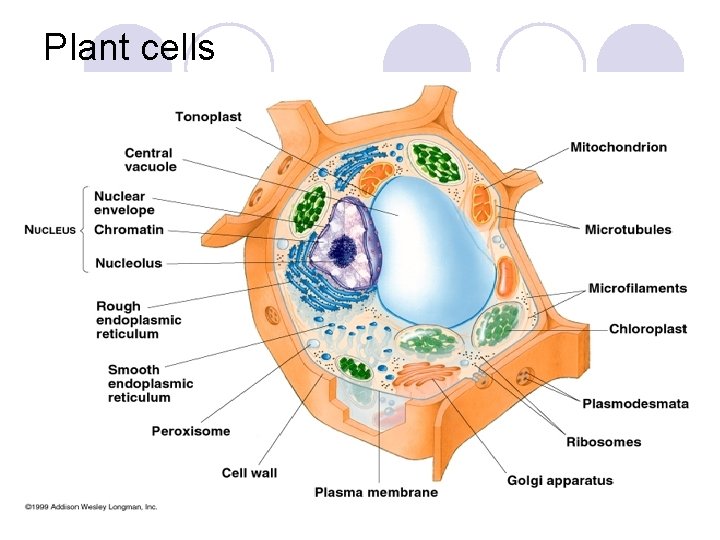
Plant cells
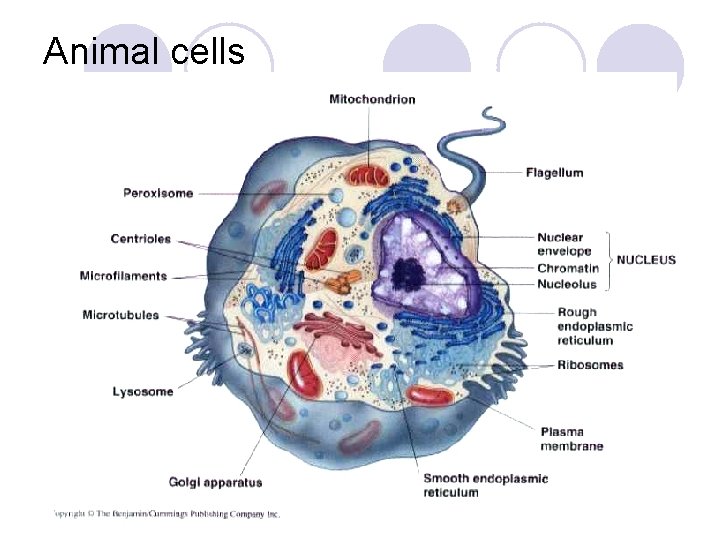
Animal cells
- Slides: 14