
Cells AP Ch 3 I Overview of Cells
- Slides: 55
Cells A&P Ch 3
I. Overview of Cells A. Basic 1. Cells are units formed from chemicals and structures 2. Cells are found in all living things 3. Most cells are microscopic in size, ranging from 1 3 to 1 13 the size of the dot on this exclamation point! 4. Some nerve cells can be 2 feet long or longer 5. Cells can be flat, round, threadlike, or irregularly shaped 6. The body has 7. 5 trillion cells that work together to promote proper functioning B. Atoms and Molecules 1. The chemical building blocks that cells are composed of 2. Atoms – the tiny building block of all matter 3. Atoms combine to form molecules (such as water, sugar, and proteins) 4. Molecules are used to build cellular structures and facilitate cellular functions 5. There are four basic types of molecules found in cells: a. Proteins b. Carbohydrates c. Lipids d. Nucleic acids
II. Cell Structure A. Almost all cells share certain common traits 1. A nucleus 2. Organelles 3. Cytoplasm 4. Cell membrane B. Cell membrane 1. Structure and function a. The cell membrane is the boundary that possesses a definite shape and actually holds the cell contents together, acting as a protective covering b. A cell membrane allows material in and out of the cell c. Cell membranes are selectively permeable because they choose what gets in and out of the cell i. They have specialized structures to help regulate the movement of some substances into and out of the cell d. The cell membrane has identification markers that identify it as coming from a certain person e. It is 3 10, 000 of an inch thick
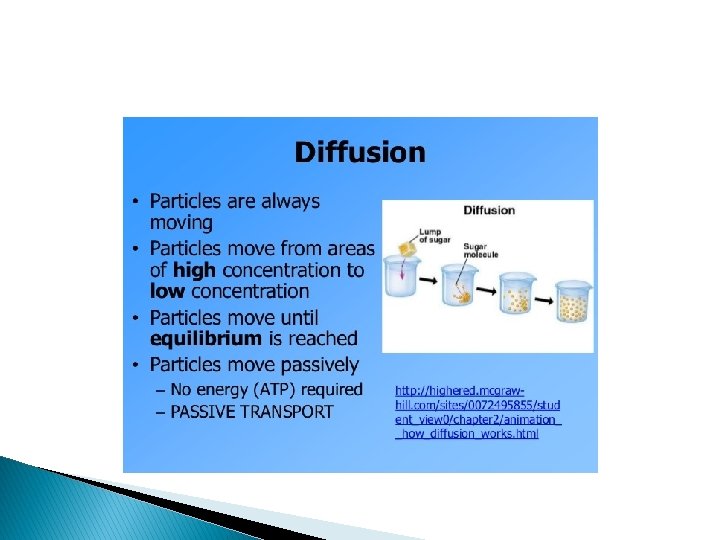
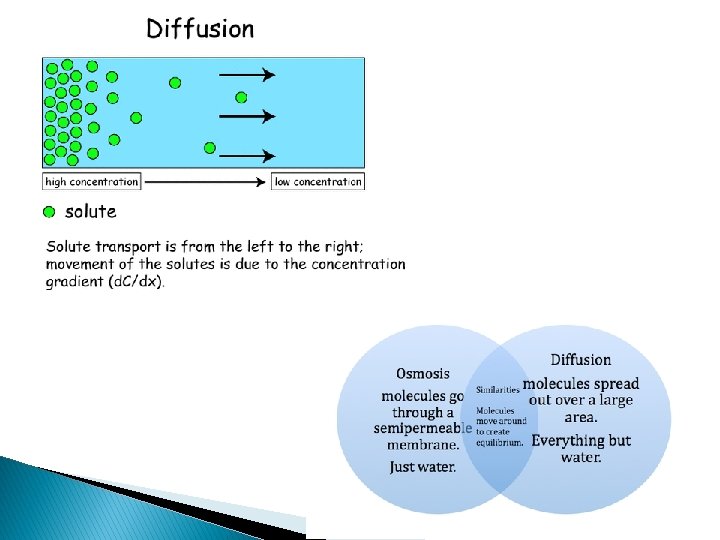
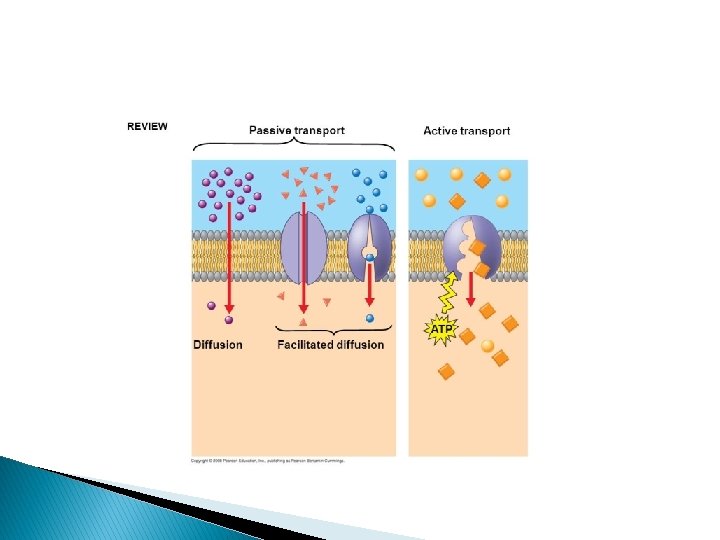
2. Transport methods (transportation across cell membrane) a. Moving things in and out of the cell can be done in two broad ways – passive transport and active transport i. Passive transport requires no extra form of energy to complete • Has four types: diffusion, facilitated diffusion, osmosis, and filtration • Diffusion - The most common form of passive transport; a substance of higher concentration travels to an area of lesser concentration. - Analogies: adding a packet of powdered drink mix to a pitcher of water; the smell of a classmate’s perfume filling a room. * Necessary to move oxygen and carbon dioxide from the lungs to the bloodstream or the bloodstream to the lungs • Osmosis - Another form of diffusion in which water travels through a selectively permeable membrane to equalize concentrations of a substance - Dissolved substance is called a solute - Water will move from an area of low solute concentration to an area of high solute concentration - Water tends to travel across a membrane to equalize concentrations of a solute; ability of a substance to pull water toward an area of higher solute concentration is called osmotic pressure - The greater the concentration of solute, the greater the osmotic pressure, or pull, it exerts to bring in water
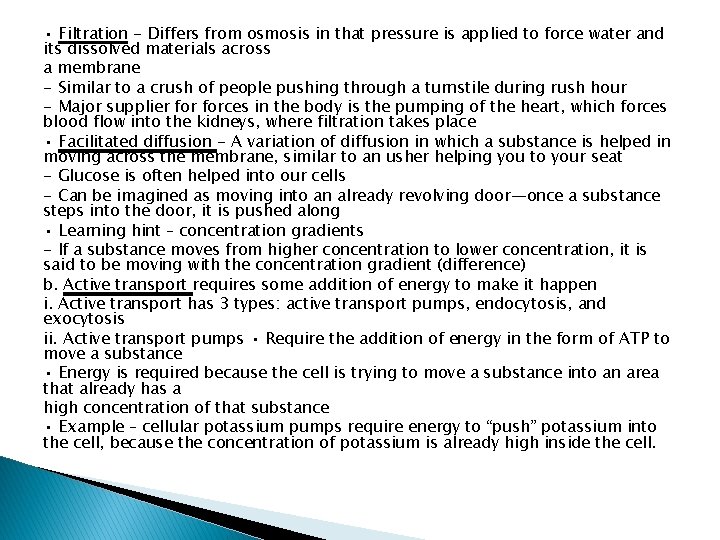
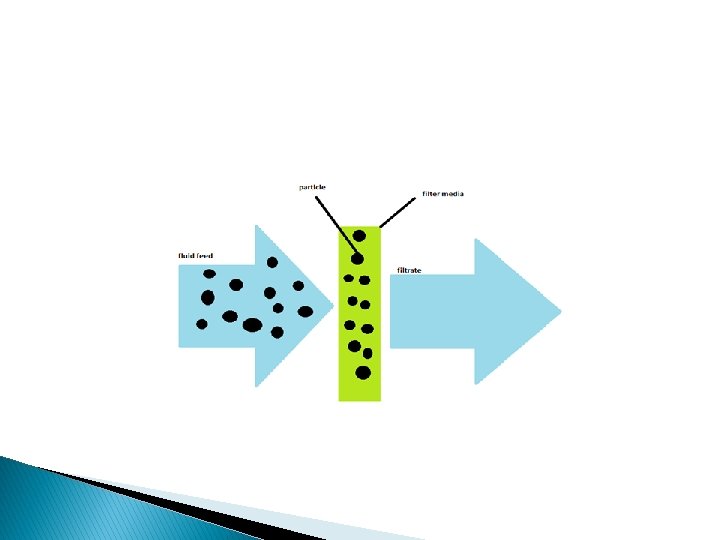
• Filtration - Differs from osmosis in that pressure is applied to force water and its dissolved materials across a membrane - Similar to a crush of people pushing through a turnstile during rush hour - Major supplier forces in the body is the pumping of the heart, which forces blood flow into the kidneys, where filtration takes place • Facilitated diffusion - A variation of diffusion in which a substance is helped in moving across the membrane, similar to an usher helping you to your seat - Glucose is often helped into our cells - Can be imagined as moving into an already revolving door—once a substance steps into the door, it is pushed along • Learning hint – concentration gradients - If a substance moves from higher concentration to lower concentration, it is said to be moving with the concentration gradient (difference) b. Active transport requires some addition of energy to make it happen i. Active transport has 3 types: active transport pumps, endocytosis, and exocytosis ii. Active transport pumps • Require the addition of energy in the form of ATP to move a substance • Energy is required because the cell is trying to move a substance into an area that already has a high concentration of that substance • Example – cellular potassium pumps require energy to “push” potassium into the cell, because the concentration of potassium is already high inside the cell.
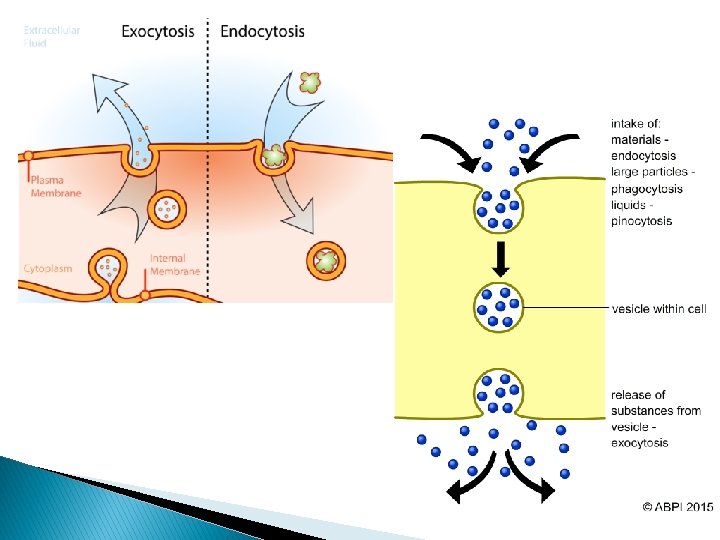
iii. Endocytosis- • Used by cells for the intake of liquid and food when the substance is too large to diffuse across the membrane. • The cell membrane actually surrounds the substance with a small portion, forming a chamber or vesicle, which then separates from the membrane and moves into the cell. - Phagocytosis is the name for this process if it is a solid particle being transported a. Example – white blood cells can use phagocytosis to engulf bacteria and prevent infections - Pinocytosis is the name for the process if it is water being transported iv. Exocytosis • Used by cells to transport things out of the cell; transportation occurs through a vesicle • Some cells internally produce substances needed outside the cell. - Once the substance is made, it is surrounded by a membrane, forming a vesicle. The vesicle moves to the cell membrane at the edge of the cell - The vesicle fuses with the cell membrane and expels its load out of the cell.
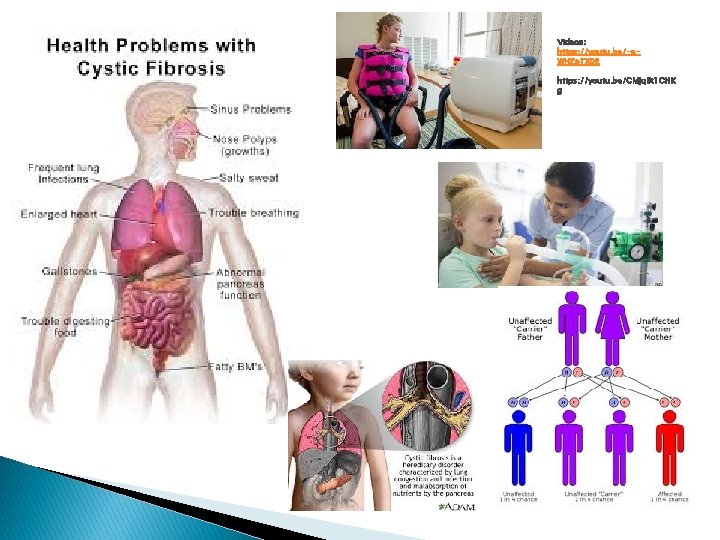
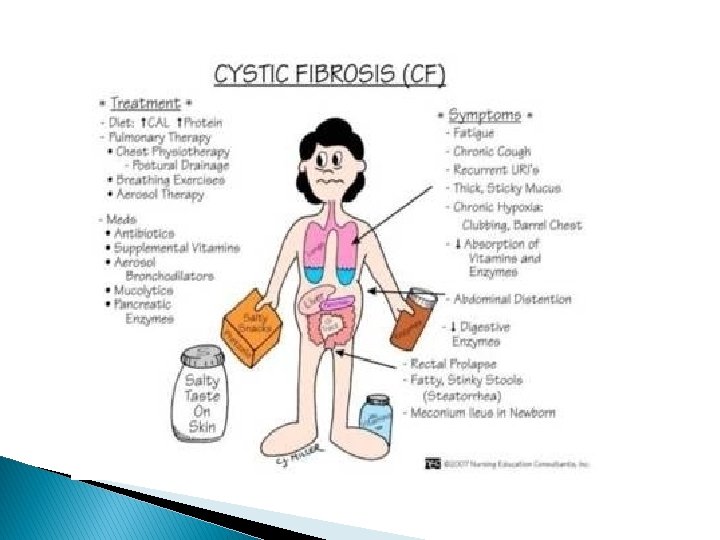
3. Diseases related to cell membrane and its functions: a. Cystic fibrosis- An incurable, fatal genetic disease that affects 1/3000 Caucasian babies ii. Caused by a malformation in membrane channels for chloride and sodium ions • Sodium and chloride do not diffuse across the cell membrane as they normally would • Fluids around the cells become extremely salty due to excess sodium and chloride • The result is excessively thick mucus in the respiratory digestive and reproductive systems - This thick mucus can cause clogging in the organs iii. Symptoms may include • Difficulty breathing • Nutritional deficits due to decreased absorption of nutrients • Increased risk of respiratory infection • Diabetes • Infertility (especially in males) iv. Treatments • CF cannot be cured, but treatments can help extend life and improve quality of life • Treatments may include: - Nutritional supplements - Antibiotics to prevent pneumonia - Mucus thinning drugs • With treatment today, the average life span of a patient with CF is 35 years v. CF can be diagnosed by: • Prenatal genetic testing • Postnatal genetic testing • Testing pulmonary function • Testing the amount of sodium in the sweat
Videos: https: //youtu. be/-a. WHZo. TX 0 E https: //youtu. be/CMjq. Bt 1 CHK g
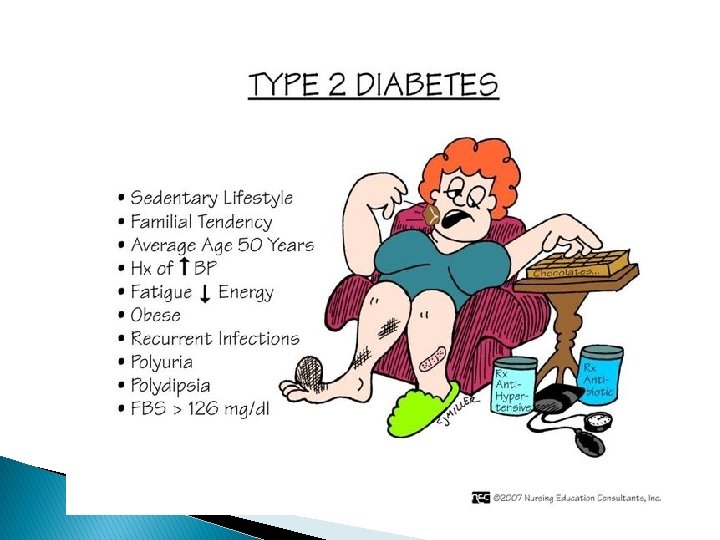
b. Diabetes mellitus- A very common medical problem ii. Main symptom (high blood sugar) is caused by a problem with facilitated diffusion Glucose is transported into the cells via facilitated diffusion The hormone insulin must be present in order for the transport of glucose to occur In diabetes mellitus, insulin is either absent, or the cells are insensitive to insulin As a result, glucose doesn’t get into the cells like it should iii. The lack of glucose transport into cells causes several problems. Lots of glucose hangs around in the bloodstream, causing big osmotic problems for cells. Cells can’t make as much energy as they need when glucose can’t be transported in c. Familial hypercholesterolemia- Hypercholesterolemia is a condition in which blood cholesterol is too high, sometimes caused by poor diet and lack of exercise, Sometimes inherited (familial hypercholesterolemia) In normal people, low density lipoprotein (LDL – or “bad cholesterol”) binds to cholesterol, and then allows it to be carried into cells via endocytosis Once inside the cell, the cholesterol is used to make other lipids In familial hypercholesterolemia, LDL doesn’t move into cells, and stays in the blood. This causes two problems *Too little cholesterol gets into the cells, and cells must make more cholesterol * The LDL that cannot get into cells hangs around in the blood, resulting in excessively high blood LDL This causes plaques in blood vessels - Plaques can lead to blood clots, strokes, and heart attacks There are two forms of familial hypercholesterolemia • Severe- Patients with this form often have heart attacks or strokes as children , often fatal in children or teenagers, has no effective treatment • Moderate- Also leads to heart attacks and strokes, but usually not until mid-life, can be treated with diet modifications and cholesterol lowering drugs, 1/500 Americans have the moderate from
C. Cytoplasm 1. A gel-like substance that is inside the cell membrane 2. Cells require cytoplasm in order for the parts of the cell, known as organelles, to thrive and function D. Nucleus 1. The “brains of the cell” 2. Dictates the activities of the organelles in the cell 3. Has a double-walled nuclear membrane, with large pores allowing certain materials to pass in and out, while preventing other materials from entering 4. Chromatin, a material found in the nucleus, contains DNA contains the blueprints, or specifications, for the creation of new cells, DNA eventually forms chromosomes, which contain genes, Genes determine our inherited characteristics. 5. Nucleolus is also found within the cell nucleus a. A spherical body made up of dense fibers b. Major function is to synthesize the ribonucleic acid (RNA) that forms ribosomes E. Ribosomes 1. Organelles found on the endoplasmic reticulum or found floating around in the cytoplasm 2. Made of RNA and assist in the production of enzymes and other protein substances needed for cell repair and reproduction 3. Can be considered the “manufacturing plant” of the cell, producing building materials used for remodeling and repair F. Centrosomes 1. Act as a building contractor, building new structures as the need arises 2. Contain centrioles that are involved in the division of the cell 3. Centrioles are tubular in shape and usually found in pairs G. Mitochondria 1. Tiny bean-shaped organelles that act as the “power plant” to provide up to 95% of the body’s energy needs for cellular repair, movement, and reproduction 2. If a cell needs more power, it increases the number of mitochondria in the cell
H. Endoplasmic reticulum 1. A series of channels set up in the cytoplasm that are formed from folded membranes 2. Has two distinct forms a. Rough endoplasmic reticulum has a sandpaper-like surface, with ribosomes on the surface; responsible for synthesis of protein b. Smooth endoplasmic reticulum has no ribosomes and appears smooth; synthesizes lipids and steroids I. Golgi apparatus 1. Looks like a bunch of flattened, membranous sacs 2. Once the Golgi apparatus receives protein from the endoplasmic reticulum, it further processes it for shipping 3. Golgi apparatus takes the processed protein, surrounds it with a vesicle, and transports it to the cell membrane. Here the vesicle fuses with the cell membrane and releases the protein 4. Salivary glands and pancreatic glands have higher numbers of Golgi apparatus because they have a higher level of secretion or storage J. Lysosomes 1. Vesicles containing powerful enzymes that clean up intercellular debris and other waste 2. Also destroy harmful bacteria by participating in the process of phagocytosis to maintain health K. Other interesting parts 1. The cytoskeleton is a network of microtubules and interconnected filaments that provide shape to the cell and mobility to the cell and its contents. 2. Vesicles can be thought of as little trucks—they can be loaded up with substances and travel to other sites within the cell to drop off their loads 3. Flagella are whip-shaped tails that move some cells, like sperm, to other locations 4. Cilia are short, microscopic, hair-like projections located on the outer surface of some cells; they move particles using a wavelike motion a. Example – the sweeping motion of cilia in the lungs and airways helps keep dust particles and germs out
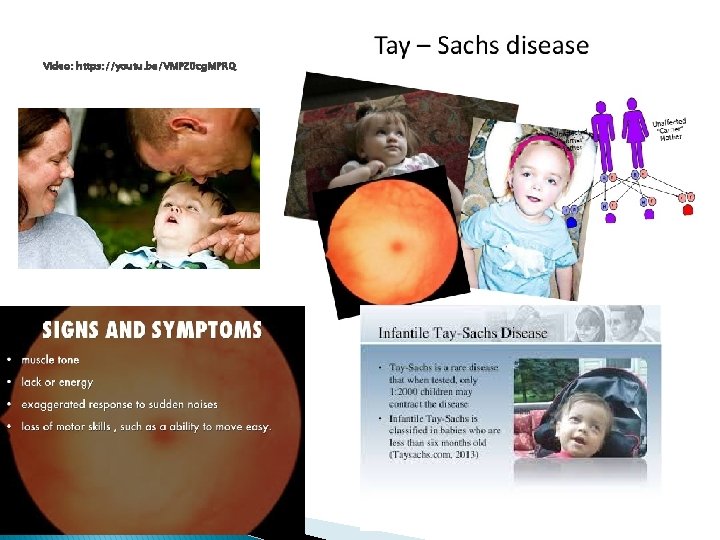
L. Diseases related to organelle dysfunction 1. Tay Sachs- A type of lysosomal storage disorder i. Lysosomal storage disorders occur when lysosomes are missing one of their enzymes ii. As a result, some molecules will not break down and will accumulate in cells iii. There are many kinds of lysosomal storage disorders *** All are genetic ** Most lack effective therapies b. In Tay Sachs, an enzyme is missing in the lysosomes of nervous system cells i. As a result, glycoproteins accumulate in cells in the nervous system ii. This buildup of glycoproteins causes inflammation and eventual cellular destruction c. Symptoms of Tay Sachs include mental regression, dementia, and paralysis appearing within the first year of a patient’s life d. Diagnosis i. Appearance of a cherry red spot on the back of the patient’s eyes ii. Abnormalities in the startle reflex e. There is no treatment i. The disease is generally fatal within two or three years of onset f. The availability of a genetic test has decreased the incidence of Tay Sachs in recent years 2. Cigarettes and paralyzed cilia - Smoking causes cilia in the respiratory tract to become paralyzed, as a result, they cannot keep the lungs clean. Over time, this can lead to COPD (chronic obstructive pulmonary disease) and other smoking-related lung problems. Passive smoking (second hand smoke exposure) also increases the risk of lung problems
Video: https: //youtu. be/VMPZ 0 cg. MPRQ
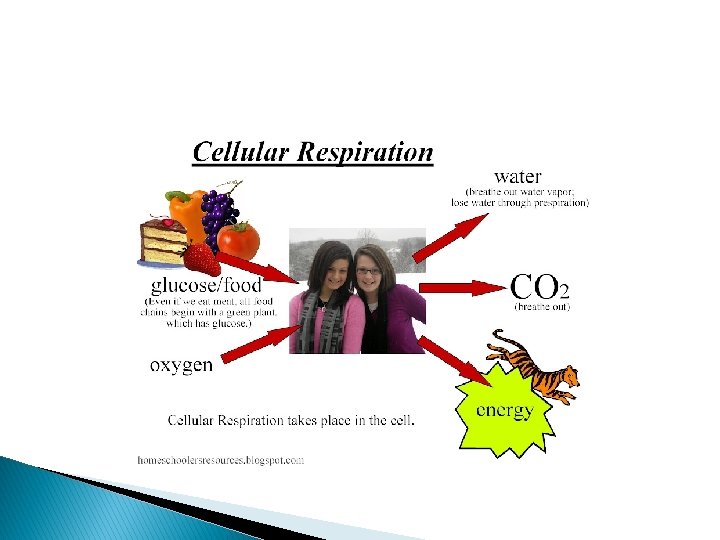
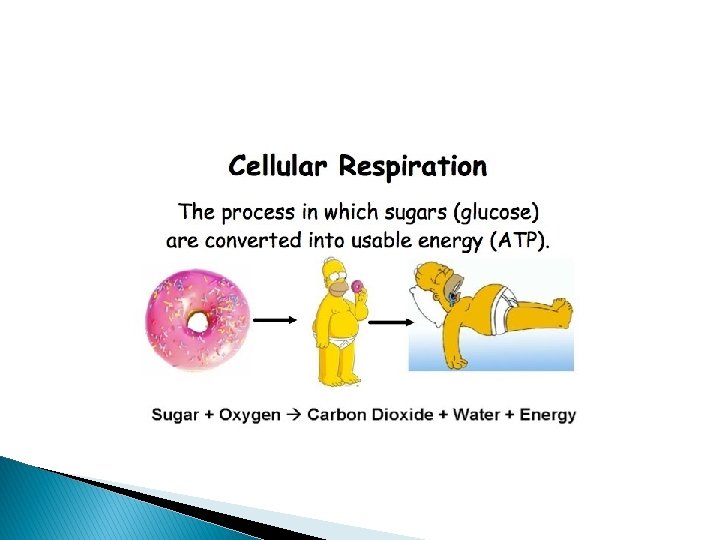
III. Cellular Processes A. Cell energy and ATP: The Energy Molecule 1. Digestion breaks food down, releasing energy 2. In order for cells to use the energy, it must be converted to ATP, an energy transfer molecule a. ATP is made up of a base, a sugar, and three phosphate groups b. Phosphate groups are held together by high-energy bonds c. Energy is released each time a bond is broken, turning ATP to ADP (two phosphate groups) d. ADP can then pick up another bond, storing more energy, so the process can begin again 3. Cells produce ATP through a process called cellular respiration a. In cellular respiration, glucose (from your food) is combined with oxygen b. This chemical reaction results in the production of ATP in the mitochondria c. This chemical reaction also produces two waste products: Water &. Carbon dioxide d. The entire reason we breathe (exchanging oxygen and carbon dioxide) is to provide the necessary materials for cellular respiration i. We breathe in oxygen so it can be combined with glucose (from your food) to produce ATP ii. We breathe out carbon dioxide to rid the body of the chemical waste product generated by ATP production
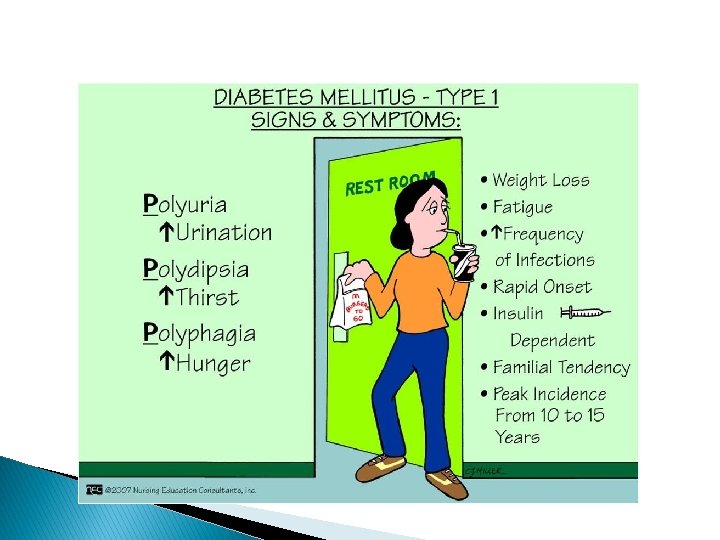
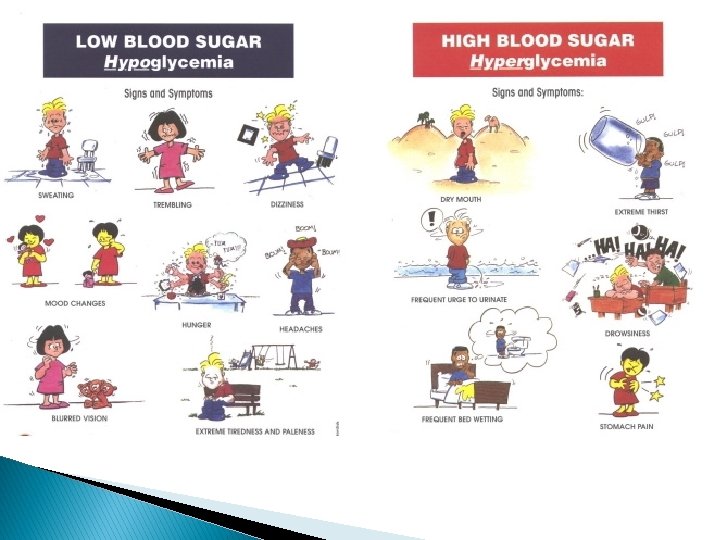
4. Diabetes mellitus The relationship of diabetes mellitus to membrane transport was previously discussed. Diabetes also relates to cellular respiration. In diabetes, glucose from your food doesn’t get into cells effectively. . As a result, cells must look for other substances that can be used to make ATP. The body begins to break down tissues like muscle in order to get energy from alternate sources such as fats and proteins. This causes abnormal body chemistry. In addition, the extra glucose in the blood causes problems: An abnormal concentration gradient develops between the inside and outside of cells Your body tries to get rid of the extra glucose by filtering extra blood through the kidneys As a result, the kidneys produce excessive amounts of urine, leading to water loss and possible dehydration. The lack of cellular glucose uptake and the body’s attempts to compensate for excessively high blood sugar lead to the classic symptoms of untreated diabetes: i. Weight loss – occurs because the cells cannot effectively use glucose from the food the patient eats ii. Excessive urination – occurs as the body increases blood flow to the kidneys in an attempt to normalize excessively high blood sugar iii. Excessive thirst – develops when the patient begins to be dehydrated from excessive urination * In addition, diabetes may cause long term problems to develop, such as heart disease and kidney failure
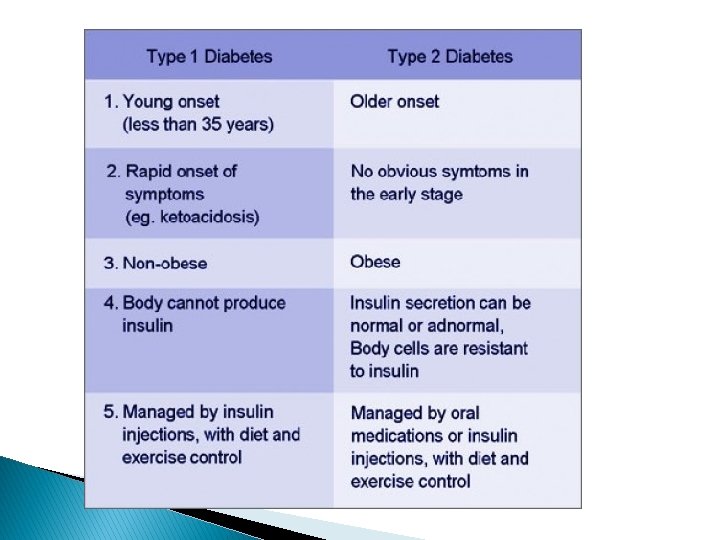
There are two types of diabetes mellitus: i. Type 1 diabetes (previously called IDDM – insulin dependent diabetes mellitus) Type 1 diabetes is an auto-immune disorder The immune system attacks and destroys the cells in the pancreas that make insulin As a result, insulin production ceases ii. Type 2 diabetes (previously called NIDDM – non insulin dependent diabetes mellitus) Type 2 diabetes develops when cells stop responding appropriately to insulin (insulin resistance develops) Insulin is still produced by the pancreas The tissues just don’t respond Type 2 diabetes is usually related to obesity, and is associated with high cholesterol, high lipids, and high blood pressure Treatment or diabetes mellitus depends on the type of diabetes Type 1 diabetes: Is not curable, Can be treated with daily insulin injections, Patients must adhere to a strict diet Type 2 diabetes: Can sometimes be reversible, The first step of treatment includes, Adoption of healthy diet and exercise habits. Weight loss- If that is not effective, medications that affect the pancreas or tissues can improve blood sugars. Some patients eventually require supplemental insulin.
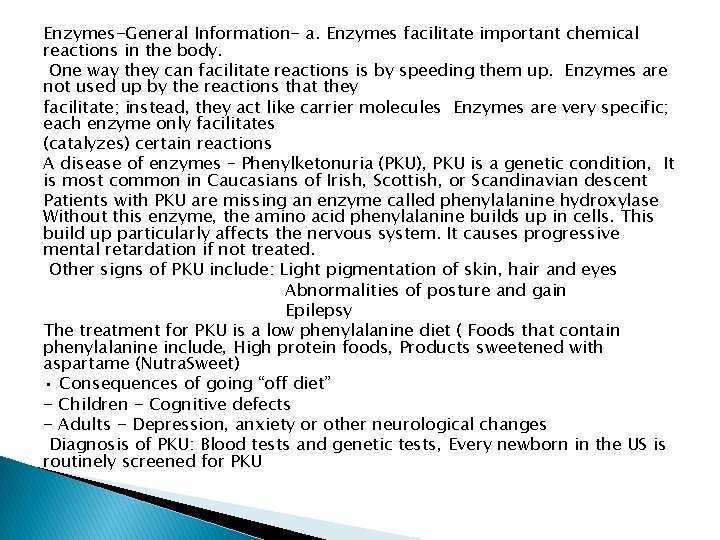
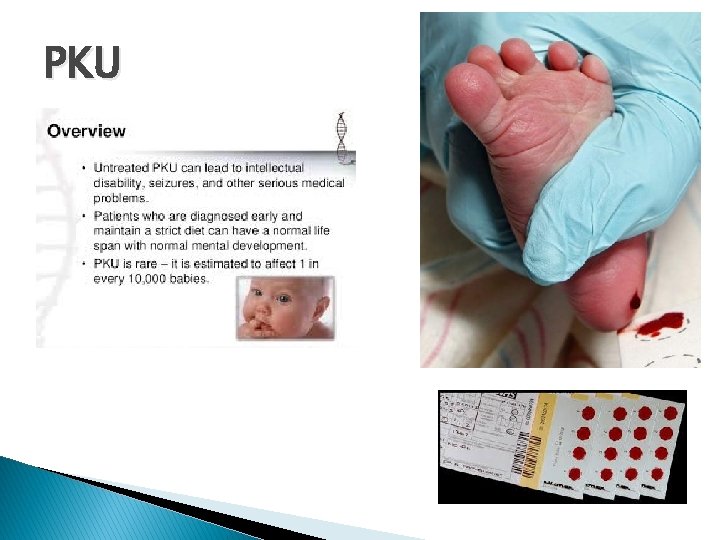
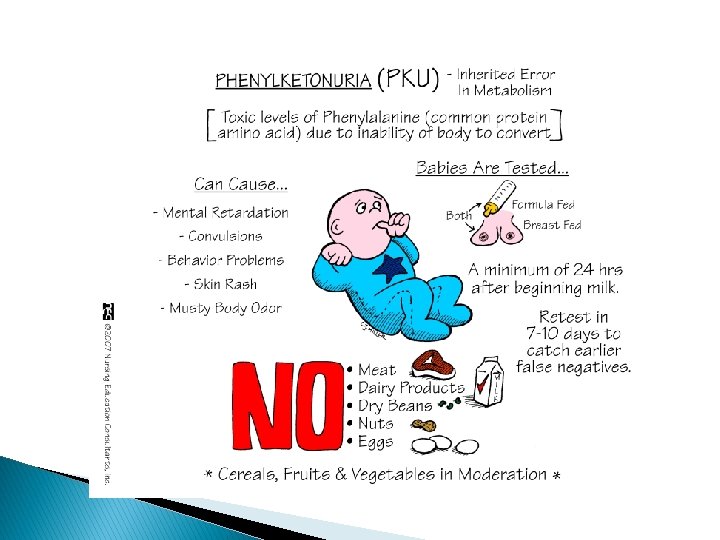
Enzymes-General Information- a. Enzymes facilitate important chemical reactions in the body. One way they can facilitate reactions is by speeding them up. Enzymes are not used up by the reactions that they facilitate; instead, they act like carrier molecules Enzymes are very specific; each enzyme only facilitates (catalyzes) certain reactions A disease of enzymes – Phenylketonuria (PKU), PKU is a genetic condition, It is most common in Caucasians of Irish, Scottish, or Scandinavian descent Patients with PKU are missing an enzyme called phenylalanine hydroxylase Without this enzyme, the amino acid phenylalanine builds up in cells. This build up particularly affects the nervous system. It causes progressive mental retardation if not treated. Other signs of PKU include: Light pigmentation of skin, hair and eyes Abnormalities of posture and gain Epilepsy The treatment for PKU is a low phenylalanine diet ( Foods that contain phenylalanine include, High protein foods, Products sweetened with aspartame (Nutra. Sweet) • Consequences of going “off diet” - Children - Cognitive defects - Adults - Depression, anxiety or other neurological changes Diagnosis of PKU: Blood tests and genetic tests, Every newborn in the US is routinely screened for PKU
PKU
C. Cellular Reproduction (Cell Division). Cellular reproduction is the process of making a new cell. Also known as cell division. Asexual reproduction – when cells make identical copies of themselves without the involvement of another cell. Most cells (including animal cells, plant cells, and bacteria) are able to reproduce asexually The mechanism by which asexual reproduction occurs depends on the type of cell. There are two main types of cells i. Prokaryotes – do not have a nucleus or organelles Example - bacteria ii. Eukaryotes – have a nucleus and organelles Example – human cells Prokaryotic cell division is more simple The Cells: The Raw Materials and Building Blocks i. The cell only needs to do three things: Copy its DNA, Divide up the cytoplasm, Split in half ii. This process is called binary fission Eukaryotic cell division is more complicated, since the structure of the cell is more complicated. i. In order to complete the process the DNA (which in this kind of cell is stored in chromosomes) must be copied - In this process, all 46 chromosomes must be copied • The chromosomes must be sorted, so that each new cell gets a complete set of chromosomes • The organelles must be sorted, so that each new cell gets the right organelles
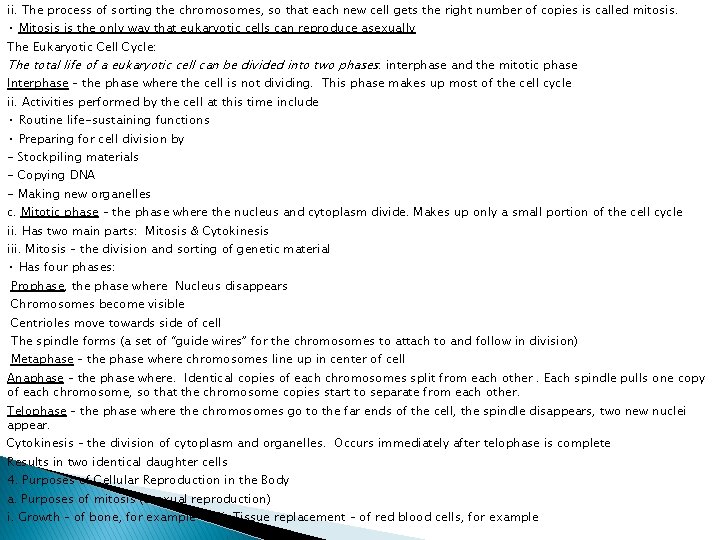
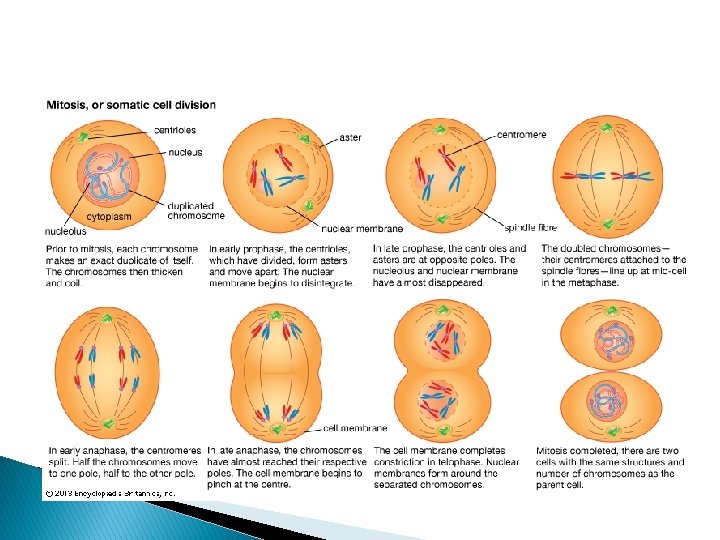
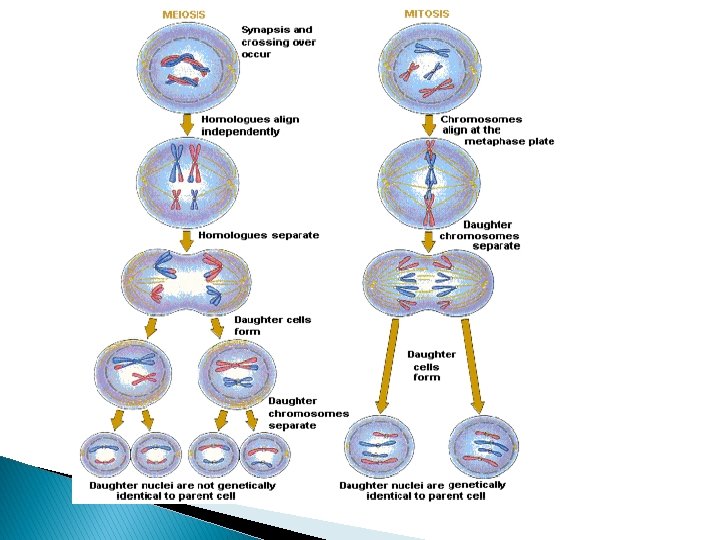
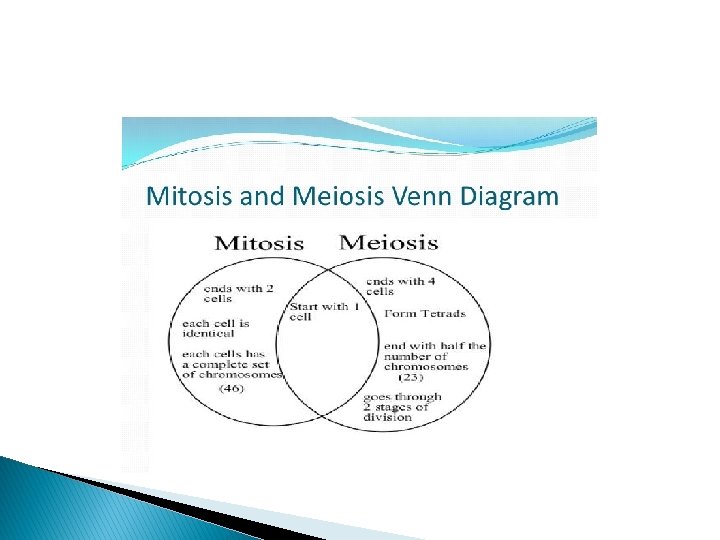
ii. The process of sorting the chromosomes, so that each new cell gets the right number of copies is called mitosis. • Mitosis is the only way that eukaryotic cells can reproduce asexually The Eukaryotic Cell Cycle: The total life of a eukaryotic cell can be divided into two phases: interphase and the mitotic phase Interphase – the phase where the cell is not dividing. This phase makes up most of the cell cycle ii. Activities performed by the cell at this time include • Routine life-sustaining functions • Preparing for cell division by - Stockpiling materials - Copying DNA - Making new organelles c. Mitotic phase – the phase where the nucleus and cytoplasm divide. Makes up only a small portion of the cell cycle ii. Has two main parts: Mitosis & Cytokinesis iii. Mitosis – the division and sorting of genetic material • Has four phases: Prophase, the phase where Nucleus disappears Chromosomes become visible Centrioles move towards side of cell The spindle forms (a set of “guide wires” for the chromosomes to attach to and follow in division) Metaphase – the phase where chromosomes line up in center of cell Anaphase – the phase where. Identical copies of each chromosomes split from each other. Each spindle pulls one copy of each chromosome, so that the chromosome copies start to separate from each other. Telophase – the phase where the chromosomes go to the far ends of the cell, the spindle disappears, two new nuclei appear. Cytokinesis – the division of cytoplasm and organelles. Occurs immediately after telophase is complete Results in two identical daughter cells 4. Purposes of Cellular Reproduction in the Body a. Purposes of mitosis (asexual reproduction) i. Growth – of bone, for example ii. Tissue replacement – of red blood cells, for example
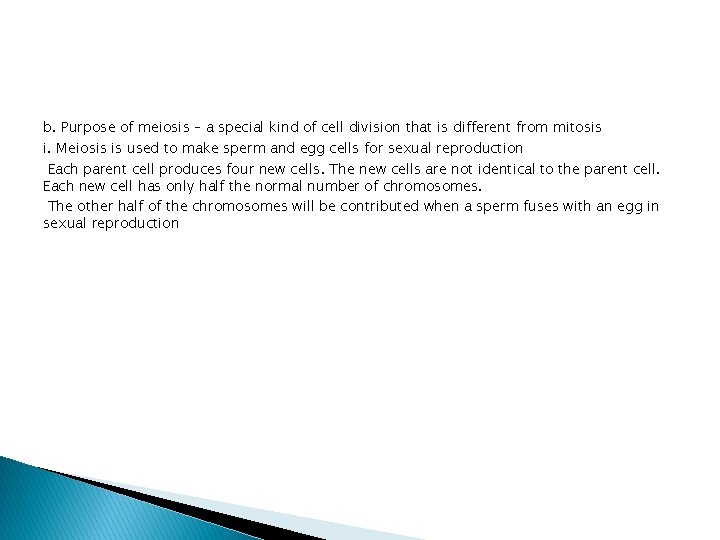
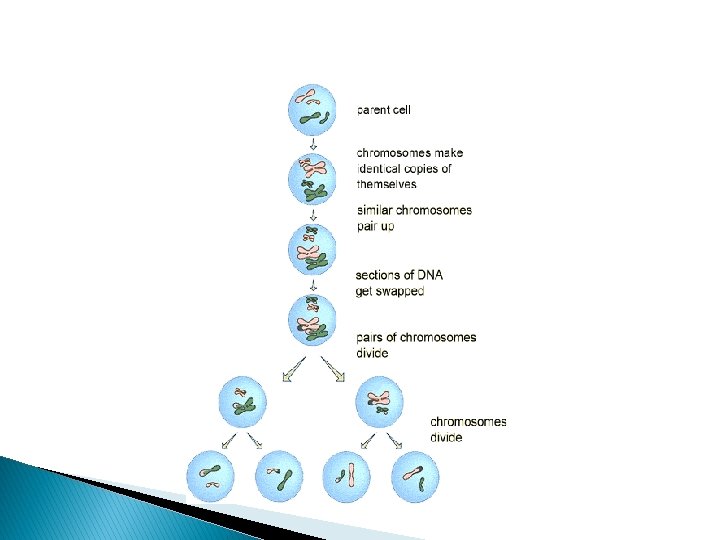
b. Purpose of meiosis – a special kind of cell division that is different from mitosis i. Meiosis is used to make sperm and egg cells for sexual reproduction Each parent cell produces four new cells. The new cells are not identical to the parent cell. Each new cell has only half the normal number of chromosomes. The other half of the chromosomes will be contributed when a sperm fuses with an egg in sexual reproduction
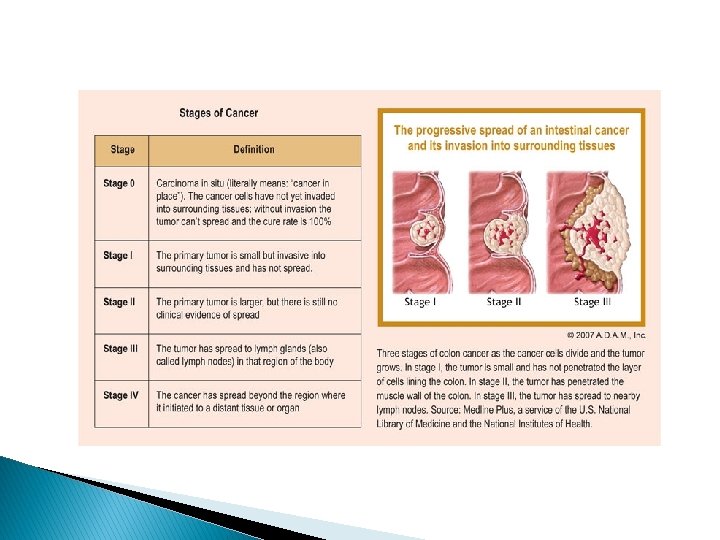
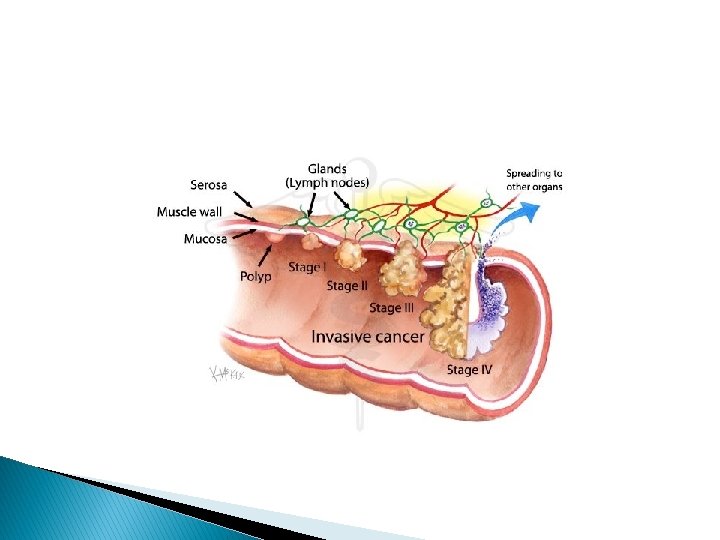
Cancer – Mitosis Run Amok When the body is healthy, cells grow in an orderly fashion a control system prevents cells from reproducing too fast. Sometimes conditions are altered that trigger changes in the way cells reproduce. This wild, uncontrolled reproduction can lead to too many cells being produced, creating a lump, or tumor. Tumors can generally be either benign or malignant Benign tumors -grow slowly, tend to push healthy cells out of the way, are generally non–life threatening Malignant tumors- Grow rapidly, tend to invade healthy tissues, can enter the blood or lymphatic system and start new tumors in other parts of the body. This kind of spread is called metastasis. Cancer actually means “crab” – a good description because, the malignant cells spread out into healthy tissue like the legs and pincers of crabs Cancer prognosis is often determined by the stage of the cancer at diagnosis
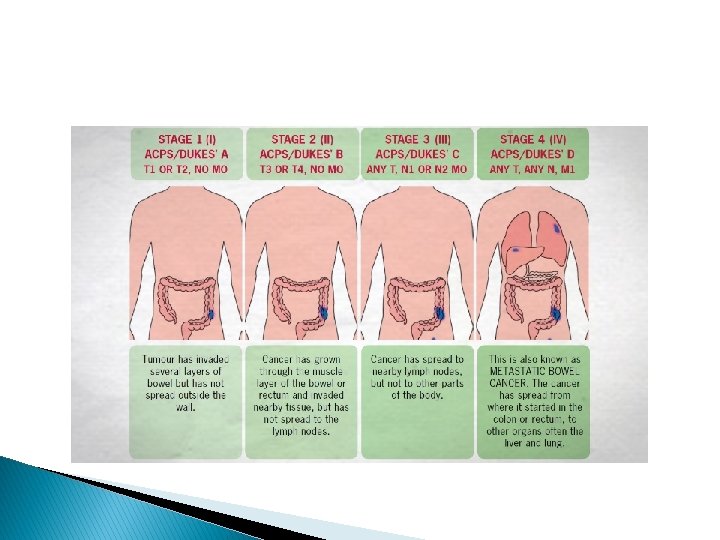
Two basic strategies for staging cancers. Staging based on the amount of metastasis - Stage I – no cancer spread - Stage II – spread to nearby tissues - Stage III – spread to the lymphatic system - Stage IV – spread to distant organs • TNM classification of stages, which takes into account - Thickness of tumor (T) - Number of lymph nodes invaded (N) - Any tumor metastasis (M) Diagnosis of cancer Imaging techniques (MRI, CAT, X-ray, etc. ) Blood tests Biopsy (the surgical examination of abnormal tissue) Treatment of cancer (4 main types): Chemotherapy – uses chemicals to kill rapidly dividing cells Radiation therapy – uses energy to target cancer cells Surgery – removes cancer cells from the body Biological or immunotherapy – trains the body’s natural defenses to fight the cancer cells *Typically more than one type of treatment is used to attack the cancer
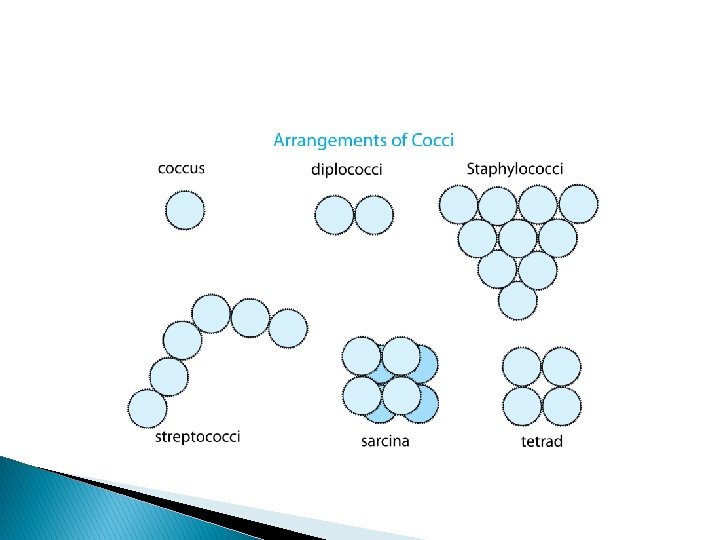
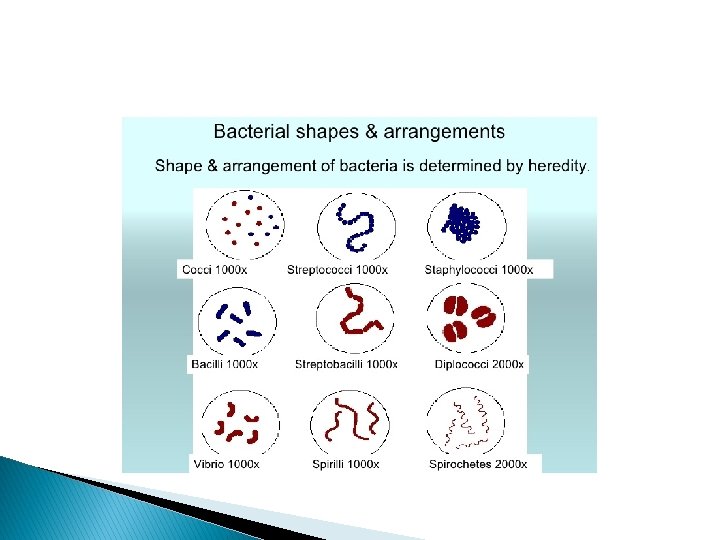
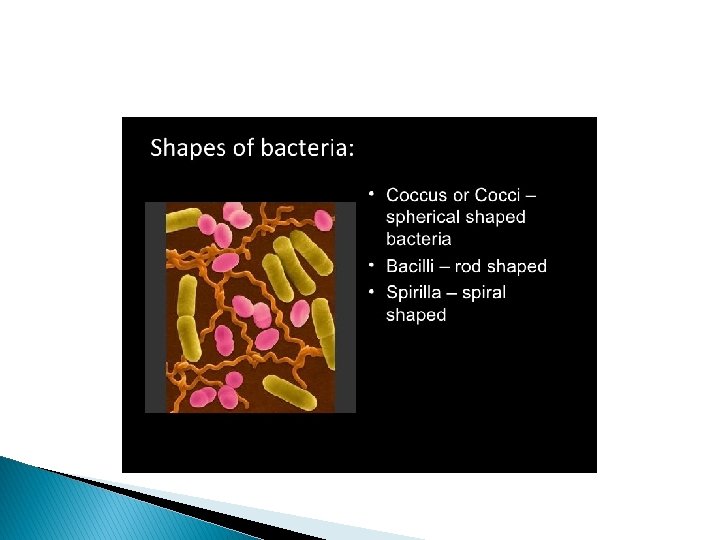
Microorganisms - Types of microorganisms 1. Bacteria- Bacteria can be harmful or harmless i. Bacteria that cause disease are called pathogens ii. Bacteria that normally live within us or on us (without causing disease) are called normal flora Many normal flora are actually essential for our lives (ex Bacteria in our intestines that help to synthesize vitamin K, necessary for blood clotting) Shapes of bacteria. Bacillus – rod shaped Cocci – spherical Diplococci – cocci in pairs Streptococci – cocci in chains Staphylococci – cocci in clusters Bacteria can reproduce rapidly – sometimes doubling as rapidly as every 30 minutes! 2. Viruses - Infectious particles that have a core containing genetic material surrounded by a protective protein coat called a capsid. Some viruses have an additional membrane surrounding the capsid Cannot grow, eat, or reproduce by themselves They must enter another cell and hijack that cell’s parts, energy supply, and materials to reproduce * Can be thought of as intracellular parasites Each virus targets particular types of cells to hijack- Ex. Cold virus attacks cells in the respiratory system only Viruses do not respond to antibiotics Some viruses can stay dormant in the body and re-activate later in life. Ex – the chicken pox virus can re-activate later in life and cause the shingles Viruses outside of cells are relatively easy to kill. However, once a virus gets inside a host cell, it is hard to kill the virus without damaging the host cell. �
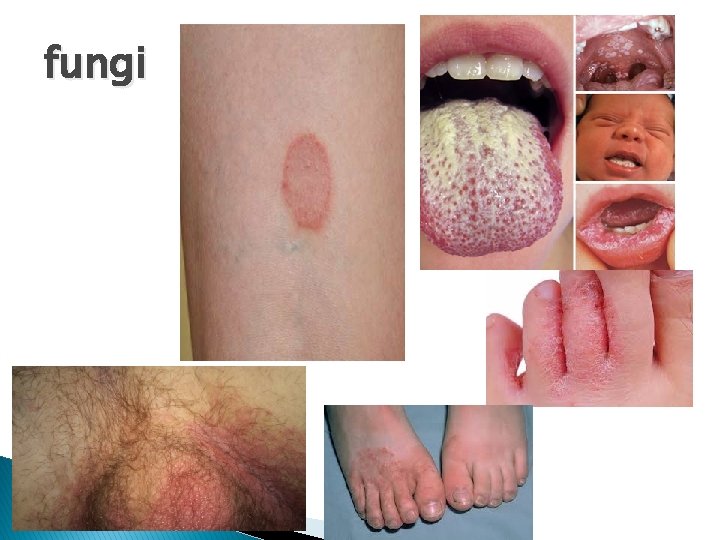
3. Fungi- Fungi, the plural form of fungus, are plantlike organisms with tiny filaments, called mycelia, which travel out from the cell to find and then absorb nutrients. They can be one-celled or multicellular organisms. Fungi can spread through the release of spores Some fungi (like edible mushrooms) are harmless; other fungi can cause disease Most of the time, fungi have little affect on the body. However, if the immune system is weakened, or if tissue is already damaged, fungi are more likely to cause infection. e. Ex. of fungal infections include athlete’s foot, thrush, ring worm and candidiasis. 4. Protozoa- Protozoa are one-celled animal-like organisms that can be found in water and soil. Disease caused by these microorganism can result from swallowing them or from being bitten by insects that carry them in their bodies Pathology Connection: How microorganisms cause disease Each type of micro-organism causes disease by a slightly different mechanism a. Bacteria- Cause disease by Destroying infected tissue/ Releasing toxins that can: - Destroy body tissues, Destroy blood cells, Inhibit ribosomes, Cause fluid loss, Cause high fever, Cause decreased blood pressure, Increase blood clotting, Cause fluid in the lungs, Cause paralysis, Signs and symptoms of bacterial infection: High fever, Rapid pulse, Rapid breathing, Abnormal, often foul-smelling discharge from the infected area, Pain at the site of infection, Swelling at the site of infection. Antibiotics are used to treat bacterial infections- These chemicals kill prokaryotic bacteria without harming eukaryotic cells. Most antibiotics are produced naturally by other microorganisms Common bacterial pathogens and their associated diseases are listed in Table 3 -2 page ____
b. Viruses - Cause disease by Shutting down a cell, Causing the cell to rupture and release viruses. Making a good environment for a secondary bacterial infection Ex – influenza can result in a secondary bacterial pneumonia Signs and symptoms of viral infection - Low grade fever (although sometimes it can be high), Muscle aches , General fatigue, Some viral infections have no symptoms, Some viral infections may be latent (hidden without symptoms) for many years, only to activate and cause symptoms later. Some viral infections may become chronic, causing low level symptoms for weeks, months, or even years There are very few treatments for viral infections Antibiotics do not kill viruses The treatment for most viral infections is rest, fluids, and treatment of symptoms to keep the patient comfortable There are some antiviral drugs, but because viruses use the host cell’s machinery, these drugs commonly affect the host cell as well, causing side effects. (Table 3 -3 lists common viruses and their associated diseases pg )
c. Fungi-. Spores are tiny bodies resistant to environmental changes (able to stay dormant until conditions are just right). Most fungal infections develop when: Spores are inhaled, Spores enter the body through open wounds iii. Most fungal spores do not cause disease in otherwise healthy individuals, The exception is fungal infections of the skin, (such as athlete’s foot and jock itch). These fungal, infections are common. Many fungal infections are opportunistic, meaning that they only infect people with compromised immune systems or other underlying disease. Symptoms of fungal infection vary depending on the location of the infection Treatment of fungal infections is difficult- Most anti-fungal drugs are highly toxic, Many fungal infections are resistant to treatment. d. Protozoans- Most protozoan infections are caused by Ingestion of contaminated water or Insect bites. ii. Many protozoans are parasites iii. Symptoms of protozoan infection vary depending on the type of protozoan Many are serious diseases which cause long term debilitating illness Example – malaria, which is transmitted by mosquitoes Some are relatively mild illnesses Example – “beaver fever” caused by Giardia, a protozoan that lives in streams and water supplies contaminated by fecal matter
fungi
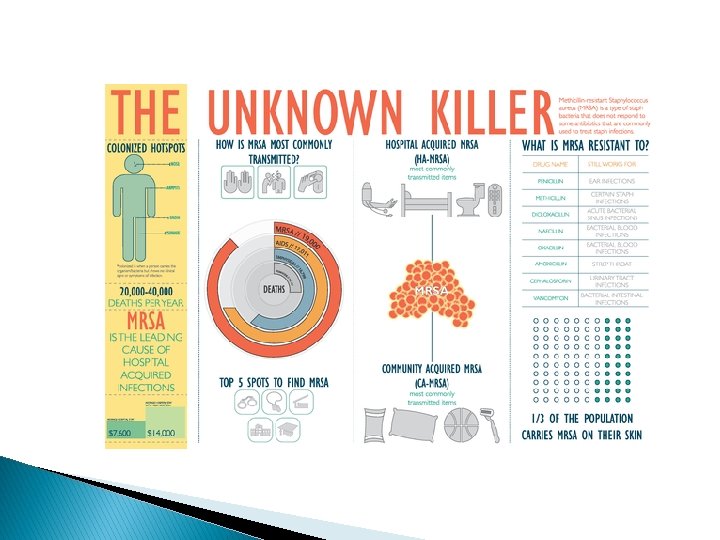
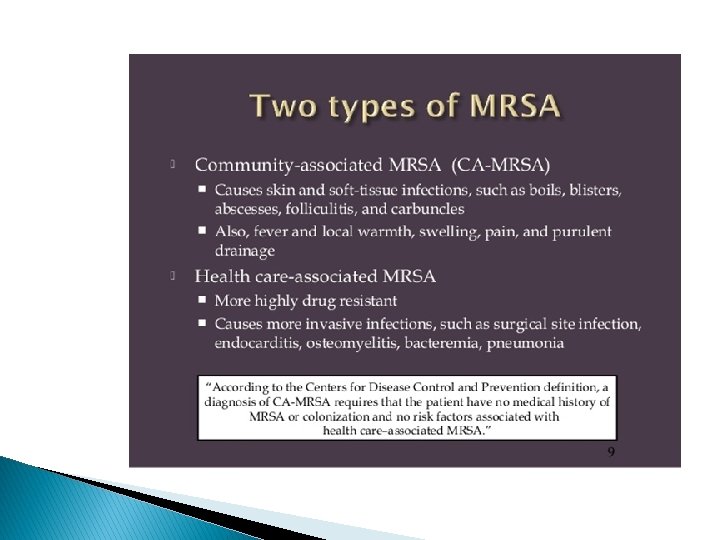
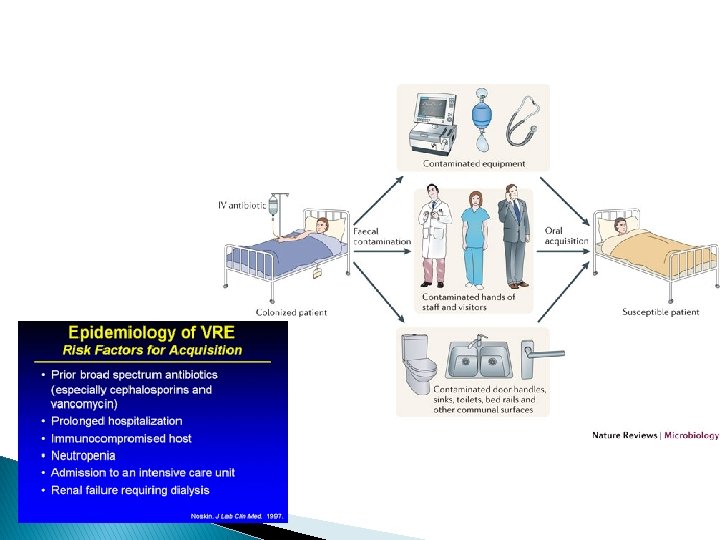
C. Clinical Application – Antibiotic resistance 1. Antibiotics were first discovered in the 1930 s a. Prior to the discovery of antibiotics, most people who got bacterial infections died b. Those who did survive the infection were often left with long-term effects 2. Antibiotics were considered “miracle drugs” and were overused a. Doctors began to prescribe the drugs for patients who requested them, even if their illness was caused by a virus (instead of bacteria) b. Farmers began to add antibiotics to livestock feed 3. Today many bacteria have evolved resistance to antibiotics a. Drugs that killed the bacteria in the past no longer work b. Many infections must be treated by several antibiotics before the infection is killed 4. Doctors today are much more careful to avoid antibiotic overuse 5. Pharmaceutical companies are also trying to develop new antibiotics