
Cells and Organs of the Immune System Chapter
- Slides: 39
Cells and Organs of the Immune System Chapter 2
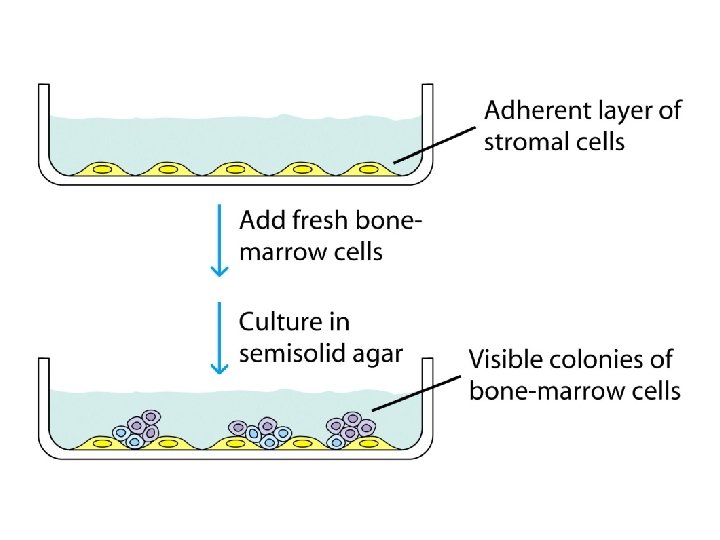
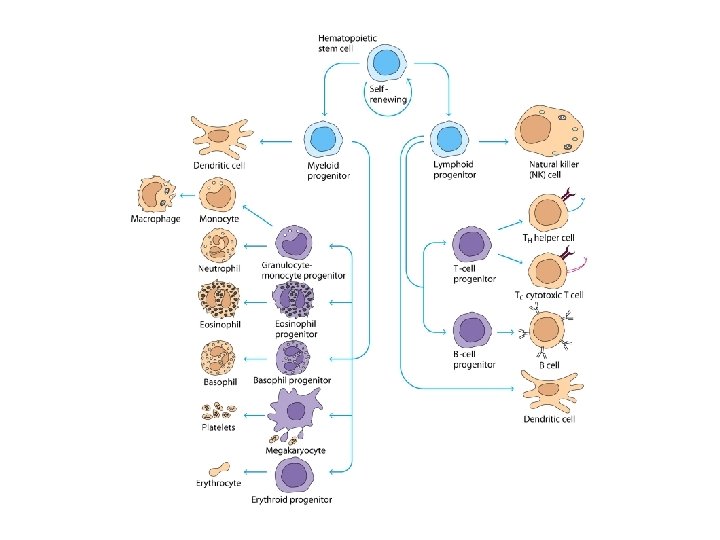
Hematopoiesis • HSC (Hematopoietic Stem Cell) – Reside in Bone Marrow – Pluripotent – 1 HSC Per 50, 000 BM Cells (~3 x 10⁸ cells in Mouse Bone Marrow) – Extremely Proliferative If Need Arises • HSC Differentiates to LPC (lymphoid progentor cell) or MSC (myeloid stem cell) • Growth Factors and Cytokines Determine Path • Once LPC or MSC, Committed • Stromal Cells Are Supporting Cells In BM (endothelial, fat cells, fibroblasts, macrophages)
Hematopoietic Growth Factors • Colony Stimulating Factors – 4 types • • Multi-CSF (IL-3) M-CSF (Macrophage CSF) G-CSF (Granulocyte CSF) GM-CSF (Granulocyte Monocyte CSF) • EPO (erythropoietin) – Induces production of RBCs
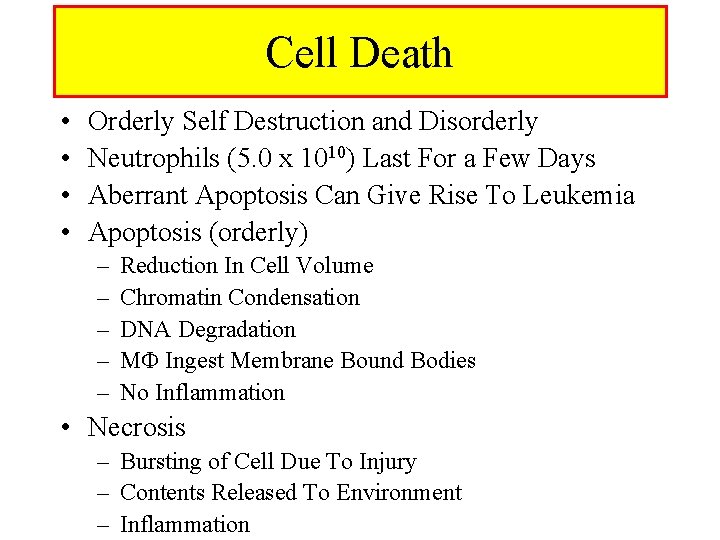
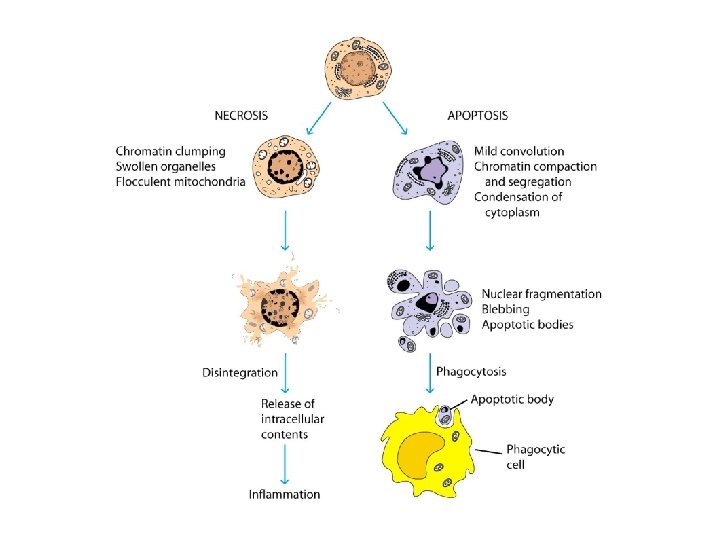
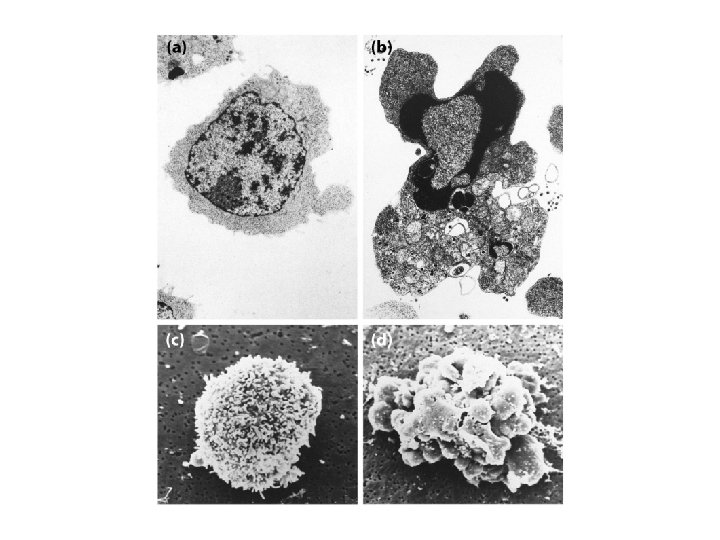
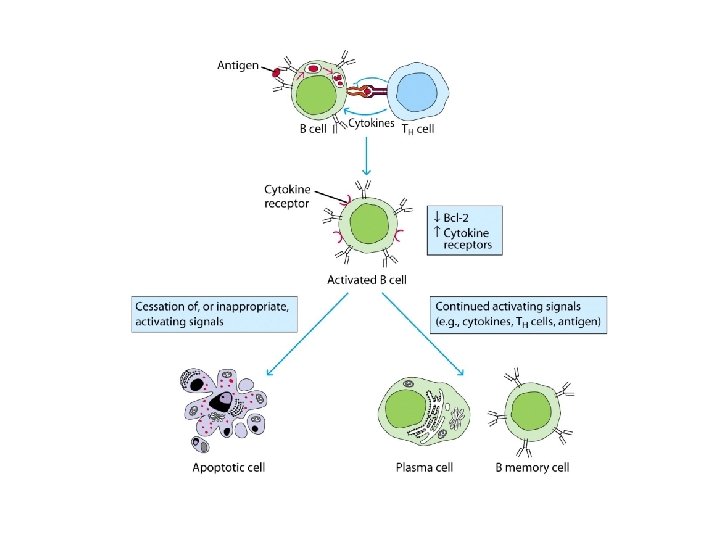
Cell Death • • Orderly Self Destruction and Disorderly Neutrophils (5. 0 x 1010) Last For a Few Days Aberrant Apoptosis Can Give Rise To Leukemia Apoptosis (orderly) – – – Reduction In Cell Volume Chromatin Condensation DNA Degradation M Ingest Membrane Bound Bodies No Inflammation • Necrosis – Bursting of Cell Due To Injury – Contents Released To Environment – Inflammation
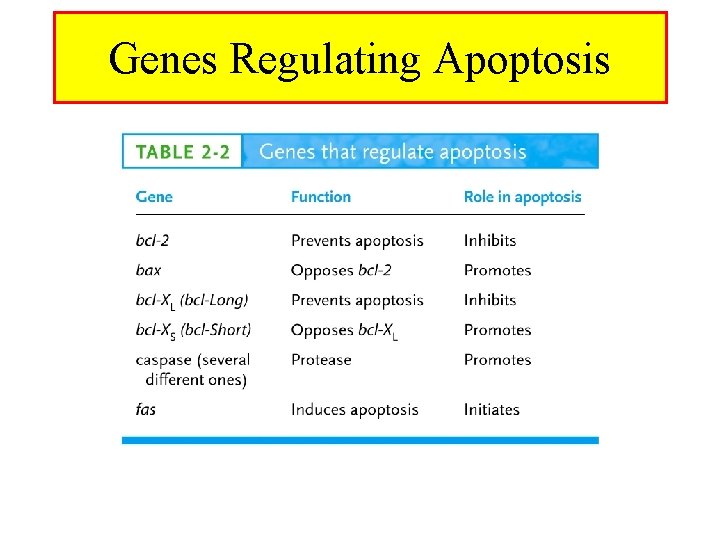
Genes Regulating Apoptosis
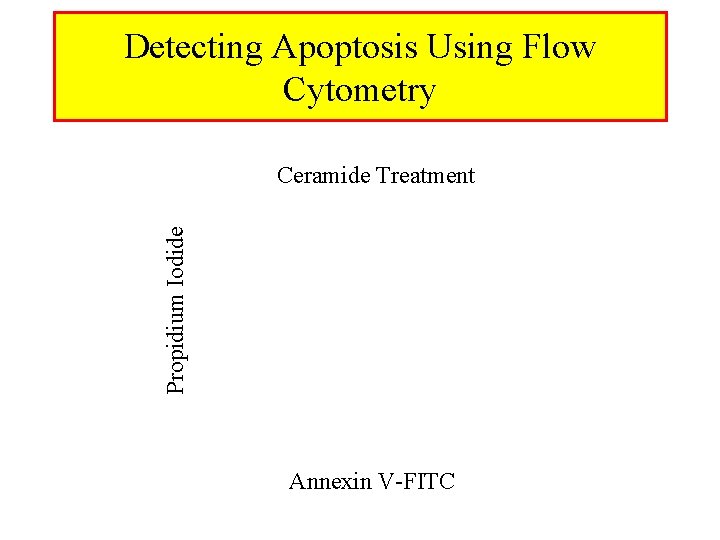
Detecting Apoptosis Using Flow Cytometry Propidium Iodide Ceramide Treatment Annexin V-FITC
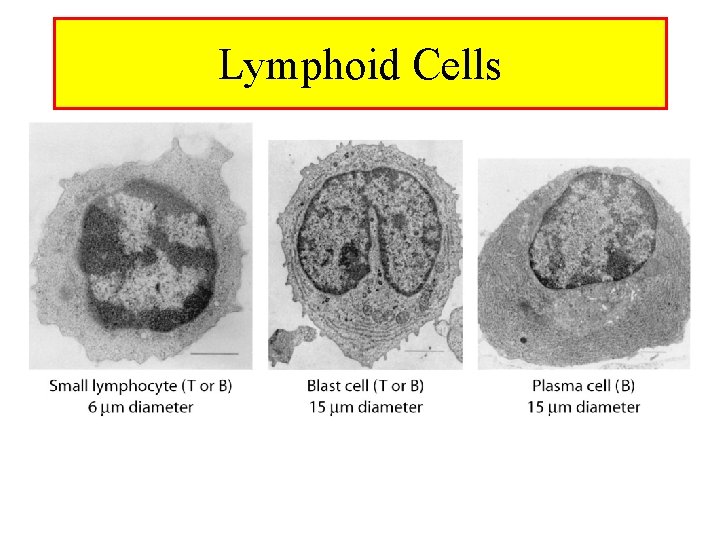
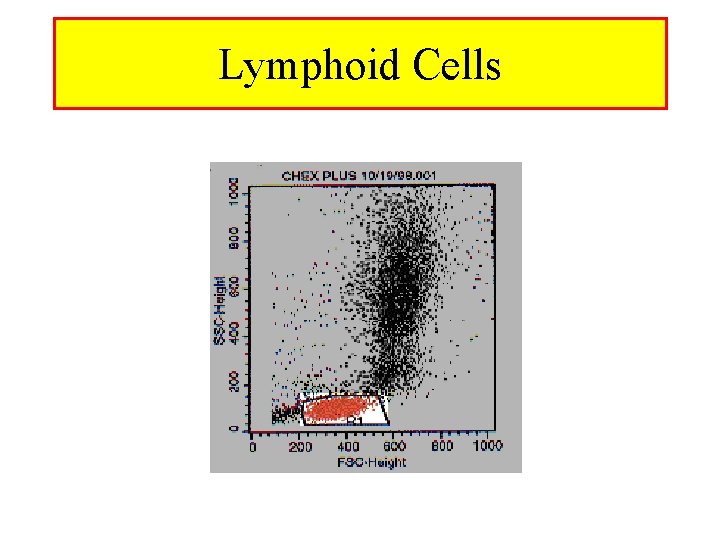
Cells of the Immune System • Lymphoid Cells – B-cells, T-cells and Null cells (NK cells) – 20 -40% of body’s leukocytes – 99% of lymph node – If inactivated said to be naïve – Nucleus occupies almost entire cell – 6 m diameter
Lymphoid Cells
Lymphoid Cells
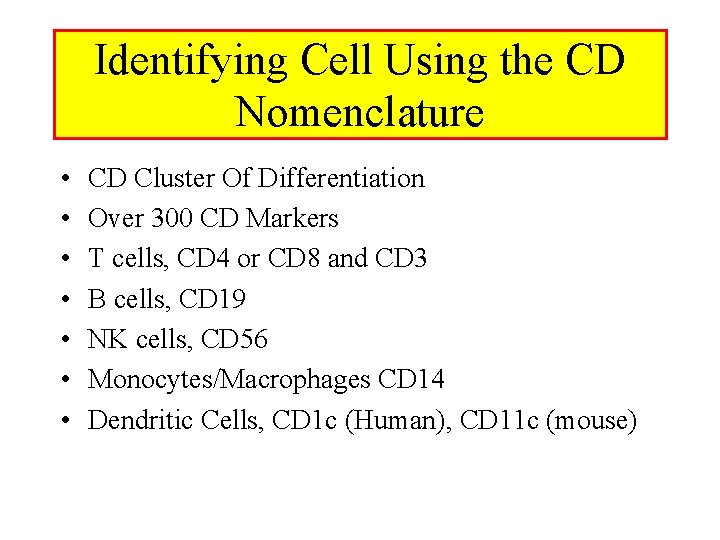
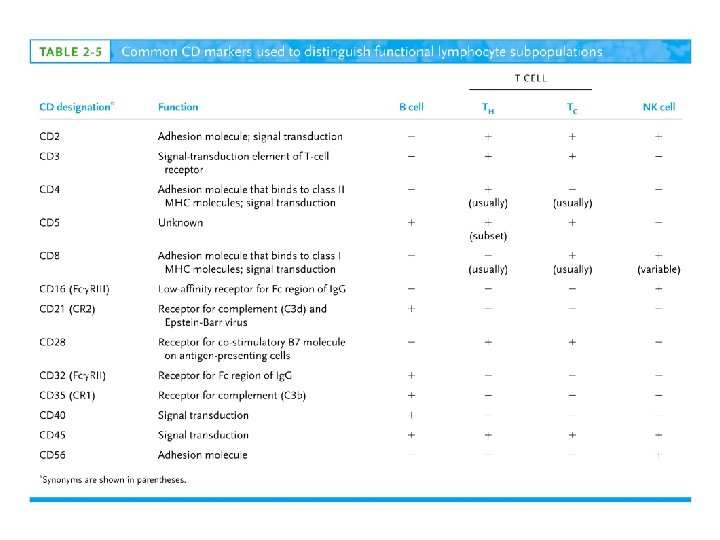
Identifying Cell Using the CD Nomenclature • • CD Cluster Of Differentiation Over 300 CD Markers T cells, CD 4 or CD 8 and CD 3 B cells, CD 19 NK cells, CD 56 Monocytes/Macrophages CD 14 Dendritic Cells, CD 1 c (Human), CD 11 c (mouse)
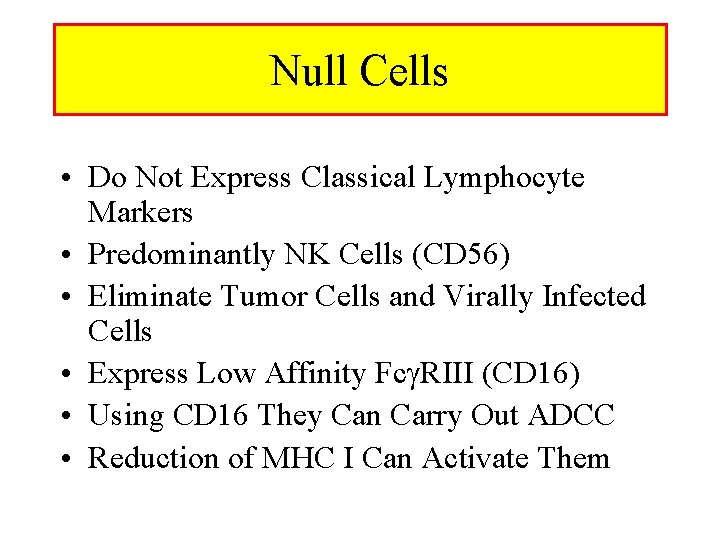
Null Cells • Do Not Express Classical Lymphocyte Markers • Predominantly NK Cells (CD 56) • Eliminate Tumor Cells and Virally Infected Cells • Express Low Affinity Fc RIII (CD 16) • Using CD 16 They Can Carry Out ADCC • Reduction of MHC I Can Activate Them
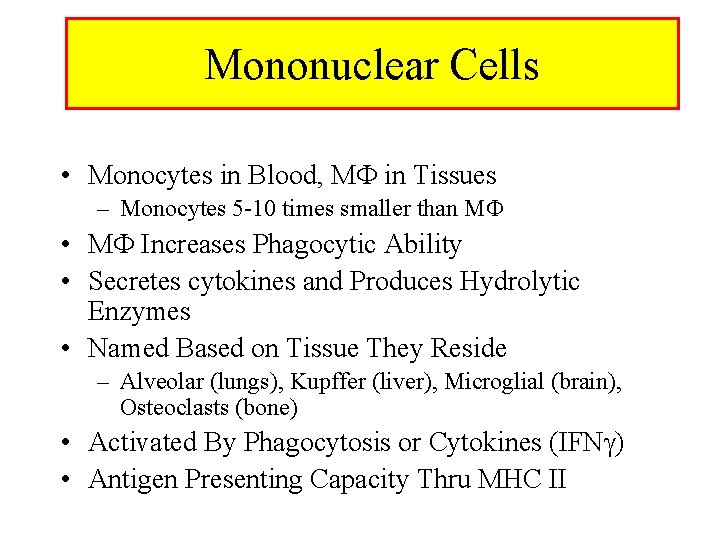
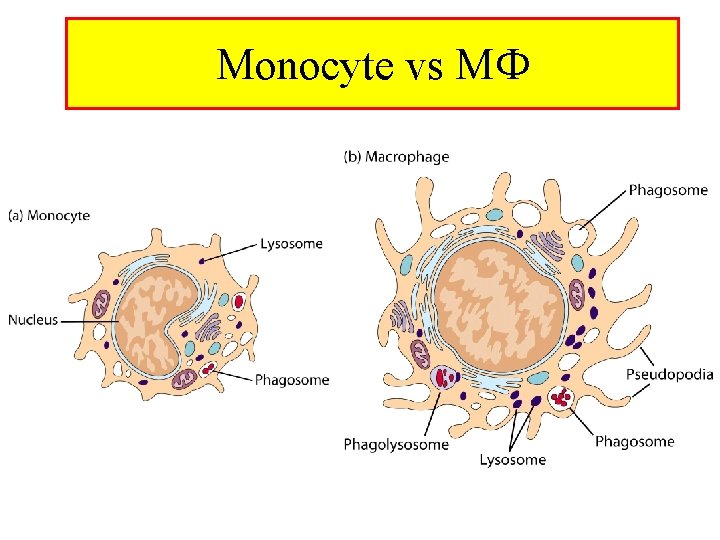
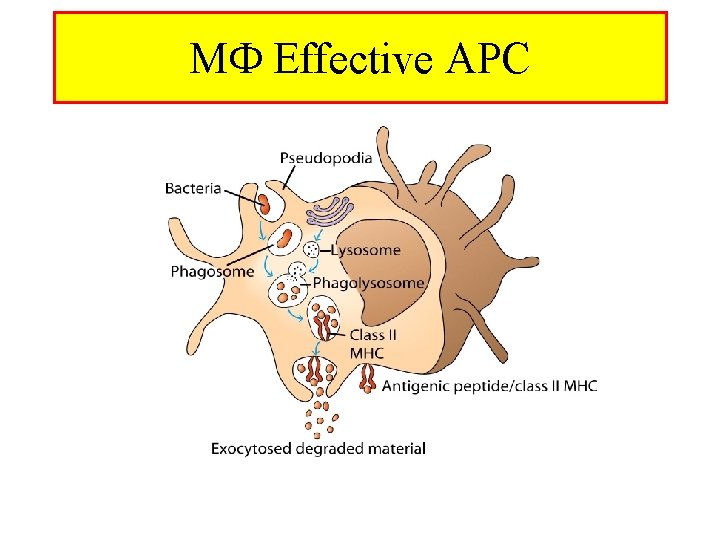
Mononuclear. Cells Mononuclear • Monocytes in Blood, M in Tissues – Monocytes 5 -10 times smaller than M • M Increases Phagocytic Ability • Secretes cytokines and Produces Hydrolytic Enzymes • Named Based on Tissue They Reside – Alveolar (lungs), Kupffer (liver), Microglial (brain), Osteoclasts (bone) • Activated By Phagocytosis or Cytokines (IFN ) • Antigen Presenting Capacity Thru MHC II
Monocyte vs M
M Effective APC
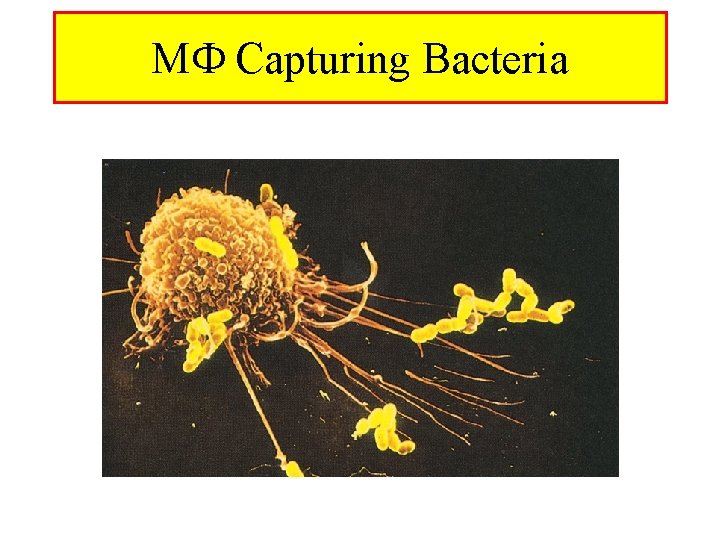
M Capturing Bacteria
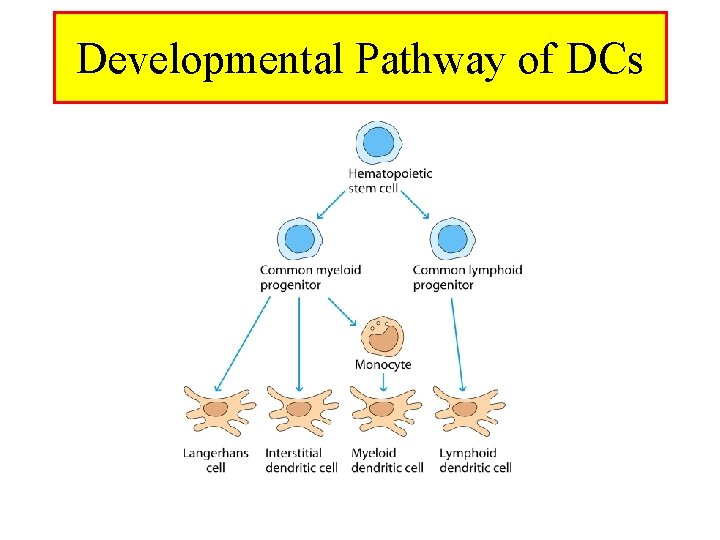
Dendritic Cells • Professional APCs • Several Types – Langerhans (LC) found in skin – Circuilating DCs • Myeloid (MDC 1 and MDC 2) • Plasmacytoid • Interstitial DCs, populate organs such as heart, lungs, liver, intestines • Interdigitating DCs, T-cell areas of lymph nodes and Thymic medulla
Dendritic Cells • Scarce Cell Type • Discovered in 1972 • Early 90 s Using GM-CSF/IL 4 and Later flt 3 limitation Was Overcome • Intense Area of Research • Seemed Promising for Tumor Treatment • Maybe Better for Tolerance
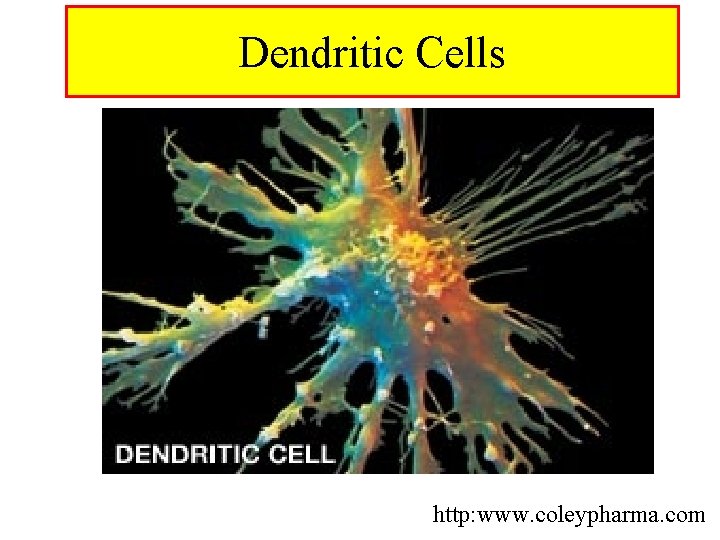
Dendritic Cells http: www. coleypharma. com
Developmental Pathway of DCs
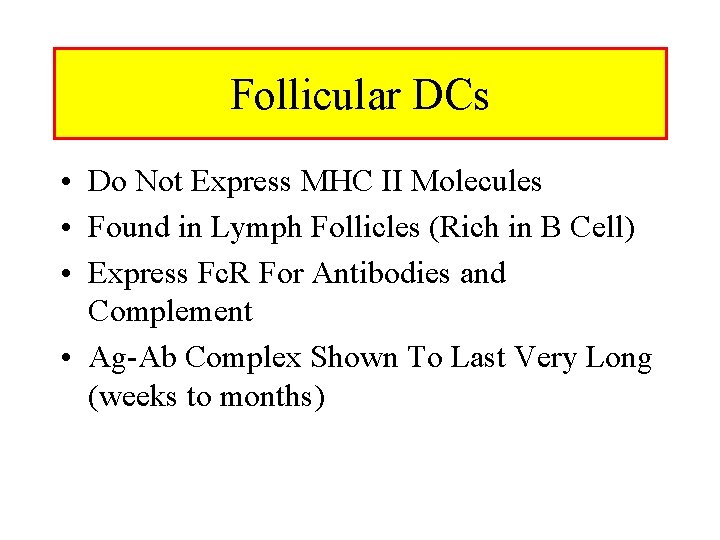
Follicular DCs • Do Not Express MHC II Molecules • Found in Lymph Follicles (Rich in B Cell) • Express Fc. R For Antibodies and Complement • Ag-Ab Complex Shown To Last Very Long (weeks to months)
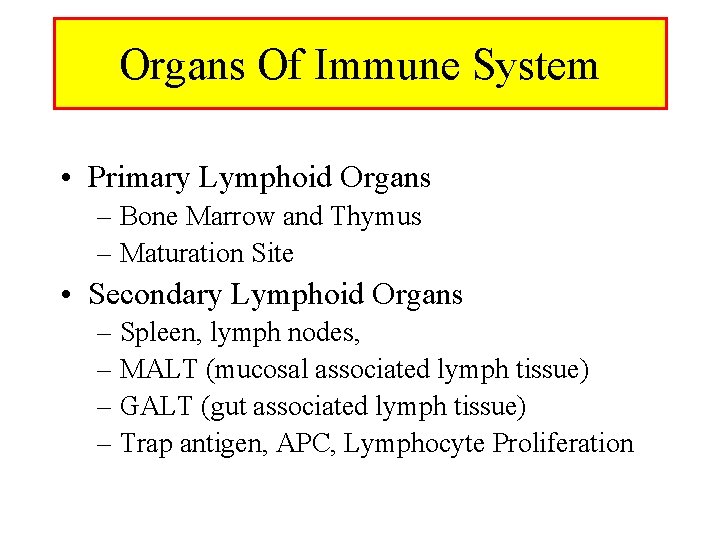
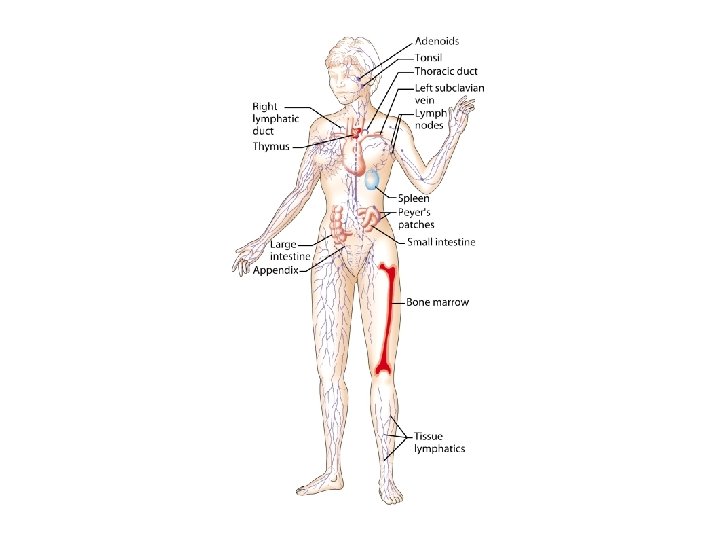
Organs Of Immune System • Primary Lymphoid Organs – Bone Marrow and Thymus – Maturation Site • Secondary Lymphoid Organs – Spleen, lymph nodes, – MALT (mucosal associated lymph tissue) – GALT (gut associated lymph tissue) – Trap antigen, APC, Lymphocyte Proliferation
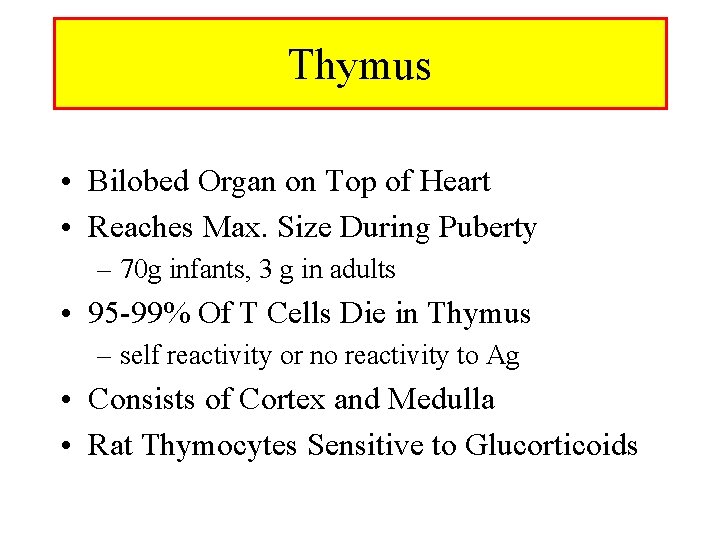
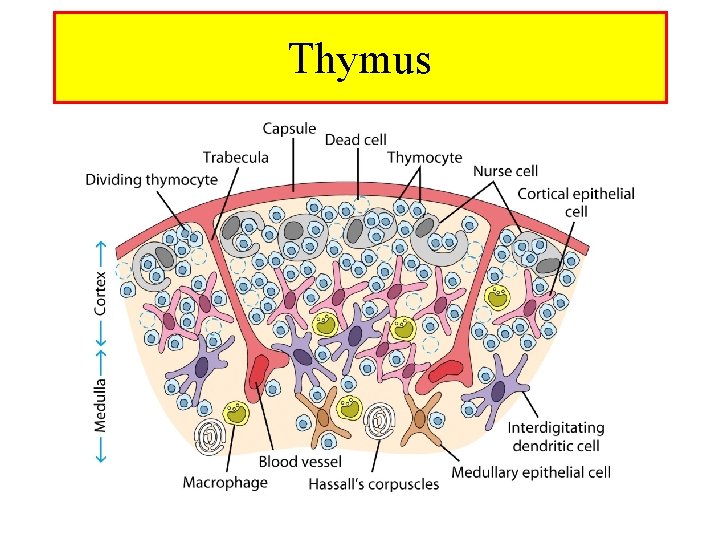
Thymus • Bilobed Organ on Top of Heart • Reaches Max. Size During Puberty – 70 g infants, 3 g in adults • 95 -99% Of T Cells Die in Thymus – self reactivity or no reactivity to Ag • Consists of Cortex and Medulla • Rat Thymocytes Sensitive to Glucorticoids
Thymus
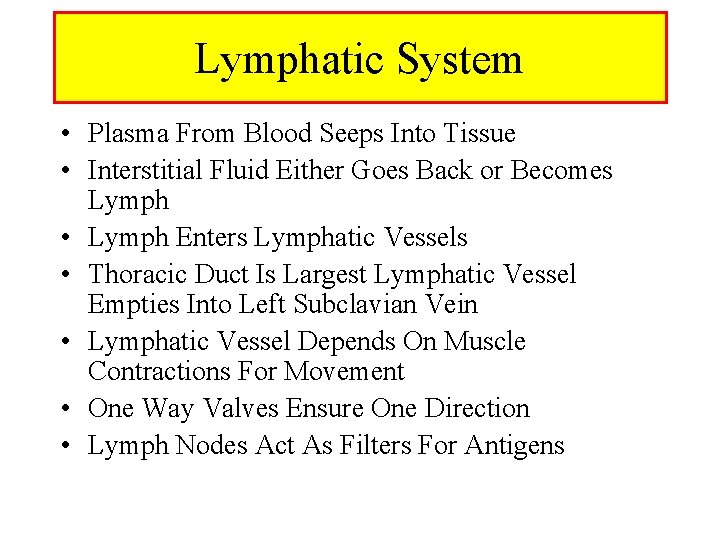
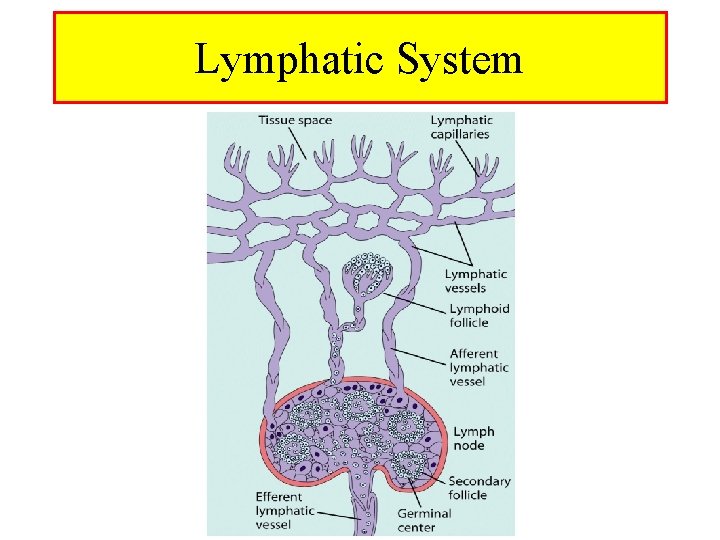
Lymphatic System • Plasma From Blood Seeps Into Tissue • Interstitial Fluid Either Goes Back or Becomes Lymph • Lymph Enters Lymphatic Vessels • Thoracic Duct Is Largest Lymphatic Vessel Empties Into Left Subclavian Vein • Lymphatic Vessel Depends On Muscle Contractions For Movement • One Way Valves Ensure One Direction • Lymph Nodes Act As Filters For Antigens
Lymphatic System
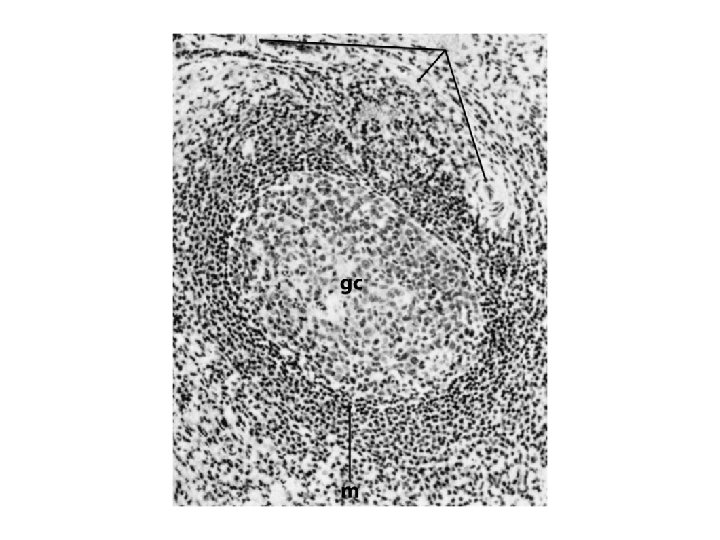
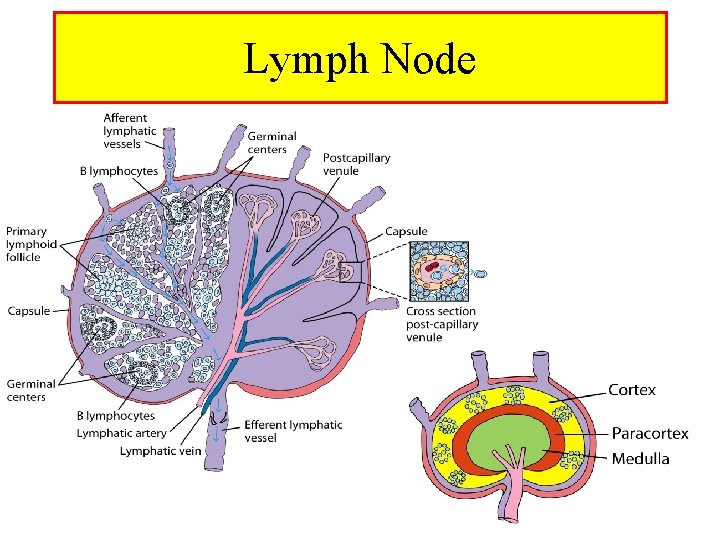
Lymph Node
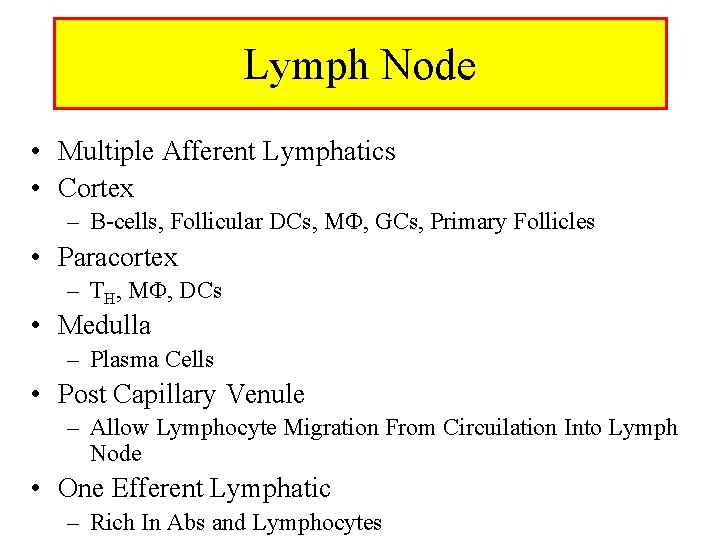
Lymph Node • Multiple Afferent Lymphatics • Cortex – B-cells, Follicular DCs, M , GCs, Primary Follicles • Paracortex – TH, M , DCs • Medulla – Plasma Cells • Post Capillary Venule – Allow Lymphocyte Migration From Circuilation Into Lymph Node • One Efferent Lymphatic – Rich In Abs and Lymphocytes
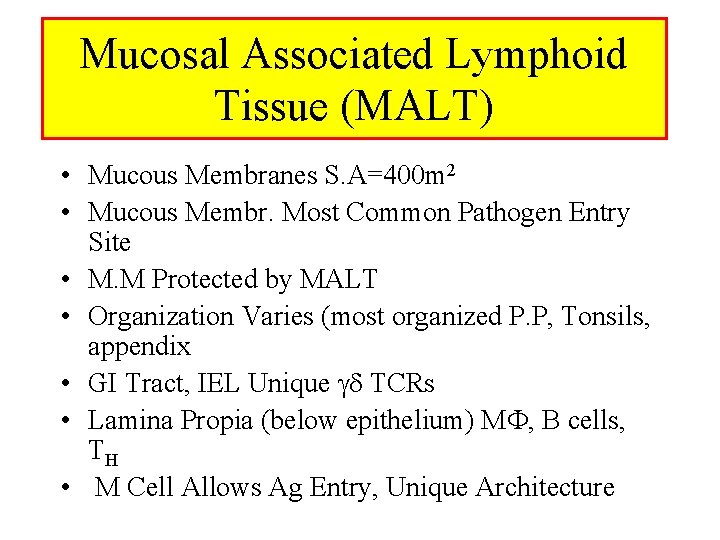
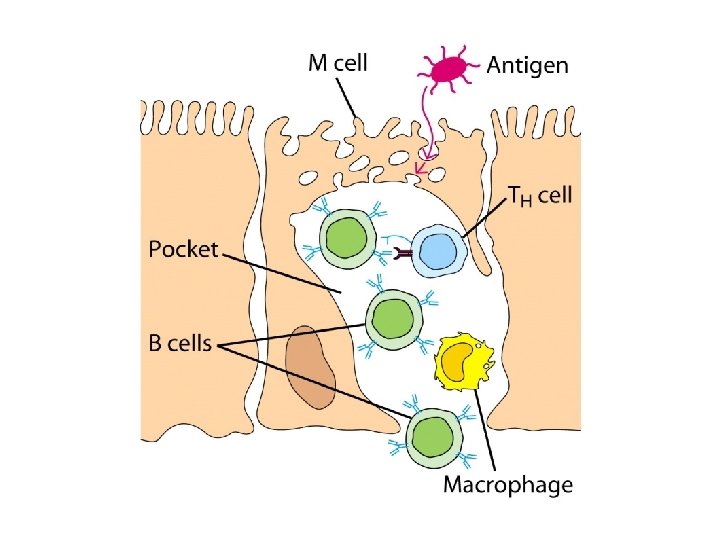
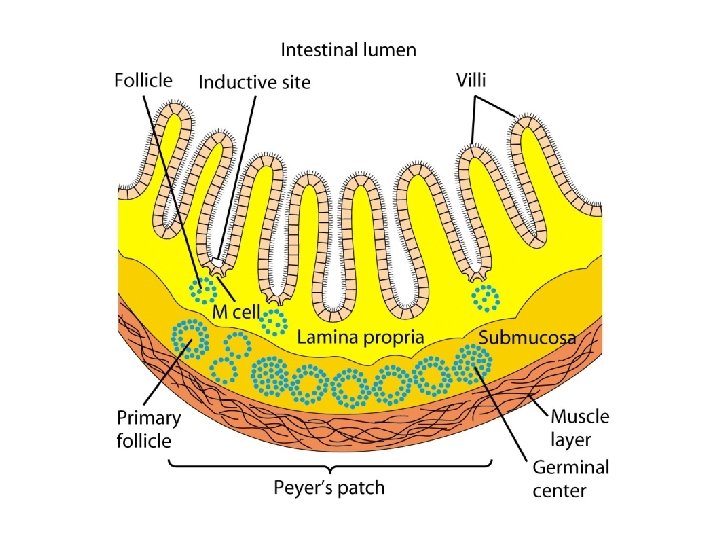
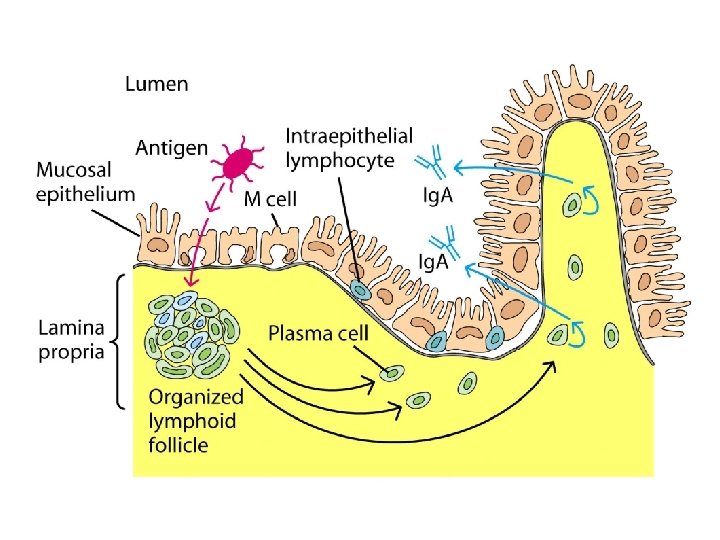
Mucosal Associated Lymphoid Tissue (MALT) • Mucous Membranes S. A=400 m 2 • Mucous Membr. Most Common Pathogen Entry Site • M. M Protected by MALT • Organization Varies (most organized P. P, Tonsils, appendix • GI Tract, IEL Unique TCRs • Lamina Propia (below epithelium) M , B cells, TH • M Cell Allows Ag Entry, Unique Architecture