
Cells and Energy Cells require energy in order
- Slides: 32
Cells and Energy
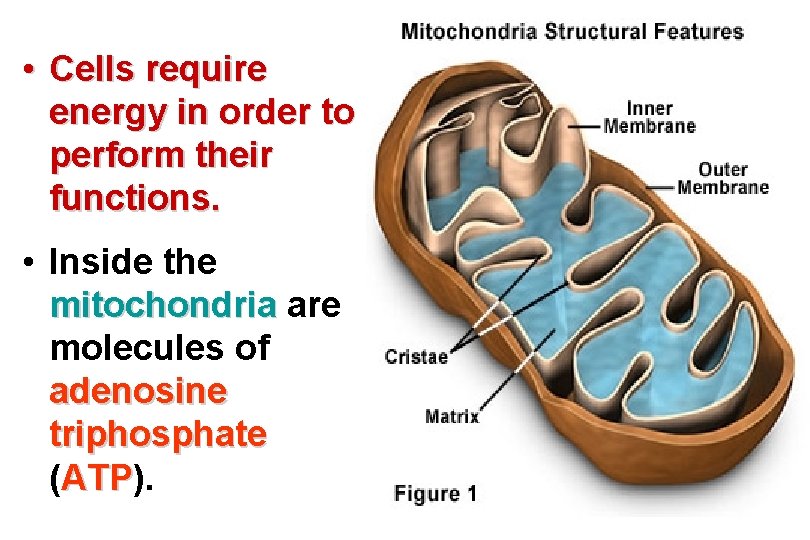
• Cells require energy in order to perform their functions. • Inside the mitochondria are molecules of adenosine triphosphate (ATP). ATP
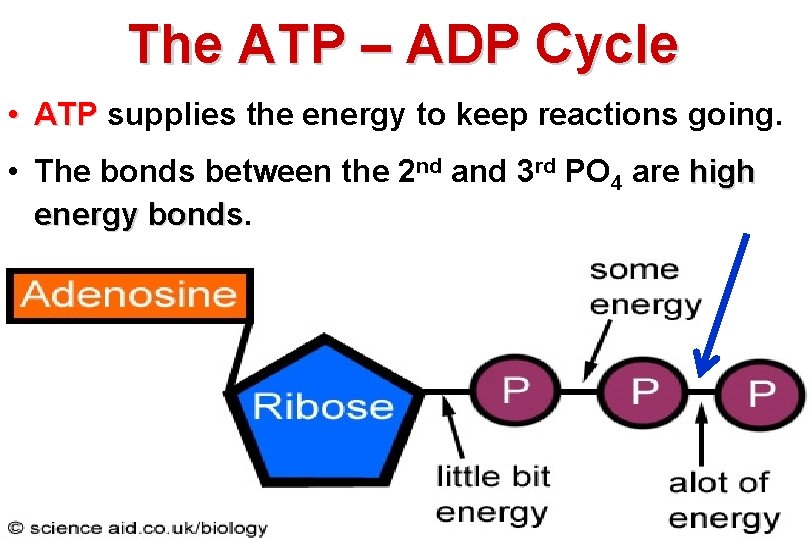
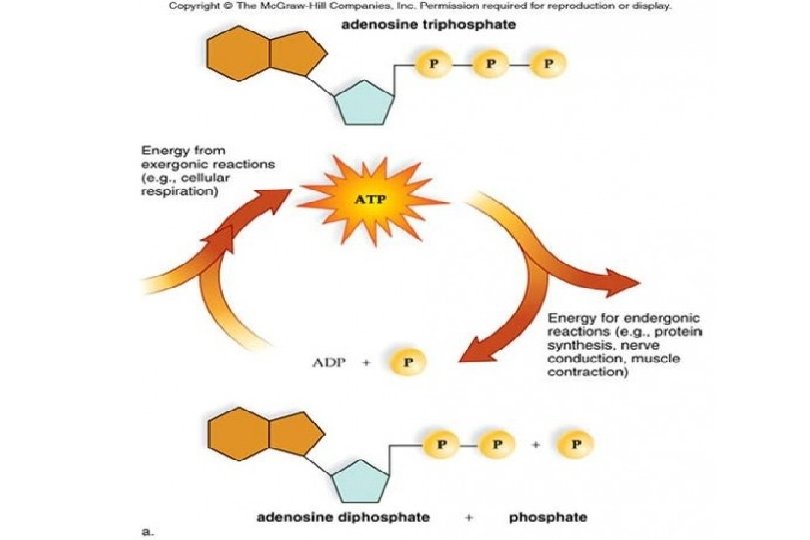
The ATP – ADP Cycle • ATP supplies the energy to keep reactions going. • The bonds between the 2 nd and 3 rd PO 4 are high energy bonds
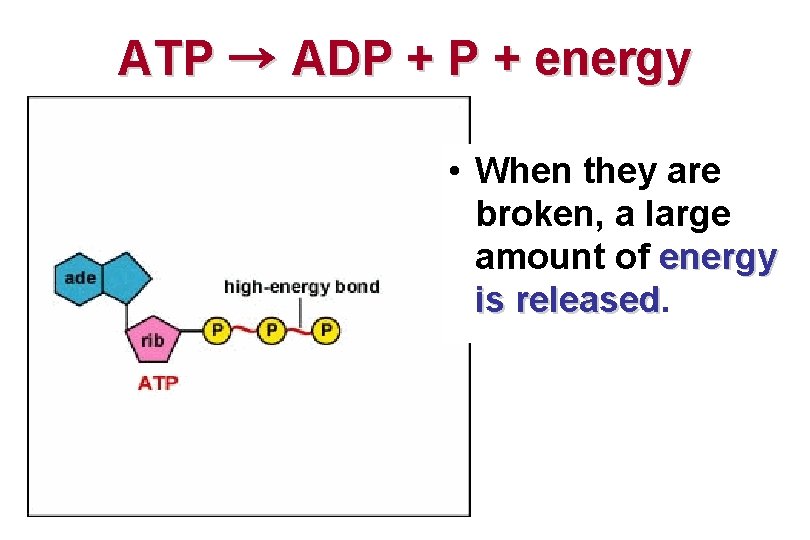
ATP → ADP + energy • When they are broken, a large amount of energy is released
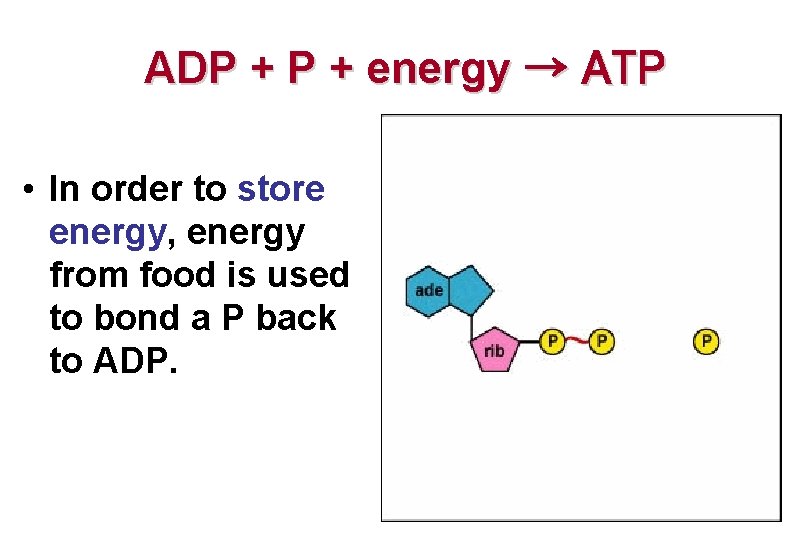
ADP + energy → ATP • In order to store energy, energy from food is used to bond a P back to ADP.
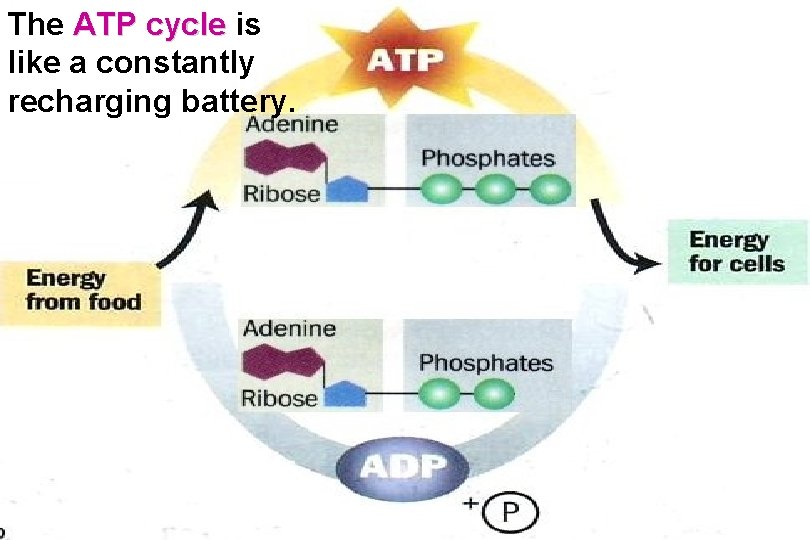
The ATP cycle is like a constantly recharging battery.
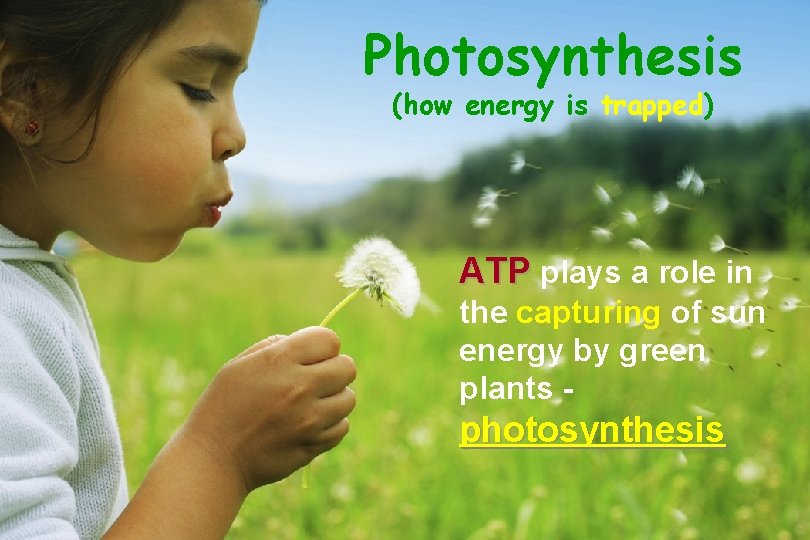
Photosynthesis (how energy is trapped) ATP plays a role in the capturing of sun energy by green plants - photosynthesis
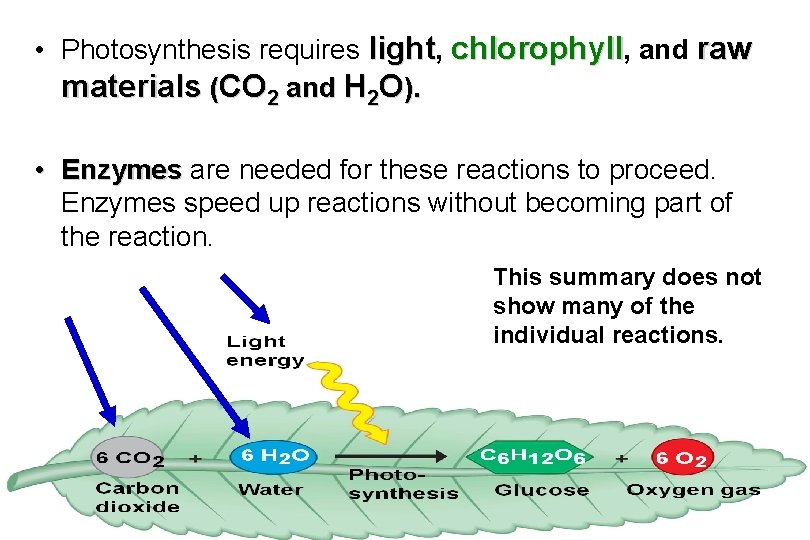
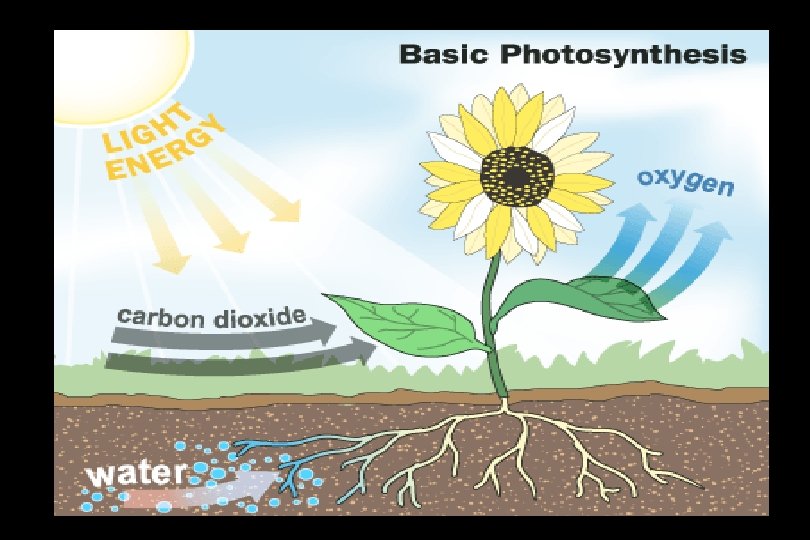
• Photosynthesis requires light, chlorophyll, and raw materials (CO 2 and H 2 O). • Enzymes are needed for these reactions to proceed. Enzymes speed up reactions without becoming part of the reaction. This summary does not show many of the individual reactions.
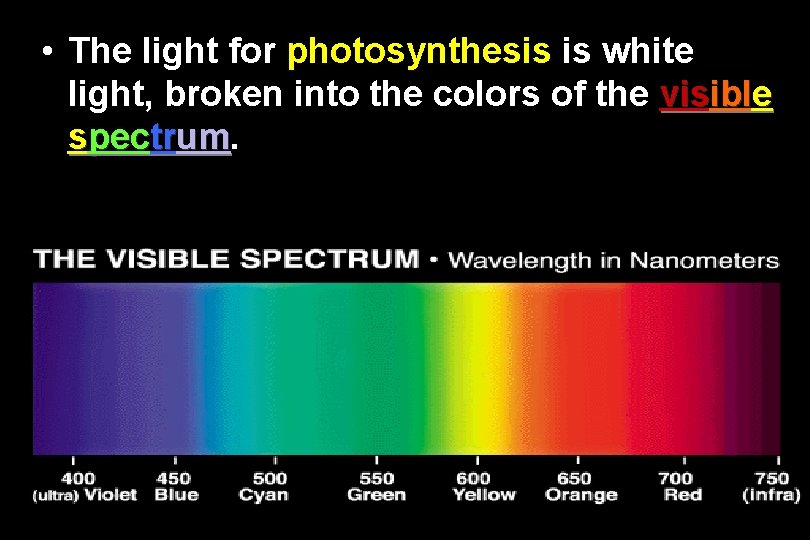
• The light for photosynthesis is white light, broken into the colors of the visible spectrum. um
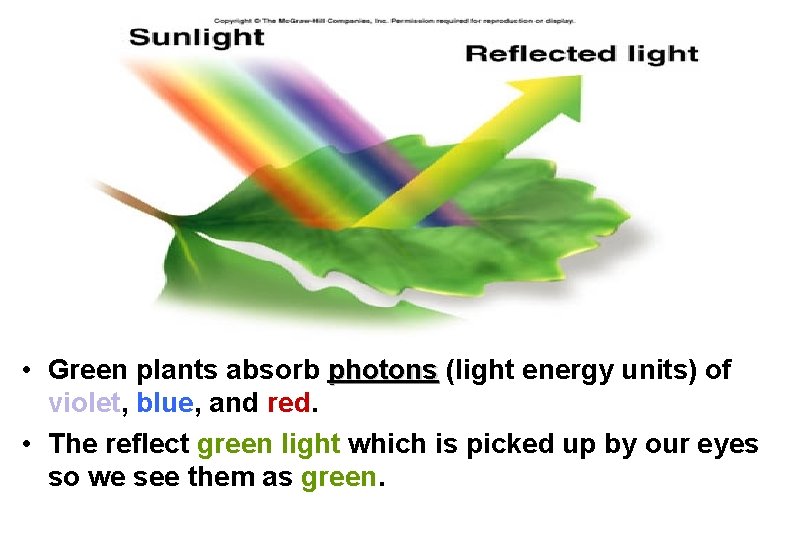
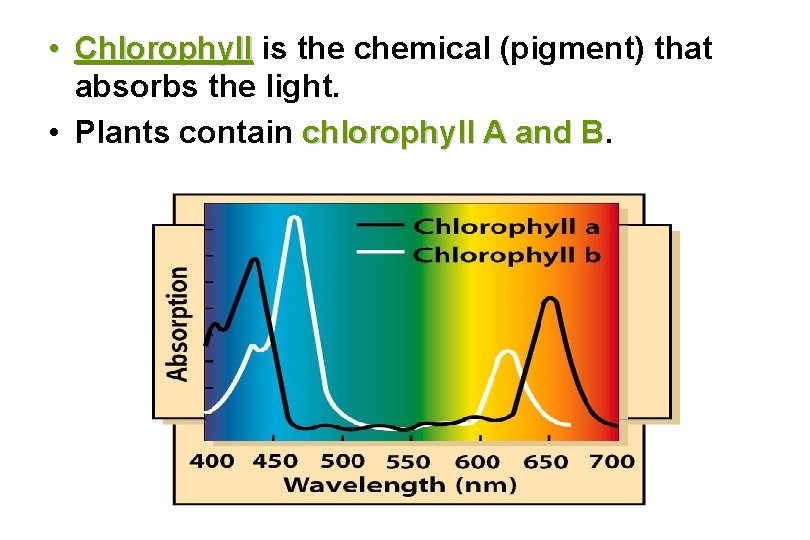
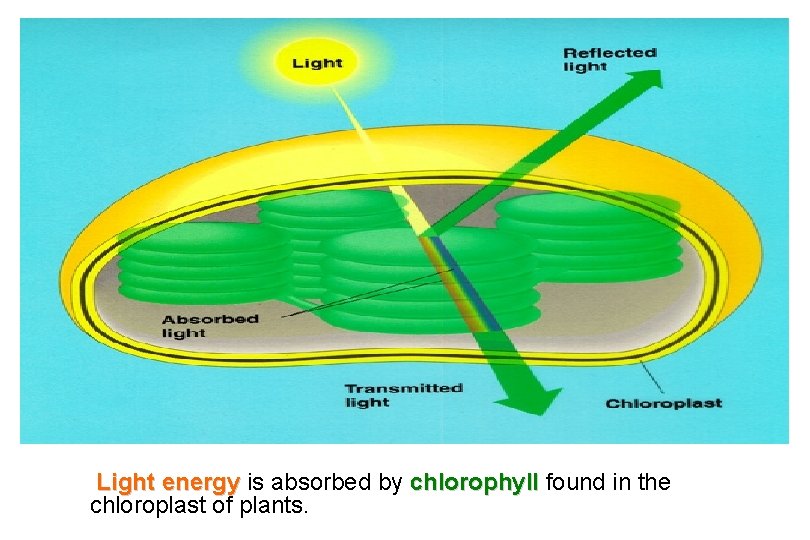
• Green plants absorb photons (light energy units) of violet, blue, and red. • The reflect green light which is picked up by our eyes so we see them as green.
• Chlorophyll is the chemical (pigment) that absorbs the light. • Plants contain chlorophyll A and B. B
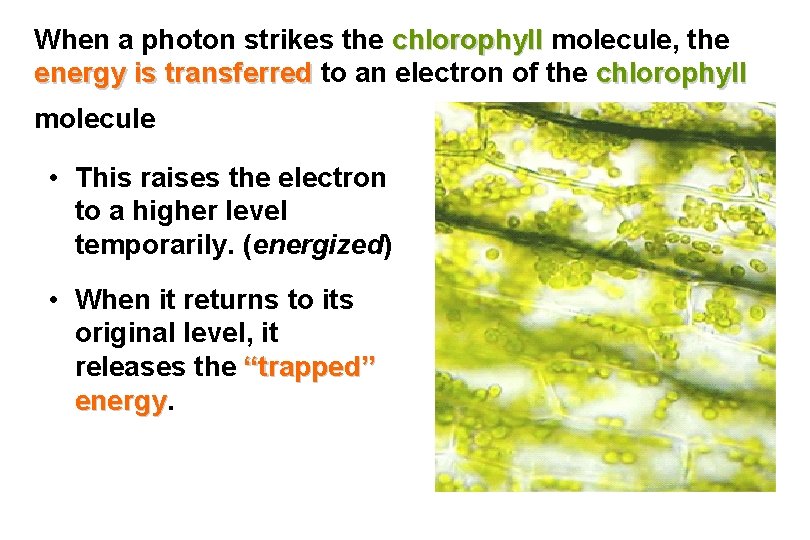
When a photon strikes the chlorophyll molecule, the energy is transferred to an electron of the chlorophyll molecule • This raises the electron to a higher level temporarily. (energized) • When it returns to its original level, it releases the “trapped” energy
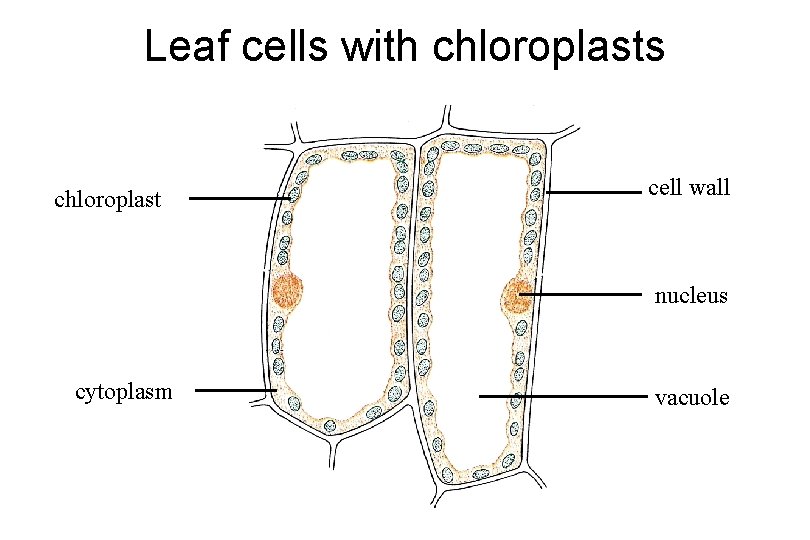
Leaf cells with chloroplasts chloroplast cell wall nucleus cytoplasm vacuole
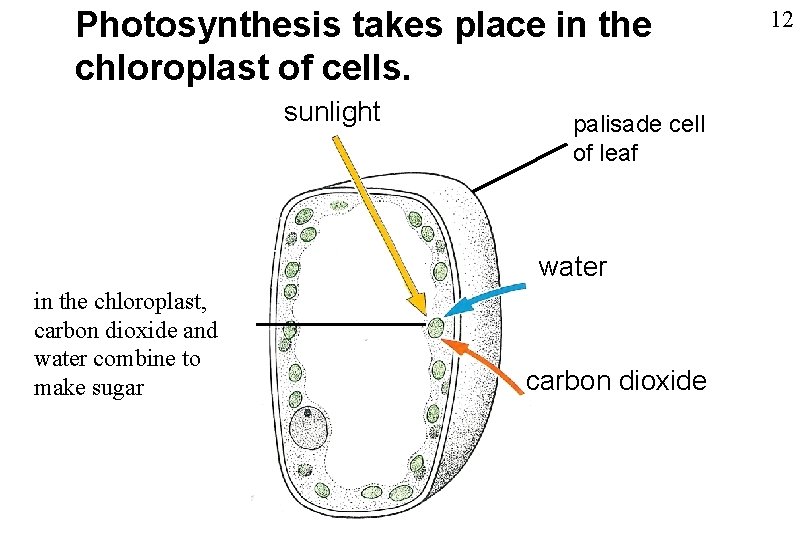
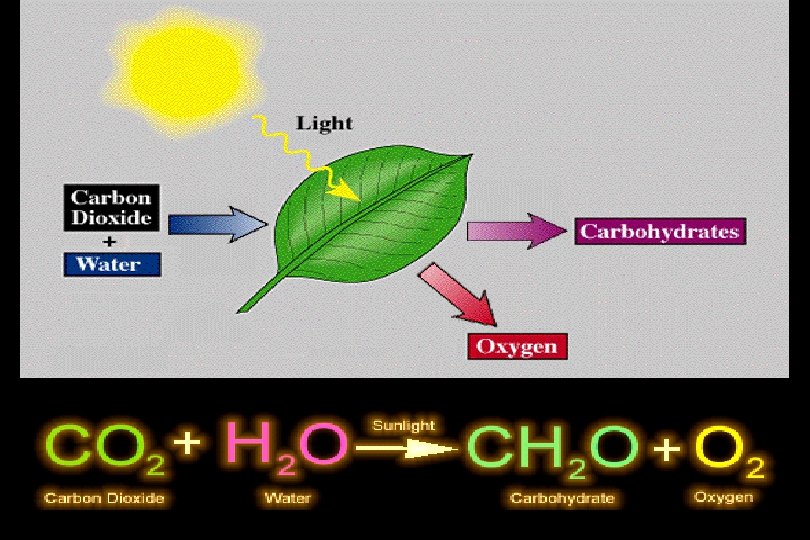
Photosynthesis takes place in the chloroplast of cells. sunlight palisade cell of leaf water in the chloroplast, carbon dioxide and water combine to make sugar carbon dioxide 12
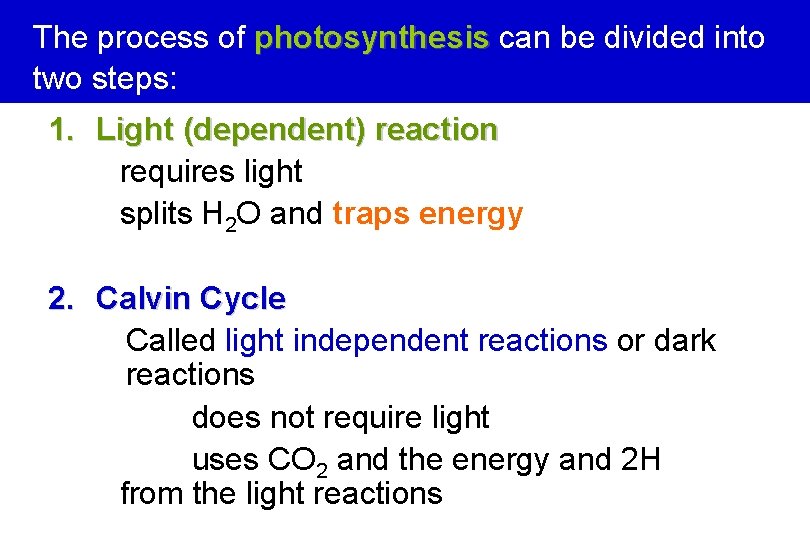
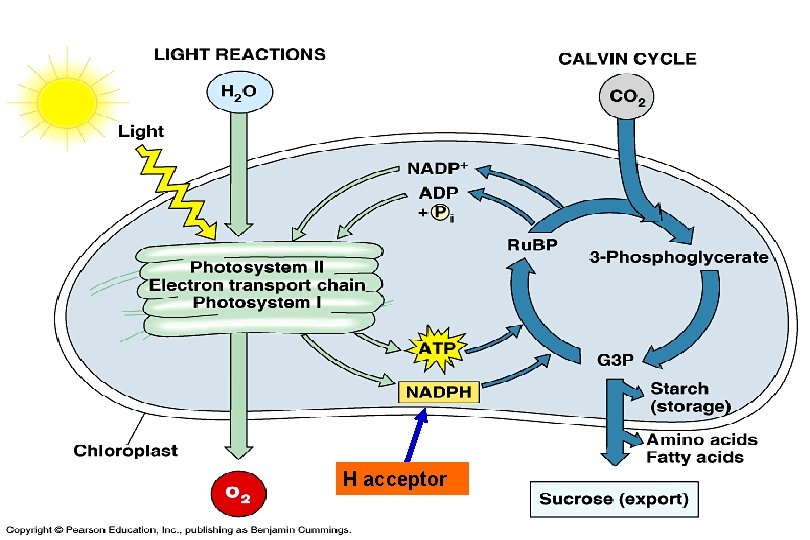
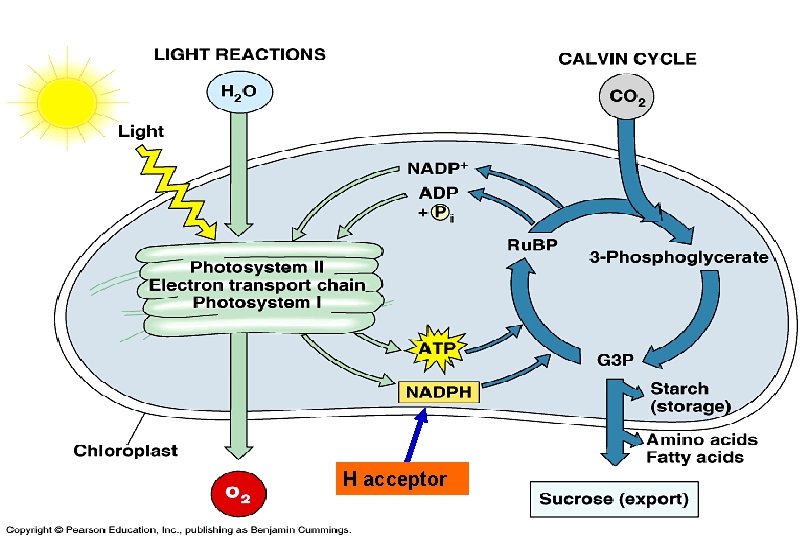
The process of photosynthesis can be divided into two steps: 1. Light (dependent) reaction requires light splits H 2 O and traps energy 2. Calvin Cycle Called light independent reactions or dark reactions does not require light uses CO 2 and the energy and 2 H from the light reactions
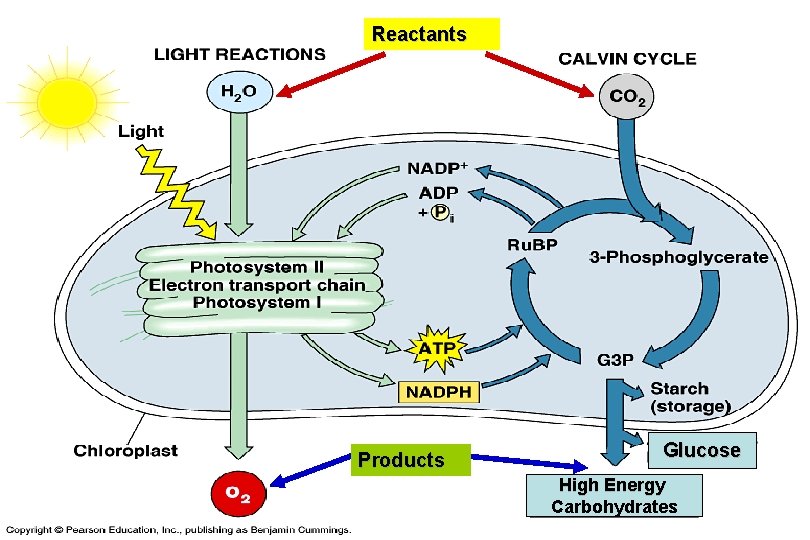
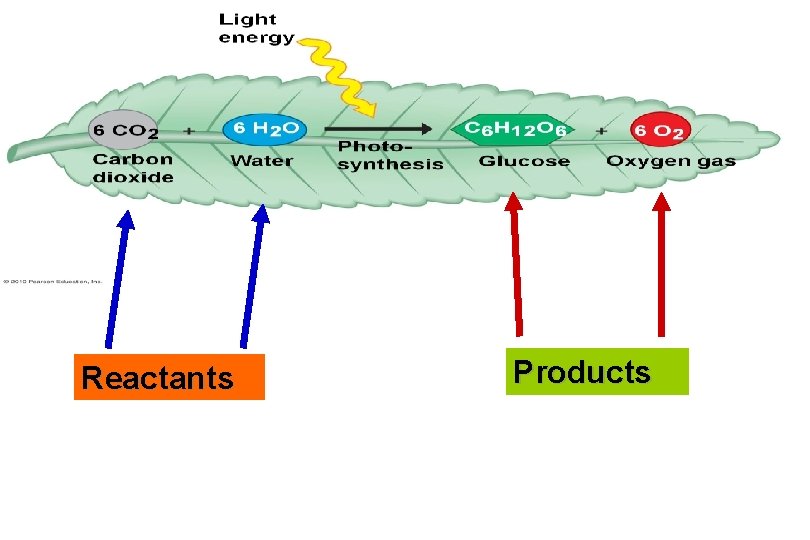
Reactants Products Glucose High Energy Carbohydrates
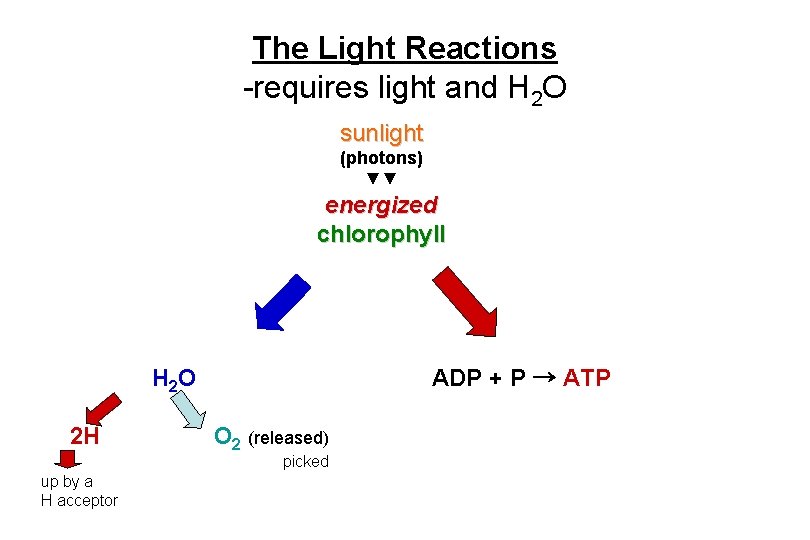
The Light Reactions -requires light and H 2 O sunlight (photons) ▼▼ energized chlorophyll H 2 O 2 H ADP + P → ATP O 2 (released) picked up by a H acceptor
Light energy is absorbed by chlorophyll found in the chloroplast of plants.
H acceptor
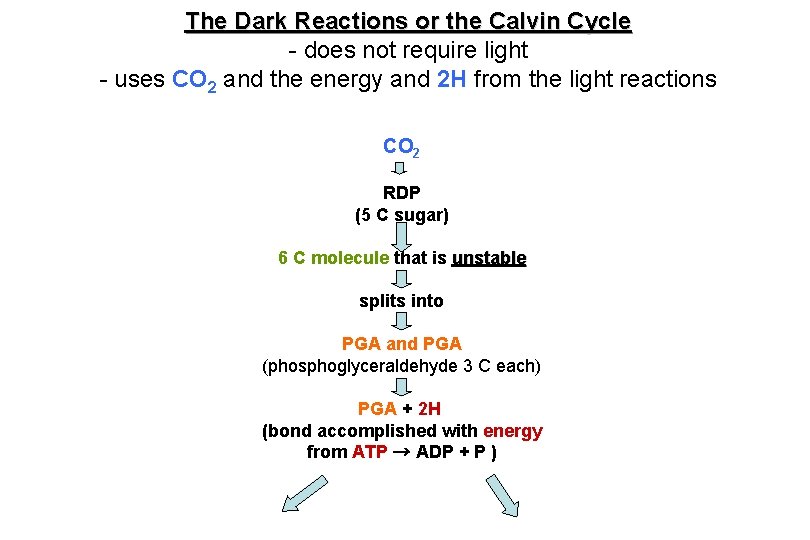
The Dark Reactions or the Calvin Cycle - does not require light - uses CO 2 and the energy and 2 H from the light reactions CO 2 RDP (5 C sugar) 6 C molecule that is unstable splits into PGA and PGA (phosphoglyceraldehyde 3 C each) PGA + 2 H (bond accomplished with energy from ATP → ADP + P )
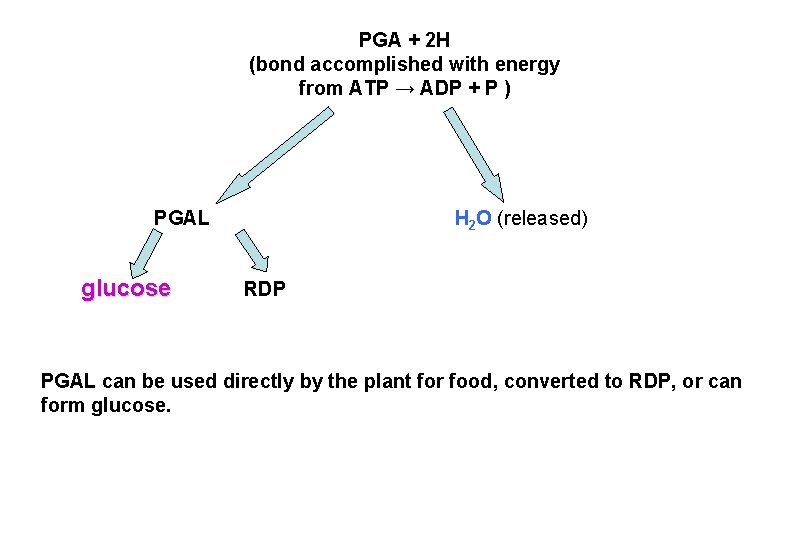
PGA + 2 H (bond accomplished with energy from ATP → ADP + P ) PGAL glucose H 2 O (released) RDP PGAL can be used directly by the plant for food, converted to RDP, or can form glucose.
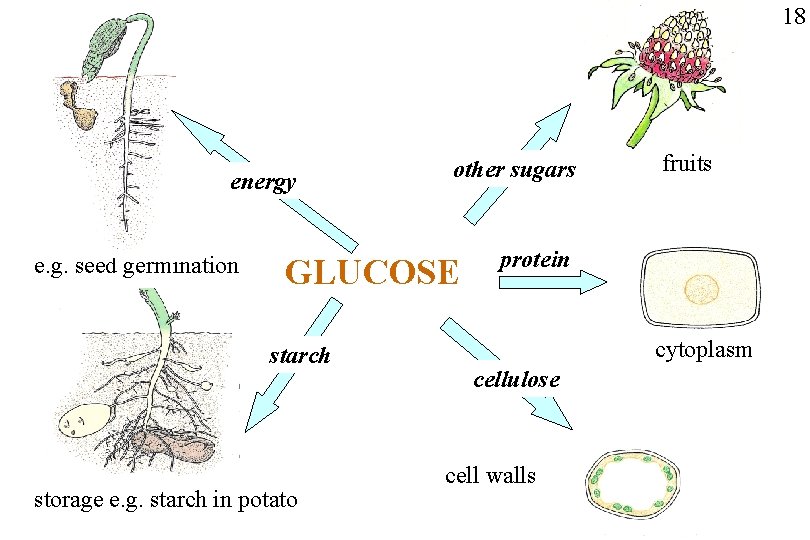
18 energy e. g. seed germination other sugars GLUCOSE starch storage e. g. starch in potato fruits protein cytoplasm cellulose cell walls
H acceptor
Reactants Products
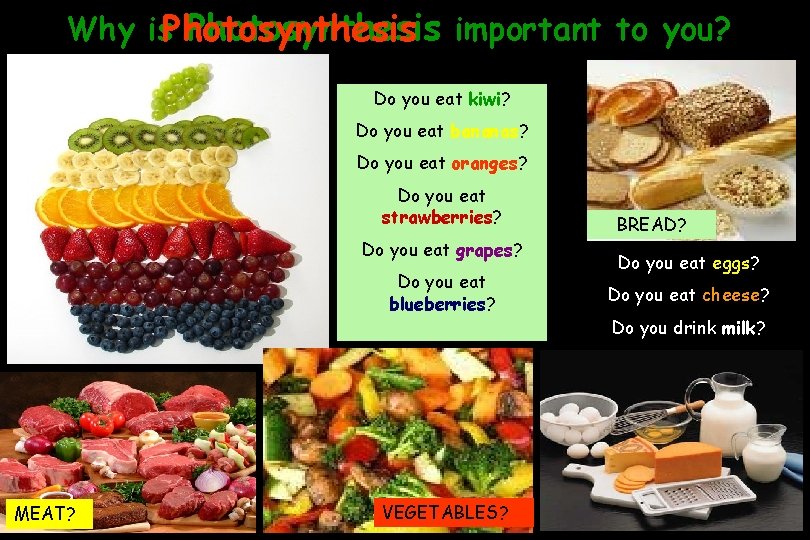
Why is. Photosynthesis important to you? Do you eat kiwi? Do you eat bananas? Do you eat oranges? Do you eat strawberries? Do you eat grapes? Do you eat blueberries? MEAT? VEGETABLES? BREAD? Do you eat eggs? Do you eat cheese? Do you drink milk?
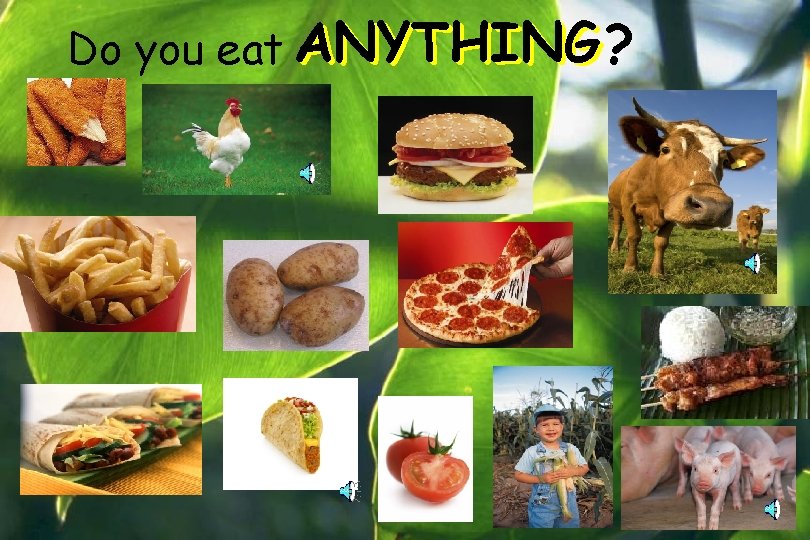
Do you eat ANYTHING?
Anything you eat can be traced back to a PRODUCER which can be traced back to the SUN!
The SUN is the source of all food energy on Earth!
Gimme some fin ………… Noggin……. . Dude!