
Cells 1 Structure of Living Organisms The cell


- Slides: 31
Cells 1
Structure of Living Organisms The cell is the basic unit of life. 2
I. The Cell Theory 1. All organisms are made up of one or more cells. 2. The cell is the basic unit of structure and organization in organisms. 3. All cells come from pre-existing cells. 3
Cell Theory- continued These cells working individually, or together in tissues or organs, perform all life functions 4
II. Exceptions to the Cell Theory 5 1. The first cell could not have come from a preexisting cell. 2. Viruses - which are not cells have hereditary material and can reproduce. 3. Organelles such as mitochondria and chloroplasts have genetic material (DNA) and can reproduce.
Two types of Cells Prokaryotic Eukaryotic 6
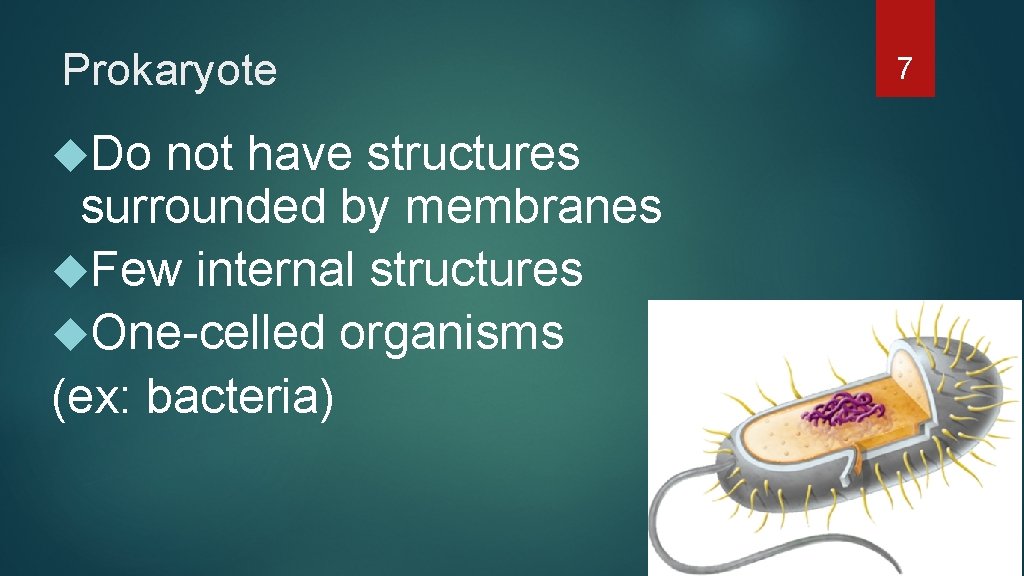
Prokaryote Do not have structures surrounded by membranes Few internal structures One-celled organisms (ex: bacteria) 7
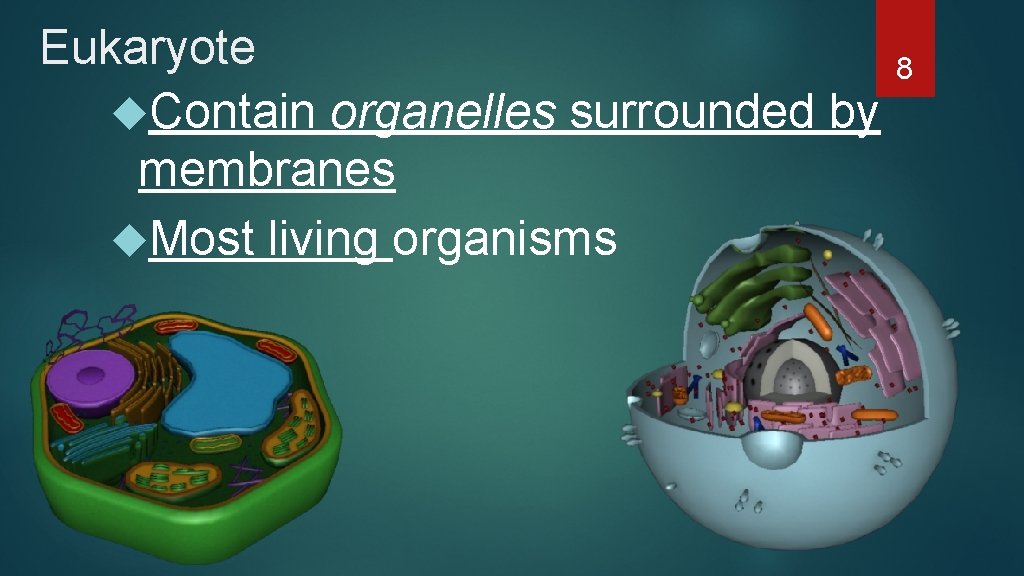
Eukaryote Contain organelles surrounded by membranes Most living organisms 8
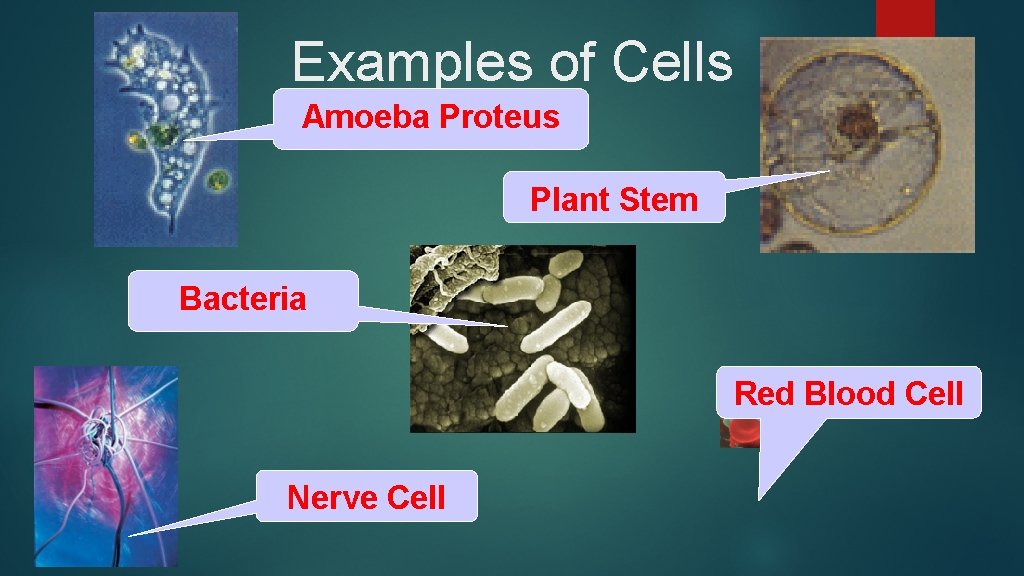
Examples of Cells Amoeba Proteus Plant Stem Bacteria Red Blood Cell Nerve Cell
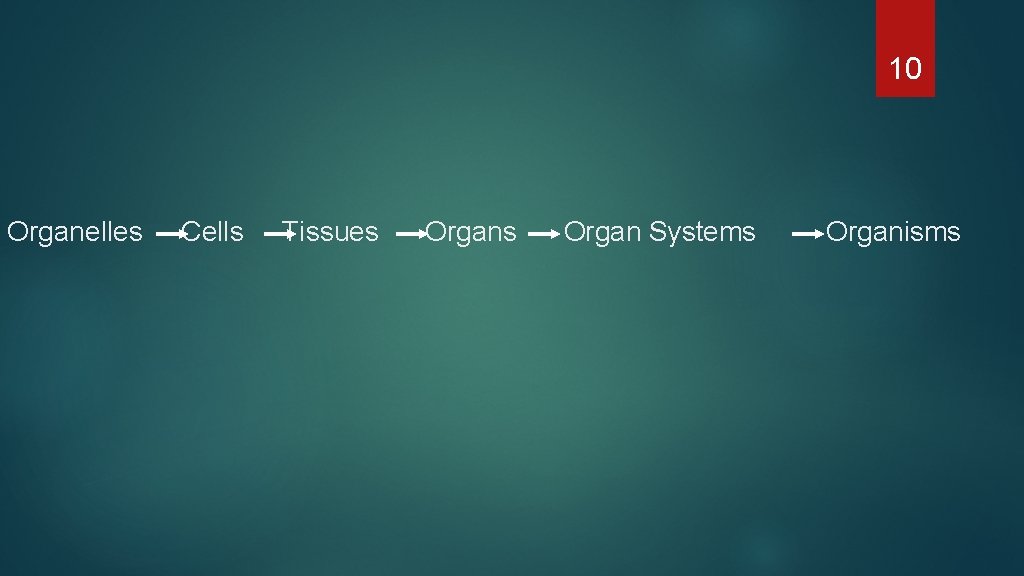
10 Organelles Cells Tissues Organ Systems Organisms
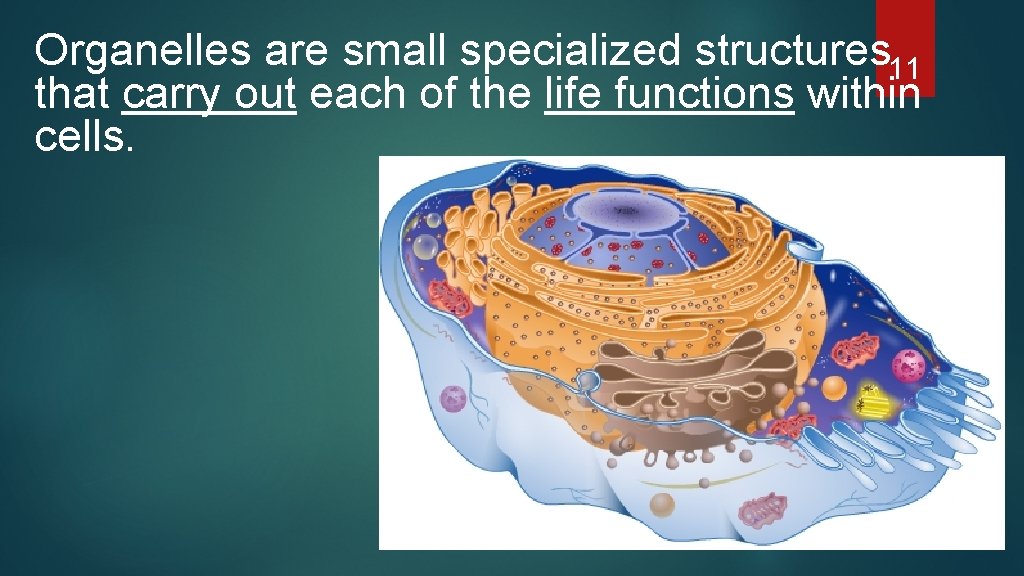
Organelles are small specialized structures 11 that carry out each of the life functions within cells.
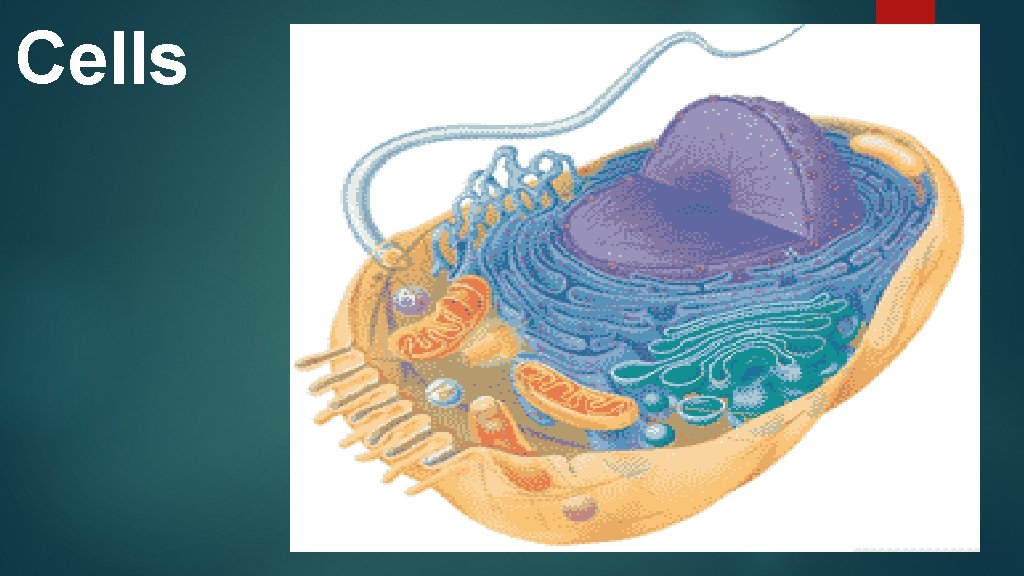
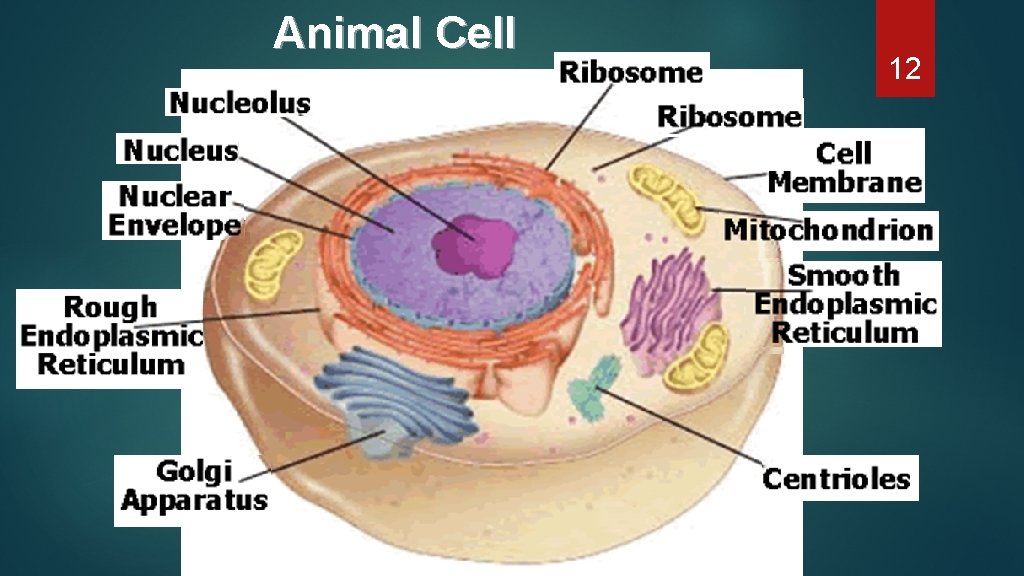
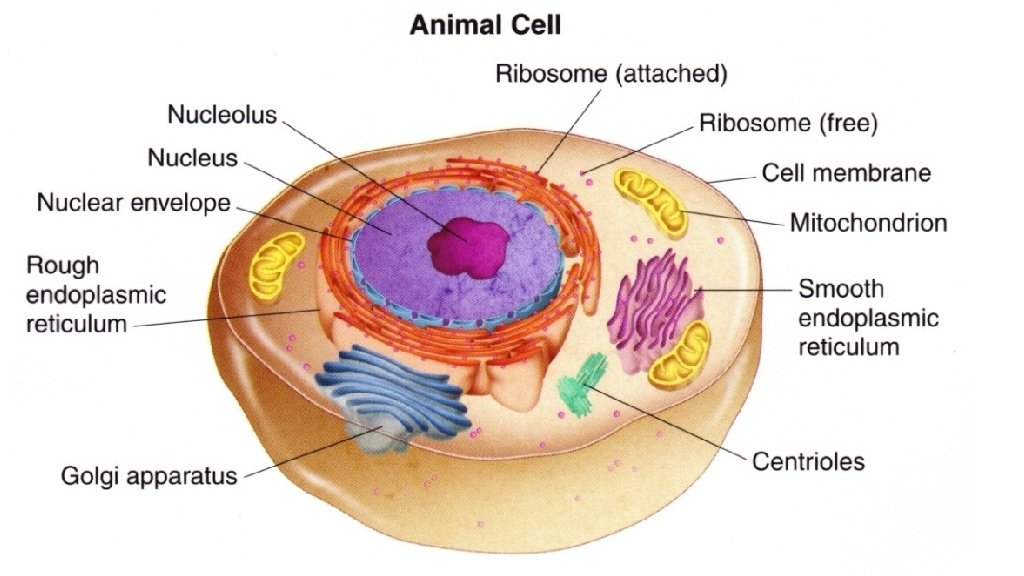
Animal Cell 12
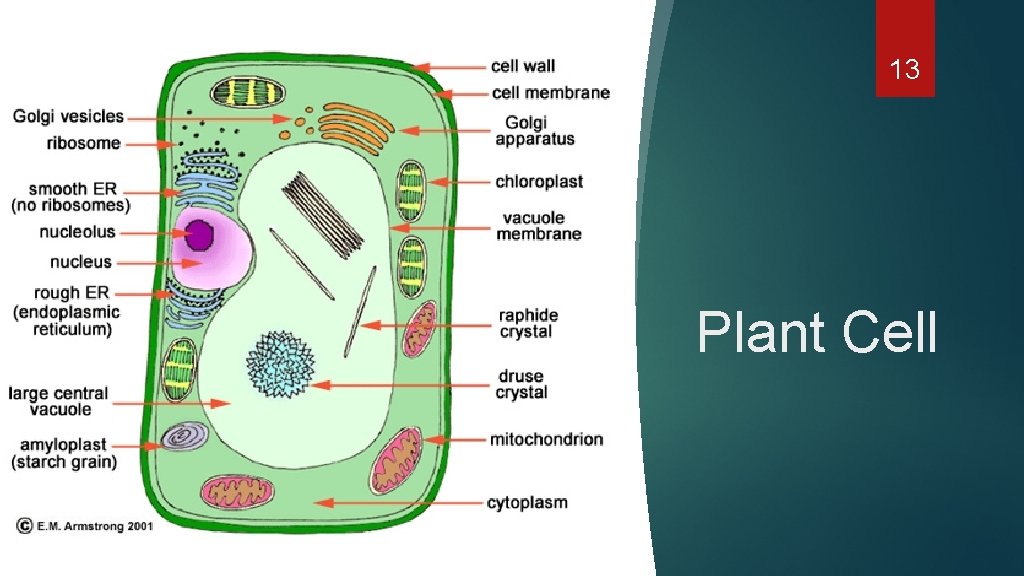
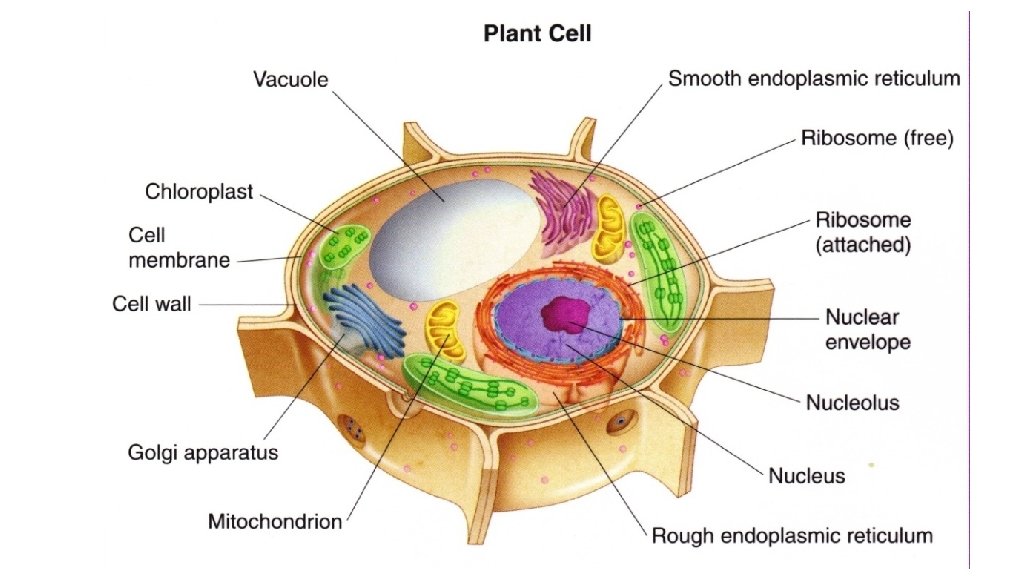
13 Plant Cell
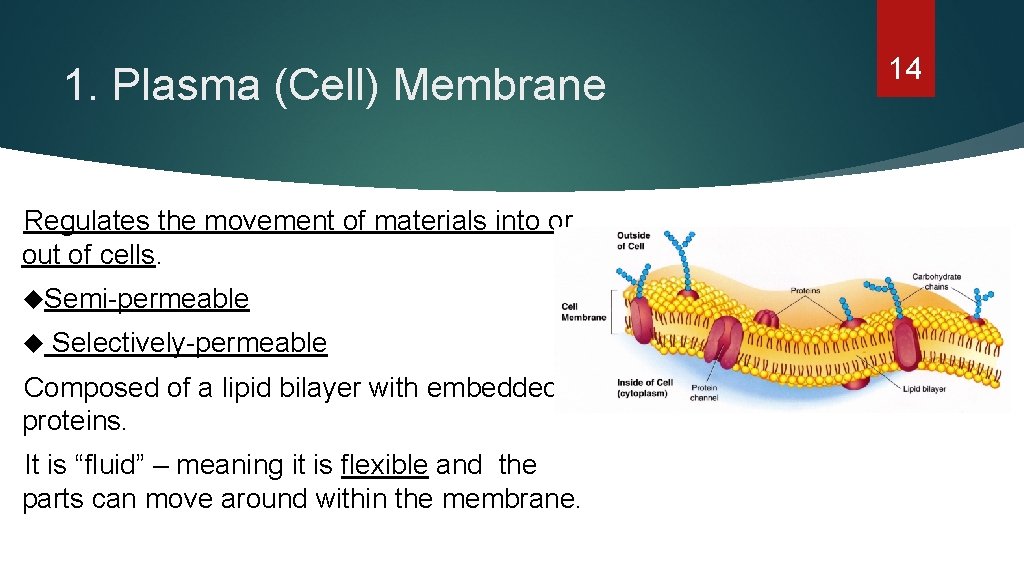
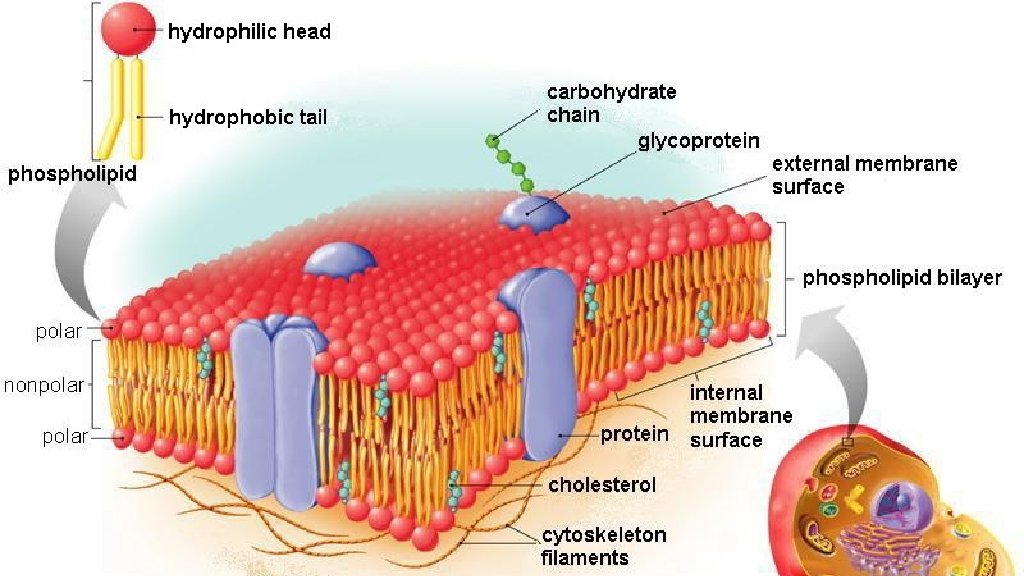
1. Plasma (Cell) Membrane Regulates the movement of materials into or out of cells. Semi-permeable Selectively-permeable Composed of a lipid bilayer with embedded proteins. It is “fluid” – meaning it is flexible and the parts can move around within the membrane. 14
15
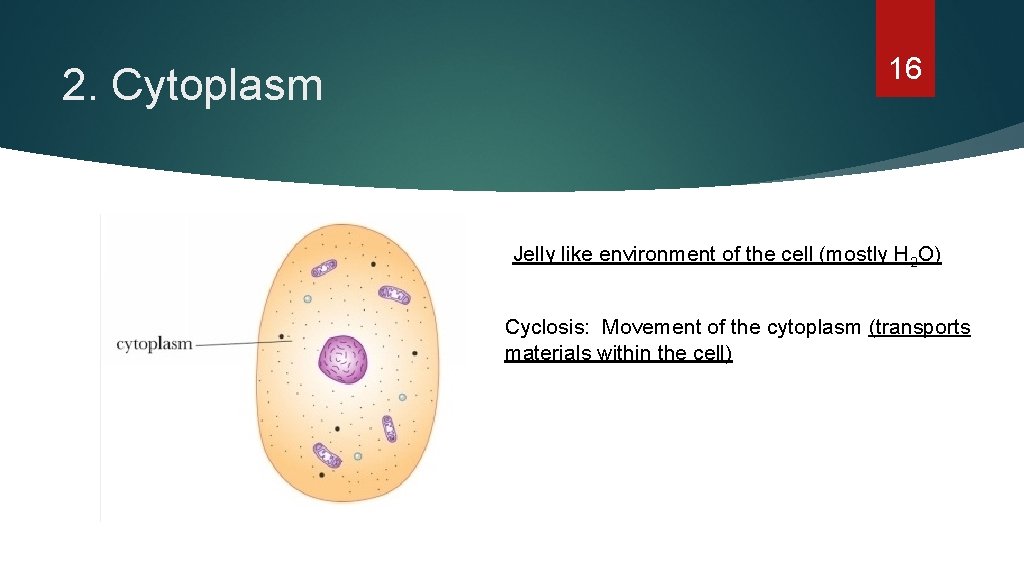
2. Cytoplasm 16 Jelly like environment of the cell (mostly H 2 O) Cyclosis: Movement of the cytoplasm (transports materials within the cell)
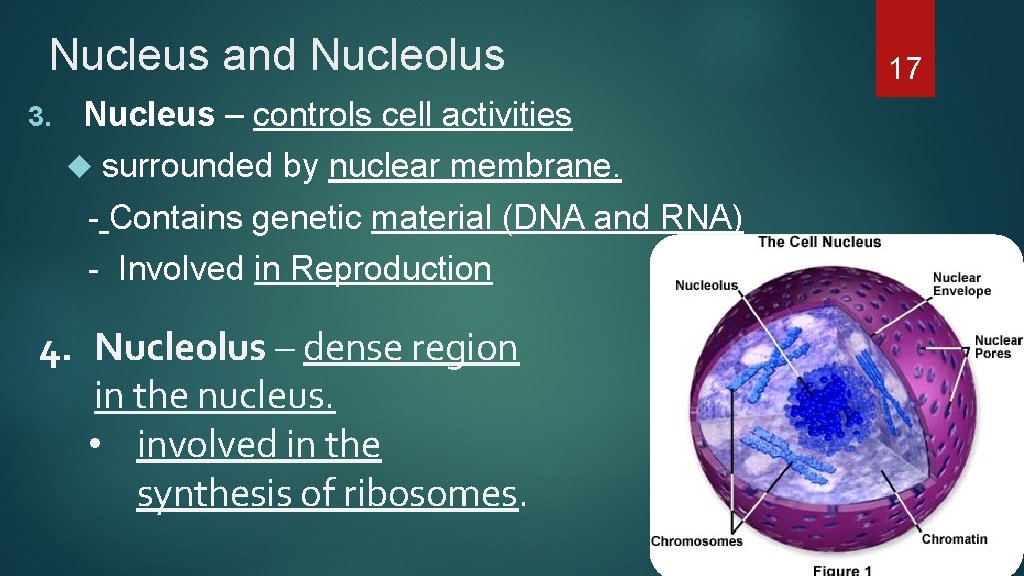
Nucleus and Nucleolus 3. Nucleus – controls cell activities surrounded by nuclear membrane. - Contains genetic material (DNA and RNA) - Involved in Reproduction 4. Nucleolus – dense region in the nucleus. • involved in the synthesis of ribosomes. 17
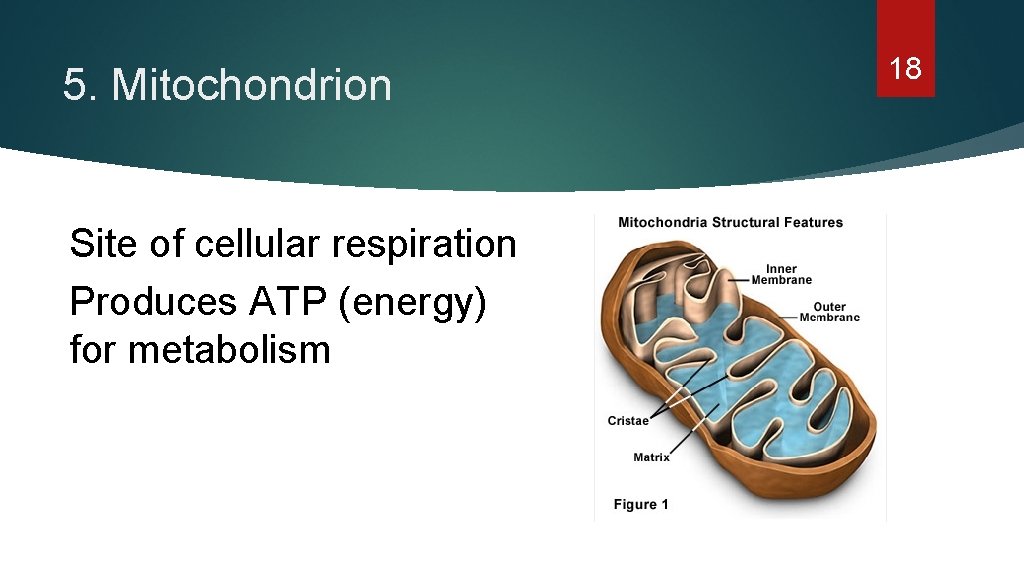
5. Mitochondrion Site of cellular respiration Produces ATP (energy) for metabolism 18
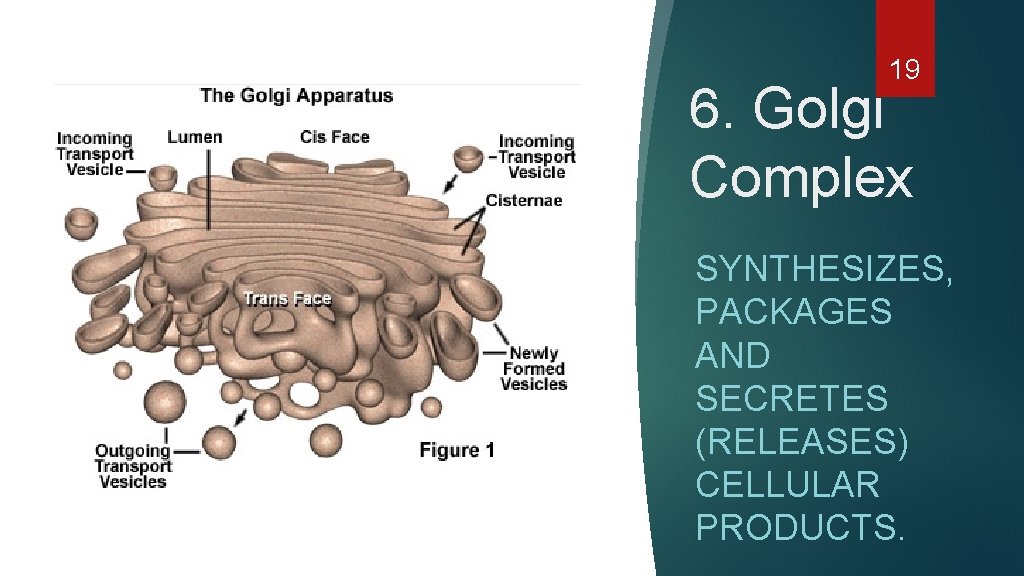
19 6. Golgi Complex SYNTHESIZES, PACKAGES AND SECRETES (RELEASES) CELLULAR PRODUCTS.
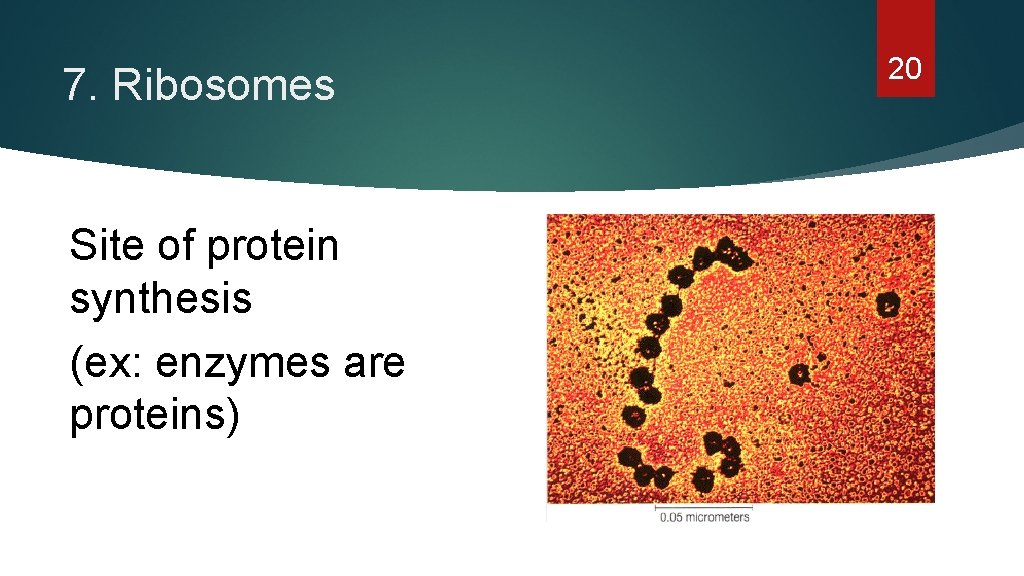
7. Ribosomes Site of protein synthesis (ex: enzymes are proteins) 20
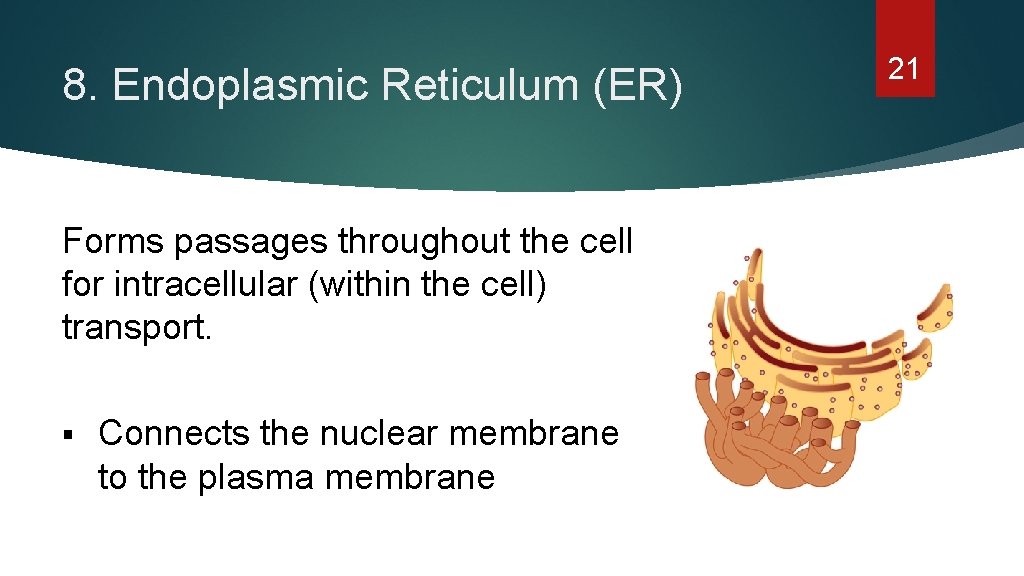
8. Endoplasmic Reticulum (ER) Forms passages throughout the cell for intracellular (within the cell) transport. Connects the nuclear membrane to the plasma membrane 21
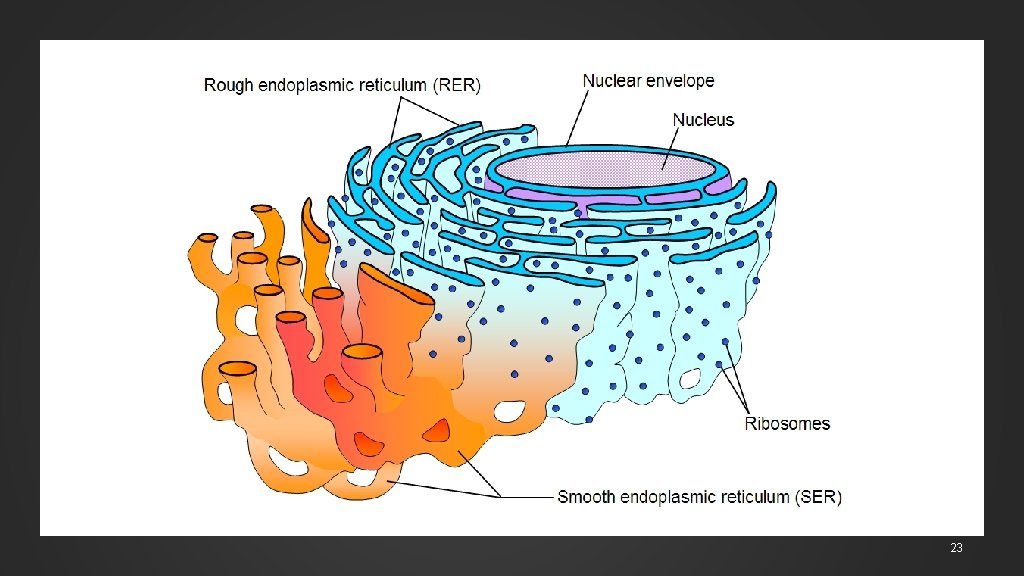
8. Endoplasmic Reticulum (ER) Two Types of Endoplasmic Reticulum Rough Endoplasmic Reticulumcovered in ribosomes Smooth Endoplasmic Reticulum (no ribosomes) 22
23
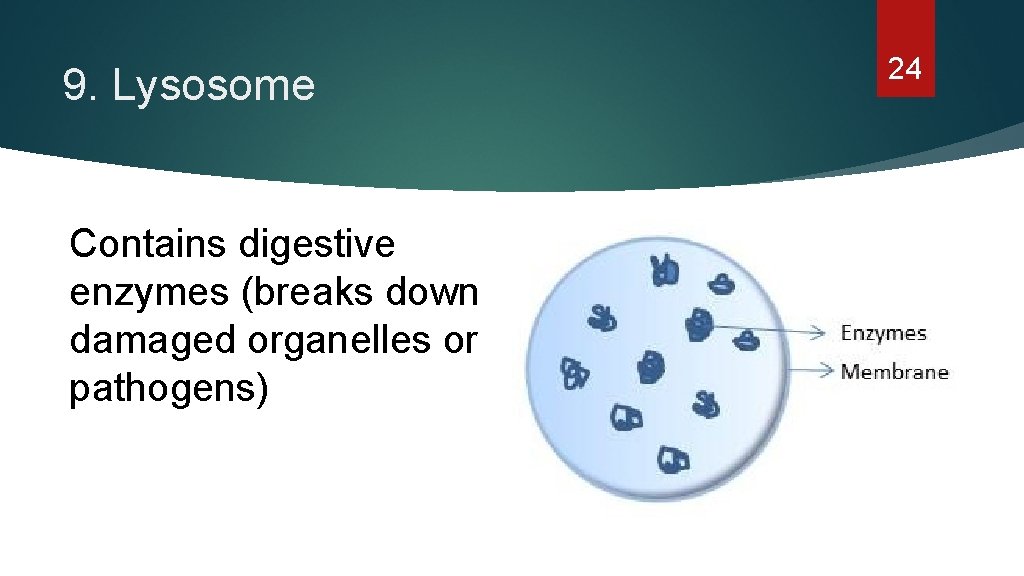
9. Lysosome Contains digestive enzymes (breaks down damaged organelles or pathogens) 24
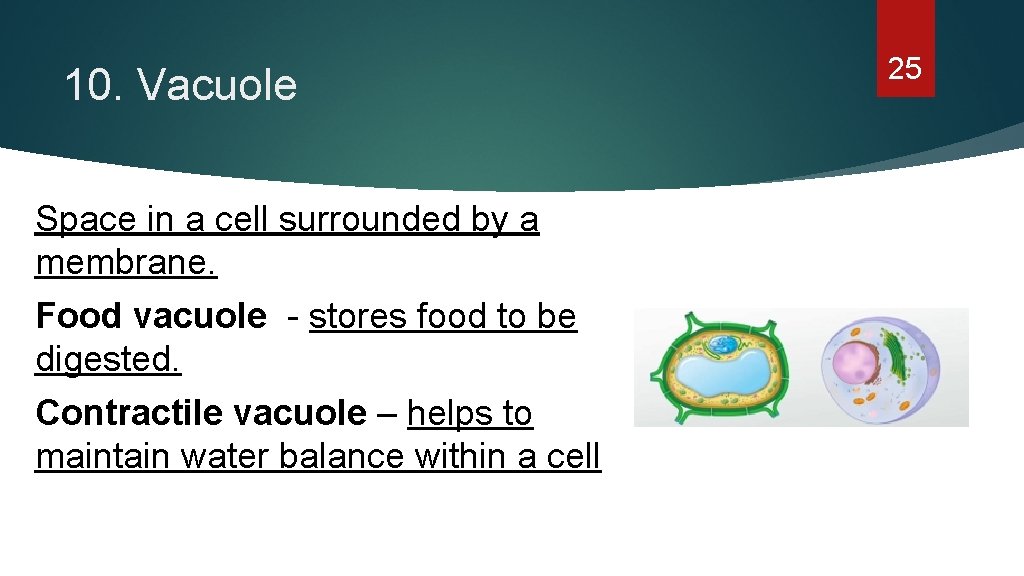
10. Vacuole Space in a cell surrounded by a membrane. Food vacuole - stores food to be digested. Contractile vacuole – helps to maintain water balance within a cell 25
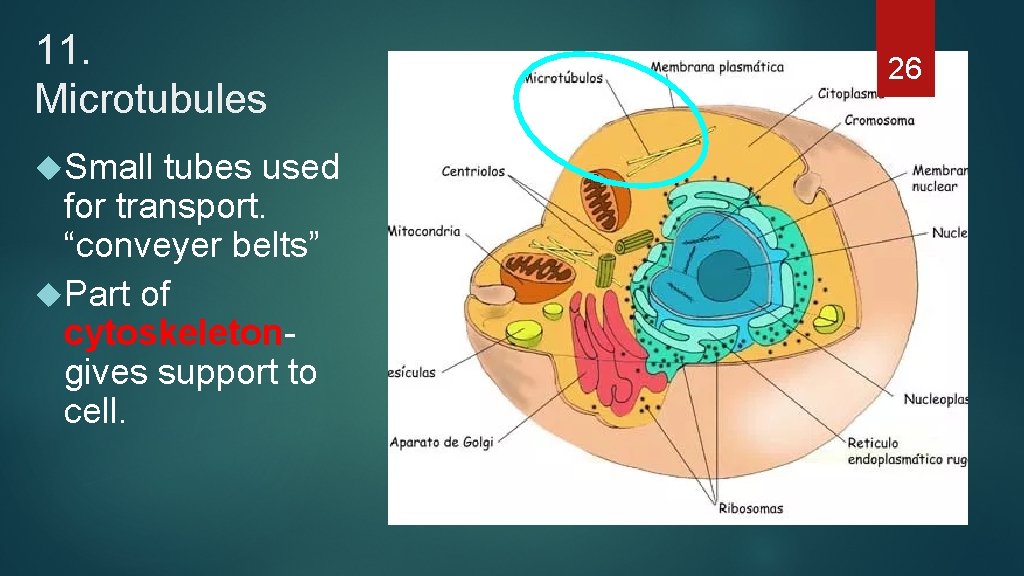
11. Microtubules Small tubes used for transport. “conveyer belts” Part of cytoskeletongives support to cell. 26
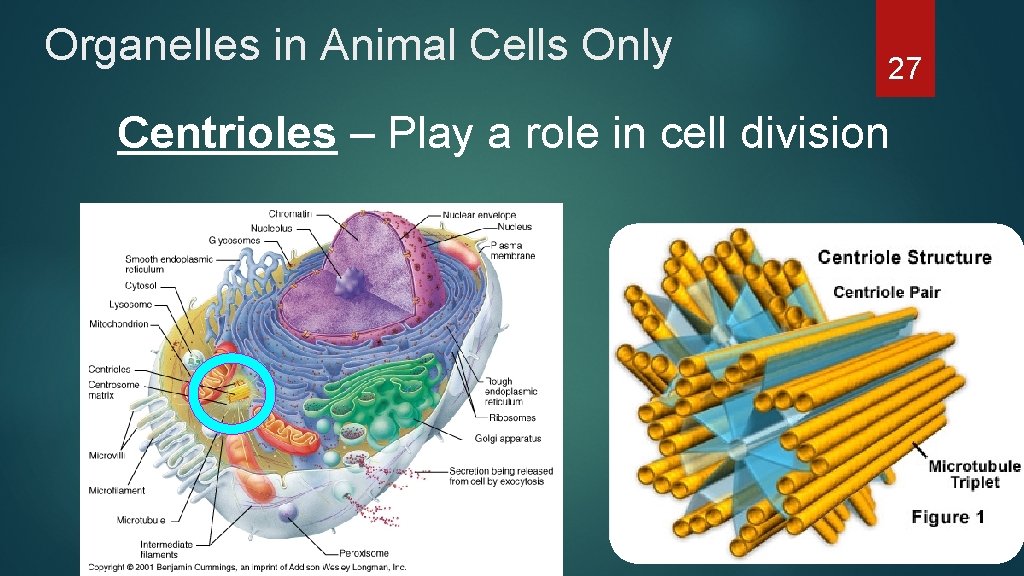
Organelles in Animal Cells Only 27 Centrioles – Play a role in cell division
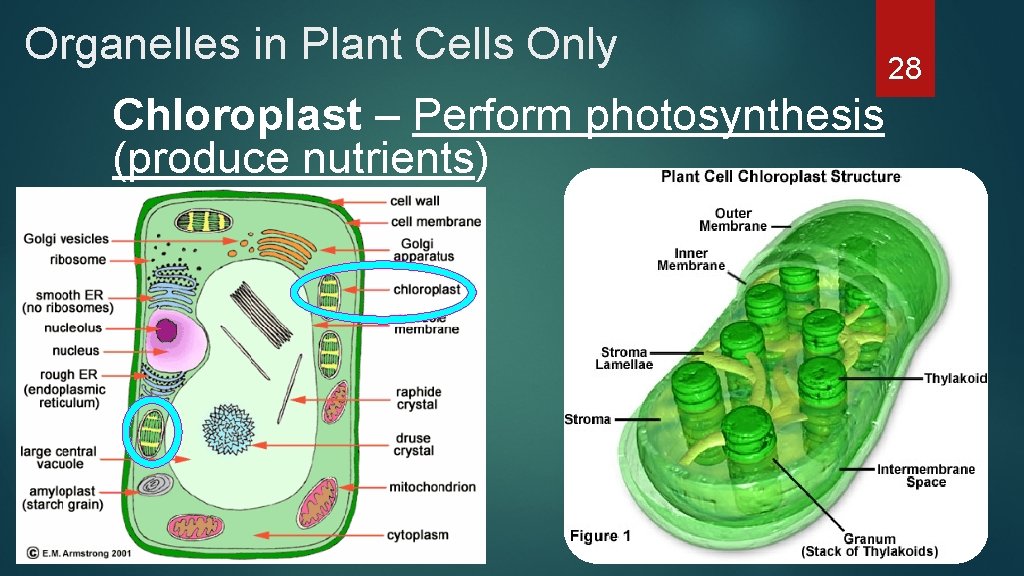
Organelles in Plant Cells Only Chloroplast – Perform photosynthesis (produce nutrients) 28
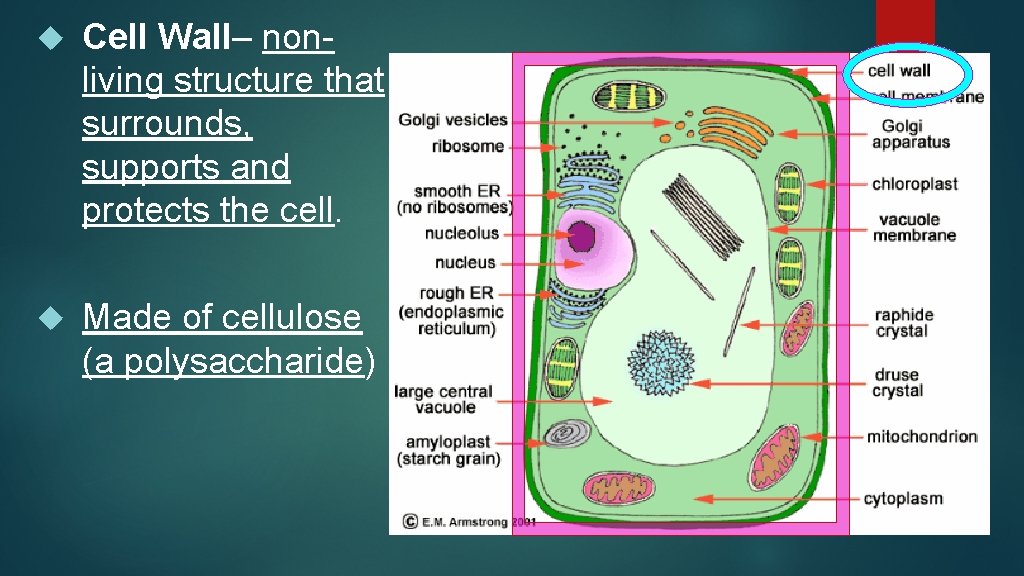
Cell Wall– nonliving structure that surrounds, supports and protects the cell. Made of cellulose (a polysaccharide)
30
31