
Cell Transport Plasma Membrane Parts of the cell
Cell Transport
Plasma Membrane • • Parts of the cell membrane Types of transport Particle Size Applications

Plasma Membrane- cell membrane • Semi permeable -partially porous • It is capable of elastic movement, and has fluid properties. The movement has been described as the Fluid Mosaic Model (think about your lucky charms in milk)
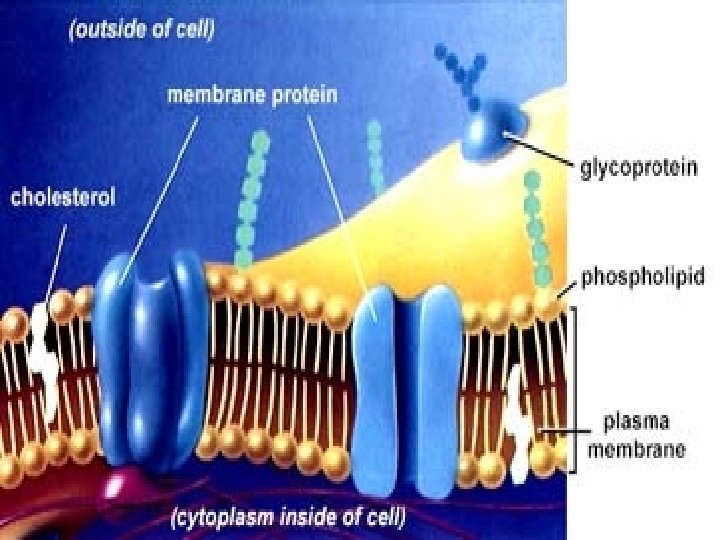
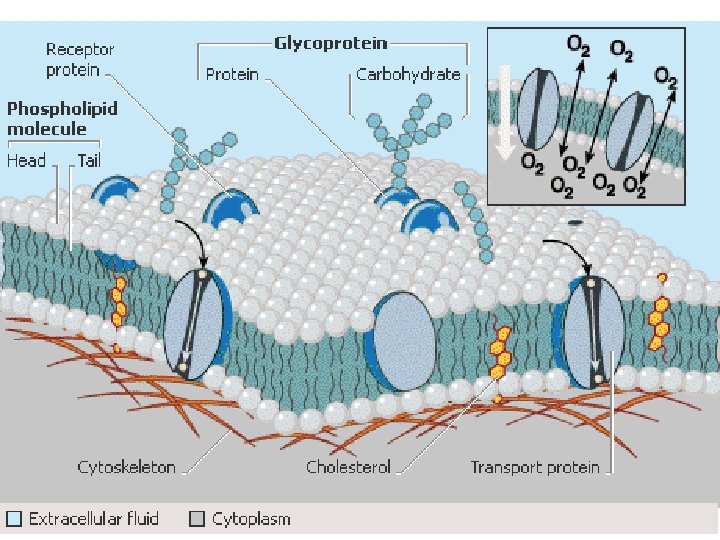
Parts of the cell membrane 1. Phospholipids 2. Membrane Proteins 3. Glycoproteins 4. Cholesterol
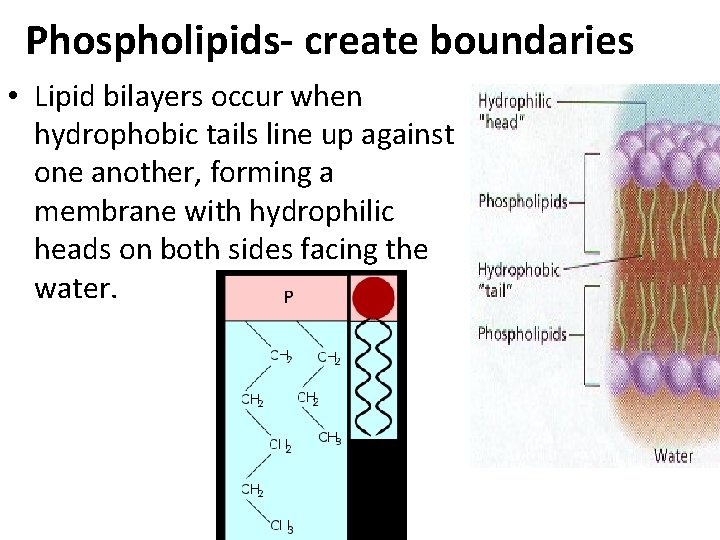
Phospholipids- create boundaries • Lipid bilayers occur when hydrophobic tails line up against one another, forming a membrane with hydrophilic heads on both sides facing the water.
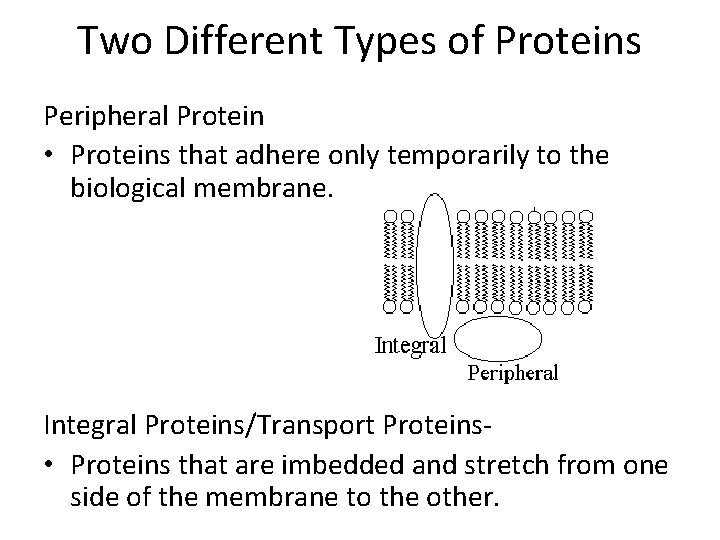
Two Different Types of Proteins Peripheral Protein • Proteins that adhere only temporarily to the biological membrane. Integral Proteins/Transport Proteins • Proteins that are imbedded and stretch from one side of the membrane to the other.
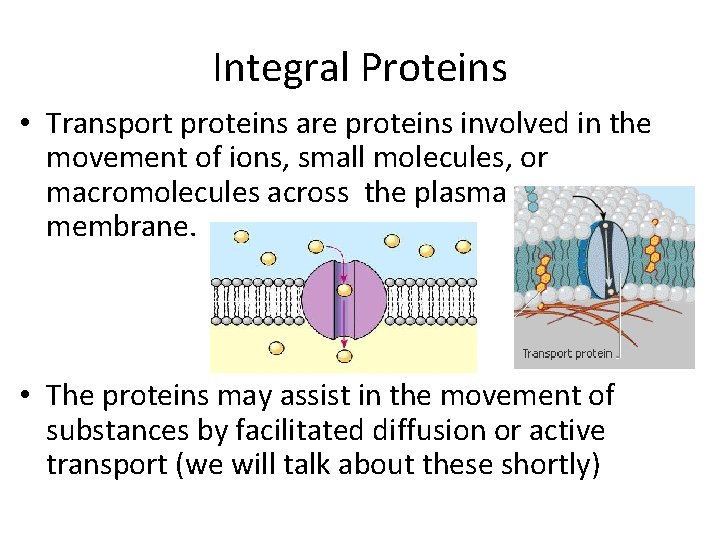
Integral Proteins • Transport proteins are proteins involved in the movement of ions, small molecules, or macromolecules across the plasma membrane. • The proteins may assist in the movement of substances by facilitated diffusion or active transport (we will talk about these shortly)
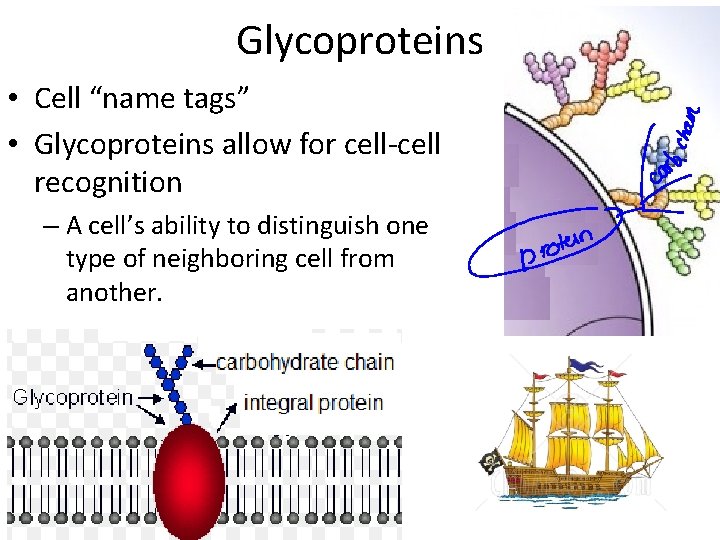
Glycoproteins • Cell “name tags” • Glycoproteins allow for cell-cell recognition – A cell’s ability to distinguish one type of neighboring cell from another.
Why would this be beneficial? • Organizing tissue and organs • Rejection of foreign cells – (including transplant organs) • Immune System • Blood type
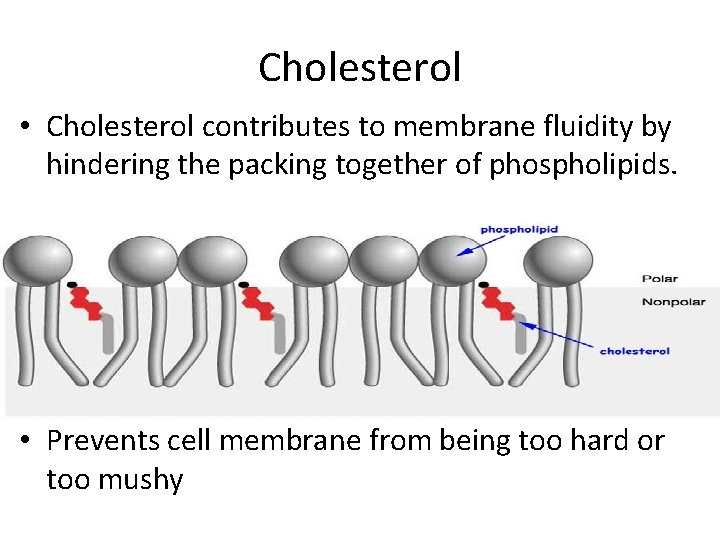
Cholesterol • Cholesterol contributes to membrane fluidity by hindering the packing together of phospholipids. • Prevents cell membrane from being too hard or too mushy

Outside Cell Inside Cell
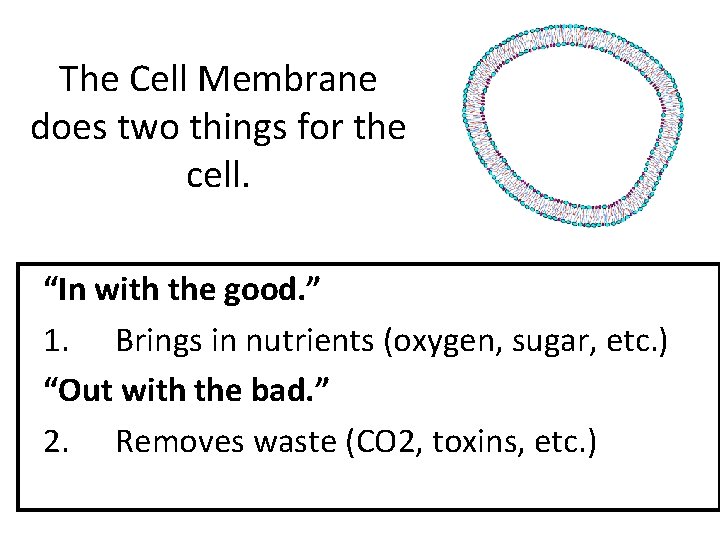
The Cell Membrane does two things for the cell. “In with the good. ” 1. Brings in nutrients (oxygen, sugar, etc. ) “Out with the bad. ” 2. Removes waste (CO 2, toxins, etc. )
3 Types of Transport • 1. Diffusion/Osmosis • 2. Facilitated diffusion • 3. Active transport
These three types of transport can be classified into two group • PASSIVE- not requiring energy – These forms use concentration gradients/gravity to work and do not require energy • ACTIVE- requiring energy – These forms go against concentration gradients or gravity and therefore require energy
1 st type of Cell Transport Diffusion (and Osmosis) *PASSIVE*
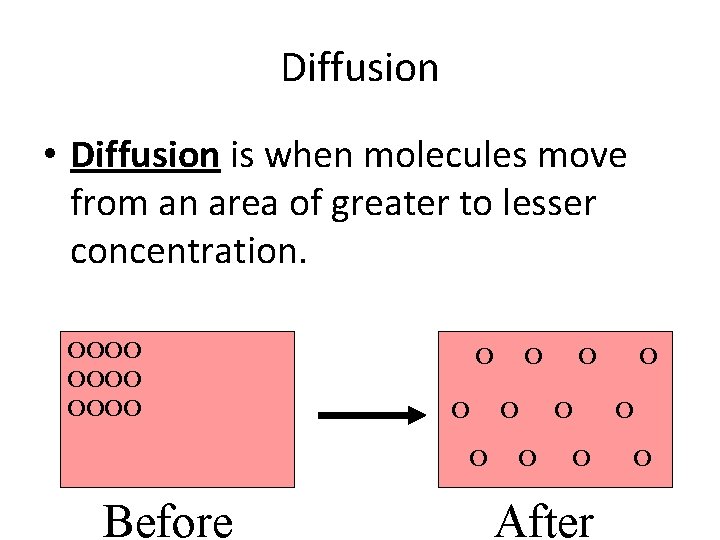
Diffusion • Diffusion is when molecules move from an area of greater to lesser concentration. OOOO O Before O O O After O O O
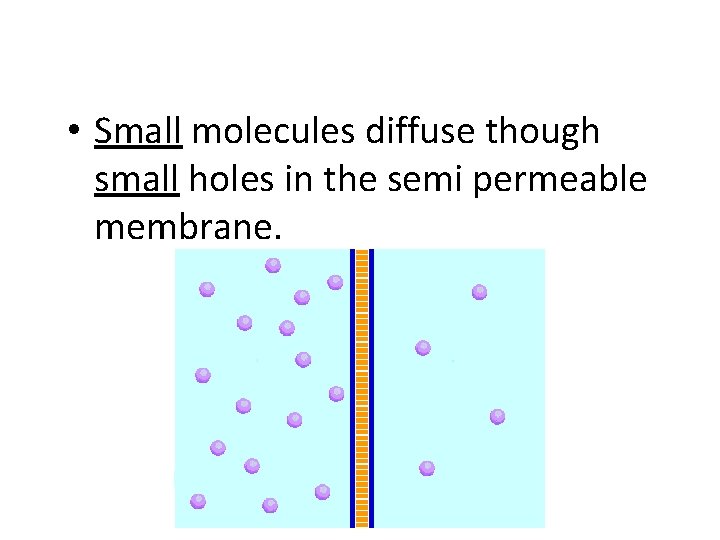
• Small molecules diffuse though small holes in the semi permeable membrane.
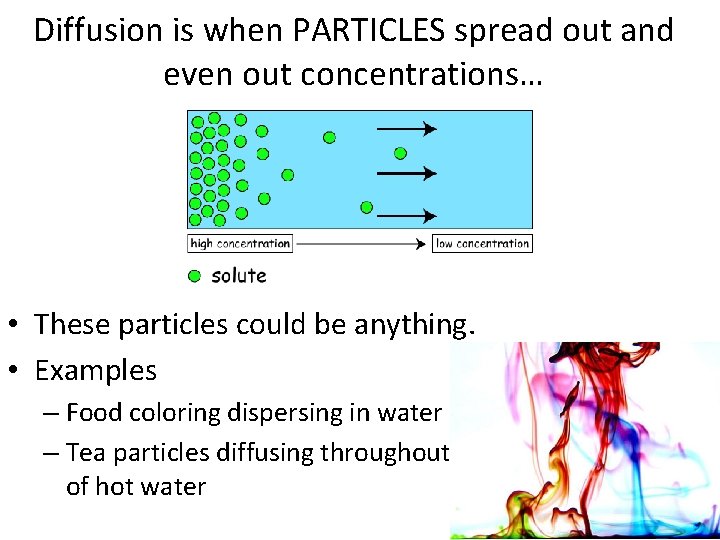
Diffusion is when PARTICLES spread out and even out concentrations… • These particles could be anything. • Examples – Food coloring dispersing in water – Tea particles diffusing throughout a cup of hot water 20
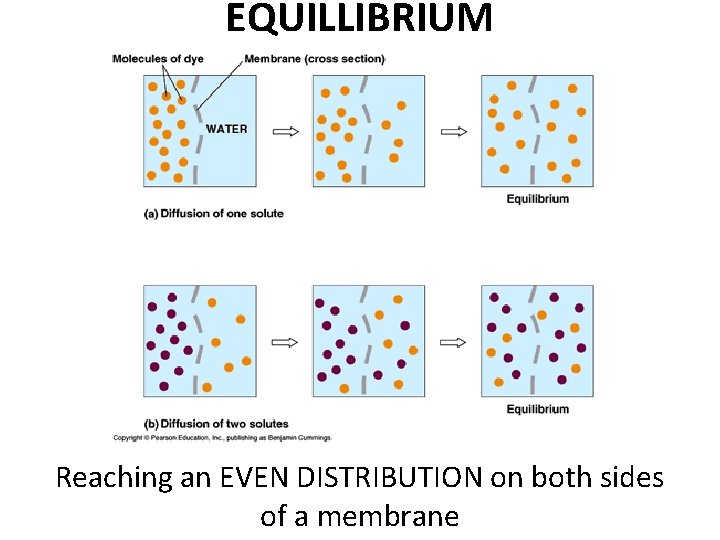
EQUILLIBRIUM Reaching an EVEN DISTRIBUTION on both sides of a membrane
OSMOSIS Osmosis is a special kind of diffusion H 20 22
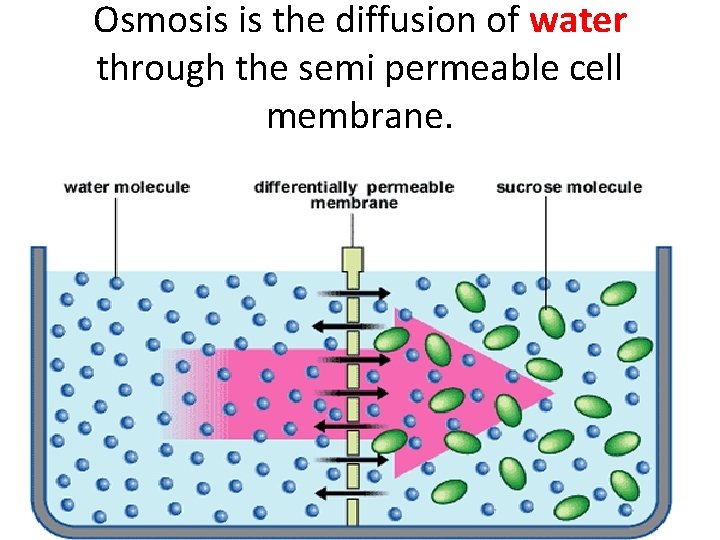
Osmosis is the diffusion of water through the semi permeable cell membrane.
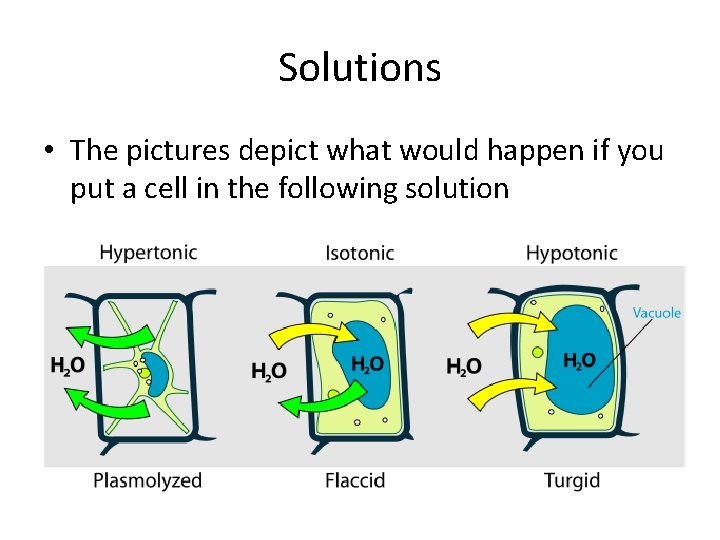
Solutions • The pictures depict what would happen if you put a cell in the following solution
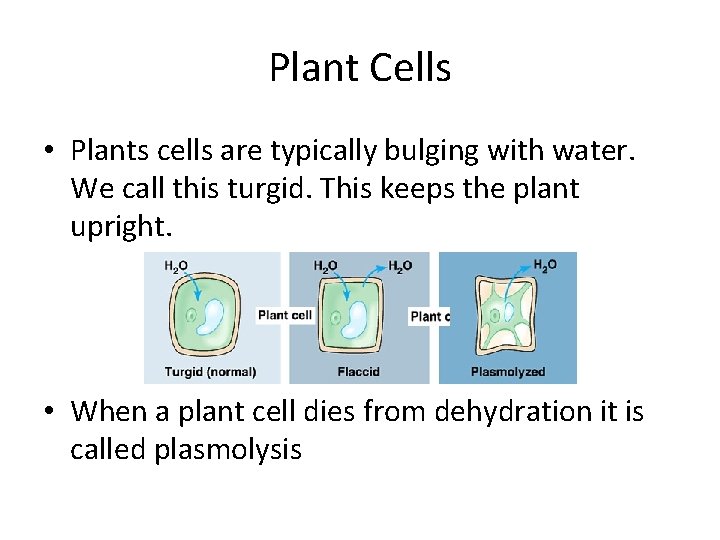
Plant Cells • Plants cells are typically bulging with water. We call this turgid. This keeps the plant upright. • When a plant cell dies from dehydration it is called plasmolysis

Animal Cell • When an animal cell fills up with water and swells passed its capacity it bursts. We say it has lysed. • When an animal cell loses water it shrivels.

HYPO ISO HYPER

Concentrations and Osmotic Pressure • Hypertonic- Higher concentration of solutes. (high solute means lower water concentration) • Hypotonic- Lower concentration of solutes • Isotonic- Equal concentration of solutes If something is hypertonic on the inside then it is hypotonic on the outside.
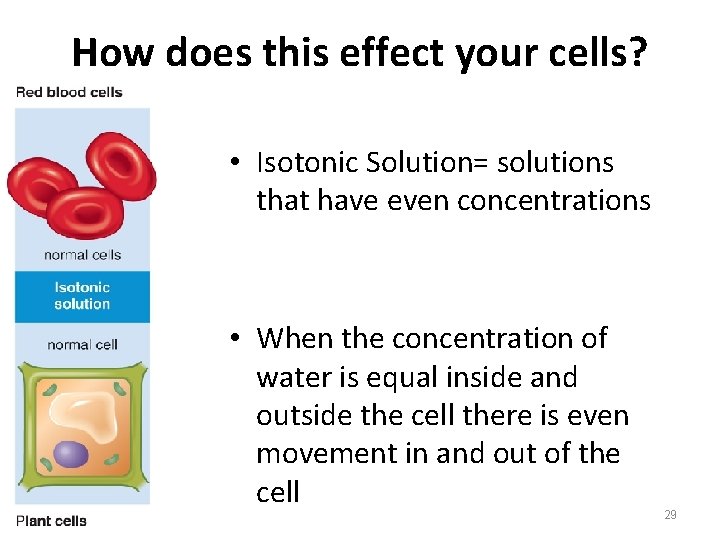
How does this effect your cells? • Isotonic Solution= solutions that have even concentrations • When the concentration of water is equal inside and outside the cell there is even movement in and out of the cell 29

Isotonic Example 30
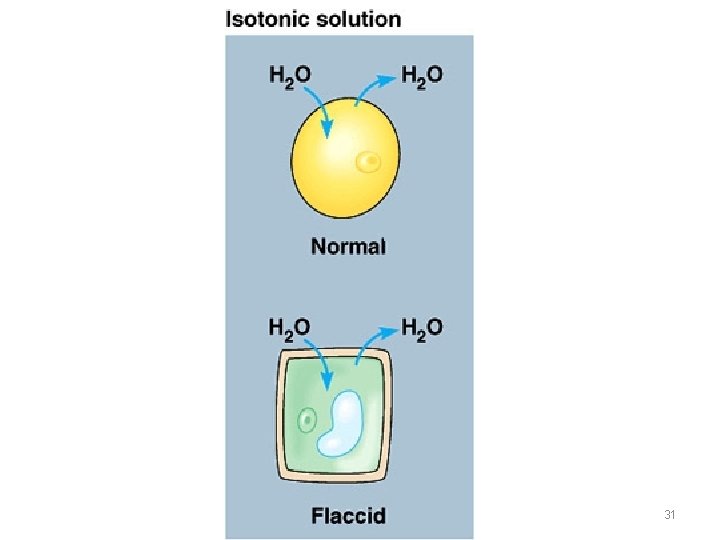
31

Swelling • Hypotonic solution = lower concentration of solute in the water outside the cell • If there is a lower concentration of solute outside then the water concentration outside is higher and the water will move inside causing the cell to swell 32
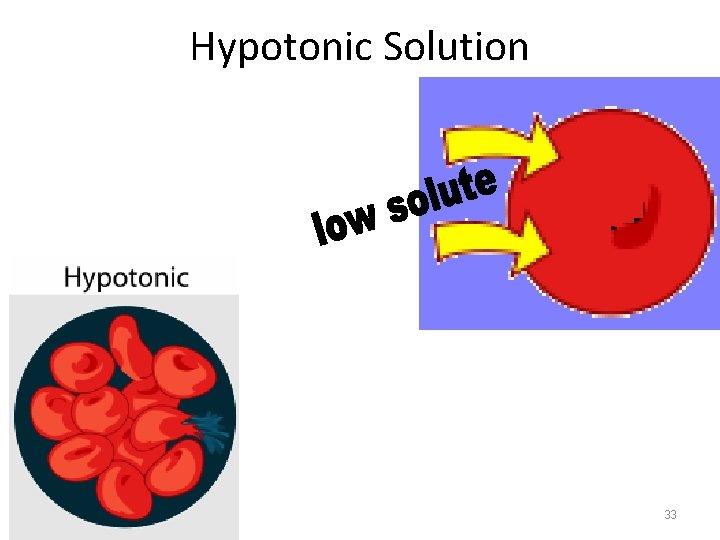
Hypotonic Solution 33
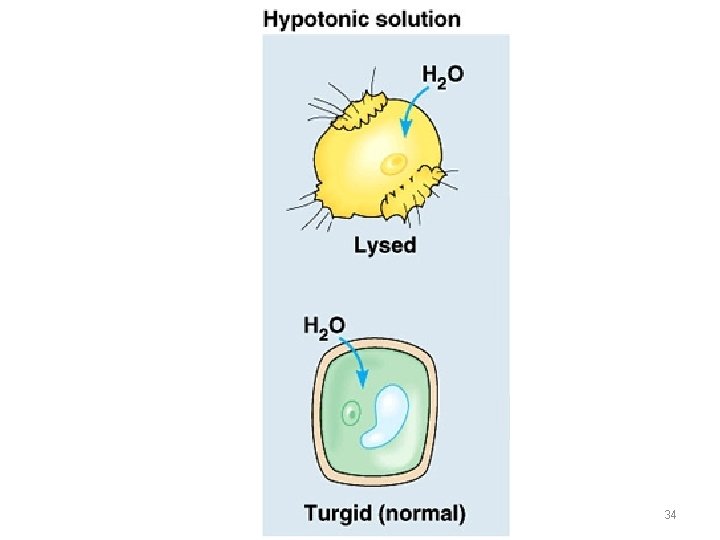
34
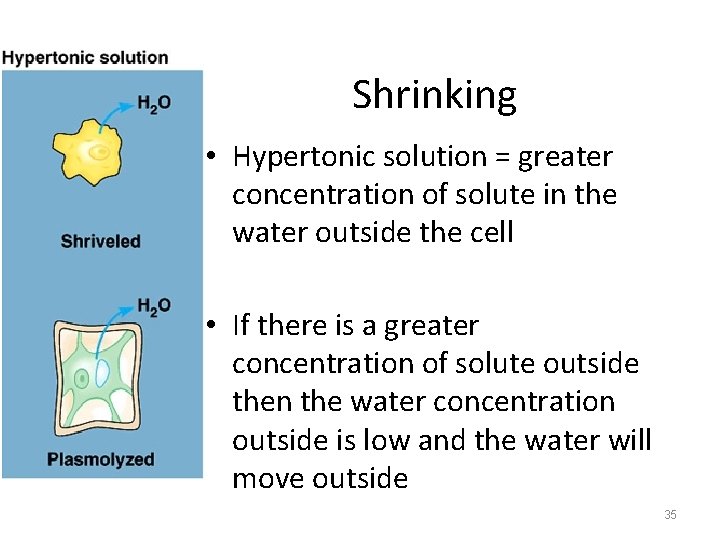
Shrinking • Hypertonic solution = greater concentration of solute in the water outside the cell • If there is a greater concentration of solute outside then the water concentration outside is low and the water will move outside 35
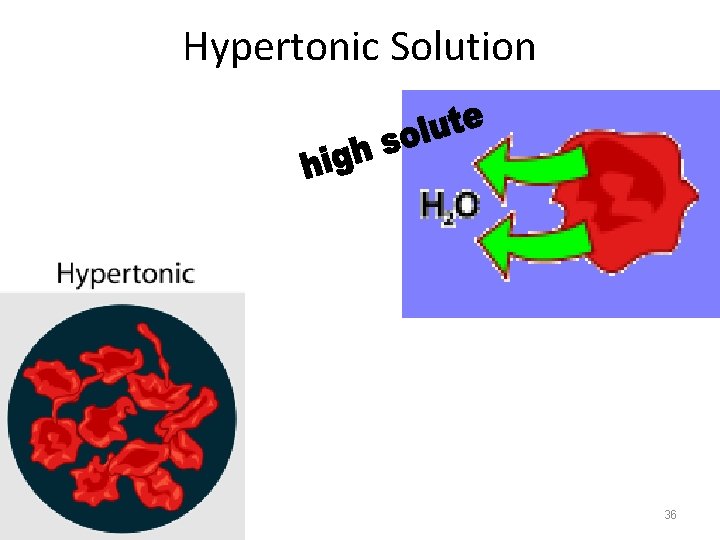
Hypertonic Solution 36
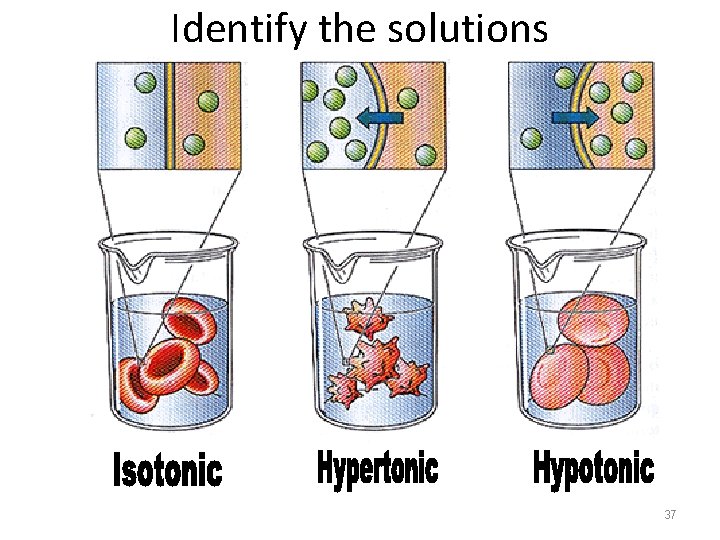
Identify the solutions 37
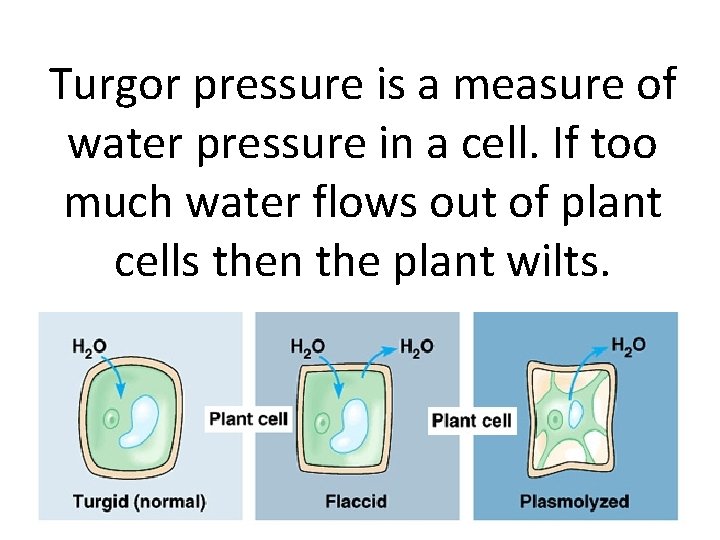
Turgor pressure is a measure of water pressure in a cell. If too much water flows out of plant cells then the plant wilts. 38
nd 2 type of Cell Transport Facilitated Diffusion *PASSIVE*
Facilitated Diffusion • What does the term facilitate mean? – Think about what a peer facilitator Help does… they _______ With regular diffusion, particles diffuse across the phospholipid membrane. With facilitated diffusion Help and use protein channels. they need ______
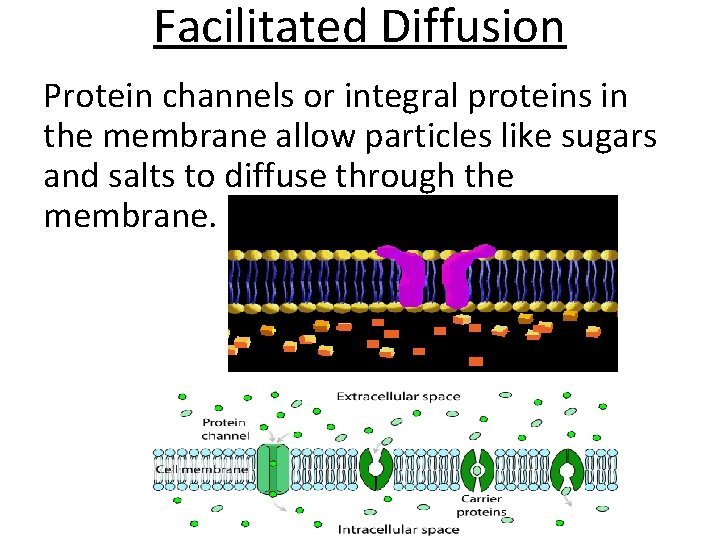
Facilitated Diffusion Protein channels or integral proteins in the membrane allow particles like sugars and salts to diffuse through the membrane.
3 rd type of Cell Transport Active Transport *ACTIVE*
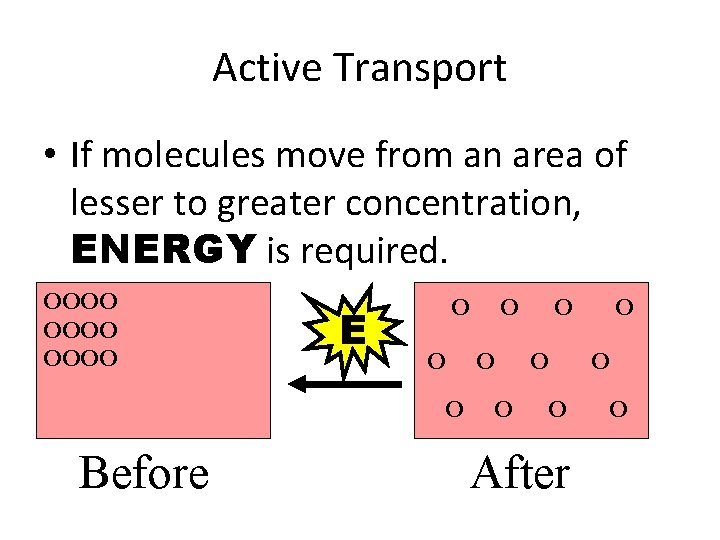
Active Transport • If molecules move from an area of lesser to greater concentration, ENERGY is required. OOOO E O O O Before O O O After O O O
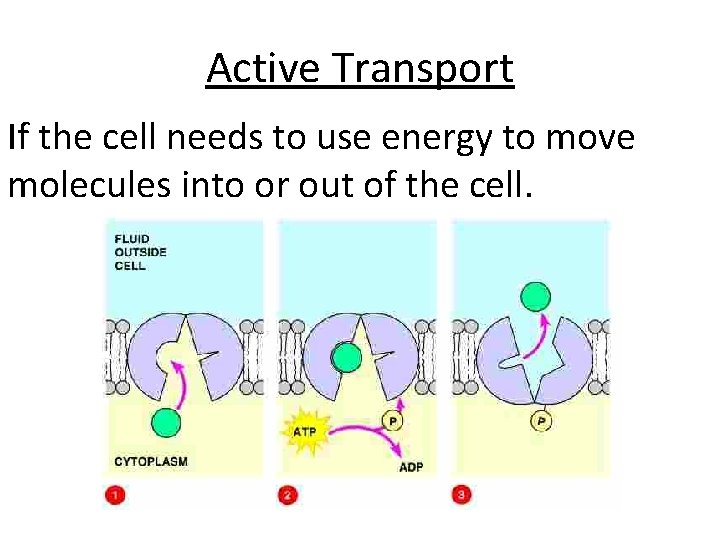
Active Transport If the cell needs to use energy to move molecules into or out of the cell.
Active Transport • Necessary to: – Bring in large molecules – Remove large molecules – Move molecules against the concentration gradient • From a lower concentration to a higher concentration

Check out this website if there is time: • http: //www. northland. cc. mn. us/biology/Biolo gy 1111/animations/transport 1. html
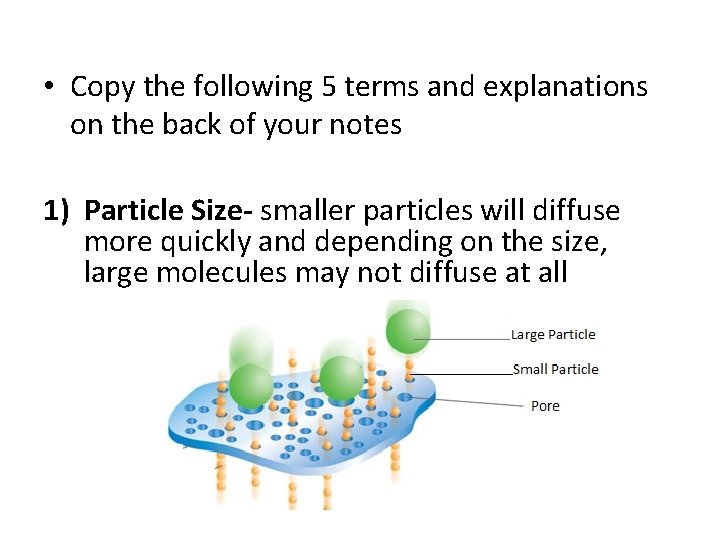
• Copy the following 5 terms and explanations on the back of your notes 1) Particle Size- smaller particles will diffuse more quickly and depending on the size, large molecules may not diffuse at all
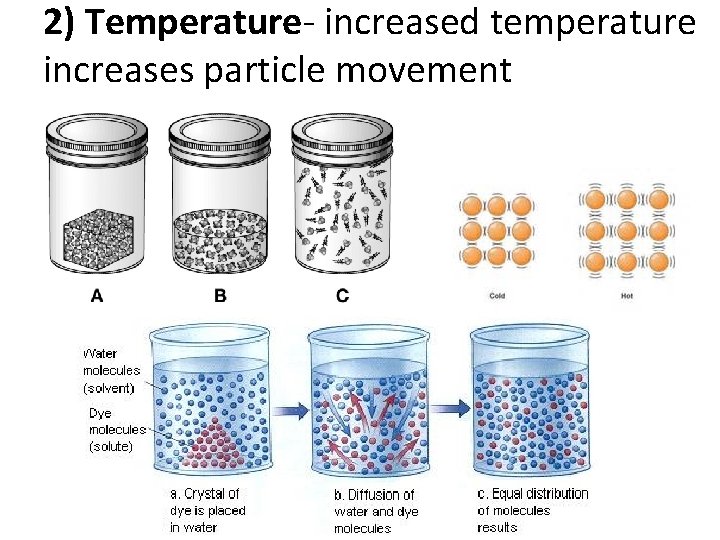
2) Temperature- increased temperature increases particle movement
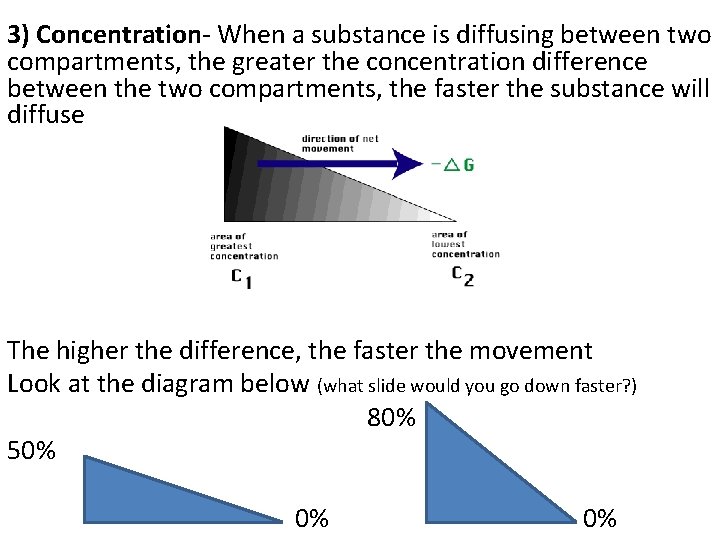
3) Concentration- When a substance is diffusing between two compartments, the greater the concentration difference between the two compartments, the faster the substance will diffuse The higher the difference, the faster the movement Look at the diagram below (what slide would you go down faster? ) 80% 50% 0% 0%
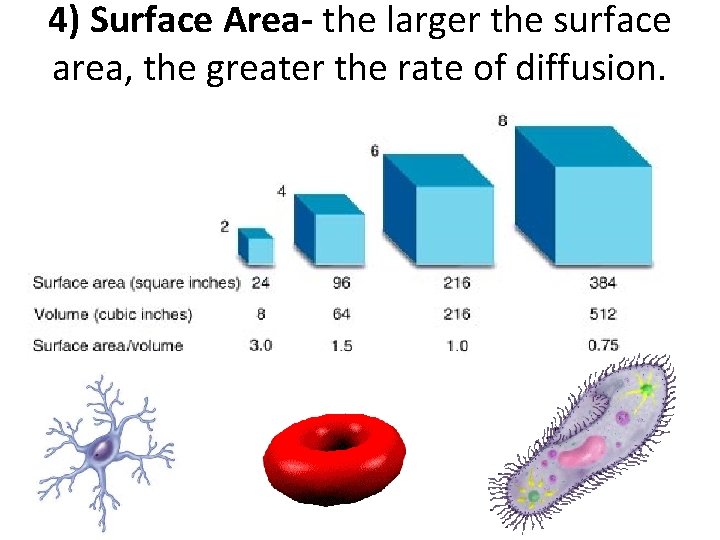
4) Surface Area- the larger the surface area, the greater the rate of diffusion.
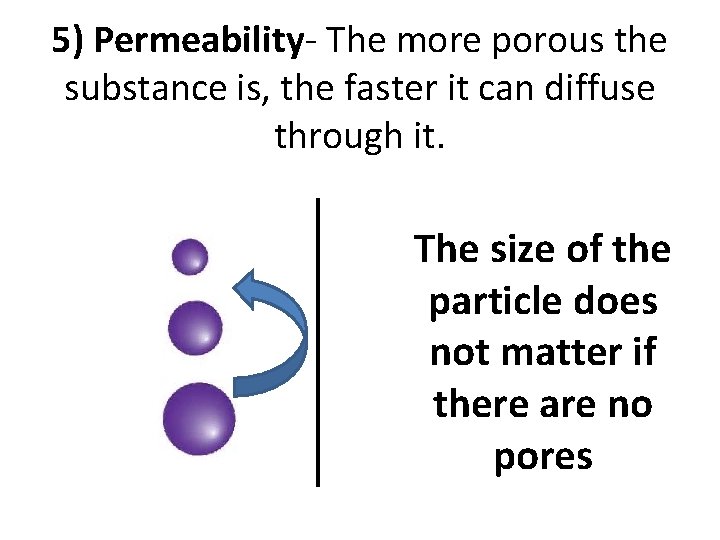
5) Permeability- The more porous the substance is, the faster it can diffuse through it. The size of the particle does not matter if there are no pores
Application • Why does grass by the roadside die after the road salt melts? • If stranded on a lifeboat in the ocean, why shouldn’t you drink ocean water? • Why is beef jerky so salty?
- Slides: 52