
Cell Theory Mathias SchleidenBotanist 1838 Theodor Schwann Zoologist
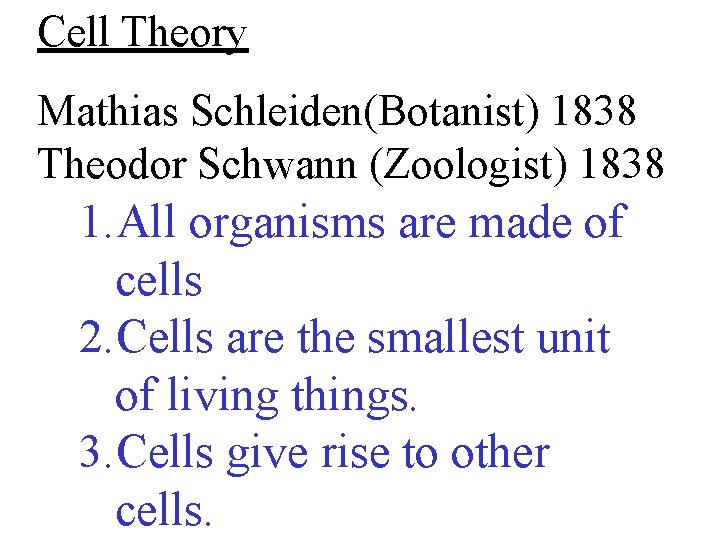
Cell Theory Mathias Schleiden(Botanist) 1838 Theodor Schwann (Zoologist) 1838 1. All organisms are made of cells 2. Cells are the smallest unit of living things. 3. Cells give rise to other cells.
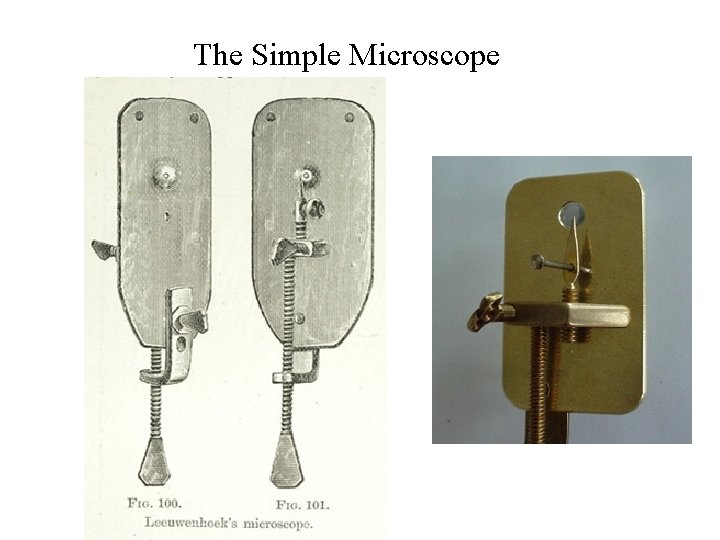
The Simple Microscope
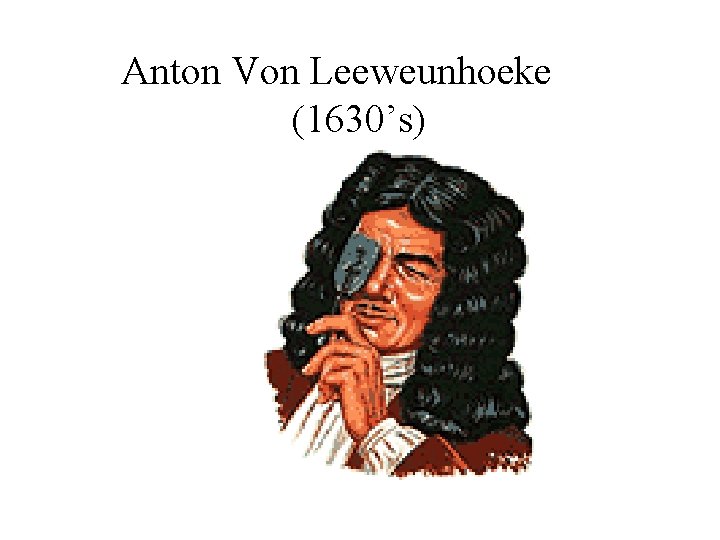
Anton Von Leeweunhoeke (1630’s)
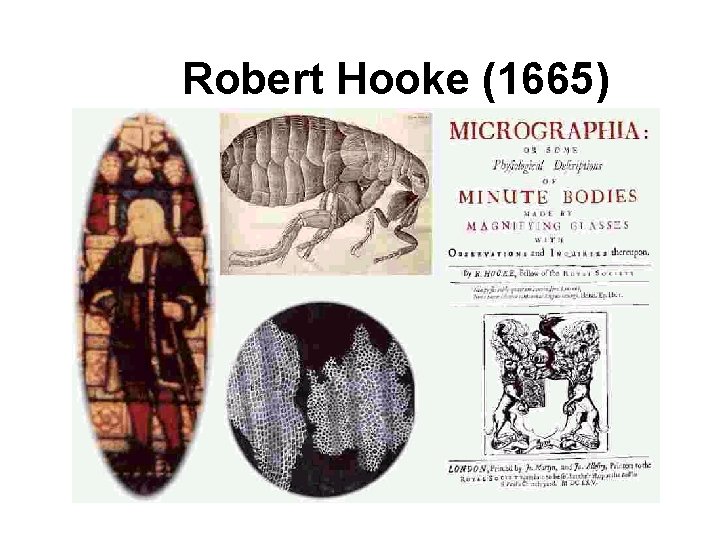
Robert Hooke (1665)
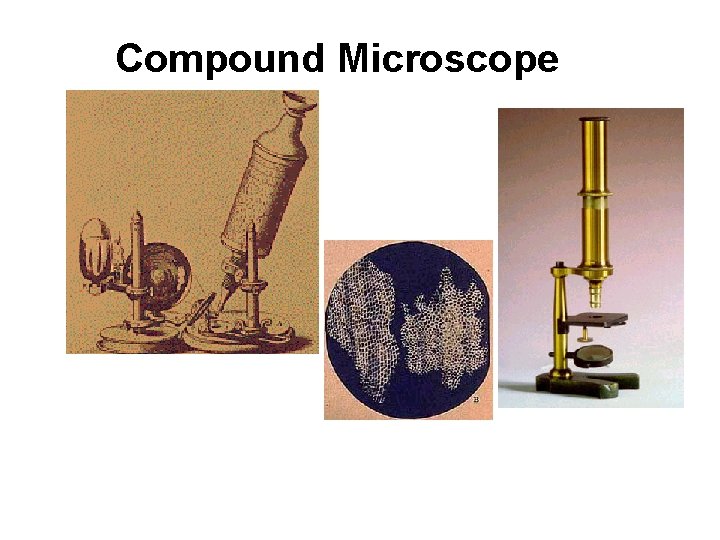
Compound Microscope
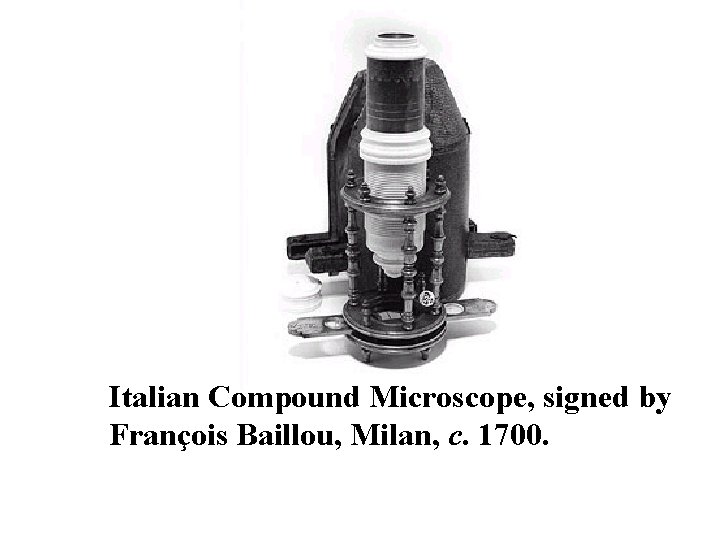
Italian Compound Microscope, signed by François Baillou, Milan, c. 1700.
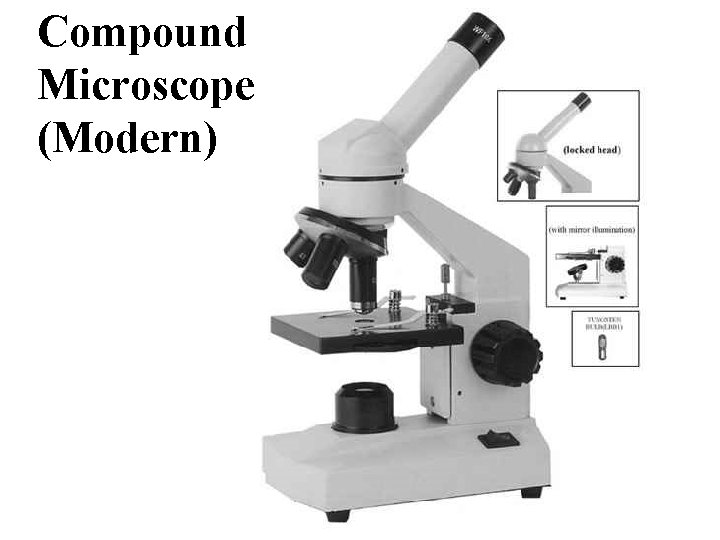
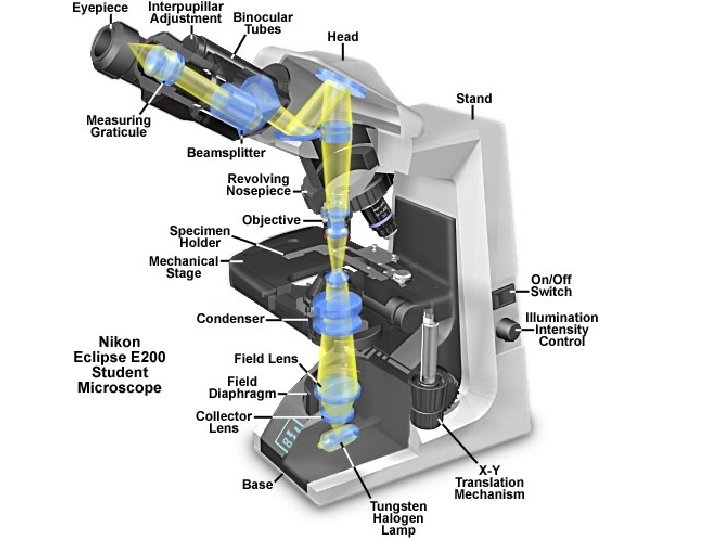
Compound Microscope (Modern)
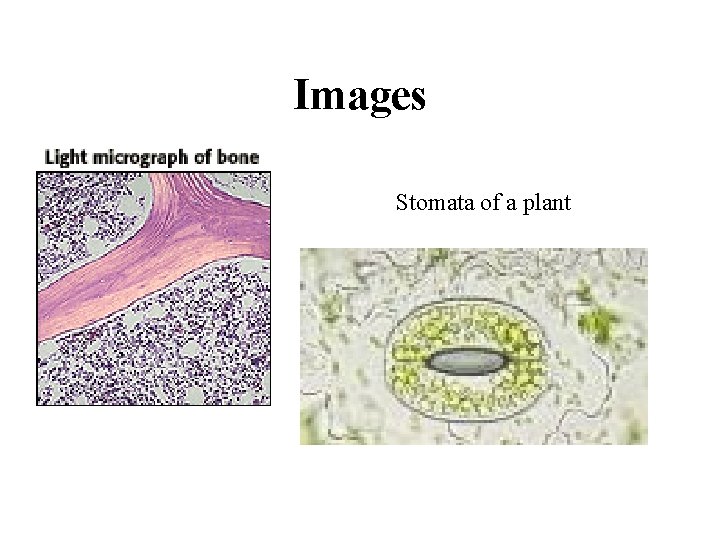
Images Stomata of a plant
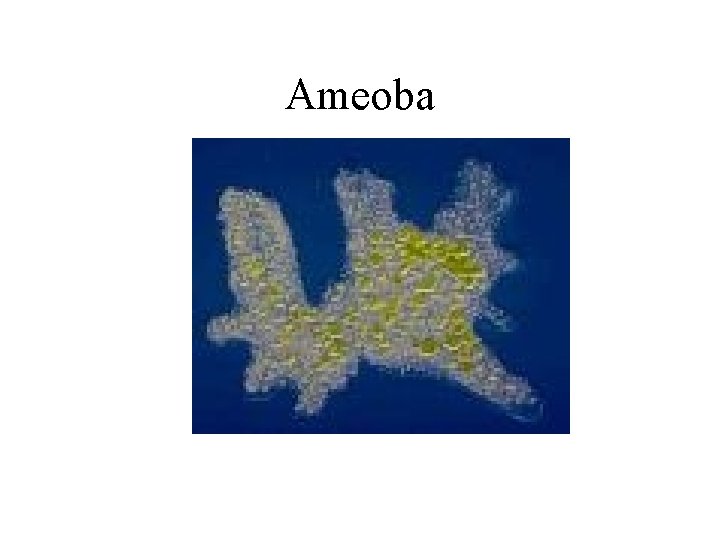
Ameoba
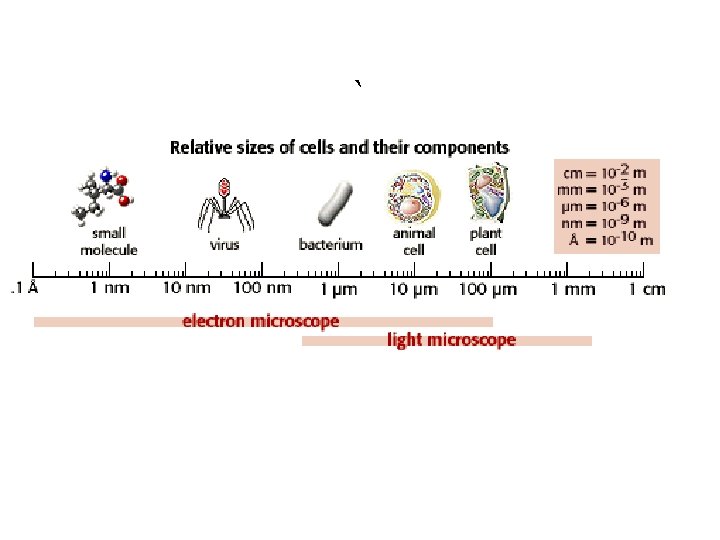
Compound Microscope: Key Points • Two lenses ( ocular and objective) • The ocular magnifies the image from the objective. *2 -D images *can use live samples *light must pass through sample to see it *light source needed: reflected by a mirror (old) or electric power • 1000 x at the most; we have 400 x as the highest mag. at school. • Resolution and clarity is ok
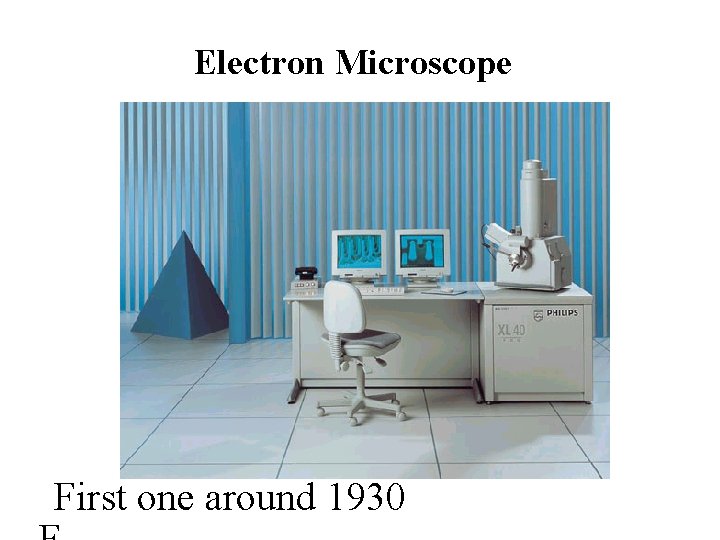
Electron Microscope First one around 1930
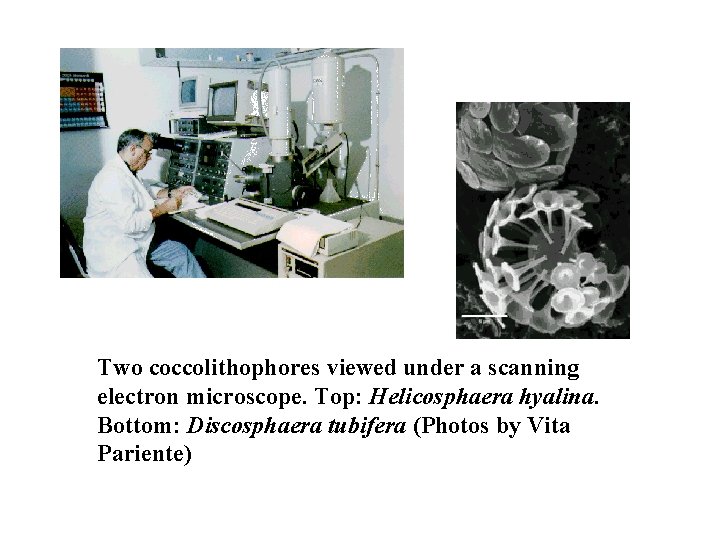
Two coccolithophores viewed under a scanning electron microscope. Top: Helicosphaera hyalina. Bottom: Discosphaera tubifera (Photos by Vita Pariente)
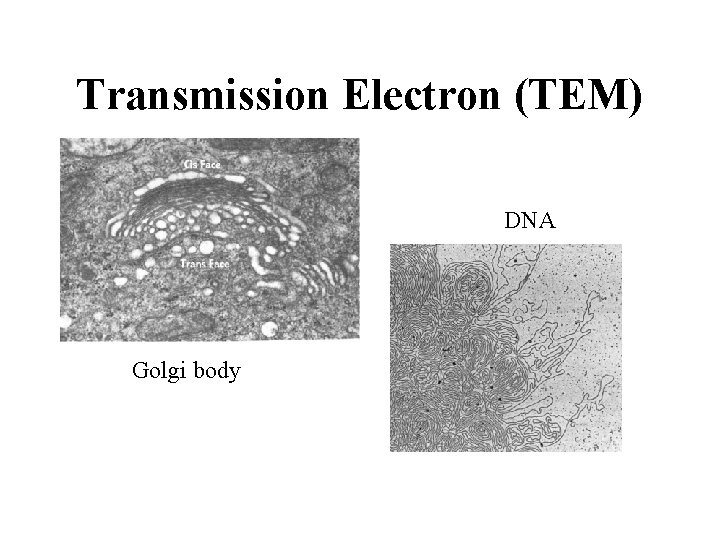
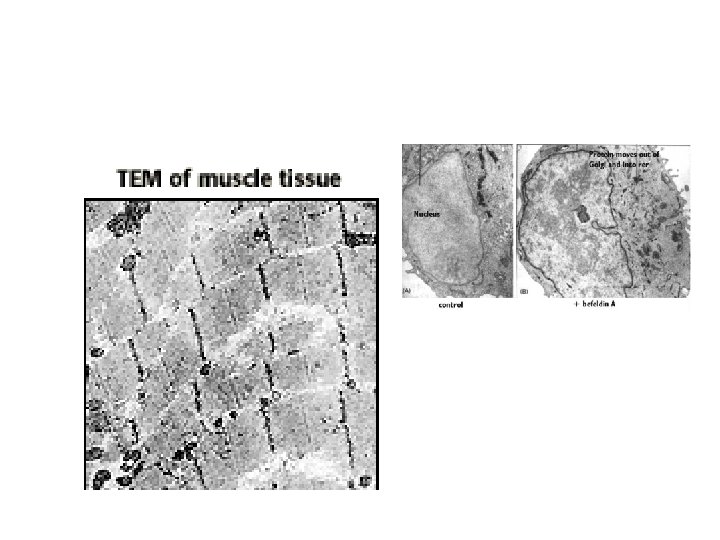
Transmission Electron (TEM) DNA Golgi body
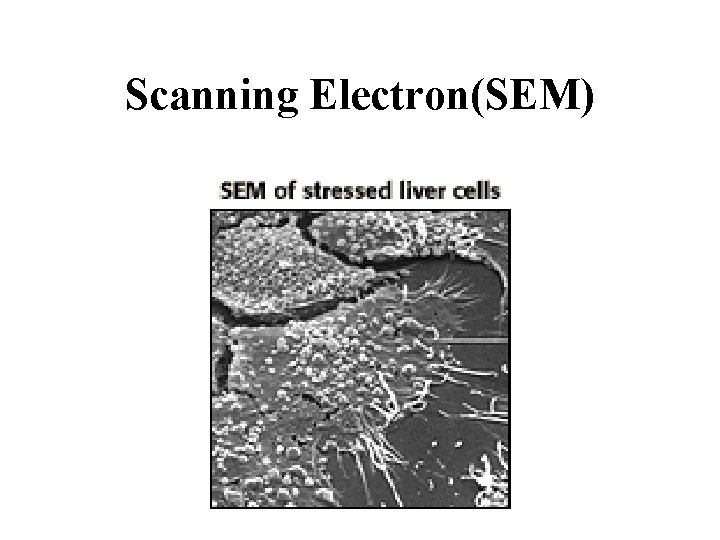
Scanning Electron(SEM)
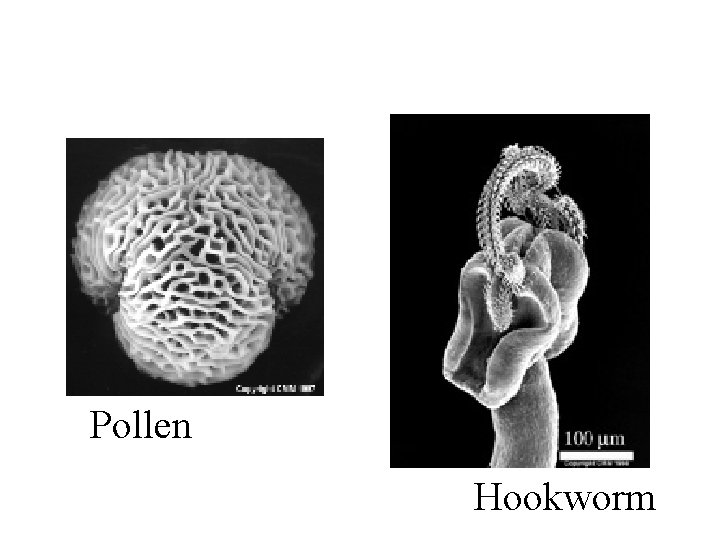
Pollen Hookworm
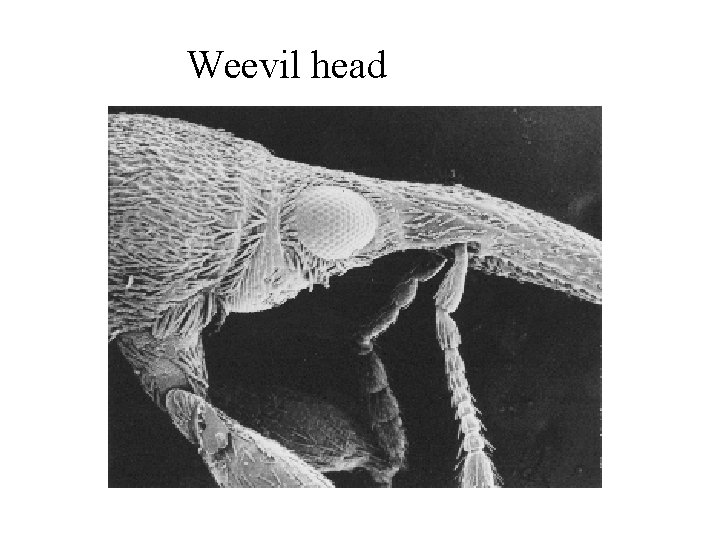
Weevil head
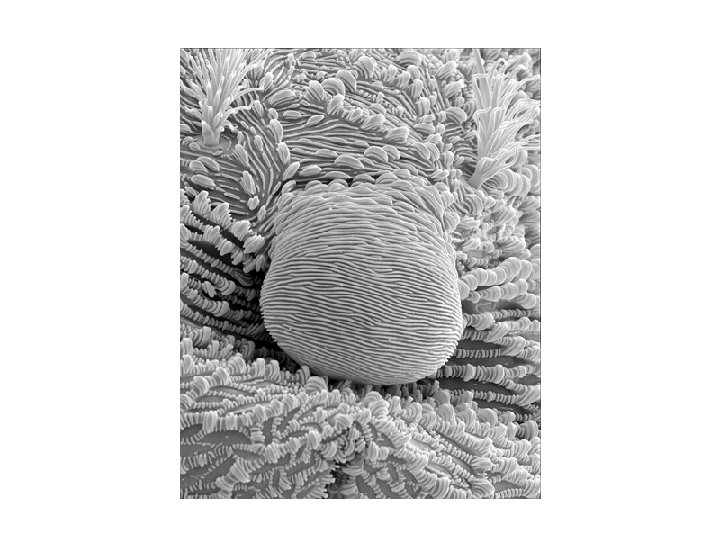
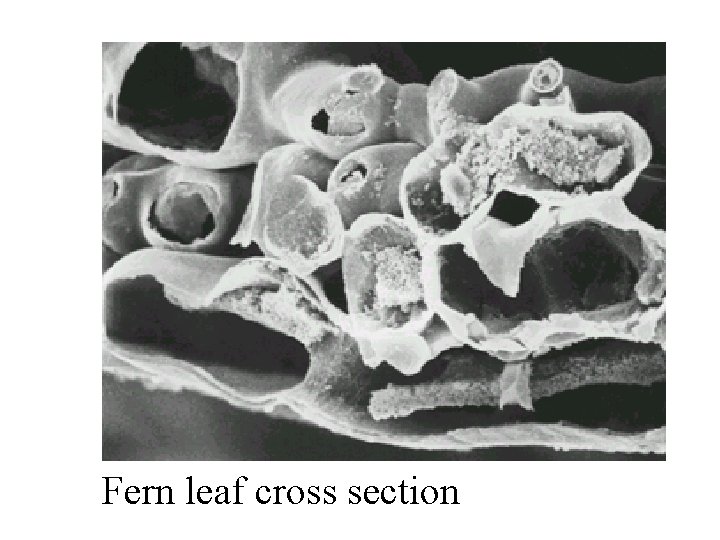
Fern leaf cross section
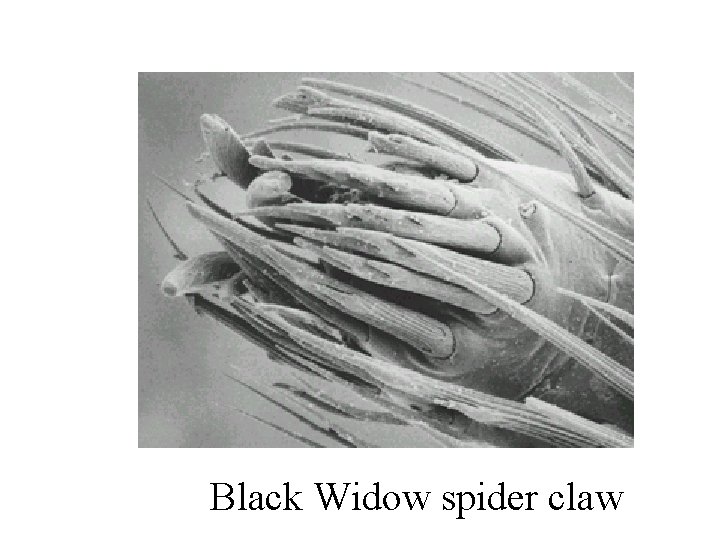
Black Widow spider claw
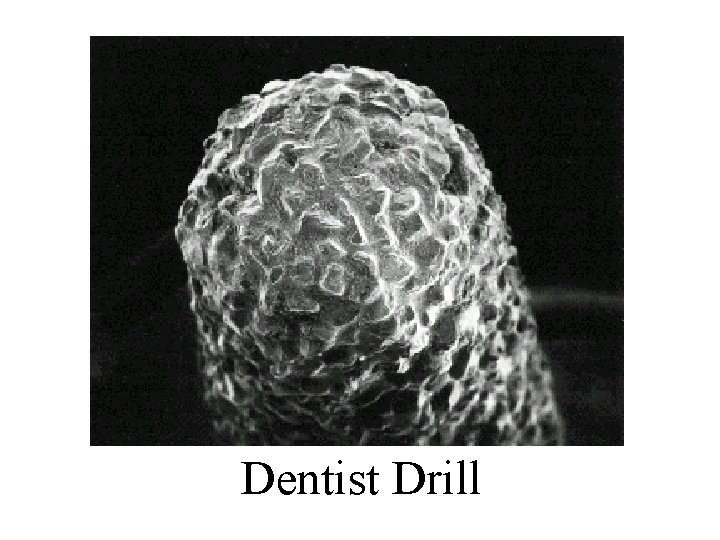
Dentist Drill
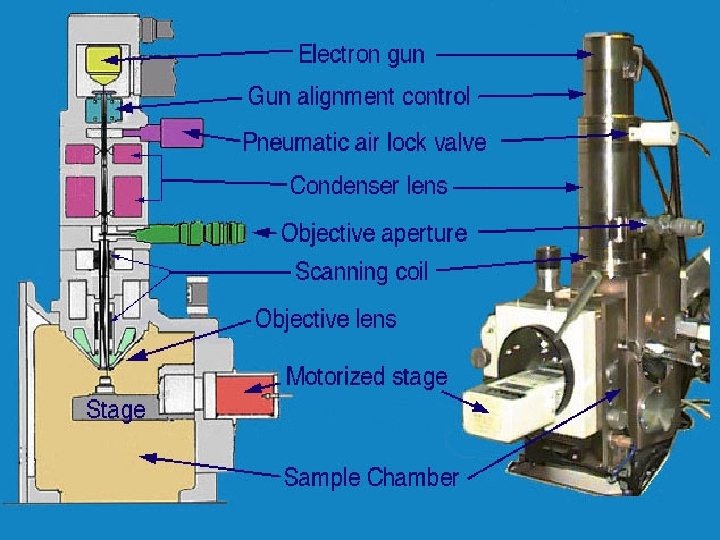
Electron Microscope: Key points • Electrons as a source to view sample; image captured by computer…not light. *very specific magnification ( 1 million x) • Computer needed for precision and accuracy.
SEM • Sample coated with a metal ion • Electrons shot over sample and scan across • Electrons bounce off the surface and provide a 3 -D image • Can view whole samples
TEM • Samples must be thin…very thin for electrons to pass through the sample. • Can’t be used to view whole or live samples • Very good clarity and resolution • 1 million x • 2 -D images; very detailed
- Slides: 27