
Cell Structure Revision Animal Plant Animal Cell Plant
- Slides: 35
Cell Structure
Revision Animal Plant
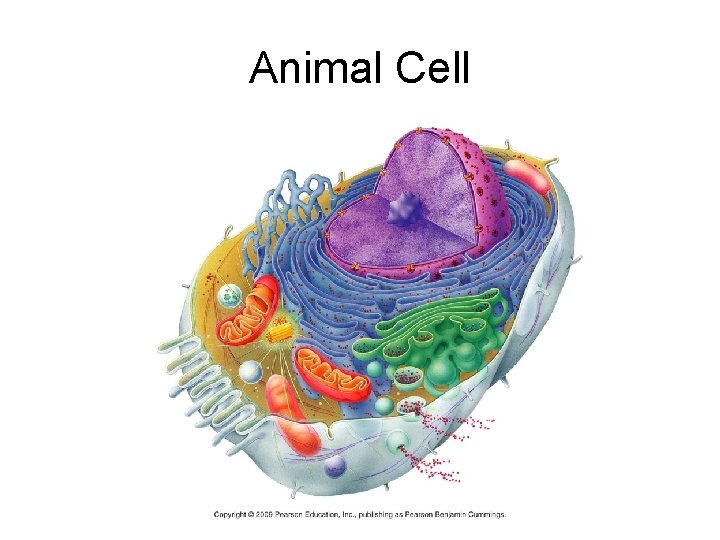
Animal Cell
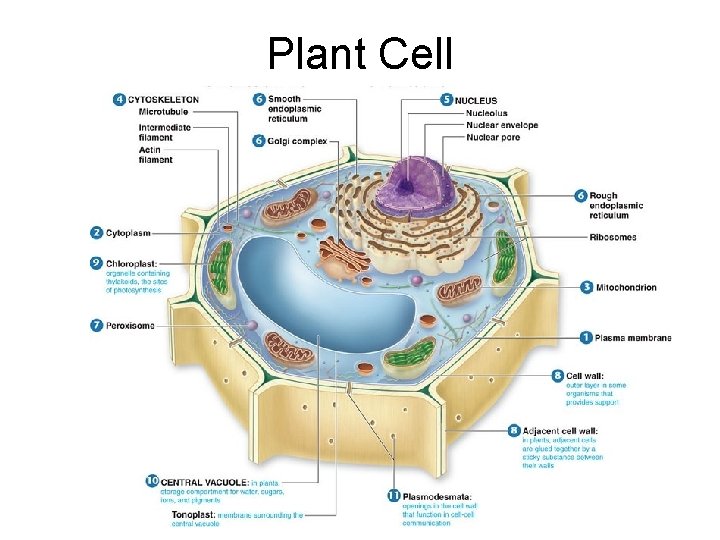
Plant Cell
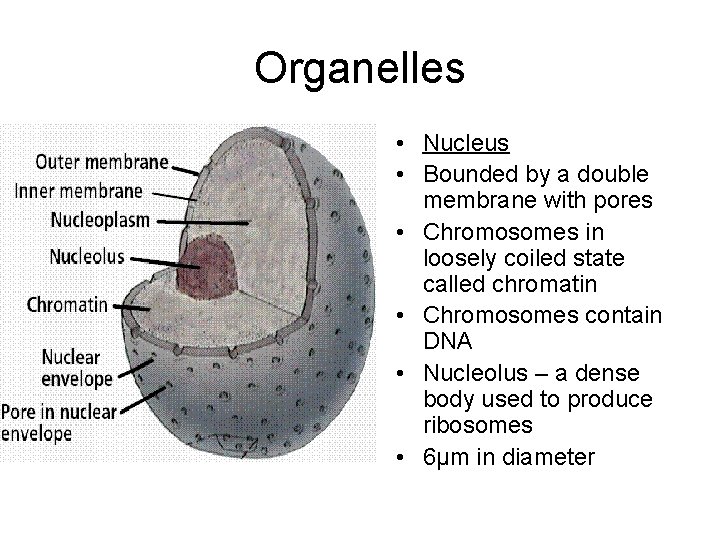
Organelles • Nucleus • Bounded by a double membrane with pores • Chromosomes in loosely coiled state called chromatin • Chromosomes contain DNA • Nucleolus – a dense body used to produce ribosomes • 6μm in diameter
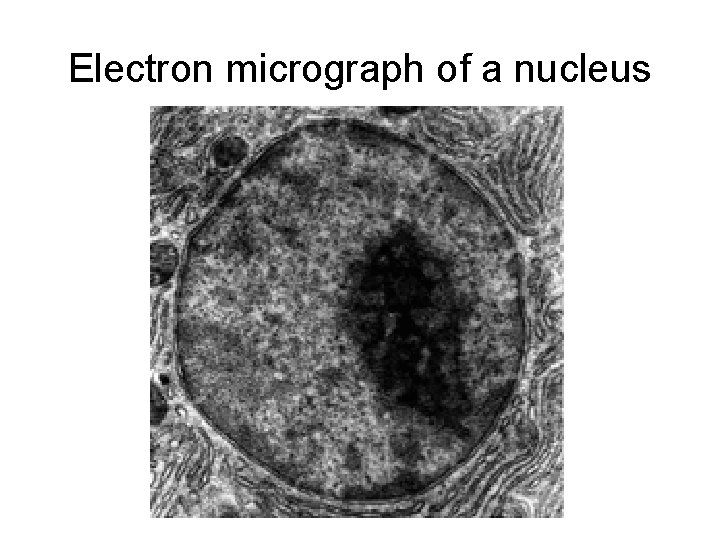
Electron micrograph of a nucleus
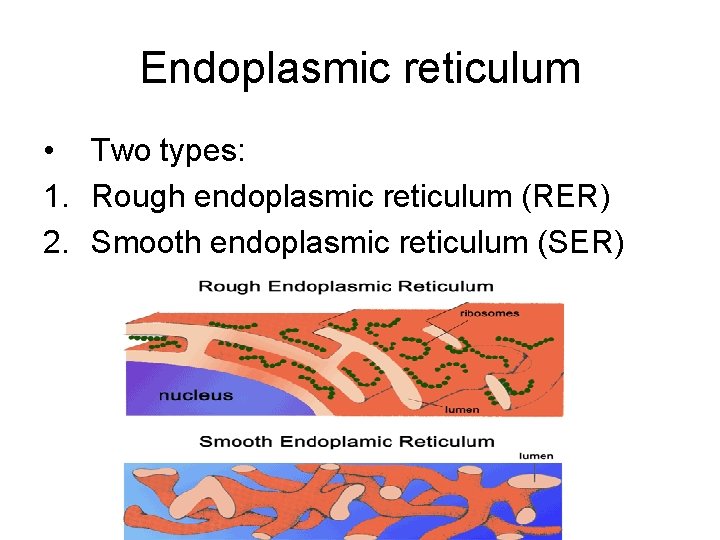
Endoplasmic reticulum • Two types: 1. Rough endoplasmic reticulum (RER) 2. Smooth endoplasmic reticulum (SER)
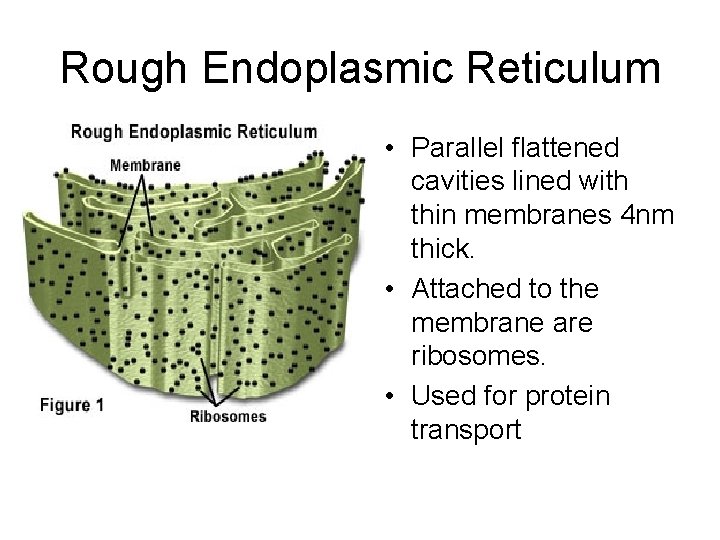
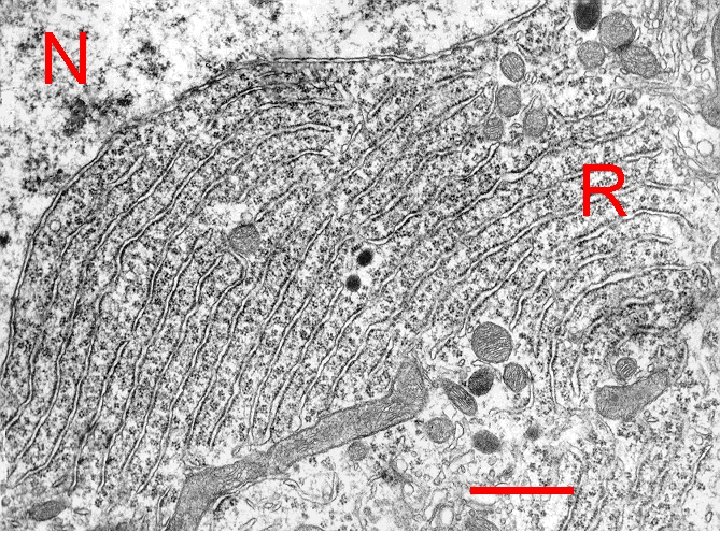
Rough Endoplasmic Reticulum • Parallel flattened cavities lined with thin membranes 4 nm thick. • Attached to the membrane are ribosomes. • Used for protein transport
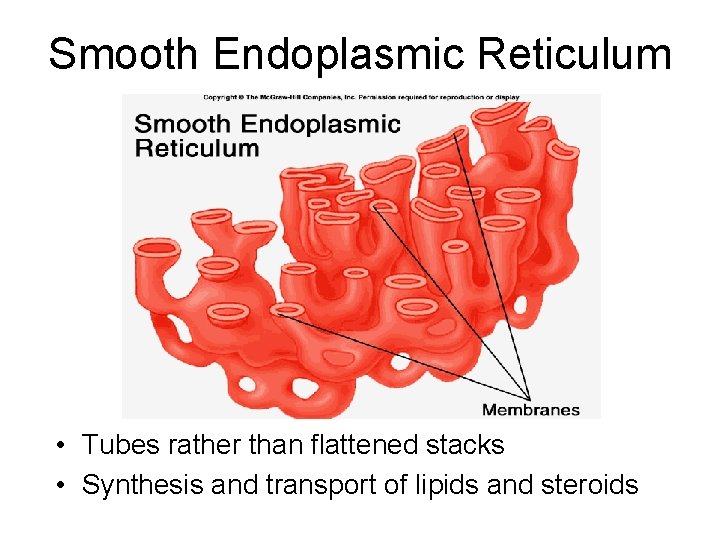
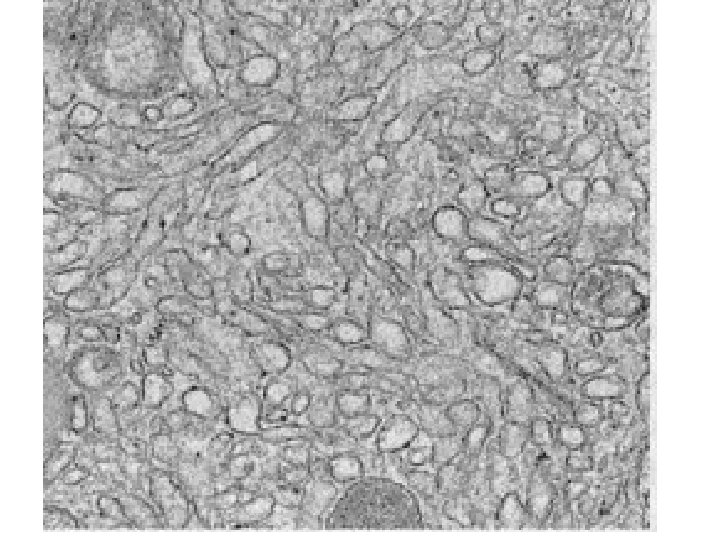
Smooth Endoplasmic Reticulum • Tubes rather than flattened stacks • Synthesis and transport of lipids and steroids
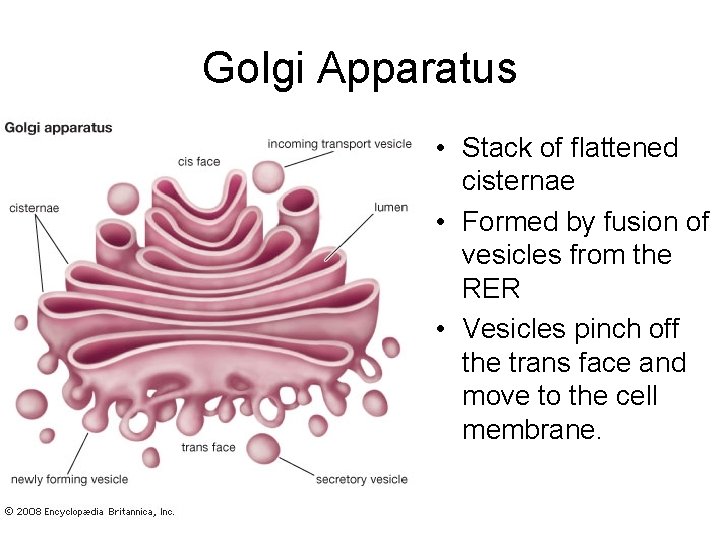
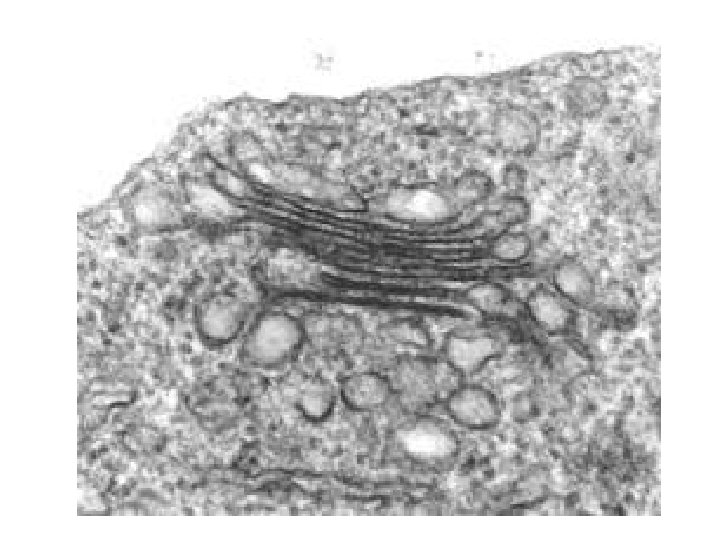
Golgi Apparatus • Stack of flattened cisternae • Formed by fusion of vesicles from the RER • Vesicles pinch off the trans face and move to the cell membrane.
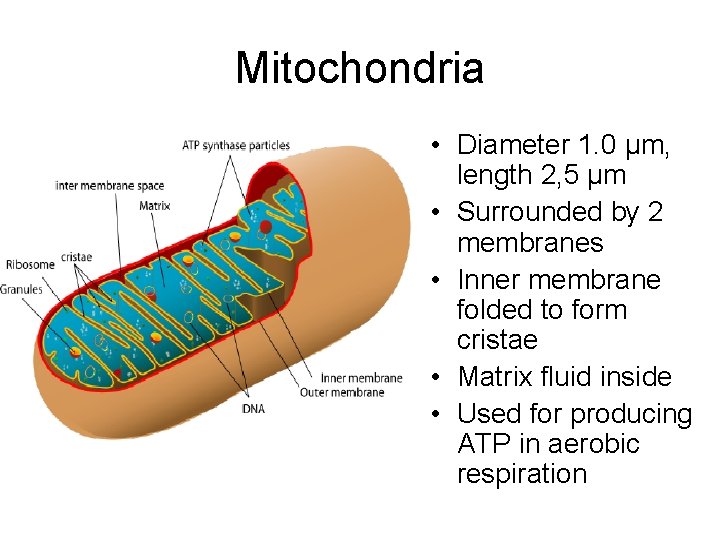
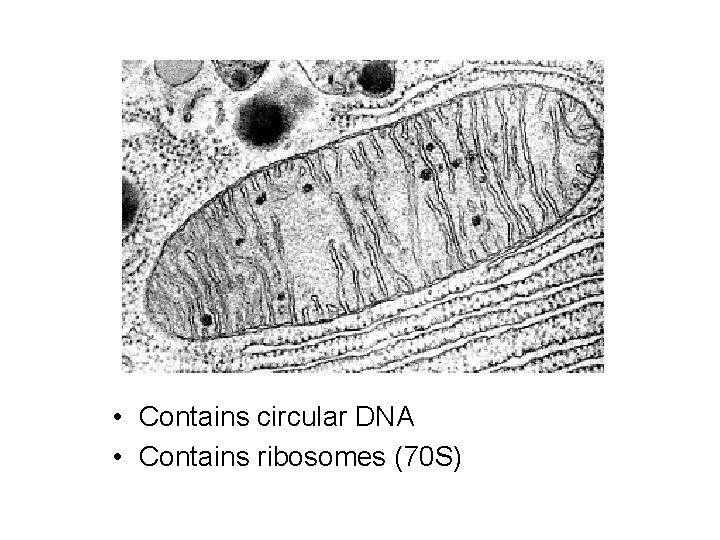
Mitochondria • Diameter 1. 0 μm, length 2, 5 μm • Surrounded by 2 membranes • Inner membrane folded to form cristae • Matrix fluid inside • Used for producing ATP in aerobic respiration
• Contains circular DNA • Contains ribosomes (70 S)
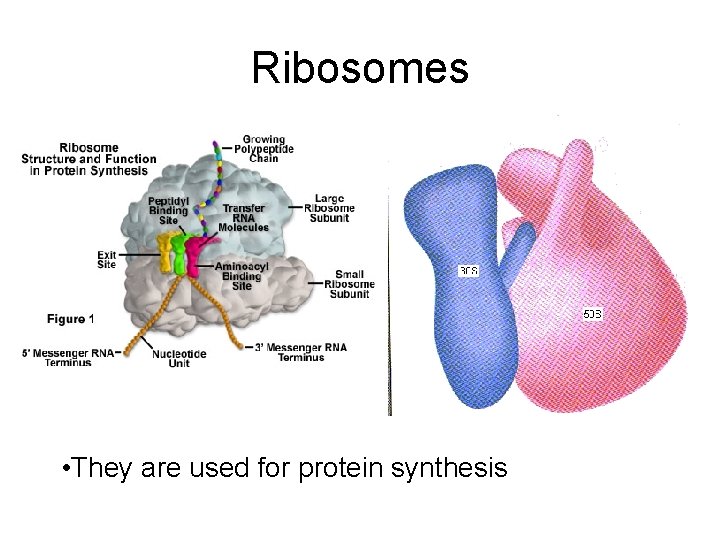
Ribosomes • They are used for protein synthesis
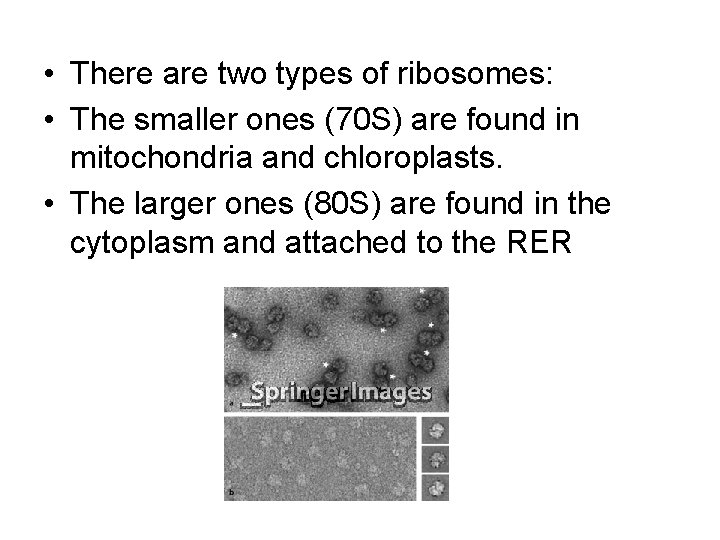
• There are two types of ribosomes: • The smaller ones (70 S) are found in mitochondria and chloroplasts. • The larger ones (80 S) are found in the cytoplasm and attached to the RER
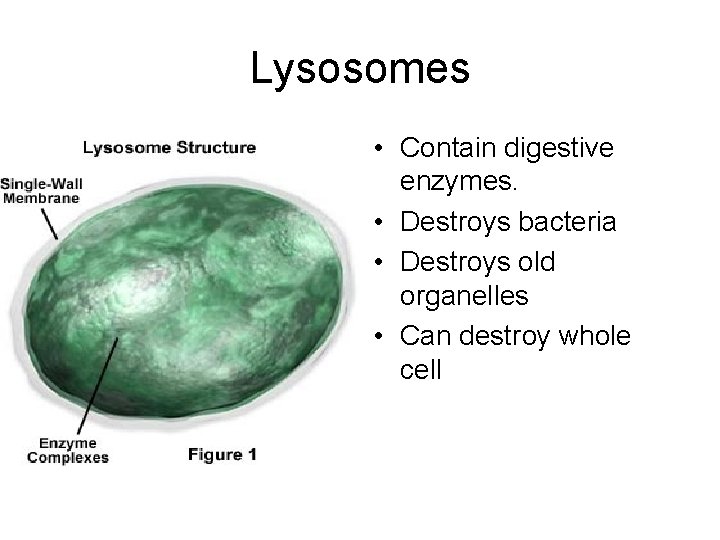
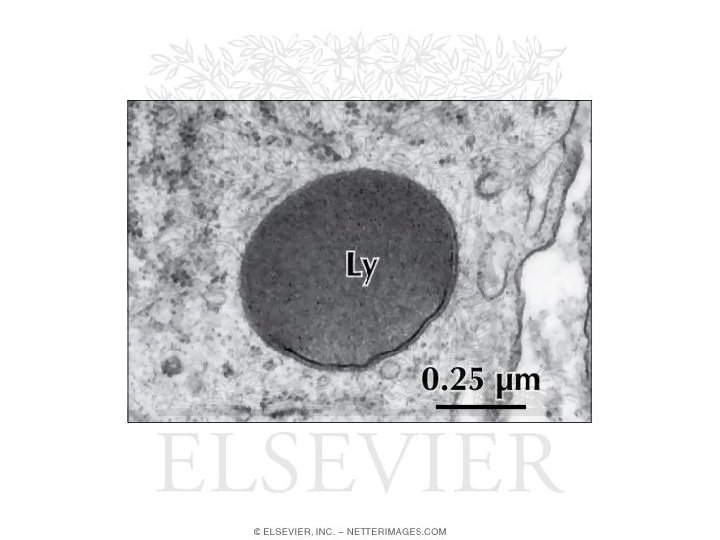
Lysosomes • Contain digestive enzymes. • Destroys bacteria • Destroys old organelles • Can destroy whole cell
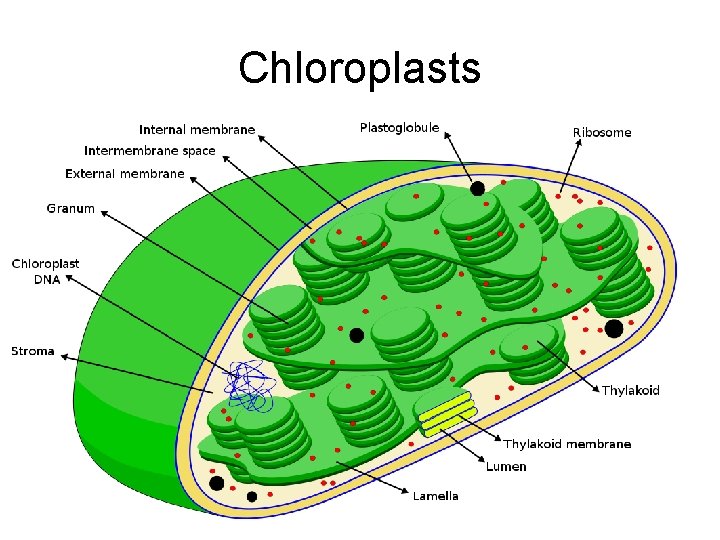
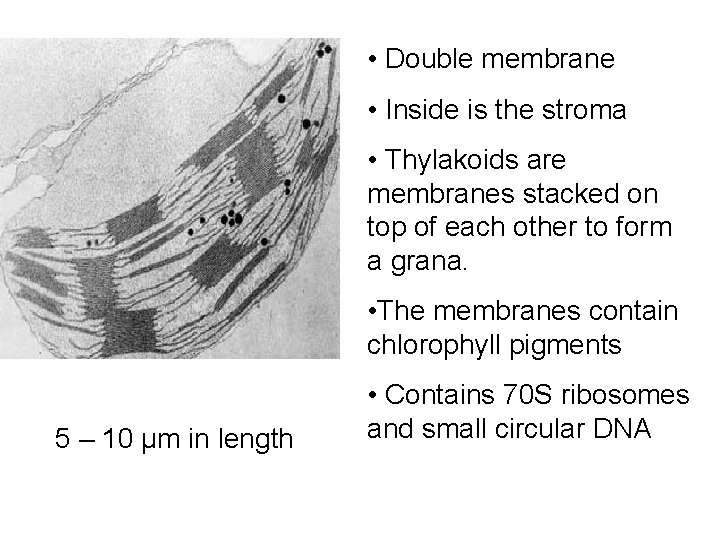
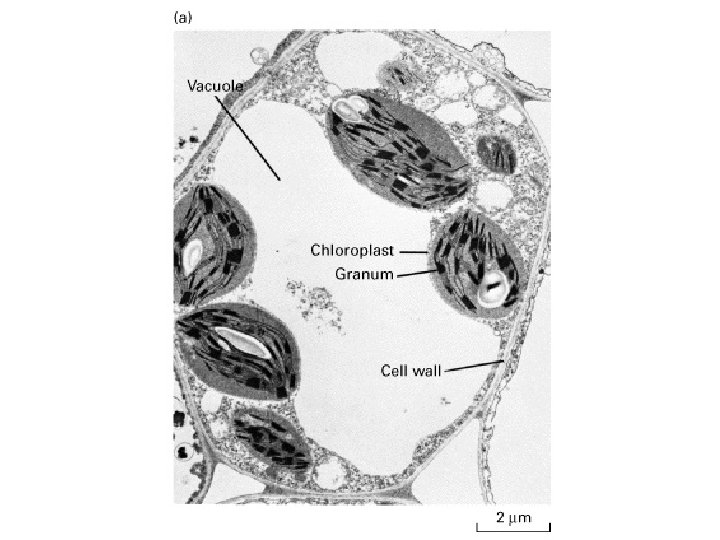
Chloroplasts
• Double membrane • Inside is the stroma • Thylakoids are membranes stacked on top of each other to form a grana. • The membranes contain chlorophyll pigments 5 – 10 μm in length • Contains 70 S ribosomes and small circular DNA
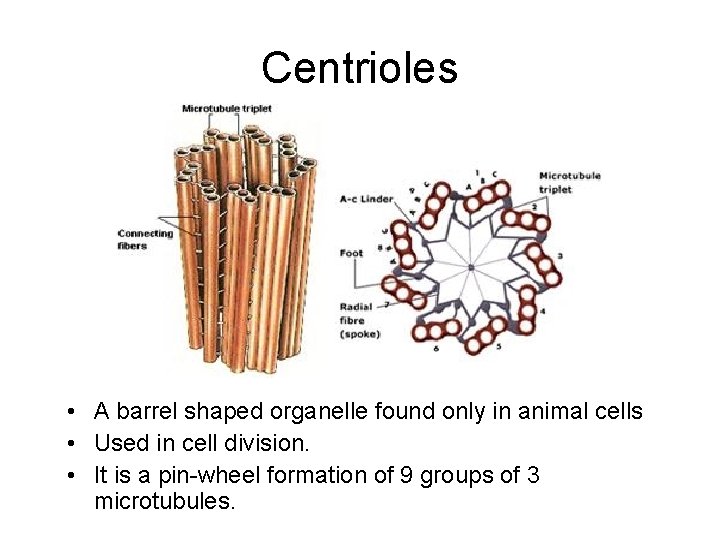
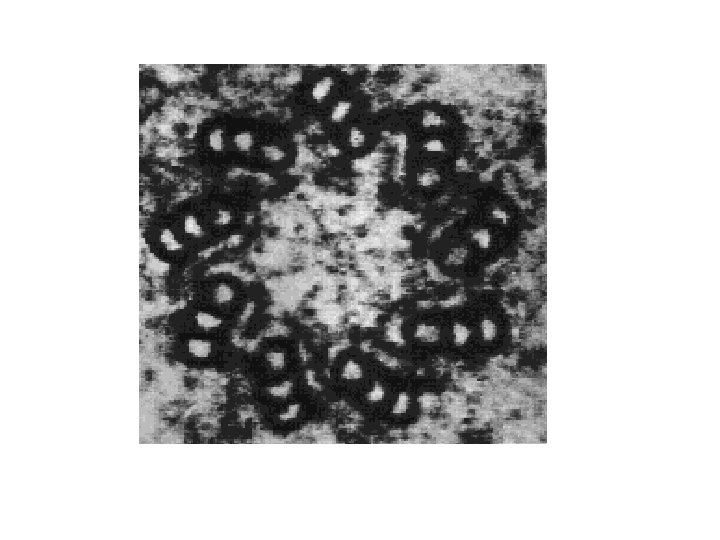
Centrioles • A barrel shaped organelle found only in animal cells • Used in cell division. • It is a pin-wheel formation of 9 groups of 3 microtubules.
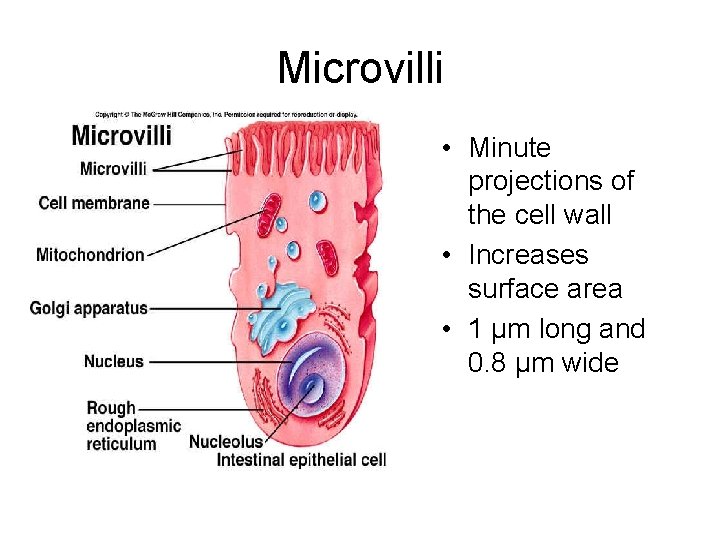
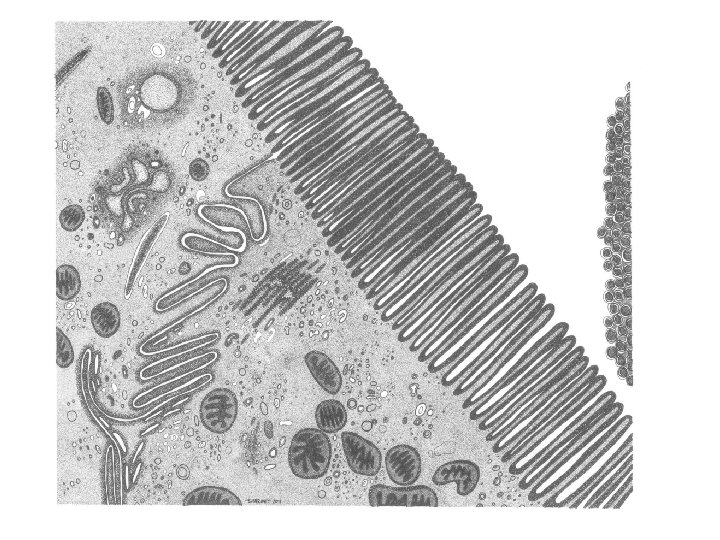
Microvilli • Minute projections of the cell wall • Increases surface area • 1 μm long and 0. 8 μm wide
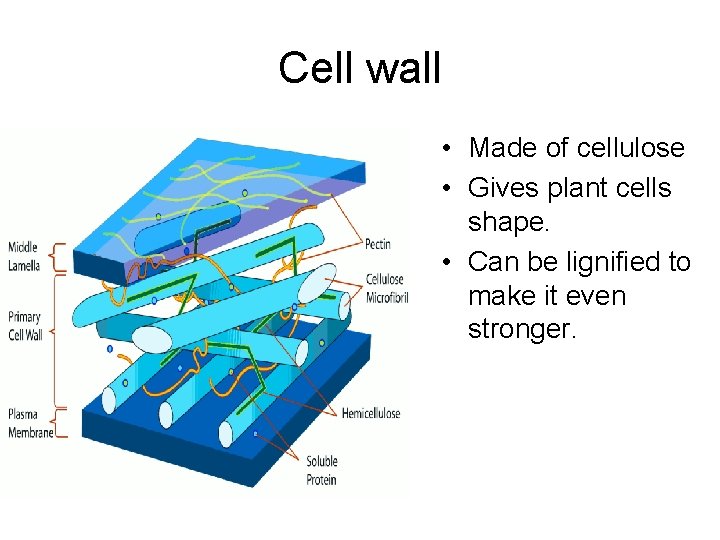
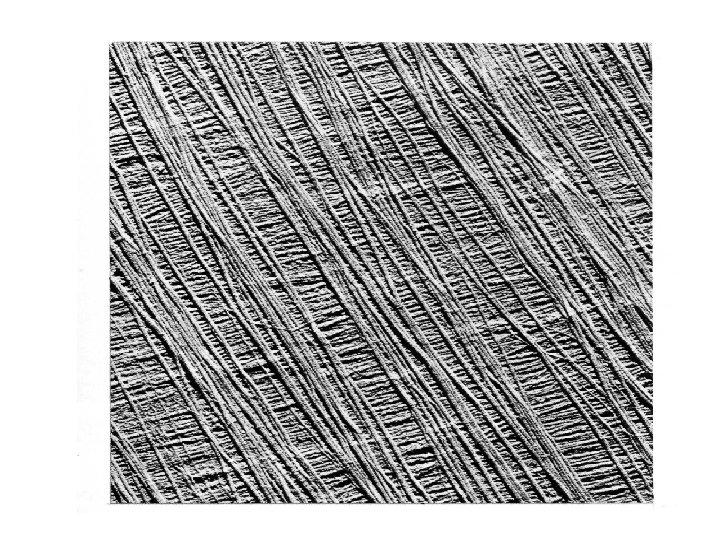
Cell wall • Made of cellulose • Gives plant cells shape. • Can be lignified to make it even stronger.
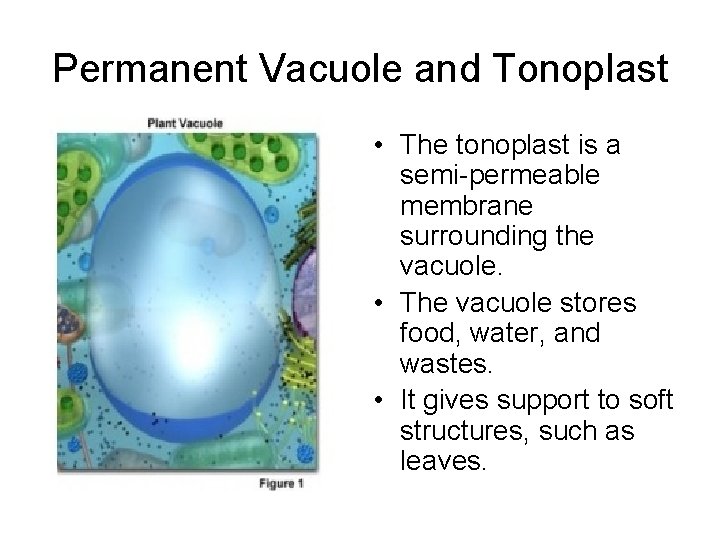
Permanent Vacuole and Tonoplast • The tonoplast is a semi-permeable membrane surrounding the vacuole. • The vacuole stores food, water, and wastes. • It gives support to soft structures, such as leaves.
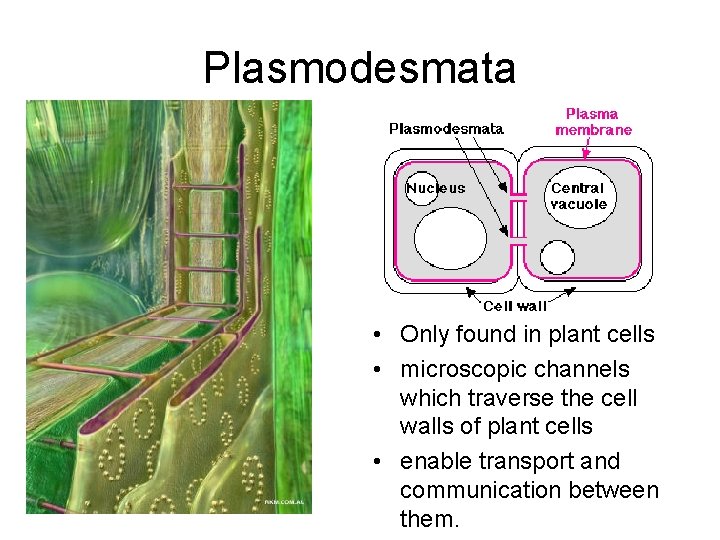
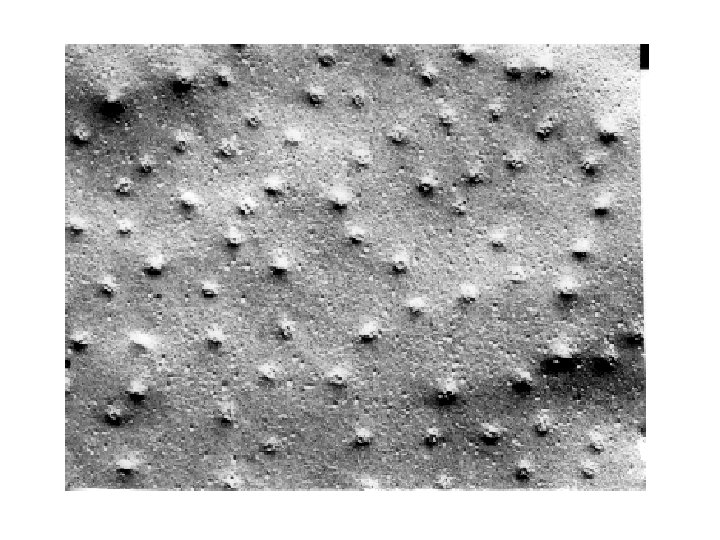
Plasmodesmata • Only found in plant cells • microscopic channels which traverse the cell walls of plant cells • enable transport and communication between them.
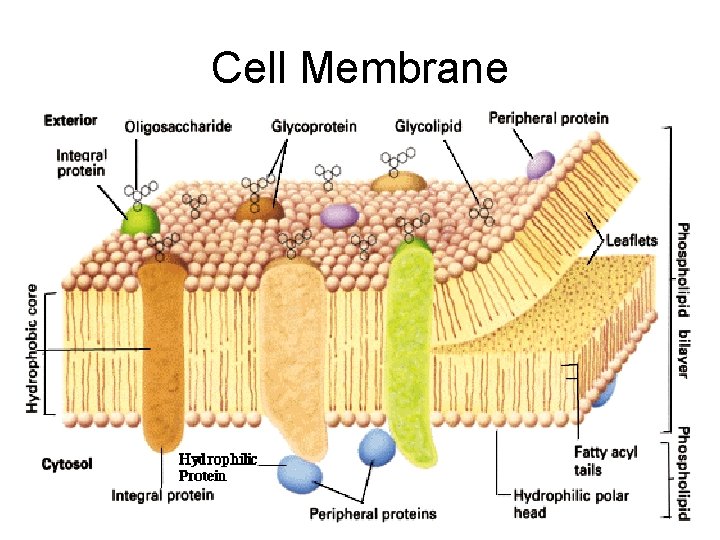
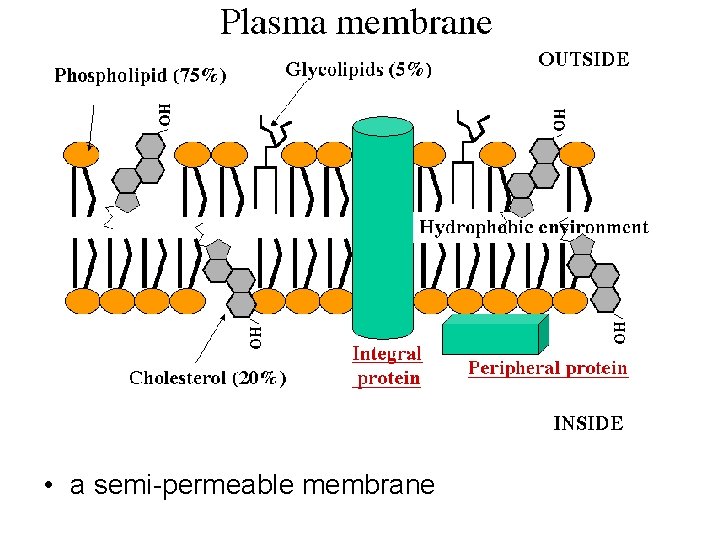
Cell Membrane
• a semi-permeable membrane
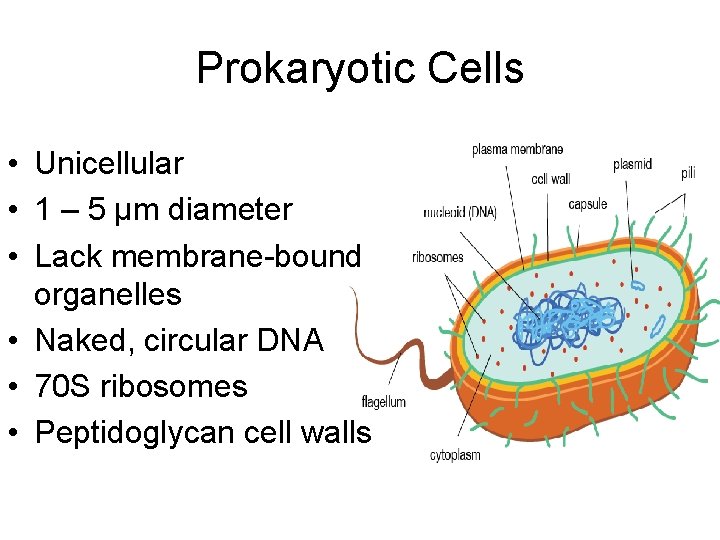
Prokaryotic Cells • Unicellular • 1 – 5 μm diameter • Lack membrane-bound organelles • Naked, circular DNA • 70 S ribosomes • Peptidoglycan cell walls
Peptidoglycan cell walls